Bookbot

Slavenka Drakulić Livres

    4 juillet 1949

    Slavenka Drakulić est une écrivaine croate renommée dont les œuvres explorent des expériences humaines complexes, de la confrontation avec la maladie et la peur de la mort au pouvoir destructeur du désir et à la fragilité des relations. Elle sonde les aspects les plus sombres de la psyché humaine, y compris la cruauté de la guerre et des sujets sensibles tels que la maltraitance infantile. Dans ses essais, Drakulić examine les paysages politiques et idéologiques des pays post-communistes, les crimes de guerre et le nationalisme, ainsi que les questions féministes et le corps féminin. Son écriture, souvent adoptant des perspectives non conventionnelles comme les vies de femmes célèbres ou l'analyse du mal et du bien chez les gens ordinaires, l'a établie comme une voix européenne influente.

    They Would Never Hurt a Fly
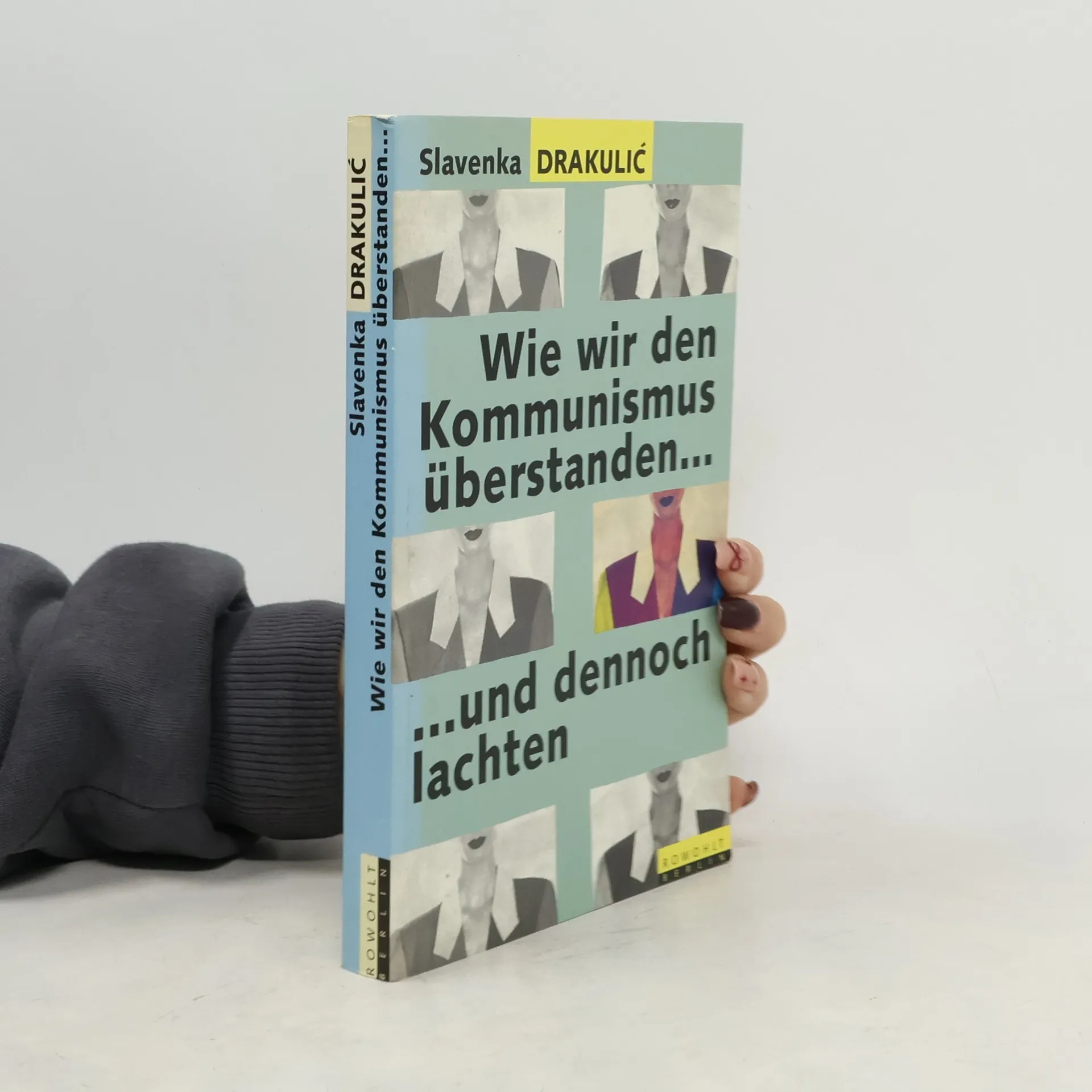
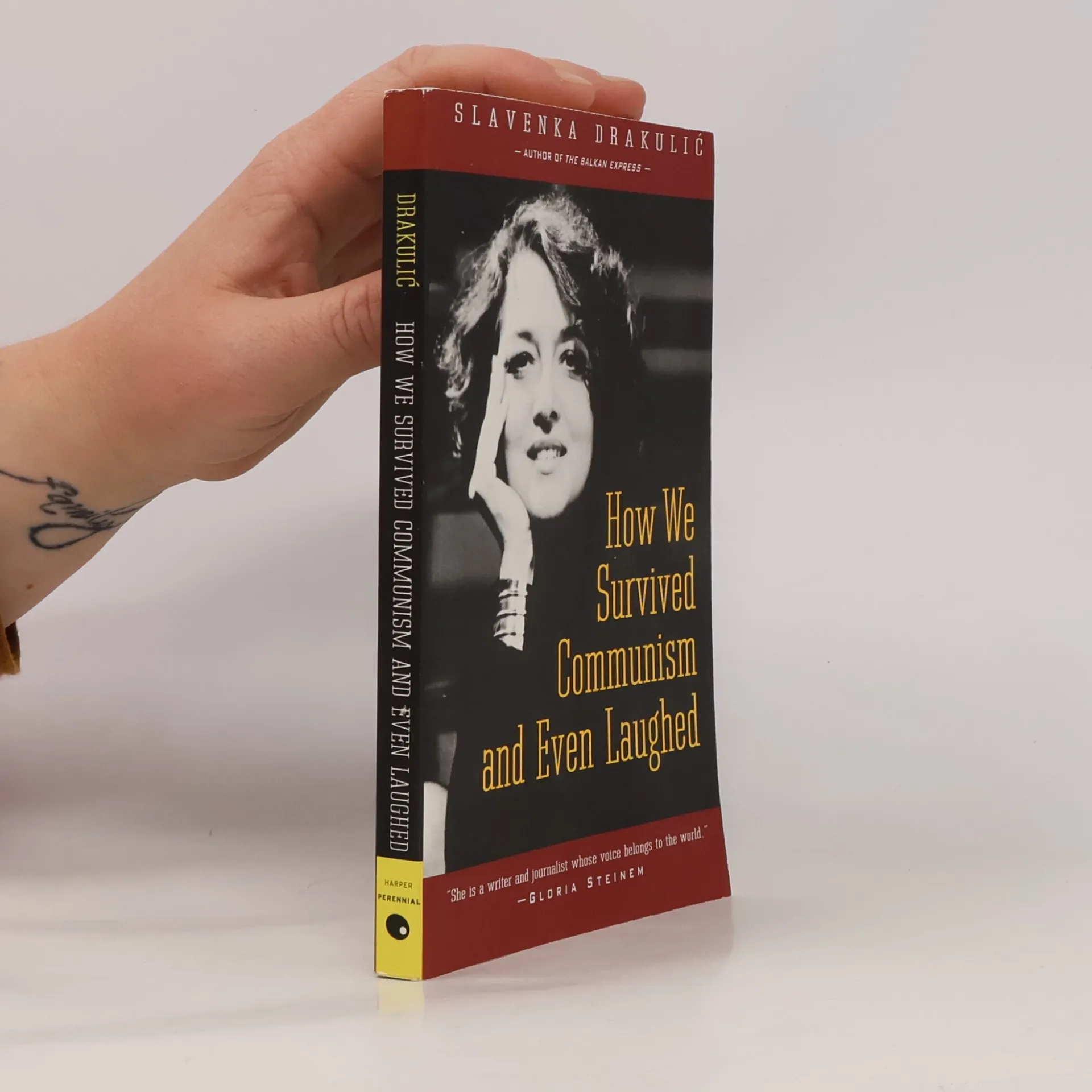
    How we survived communism and even laughed
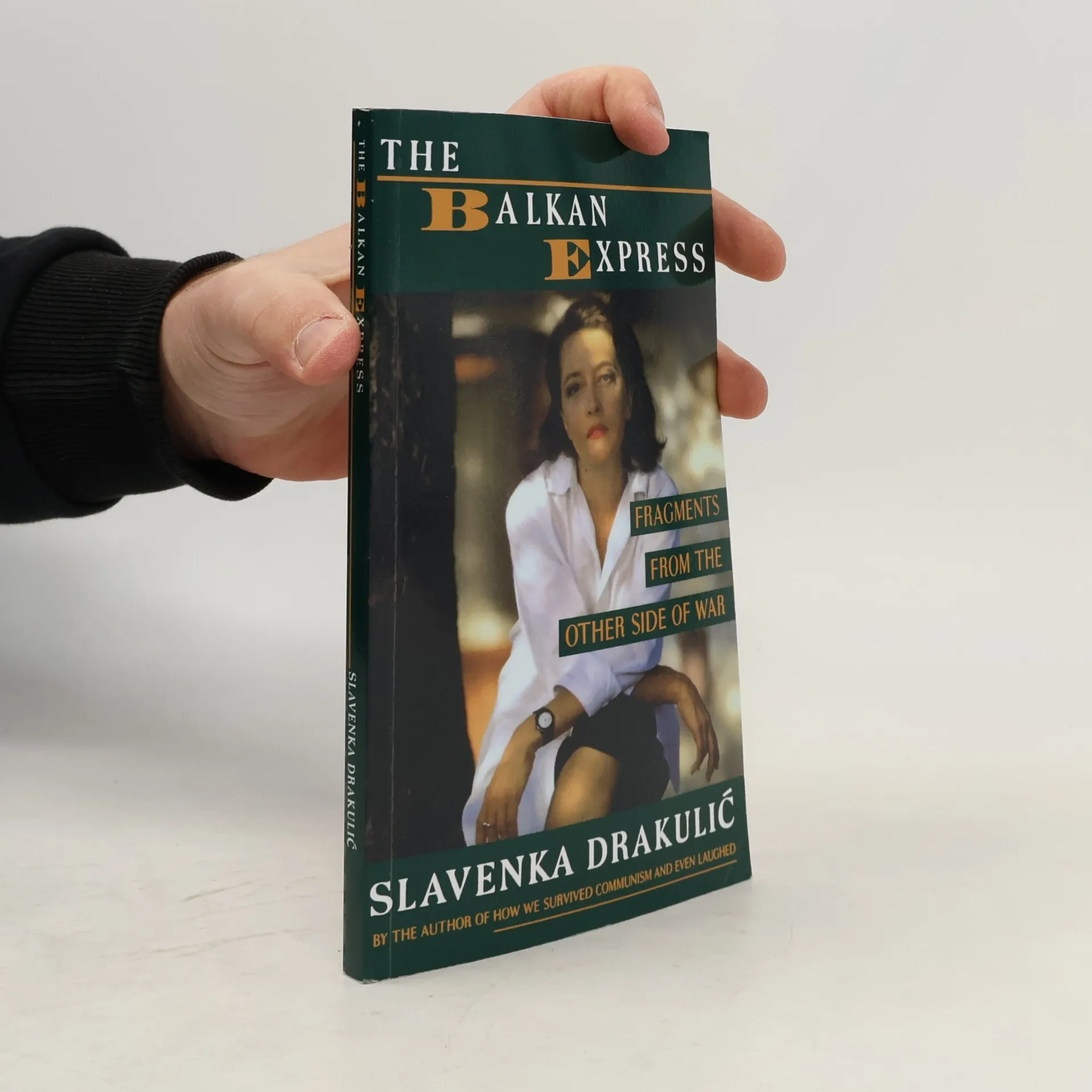
    The Balkan Express
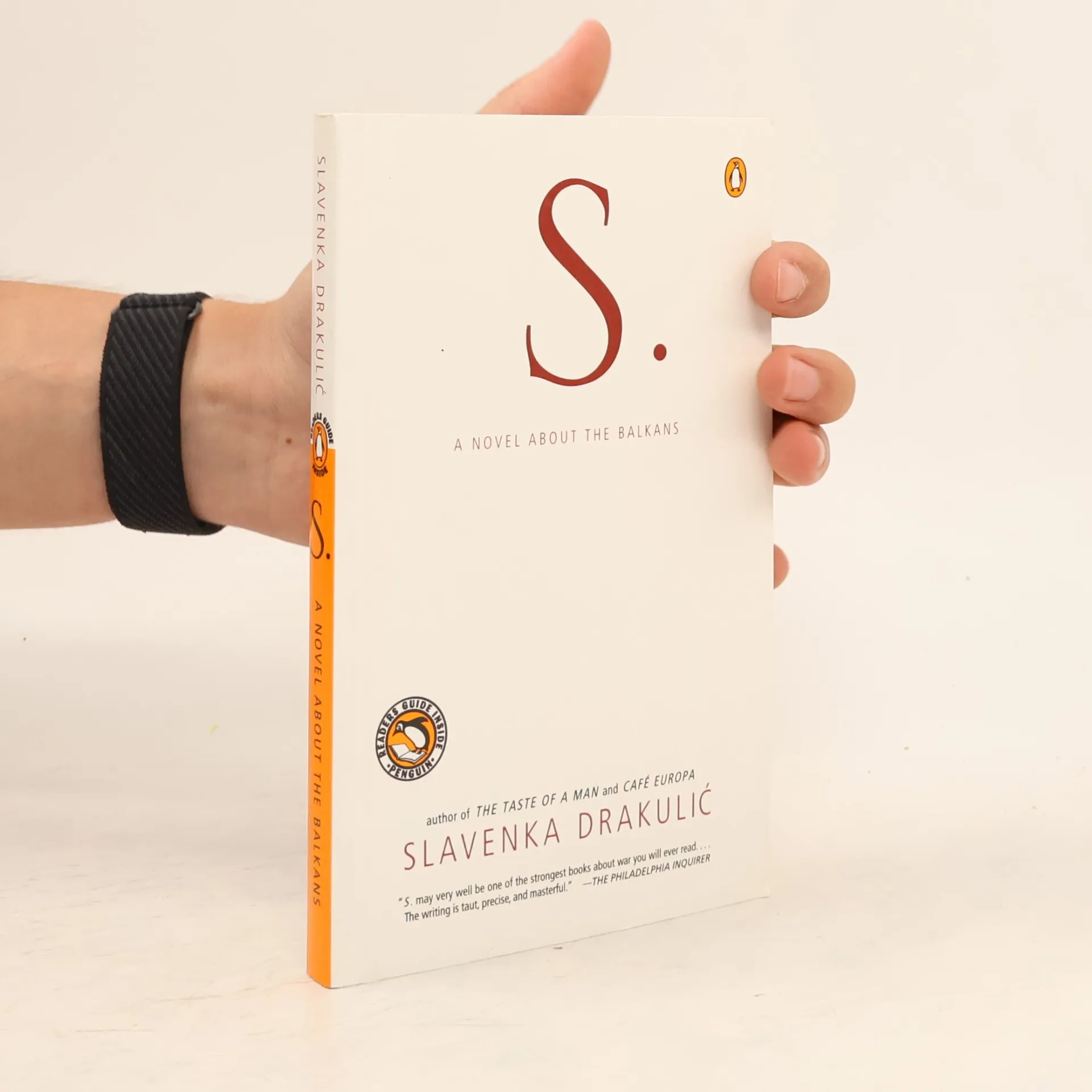
    S. : novel about the Balkans
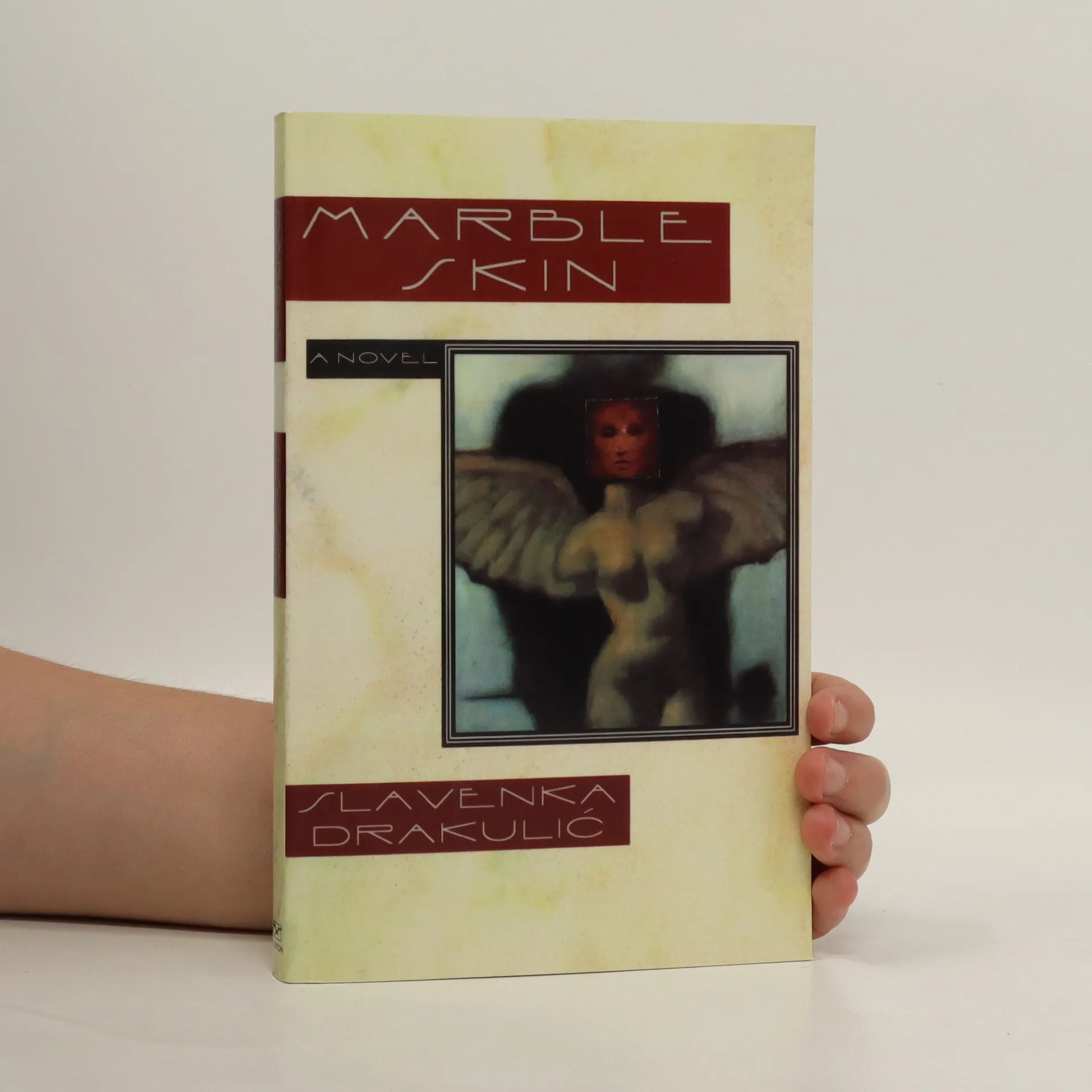
    Marble skin
    Dora Maar et le Minotaure
    • Dora Maar et le Minotaure

      • 208pages
      • 8 heures de lecture

      Dora Maar, une photographe célébrée des surréalistes, est au cœur de cette narration sur sa relation passionnée et douloureuse avec Pablo Picasso, l'un des plus grands génies du XXe siècle. Le roman explore le mystère éternel de l'amour et les défis auxquels la compagne de Picasso a été confrontée, tout en l'inspirant et en payant un prix élevé. L'œuvre de Picasso « Dora et le Minotaure » symbolise la bestialité humaine et les blessures que l'amour peut infliger. Dans la réalité, Picasso est dépeint comme un monstre qui détruit les femmes et les pousse à la folie. Dora, née en 1907 à Paris et élevée à Buenos Aires, n'était pas seulement une amante parmi d'autres, mais aussi une photographe accomplie et membre de l'avant-garde parisienne autour d'André Breton, Brassaï et Man Ray. Au cours de leur liaison, Picasso a capturé son aura mystérieuse dans de nombreux portraits. L'auteure donne à Dora une voix qu'elle avait choisie de faire taire, révélant comment elle a sacrifié sa carrière pour un homme qui ne l'a jamais vraiment laissée partir. La scène artistique de Paris dans les années 1930 prend également vie.

      Dora Maar et le Minotaure
      3,6
    • Marble skin

      • 196pages
      • 7 heures de lecture

      English (translation)Original French, Serbo-Croation

      Marble skin
      5,0
    • S. : novel about the Balkans

      • 224pages
      • 8 heures de lecture

      "S. may very well be one of the strongest books about war you will ever read. . . The writing is taut, precise, and masterful." —The Philadelphia Enquirer Set in 1992, during the height of the Bosnian war, S. reveals one of the most horrifying aspects of any war: the rape and torture of civilian women by occupying forces. S. is the story of a Bosnian woman in exile who has just given birth to an unwanted child—one without a country, a name, a father, or a language. Its birth only reminds her of an even more grueling experience: being repeatedly raped by Serbian soldiers in the "women's room" of a prison camp. Through a series of flashbacks, S. relives the unspeakable crimes she has endured, and in telling her story—timely, strangely compelling, and ultimately about survival—depicts the darkest side of human nature during wartime.

      S. : novel about the Balkans
      4,3
    • The Balkan Express

      • 160pages
      • 6 heures de lecture

      In a series of beautiful, impassioned essays, Croatian journalist and feminist Drakulic provides a very real and human side to the Balkans war and shows how the conflict has affected her closest friends, colleagues, and fellow countrymen--both Serbian and Croatian. Includes five new essays not in the hardcover edition.

      The Balkan Express
      4,2
    • Hailed by feminists as one of the most important contributions to women's studies in the last decade, this gripping, beautifully written account describes the daily struggles of women under the Marxist regime in the former republic of Yugoslavia.

      How we survived communism and even laughed
      4,2
    • Slavenka Drakulic attended the Serbian war crimes trial in the Hague. This important book is about how ordinary people commit terrible crimes in wartime. With extraordinary story-telling skill Drakulic draws us in to this difficult subject. We cannot turn away from her subject matter because her writing is so engaging, lively and compelling. From the monstrous Slobodan Milosevich and his evil Lady Macbeth of a wife to humble Serb soldiers who claim they were 'just obeying orders', Drakulic brilliantly enters the minds of the killers. There are also great stories of bravery and survival, both from those who helped Bosnians escape from the Serbs and from those who risked their lives to help them.

      They Would Never Hurt a Fly
      4,2
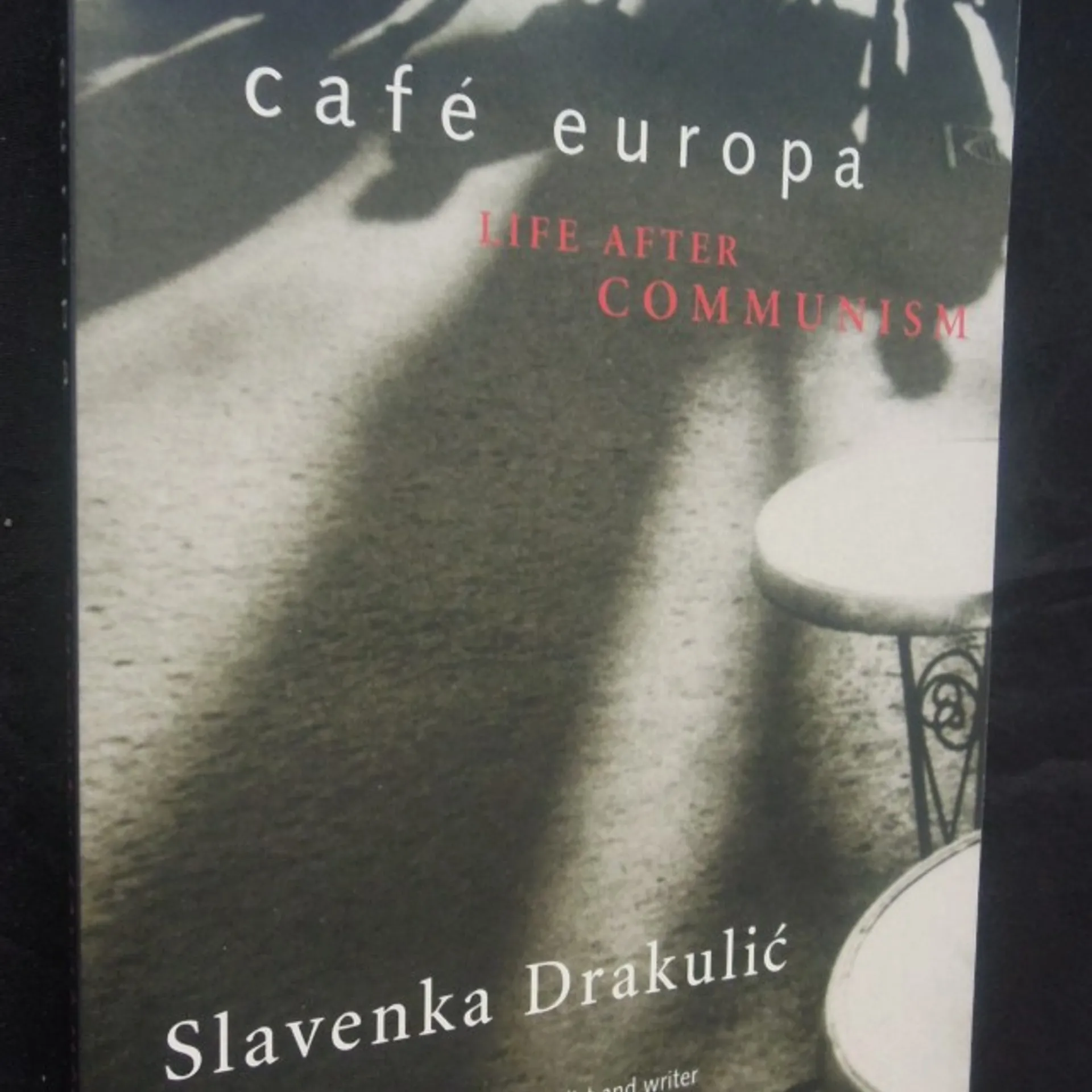
    • Europe is still a divided continent. In the place of a fallen Berlin wall, there is a chasm between the East and the West. Are these differences a communist legacy, or do they run even deeper? What divides us today? To say simply that it is the understanding of the past, or a different concept of time, is not enough. But a visitor to this part of the world will soon discover that we, the Eastern Europeans, live in another time zone. We live in the twentieth century, but at the same time we inhabit a past full of myths and fairy tales, of blood and national belonging, and the fact that most people are lying and cheating or that they have the habit of blaming others for every failure...' An intimate tour of life on the streets of Budapest, Tirana, Warsaw and Zagreb, as those cities continue to acclimatise to the post-Communist thaw, Café Europa does not provide easy solutions or furnish political pallatives. Rather as a Croatian with a viewpoint of ever-widening relevance, the value of Slavenka Drakulic's wry and humane observations lie in the emotional force of their honesty and the clarity of their insight.....

      Café Europa : life after communism
      3,9
    • A Guided Tour Through the Museum of Communism

      Fables from a Mouse, a Parrot, a Bear, a Cat, a Mole, a Pig, a Dog, and a Raven

      • 192pages
      • 7 heures de lecture

      In a collection of eight stories that satirize communism, each tale is narrated by an animal repsenting a formerly communist country, with the critter reflecting on the fall of communism. By the author of Café Europa: Life After Communism. Original. 30,000 first printing.

      A Guided Tour Through the Museum of Communism
      3,7
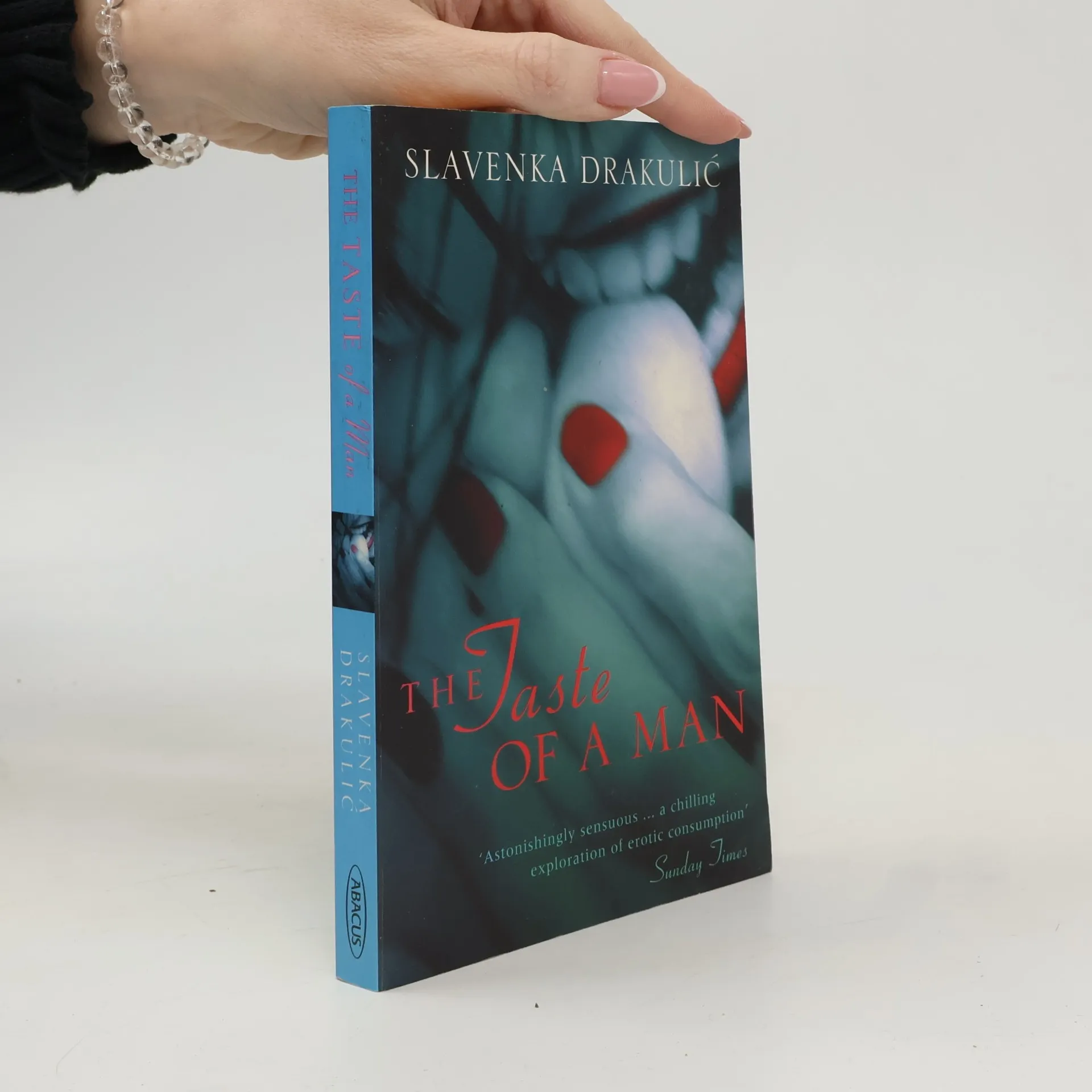
    • The Taste of a Man

      • 212pages
      • 8 heures de lecture

      One autumn in New York, a young Polish poet, studying literature, and a Brazilian anthropologist researching a new book, meet, fall in love and move into a tiny apartment together. Tereza has a lover waiting for her in Poland, Jose a wife and child in Sao Paulo, and it would seem this could only be the most temporary of affairs. Yet there emerges the mesmerizingly explicit portrait of a relationship conducted at the extreme edge of sensuality, defying conventional definition. With no common language, exiled from their culture, for each of them the body of the other becomes everything: spirituality, sustenance, almost unbearable pleasure. Breathtakingly erotic, intensely physical, profoundly intelligent, THE TASTE OF A MAN pursues a path traced by a love based on pure appetite with shameless and unflinching candour, to its ecstatic and terrible conclusion.

      The Taste of a Man
      3,6
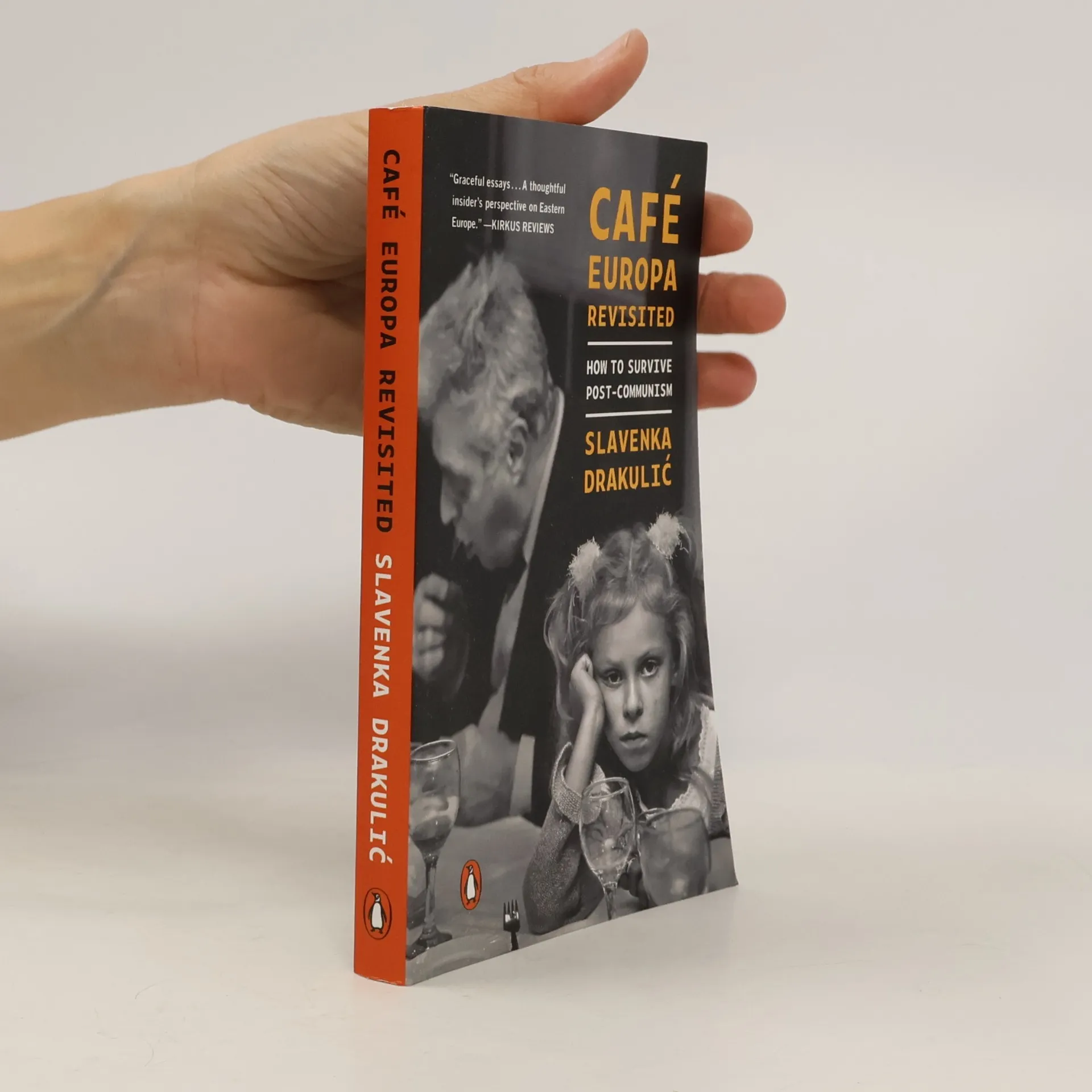
    • Cafe Europa Revisited

      • 256pages
      • 9 heures de lecture

      "Drakulić’s composite portrait provides a clear-eyed look at European values, and what they really amount to." —The New Yorker An evocative and timely collection of essays that paints a portrait of Eastern Europe thirty years after the end of communism. An immigrant with a parrot in Stockholm, a photo of a girl in Lviv, a sculpture of Alexander the Great in Skopje, a memorial ceremony for the 50th anniversary of the Soviet led army invasion of Prague: these are a few glimpses of life in Eastern Europe today. Three decades after the Velvet Revolution, Slavenka Drakulic, the author of Cafe Europa and A Guided Tour of the Museum Of Communism, takes a look at what has changed and what has remained the same in the region in her daring new essay collection. Totalitarianism did not die overnight and democracy did not completely transform Eastern European societies. Looking closely at artefacts and day to day life, from the health insurance cards to national monuments, and popular films to cultural habits, alongside pieces of growing nationalism and Brexit, these pieces of political reportage dive into the reality of a Europe still deeply divided.

      Cafe Europa Revisited
    • Frida ili o boli

      • 150pages
      • 6 heures de lecture

      Ljubav i bol opsesivne su teme Slavenke Drakulić, a u Fridi Khalo pronašla je junakinju koja joj je omogućila da istraži najdublje i najekstremnije registre tih temeljnih ljudskih osjećaja. Meksička slikarica koja je preživjela 32 operacije - u mladosti joj je utrobu probola čelična šipka, noga joj je bila potpuno smrskana, a kralježnica zauvijek uništena - unatoč boli, stalnoj i nesavladivoj, živjela je intenzivno i ispunjeno. Bila je u vezi s nekima od najglasovitijih ljudi svog doba i naslikala je slike koje su je pretvorile u ikonu 20. stoljeća. Ponirući u njen svijet boli i ljubavi, s puno tankoćutnosti, i sa zalogom vlastitog iskustva, Slavenka Drakulić napisala je roman u kojem se neprekidno isprepliću, obogaćuju i poništavaju jezik boli i jezik ljubavi.

      Frida ili o boli
      4,8
    • Optužena

      • 168pages
      • 6 heures de lecture

      Pet godina nakon "Fride" Slavenka Drakulić ponovo piše o boli, ali ovaj put u prvom planu nije fizička bol, nego duboka emocionalna trauma. "Optužena" je roman o zlostavljanju u obitelji, o majkama koje zlostavljaju svoje kćeri. U ime ljubavi, naravno. U njemu se, s puno nijansi, opisuje i jedna zastrašujuće opsesivna muško-ženska veza, ali u središtu je ipak prikaz majke koja sustavno zlostavlja svoju djevojčicu. Majka optužene udala se unatoč protivljenju obitelji, no vrlo brzo nakon rođenja djeteta brak se raspao. Roditelji joj dopuštaju da ponovo živi s njima, ali pod jednim uvjetom – mora prekinuti sve kontakte s bivšim mužem. Kad ona ipak obnovi vezu s njim, zatvara se nevjerojatan krug boli i patnje – kći je često paravan za njihove susrete, ali poslije majka ulaže silne napore kako bi je spriječila da na bilo koji način oda koga su vidjele. Metode treninga i kazni za propuste su zastrašujuće, a fascinantan je pogled u svijest žrtve koja se beznadno koprca u mreži ljubavi i boli.

      Optužena
      5,0
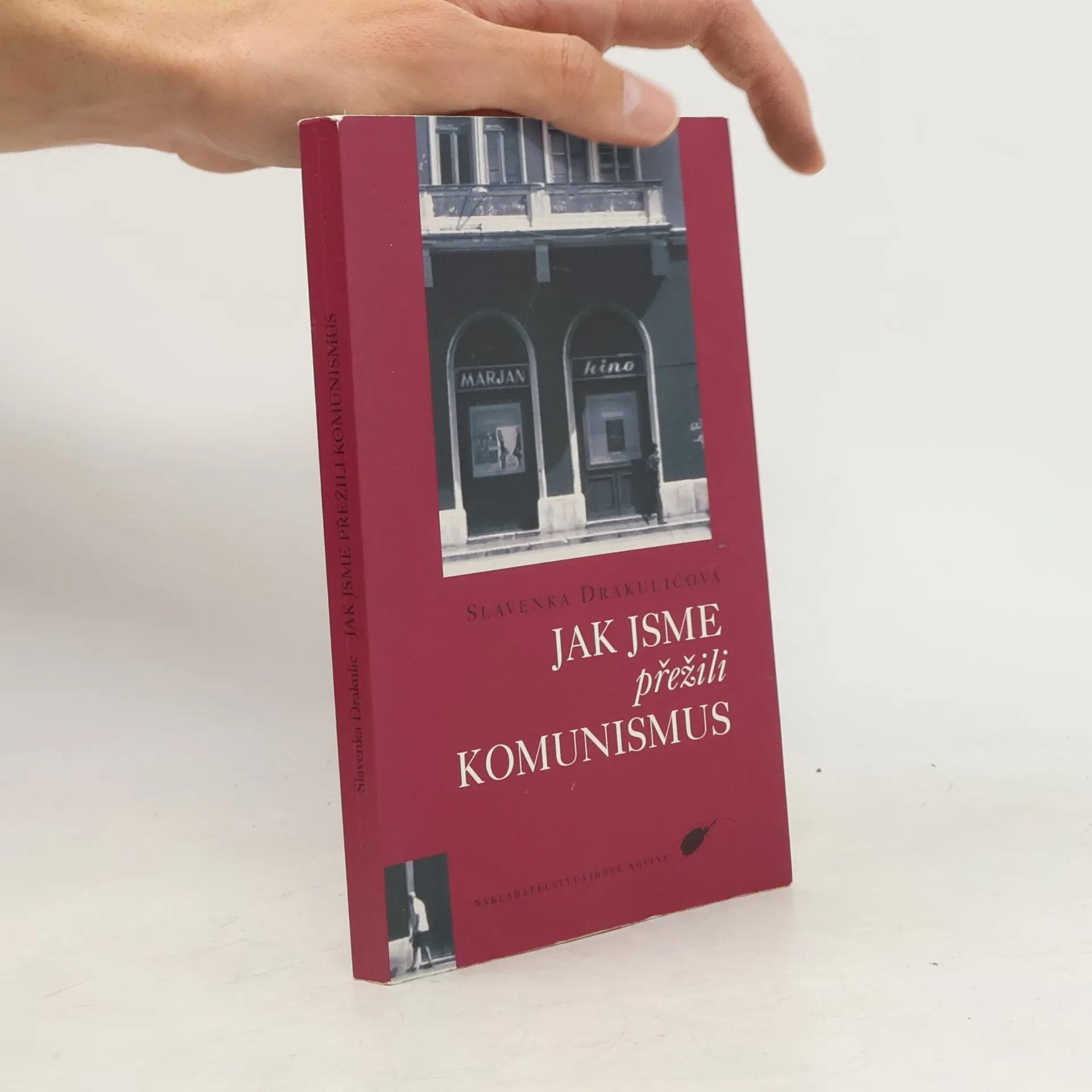
    • Jak jsme přežili komunismus

      • 231pages
      • 9 heures de lecture

      Kniha esejů, v nichž autorka přibližuje jednak detaily života v komunistických zemích, jednak kontury a stíny války v Jugoslávii v 90. letech. Texty jsou výběrem ze tří knih, které nejprve vyšly v angličtině ve Velké Británii a USA. Autorce se zde podařilo přiblížit (právě pohledu čtenáře z druhé strany železné opony) ty jemné, v "dějinném" pohledu nezachytitelné, zdánlivě nedůležité a těžko sdělné odstíny a detaily běžného života (zejména žen) v kleci komunistických zemí, ale také v době děsivě nenávistných krvavých bratrovražedných konfliktů doprovázejících konec komunistické éry v rozpadávající se Jugoslávii. Osvětluje tato stinná zákoutí historie ne jen prostým popisem, ale citlivým, osobně zaangažovaným esejistickým zamýšlením. Zároveň se snaží pro západní čtenáře "přeložit" tehdejší (i nynější) pohled běžného člověka z "východu" na svou situaci obecně: Dřívější pocity ponížení, deklasé vůči lidem ze západu - a jistá současná beznaděj z pocitu nesdělitelnosti zkušeností. Těmito texty autorka onu propast mezi "námi a jimi" dost úspěšně překračuje a text je velmi sdělný i pro nás, neboť velmi hutně a sevřeně vyslovuje "naše" zkušenosti.

      Jak jsme přežili komunismus
      3,6
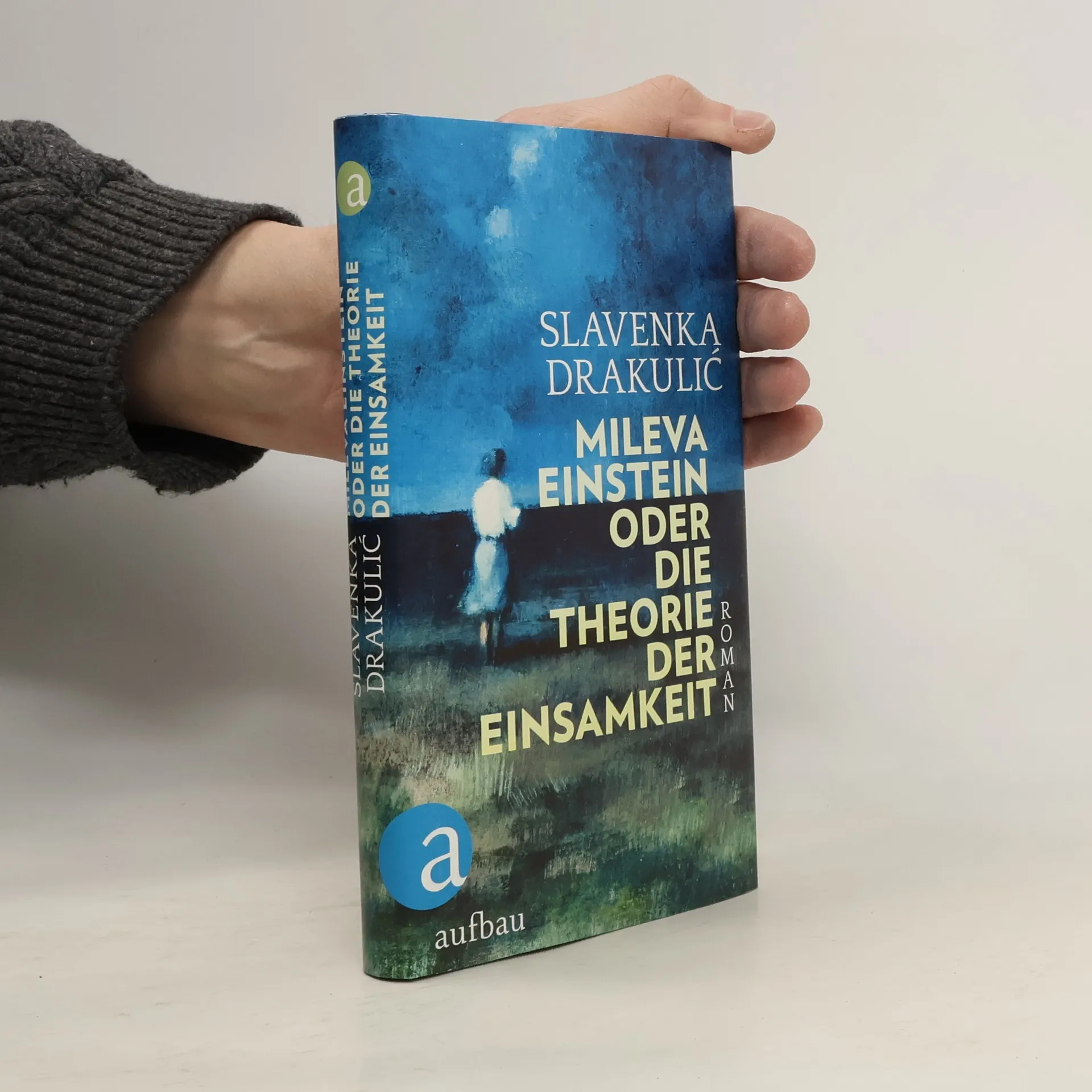
    • »Trauer summiert sich wie in der Mathematik.«. Sie war weit mehr als die Frau an Albert Einsteins Seite: Gemeinsam mit ihrem Mann studierte Mileva Einstein Physik, diskutierte als gleichberechtigte Partnerin mit ihm seine Theorien und blieb über ein Jahrzehnt hinweg seine engste Vertraute. Als die Ehe zerbricht, verliert Mileva die Liebe ihres Lebens, ihren inneren Halt. Ein bewegender Roman über eine begabte junge Frau, die sich ein eigenes Leben erträumte und an den patriarchalischen Denkmustern des frühen 20. Jahrhunderts scheiterte. »Die Stärke der Autorin liegt in ihrem außerordentlichen Einfühlungsvermögen.« Karl-Peter Schwarz, Frankfurter Allgemeine Zeitung.

      Mileva Einstein oder Die Theorie der Einsamkeit
      3,0
    • Nevidljiva žena i druge priče

      • 192pages
      • 7 heures de lecture

      Zašto su danas, u suvremenom društvu koje ruši sve tabue, samo starost i starenje teme o kojima je gotovo zabranjeno govoriti? Postajemo li sa starošću nevidljivi, što se događa s našim tijelima, s našim odnosom prema drugima i, još važnije, odnosom drugih prema nama? Mreže koje pletemo cijeloga života odjednom postaju tanke i krhke. Šesnaest priča u novoj knjizi Slavenke Drakulić Nevidljiva žena pripovijeda o međuljudskim odnosima, o relacijama između roditelja i djece, o odlascima, nestancima, zaboravnosti, bolesti, sramu i boli, o najdubljim osjećajima o kojima se ne usuđujemo progovarati.Slavenka Drakulić duboko emotivno, bez zadrške, pripovijeda o iskustvu raspada života u kojem stari ljudi postaju nevidljivi ne samo okolini i sustavu veći vlastitoj obitelji i prijateljima. Katarzična, oslobađajuća, Nevidljiva žena udara u pleksus suvremenog društva. Slavenka Drakulić literarno snažno u svakoj pojedinoj priči ulazi čitatelju pod kožu, tjerajući ga da zastane, da misli o sebi i drugima, da bude šokiran, da zaplače, da se prepusti i emocijama i raciju. Nevidljiva žena oslobađajuća je, duboko intimna knjiga koja dokazuje da samo literatura može izreći neizrecivo.“Nevidljiva žena je knjiga za sve osjetljive žene.” – Andrea Zlatar Violić“Lijepo i tužno i tako jako istinito.” – Ingrid Šafranek“Ovu knjigu se jednostavno ne može čitati s distance. Potresna je, a pritom nimalo banalna ni sentimentalna.” – Anera Ryznar

      Nevidljiva žena i druge priče
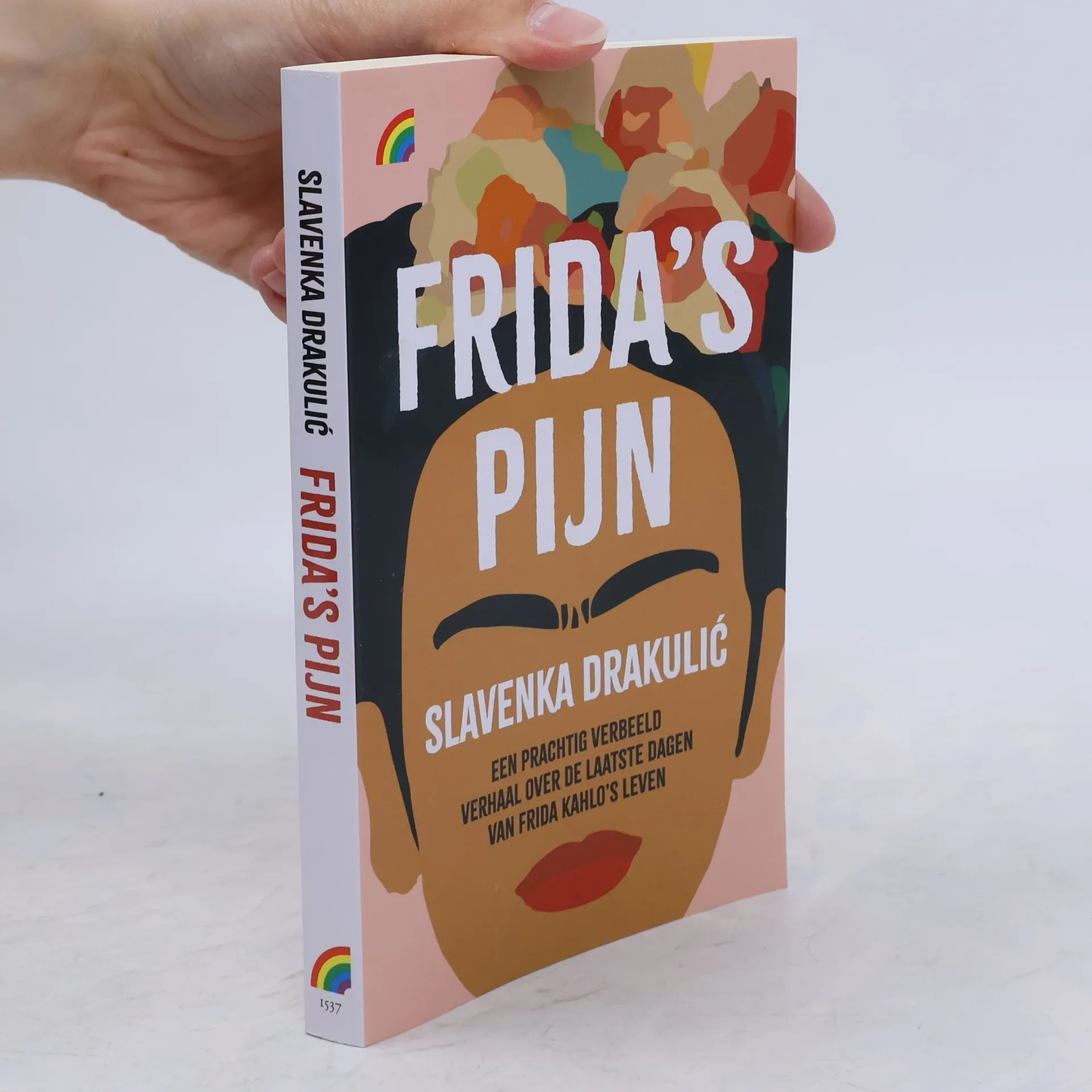
    • De Mexicaanse kunstenares Frida Kahlo (1907-1954) lijdt na een ongeluk een leven vol lichamelijke pijn, ongemak en verdriet, wat ze verbeeldt in haar schilderijen.

      Rainbow pocketboeken - 1537: Frida's pijn
    • Tijelo njenog tijela

      priče o dobroti

      • 183pages
      • 7 heures de lecture

      „U rujnu 2000. godine u Sjedinjenim Američkim Državama uspješno mi je presađen bubreg. -Nisam ga dobila od umrle osobe, niti od bliskog rođaka, kao što, je to uglavnom običaj - već od anonimne žive osobe,- dobrovotjne davateljice. Naravno da m je no pamet palo mnogo pitanja, a prvo od njih bilo je - zašto? Zašto bi netko odlučio darovati dio svog tijela potpuno nepoznatoj osobi, i to bez ikakve novčane naknade? Ovo su priče o susretima s njima i o tome kako su ljudi voljni činiti dobro, iako nam se. Često čini da je upravo obrnuto." Slavenka Drakulić sabrala je iskustva američkih donatora bubrega koji su nesebično odlučili da poklone svoje organe kako bi pomogli nekom ko je bolestan. Knjigu je napisala pošto je i njoj presađen bubreg od živog nesrodnog darodavca 2004. godine.

      Tijelo njenog tijela
    • Hologrami straha

      roman

      • 233pages
      • 9 heures de lecture

      Hologrami straha je roman s autobiografskom jezgrom, u kojem je pripovjedačica mlada žena koja prolazi kroz složenu operaciju transplantacije bubrega. Pripovijedanje u prvom licu neprestano iz sadašnjosti prelazi u prošlost, u raslojenu prošlost koja sabire različite slike pripadne osobnoj povijesti.

      Hologrami straha
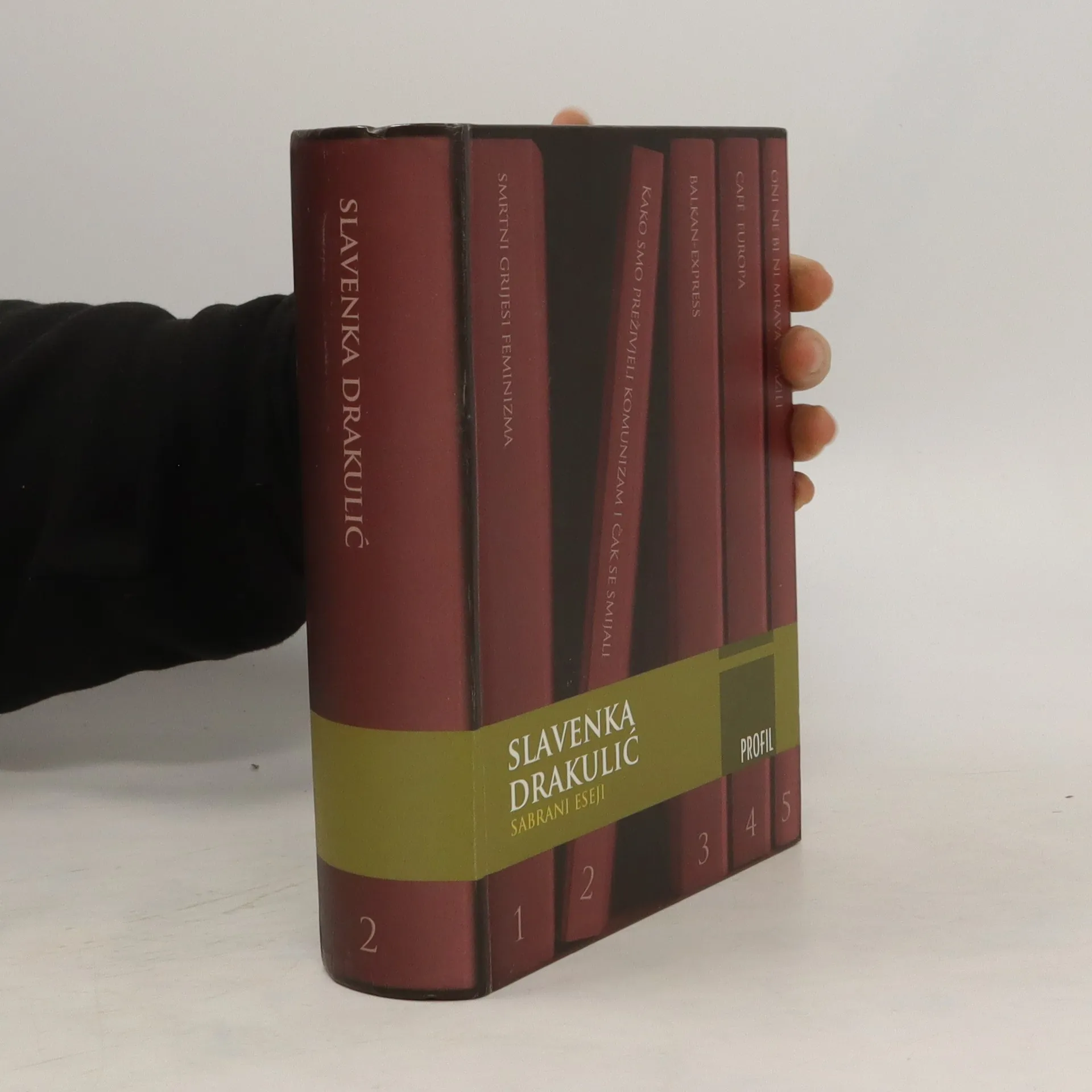
    • Smrtni grijesi feminizma

      ogledi o mudologiji

      • 393pages
      • 14 heures de lecture

      Kada je 1984. objavljena u kultnoj biblioteci &td, prva knjiga Slavenke Drakulić Smrtni grijesi feminizma izazvala je buru u javnosti, a ta se bura, za divno čudo, nije stišala do dana današnjeg. Ponovno objavljivanje ovih tekstova koji su nastajali krajem sedamdesetih i početkom osamdesetih godina prošlog stoljeća pokazuje koliko su teme o kojima je pisala jedna od pionirki feminizma na ovim prostorima i dalje bitne, čak nezaobilazne. Kada tome dodamo novih dvadesetak tekstova objavljivanih od prvog izdanja knjige do danas, bjelodano je da Slavenka Drakulić ne samo da se konstantno bavi feminističkim temama već da im i dalje pristupa jednako oštro, beskompromisno i aktualno.Nasilje nad ženama ne jenjava, reproduktivna ženska prava ponovno su ugrožena, djevojčicama kroz odgoj i obrazovanje šaljemo drugačije poruke nego dječacima, ukratko, patrijarhat je žilav. Stoga je pitanje ravnopravnog položaja žene u društvu i obrane njezinih prava vječno aktualno, čini se kao da ga svaka generacija žena mora ponovno izboriti, samo je pitanje jesu li mlade žene toga svjesne. Smrtni grijesi feminizma u ovom proširenom izdanju idealni su prilog tom osvještavanju. Pokazuje se ne samo da su eseji Slavenke Drakulić itekako aktualni već i da se bez njih ne može ni početi misliti o feminizmu jučer, danas i sutra.

      Smrtni grijesi feminizma