
Carolyn Steedman est une historienne qui se concentre sur la vie de la classe ouvrière anglaise et les relations de travail à l'ère industrielle. Son œuvre explore les expériences quotidiennes et les dynamiques complexes entre maîtres et serviteurs qui ont façonné l'Angleterre moderne. L'analyse de Steedman sonde les profondeurs des structures sociales, révélant des nuances subtiles dans les interactions humaines au sein des sphères du travail et de la domesticité. Elle apporte une perspective pointue et perspicace à la recherche historique, découvrant les récits moins évidents et les réalités vécues du passé.
Focusing on everyday legal experiences, from that of magistrates, novelists
and political philosophers, to maidservants, pauper men and women, down-at-
heel attorneys and middling-sort wives, History and the Law reveals how people
thought about, used, manipulated and resisted the law between the eighteenth
and the twentieth centuries.
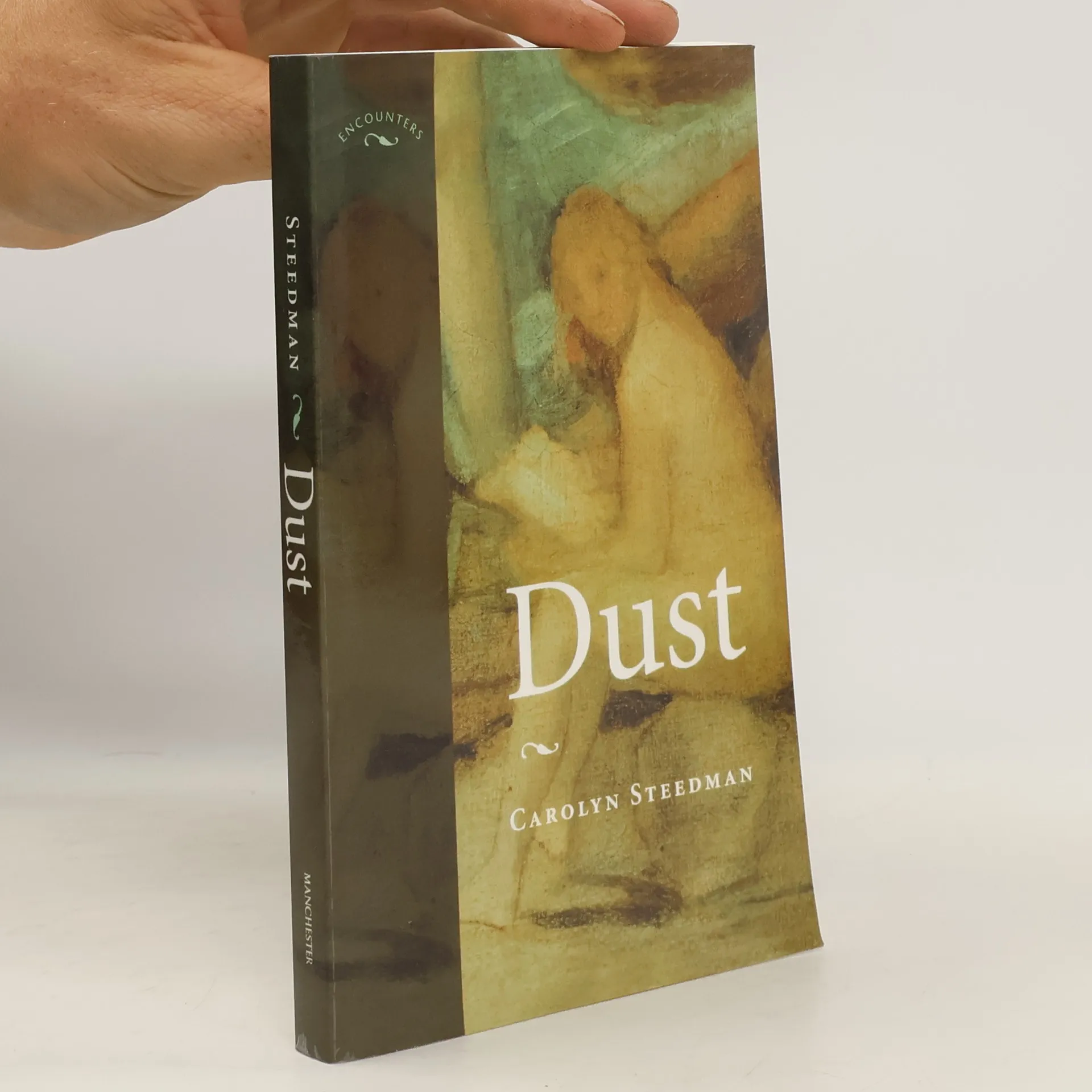
Dust is a witty and highly original investigation into the development of
modern history writing. This book considers how history writing belongs to the
currents of thought shaping the modern world, and suggests that, like dust,
the 'matter of history' can never go away or be erased. -- .
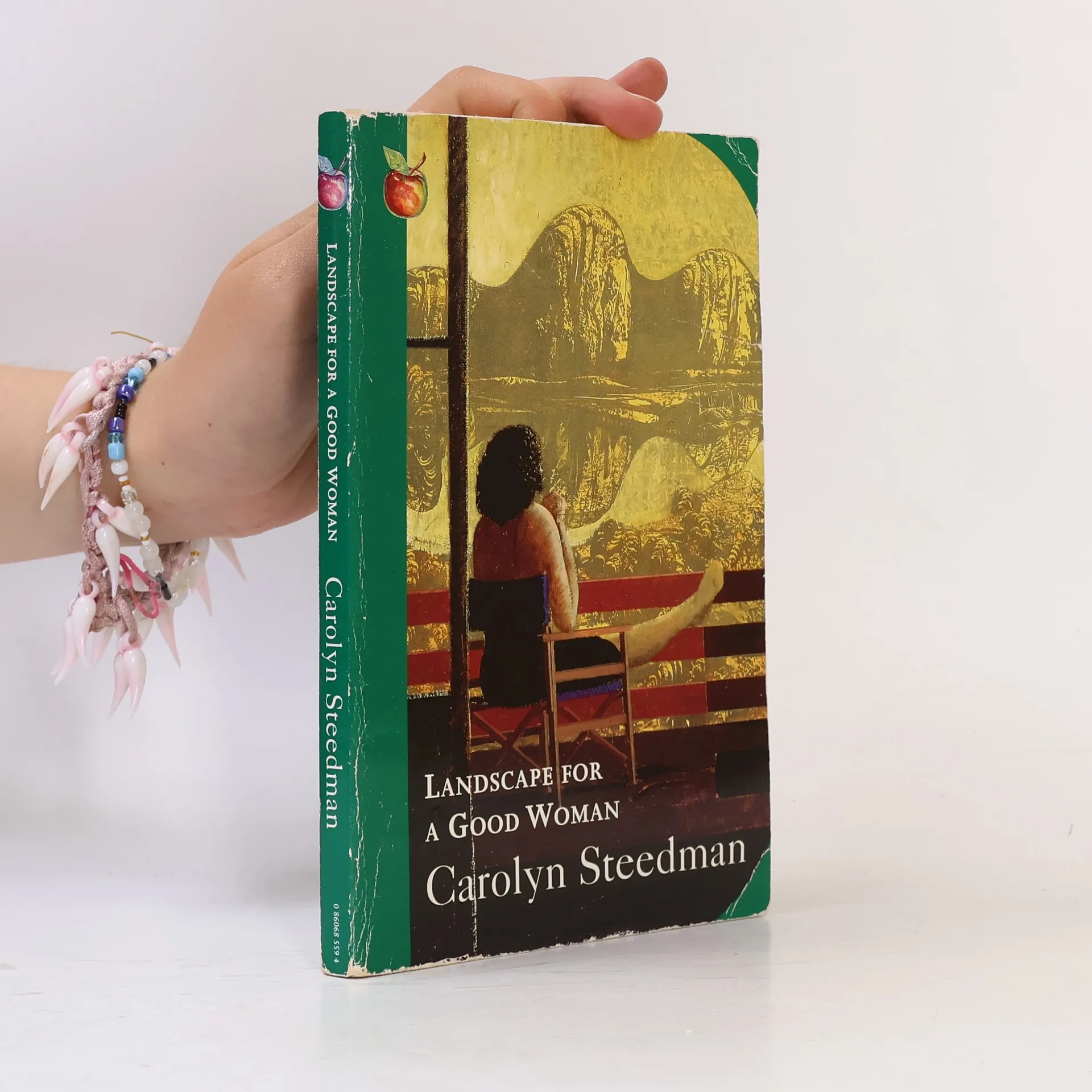
Carolyn Steedman's childhood in 1950s South London was profoundly influenced by her mother's yearning for tangible realities that society denied her. This longing led her mother to blame the world for her unfulfilled desires. As Steedman matures, she seeks to find reflections of her and her mother's experiences in history, theory, and literature. She discovers that the tradition of cultural criticism often overlooks the psychological individuality of working-class lives, reducing them to mere illustrations of broader theses. Through a detailed examination of personal experiences alongside political and social science theories regarding the psychology of working-class individuals, Steedman critiques an intellectual tradition that fails to acknowledge unique personal histories. In this poignant and well-researched work, she challenges the notion that the survival struggles of working-class people leave no room for deeper relational explorations, revealing instead the richness of their lives. This exploration is filled with affirming insights that celebrate the complexity and depth of working-class experiences.