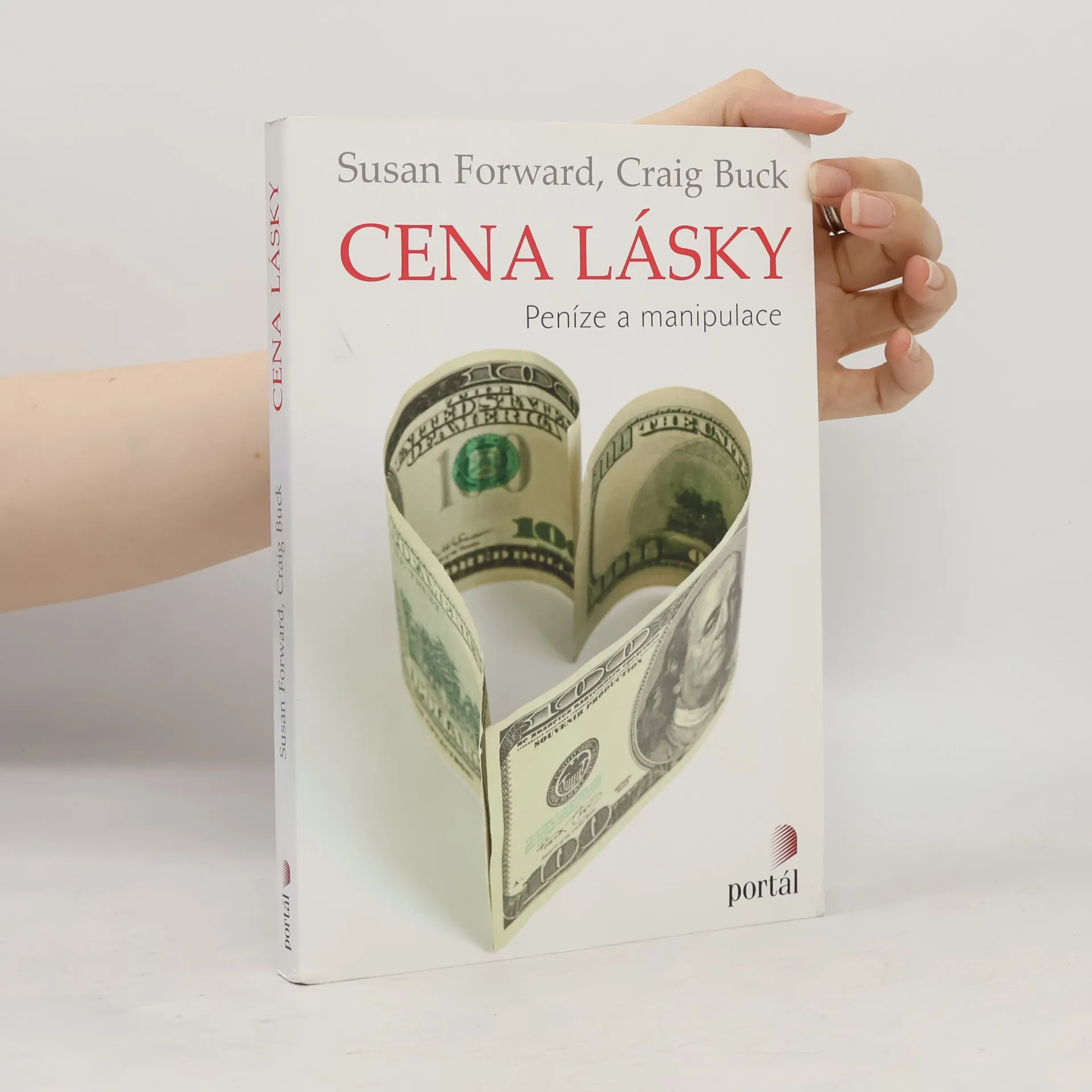
Uvažovali jste už někdy o tom, jestli peníze a vztah k nim neovlivňují váš život více, než je únosné? Většinou si to téměř neuvědomujeme, ale peníze mají velkou moc a někdy doslova podkopávají naši radost ze života, zejména pokud jde o vztahy k jiným lidem. Často je totiž používáme jako náhražku emocí, které si netroufáme přijmout a vyjádřit. Kniha je zajímavá pro všechny, kdo různým způsobem nezvládají svůj vztah k penězům, a nabízí množství návrhů, jak tuto situaci změnit k lepšímu a „peněžních démonů“ se zbavit. Pojednává o různých vzorcích finanční sebedeprivace – o sabotování vlastního úspěchu, o zadluženosti, o nutkavém chování (hráčství, posedlosti nakupováním), o situaci, kdy partnerka vydělává více než partner či kdy jeden partner nevědomě podporuje druhého, finančně nezodpovědného. V závěru každé kapitoly je uveden výčet technik, s jejichž použitím lze navodit obrat k lepšímu. Susan Forward je americká terapeutka a autorka několika mezinárodních bestsellerů.
Susan Forward Ordre des livres (chronologique)
Une thérapeute de premier plan, dont l'œuvre explore en profondeur les complexités des relations interpersonnelles et la dynamique des liens familiaux. Elle transforme sa vaste expérience clinique et sa perspicacité psychologique en récits captivants qui offrent aux lecteurs des outils pour comprendre et naviguer des paysages émotionnels complexes. Son approche est directe mais empathique, permettant aux lecteurs de s'identifier facilement aux thèmes abordés et de trouver des voies vers la guérison et des liens plus solides.




Mothers Who Can't Love
- 304pages
- 11 heures de lecture
With Mothers Who Can't Love: A Healing Guide for Daughters, Susan Forward, Ph.D., author of the smash #1 bestseller Toxic Parents, offers a powerful look at the devastating impact unloving mothers have on their daughters—and provides clear, effective techniques for overcoming that painful legacy. In more than 35 years as a therapist, Forward has worked with large numbers of women struggling to escape the emotional damage inflicted by the women who raised them. Subjected to years of criticism, competition, role-reversal, smothering control, emotional neglect and abuse, these women are plagued by anxiety and depression, relationship problems, lack of confidence and difficulties with trust. They doubt their worth, and even their ability to love. Forward examines the Narcissistic Mother, the Competitive Mother, the Overly Enmeshed mother, the Control Freak, Mothers who need Mothering, and mothers who abuse or fail to protect their daughters from abuse. Filled with compelling case histories, Mothers Who Can’t Love outlines the self-help techniques Forward has developed to transform the lives of her clients, showing women how to overcome the pain of childhood and how to act in their own best interests. Warm and compassionate, Mothers Who Can’t Love offers daughters the emotional support and tools they need to heal themselves and rebuild their confidence and self-respect.
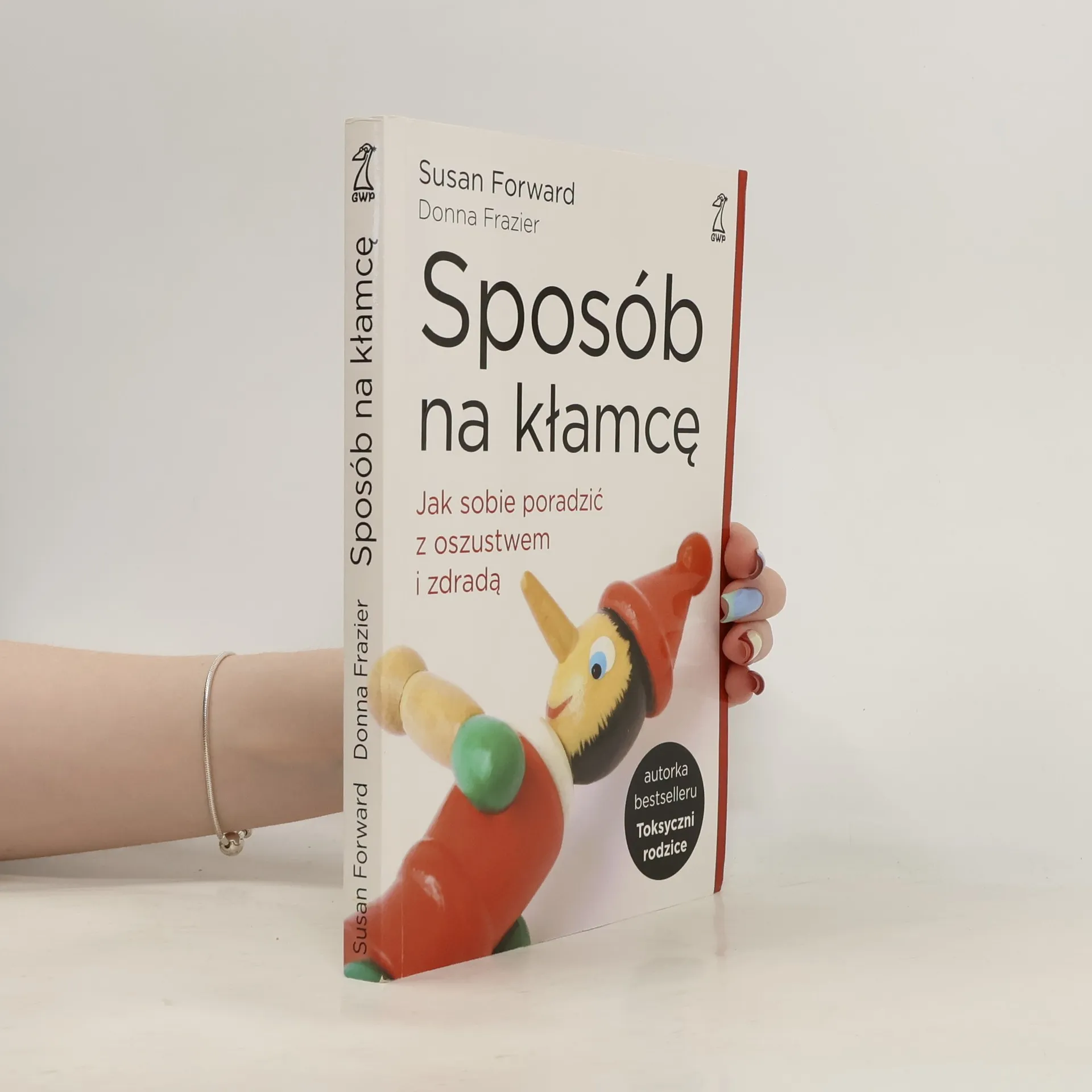
Sposob na klamce
- 240pages
- 9 heures de lecture
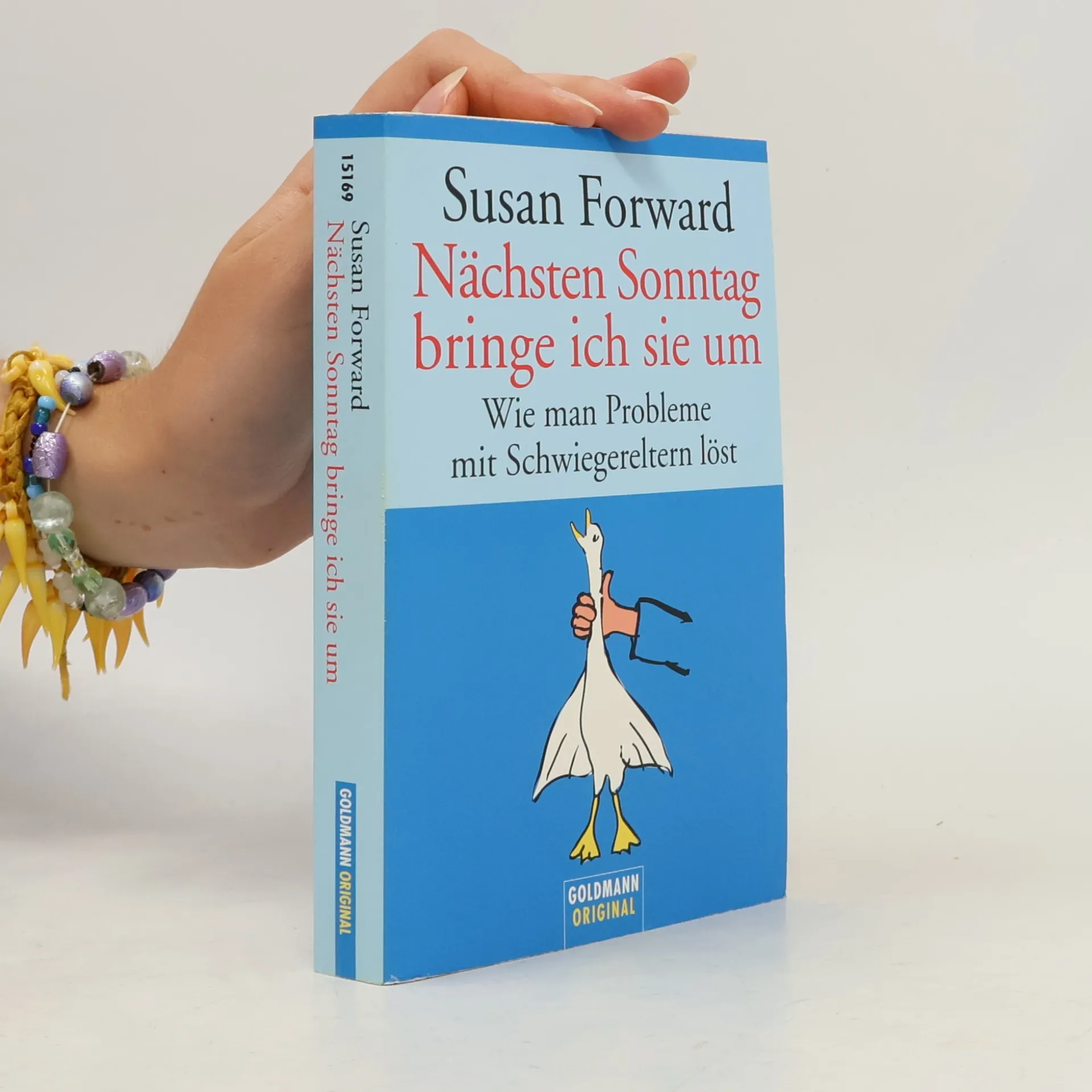
Nächsten Sonntag bringe ich sie um
- 320pages
- 12 heures de lecture
Sehr hilfreich für alle, die mit ihren Schwiegereltern überfordert sind. Einerseits soll man herausfinden ob Schwiegereltern wirklich bösartig sind und sich in die Beziehung einmischen oder ob es nur kleinere Meinungsverschiedenheiten sind. Andererseits werden Strategien vorgeschlagen wie man sich verteidigt, bzw wie man dem eigenen Partner eigene Sicht auf die Situation vermittelt.
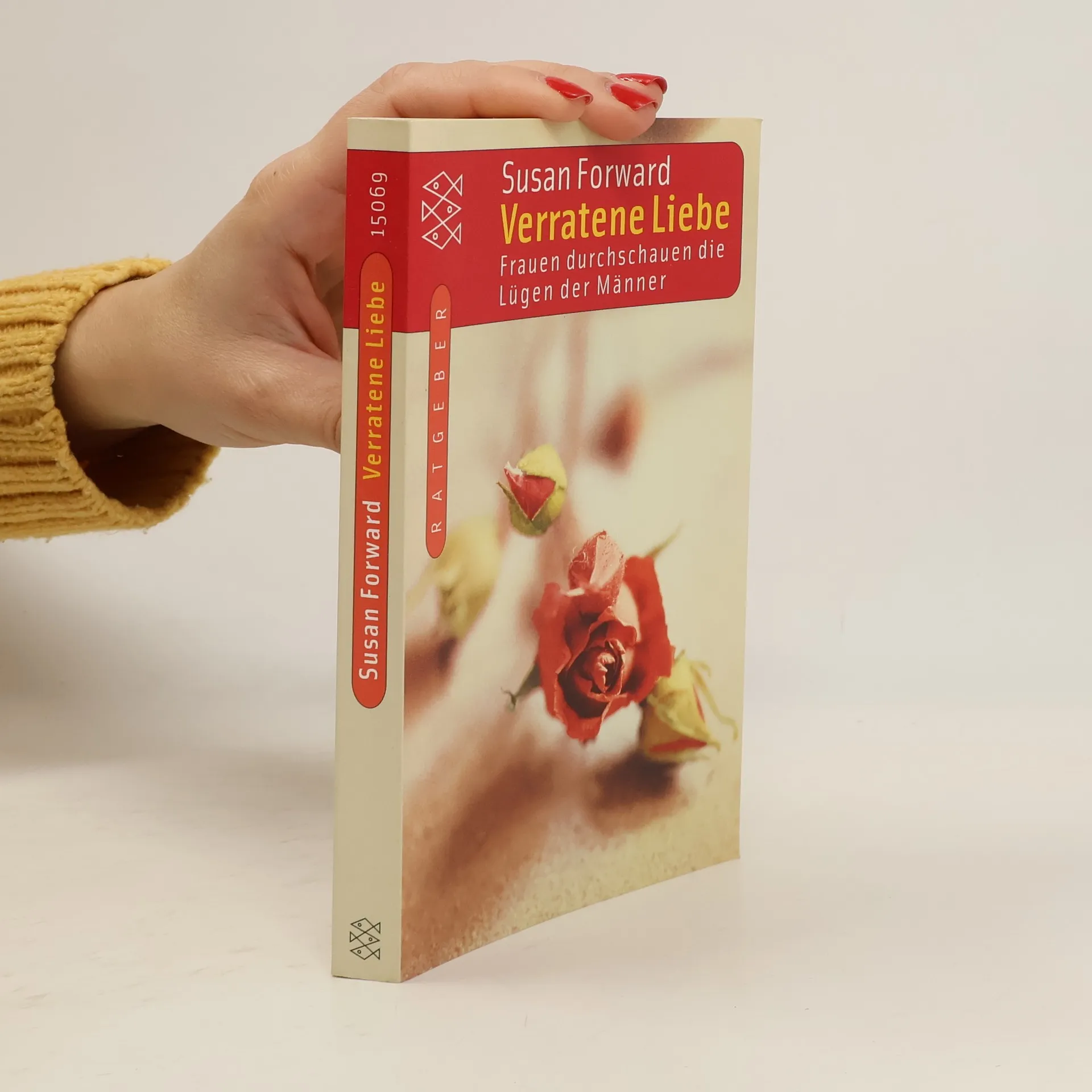
Verratene Liebe
- 319pages
- 12 heures de lecture
Wie kann eine Frau lernen, mit dem Schock und dem Verlust ihres Selbstwertgefühls umzugehen, wenn der Partner, dem sie vertraut hat, sie belügt und betrügt? Anhand exemplarischer Lebensgeschichten zeigt Susan Forward, welche Lügner- und Betrüger-Typen es gibt und welche Strategien Frauen entwickeln können, sie zu erkennen und rechzeitig zu handeln.
Dlaczego niektórzy ludzie potrafią przytłoczyć nas emocjonalnie, sprawiając, że czujemy się jak ofiary? Dlaczego nie potrafimy się przed tym obronić? Dlaczego nigdy nie przedstawiamy swojego punktu widzenia? Dlaczego czujemy się zdezorientowani i bezsilni? Dlatego że stoi za tym sprytny szantaż emocjonalny, któremu ulegamy częściej, niż nam się wydaje. Autorki książki, Susan Forward i Donna Frazier, przedstawiają typowe zachowania szantażystów emocjonalnych, a także stosowane przez nich metody wywierania wpływu i skutki ulegania tej manipulacji. Proponują skuteczne strategie obrony przed uwikłaniem w emocjonalną zależność. Taka zależność to pułapka, w którą łatwo wpaść, ale z której dużo trudniej się uwolnić. Szantażysta doskonale wie, czego chce. Zręcznie manipuluje tak, aby zawsze postawić na swoim. Akceptuje nas wyłącznie wtedy, gdy na wszystko się zgadzamy, a kiedy nie chcemy ulec – odrzuca, grozi, karze, odwołuje się do poczucia obowiązku i wzbudza poczucie winy. Człowiek ulegający szantażowi zapomina o swoich potrzebach, uczuciach i pragnieniach, czuje się przegrany i sfrustrowany. Zrobi wszystko, by zadowolić bliską mu osobę.
I'm Okay, You're a Brat
Freeing Ourselves From The Guilt-Making Myths Of Parenthood
- 303pages
- 11 heures de lecture
Susan Jeffers explodes the modern myths of parenting as no one has ever dared before. With humour and compassion she shows how difficult it is to be a parent and reveals the insidious guilt traps set by the child care 'experts'. She questions many fashionable myths and half-truths that add to a parent's sense of inadequacy and guilt and offers her own 'survival' tools. Among the issues she addresses are: * why parenthood can be a nightmare as well as a joy * the difficulties the relationship with your spouse can suffer after a child * how drastically life can change with parenthood * why mothers should not feel guilty if they go back to work * how we can have great fulfilment with - or without - children This is the most liberating book parents will ever read!
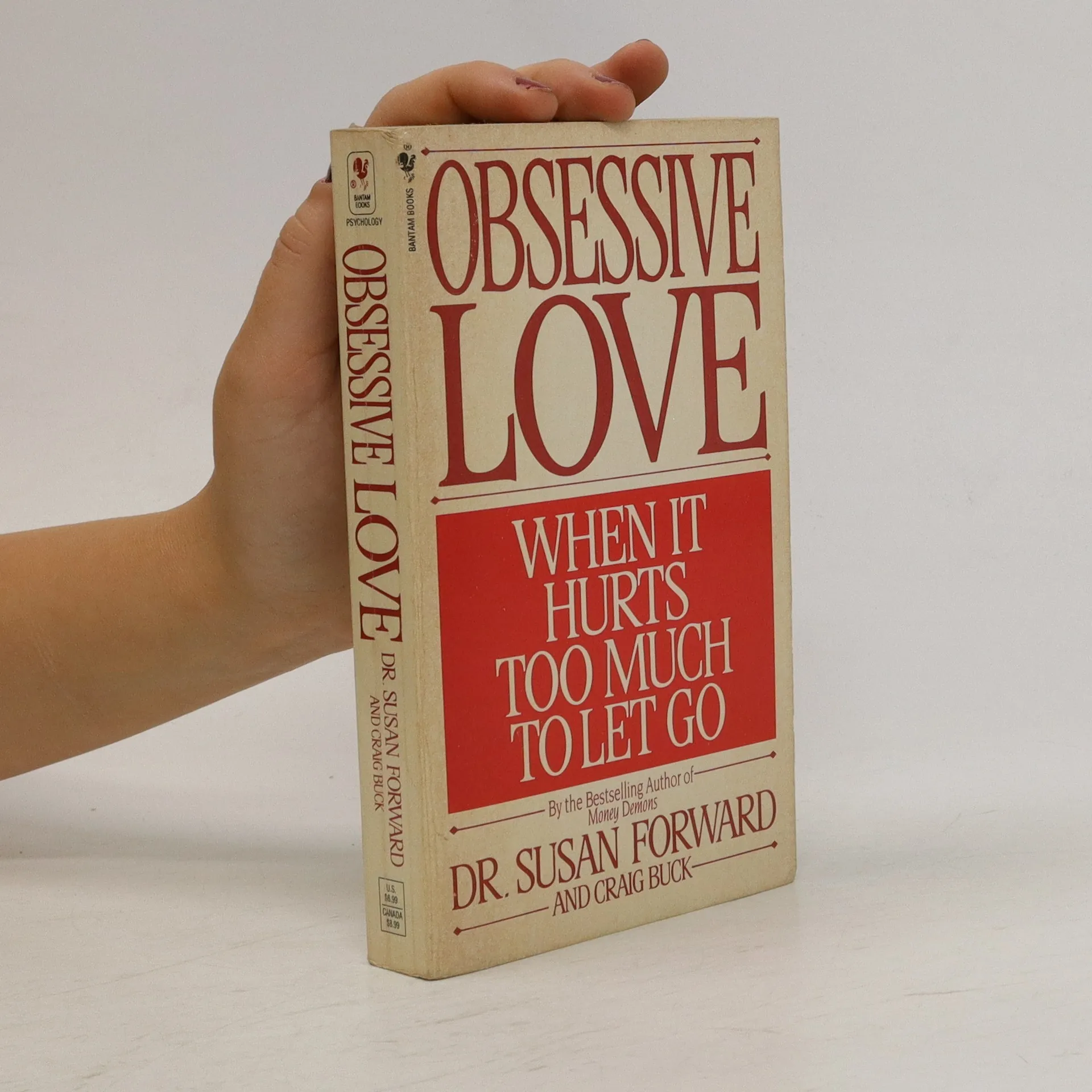
Obsessive Love
- 336pages
- 12 heures de lecture
Offers help to both obsessors and targets of obsessive love.
• Qu'est-ce qu'un parent "toxique"? II s'agit d'un père ou d'une mère qui a été dominateur, critique, manipulateur, parfois démissionnaire ou, pire encore, violent physiquement. Des attitudes, des paroles, des gestes ont pu causer des traumatismes émotionnels avec lesquels, une fois adulte, il faut apprendre à vivre. Ces blessures ont grandi avec l'adulte, modelant sa personnalité et ayant des répercussions dans sa vie familiale, sentimentale et même professionnelle. • Peut-on se libérer d'un parent "toxique"? Oui ! Il existe de nombreux moyens de s'en sortir. Susan Forward, grâce à sa longue expérience en clinique, analyse de nombreux cas d'adultes victimes de tels parents et propose les méthodes qui lui semblent avoir le mieux aidé ces adultes à se libérer de leur emprise nocive.
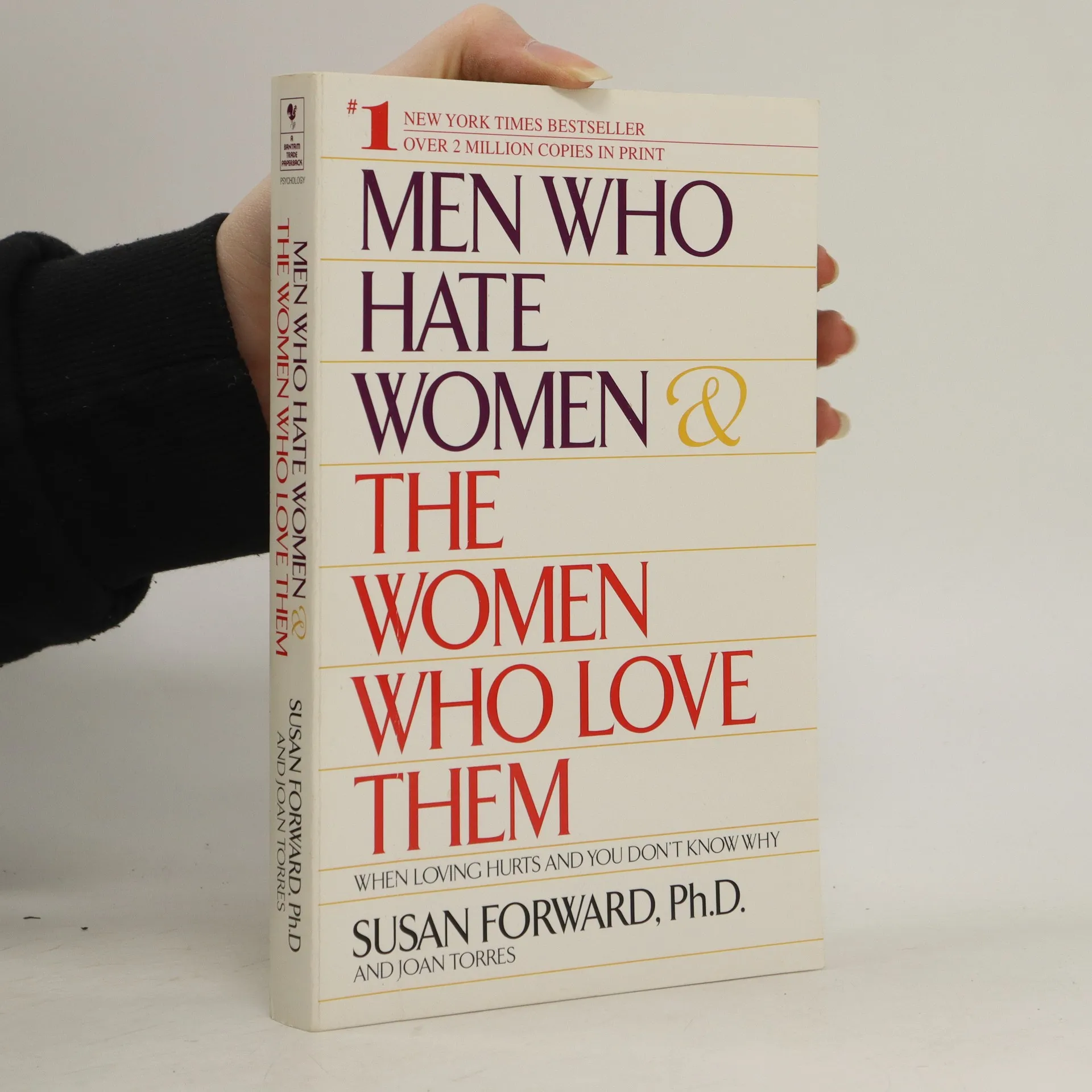
Men Who Hate Women and the Women Who Love Them
- 304pages
- 11 heures de lecture
Is this the way love is supposed to feel? • Does the man you love assume the right to control how you live and behave? • Have you given up important activities or people to keep him happy? • Is he extremely jealous and possessive? • Does he switch from charm to anger without warning? • Does he belittle your opinions, your feelings, or your accomplishments? • Does he withdraw love, money, approval, or sex to punish you? • Does he blame you for everything that goes wrong in the relationship? • Do you find yourself “walking on eggs” and apologizing all the time? If the questions here reveal a familiar pattern, you may be in love with a misogynist — a man who loves you, yet causes you tremendous pain because he acts as if he hates you. In this superb self-help guide, Dr. Susan Forward draws on case histories and the voices of men and women trapped in these negative relationships to help you understand your man’s destructive pattern and the part you play in it. She shows how to break the pattern, heal the hurt, regain your self-respect, and either rebuild your relationship or find the courage to love a truly loving man.
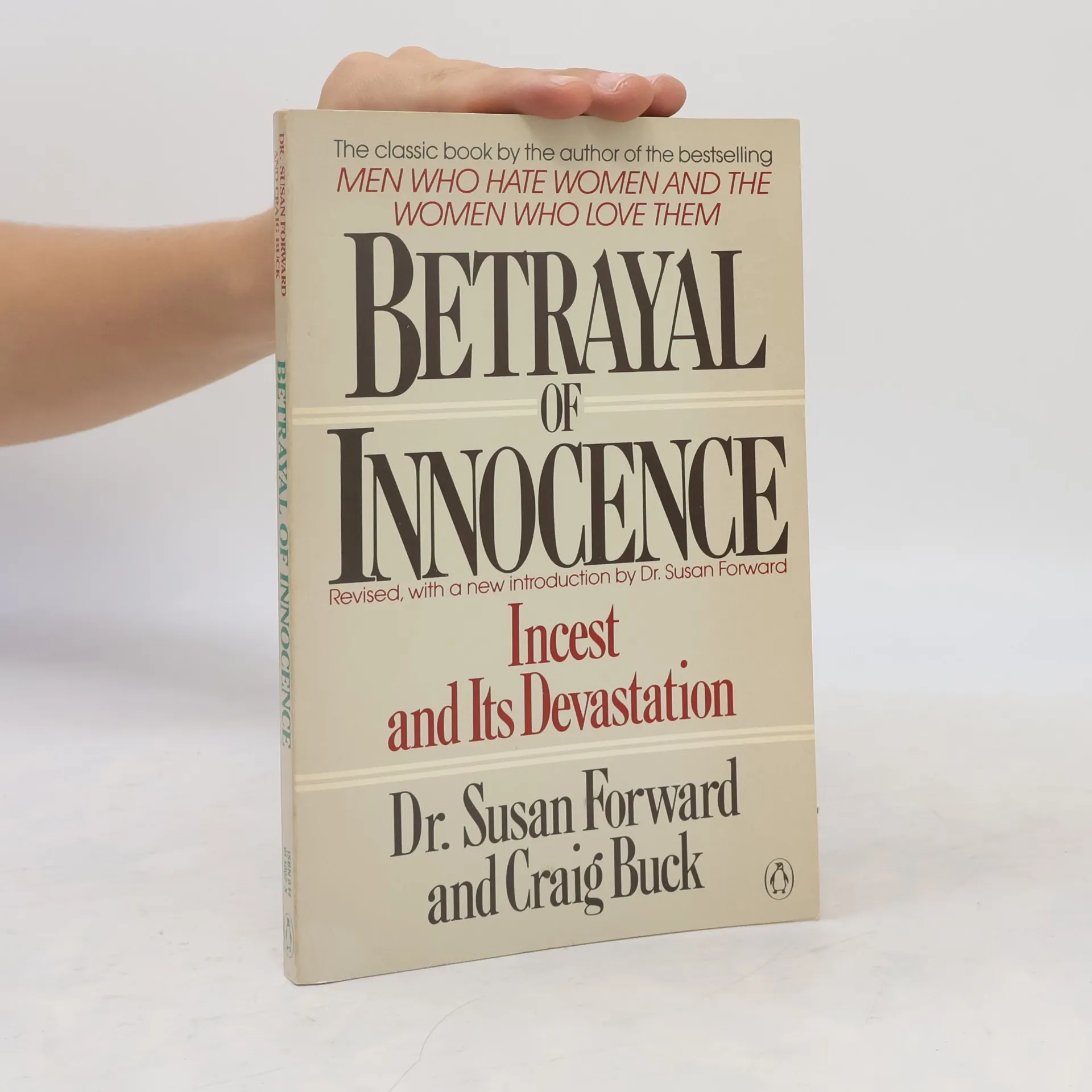
Betrayal of Innocence
Incest and Its Devastation; Revised Edition
Incest was once called the ultimate taboo. Today we realize that it is a reality with which millions cope on a daily basis. In this insightful and sensitive book, Dr. Susan Forward, bestselling author of Men Who Hate Women and the Women Who Love Them and renowned expert on sexual abuse and addictive relationships, uses twenty-five case histories-including father and daughter, mother and son, siblings, grandfather and granddaughter, mother and daughter, and father and son-to explore the traumatic effects of incest and to analyze its causes and consequences on every member of a family. In Betrayal of Innocence, Forward shows that the public's new awareness of the problem and increased availability of treatment can be of enormous benefit to victims and their families. By breaking the silence that has always surrounded this devastating subject, Betrayal of Innocence offers practical help and comfort to the survivors of child abuse and to those who love, live, or work with them.