

Bookbot

Susan Rowland

    Psyche and the Arts
    Jung
    The Sacred Well Murders
    • The Sacred Well Murders

      • 336pages
      • 12 heures de lecture

      A simple job turns deadly when novice detective Mary Wandwalker is hired to chaperone Rhiannon to the Oxford University Summer School on ancient Celts. Concerned by rhetoric surrounding blood sacrifice, Mary and her operatives, Caroline and Anna, attend a ritual at a sacred well. They uncover a disturbing truth: those who fail to individuate their gods risk being possessed by them. The Reborn Celts, who run the summer school, are infiltrated by white supremacists, raising the question of whether their immersion in myth signifies psychic wholeness or hints at their intent for terrorist violence. Mary, posing as a harmless woman, agrees to spy on the group but is horrified to discover Anna's affair with chief suspect Joe Griffith, who is also Rhiannon's obsession. As Mary realizes the Reborn Celts' deadly intentions, she becomes entangled in three rites to summon their gods: at an Oxford well, by the Thames, and in Celtic London, where bloodshed aims to restore a 'lost river.' Before the summer solstice, Caroline and Anna race to save Mary, who has been kidnapped. Will she become the crone sacrifice, or can the three women reconstitute their detective family, embodying archetypal feminine compassion?

      The Sacred Well Murders
      4,3
    • Jung

      • 200pages
      • 7 heures de lecture

      Jung: A Feminist Revision explores the relationship between feminist theory and Jungian studies.

      Jung
      4,3
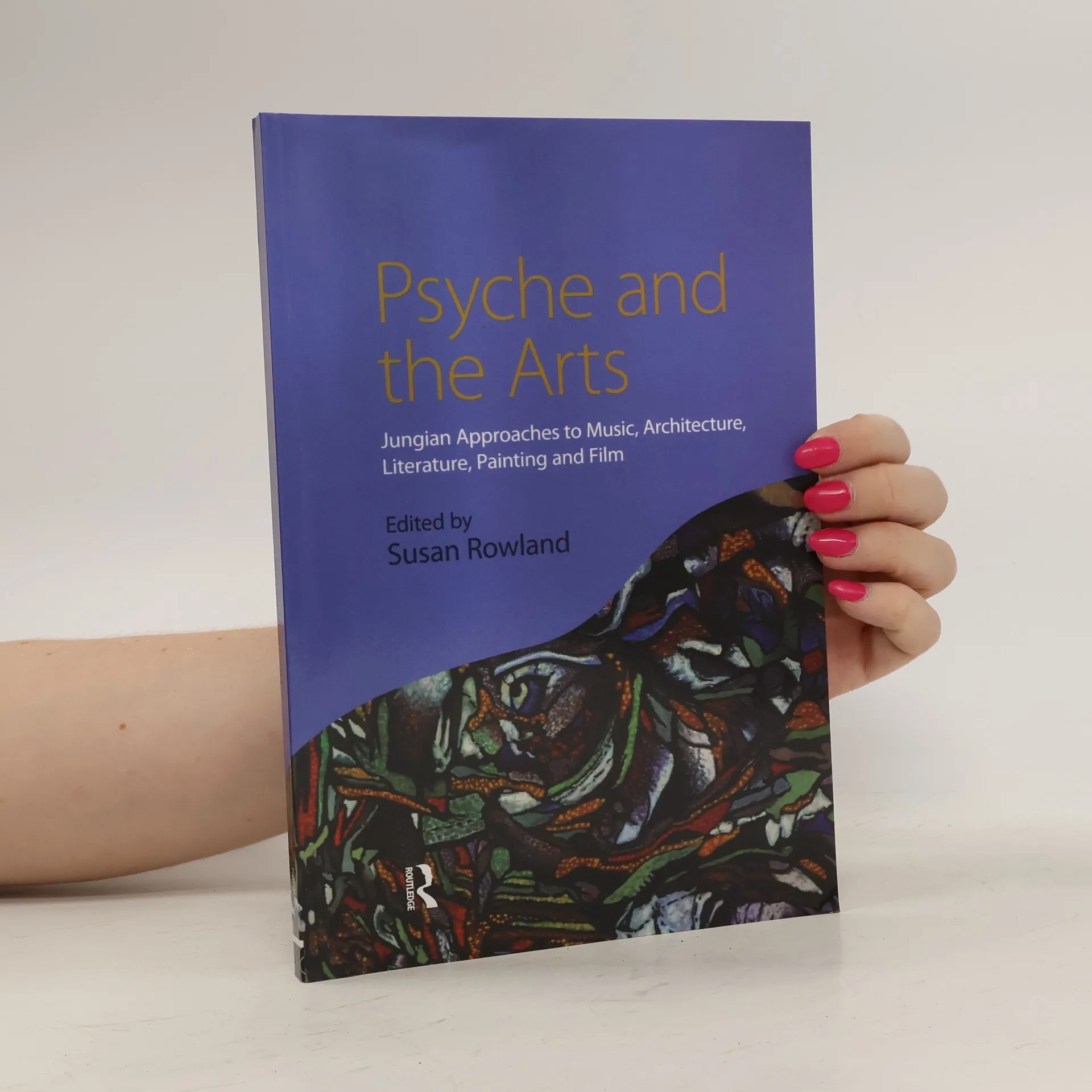
    • Psyche and the Arts

      • 200pages
      • 7 heures de lecture

      Does art connect the individual psyche to history and culture? Psyche and the Arts challenges existing ideas about the relationship between Jung and art, and offers exciting new dimensions to key issues such as the role of image in popular culture, and the division of psyche and matter in art form. Divided into three sections - Getting into Art, Challenging the Critical Space and Interpreting Art in the World - the text shows how Jungian ideas can work with the arts to illuminate both psychological theory and aesthetic response. Psyche and the Arts offers new critical visions of literature, film, music, architecture and painting, as something alive in the experience of creators and audiences challenging previous Jungian criticism. This approach demonstrates Jung’s own belief that art is a healing response to collective cultural norms. This diverse yet focused collection from international contributors invites the reader to seek personal and cultural value in the arts, and will be essential reading for Jungian analysts, trainees and those more generally interested in the arts.

      Psyche and the Arts
      3,6