

The dominant role of female beauty in sixteenth-century Venice is unique both in the history of the Republic and other parts of the world. One reason for this is the Serenissima's distinctive political-social structure, which granted women special rights in connection with their dowry and their ability to inherit; another was Venice's pivotal role as an international cultural centre. The rise of influential publishing houses attracted renowned poets and humanists such as Pietro Bembo, Sperone Speroni and Lodovico Dolce, who in their writings increasingly focused on women and their vital role for the family and the continuation of humanity as such. The crucial impetus for the visual realisation of this idea came from the Serenissima's greatest artist: Titian. For him, artistic beauty was identical with female beauty. He was less interested in the canon of exterior beauty than in a women's character, in femininity as such. Titian elevates every depiction of a woman into a celebration of womanhood. Published for the exhibition in Vienna and Milan, the book aims to present the female image through the spectrum of possible themes and to compare individual artistic approaches between Titian and other painters of the time. The reader will experience the various aspects of female idealisation.
Sylvia Ferino Ordre des livres (chronologique)
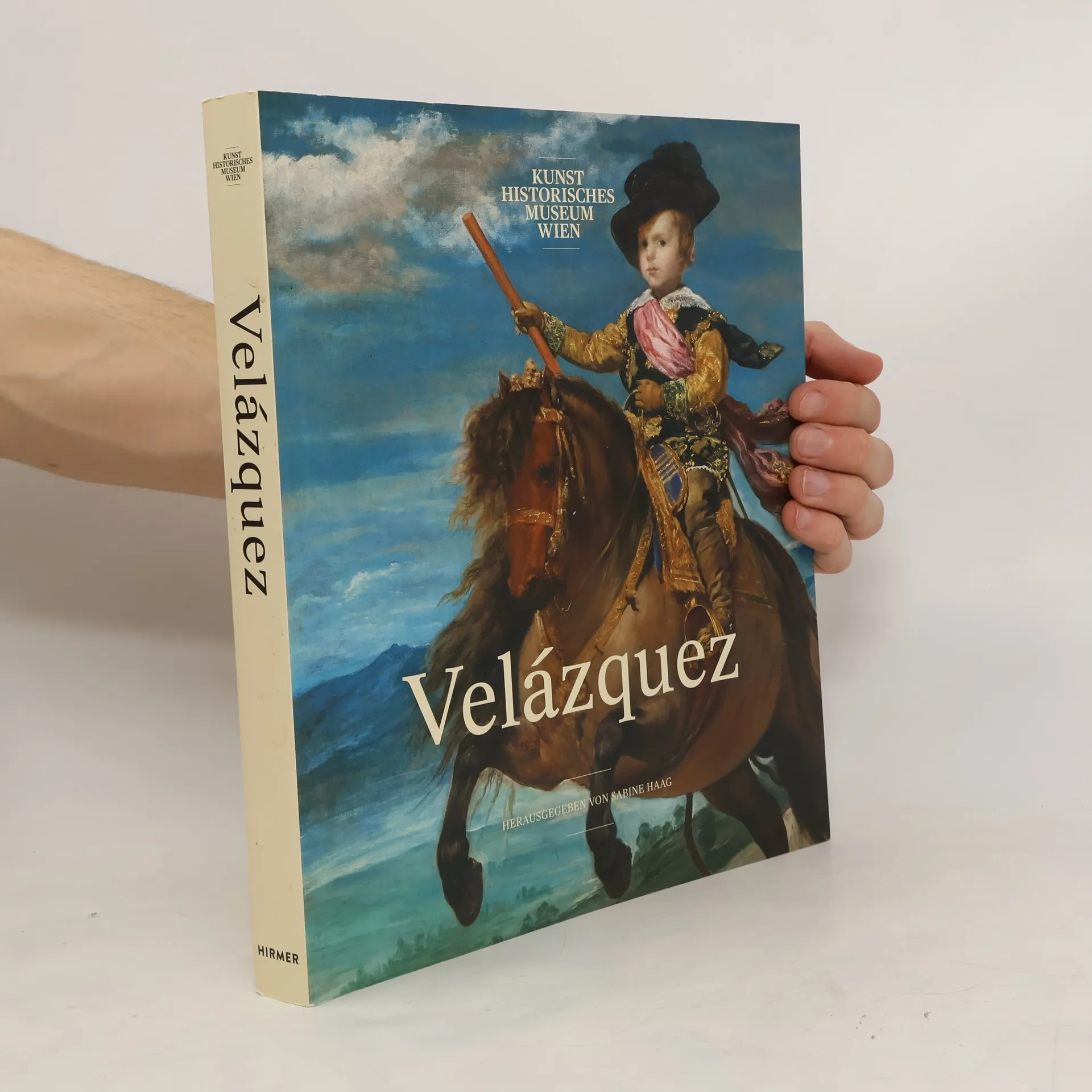

Velázquez
- 336pages
- 12 heures de lecture
Die Gemäldegalerie des Kunsthistorischen Museums widmet dem spanischen Maler Diego Velázquez (1599 -1660) zum ersten Mal im deutschsprachigen Raum eine Ausstellung. Neben den zauberhaften Bildnissen der Infanten und Infantinnen der eigenen Sammlung, die zu den Highlights des Museums zählen, werden darüber hinaus Hauptwerke des Meisters aus verschiedenen Genres, Küchenstillleben, religiöse Themen, Mythologien und Historien präsentiert, um das vielfältige Œuvre des Künstlers zu zeigen. Einige von Velázquez wichtigsten Werken, darunter die Rokeby Venus, Apoll in der Schmiede des Vulkan, oder die Anbetung der Könige die ergreifenden Bildnisse der Hofnarren Don Juan de Austria, oder Calabazillas werden zum ersten Mal in Wien zu sehen sein. Kooperationspartner und Hauptleihgeber sind das Museo Nacional del Prado in Madrid, das den Großteil der Werke des Künstlers beherbergt, sowie die National Gallery in London und das Boston Museum of Fine Arts. Darüber hinaus präsentiert die Ausstellung weitere wichtige Leihgaben aus international bedeutenden Museen. Exhibition: Kunsthistorisches Museum Wien, Austria (28.10.2014-15.02.2015).
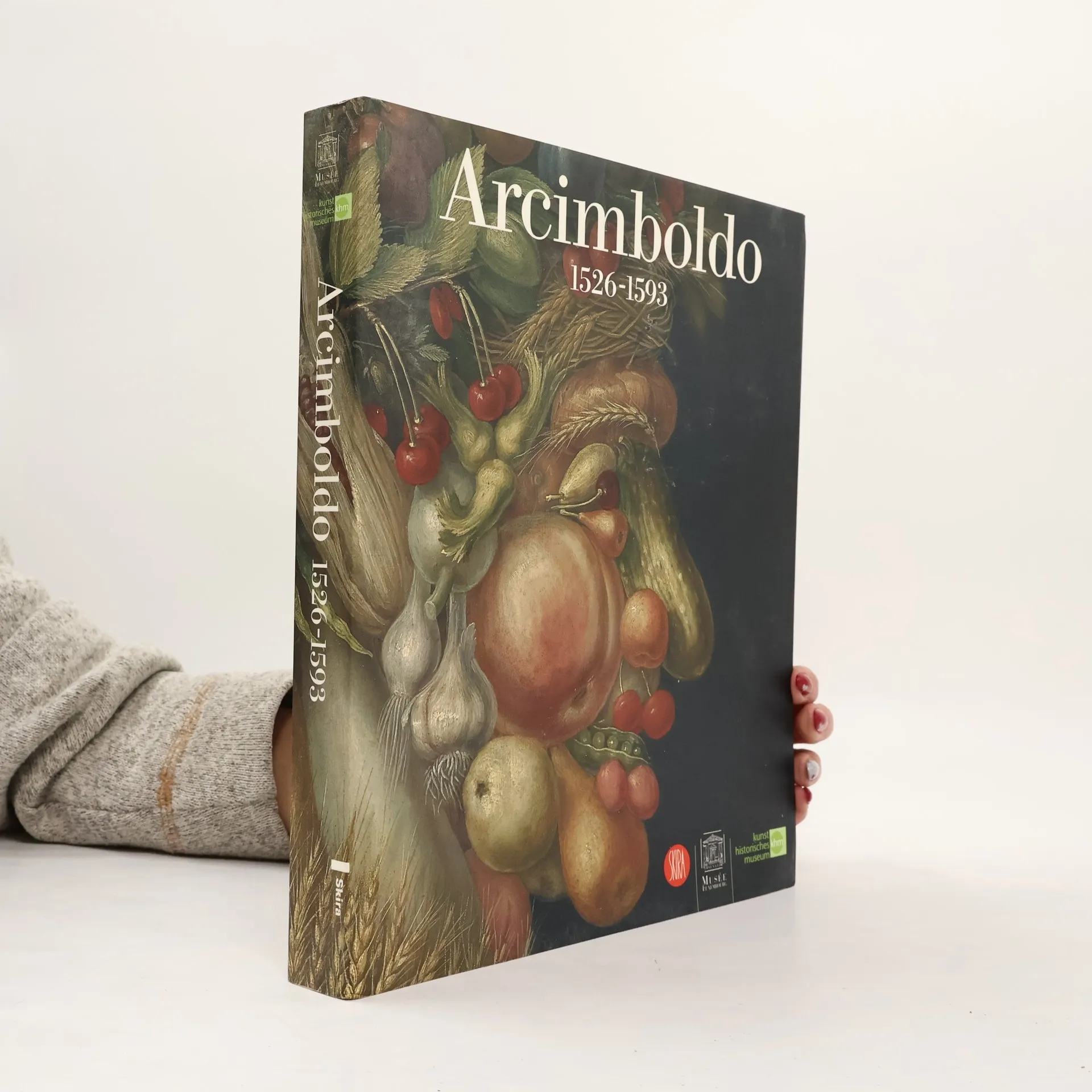
Arcimboldo, 1527-1593
- 319pages
- 12 heures de lecture
Giuseppe Arcimboldo (1526–1593), artiste italien de la fin de la Renaissance, demeure mystérieux malgré la notoriété de son nom. Son œuvre est principalement reconnue pour sa série unique de portraits des saisons, composés de plantes et de fruits. Bien qu'il ait été hautement vénéré de son vivant, Arcimboldo tombe rapidement dans l'oubli après sa mort, jusqu'à être redécouvert au début du 20e siècle comme l'un des précurseurs de l'art moderne. Ce livre explore l'ensemble de son œuvre, y compris des aspects moins connus, et permet une compréhension approfondie de son art dans le contexte culturel de son époque. En plus des célèbres têtes composées et inversées, il décrit les débuts artistiques d'Arcimboldo à Milan et sa carrière de 25 ans en tant que peintre de cour des empereurs Habsbourg Maximilien II et Rudolf II. Les études de la nature d'Arcimboldo, qui soulignent le lien inhabituel entre nature, science et art, sont également présentées.