The book explores the transformation of the Italian Communist Party (PCI) during the final years of World War II, highlighting its emergence as a patriotic force dedicated to democracy. Focusing on Rome, it details how the PCI overcame rival communist factions, particularly during the German occupation from 1943-44, when dissident communists formed the Communist Movement of Italy (MCd'I). This movement played a crucial role in mobilizing social resistance and shaping the political landscape in the capital.
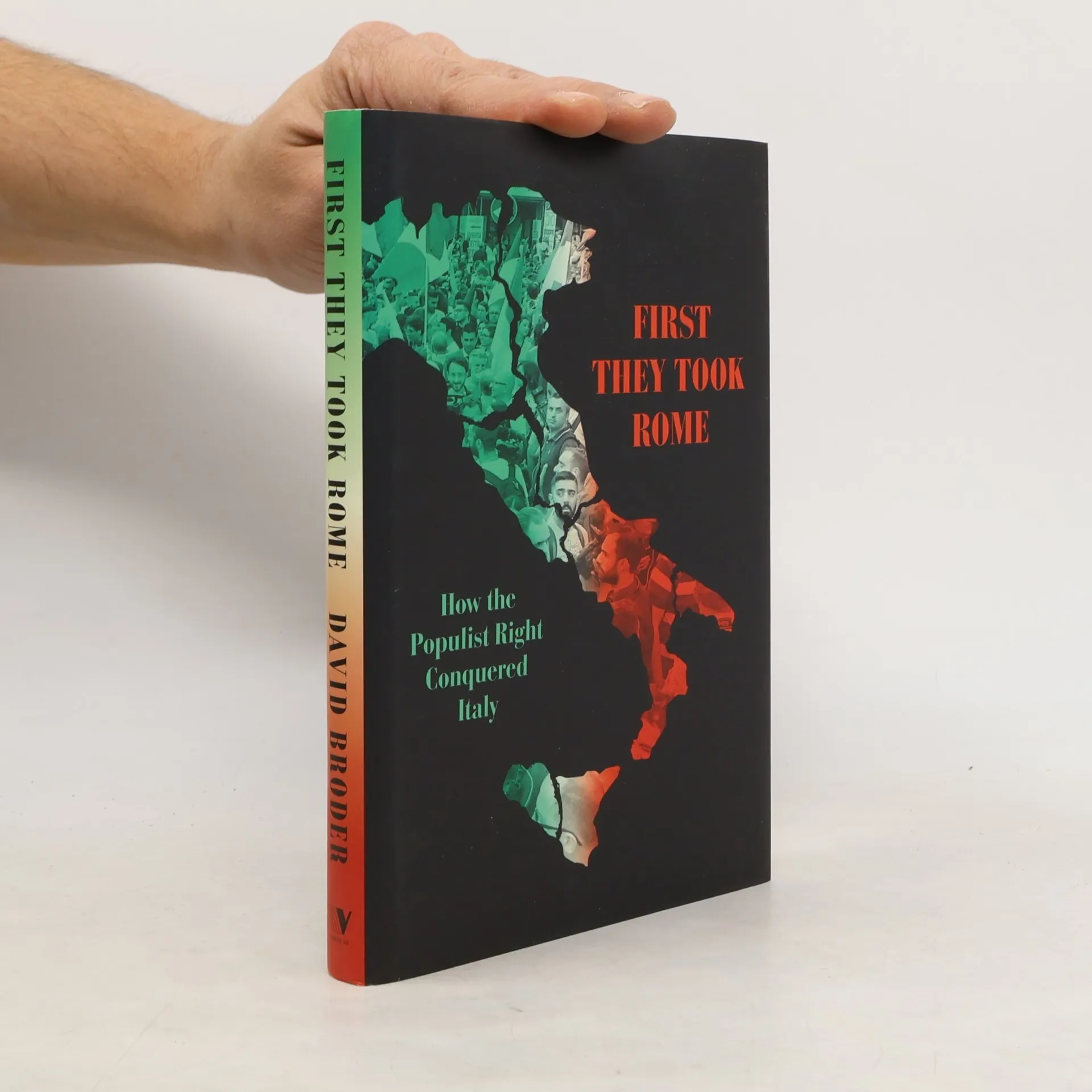
Italy’s political disaster under a microscope There is little that hasn’t gone wrong for Italy in the last three decades. Economic growth has flatlined, infrastructure has crumbled, and out-of-work youth find their futures stuck on hold. These woes have been reflected in the country’s politics, from Silvio Berlusconi’s scandals to the rise of the far right. Many commentators blame Italy’s malaise on cultural ills—pointing to the corruption of public life or a supposedly endemic backwardness. In this reading, Italy has failed to converge with the neoliberal reforms mounted by other European countries, leaving it to trail behind the rest of the world. First They Took Rome offers a different perspective: Italy isn’t failing to keep up with its international peers but farther along the same path of decline they are following. In the 1980s, Italy boasted the West’s strongest Communist Party; today, social solidarity is collapsing, working people feel ever more atomized, and democratic institutions grow increasingly hollow. Studying the rise of forces like Matteo Salvini’s Lega, this book shows how the populist right drew on a deep well of social despair, ignored by the liberal centre. Italy’s recent history is a warning from the future—the story of a collapse of public life that risks spreading across the West.
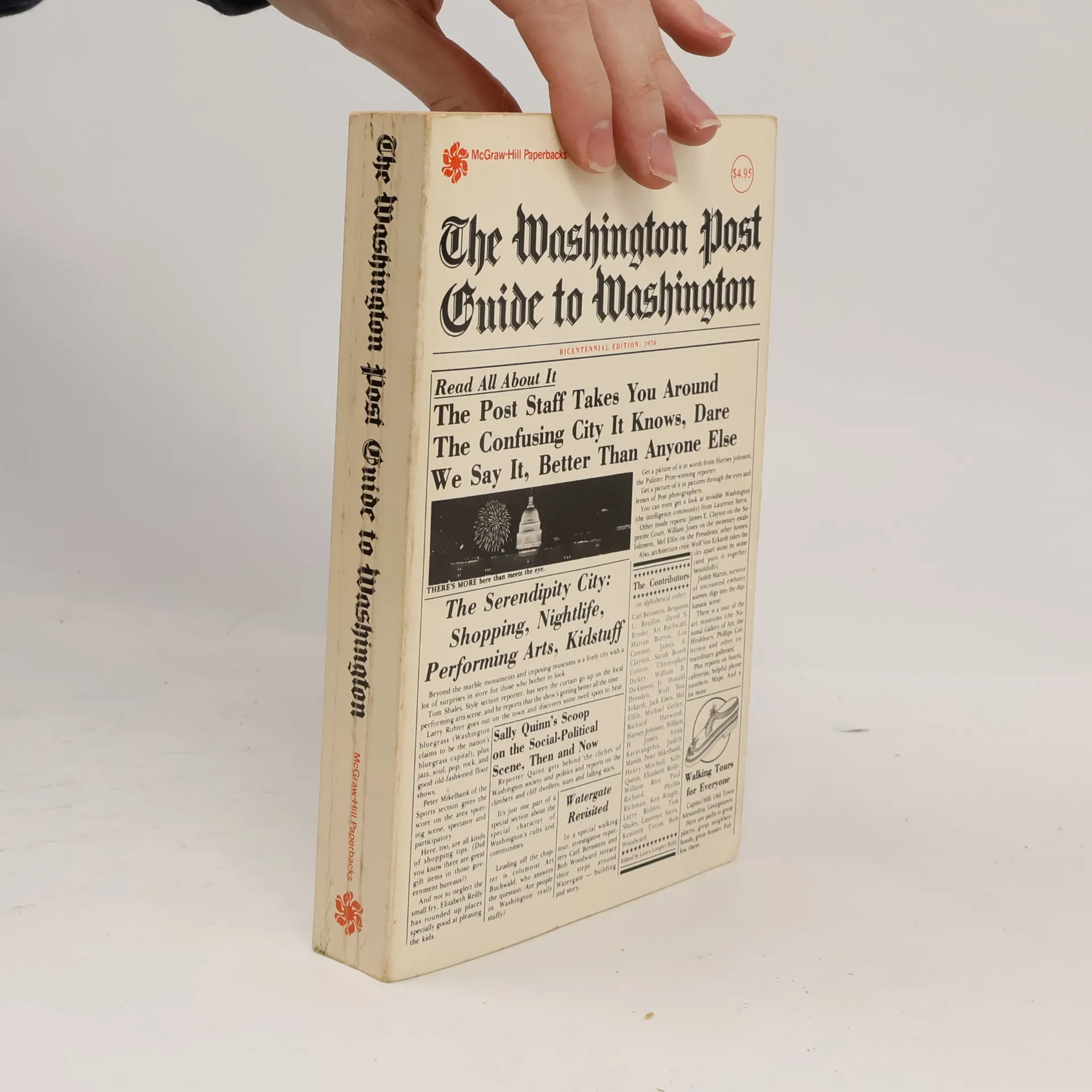
The Post Staff Takes You Around the Confusing City it Knows, Dare We Say it, Better Than Anyone Else - Bicentennial Edition: 1976
354pages
13 heures de lecture
Product Details Paperback McGraw-Hill (June 1989) 0070683948 978-0070683945 Average Customer Be the first to review this item Amazon Best Sellers #13,784,459 in Books (See Top 100 in Books)
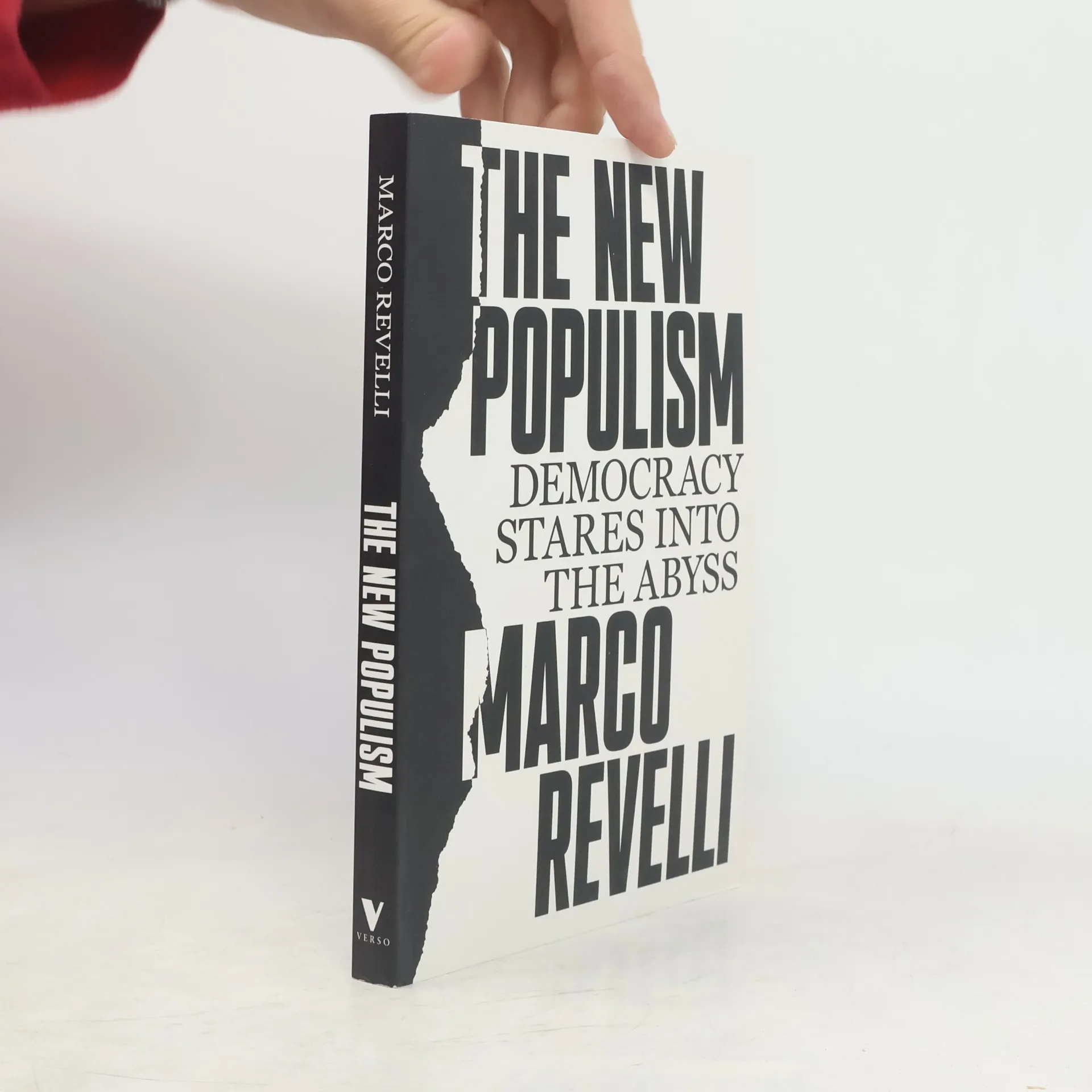
A crisp and trenchant dissection of populism today The word 'populism' has come to cover all manner of sins. Yet despite the prevalence of its use, it is often difficult to understand what connects its various supposed expressions. From Syriza to Trump and from Podemos to Brexit, the electoral earthquakes of recent years have often been grouped under this term. But what actually defines 'populism'? Is it an ideology, a form of organisation, or a mentality? Marco Revelli seeks to answer this question by getting to grips with the historical dynamics of so-called 'populist' movements. While in the early days of democracy, populism sought to represent classes and social layers who asserted their political role for the first time, in today's post-democratic climate, it instead expresses the grievances of those who had until recently felt that they were included. Having lost their power, the disinherited embrace not a political alternative to -isms like liberalism or socialism, but a populist mood of discontent. The new populism is the 'formless form' that protest and grievance assume in the era of financialisation, in the era where the atomised masses lack voice or organisation. For Revelli, this new populism the child of an age in which the Left has been hollowed out and lost its capacity to offer an alternative.