

Bookbot

David Frum Livres

    David J. Frum est un journaliste canado-américain actif dans les arènes politiques américaines et canadiennes. Ancien rédacteur de discours économiques pour le président George W. Bush, il est également l'auteur du premier livre "d'initié" sur la présidence Bush. Ses chroniques éditoriales ont paru dans diverses revues et journaux canadiens et américains. Il est également le fondateur de FrumForum.com (anciennement NewMajority.com), un blog de groupe politique.

    How We Got Here
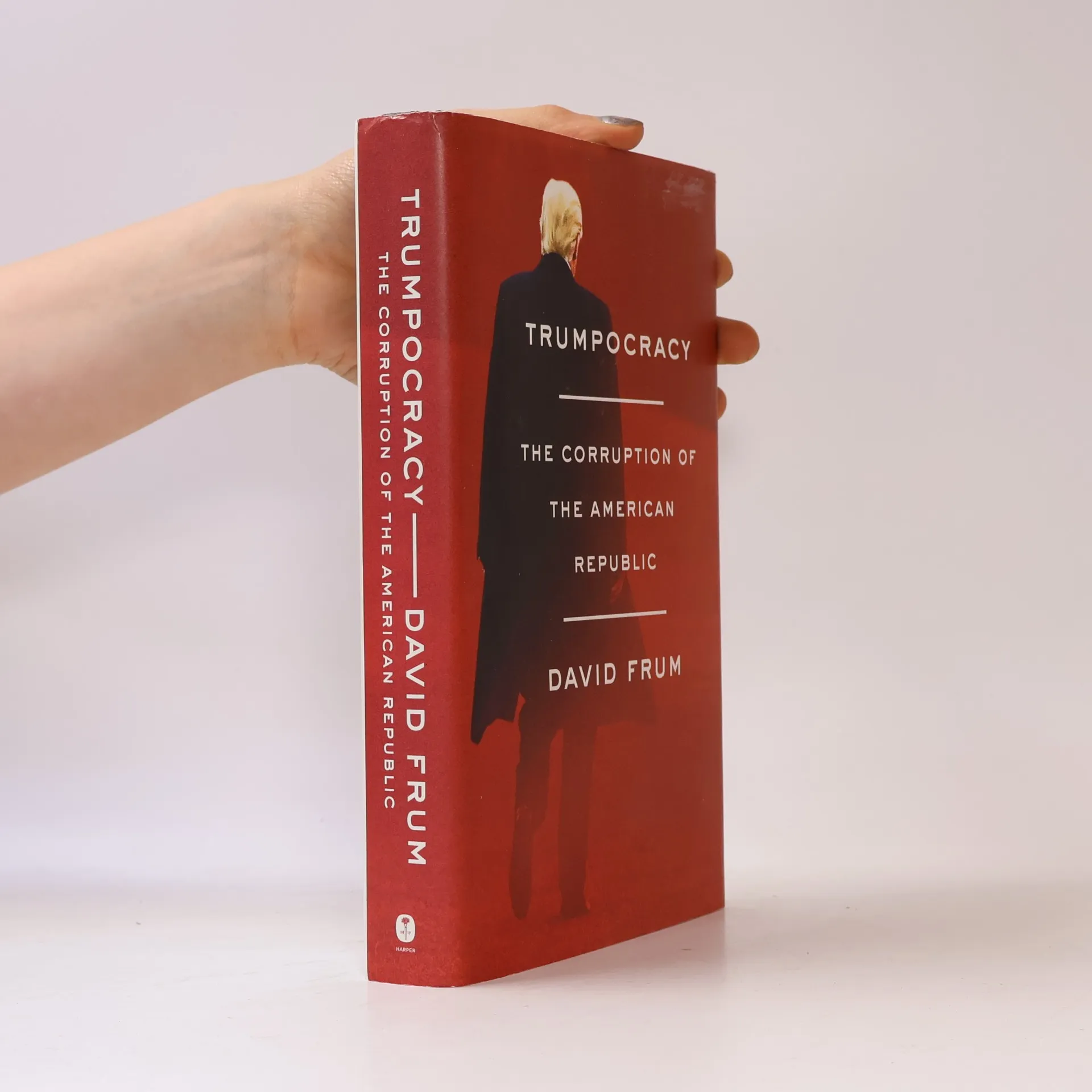
    Trumpocracy
    An End to Evil
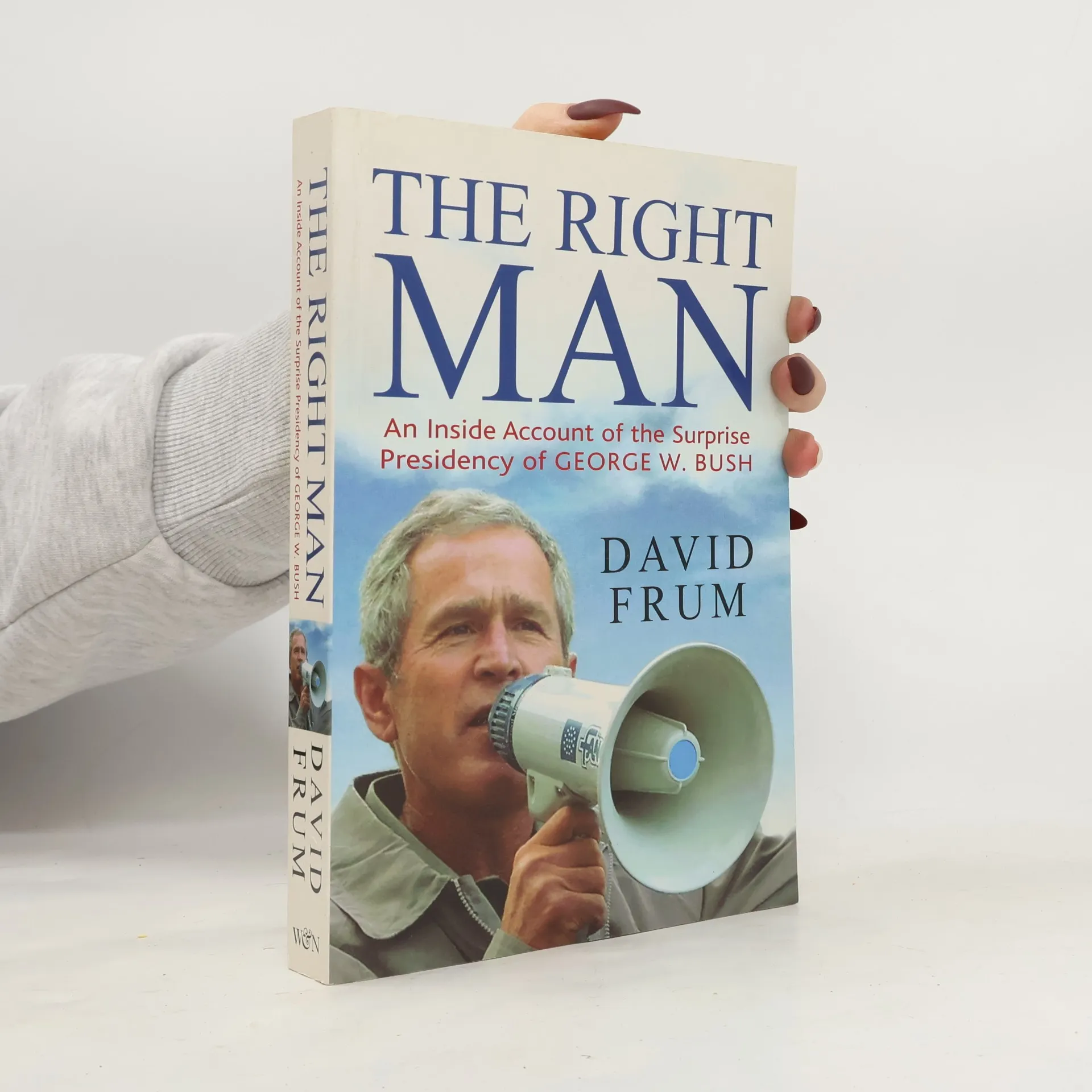
    The Right Man
    • The Right Man

      The Surprise Presidency of George W. Bush

      • 320pages
      • 12 heures de lecture

      The Right Man creates an arc in that Frum is originally dubious of Bush's leadership capacity and ends up sold on Bush as commander-in-chief. But in truth, Frum never has far to go. He's impressed with Bush from the start and when war comes, he's more impressed. And while the book is as much about the author as the president, sections, such as an argument with Barbra Streisand and a Washington Post gossip storm may strike the reader as somewhat petty. Fortunately, there are entertaining helpings of candor: the stringent White House dress code, infighting among cabinet members, and unbelievably cool Air Force One trips. Also of particular interest are events surrounding the controversial phrase "axis of evil": Frum helps coin it, his wife boasts of that fact in an e-mail to friends, the e-mail is widely forwarded, and, soon after, Frum resigns. While both he and the White House deny he was fired, Frum is so insistent on the fact that he quit on his own that it really makes you wonder. The Right Man is a multifaceted glimpse at the life of a White House insider and a president in a time of crisis; it should appeal to readers curious to learn about the inner workings of the American presidency. --John Moe
      The Right Man
      3,5
    • From two of the country's arch-neoconservatives - a Bush speechwriter and the influential Chairman of the Defense Policy Board - comes a new book of policy on how to strengthen America. Frum and Perle allege that despite the American conquest of Iraq, Americans are not very safe in the world around them, and that the U.S. government remains unready to defend its people. They sound the alert about the present danger and give a detailed, candid account of America's vulnerabilities: a military whose leaders resist change, intelligence agencies mired in bureaucracy, and diplomats who put friendly relations with their foreign colleagues ahead of the nation's interests. They lay out a bold program to defend America - and to win the war on terror.

      An End to Evil
      3,0
    • Trumpocracy

      The Corruption of the American Republic

      • 320pages
      • 12 heures de lecture

      All but the most determined Trump enthusiasts should feel pin pricks of recognition and...a queasy discomfort. New York Times

      Trumpocracy
    • How We Got Here

      The 70's, the Decade that Brought You Modern Life (for Better Or Worse)

      Thirty years ago most people started their day with a cup of Maxwell House. Now you can buy a cappuccino made with Sumatran coffee beans and steamed milk. A generation ago, we idealized the craggy, inexpressive man epitomized by Gary Cooper. Today Clint Eastwood feels obliged to weep on screen. We live in a world made new, and made new not only by new machines, but also by new feelings, new thoughts and new manners. A Rip van Winkle who nodded off in the 1940s and woke up today would be astonished by women bus drivers, middle-aged men going to work in khaki pants and baseball caps, millions of children in daycare, and the crumbling of the mainline Protestant churches. If asked when and how these changes came about, most people would probably point to the 1960s. But David Frum argues that it was the supposedly quiescent 1970s that created modern America, that altered the American personality forever. The decade left behind a country that was less self-confident, less literate, less polite, less economically equal, more competitive, more expressive and more sexual. Frum examines this metamorphosis through political events, popular opinion polls, films, music, advertising and more to describe the most total social transformation the United States has lived through since the coming age of industrialism. How We Got Here is lively and provocative reading.

      How We Got Here