
Bookbot

Caron E. Gentry

    Caron Gentry explore les dimensions de genre du terrorisme et de la violence politique, abordant ces phénomènes à travers le prisme de la science politique. Son travail approfondit la compréhension des dynamiques de la violence et de son impact sociétal. Elle enquête sur la manière dont le genre influence les motivations, l'implication et les expériences des acteurs au sein de ces conflits. Ses recherches apportent une perspective nuancée aux questions complexes de la violence politique.

    Disordered Violence
    Offering Hospitality
    Studies in Security and International Affairs: Women, Gender, and Terrorism
    • Offering Hospitality

      Questioning Christian Approaches to War

      • 196pages
      • 7 heures de lecture

      Focusing on feminist and postmodernist perspectives, the book critiques traditional Christian approaches to just-war theory. Caron Gentry examines the moral and ethical implications of war within a Christian context, challenging established norms and encouraging a re-evaluation of hospitality as a response to conflict. This thought-provoking analysis invites readers to reconsider the intersection of faith and warfare.

      Offering Hospitality2022
    • Disordered Violence

      • 216pages
      • 8 heures de lecture

      Disordered Violence looks at how gender, race and heteronormative expectations of public life shape Western understandings of terrorism as irrational, immoral and illegitimate. Caron Gentry examines the profiles of 8 well-known terrorist actors and looks at the gendered, racial, and sexualised assumptions in how their stories are told.

      Disordered Violence2021
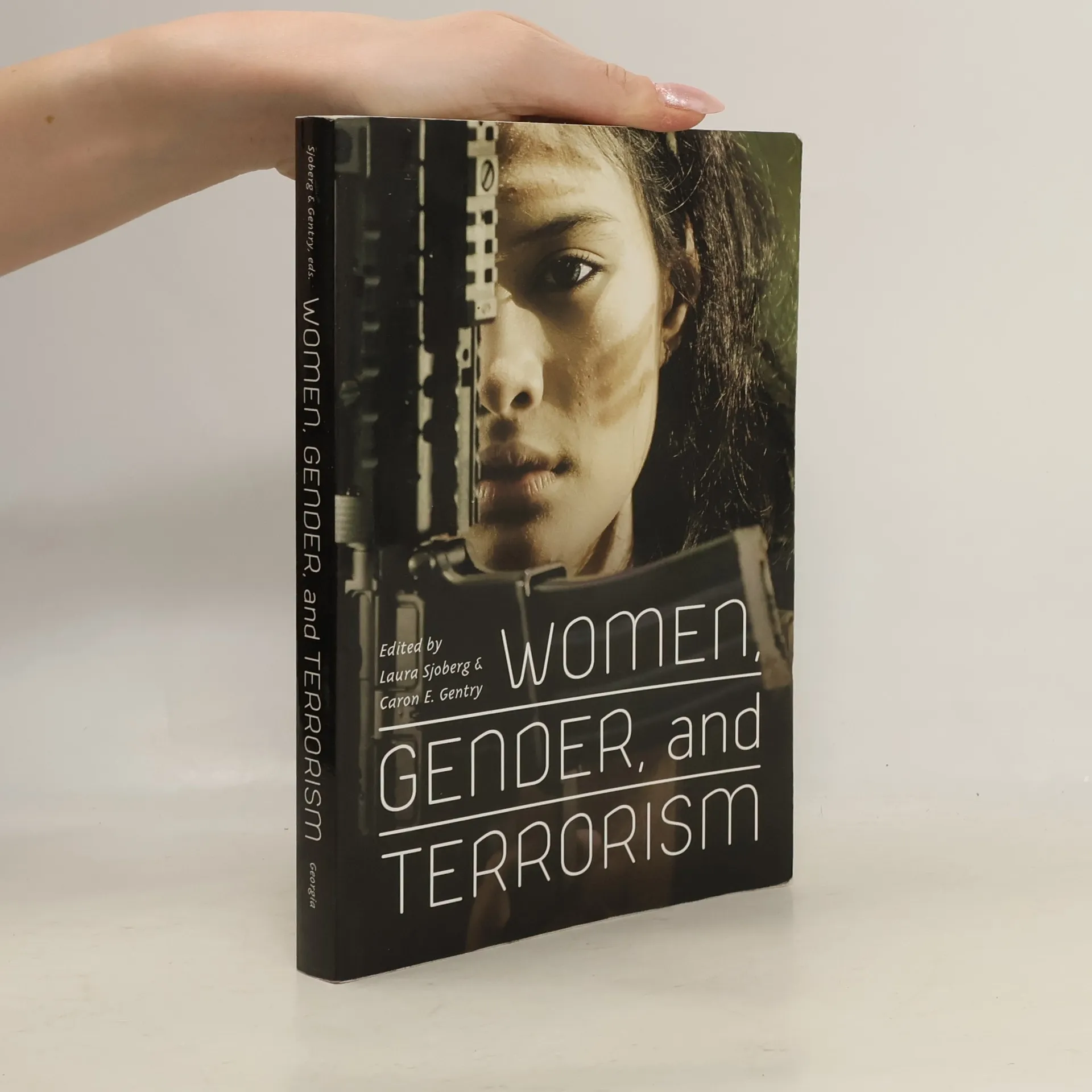
    • In the last decade, there has been a notable increase in women's involvement in terrorism, prompting an examination of their relationship with this phenomenon against the backdrop of political, gender, racial, and cultural dynamics. Historically, women terrorists were rarely acknowledged, but in the new millennium, they have taken on significant roles in acts such as suicide bombings and hostage-taking across various regions, including Palestine, Iraq, and Chechnya. Despite growing media and scholarly attention, analyses of women, gender, and terrorism remain limited and often perpetuate stereotypes regarding women's motivations and capabilities. The first section of this volume provides an overview of women's roles in contemporary terrorism, alongside a historical chapter on their involvement in Islamic political conflicts. The following section offers empirical and theoretical insights into terrorist movements in Chechnya, Kashmir, Palestine, and Sri Lanka. The third section focuses on women's participation in al Qaeda, critically examining media portrayals and academic representations. The conclusion suggests avenues for further exploration of gender and terrorism, informed by the contributions throughout the volume. Collectively, the authors enhance our understanding of terrorism, a complex and troubling aspect of modern society.

      Studies in Security and International Affairs: Women, Gender, and Terrorism2011
      4,0