
Plus d’un million de livres, à portée de main !
Bookbot

Pavel Aleksandrovič Florenskij

    9 janvier 1882 – 8 décembre 1937
    Pavel Aleksandrovič Florenskij
    Soľ zeme
    Early Religious Writings, 1903-1909
    Imaginaries in Geometry
    The Meaning of Idealism
    Iconostasis
    The Pillar and Ground of the Truth
    • 2024

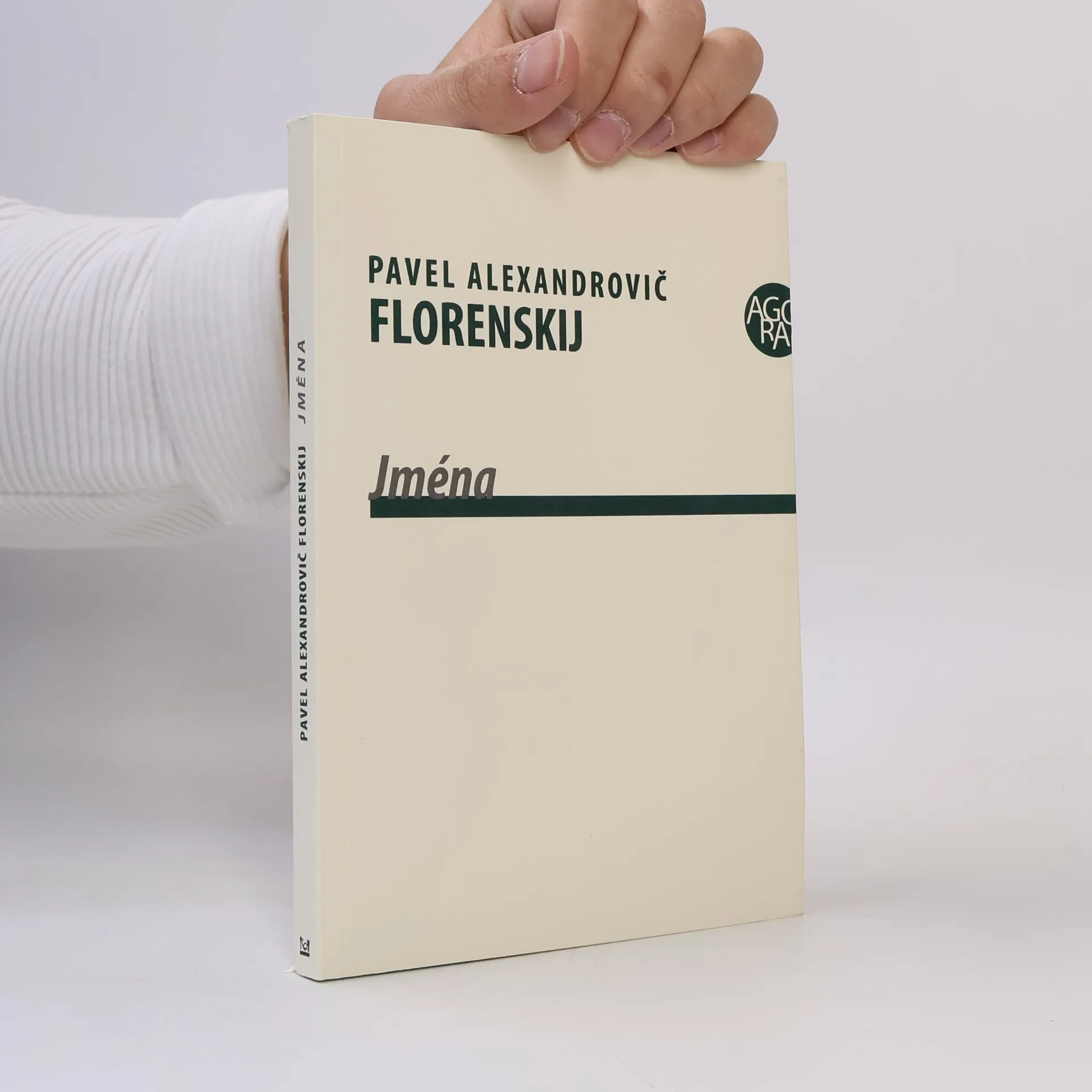
      Jména

      • 224pages
      • 8 heures de lecture

      Kniha Jména Pavla Florenského se stala od dob svého vydání významným fenoménem. Nejen do ruského filosoficko-teologického prostředí tento traktát přinesl mnoho nových impulzů: poukázal na fakt, že se kořeny různých směrů evropského filologického bádání (v tomto případě onomatologie) od konce 19. století překvapivě uchytily paralelně také v soudobém Rusku, že východoevropští badatelé do těchto diskusí vnášeli poměrně zajímavé akcenty, a že později – zhruba od 60. let 20. století – na těchto základech stavěla slavná ruská (resp. tartuská) sémiotická škola, která následně poměrně významně inspirovala západní filologii. Florenského myšlenky nepřestávají dodnes inspirovat, a to jak v oblasti filosofické či teologické, tak také filologické či sémiotické.
      Jména
    • 2021

      Imaginaries in Geometry

      • 114pages
      • 4 heures de lecture
      4,3(4)Évaluer

      This is the first complete English translation of Pavel Florensky’s original and ambitious attempt to arrive at a geometric representation of imaginary numbers, in a context that had already captured the attention of other mathematicians, including Gauss, Argan, Cauchy and Bellavitis. Florensky did not limit his attempt solely to complex projective geometry, but extended it to encompass Ptolemaic-Dantean cosmology and Einstein’s Principle of Relativity, as well as a new epistemological theory. The resulting treatise combines various disciplines and explores the relationship between an immanent realm of knowledge and a transcendent one.

      Imaginaries in Geometry
    • 2020

      The Meaning of Idealism

      The Metaphysics of Genus and Countenance

      • 108pages
      • 4 heures de lecture
      4,4(14)Évaluer

      Exploring the evolution of idealism, this book traces its roots from ancient philosophers like Plato and Aristotle through Neoplatonism and Medieval thought. It delves into Orthodox spirituality and Vedic mysticism, connecting these traditions to astrology and ultimately to modern scientific concepts such as relativity and the multidimensional universe. This journey highlights the interplay between philosophical ideas and scientific advancements, offering a comprehensive view of idealism's impact across various disciplines.

      The Meaning of Idealism
    • 2017

      Early Religious Writings, 1903-1909

      • 242pages
      • 9 heures de lecture

      Eight important early writings by twentieth-century Russian Orthodox theologian Pavel Florensky-Most of them presented in English translation for the first time. Splendidly interweaving religious, scientific, and literary themes, these essays showcase the diversity of Florensky's broad learning and interests and include his reflections on the sacraments, Russian monastic culture, and other topics. The volume concludes with "The Salt of the Earth," arguably Florensky's most spiritually moving work. Book jacket.

      Early Religious Writings, 1903-1909
    • 2004
    • 2004

      The Pillar and Ground of the Truth

      An Essay in Orthodox Theodicy in Twelve Letters

      • 620pages
      • 22 heures de lecture
      4,5(58)Évaluer

      Pavel Florensky, a prominent Russian theologian and polymath, is celebrated for his deep engagement with cultural, artistic, and scientific advancements. After becoming an Orthodox priest in 1911, he faced Soviet arrest in 1928 but resumed his scholarly pursuits until his 1933 sentencing to ten years in Siberia. Even in captivity, he continued his scientific work and provided spiritual support to fellow inmates. This volume presents the first English translation of his compelling defense of Russian Orthodox theology, showcasing his intellectual legacy.

      The Pillar and Ground of the Truth
    • 2003

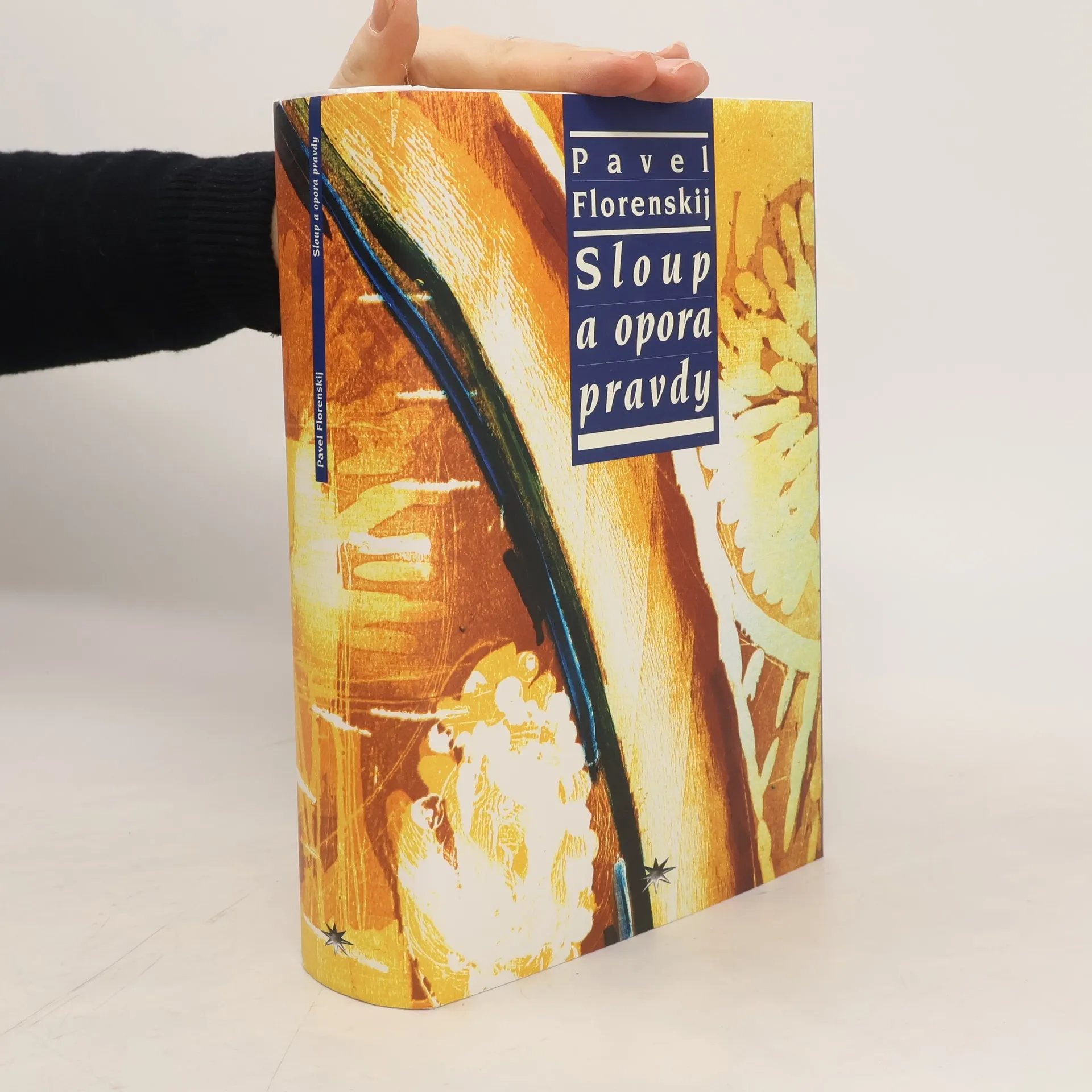
      Sloup a opora pravdy

      • 709pages
      • 25 heures de lecture
      5,0(4)Évaluer

      Jedno z nejznamenitějších náboženských děl v intelektuálním ruském prostředí, jak po stránce spekulativní - teologicky či filosoficky - tak i ve smyslu osobního svědectví, ve formě dopisů. Grandiozní eseje jsou záměrně přetížené trsy různých mezioborových exkurzů do matematiky, teorie umění, patristiky… Nadčasové originální vize ruského kněze, který záhadně zahynul v sovětském vězení, představují bezesporu velmi závažnou inspiraci.

      Sloup a opora pravdy
    • 2000

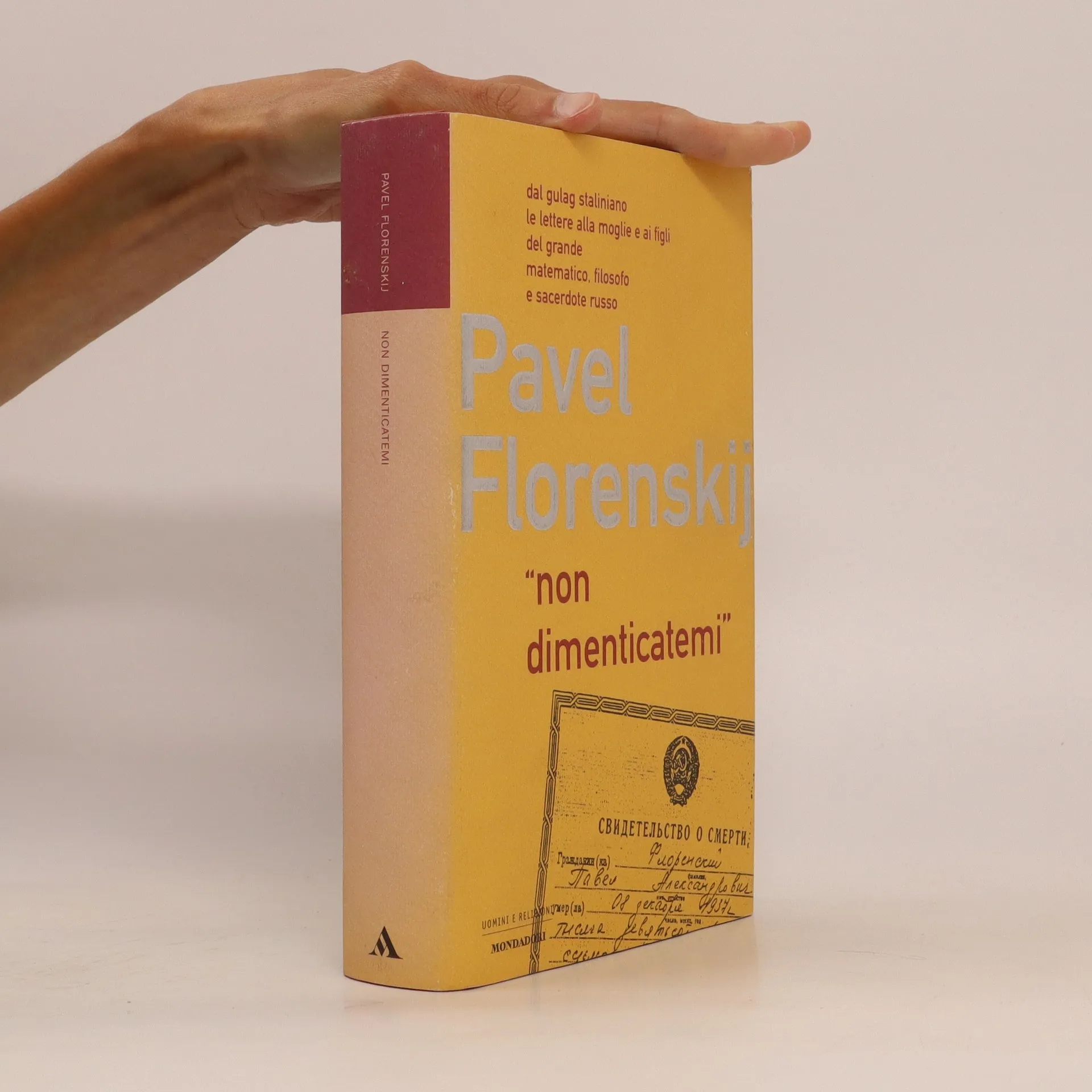
      Rinchiuso per anni nel gulag delle isole Solovki, uno dei più terribili luoghi di repressione della dittatura staliniana, Pavel Florenskij aveva un unico contatto con il mondo esterno, la corrispondenza con moglie e figli. Nonostante le lettere venissero sottoposte a rigorosa censura, l'epistolario di padre Florenskij rappresenta un documento di particolare eccezionalità per il rilievo esistenziale e teoretico: biografia e pensiero, metafisica ed esistenza, ragione e passione si congiungono intimamente nell'esperienza tragica di un testimone tra i più autentici e radicali del nostro tempo.

      Non Dimenticatemi: Dal Gulag Staliniano Le Lettere Alla Moglie E Ai Figli Del Grande Matematico, Filosofo E Sacerdote Russo (Uomini E Religioni)
    • 2000

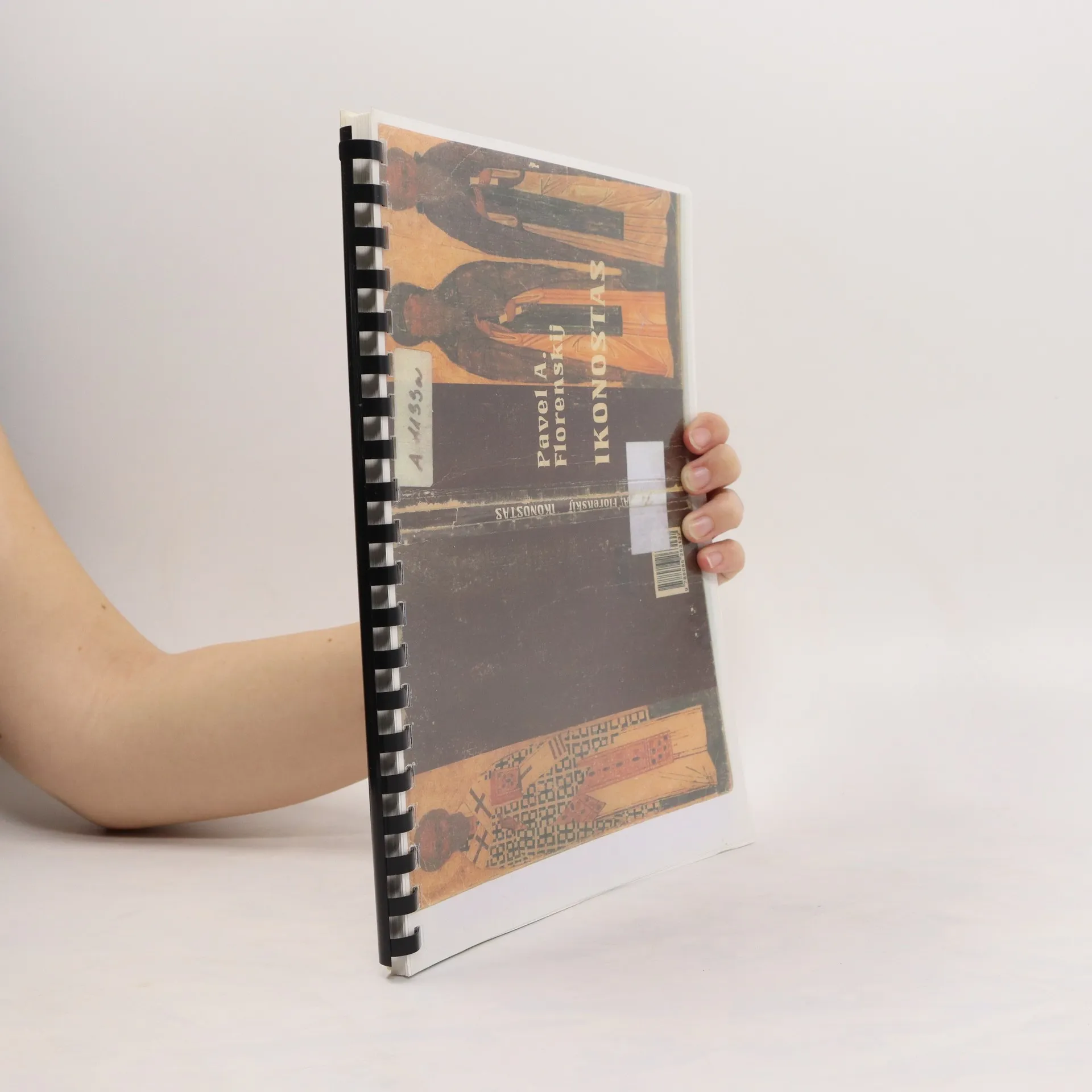
      Ikonostas

      • 134pages
      • 5 heures de lecture
      4,5(4)Évaluer

      Výběr z díla jedné z nejvýznamnějších osobností Ruské pravoslávné církve 20. století. Pavel Alexandrovič Florenský patří mezi nejvýznamější osobnosti Ruské pravoslavné církve 20. století. Ve své práci Ikonostas považuje ikonu za nejvyšší umělecký symbol duchovní skutečnosti. Není jen „oknem do jiného světa“, ale sama je svědkem tohoto světa. Výjmečným přínosem o. Pavla v bádání o ikoně je objev nejen duchovního významu ikony (resp. jeho nová interpetace), ale i symbolického významu jejích předmětných částí: dřeva, barev atd. Florenský věřil v „rajskou plnost tvorby“ v každé epoše a tuto plnost spojoval s duchovní harmonií, která je člověku dostupná a která pak žije v hlubinách jeho osobnosti.

      Ikonostas