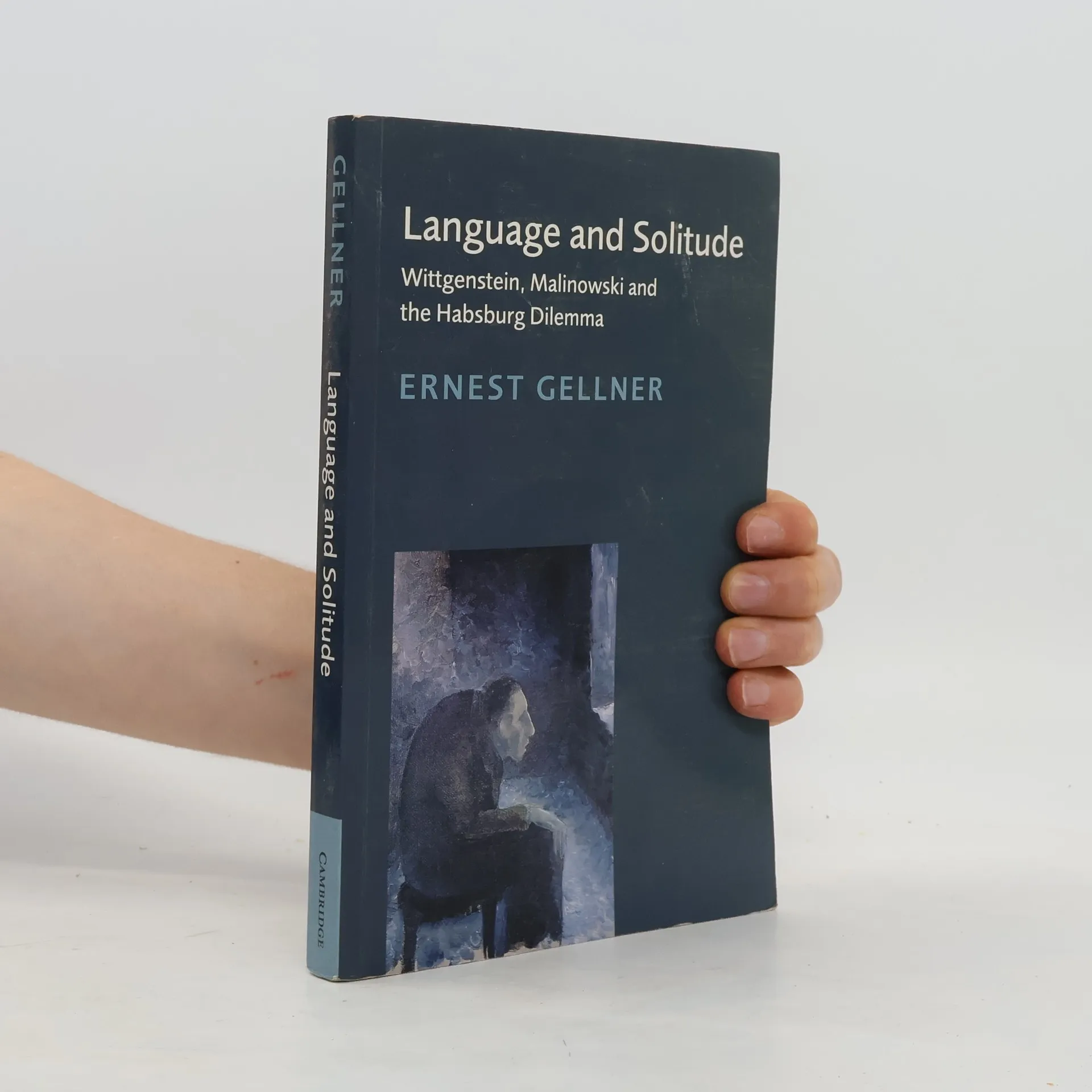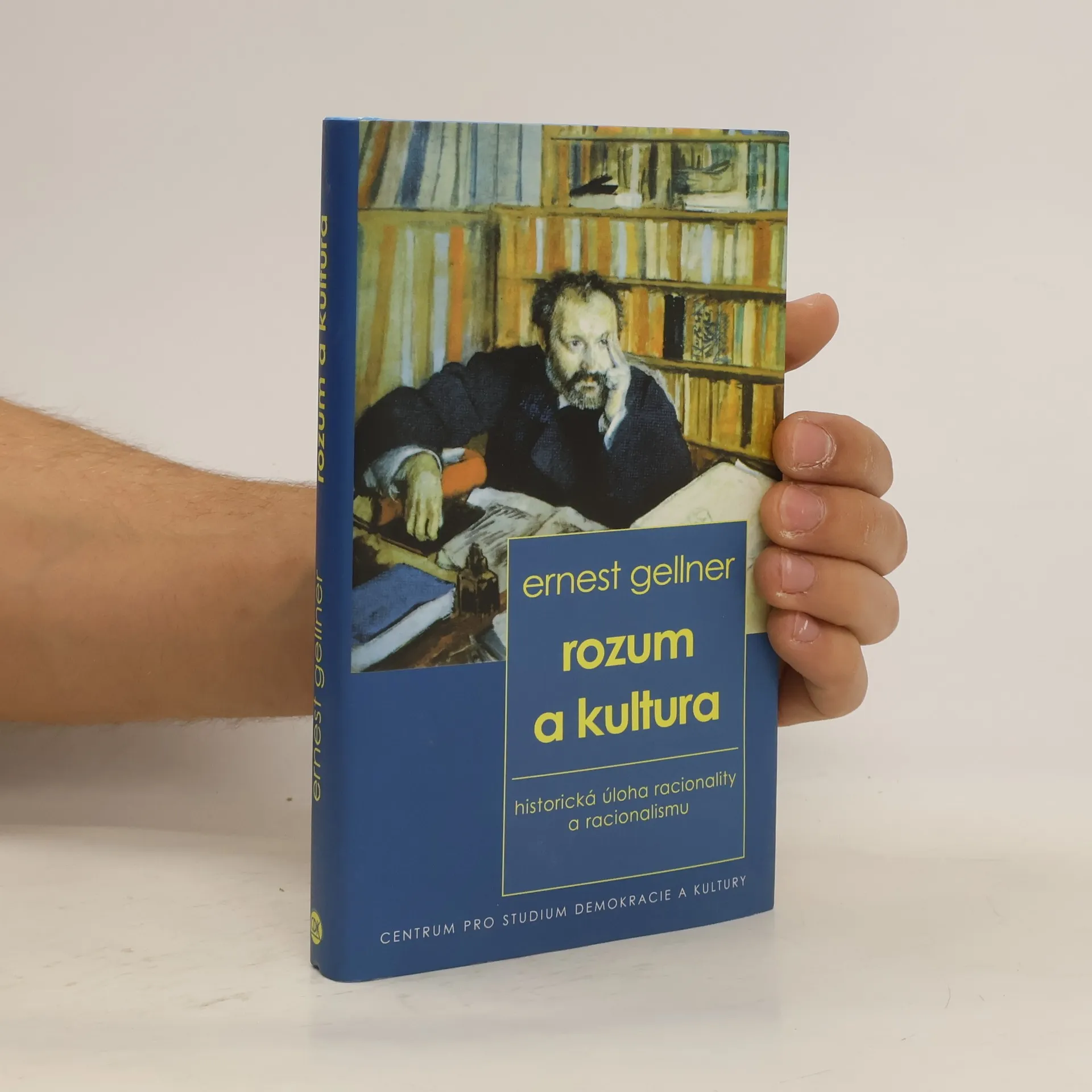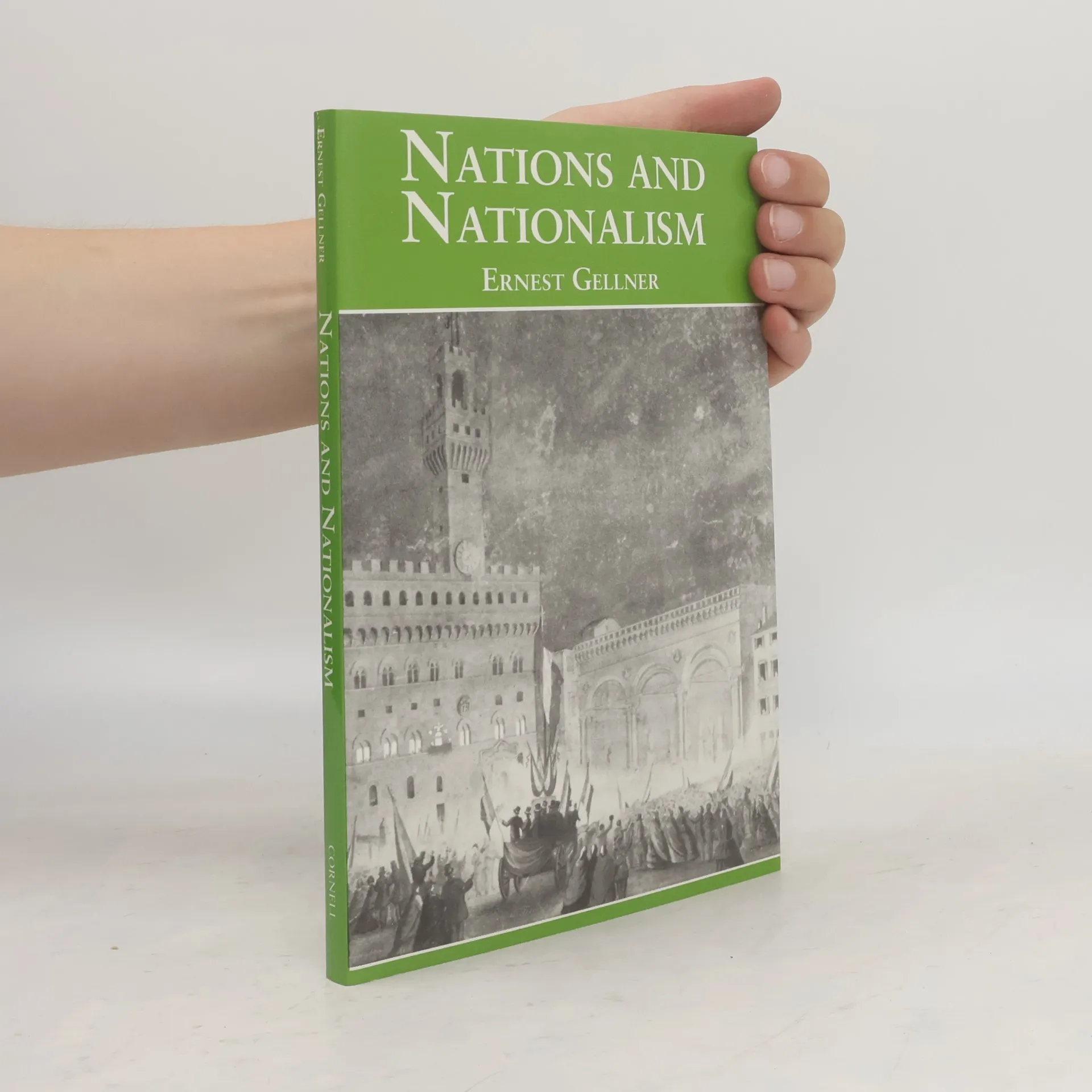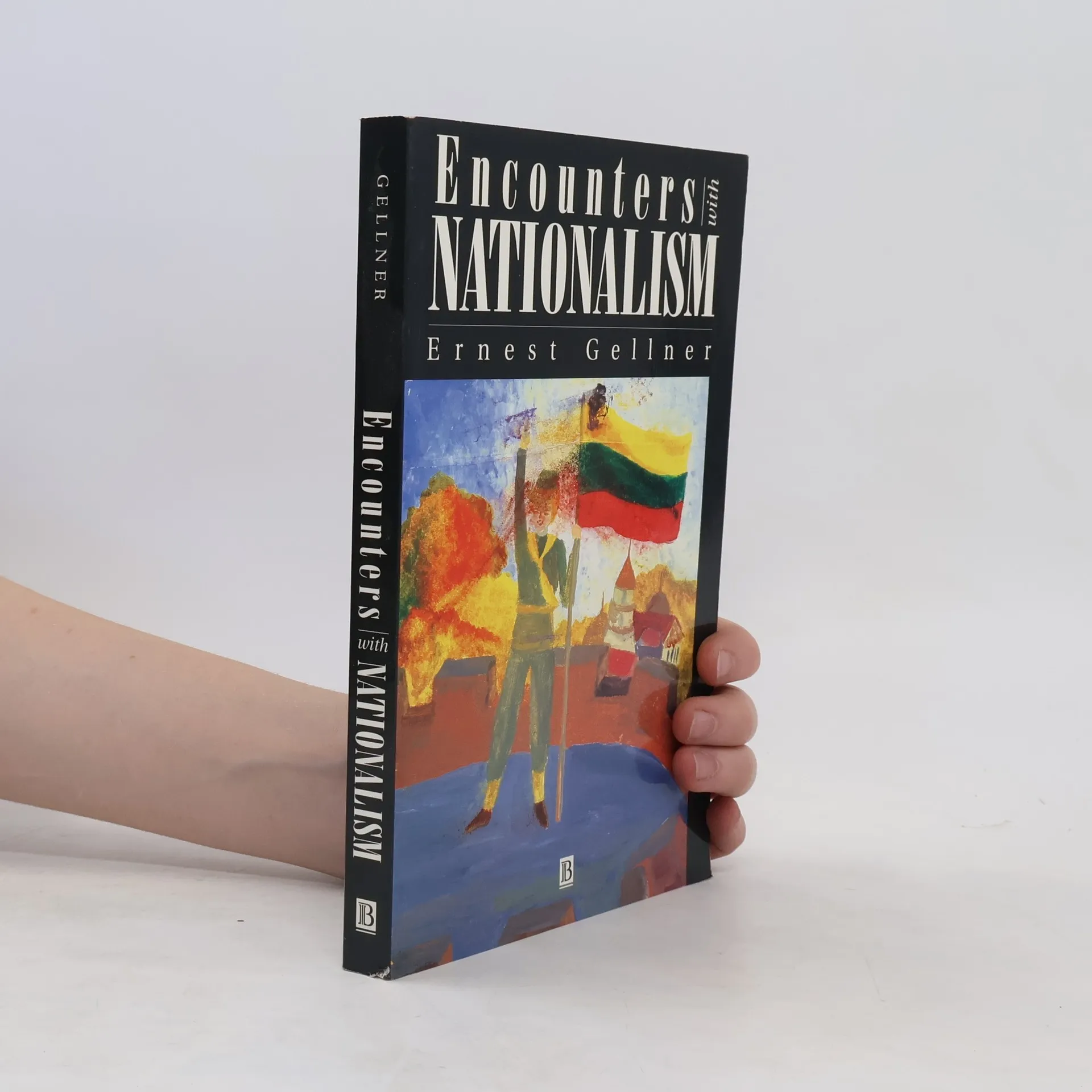
Focusing on the philosophical contributions of Wittgenstein and the anthropological insights of Malinowski, this final work by Gellner offers a comprehensive analysis of their ideas. It explores the intersections of language, culture, and human understanding, presenting a unique synthesis that highlights the significance of both thinkers in contemporary thought. Through this lens, Gellner aims to illuminate the broader implications of their theories for social science and philosophy.
Ernest André Gellner Ordre des livres
Ernest Gellner était un éminent philosophe, anthropologue social et écrivain britannico-tchèque sur le nationalisme. Son œuvre explore en profondeur la nature des sociétés modernes ainsi que la genèse et le fonctionnement du nationalisme. L'approche analytique de Gellner et sa capacité à faire le lien entre la philosophie, la sociologie et l'histoire lui ont permis d'offrir des perspectives uniques sur les complexités de la culture et de la politique humaines. Ses écrits restent essentiels pour comprendre la formation des nations et de l'État moderne.


- 2012
- 2009
This collection of essays addresses critical issues within philosophy, politics, and society, offering insightful analysis and perspectives. It explores fundamental questions and challenges, encouraging readers to reflect on the interplay between these disciplines. Each essay contributes to a deeper understanding of contemporary societal problems, making it a valuable resource for those interested in the complexities of human thought and governance.
- 2005
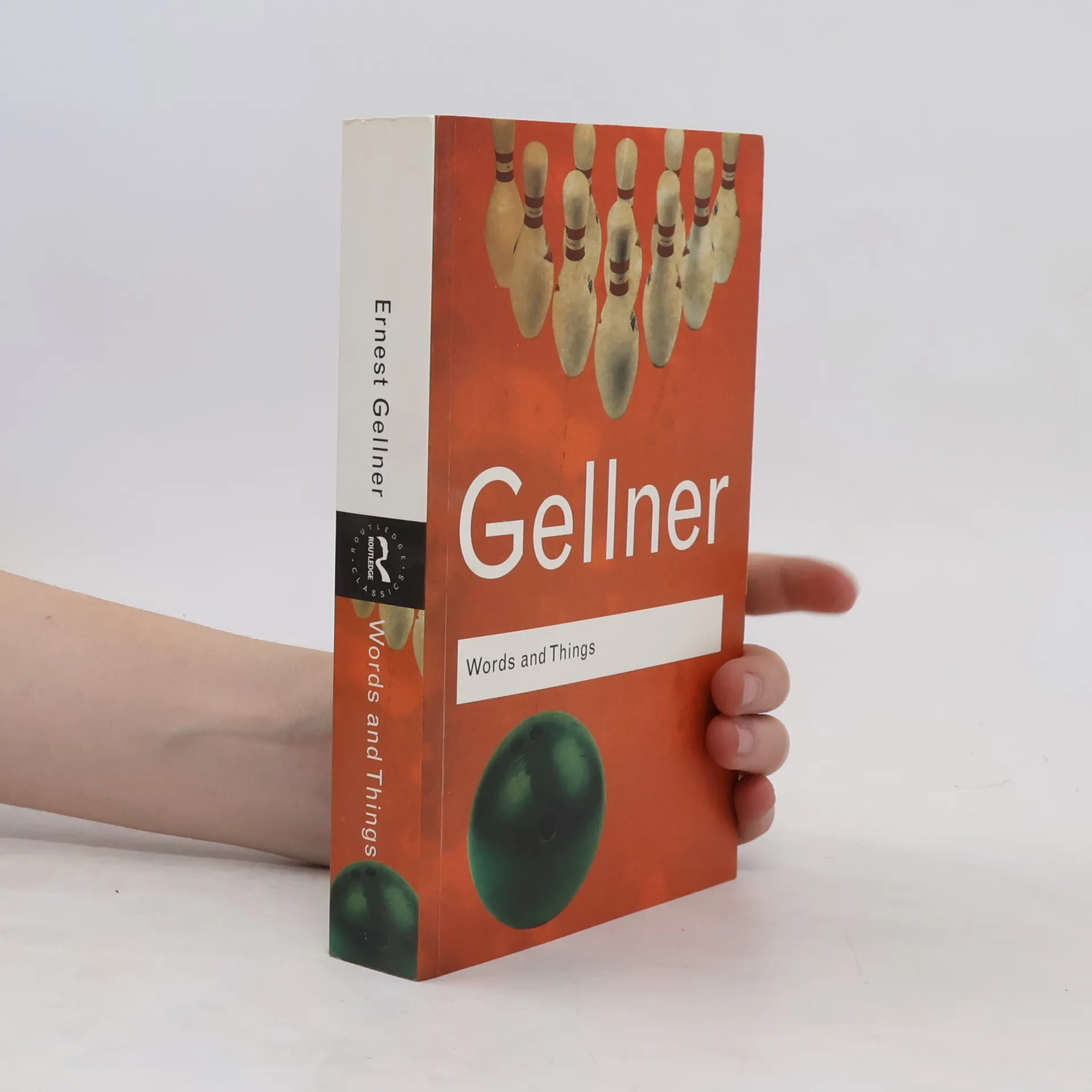
Words and Things
- 416pages
- 15 heures de lecture
First published in 1959, this classic challenge to the prevailing philosophical orthodoxy of the day, remains the most devastating attack on a conventional wisdom in philosophy to this day.
- 2005
Poslední kniha Ernesta Gellnera, vydaná až po jeho smrti, se zabývá soupeřením dvou základních forem moderního myšlení, způsobu života a politiky. Zaměřuje se tedy na napětí mezi tím, co autor označuje na jedné straně jako atomistický individualismus a na druhé straně jako romantický organicismus. Konflikt těchto dvou koncepcí života i myšlení byl a je neobyčejně ostrý zejména ve střední Evropě a tvoří jakési podloží četných dalších střetů ať již v oblasti politiky nebo ekonomie. Byl nejvíce reflektován v Habsburské říši, ale dodnes ho pociťujeme v celém našem prostoru. Je to zároveň konflikt mezi rozumem a kulturou. Gellner jeho podstatu objasňuje analýzou myšlení R. Wittgensteina a B. Malinowského.
- 2003
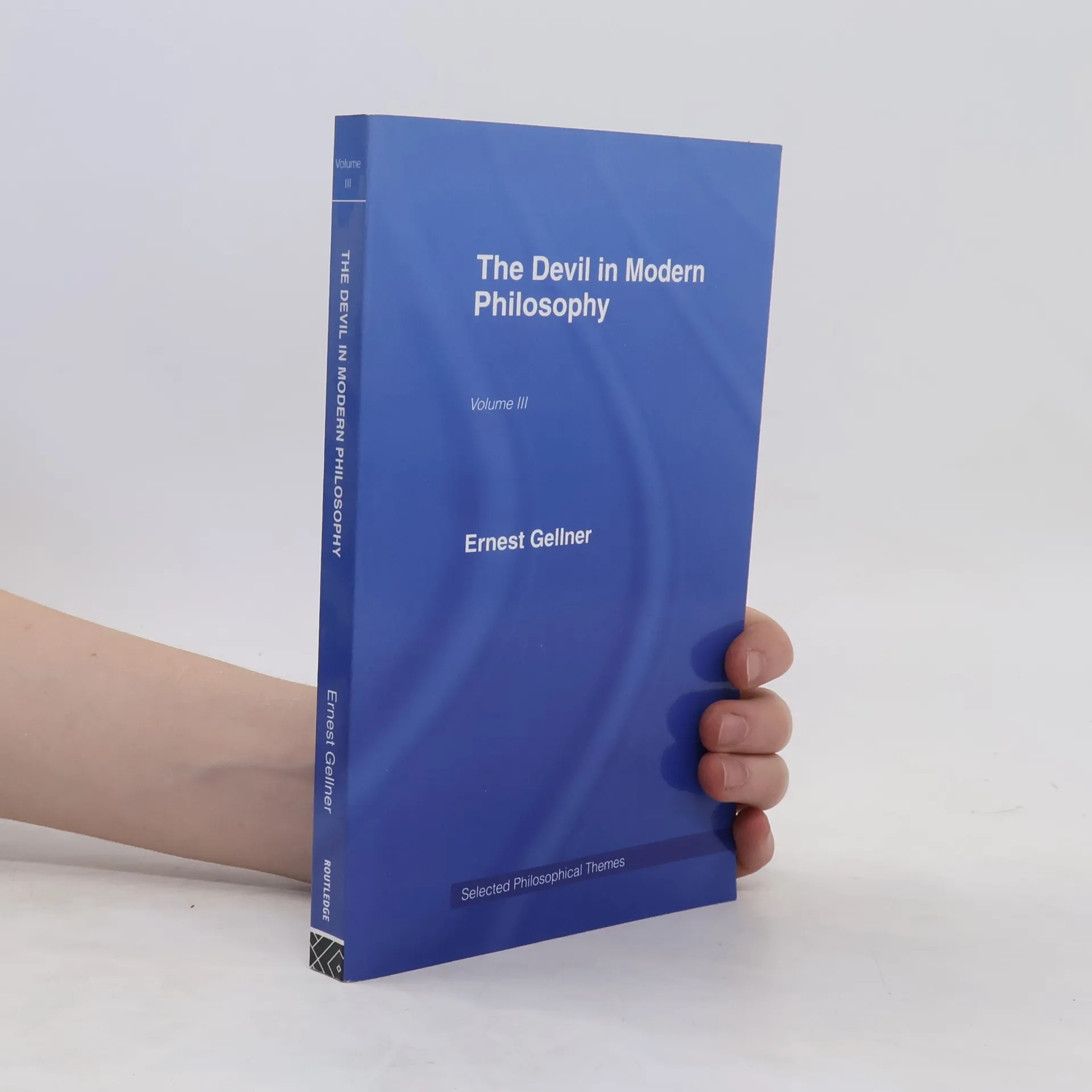
The Devil in Modern Philosophy
- 272pages
- 10 heures de lecture
The collection of essays explores the intricate relationship between philosophy and life, drawing on the insights of notable figures such as Chomsky, Piaget, and Eysenck. Gellner examines various perspectives on this connection, offering a multifaceted analysis that engages with both philosophical concepts and practical implications in everyday life. Through these discussions, the essays illuminate the ways in which philosophical thought influences our understanding of human behavior and societal dynamics.
- 1999
Práce je jedním z nejpozoruhodnějších výkladů dějin moderní evropské filozofie od Descarta po současnost. Nejde však o tradiční akademické dějiny filozofie, chápané pouze jako vnitřní vývoj logiky, ontologie, gnoseologie, etiky a dalších součástí této disciplíny. Gellner vytrvale poukazuje na to, že filozofie je součástí mnohem širších i hlubších posunů v lidském vědění, chápání a jednání.
- 1998
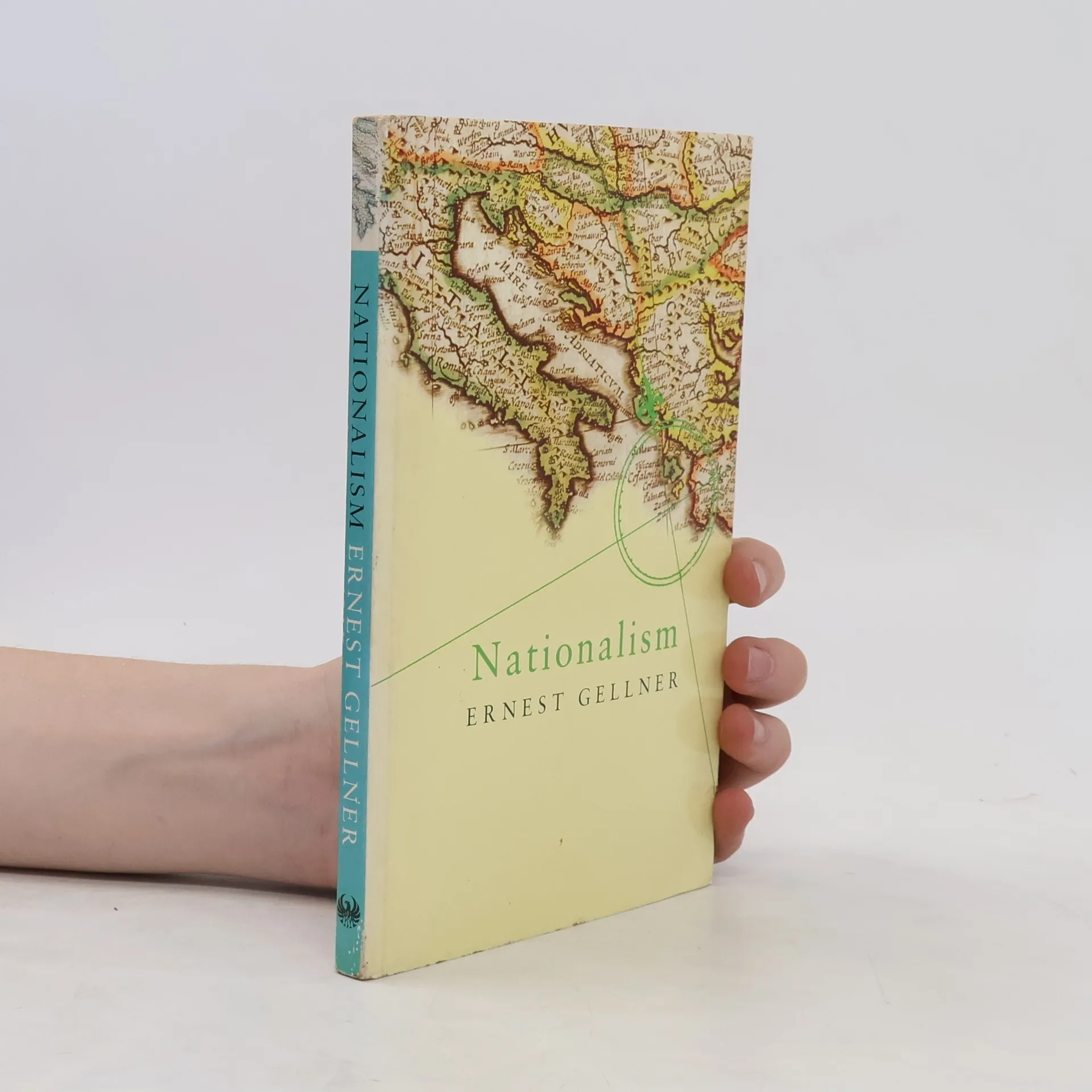
Nationalism
- 128pages
- 5 heures de lecture
A provocative essay on a subject that, since the collapse of the Soviet empire, has become once again, a central subject of contemporary politics. Lucid, witty and brilliant, Gellner's essay combines the perspectives of politics, history, philosophy and anthropology with the multidisciplinary flair for which he is renowned
- 1997
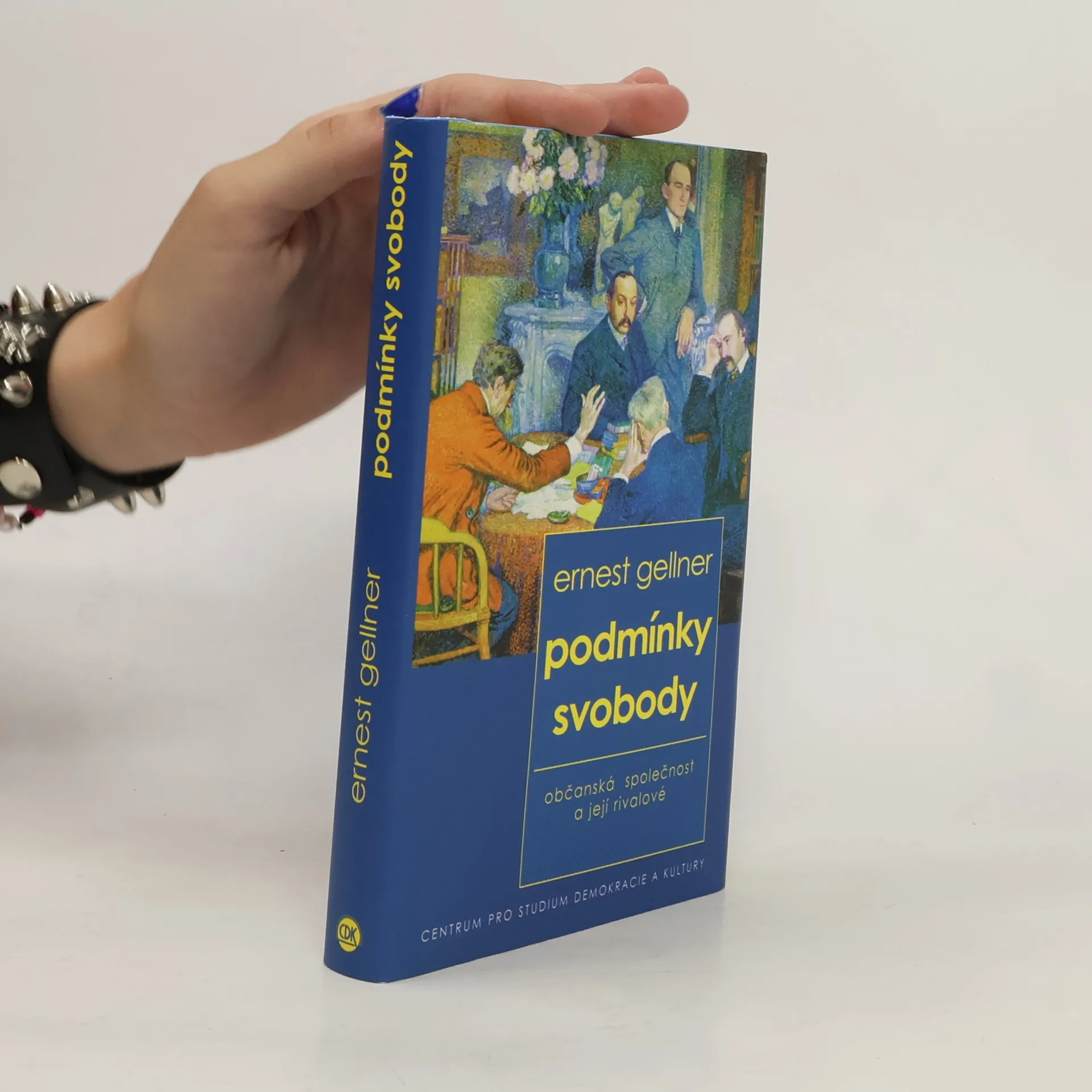
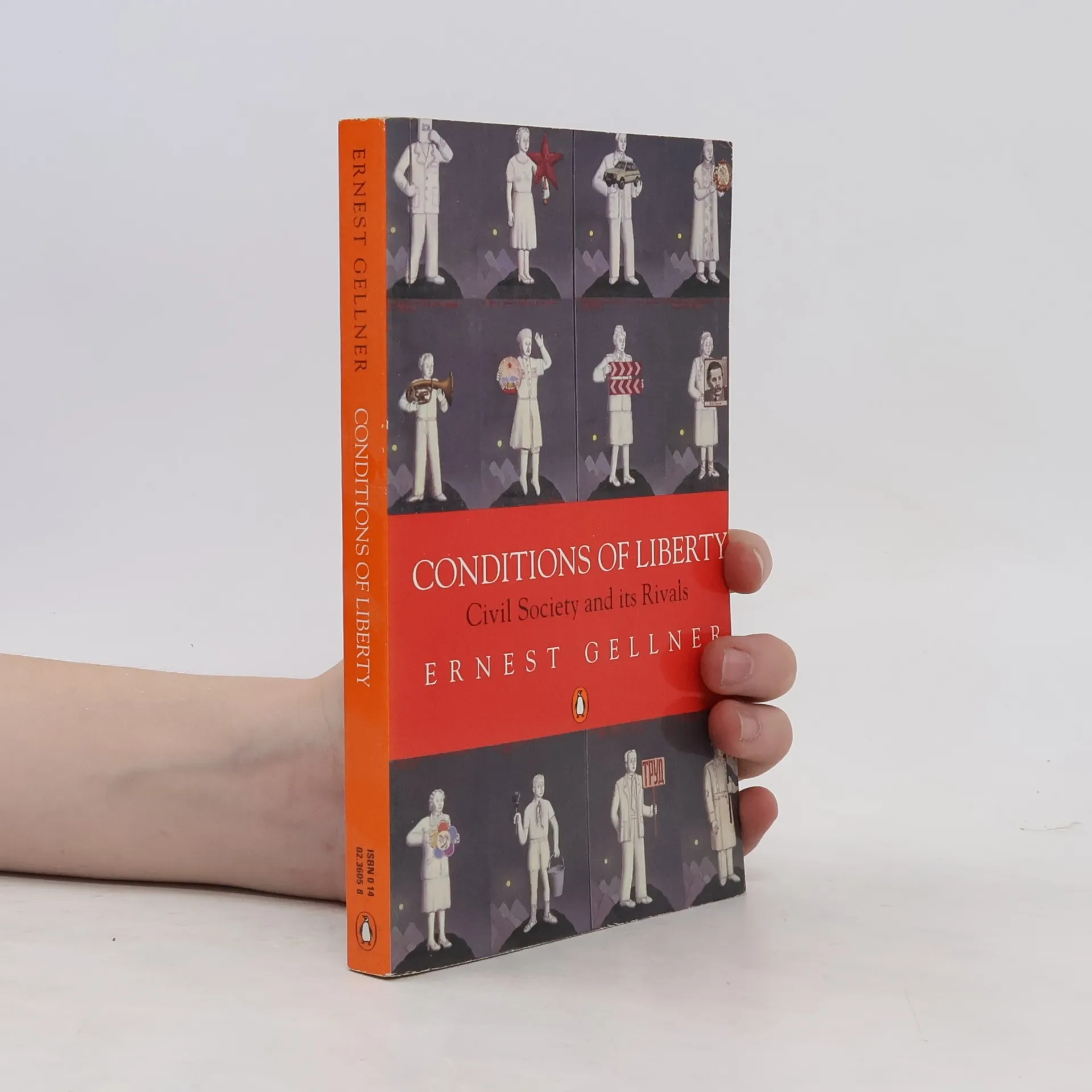
Co vyplní vakuum vzniklé po dramatickém pádu komunismu v bývalém Sovětském svazu a východní Evropě? Jak ukazuje ve své knize nedávno zesnulý filozof E. Gellner, jedním z nejdůležitějších rozdílů mezi komunismem a západním liberalismem spočívá v jejich chápání občanské společnosti.
- 1996
A distinguished scholar's provocative analysis of the political forces transforming post-Communist Eastern Europe. What is filling the void left by the fall of Communism in the ex-Soviet Union and Eastern Europe? In this groundbreaking book, one of Europe's most distinguished social anthropologists addresses this question through an examination of the idea of the civil society, which is rooted in the Enlightenment's belief that society can be organized rationally.