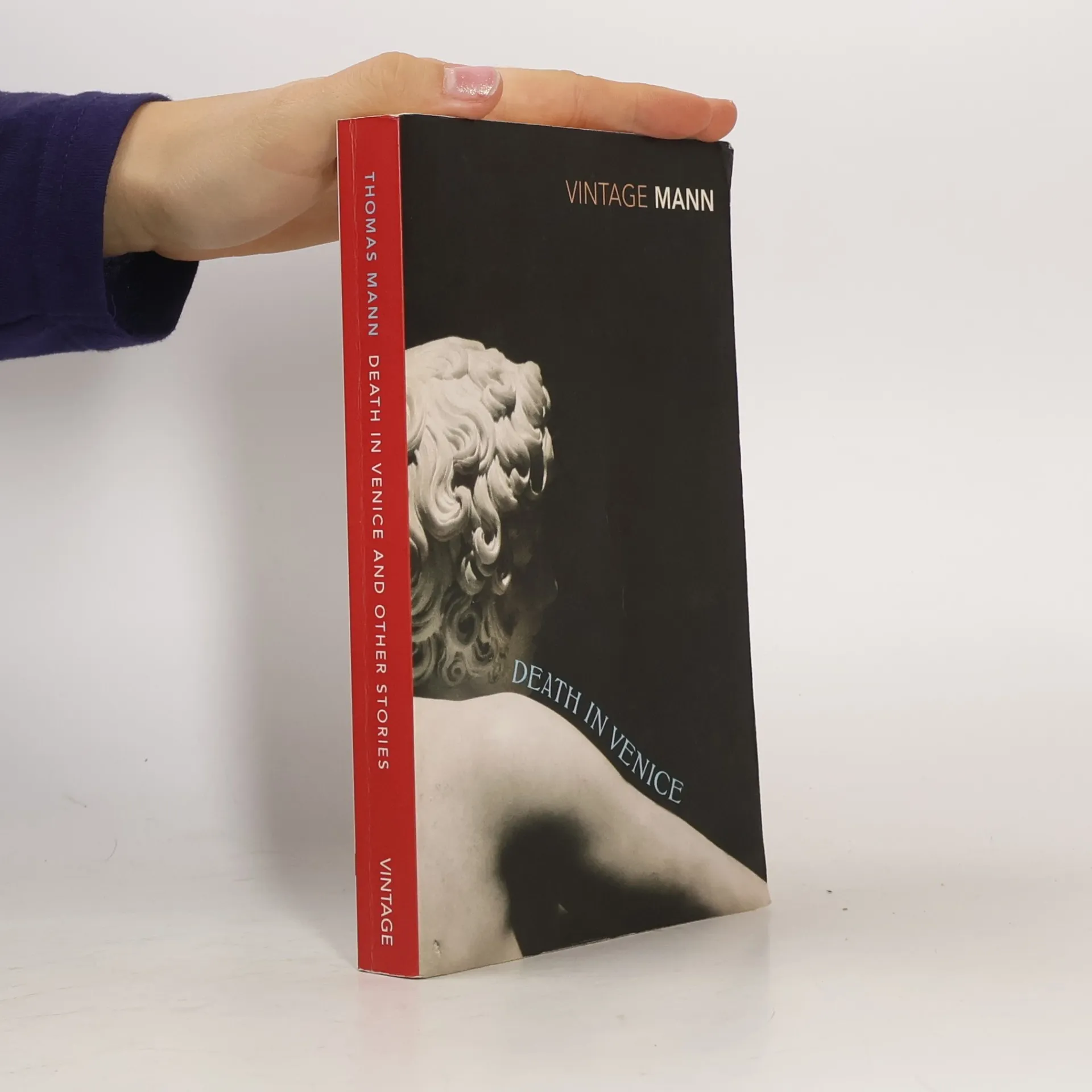
Death in Venice is a story of obsession. Gustave von Aschenbach is a successful but aging writer who travels to Venice for a holiday. One day, at dinner, Aschenbach notices an exceptionally beautiful young boy who is staying with his family in the same hotel. Soon his days begin to revolve around seeing this boy and he is too distracted to pay attention to the ominous rumors that have begun to circulate about disease spreading through the city. Available exclusively from Vintage Classics.
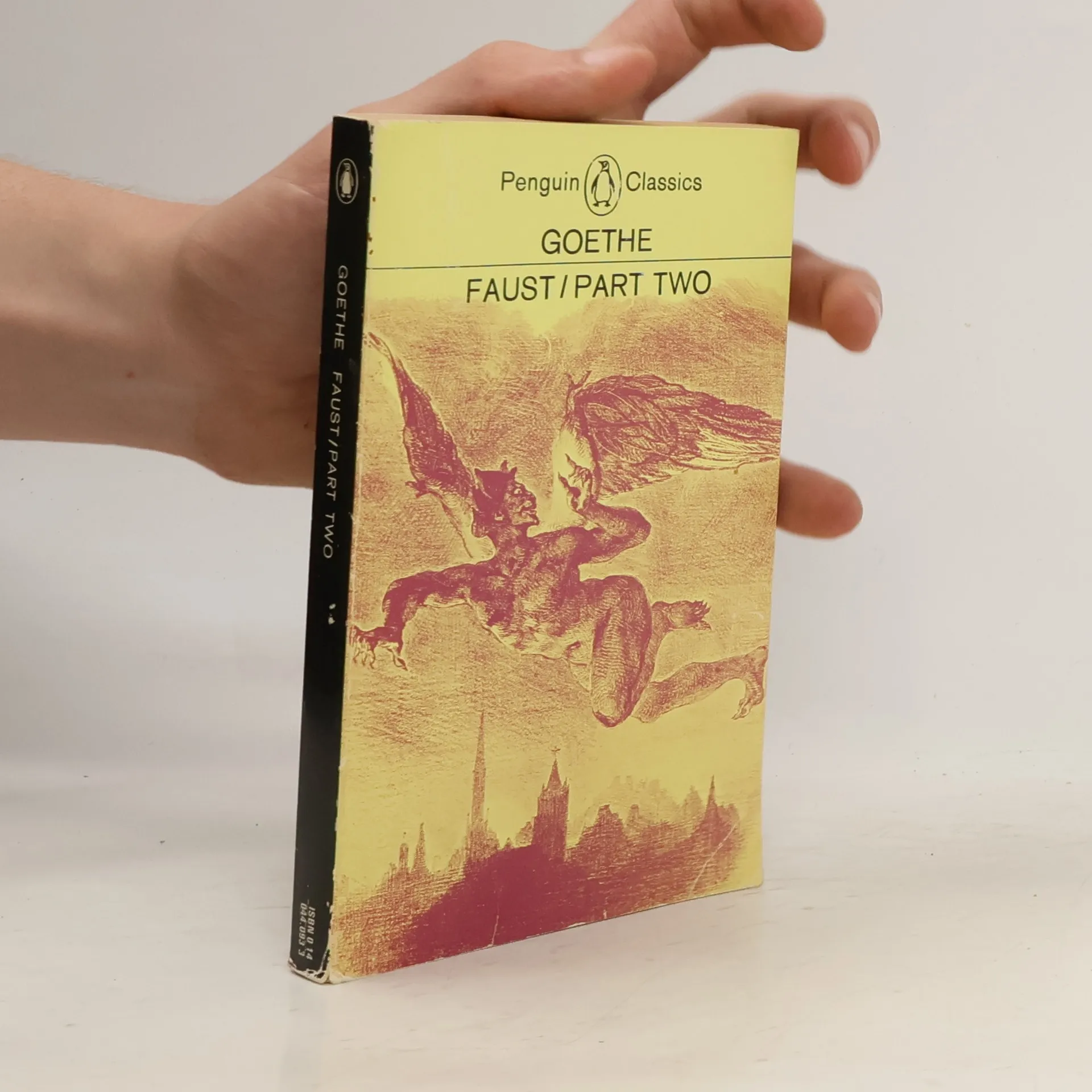
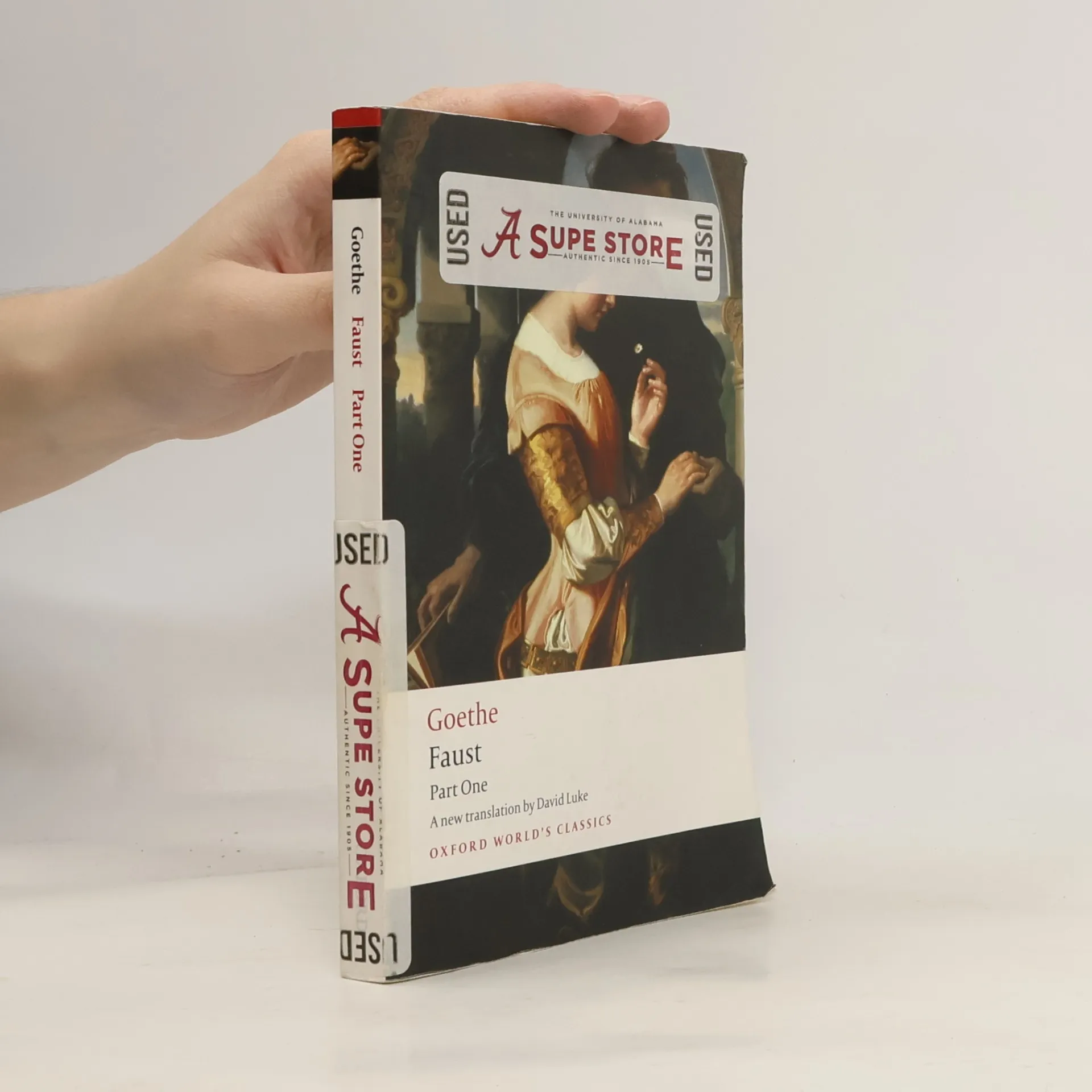
The second part of Goethe's masterpiece opens with Faust struggling to recover from the death of his beloved Gretchen. The quick-witted demon Mephistopheles soon persuades him to look beyond his sorrow and enter the world of politics and power, but the great scholar is still eager for new sensations, and asks Mephistopheles to reveal Helen of Troy to him in a vision. Overwhelmed by her beauty, Faust demands she be brought back from the underworld - but even this fails to bring him contentment, and his appetite for knowledge remains unsated. Completed a few months before Goethe's death, this rich and allusive work weaves together a wealth of diverse philosophical ideas and influences, reworking the medieval myth of Dr Faustus and speculating upon the search for truth in the Age of Enlightenment.
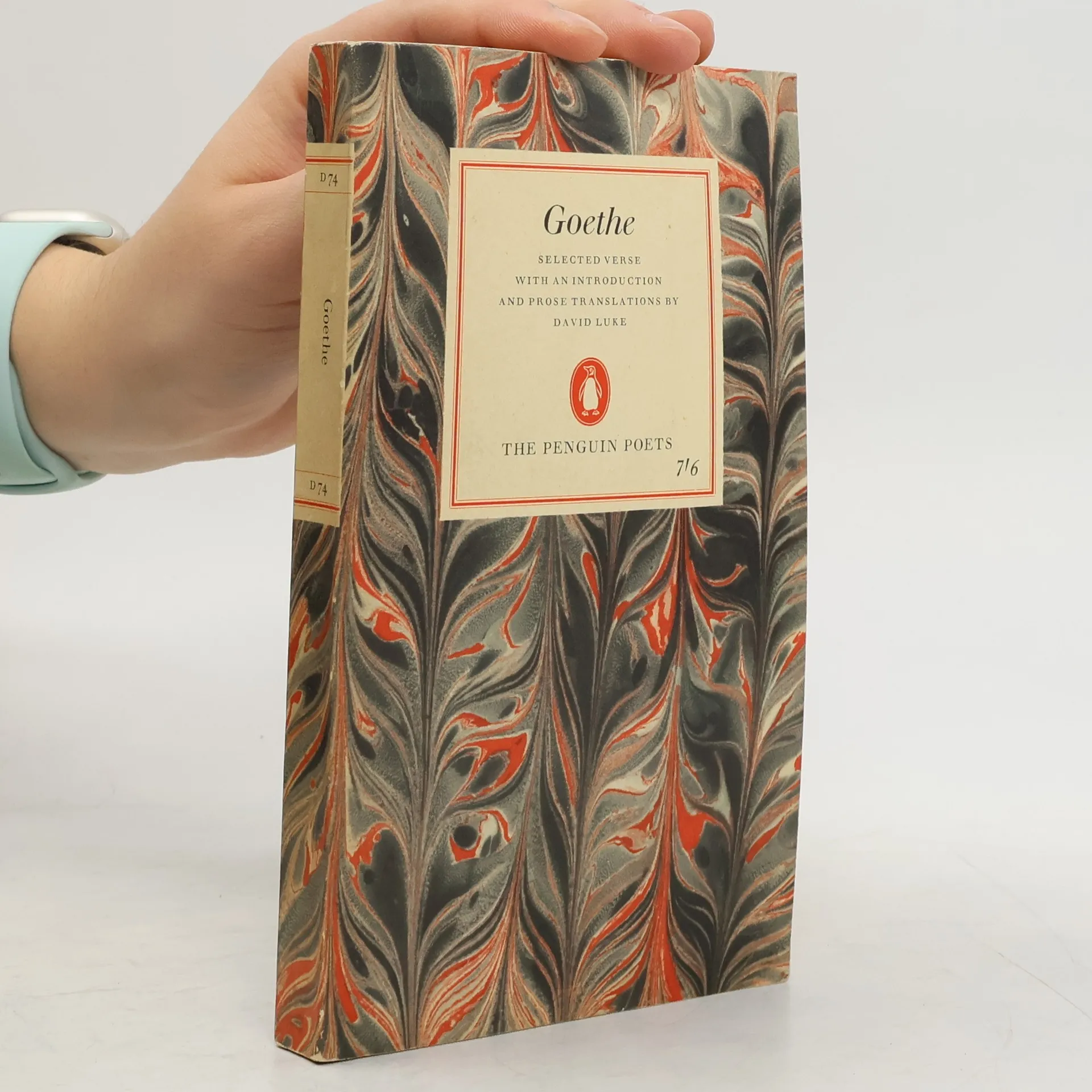
This bilingual edition of Goethe's erotic poems contains the Roman Elegies (1789), The Diary (1810), and a selection from the Venetian Epigrams of 1790. Editorial censorship has long obscured the true form and content of the Elegies , which were inspired by Goethe's sexual liberation in Italy and his love for the woman he took as his unofficial wife on his return to Germany. They are here presented as Goethe boldly conceived them together with the long-surpressed narrative poem known as The Diary . Superficially the story of a failed sexual adventure by a man of 60, at another level this is a profound study of the psychology of desire and the nature of fidelity, as well as being one of the most beautiful and good-humoured poems in the German language. Completing the edition is a selection from Goethe's more light-hearted and much censored cycle of erotica, the Venetian Epigrams . David Luke's translations do full justice to Goethe's aim of liberating German poetry and restoring sexual love to its central position in human life. Hans Vaget's fine introduction provides the background to these poems, as well as showing some of the profound and little-known connections between them.
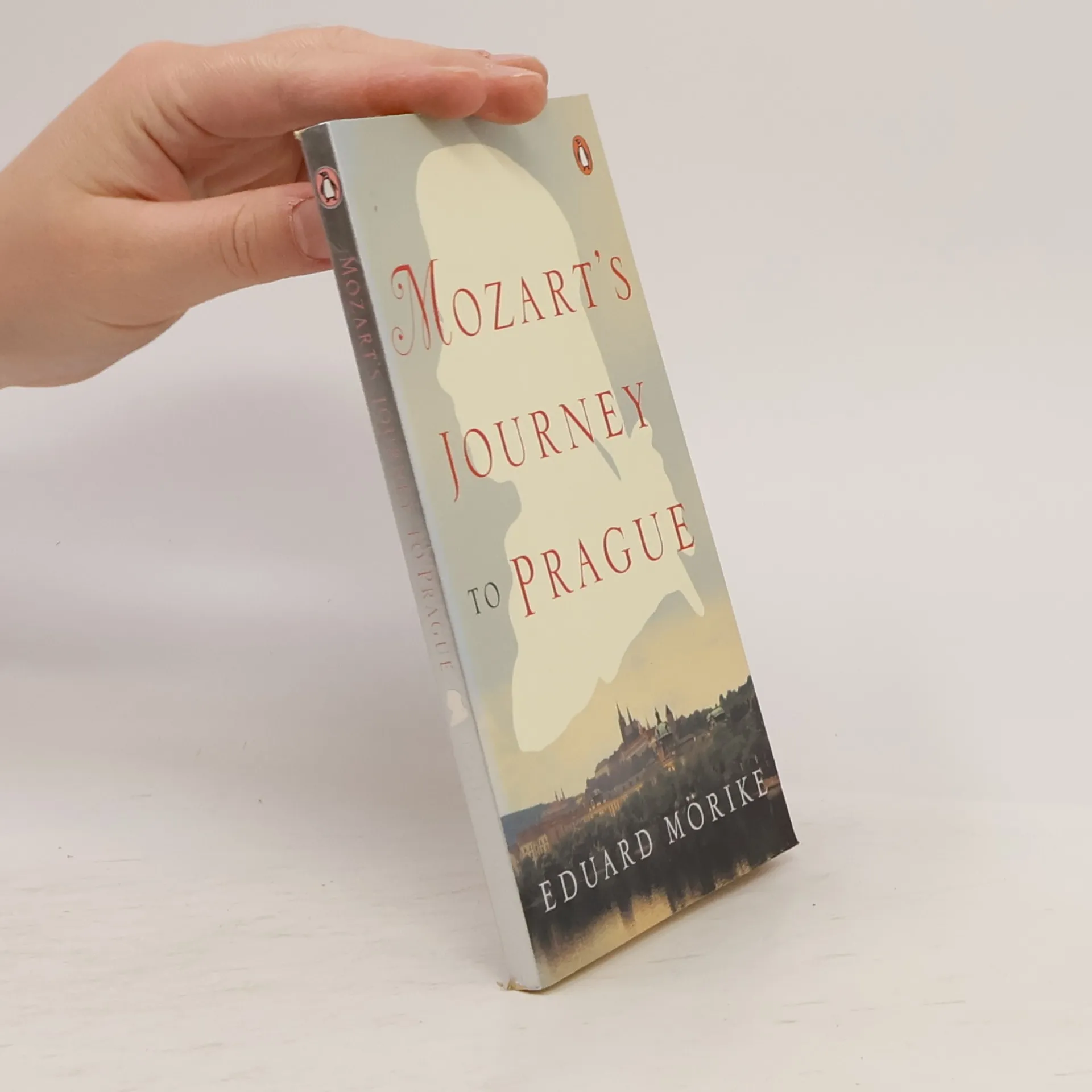
Making his way to Prague for the opening of Don Giovanni, Mozart playfully tries to steal an orange from a family garden but he is caught. Soon, he finds himself forgiven and welcomed by the family, and when they reveal it is their daughter's wedding, there can only be one guest of honour - Mozart himself.
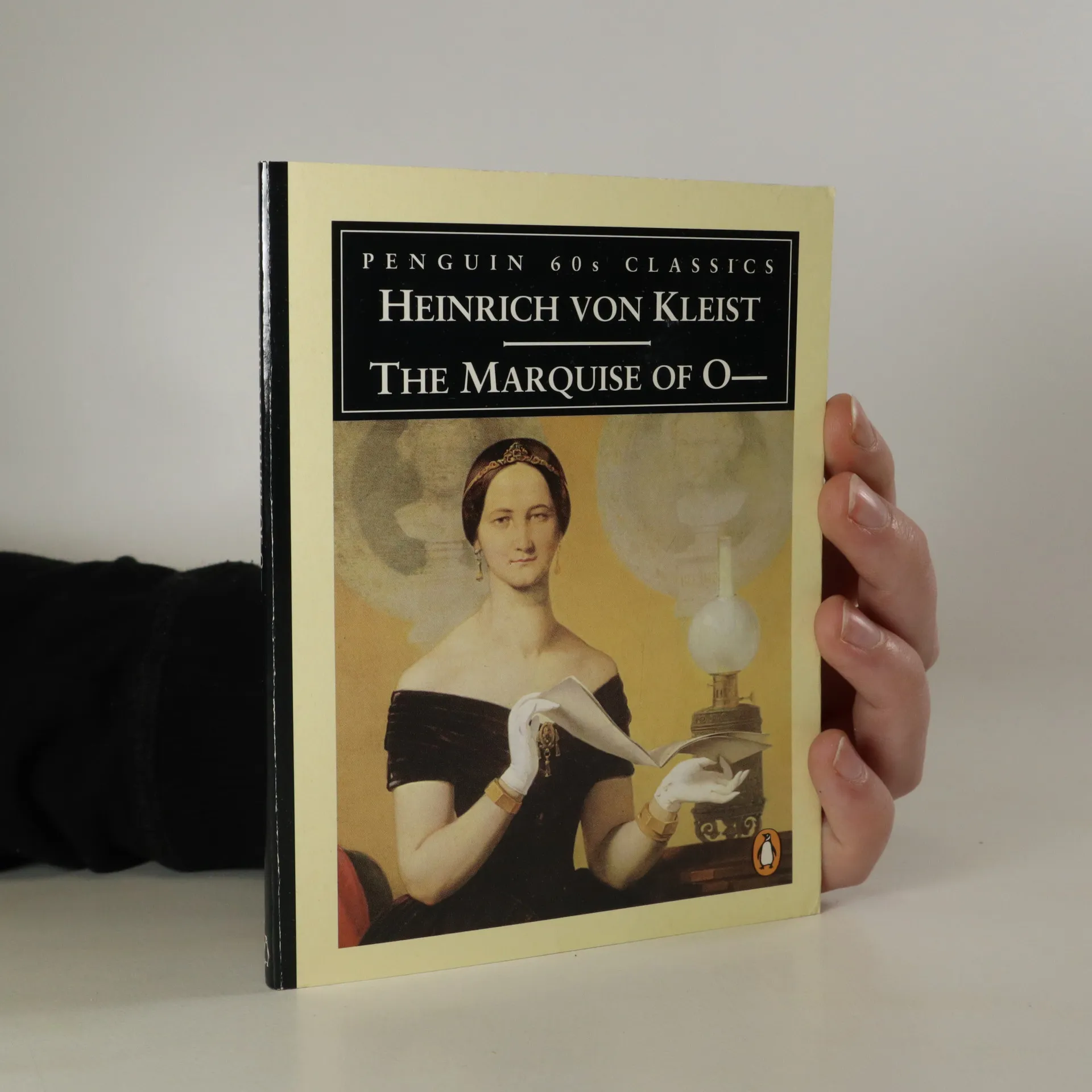
One of 60 low-priced classic texts published to celebrate Penguin's 60th anniversary. All the titles are extracts from "Penguin Classics" titles.
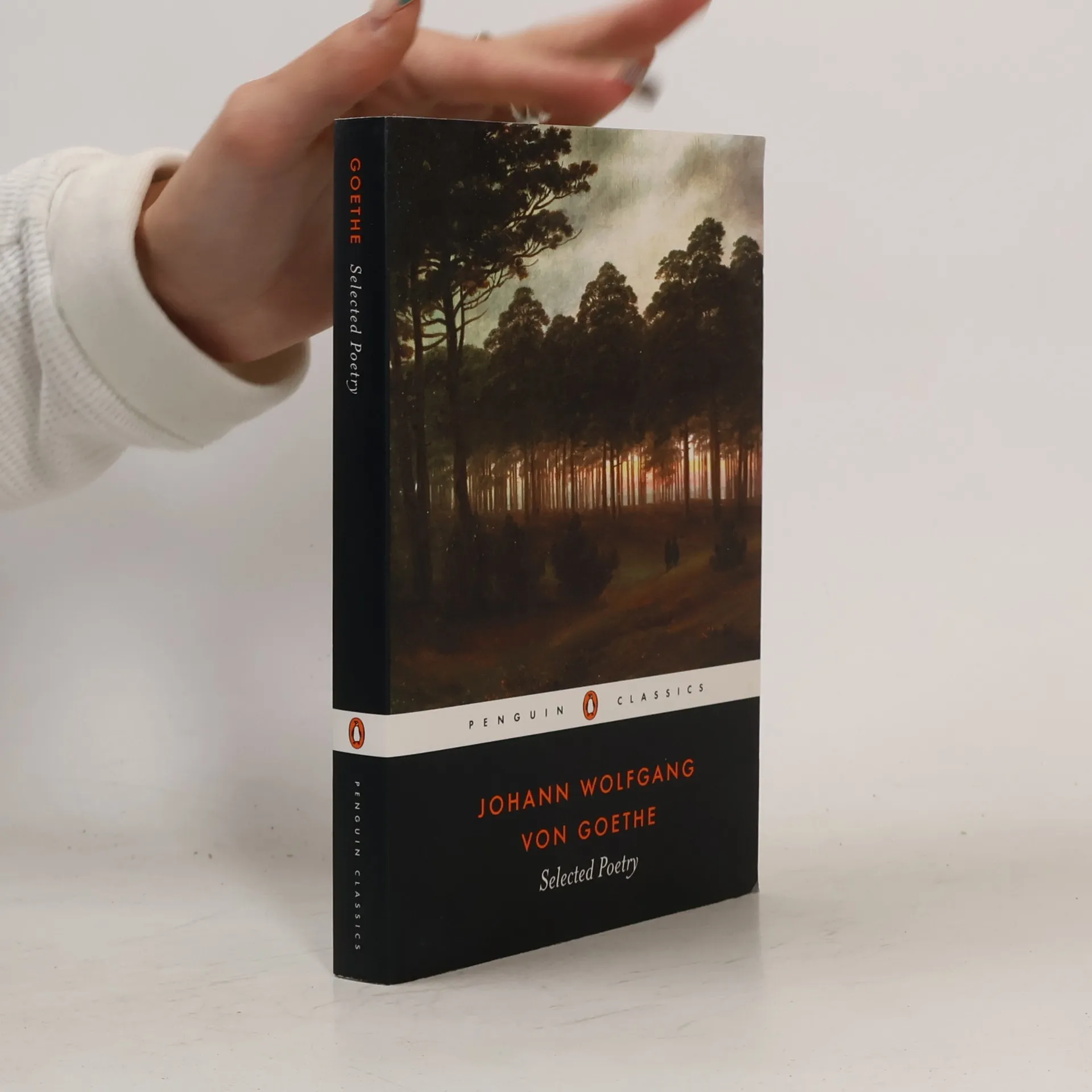
'Shall I embrace you, must I let you go? Again you haunt me: come then, hold me fast!' Goethe viewed the writing of poetry as essentially autobiographical and the works selected in this volume represent over sixty years in the life of the poet. In early poems such as 'Prometheus' he rails against religion in an almost ecstatic fervour, while 'To the Moon' is an enigmatic meditation on the end of a love affair. The Roman Elegies show Goethe's use of Classical metres in homage to abcient Rome and its poets, and 'The Diary' , supressed for more than a century, is a narrative poem whose eroticism is unusually combined with its morality. Arranged chronologically, David Luke's verse translations are set alonjgside the German orginals to give a picture of Goethe's poetic development. This edition also includes an introduction and notes placing the poems in the context of the poet's life and times.