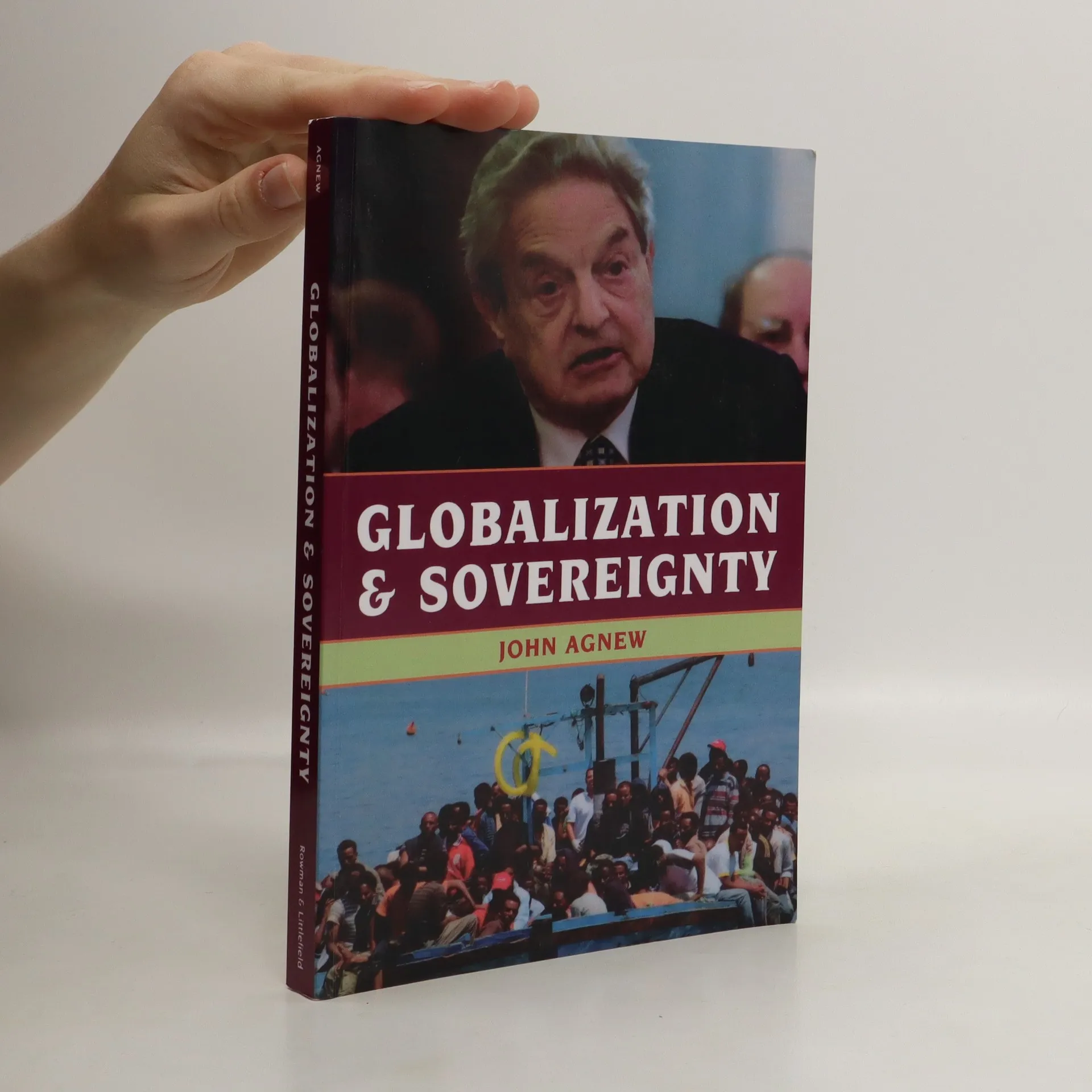
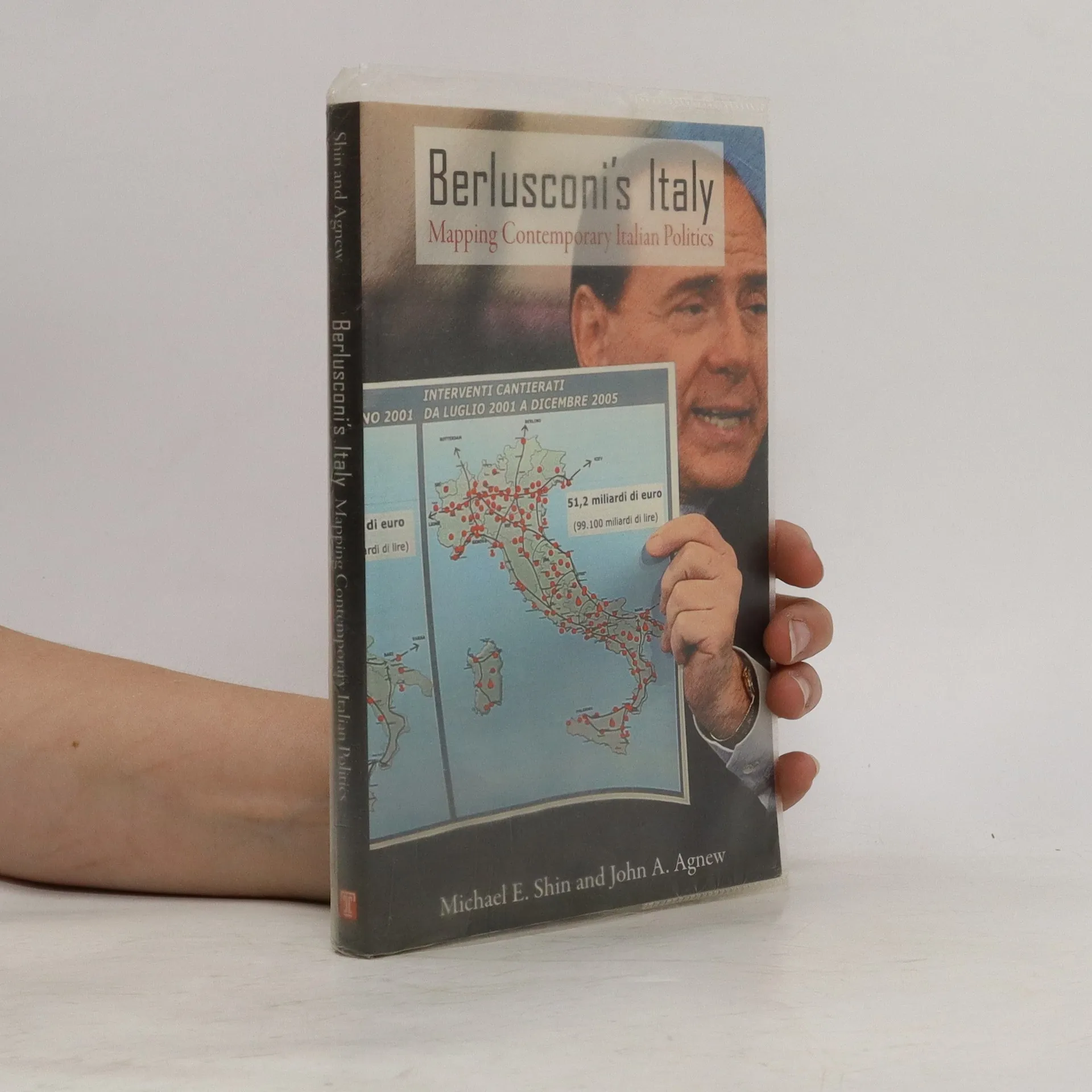
Agnew est un auteur de premier plan dont l'œuvre explore la géographie politique et le pouvoir territorial. Son écriture examine comment les politiques nationales sont façonnées par les dynamiques géographiques et analyse la création et la circulation des connaissances géographiques. Ses recherches se concentrent fréquemment sur l'Italie, la Grèce et les États-Unis, étudiant l'interaction des déterminants locaux et à longue distance dans la formation des lieux.
Geopolitics is not dead, but nor does it involve the same old logic of a world
determined by physical geography in a competition between Great Powers. Hidden
Geopolitics recaptures the term to explore how the geography of power works
both globally and nationally to structure and govern the workings of the
global political economy.
This provocative and important text offers a new way of thinking about sovereignty, both past and present. Distinguished geographer John Agnew boldly challenges the widely popular story that state sovereignty is in worldwide eclipse in the face of the overwhelming processes of globalization. He argues that this perception relies on ideas about sovereignty and globalization that are both overstated and misleading. Agnew contends that sovereignty-state control and authority over space-is not necessarily neatly contained in state-by-state territories, nor has it ever been so. Yet the dominant image of globalization is the replacement of a territorialized world by one of networks and flows that know no borders other than those that define the Earth itself. In challenging this image, Agnew first traces the ways in which it has become commonplace. He then develops a new way of thinking about the geography of effective sovereignty and the various geographical forms in which sovereignty actually operates in the world, offering an exciting intellectual framework that breaks with the either/or thinking of state sovereignty versus globalization.
Berlusconi's Italy provides a fresh, thoroughly-informed account of how Italy's richest man came to be its political leader. Without dismissing the importance of personalities and political parties, it emphasizes the significance of changes in voting behaviors that led to the rise-and eventual fall-of Silvio Berlusconi, the millionaire media baron who became Prime Minister. Armed with new data and new analytic tools, Michael Shin and John Agnew use recently developed methods of spatial analysis, to offer a compelling new argument about contextual re-creation and mutation. They reveal that regional politics and shifting geographical voting patterns were far more important to Berlusconi's successes than the widely-credited role of the mass media, and conclude that Berlusconi's success (and later defeat) can be best understood in geographic terms.