
Bookbot

James M. Miller

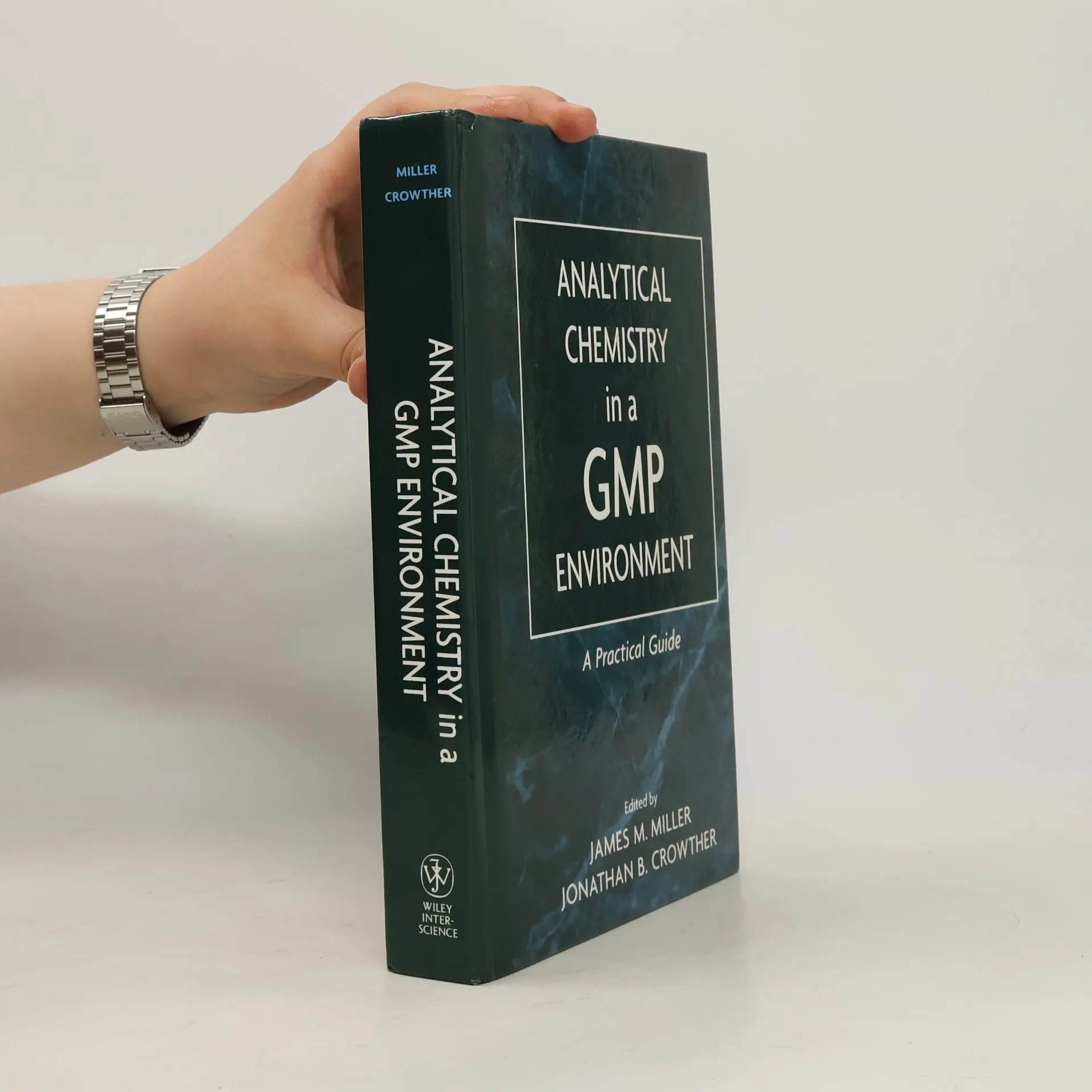
    Analytical Chemistry in a GMP Environment
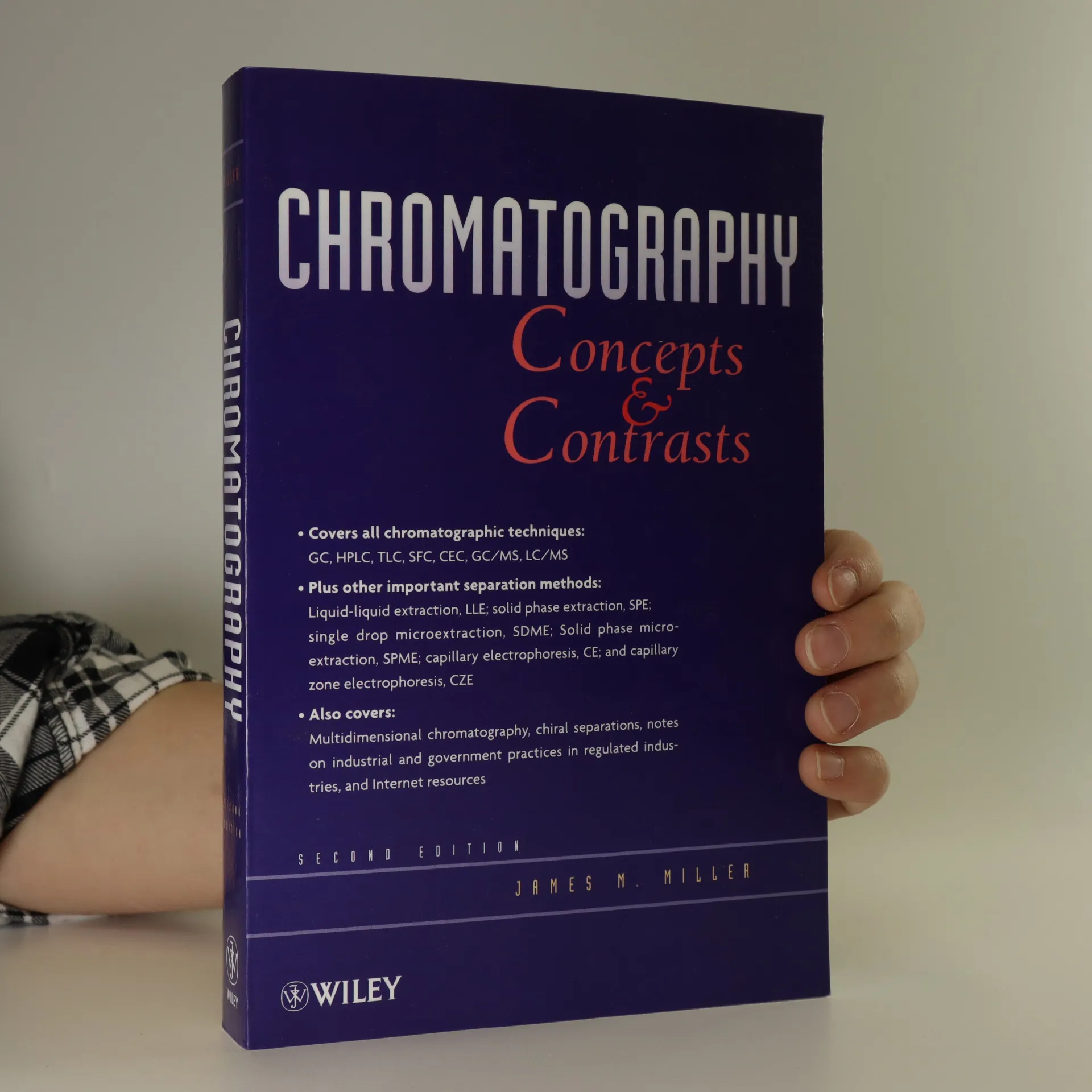
    Chromatography
    • Chromatography

      • 516pages
      • 19 heures de lecture

      The first edition of Chromatography: Concepts and Contrasts, published in 1988, was one of the first books to discuss all the different types of chromatography under one cover. The second edition continues with these principles but has been updated to include new chapters on sampling and sample preparation, capillary electrophoresis and capillary electrochromatography (CEC), chromatography with mass spec detection, and industrial and governmental practices in regulated industries. Covers extraction, solid phase extraction (SPE), and solid phase microextraction (SPME), and introduces mass spectrometry Updated with the latest techniques in chromatography Discusses both liquid chromatography (LC)and gas chromatography(GC)

      Chromatography
    • Analytical Chemistry in a GMP Environment

      A Practical Guide

      • 512pages
      • 18 heures de lecture

      In the face of increasing regulatory pressures in the pharmaceutical industry, there is a pressing need for skilled analysts who can uphold scientific practices in laboratories and manufacturing sites globally. This practical guide, rooted in Johnson & Johnson's esteemed in-house training program, offers essential insights for laboratory analysts navigating the Food and Drug Administration's good manufacturing practices (GMP) alongside evolving analytical technologies. Industry experts provide a step-by-step approach to the concepts, techniques, and tools necessary for conducting analyses in an FDA-regulated setting. The guide includes clear instructions on major analytical chemical methods, such as spectroscopy, chromatography, and dissolution. It serves as both a formal training manual and a self-study resource, covering topics like the drug development process, uniform interpretation of GMP compliance, the role of statistics in analytical chemistry, and a focus on high-performance liquid chromatographic (HPLC) methods. Additional chapters address detectors, quantitative analysis, and data systems, along with methods to ensure instruments adhere to standard operating procedures (SOP). Extensive appendixes unify terms, symbols, and procedural information, making it a comprehensive resource for analysts in the field.

      Analytical Chemistry in a GMP Environment