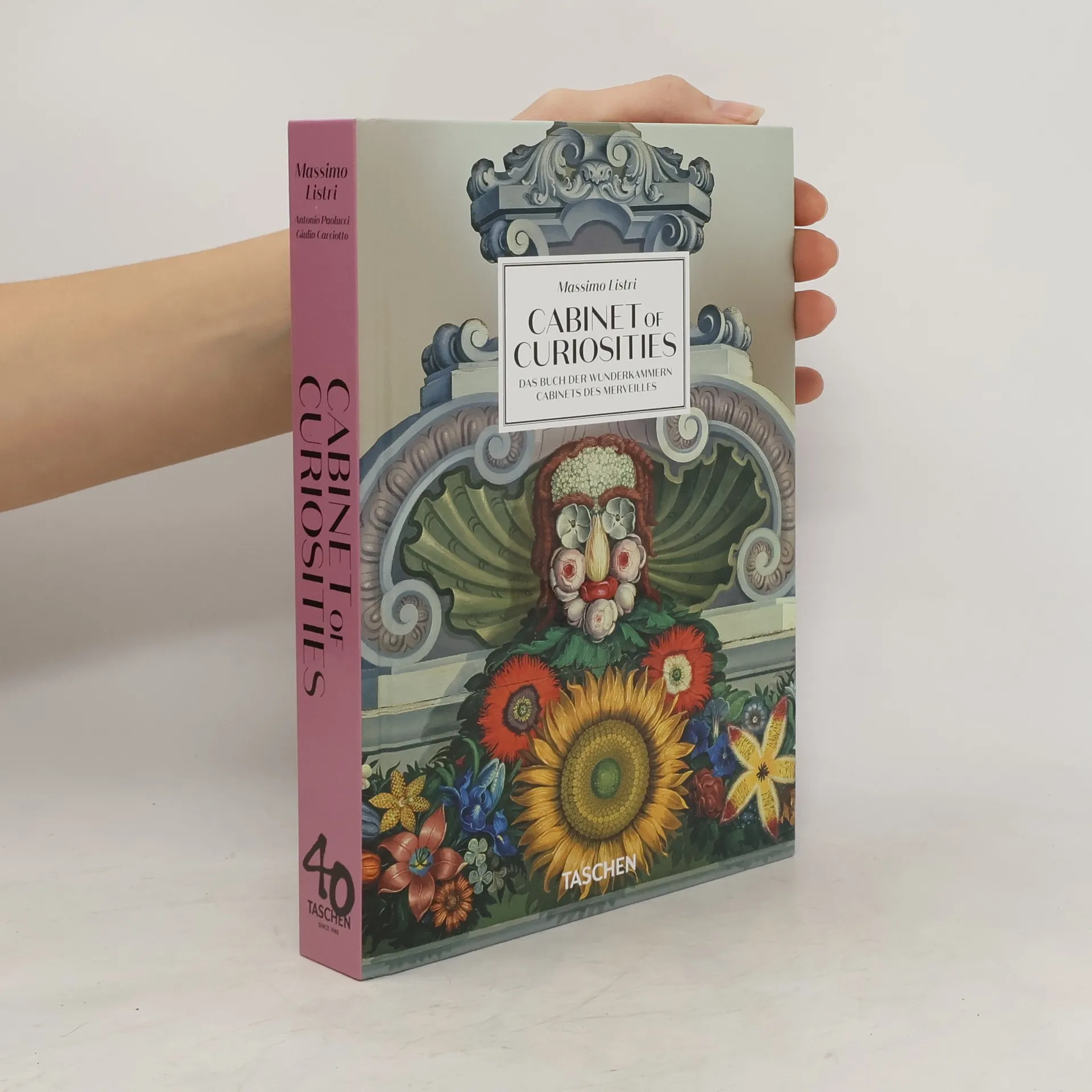
Cabinets of curiosities captivated the 16th and 17th centuries, offering glimpses into a world of natural wonders and treasures that aimed to mirror the universe's order. This volume explores the world's most exquisite collections, including the Medici treasury and the Green Vault of Dresden, while providing a cultural history of the miraculous. The Wunderkammer, or “cabinet of curiosities,” became a gathering place for objects across artistic, scientific, and intellectual realms, striving to encapsulate all human knowledge in one space. Aristocratic collectors like Grand Duke Francesco I de’ Medici and Holy Roman Emperor Rudolf II amassed and displayed items that represented diverse fields such as architecture, painting, gemology, and anthropology. Marvel at unicorn horns (narwhal tusks), rare gems, Murano glass, and peculiar automata. Explore illustrations of exotic creatures and the famed “Coburg ivories.” Though many cabinets no longer exist, some have been meticulously reconstructed, and new ones have emerged. Massimo Listri's decades-long journey across seven European countries resulted in stunning photographs and insightful commentary on 19 chambers, showcasing remarkable items. Discover how these treasures shaped civilization, the modern museum concept, and our understanding of the universe. The authors, Antonio Paolucci and Giulia ML Carciotto, bring extensive expertise in art history and cultural heritage to this cap
Antonio Paolucci Livres

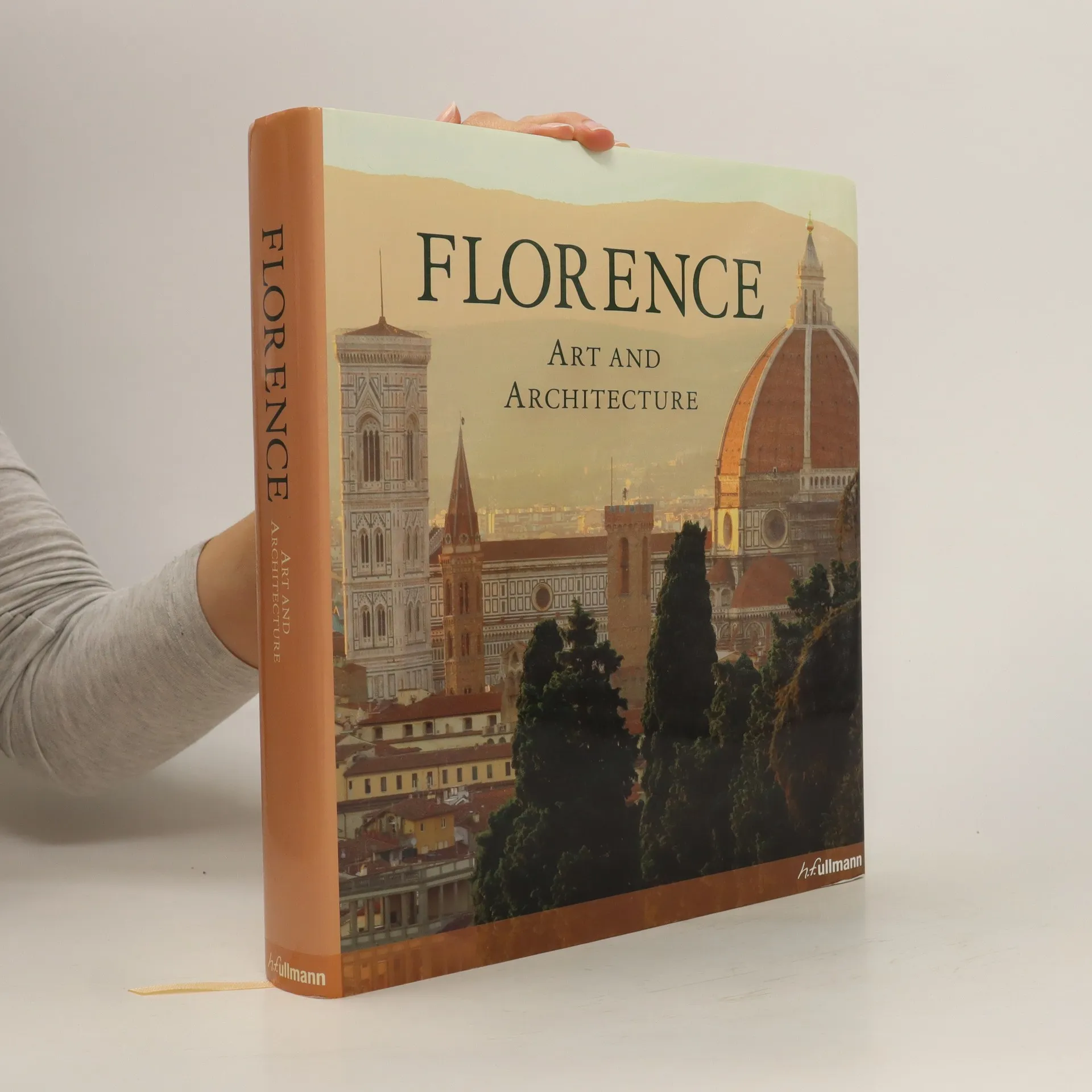
Florence: Art and Architecture
- 528pages
- 19 heures de lecture
This illustrated volume introduces superb historical buildings and sculptures in their historical contexts.
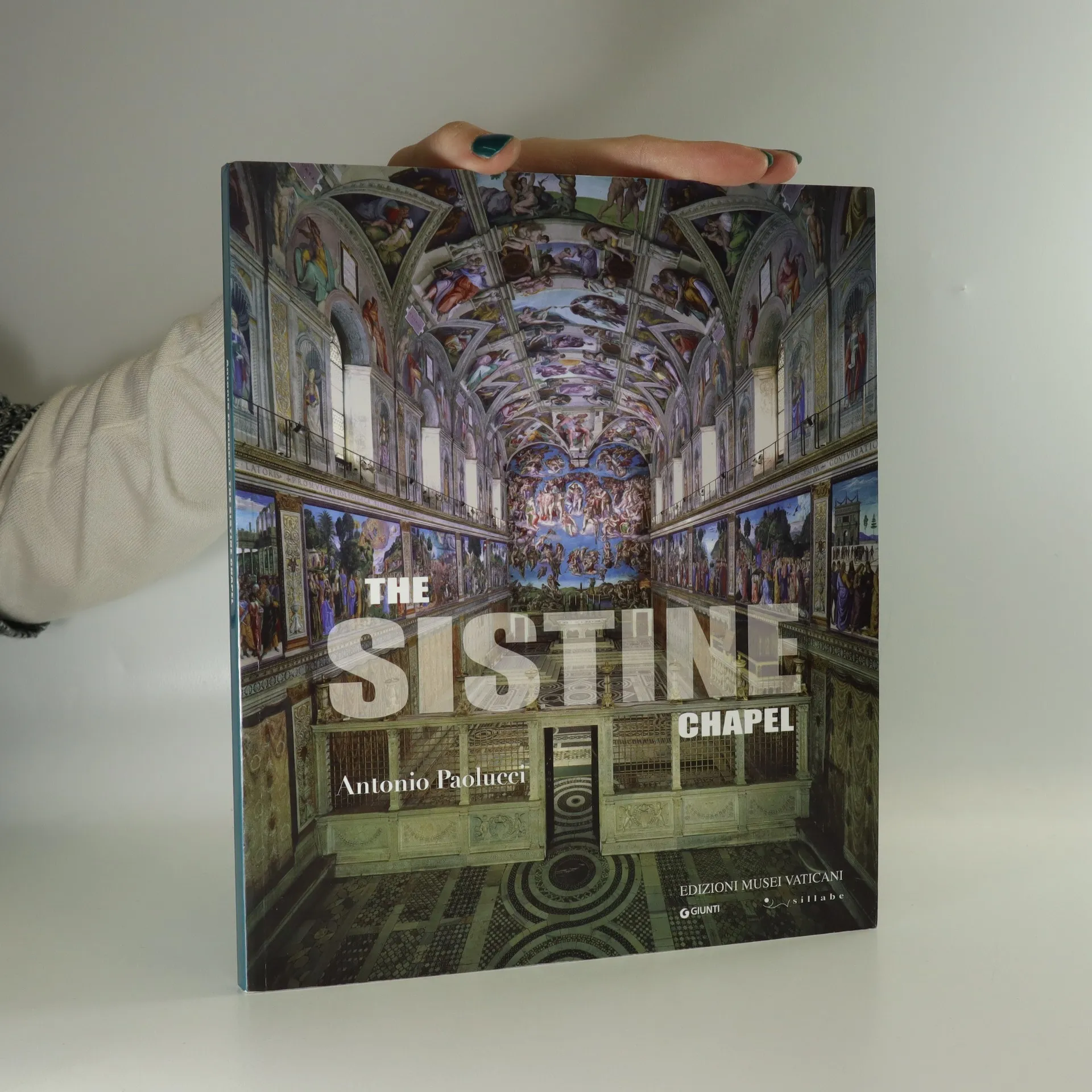
The Sistine Chapel
- 127pages
- 5 heures de lecture
An essential tool in helping visitors to understand the reasons which, between the fifteenth and the sixteenth century, led to the creation of the Sistine Chapel, "the greatest representation of human art and spirituality."
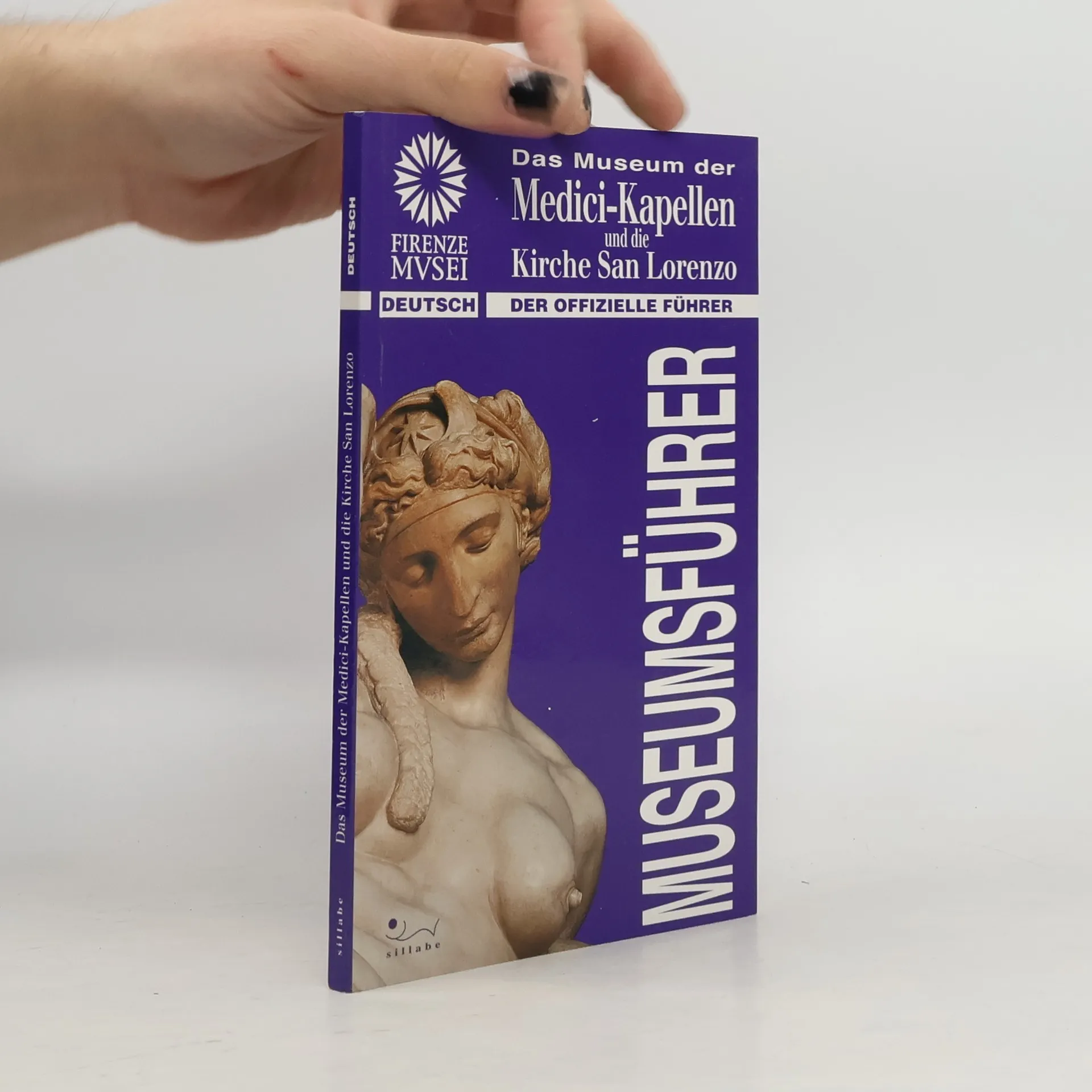
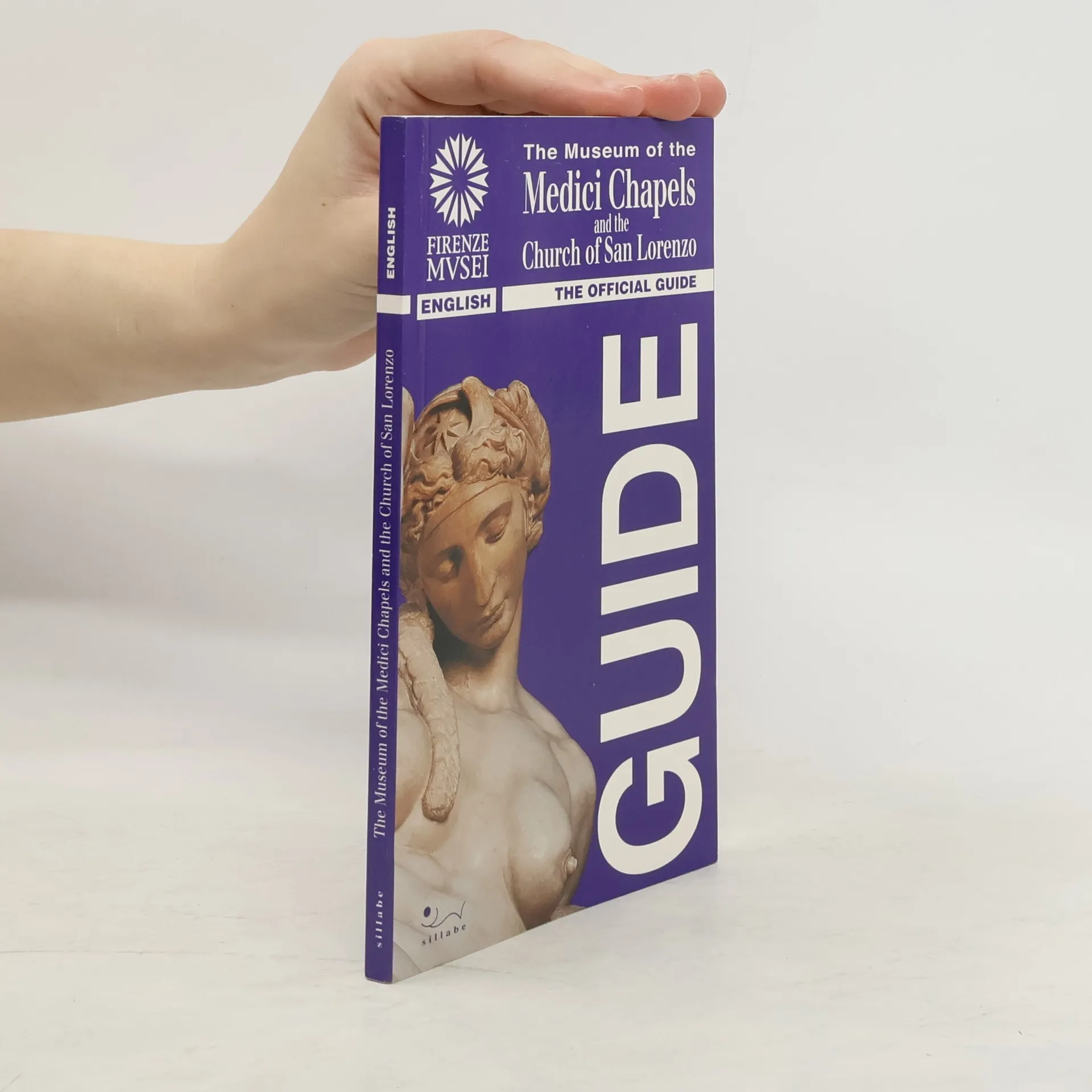
The Museum of the Medici Chapels and the Church of San Lorenzo
- 95pages
- 4 heures de lecture
About THE MUSEUM OF THE MEDICI CHAPELS AND THE CHURCH OF SAN LORENZO.
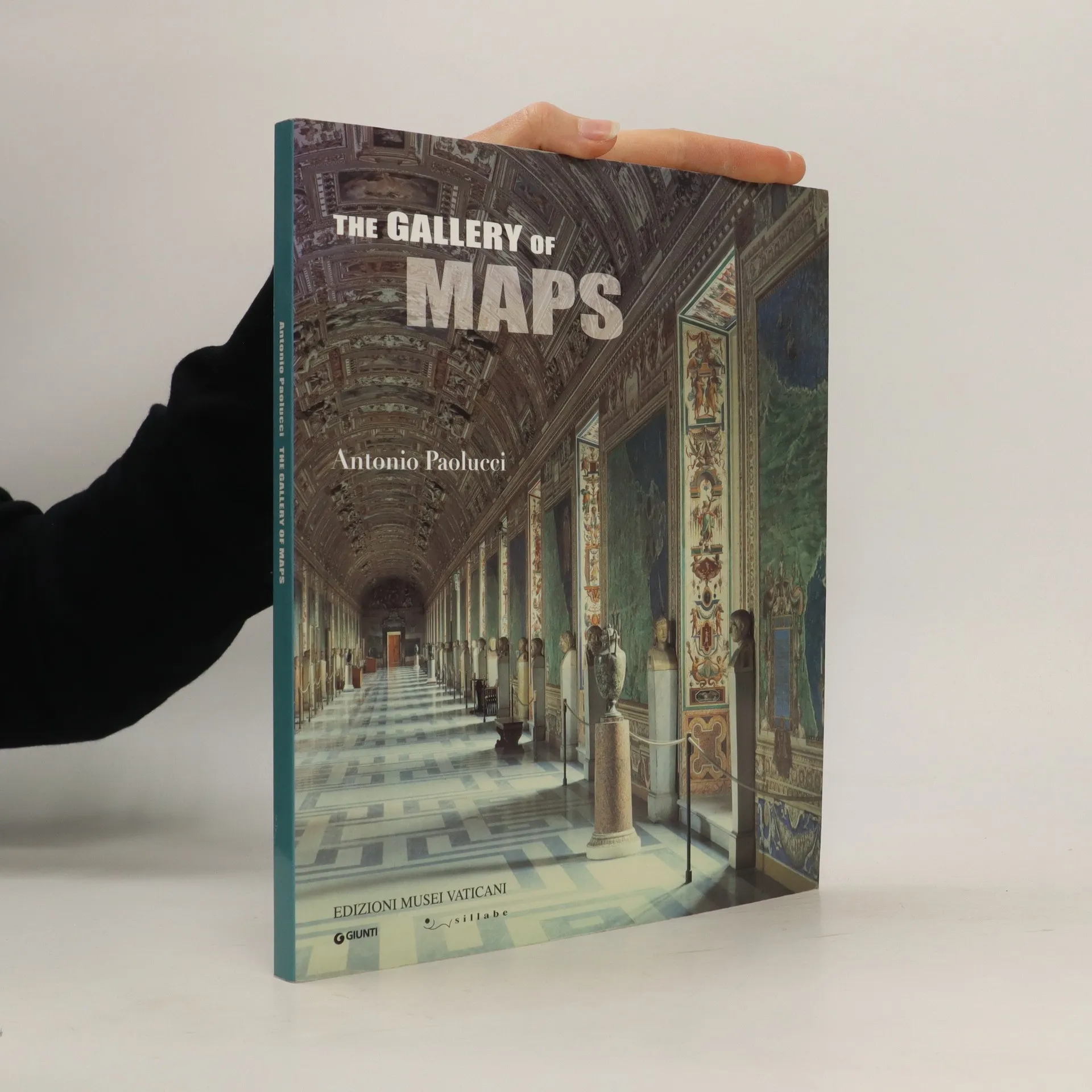
The Gallery of Maps
- 128pages
- 5 heures de lecture
The Gallery of the Geographical Maps, stretching one hundred and twenty metres, is a captivating section of the Vatican Museums. Commissioned in 1581 by Pope Gregory XIII, the project was led by the renowned cosmographer and mathematician Ignazio Danti. He collaborated with notable artists like Matteo and Paolo Bril, Girolamo Muziano, and Cesare Nebbia to create forty maps illustrating the Italian regions and islands. These maps feature perspective views of key port cities such as Genoa, Venice, Civitavecchia, and Ancona, alongside significant historical events in Christianity, including the Siege of Malta and the Battle of Lepanto. The artwork intertwines history with geography, showcasing Italy from north to south, highlighting its mountains, valleys, forests, and lakes, as well as pivotal moments that shaped its identity. Vivid depictions include Julius Caesar crossing the Rubicon and Hannibal's victory at Lake Trasimeno. The same artists also painted the vault, illustrating the lives and miracles of patron saints from each region, such as Ambrose, Januarius, Agatha, and Francis of Paola. The Gallery offers a modern vision of Italy, unified not by politics but by its rich history, culture, and religion.
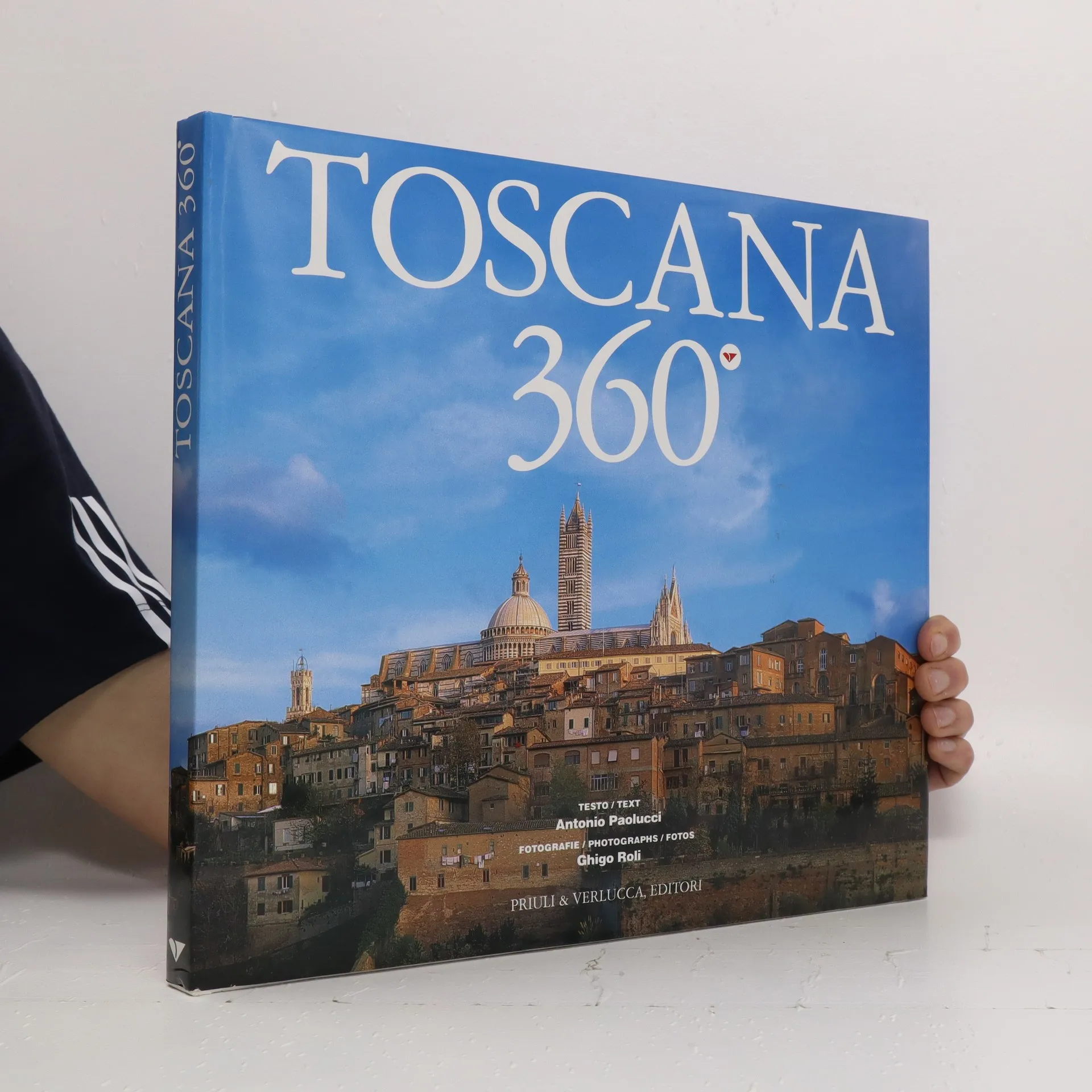
Toscana 360°
- 156pages
- 6 heures de lecture
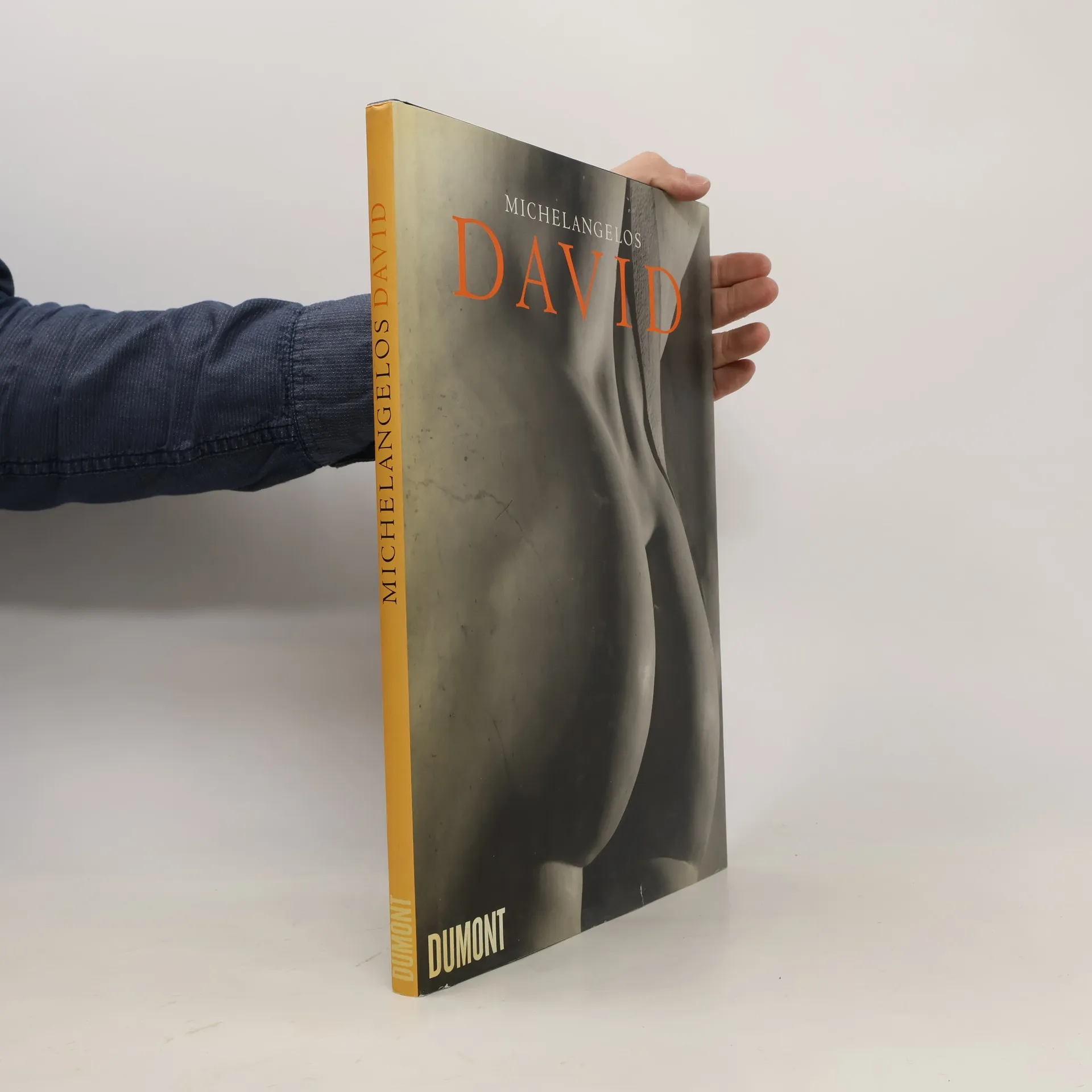
Michelangelos David
- 95pages
- 4 heures de lecture
Als die „schönste Statue der Welt, der schönste Mann der Welt“ gilt der David des Michelangelo. Biblischer Held, Bezwinger des übermächtig scheinenden Goliath und - im Florenz des beginnenden 16. Jahrhunderts - Ausdruck und Symbol der stolzen Republik, die durch ihn ihre Entschlossenheit kundtat, jedem ihrer Feinde und jeder Bedrohung zu trotzen. Michelangelo hat seinen David in einem Moment eingefangen, als das eigentliche Aufeinandertreffen mit dem Gegner unmittelbar bevorstand; in einem Augenblick der größten physischen und psychischen Anspannung, der intensiven Konzentration aller Sinne und Kräfte. Diese meisterhafte Skulptur aus der Zeit der italienischen Renaissance in ihrer Gesamtschau wie auch in allen Details und Nuancen eines idealen Körpers mit der Kamera nachzuzeichnen, ist dem Fotografen Aurelio Amendola auf eindrucksvolle und - überaus ansprechende Weise gelungen. Während er den Blick schwelgerisch am Körper entlang streifen, ihn gleichsam berühren lässt, zaubert Amendola eine Sinnlichkeit herbei, die vergessen macht, dass David nur aus Marmor ist. Ein wunderbares Geschenk an alle Freunde der wahrhaft „schönen“ Künste.
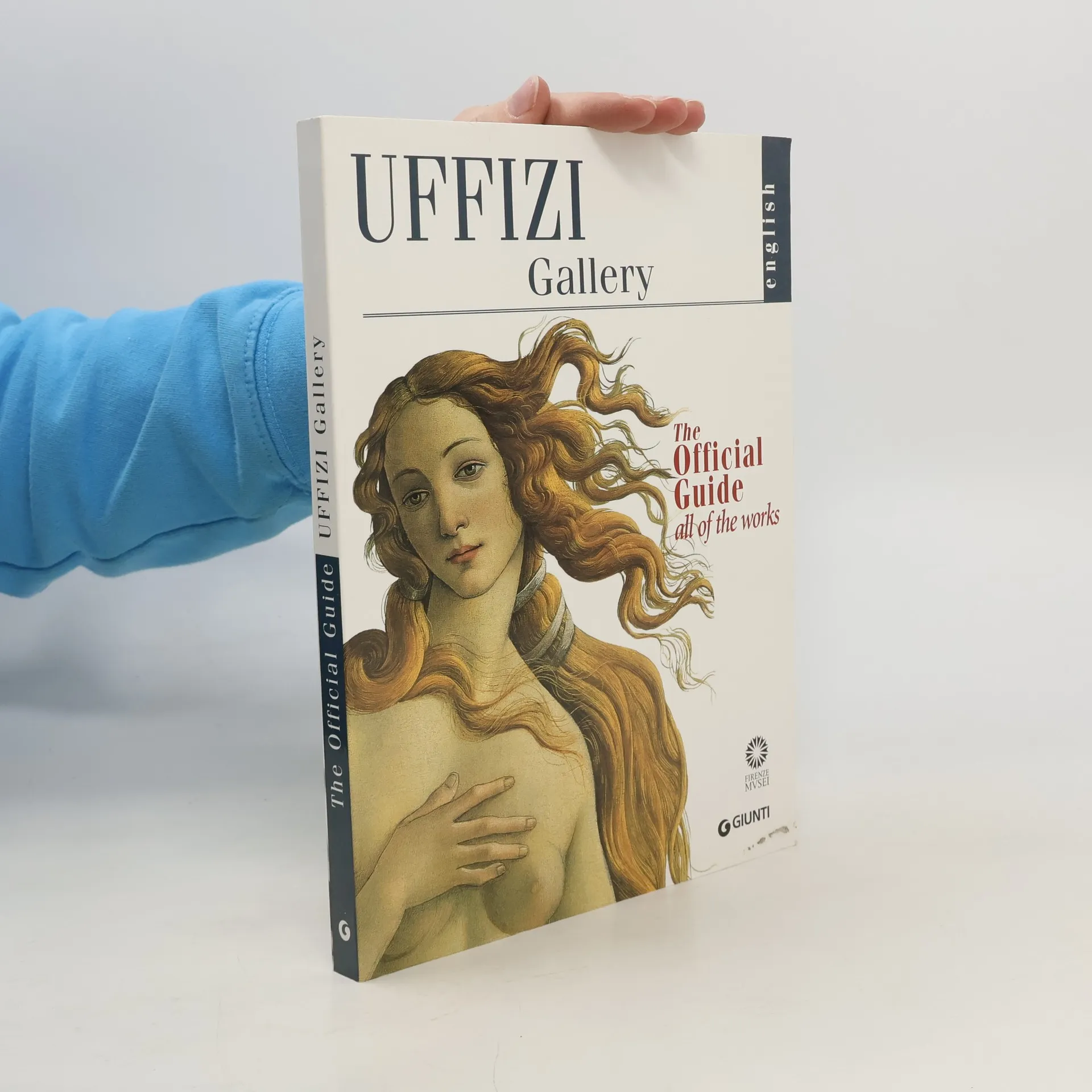
Uffizi Gallery
- 192pages
- 7 heures de lecture
An illustrated guide to the entire collection of the Uffizi Gallery - one of the world's most celebrated art galleries.
Das Museum der Medici-Kapellen und die Kirche San Lorenzo
- 96pages
- 4 heures de lecture
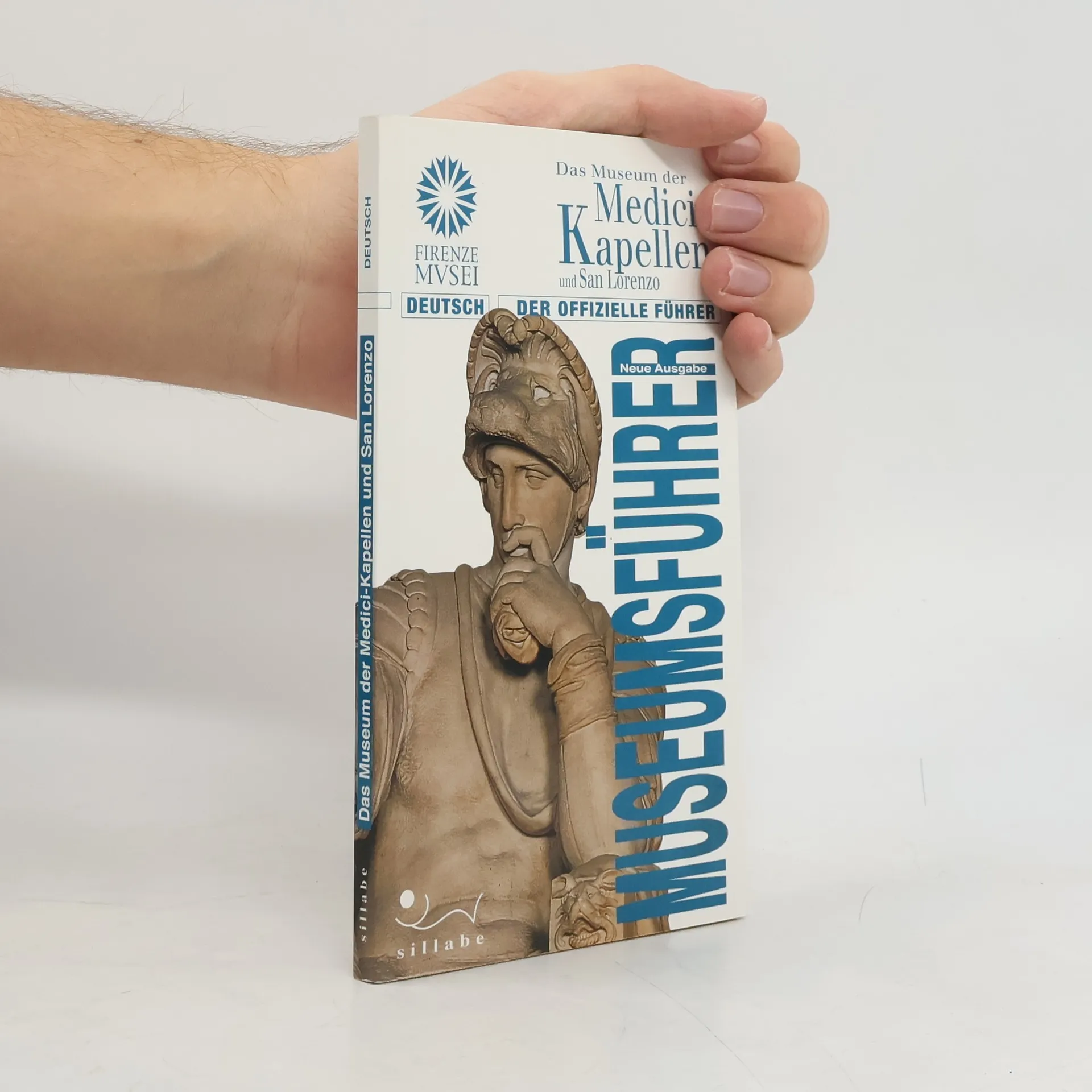
Das Museum der Medici-Kapellen und San Lorenzo
- 107pages
- 4 heures de lecture
Toskana 360°
- 56pages
- 2 heures de lecture
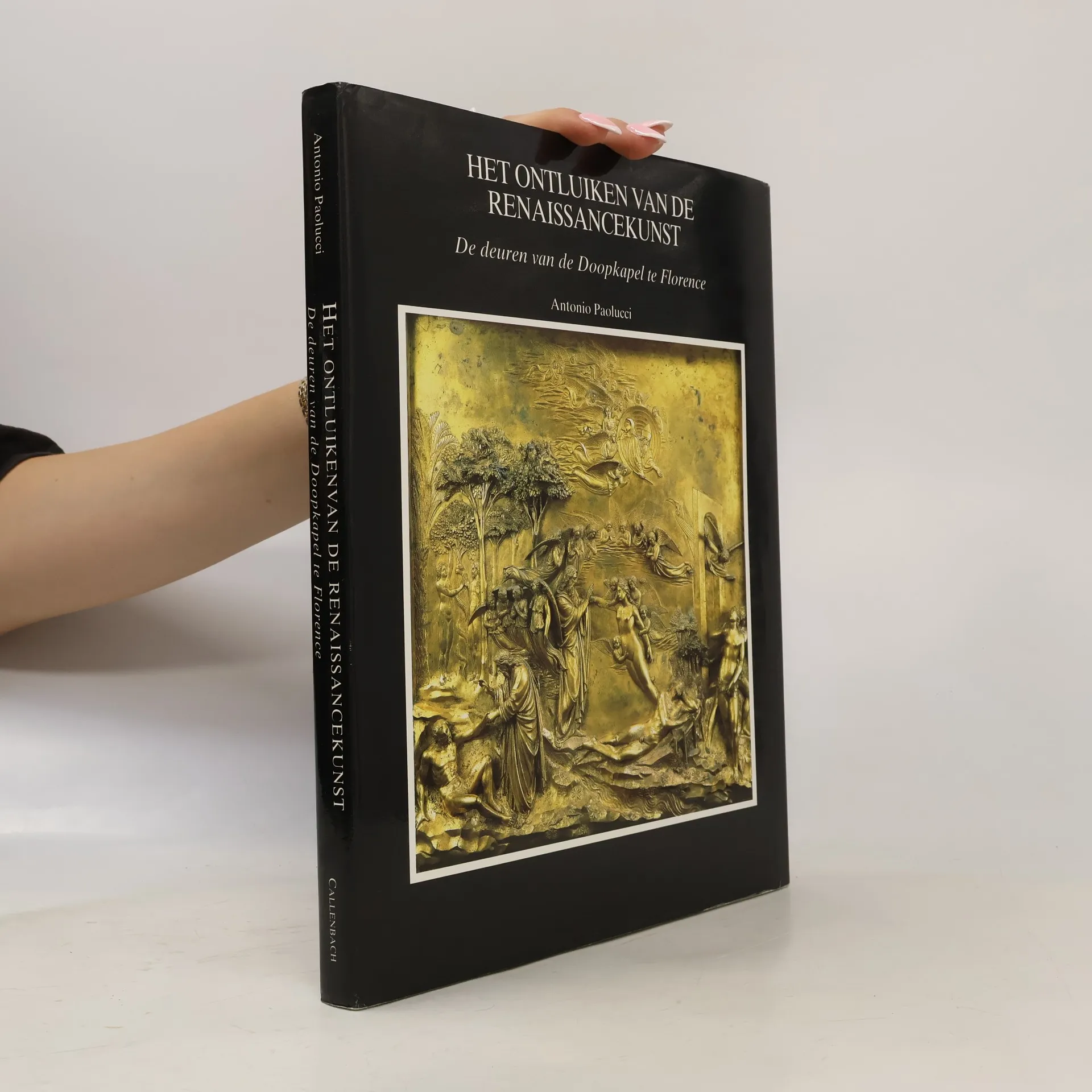
Het Ontluiken van de Renaissancekunst
De deuren van de Doopkapel te Florence
- 171pages
- 6 heures de lecture
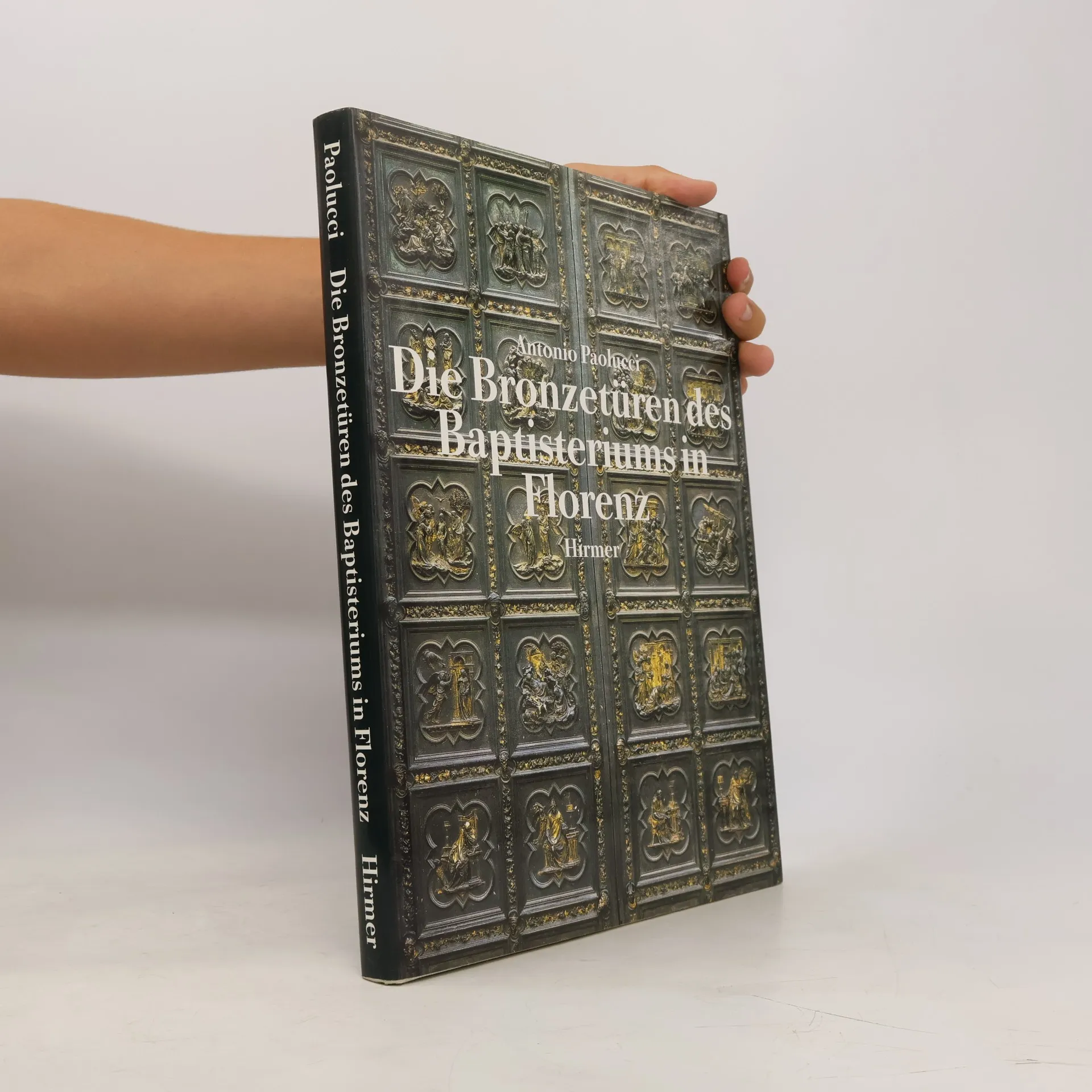
Monografie over de drie bronzen deuren van het Baptisterium te Florence, die werden vervaardigd tussen 1330 en 1452 door Andrea Pisano en Lorenzo Ghiberti.
Die Bronzetüren des Baptisteriums in Florenz
- 171pages
- 6 heures de lecture
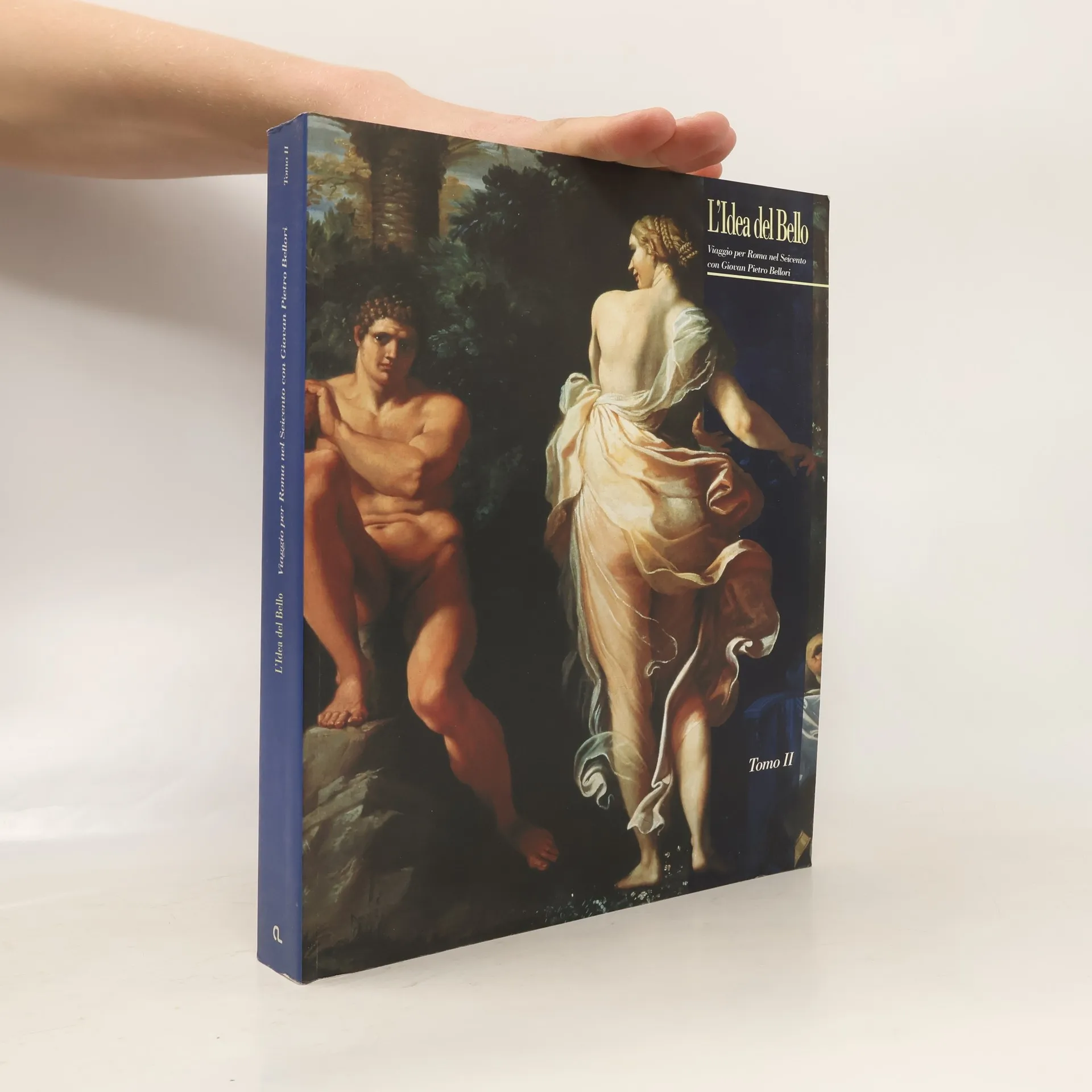
L'Idea del Bello
Viaggio per Roma nel Seicento con Giovan Pietro Bellori: Esposizione: Roma, Palazzo delle Esposizioni ed ex Teatro dei Dioscuri, 29 marzo - 26 giugno 2000
Il titolo della mostra allude a una teoria dell’arte, fondata sul culto dell’antichità classica, cui si ispirarono molti degli artisti italiani attivi a Roma nel corso del Seicento, Alessandro Algardi, tra gli altri, Annibale Carracci, Domenichino, Carlo Maratti, Guido Reni, Andrea Sacchi, e alcuni artisti stranieri, in particolare Poussin e Duquesnoy. Per tale teoria, esposta da Giovan Pietro Bellori in un celebre discorso all’Accademia di San Luca a Roma nel 1664, l’arte doveva configurarsi come imitazione della natura emendata dai suoi difetti, ossia della natura idealizzata secondo una visione ispirata all’ordine e alla misura; un’arte capace di esaltare nobili azioni espresse nel decoro dei gesti e nell’accentuazione degli affetti, secondo i modelli offerti dalle sculture antiche presenti a Roma, e anche dalla pittura di Raffaello.
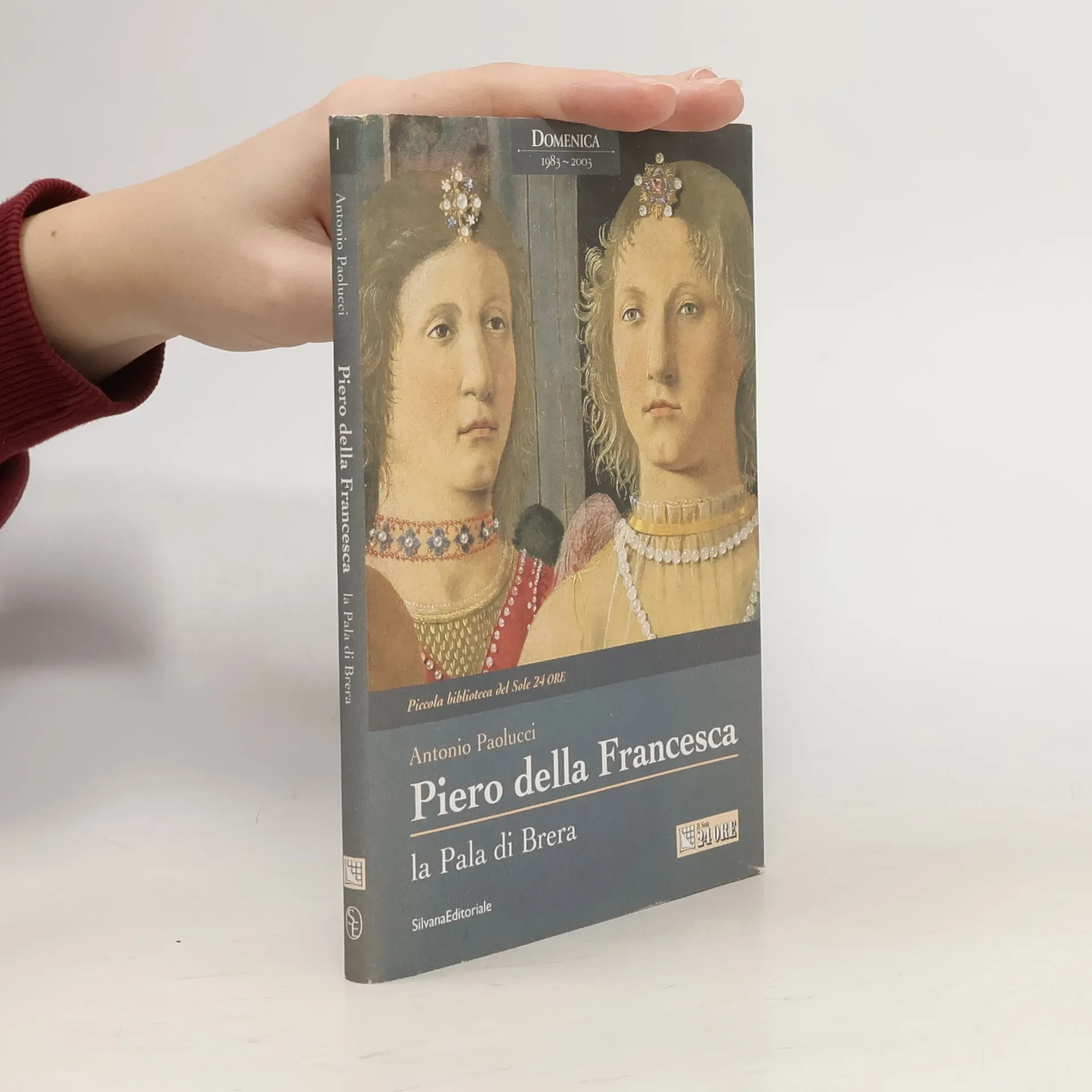
Piero della Francesca
la Pala di Brera
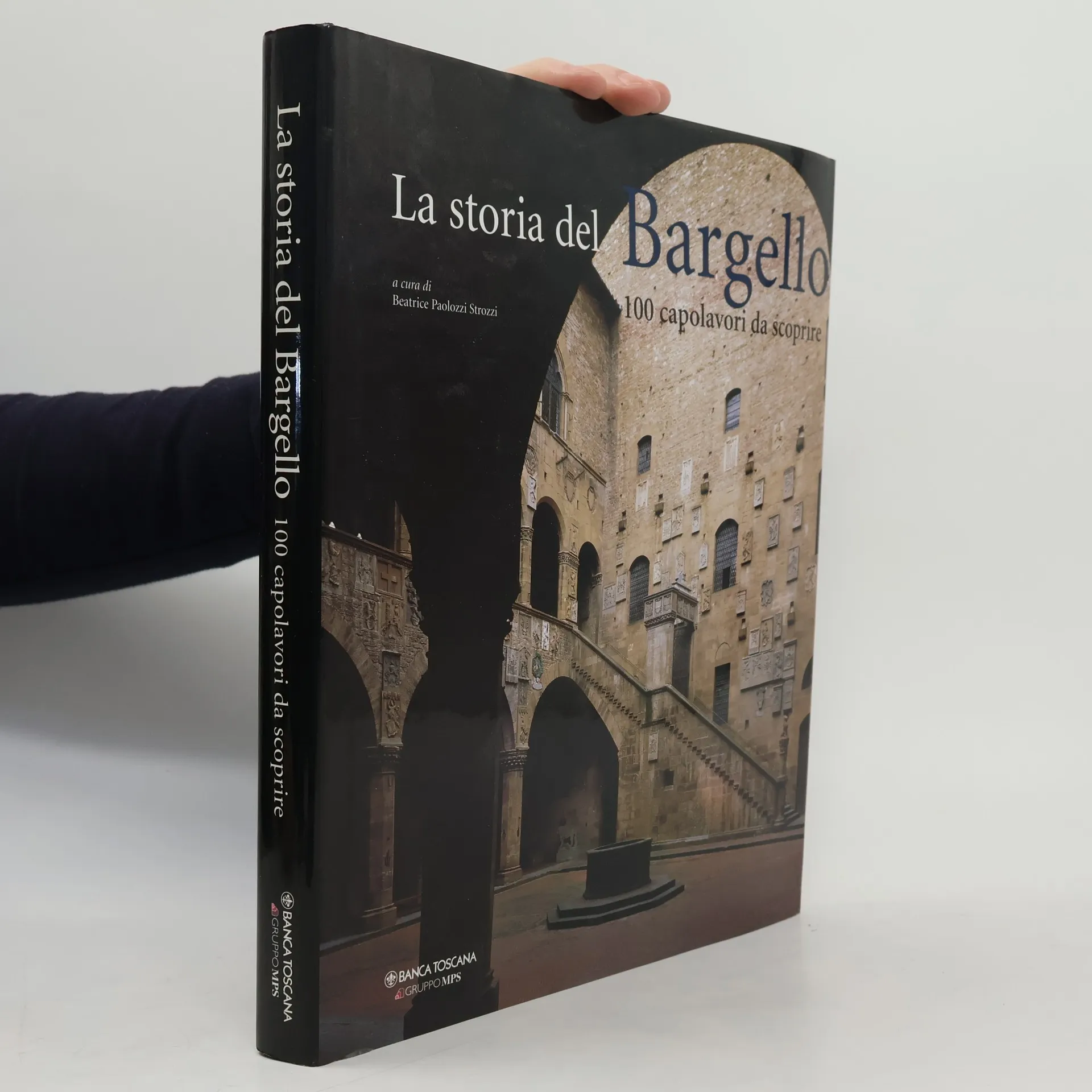
Il Palazzo del Bargello di Firenze, eretto nel 1255 quale sede del Capitano del Popolo e divenuto il monumento civico più importante dell'età comunale, ospita dal 1858 un museo che, considerato da Federico Zeri uno dei più interessanti al mondo, vanta un patrimonio artistico di eccezionale valore, in cui figurano capolavori di Donatello, Ghiberti, Cellino Cellini, Verrocchio e Michelangelo. Nel presente volume Beatrice Paolozzi Strozzi ricostruisce con appassionata competenza la storia del Bargello, cui segue la presentazione di capolavori appartenenti al lascito Louis Carrand, che annovera, accanto a raffinate opere pittoriche trecentesche e quattrocentesche, una preziosa raccolta di arti minori.