Bookbot

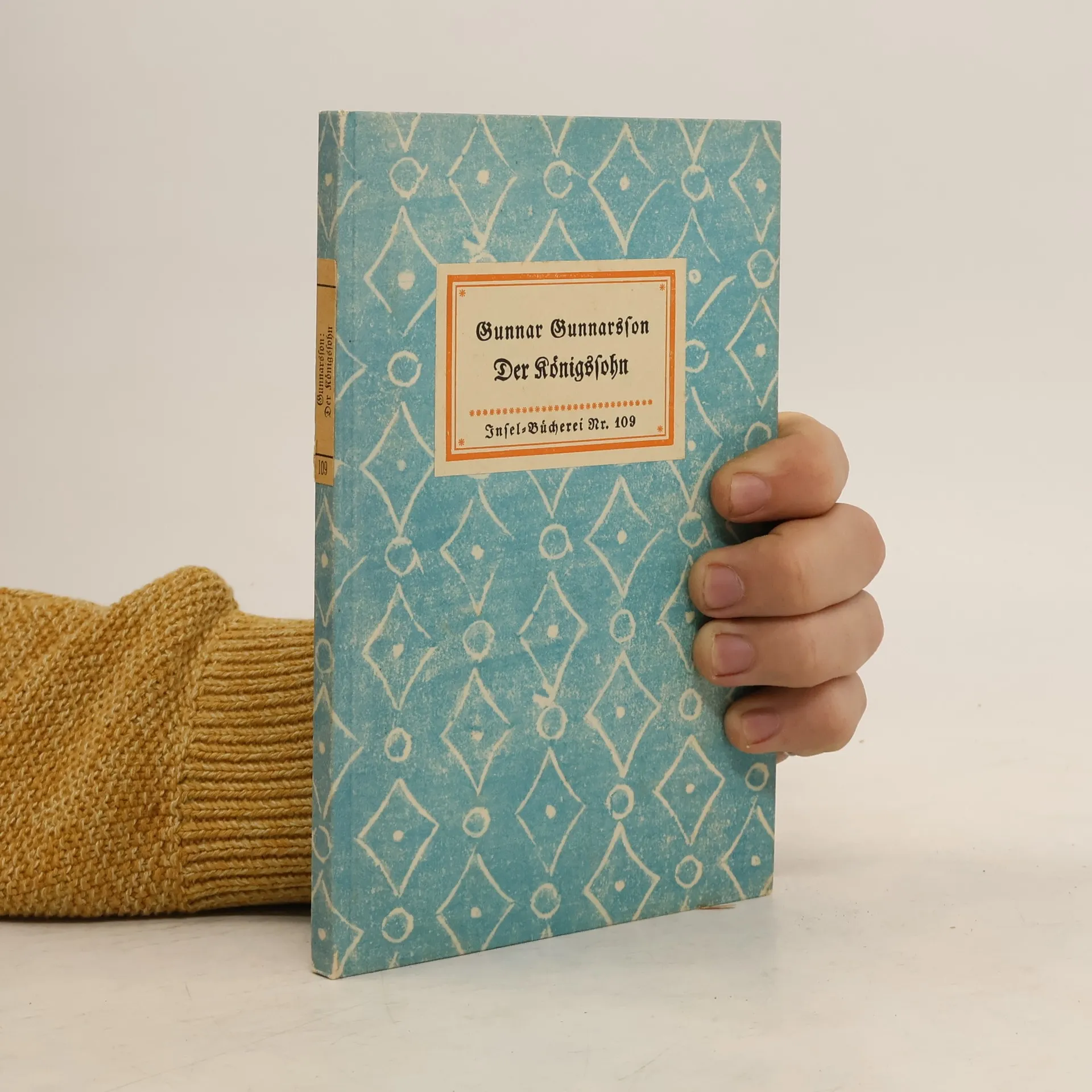
Gunnarsson Gunnar

    18 mai 1889 – 21 novembre 1975

    Gunnar Gunnarsson, l'un des écrivains islandais les plus estimés, a puisé son inspiration dans ses humbles origines paysannes. Bien qu'il ait principalement écrit en danois pour atteindre un public plus large, son œuvre résonne profondément avec le cœur de l'identité et de la tradition islandaises. Son style distinctif et sa profondeur narrative en font un auteur mémorable qui explore les thèmes universels de l'existence humaine dans un contexte culturel unique. Il a longtemps été considéré comme un prétendant au prix Nobel de littérature.

    Gunnarsson Gunnar
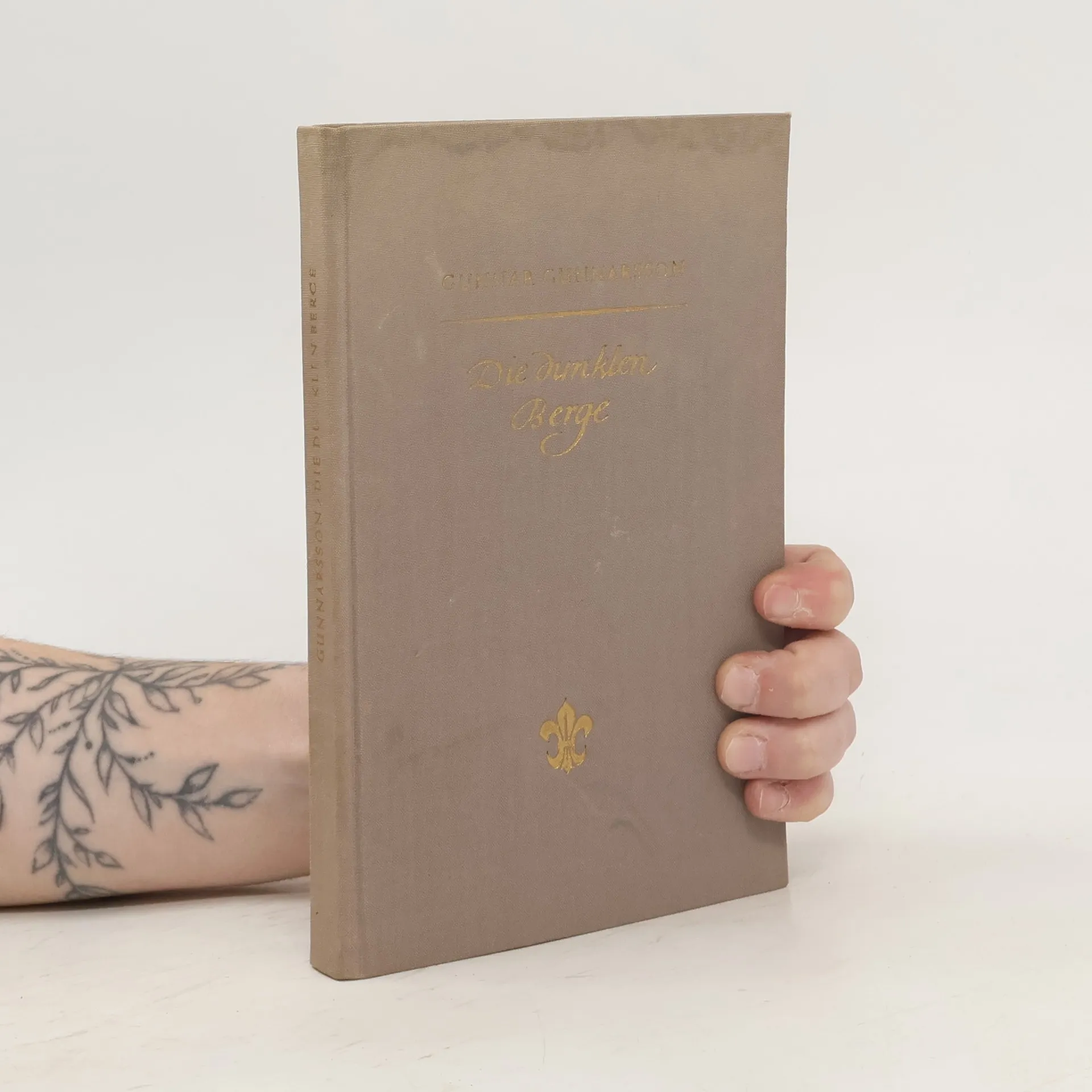
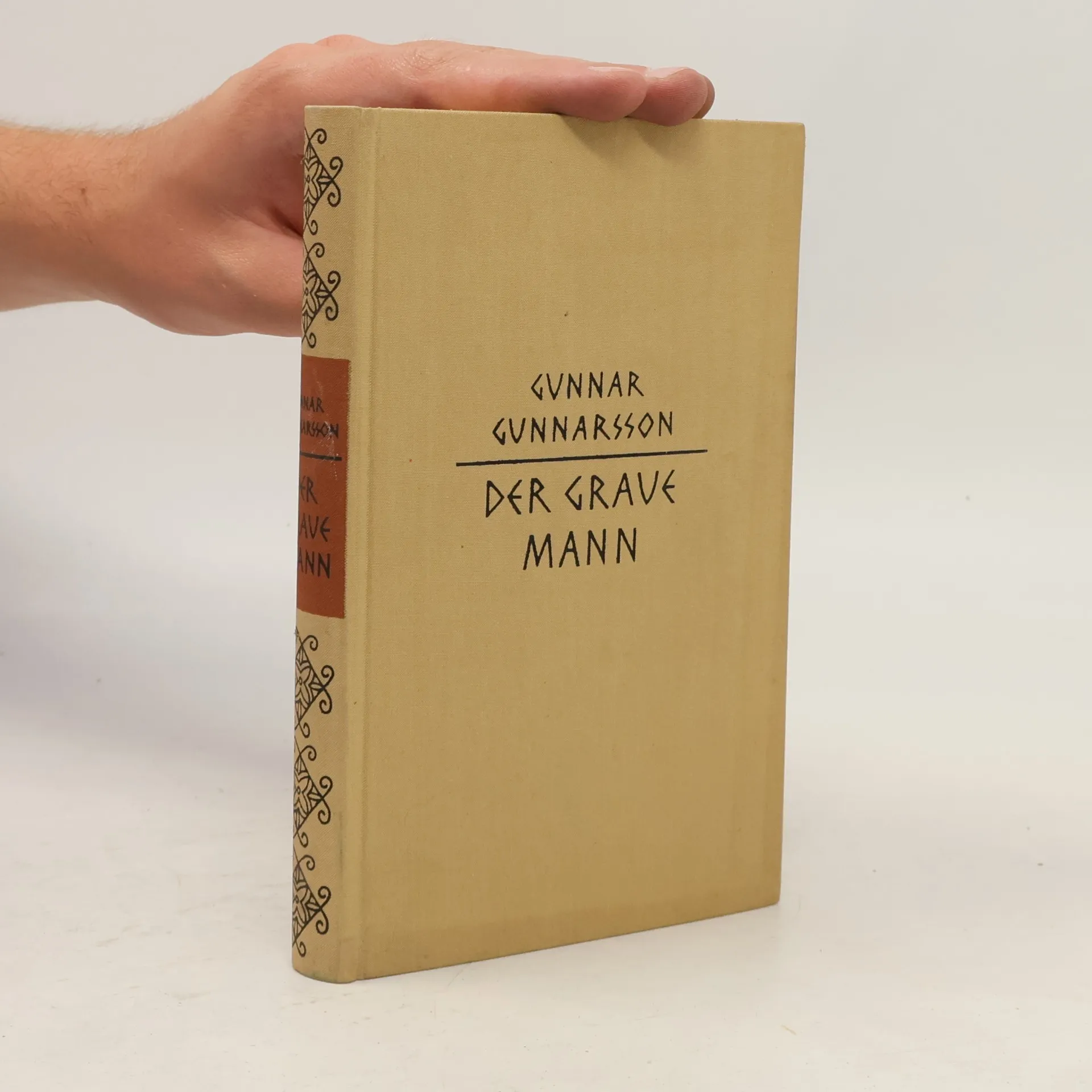
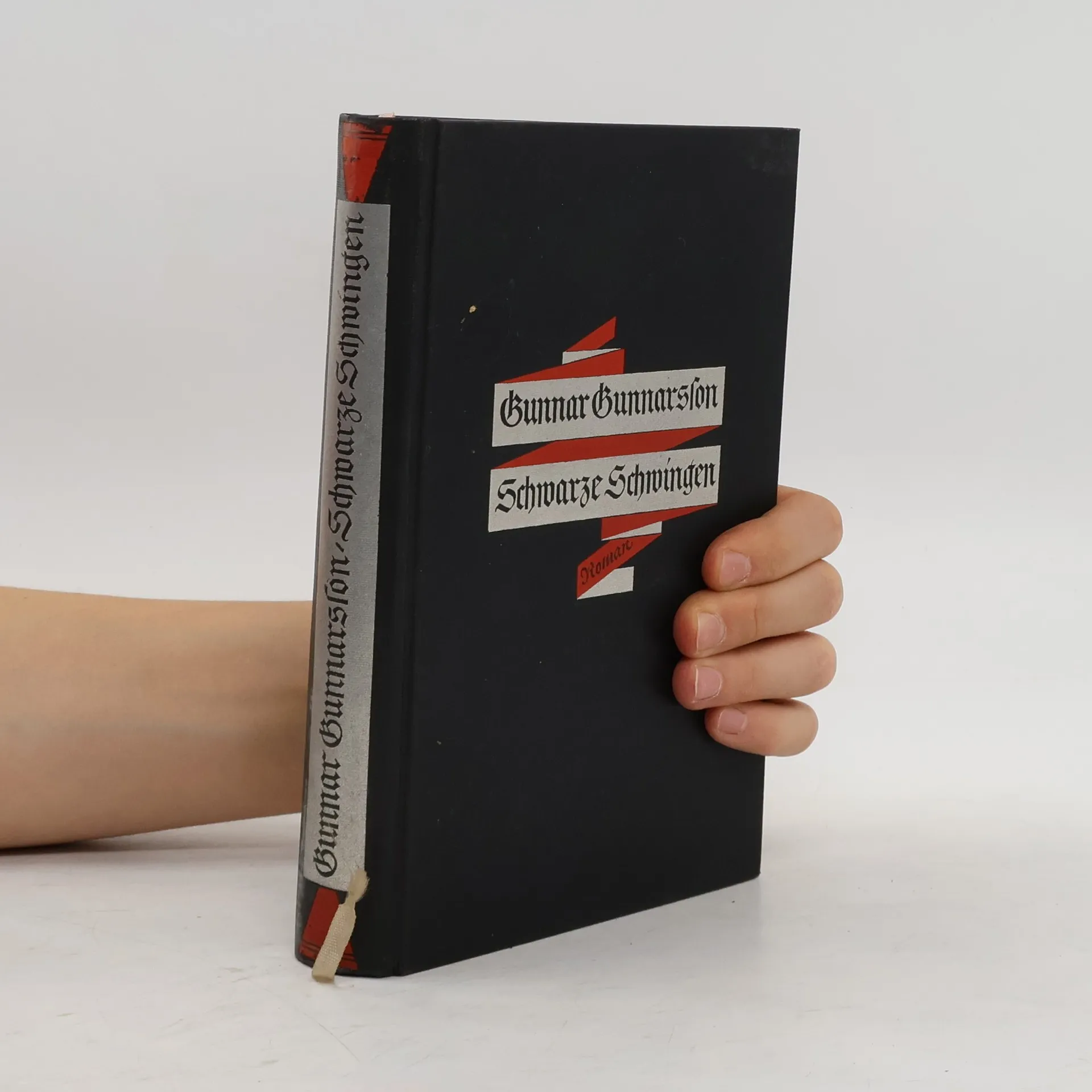
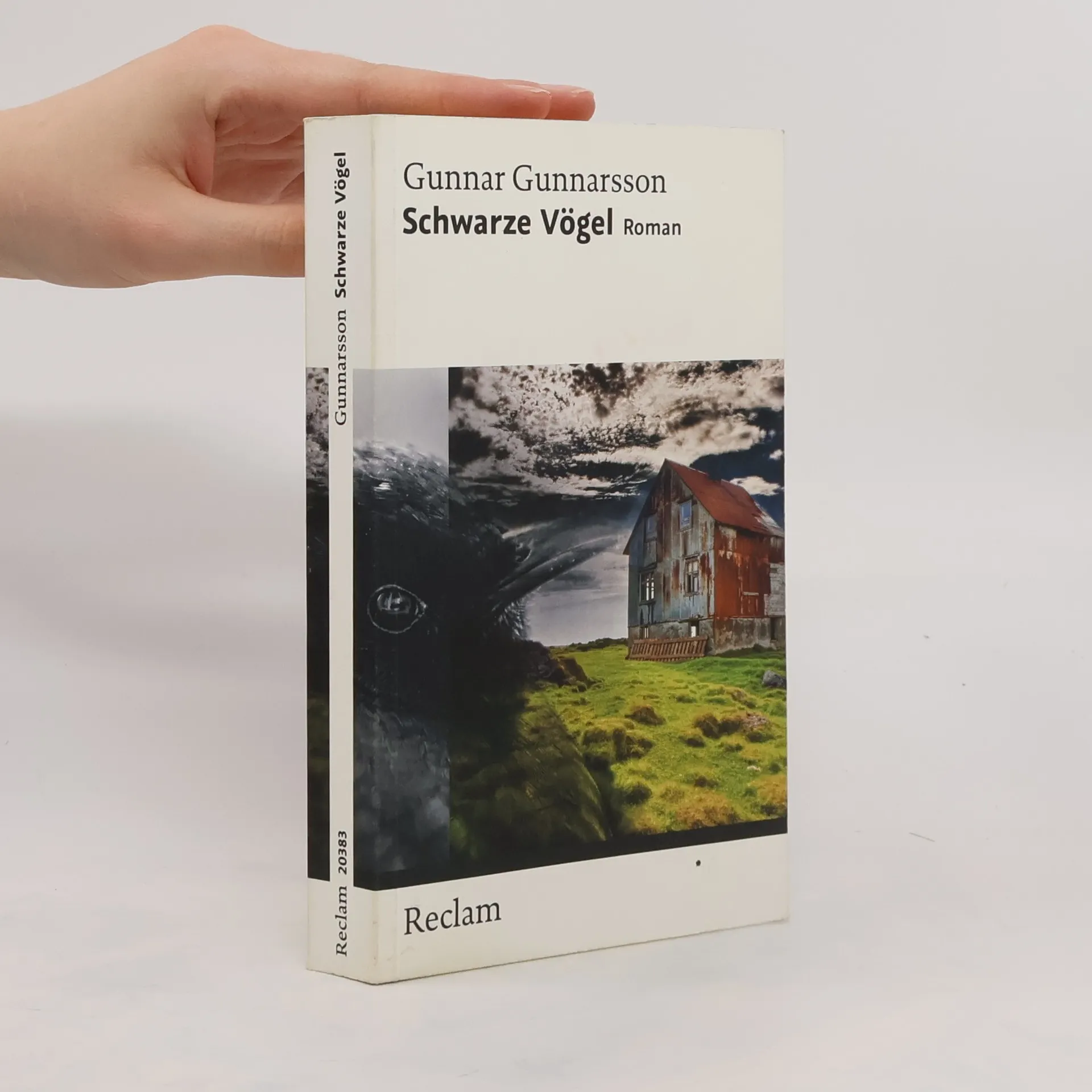
    Schwarze Vögel
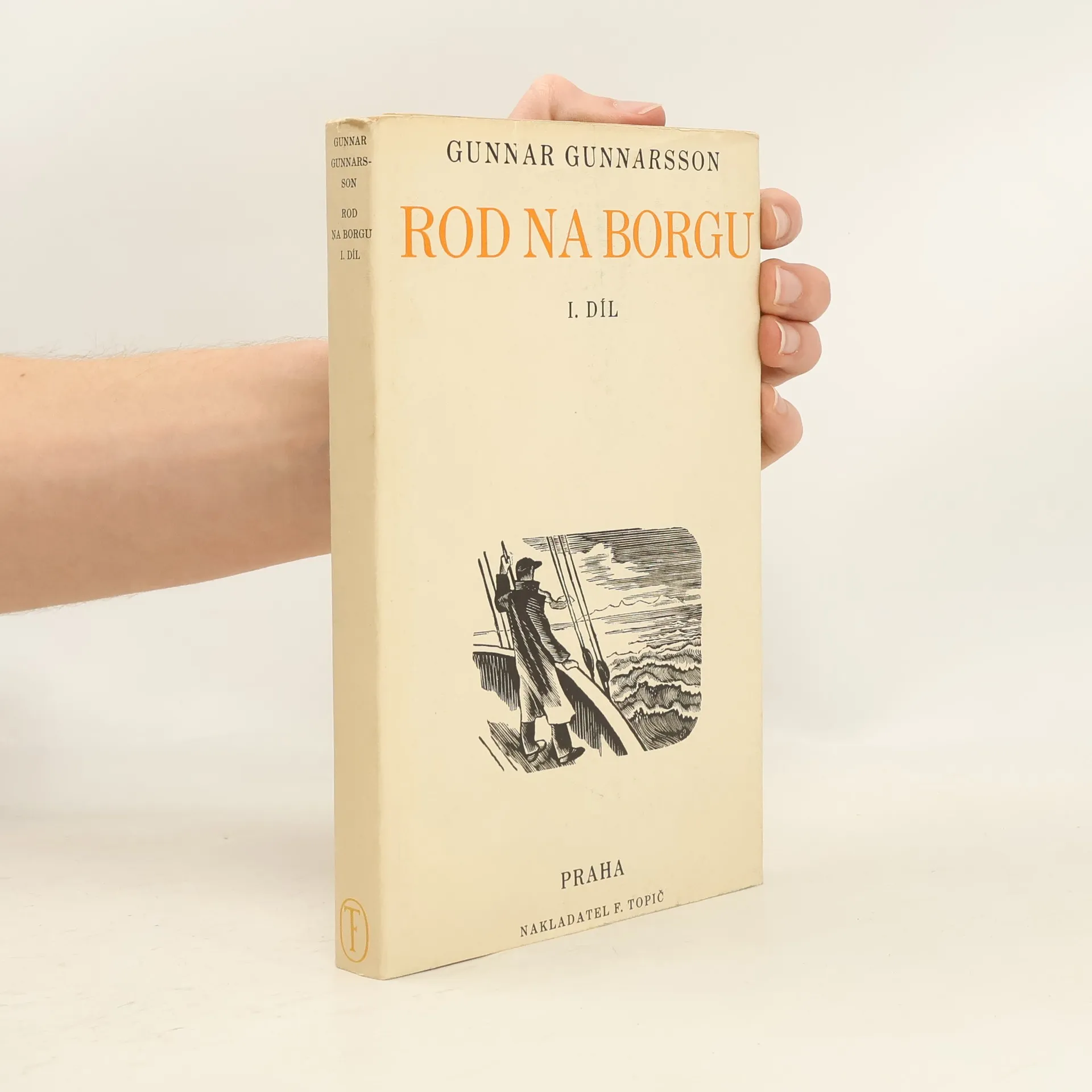
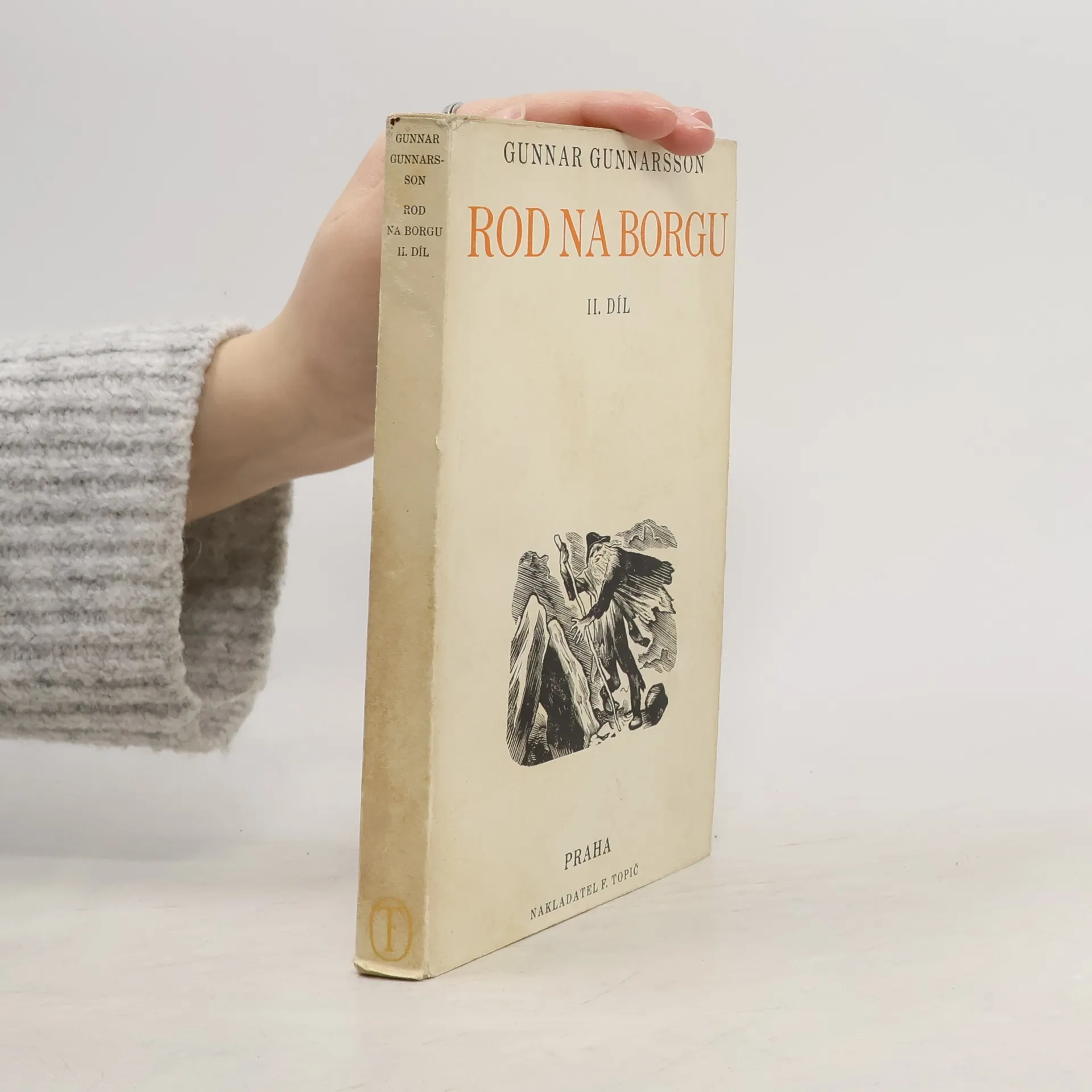
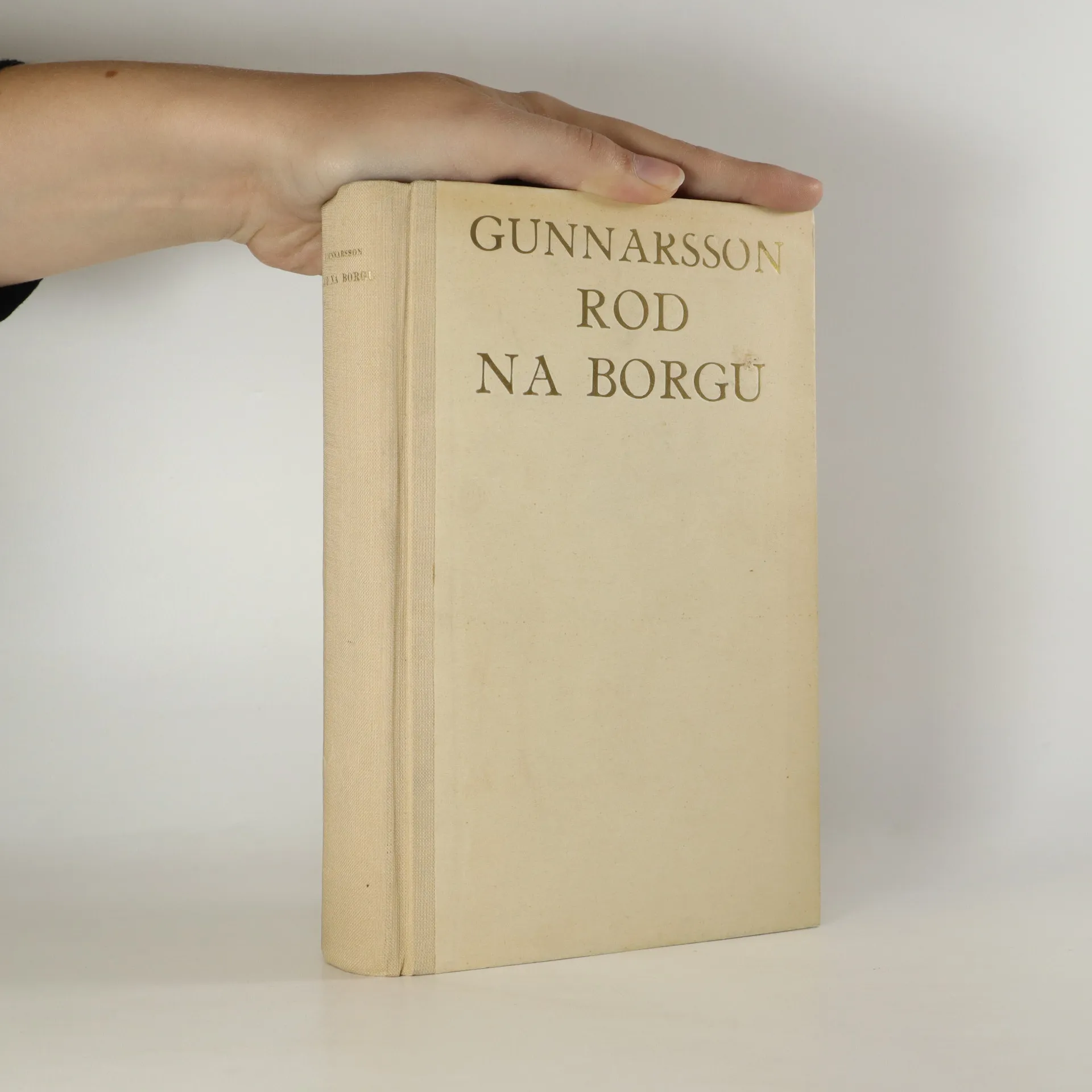
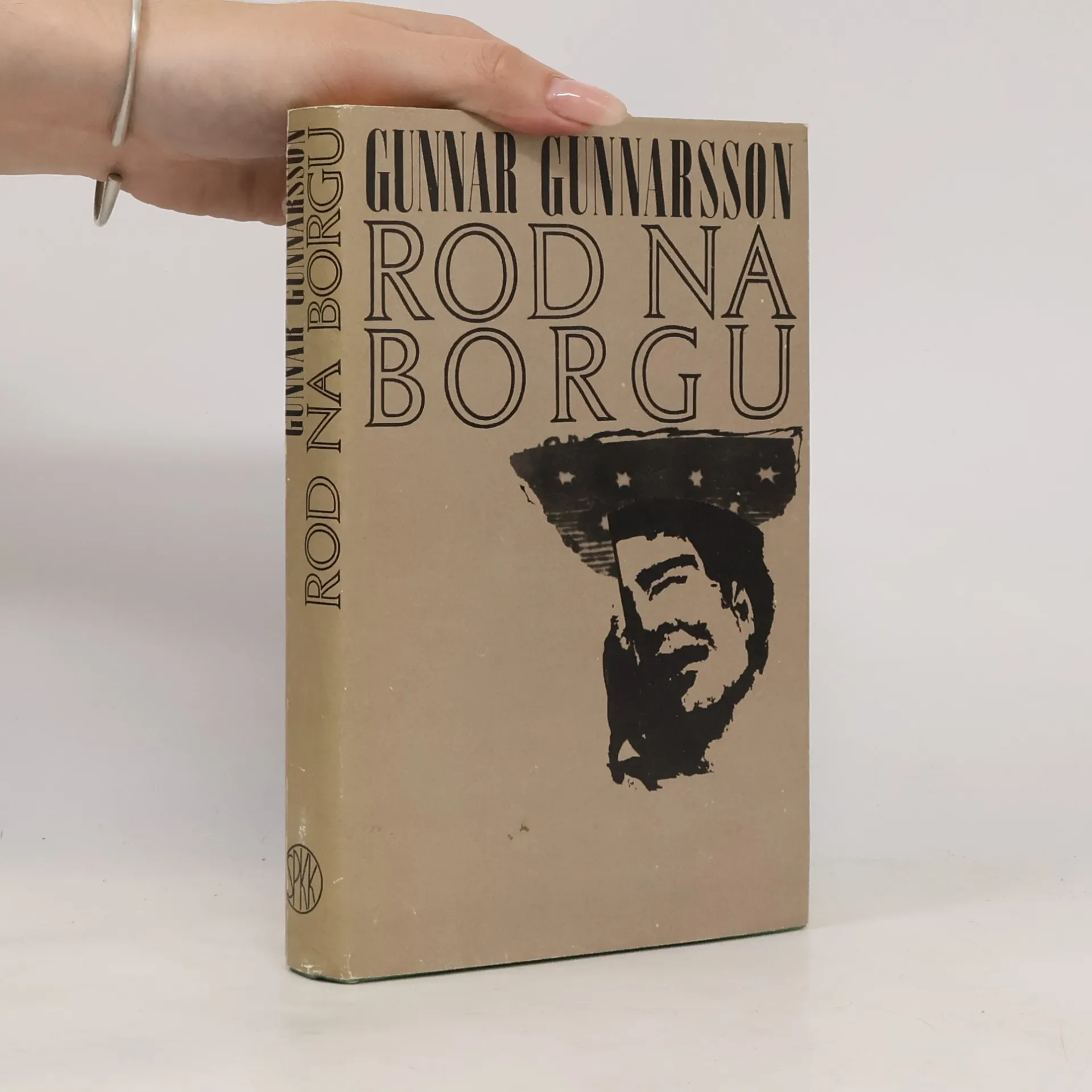
    Rod na Borgu
    Sedm dní temnoty
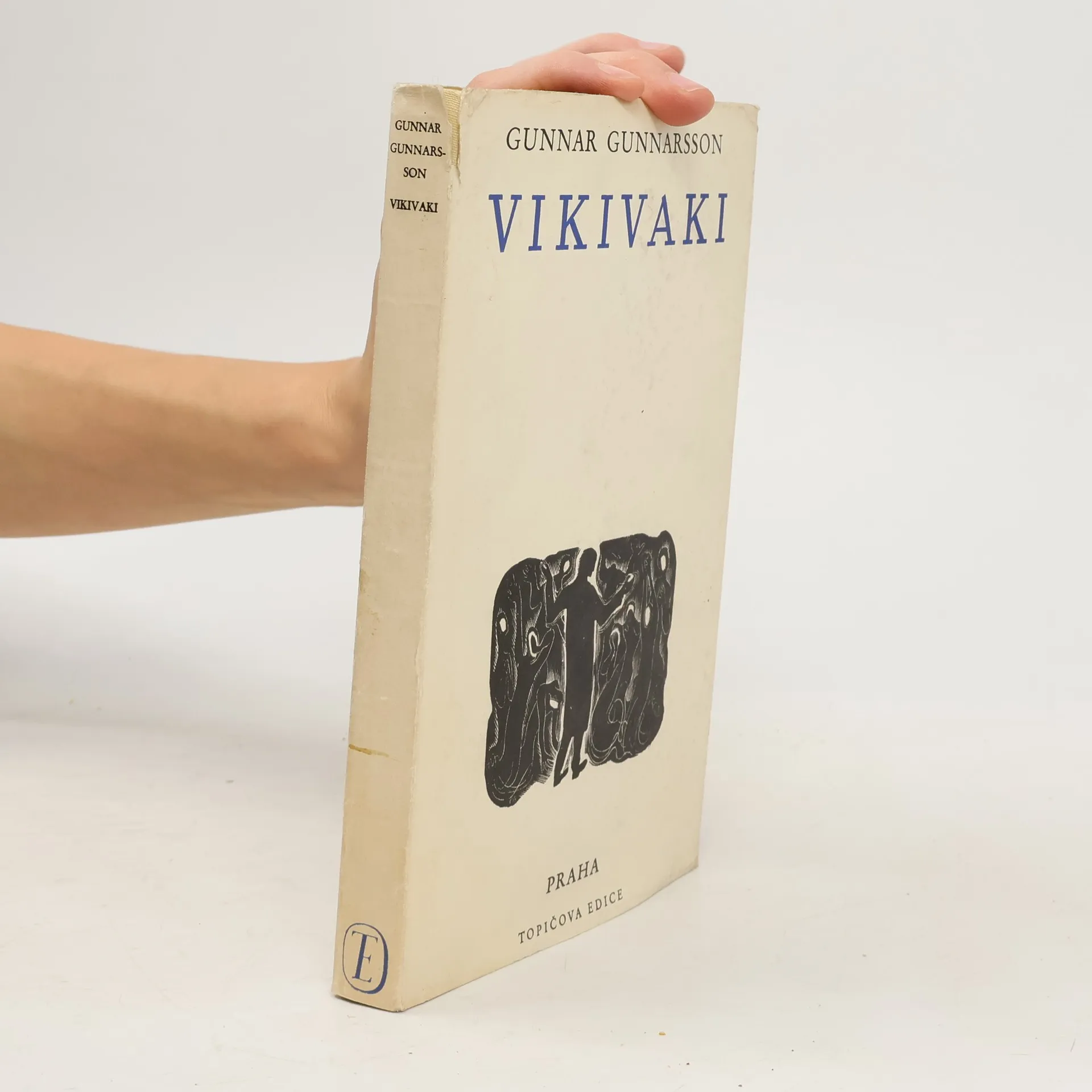
    Vikivaki
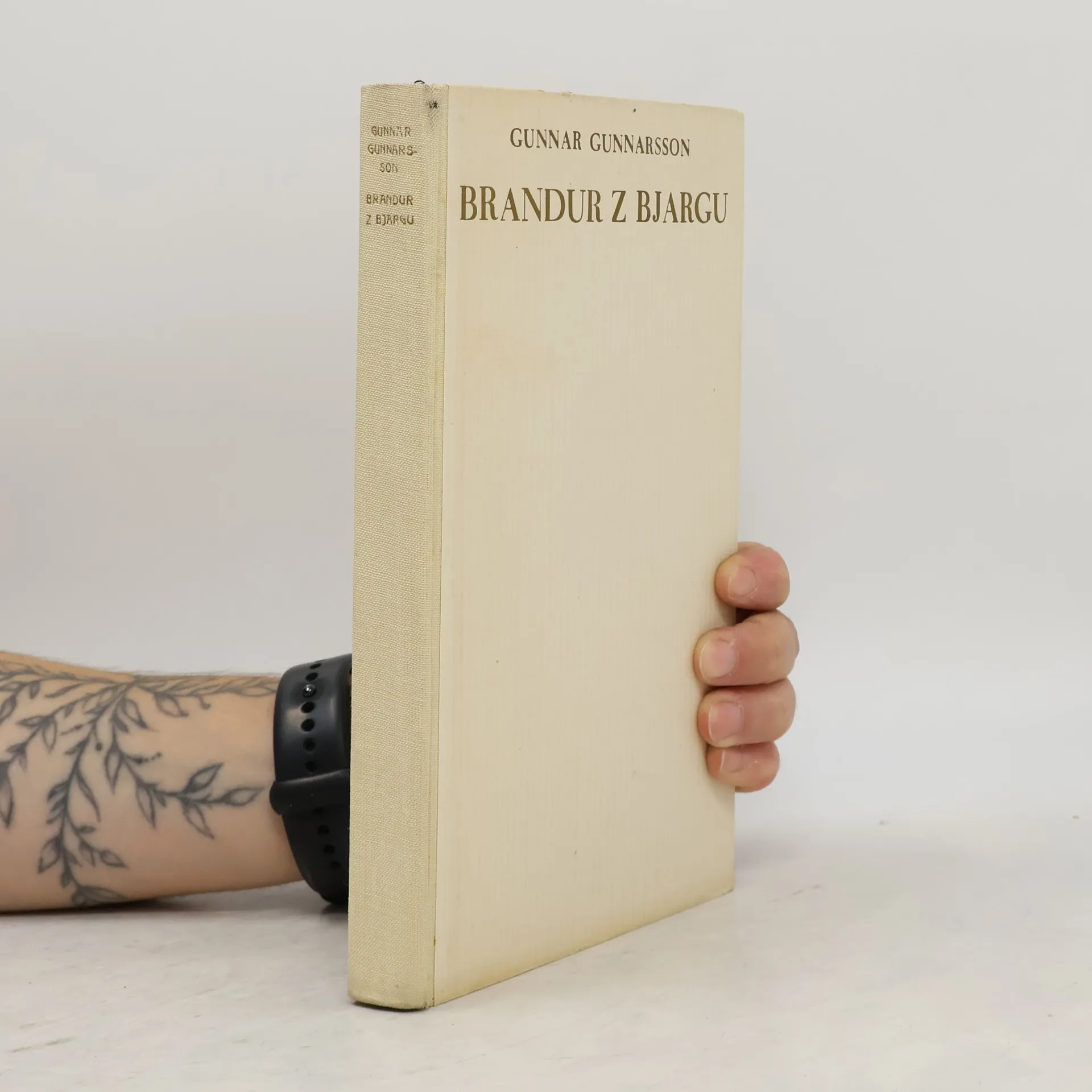
    Brandur z Bjargu
    Il pastore d'Islanda
    • 2009

      »Den immer noch unübertroffenen isländischen Krimi Nr. 1« hat man Gunnar Gunnarssons ›Schwarze Vögel‹ genannt – und er ist sehr viel mehr! 1802 war in den Westfjorden ein ehebrecherisches Paar in einem Prozess verurteilt worden, weil sie ihre jeweiligen Ehegatten aus dem Weg geräumt hatten. Gunnnar Gunnarsson (1889–1975), einer der wichtigsten isländischen Autoren des 20. Jahrhunderts, studierte die Akten dieses Falls, bevor er an die Arbeit seines raffiniert gebauten Romans ging.
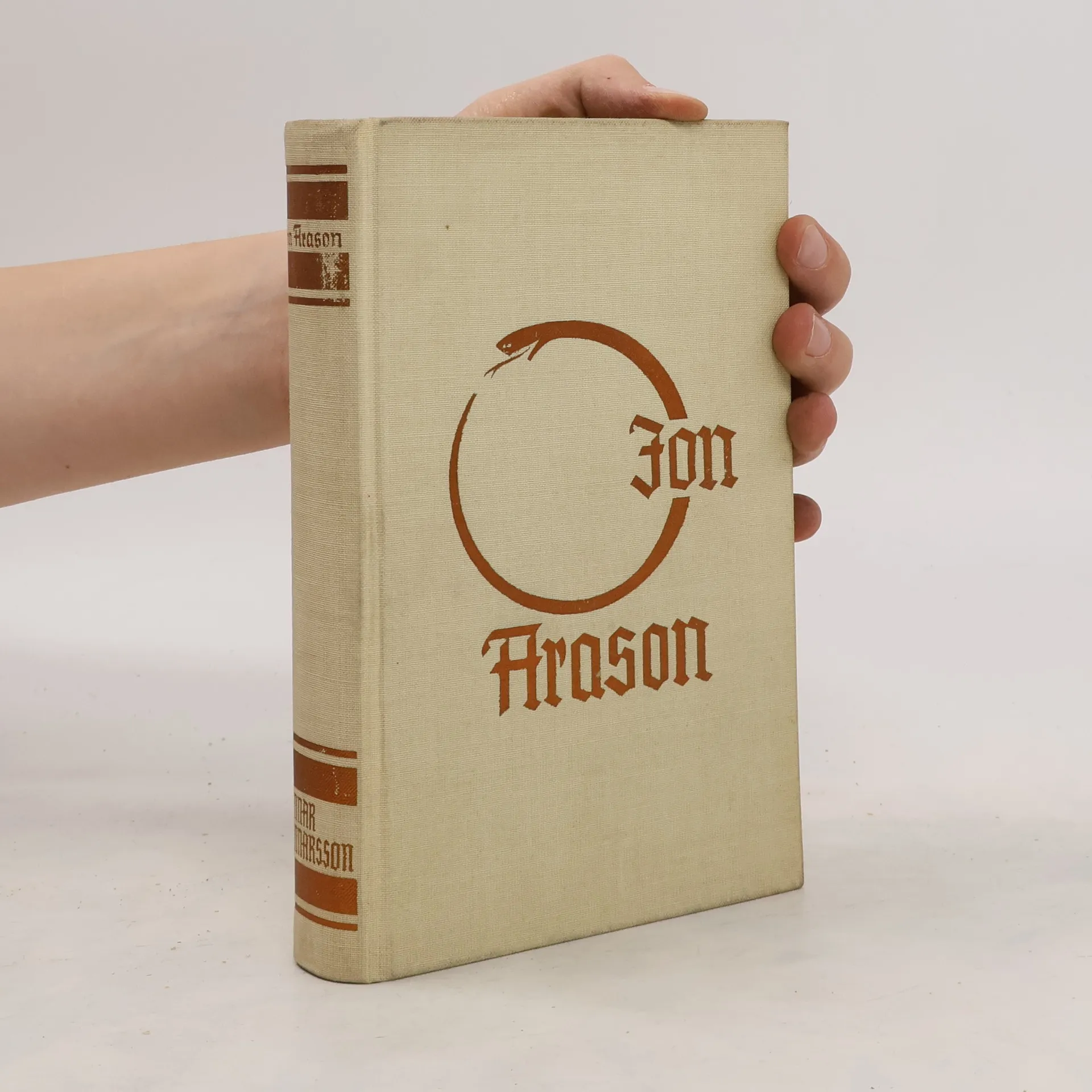
      Schwarze Vögel
    • 1954
    • 1949
    • 1948

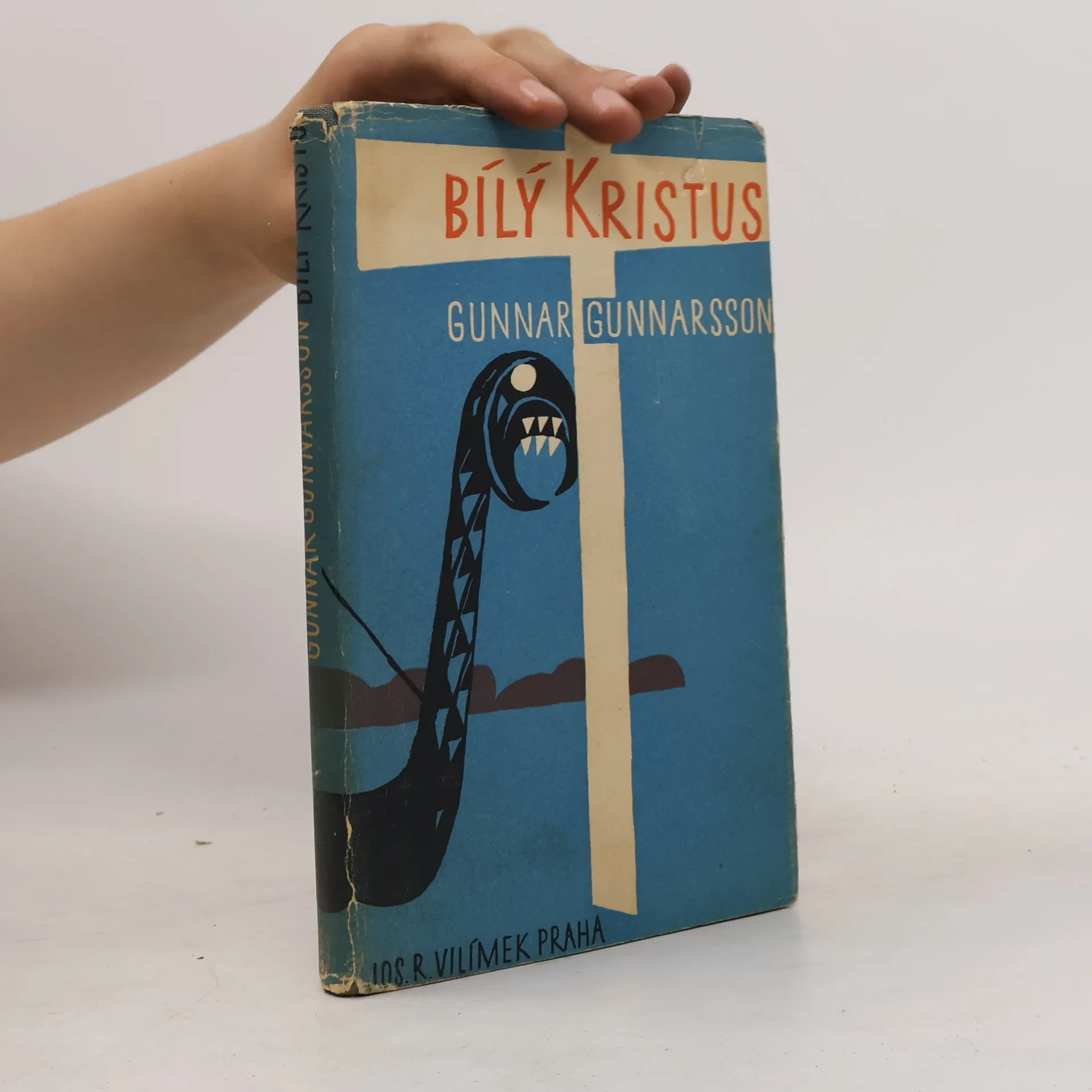
      Příběh islandského kněze božiště Ásů a zákonodárce Rúnolfra Úlfssona a jeho syna Svertinga z dob, kdy na Island okolo roku 1000 začíná pronikat křesťanství.

      Bílý Kristus
    • 1947
    • 1946

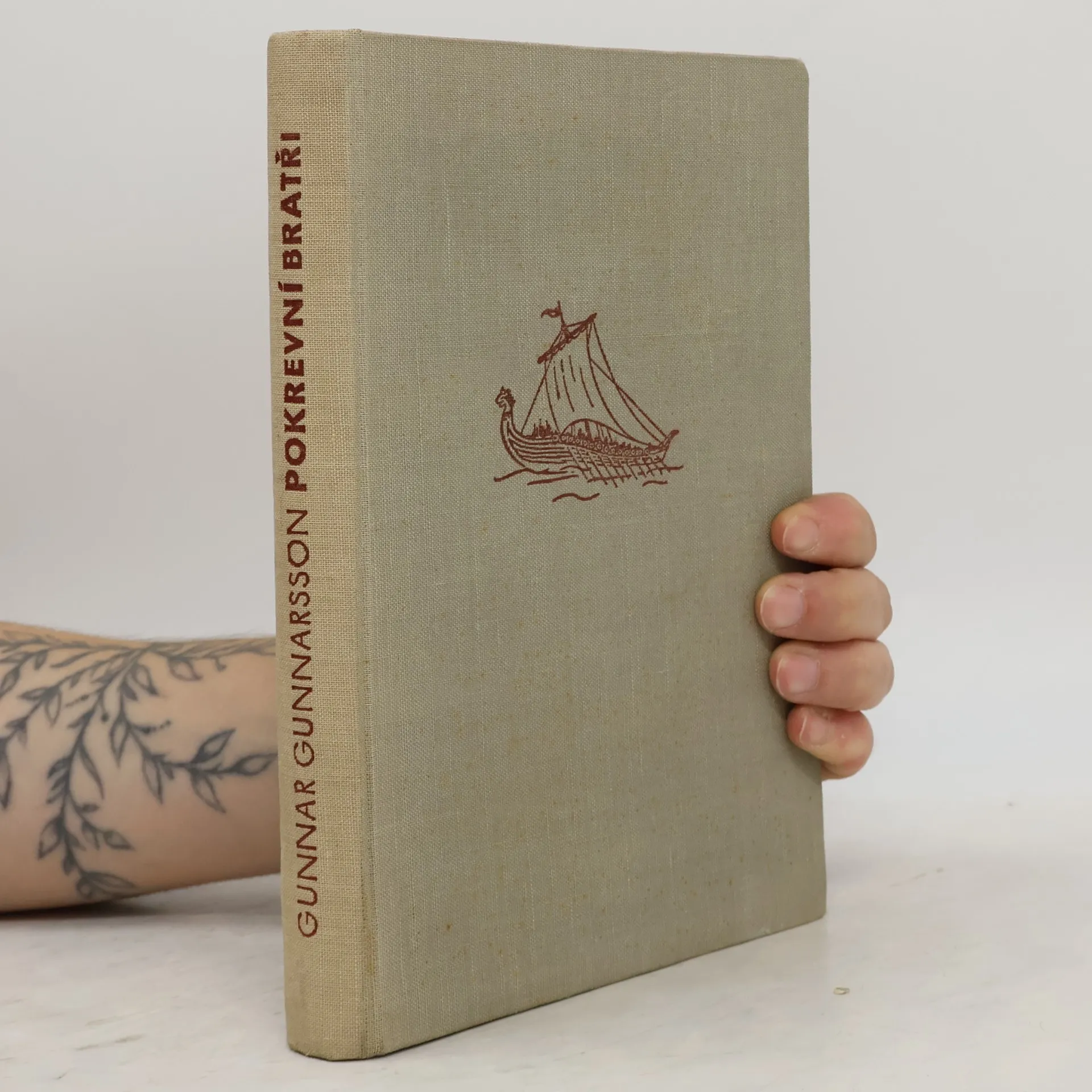
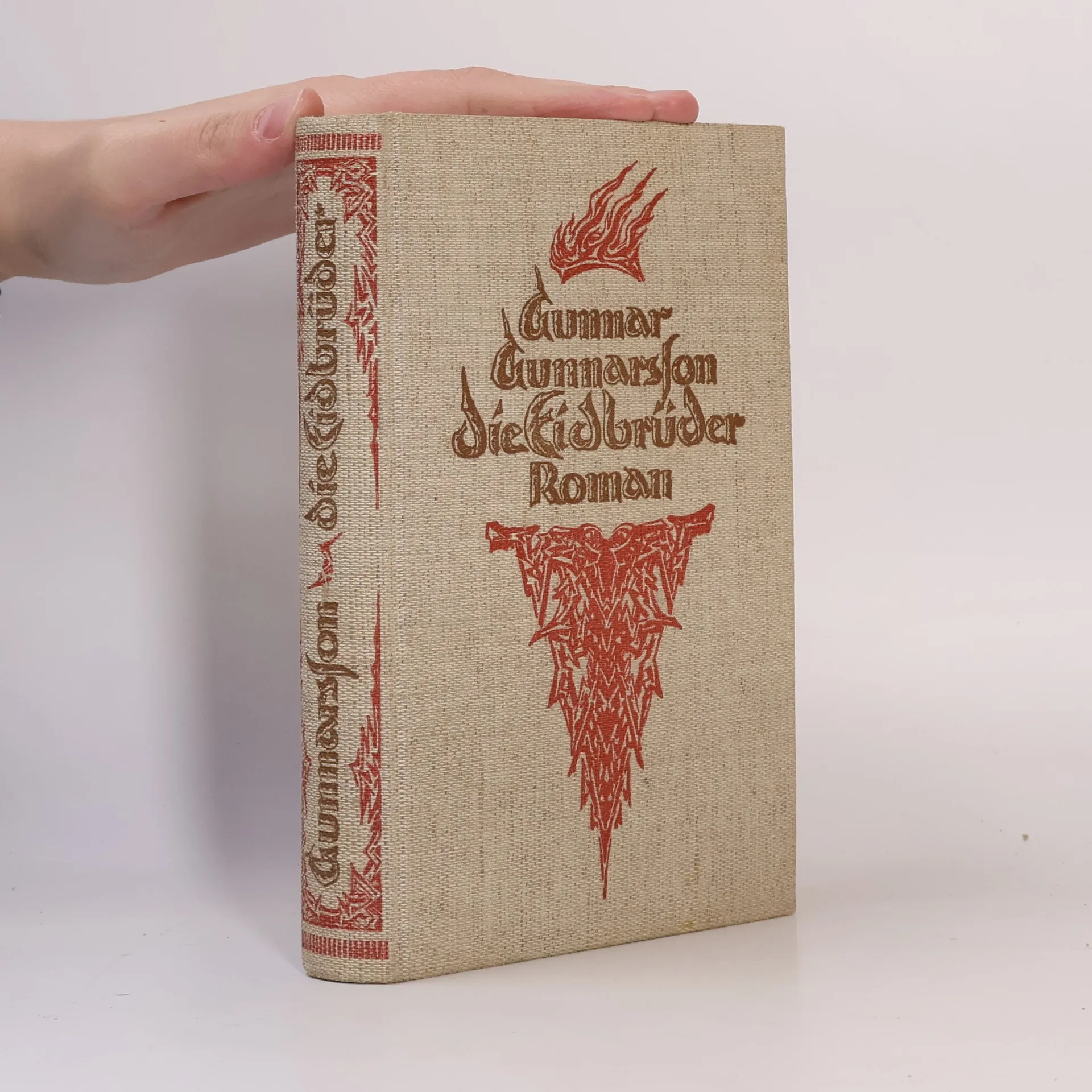
      Příběh pokrevních bratří Ingolfa a Leifa z dob, kdy norští mořeplavci udivovali svět svými nájezdy a objevy.

      Pokrevní bratři
    • 1946

      Příběh sedláka Brandura a jeho dcery přezdívané Věrná horám, bojujících v nejnehostinnější části Islandu s rozmary přírody.

      Brandur z Bjargu
    • 1945
    • 1940