

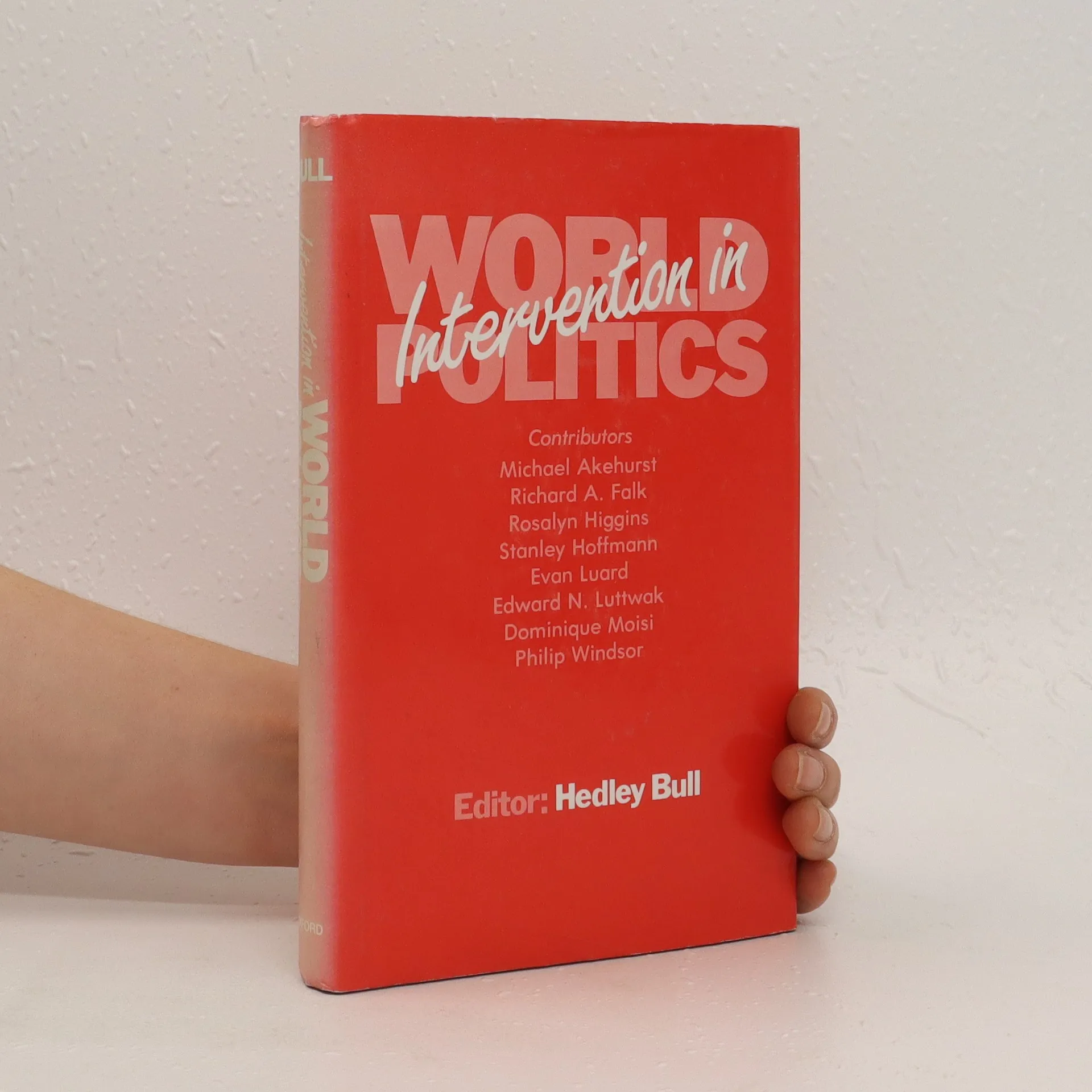
This book is the best guide to the complexities of intervention now available. The issues raised by it will remain important and divisive for some time.'___ The Times Literary Suplement.
Hedley Bull Livres
Hedley Bull était un influent théoricien des relations internationales dont les travaux se sont concentrés sur la nature de la politique mondiale. Dans son œuvre majeure, il soutenait que, malgré le caractère anarchique de la scène internationale, les États forment une société. Il affirmait que les États, conscients d'intérêts et de valeurs communs, sont liés par un ensemble partagé de règles et d'institutions. Bull a examiné des mécanismes tels que l'équilibre des pouvoirs, le droit international et la diplomatie comme éléments centraux pour atteindre l'ordre dans la politique mondiale, concluant que le système des États offre la meilleure chance pour cet objectif.

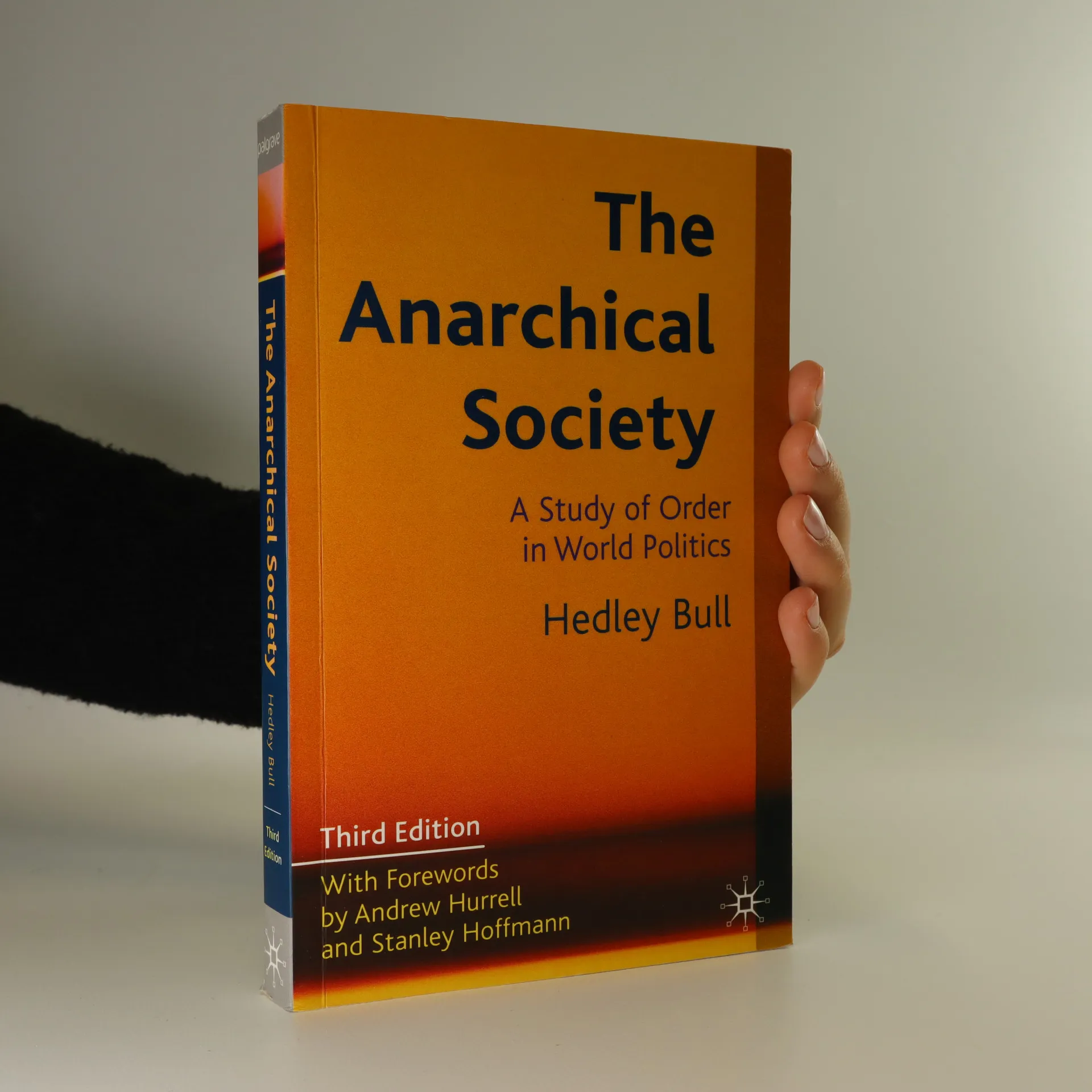
In this, his most systematic and fundamental work, Hedley Bull explores three key questions: what is the nature of order in world politics?; how is it maintained in the contemporary state system?; and what alternative paths to world order are feasible and desirable? He argues that the system of sovereign states is not in decline and is not an obstacle to world order but its essential foundation. This third edition, marking the 25th anniversary of original publication, includes a substantial new foreword by Andrew Hurrell examining the continuing relevance of The Anarchical Society to subsequent developments in theory and in the structures and practices of world politics.
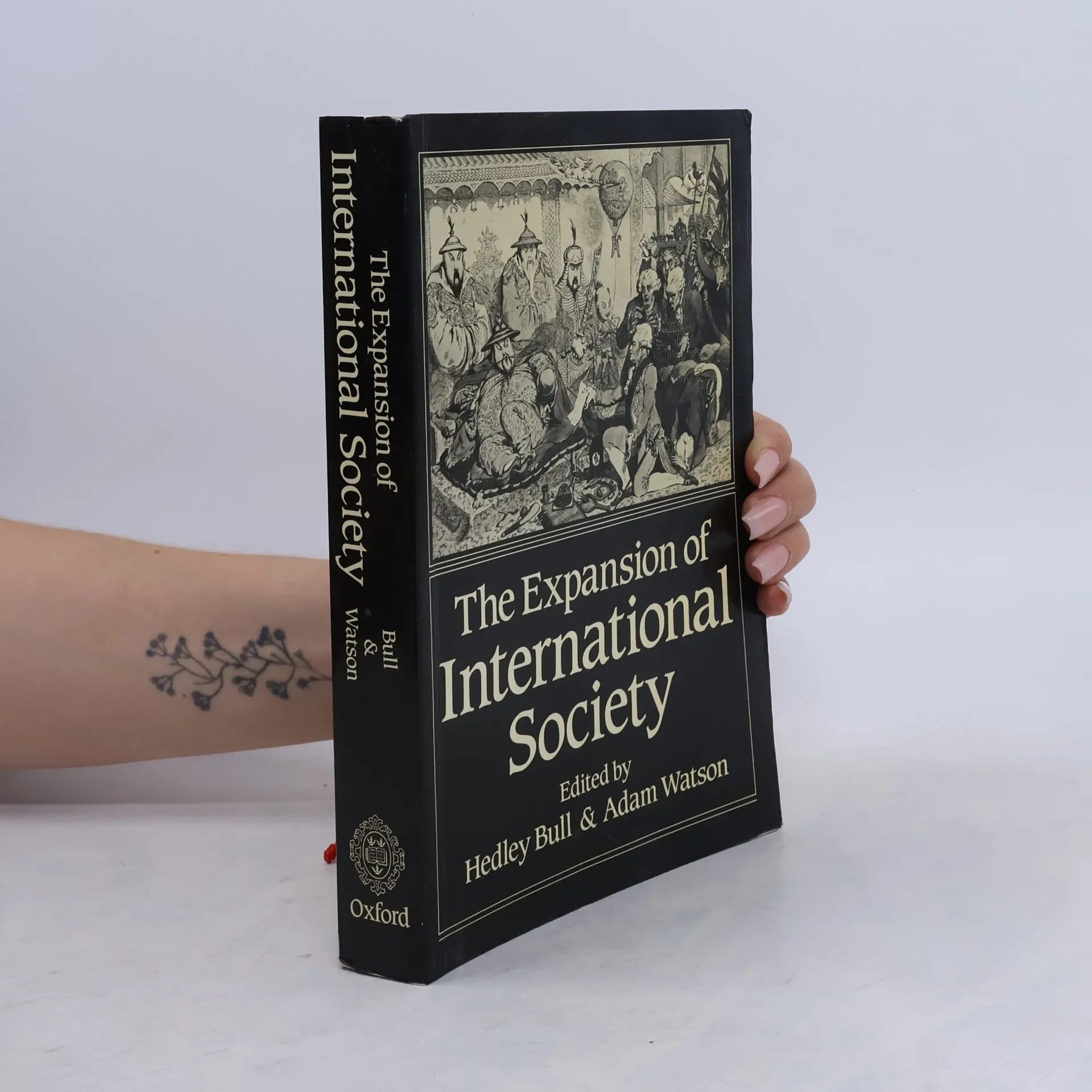
The Expansion of International Society
- 479pages
- 17 heures de lecture
The work of a study group of distinguished scholars, this book is a systematic investigation of the origins and nature of the international society today. The first section of the book describes the flood tide of European expansion that began in the 16th century and united the world for thefirst time in a single economic strategic, and political unit. The second section analyzes the process whereby the non-European states came to take their place as members of the same society, while the third section examines the repudiation of European, Russian, and American domination by statesand peoples of the Third World, and the subsequent transition from a system based on European hegemony to one that is not. The book concludes with a discussion of the international order that has emerged from the ebb tide of European dominance.