
Il est encore temps de passer ta commande pour Noël (3 jours, 21 heures)
Bookbot

Daniel Jonah Goldhagen

    30 juin 1959

    Cet auteur a attiré l'attention internationale pour ses œuvres controversées examinant l'Holocauste et le génocide. Son écriture explore les rôles que jouent les gens ordinaires dans les atrocités de masse et le règlement de comptes moral des sociétés. Bien que provoquant souvent des débats intenses, ses analyses obligent les lecteurs à se confronter à des questions profondes sur la nature du mal et la responsabilité humaine. Son style est direct et provocateur, se concentrant sur les dimensions morales des événements historiques.

    Daniel Jonah Goldhagen
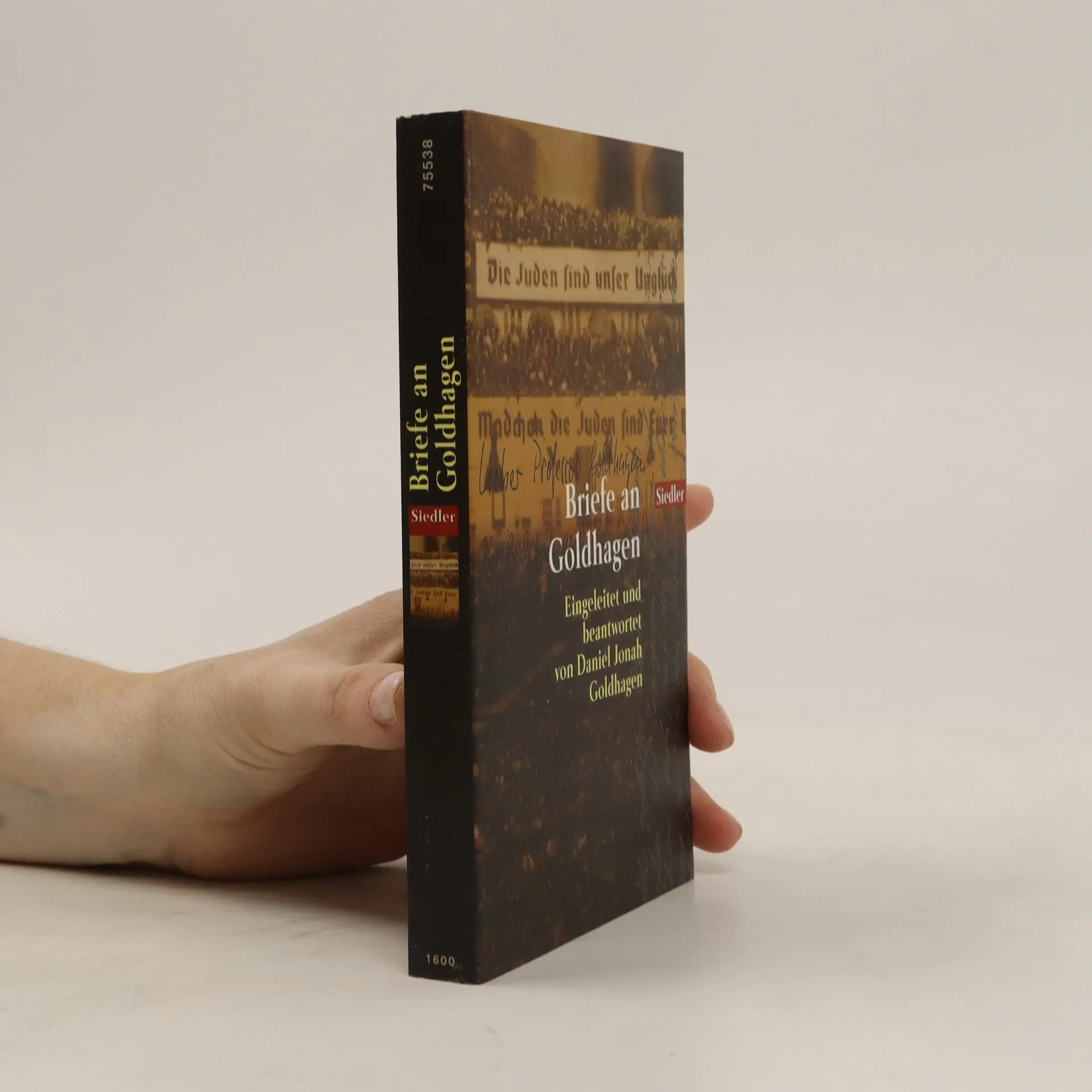
    Briefe an Goldhagen
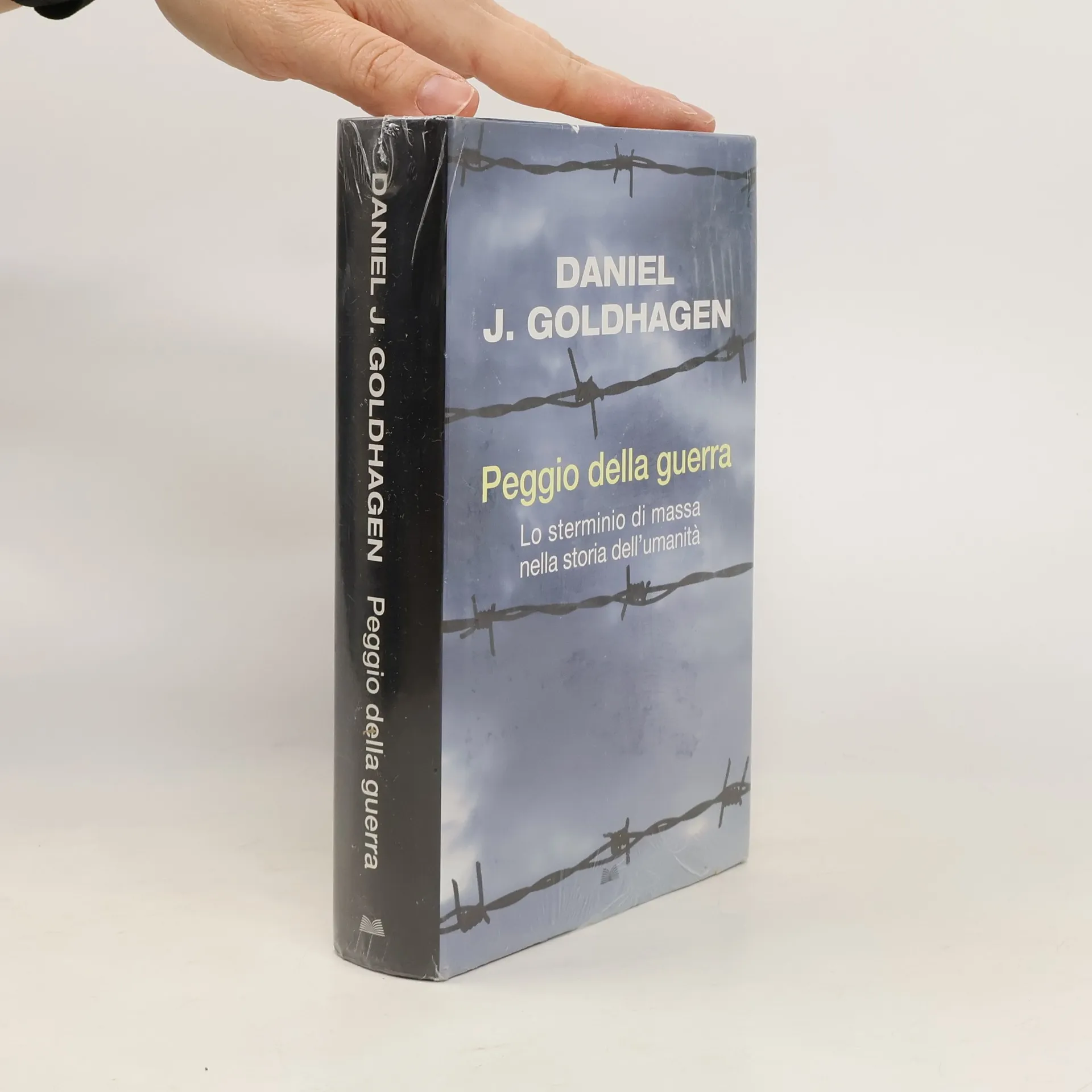
    Schlimmer als Krieg
    Worse Than War
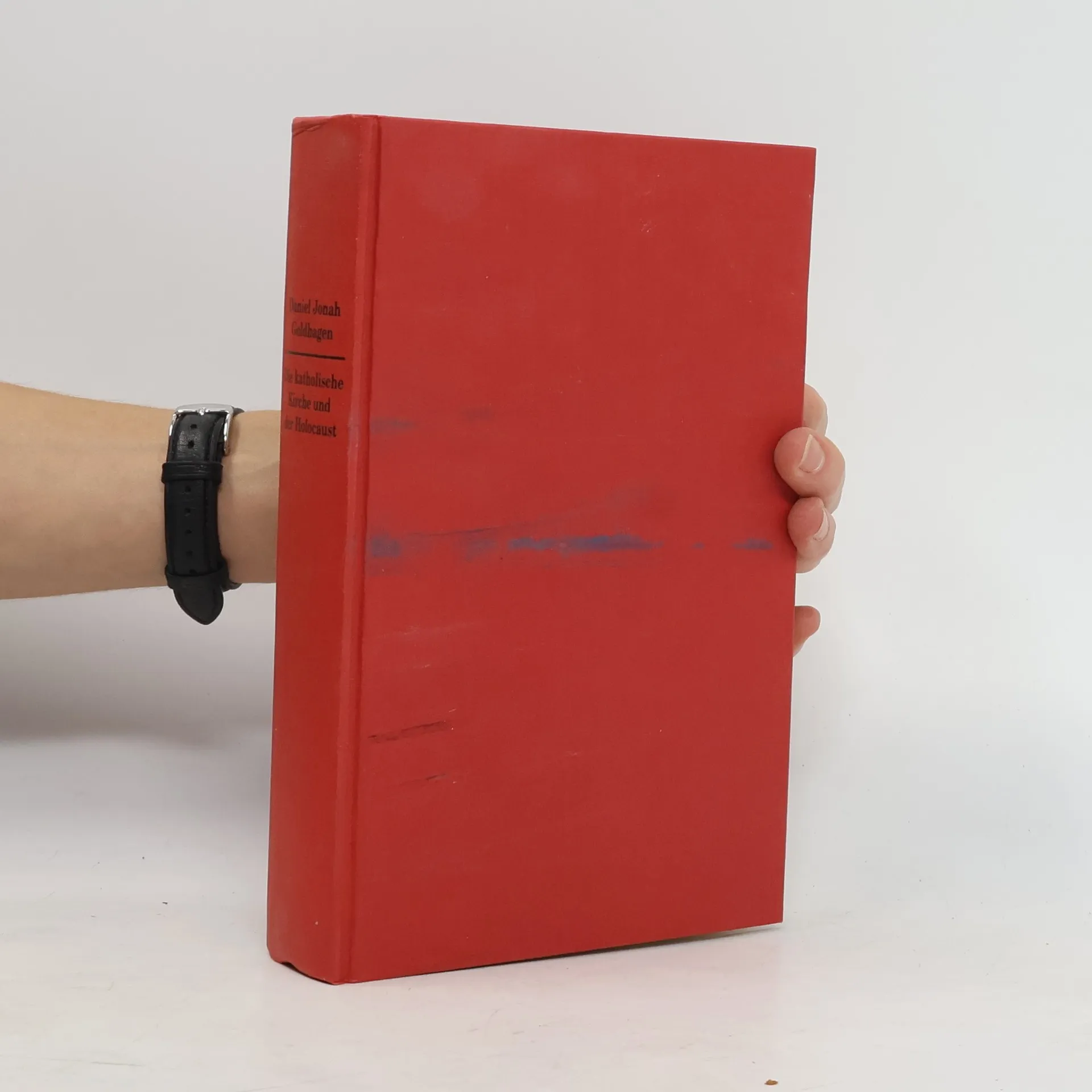
    A Moral Reckoning. The Role of the Catholic Church in the Holocaust and Its Unfulfilled Duty of Repair
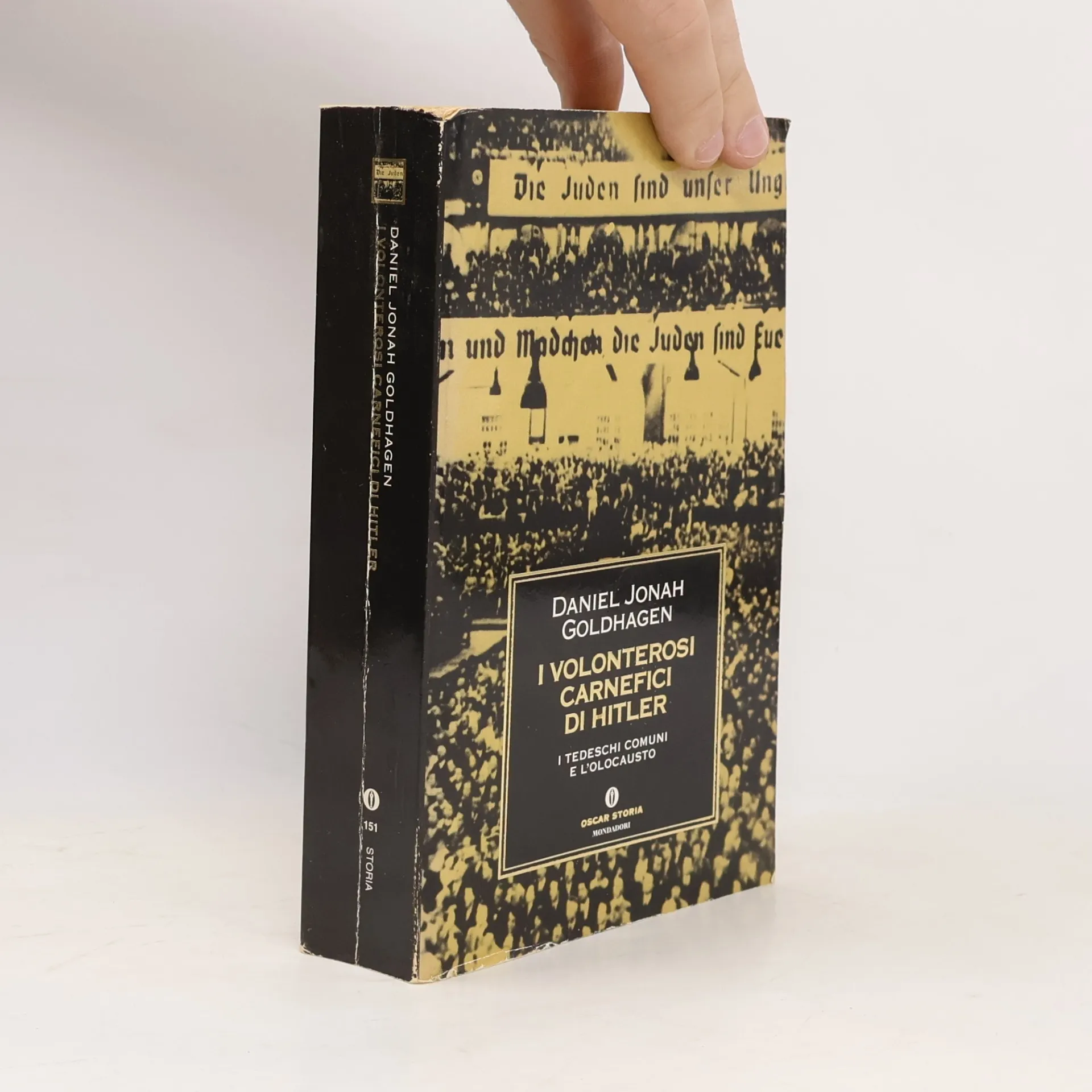
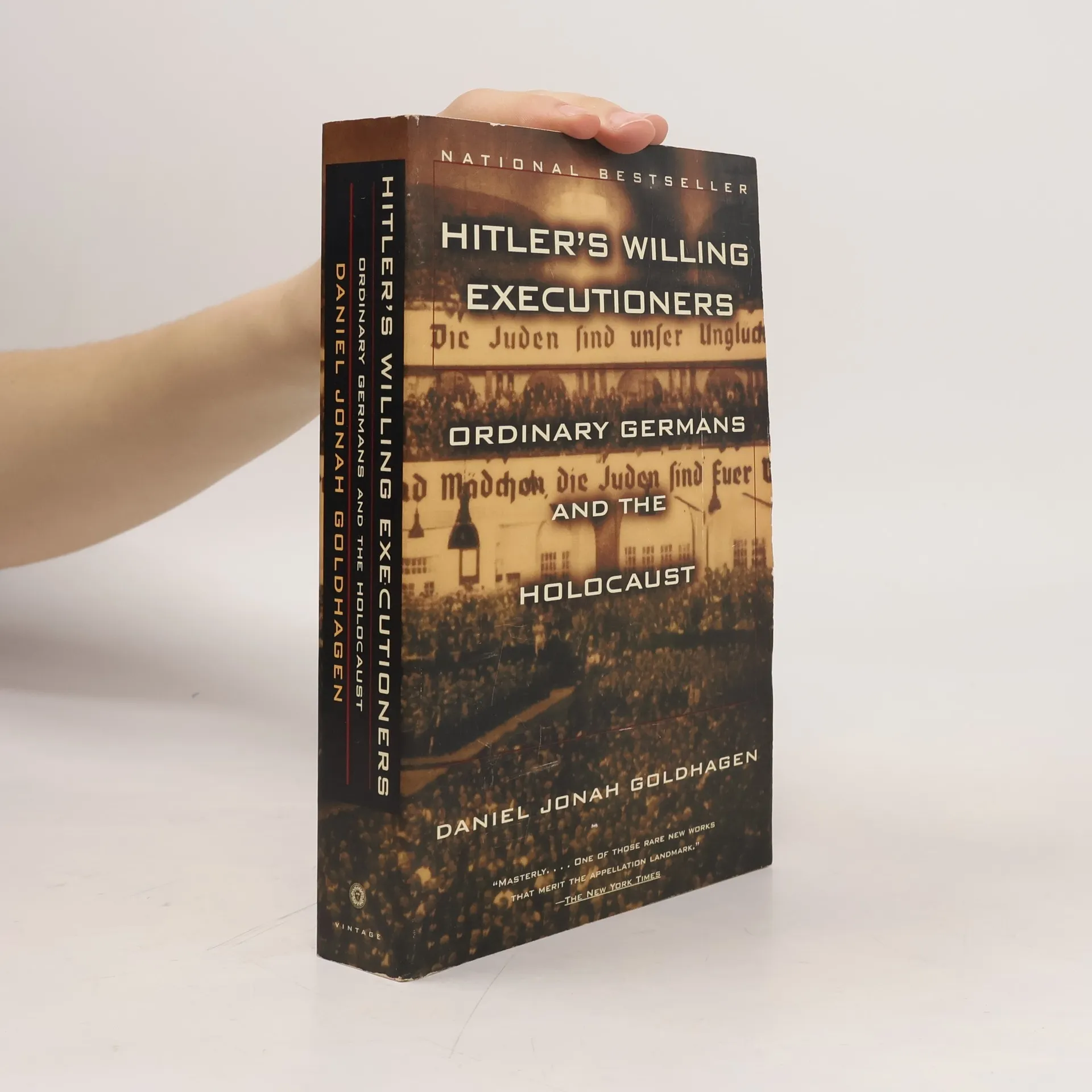
    Hitler's willing executioners
    A Moral Reckoning
    • A Moral Reckoning

      • 384pages
      • 14 heures de lecture
      4,3(4)Évaluer

      In this book Daniel Jonah Goldhagen cuts through the historical and moral fog to lay out the full extent of the Catholic Church's involvement in the Holocaust, transforming a narrow discussion fixated on Pope Pius XII into the long-overdue investigation of the Church throughout Europe. He shows that the Church's and the Pope's complicity in the persecution of the Jews was much deeper than has been understood. The Church's leaders were fully aware of the persecutions and they did not speak out and urge resistance. Instead, they supported many aspects of the persecution. Some clergy even took part in the mass murder. But Goldhagen goes further and develops a new, precise way for assessing the Church and its clergy's culpability. He then shows that the Church has, even according to its own doctrine, an unacknowledged duty of repair. He explores this duty, analyzes the Church's tactics of evasion, and delineates all that the Church must do to repair the harm it inflicted on Jews and to heal itself

      A Moral Reckoning
    • Hitler's willing executioners

      Ordinary Germans and the Holocaust

      • 622pages
      • 22 heures de lecture
      3,7(4403)Évaluer

      Drawing principally on materials unexplored or neglected by previous scholars, Daniel Goldhagen marshals new primary evidence to show that ordinary Germans were involved in the atrocities against the Jews during the Nazi regime.

      Hitler's willing executioners
    • Worse Than War

      Genocide, Eliminationism, and the Ongoing Assault on Humanity

      • 672pages
      • 24 heures de lecture

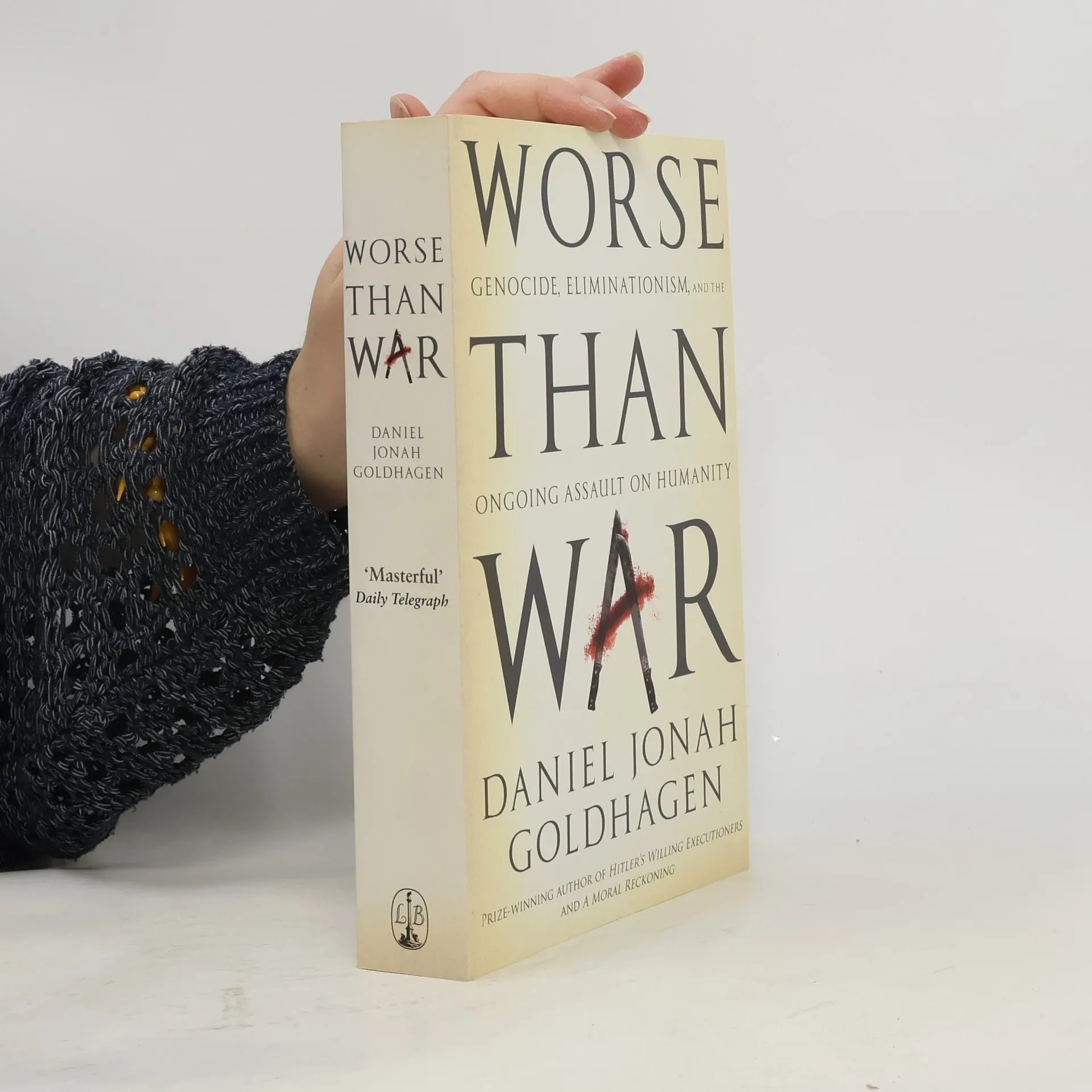
      A "New York Times" Notable Book of the Year: "A magisterial and profoundly disturbing 'natural history' of mass murder." Daniel Jonah Goldhagen's books are events. They stir passionate public debate among political and civic leaders, scholars, and the general public because they compel people to rethink the most powerful conventional wisdoms and stubborn moral problems of the day. "Worse Than War" gets to the heart of the phenomenon, genocide, that has caused more deaths in the modern world than military conflict. In doing so, it challenges fundamental things we thought we knew about human beings, society, and politics. Drawing on extensive field work and research from around the world, Goldhagen explores the anatomy of genocide--explaining why genocides begin, are sustained, and end; why societies support them, why they happen so frequently and how the international community should and can successfully stop them. As a great book should, "Worse than War" seeks to change the way we think and to offer new possibilities for a better world. It tells us how we might at last begin to eradicate this greatest scourge of humankind.
      Worse Than War
    • Der amerikanische Politologe und Bestseller-Autor Daniel Jonah Goldhagen untersucht in seinem neuesten Werk, wie Völkermord entsteht und sich von anderen gewaltsamen Konflikten unterscheidet. Dieses Buch wird eine internationale Debatte anstoßen und unser Verständnis genozidaler Konflikte nachhaltig verändern. Die Weltöffentlichkeit steht oft fassungslos vor brutalen Gewaltausbrüchen, sei es in abgelegenen Regionen Afrikas oder Fernost, oder mitten in Europa. Politische und mediale Aufmerksamkeit erfolgt meist erst, wenn das Blutvergießen bereits begonnen hat. Goldhagen analysiert gezielt Ursprung, Verlauf und Folgen solcher Konflikte: Was treibt Menschen dazu, ihre Nachbarn zu töten? Wie beginnen und enden diese Morde? Und warum sehen wir oft tatenlos zu, während Völkermord geschieht? Sein Buch bietet neue Einblicke in die Anatomie des Völkermords und zeigt Wege auf, wie die Welt diesem Verbrechen, das schlimmer ist als Krieg, begegnen kann. Mit einem neuen Verständnis für die Ursprünge und Entwicklungsstufen von Genoziden präsentiert Goldhagen Möglichkeiten, wie solche Konflikte frühzeitig erkannt, verhindert oder zumindest eingedämmt werden können.

      Schlimmer als Krieg
    • Daniel J. Goldhagens Buch "Hitlers willige Vollstrecker" hat eine hitzige Debatte ausgelöst. Den Autor erreichten mittlerweile Hunderte von Leserzuschriften. Für dieses Buch wurde eine Auswahl zusammengestellt - die Stimmen reichen von zustimmend und abwägend bis zornig und entrüstet.

      Briefe an Goldhagen
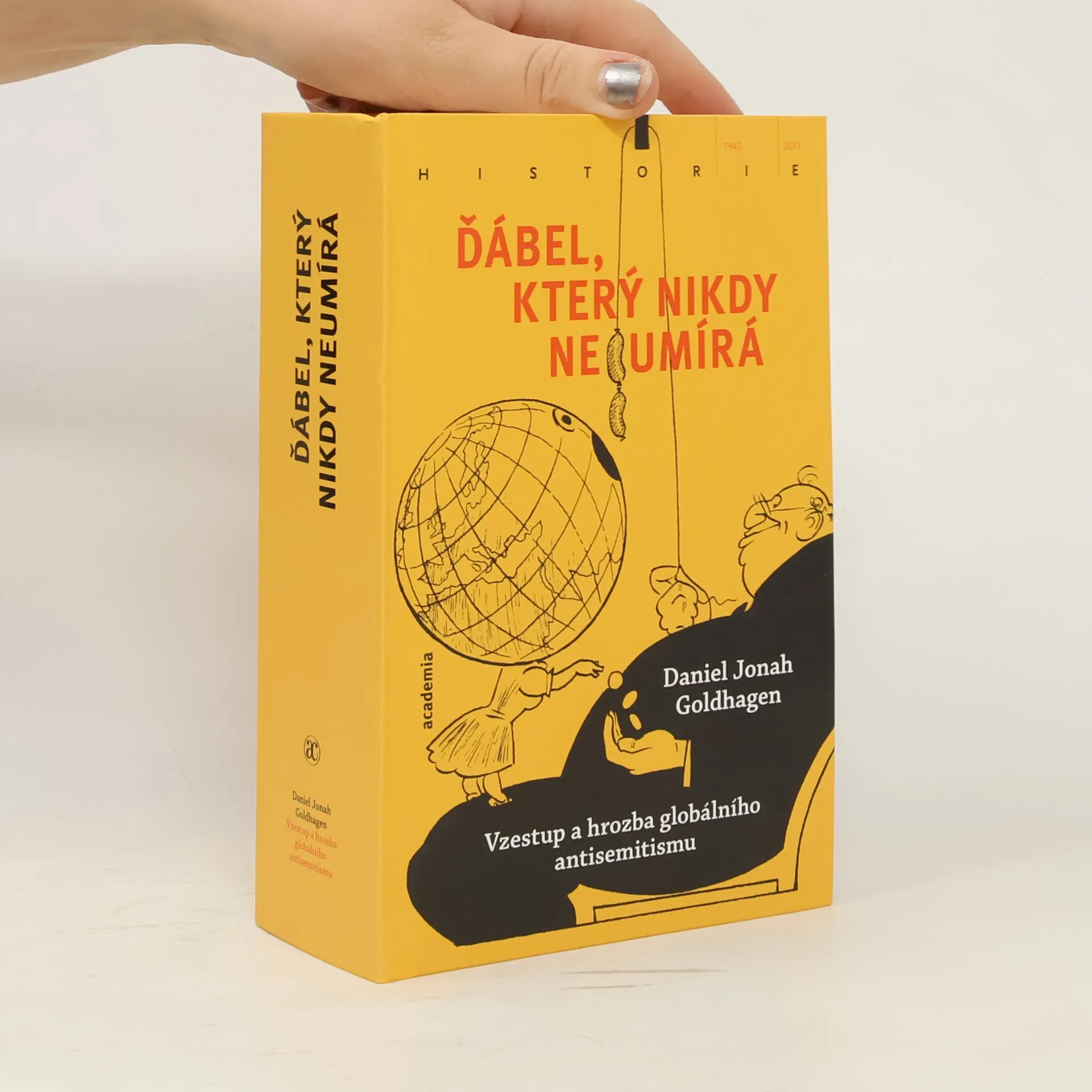
    • Autor provokativně zkoumá, čím přesně je antisemitismus v jedenadvacátém století, a nastoluje znepokojivé nové paradigma jeho chápání. Dále se zabývá rozměry této hrozby, vysvětluje, jak nové technologie přiživily oheň, jenž před nástupem nového tisíciletí jen doutnal. Výsledky jsou ničivé. Goldhagen rozebírá, jak se antisemitismus mezinárodně prosadil v institucích, jako je OSN a přední nevládní organizace, i v široké koalici nepřátelských států, jak antisemitismus po celém světě podněcují média i akademická sféra. Autor předkládá těm, jimž leží na srdci spravedlnost a morálka, plán tohoto nejznepokojivějšího předsudku.

      Ďábel, který nikdy neumírá: Vzestup a hrozba globálního antisemitismu
    • Uważana przez jednych za najważniejszą pracę dotyczącą Holokaustu, a dyskredytowana przez innych, ta książka amerykańskiego badacza Daniela Jonaha Goldhagena (ur. 1959) podejmuje temat wcześniej pomijany przez historyków. Goldhagen zadaje proste pytanie, kim konkretnie byli Niemcy, których rękami dokonał się Holokaust. Odpowiedź opiera na przebadanym przez siebie ogromie dokumentacji w postaci powojennych zeznań sprawców. Goldhagen, urodzony w Bostonie syn ocaleńca z getta w Czerniowcach, śladem ojca harvardzki akademik, szuka odpowiedzi, rozważając szczegółowo przykłady z trzech głównych sfer działania ludobójców. Bada mianowicie funkcjonariuszy batalionów policyjnych mordujących Żydów podczas wojny w Polsce i w ZSRR, pracowników obozów zagłady i strażników prowadzących tak zwane marsze śmierci w 1945 roku. Dochodzi do wniosku, że eksterminacji dokonywali „zwykli Niemcy”, dla których była ona czymś naturalnym z powodu głęboko zakorzenionych antysemickich przekonań. Zdaniem Goldhagena antysemityzm, powszechny wśród Niemców co najmniej od XIX wieku, był przyczyną ich jawnej lub skrytej akceptacji nazistowskiego programu „ostatecznego rozwiązania”, czyli eksterminacji europejskich Żydów. Autor dowodzi na podstawie zgromadzonych danych (drastycznych, niekiedy wprost szokujących), że wbrew rozpowszechnionym poglądom ludobójcy działali dobrowolnie i „bezinteresownie”, prześladując i mordując Żydów dosłownie do ostatnich dni wojny.

      Gorliwi kaci Hitlera