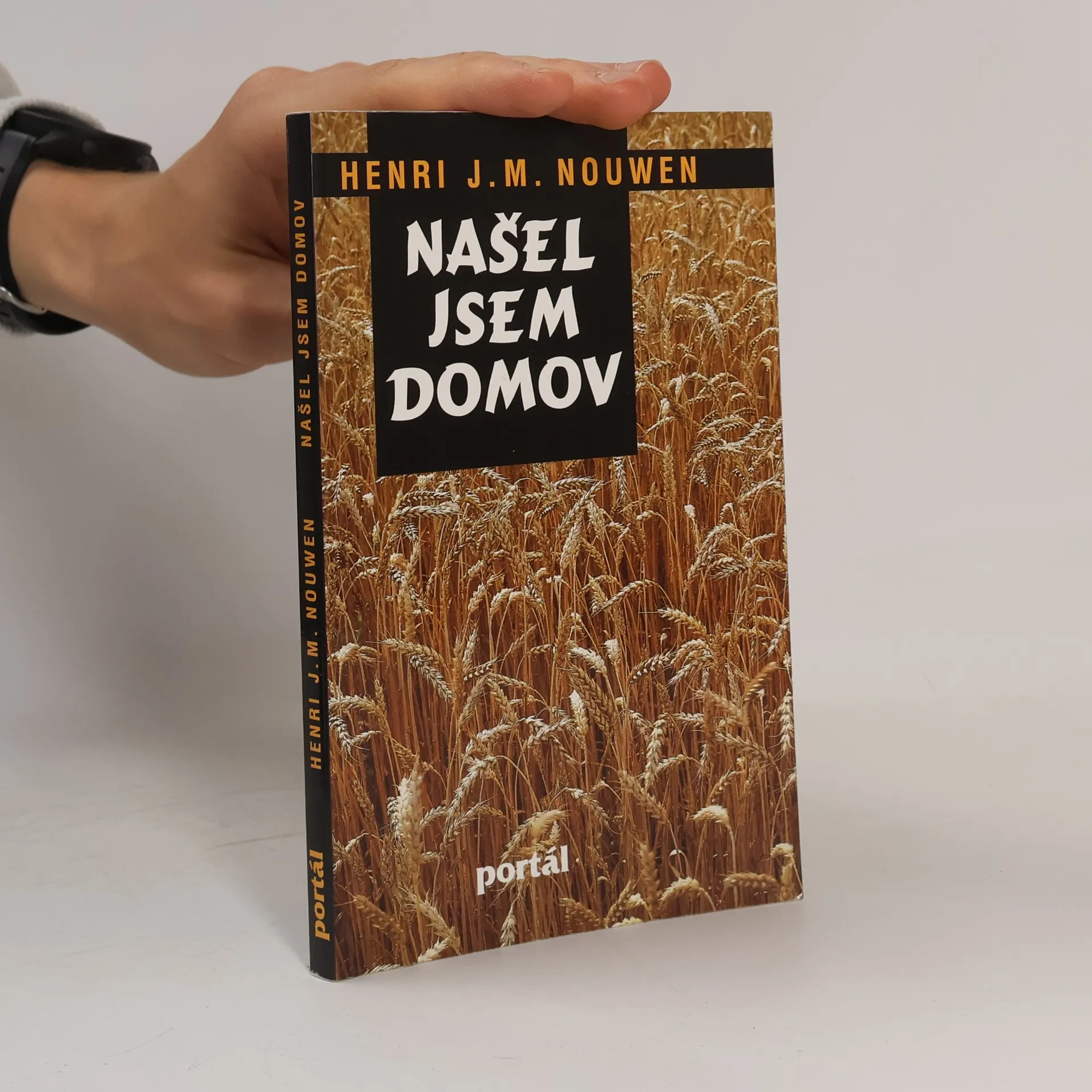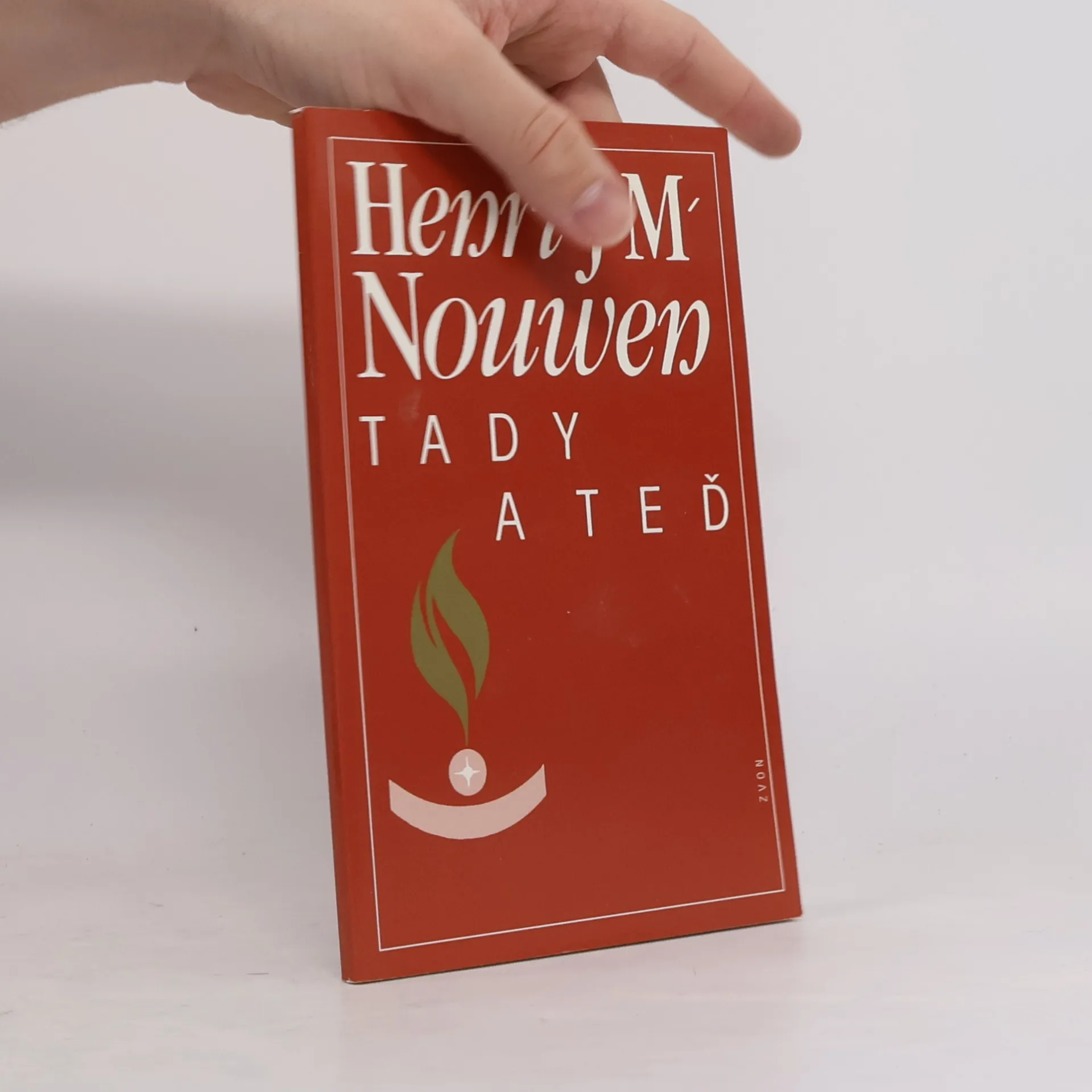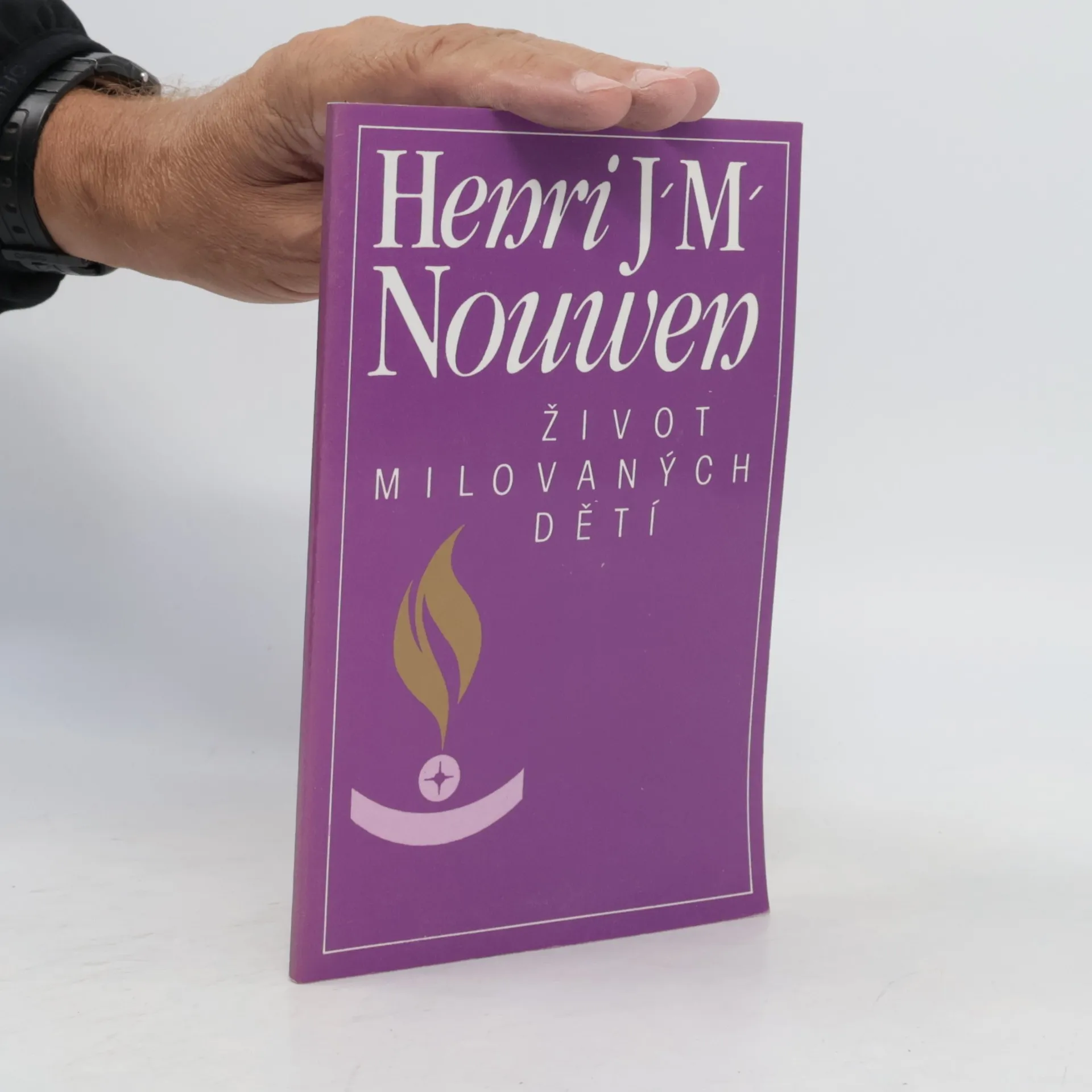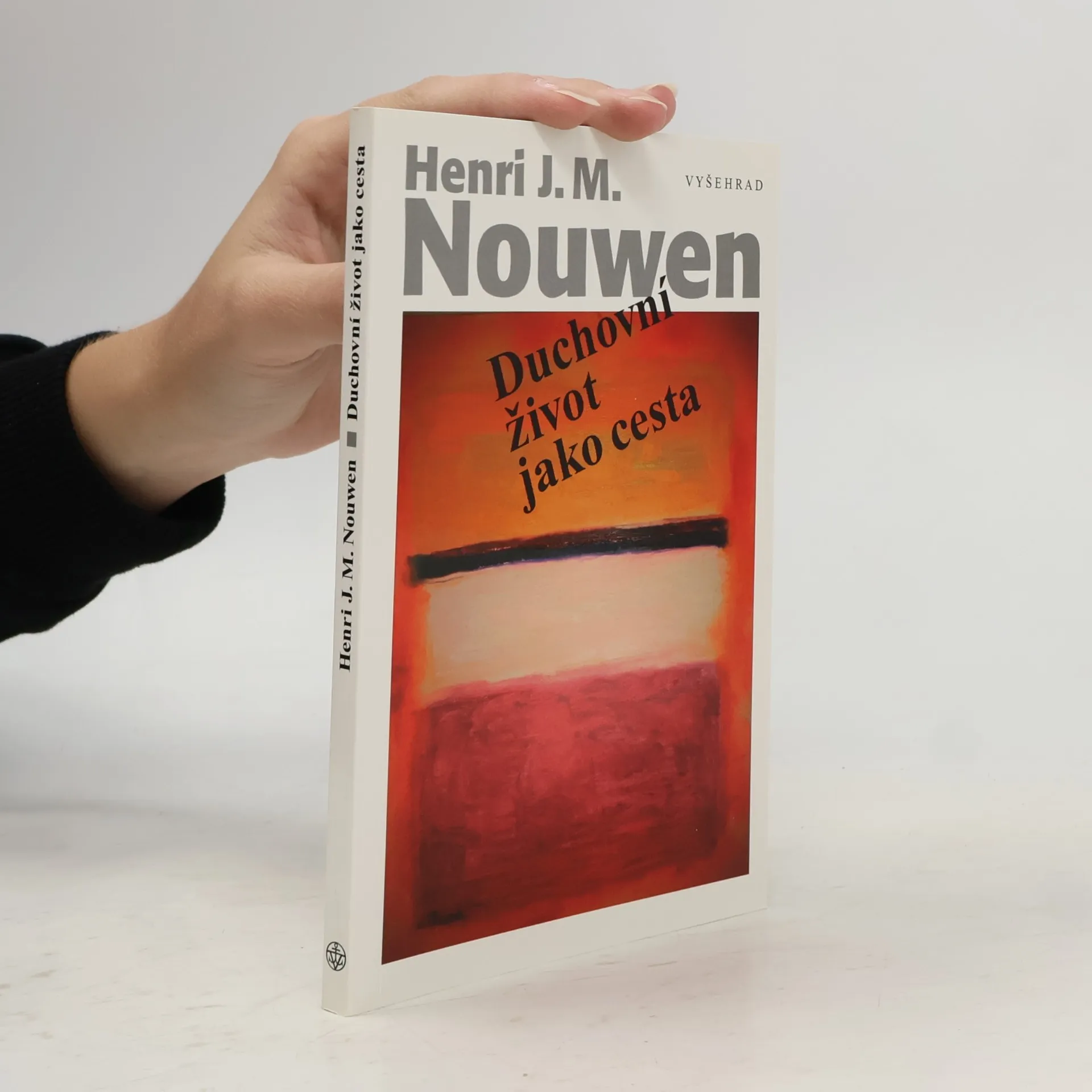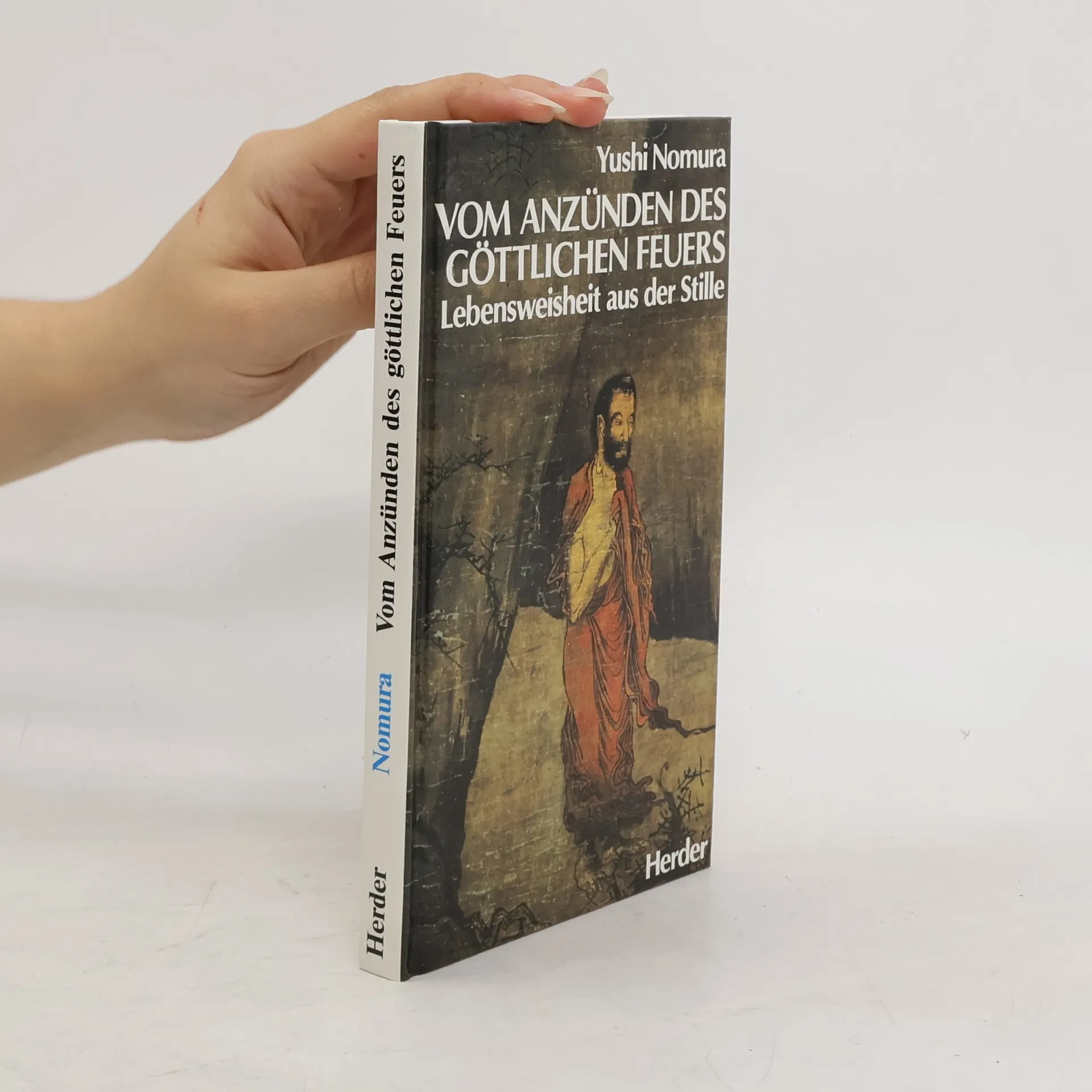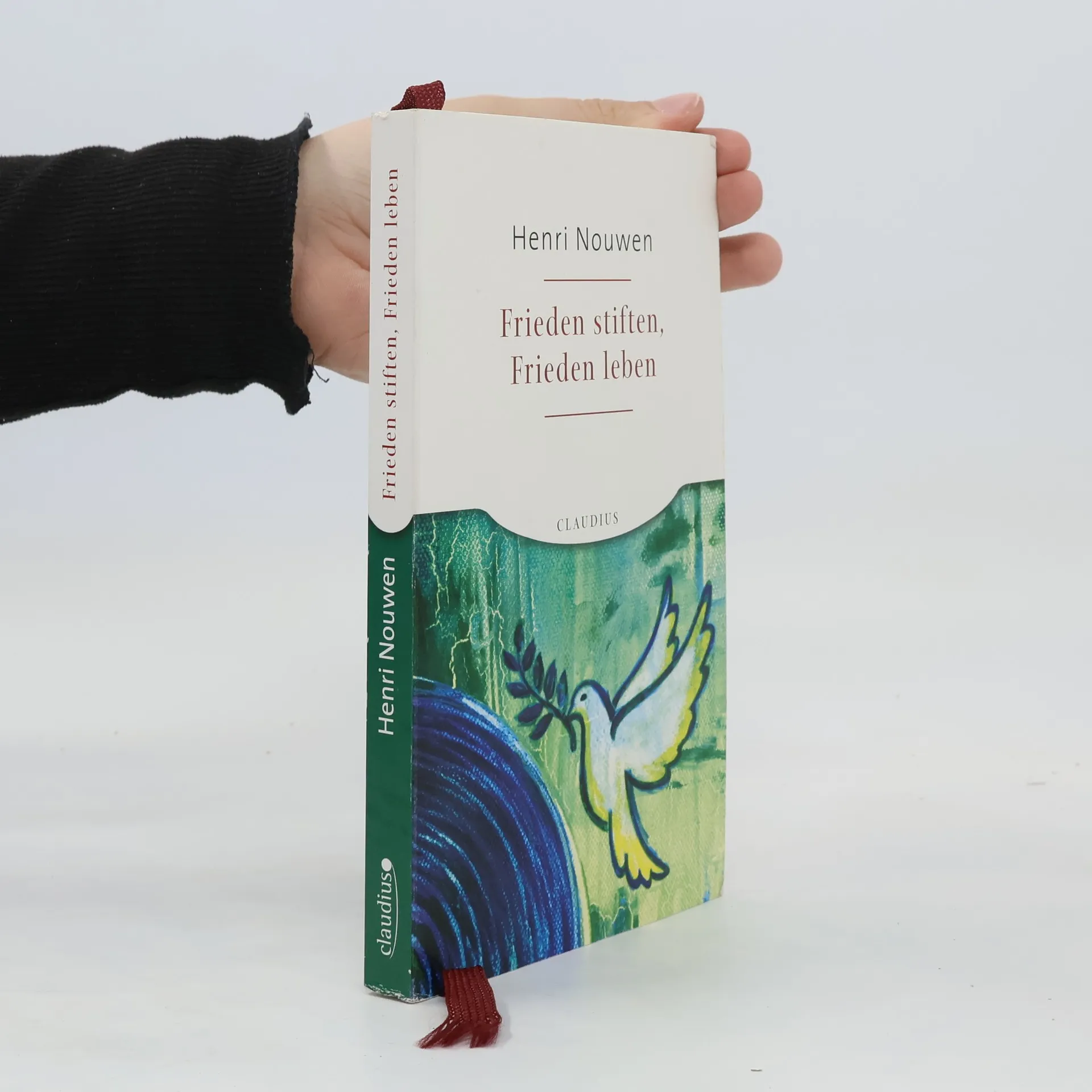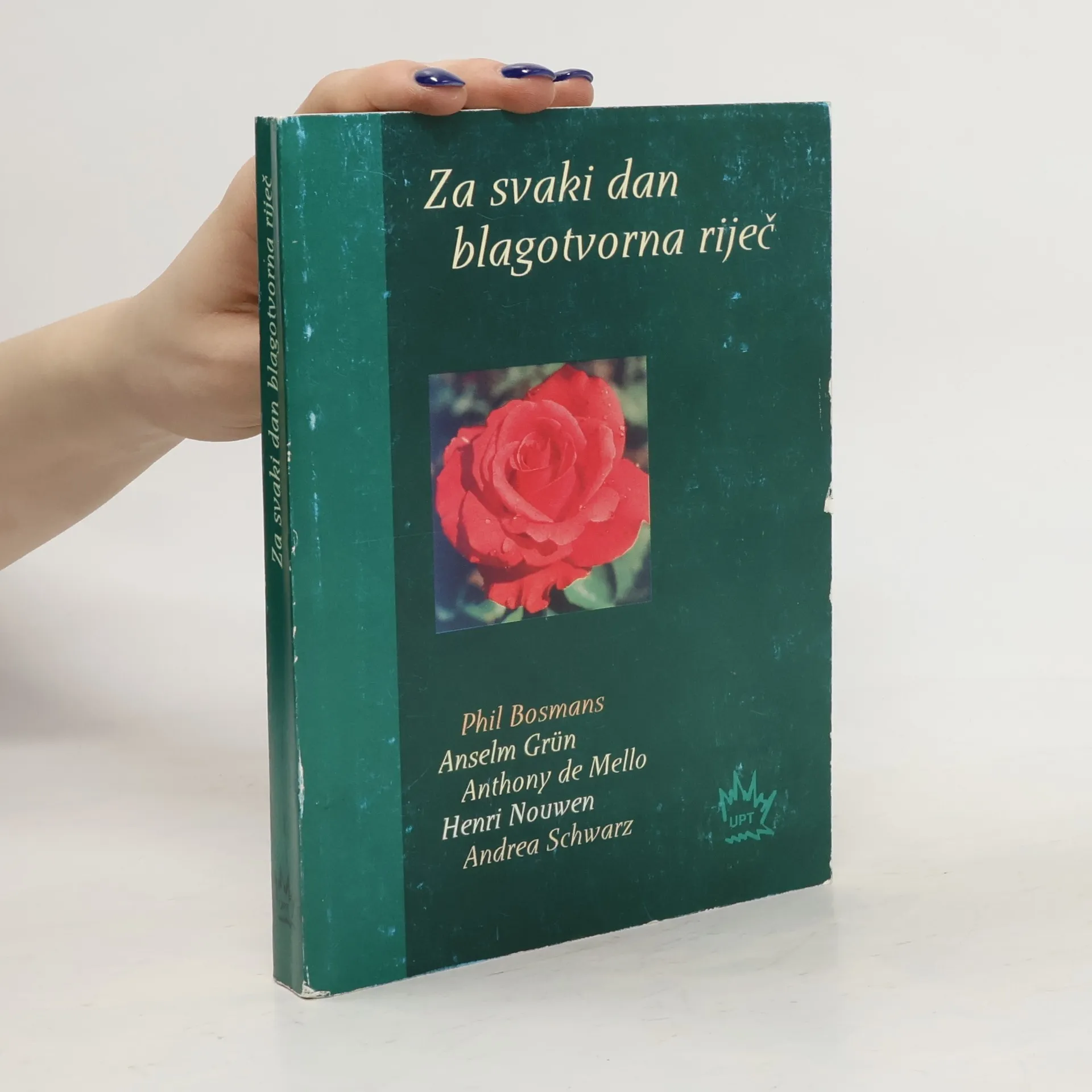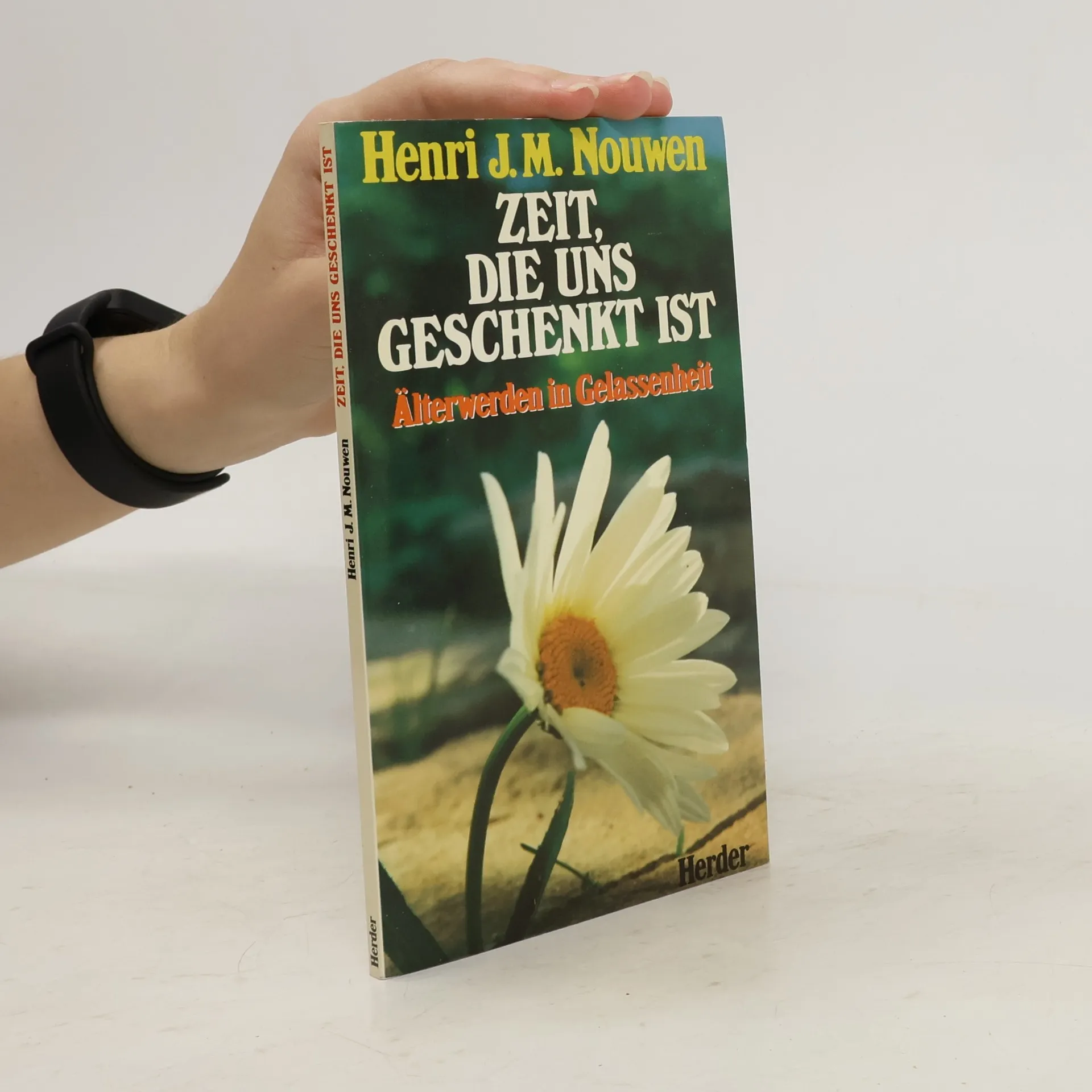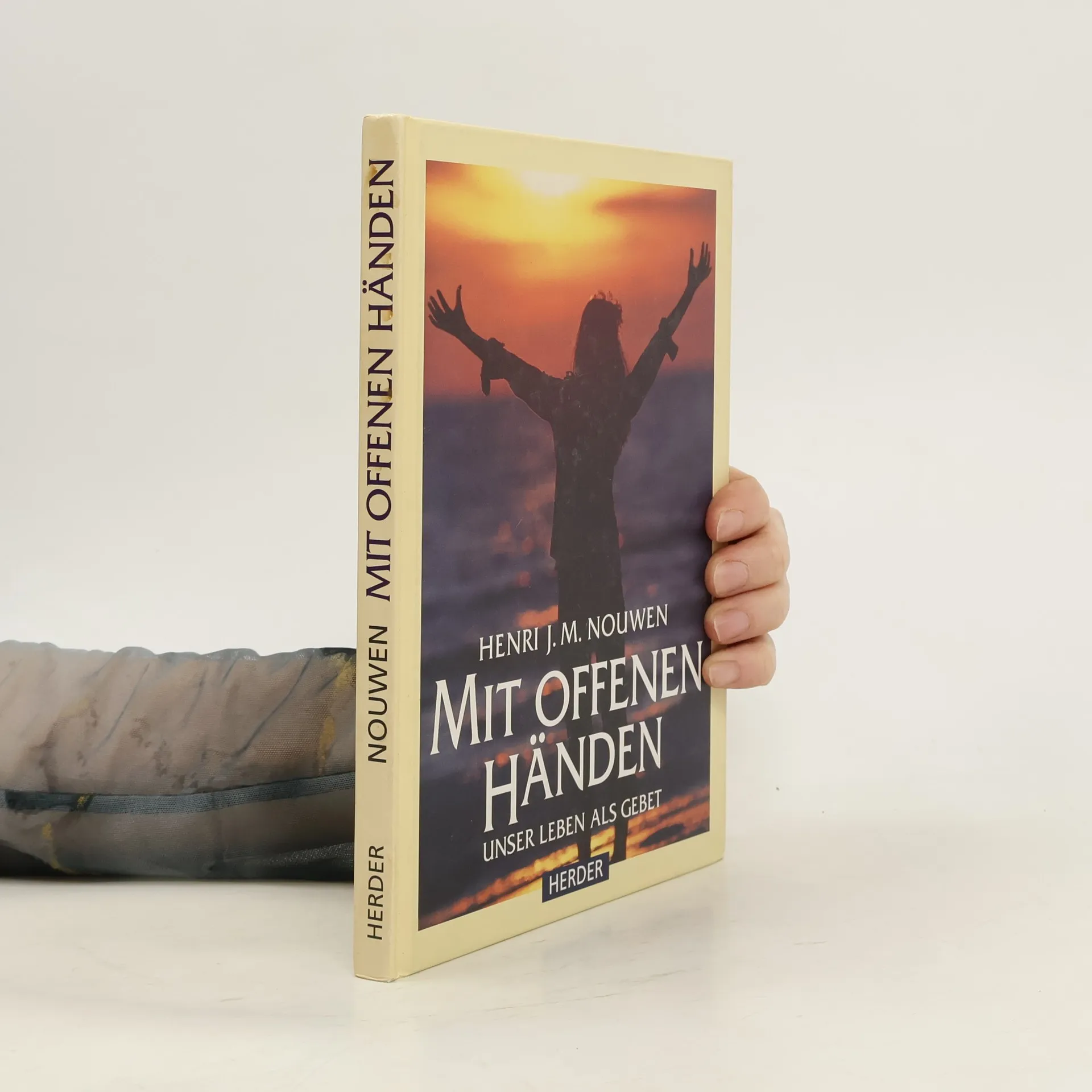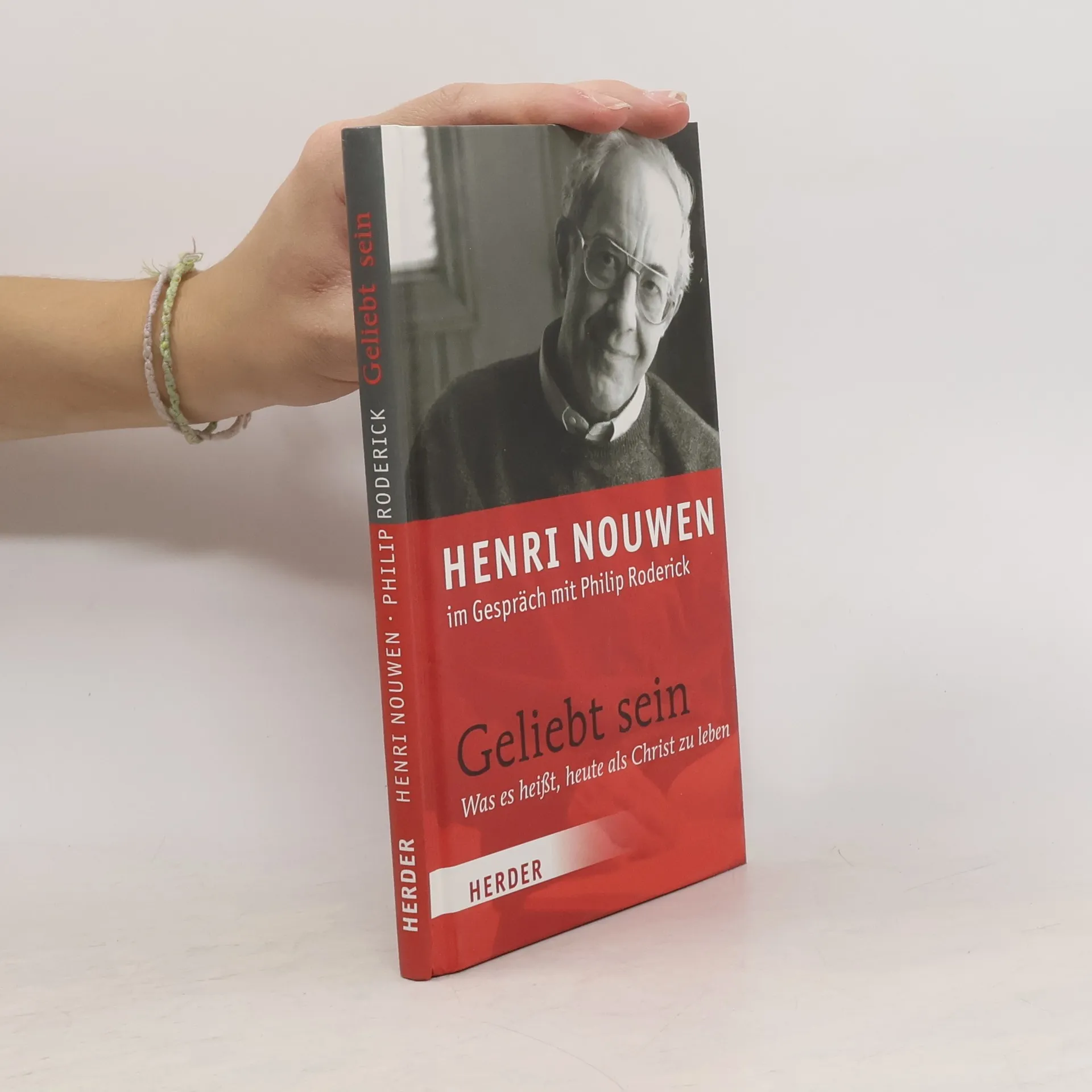
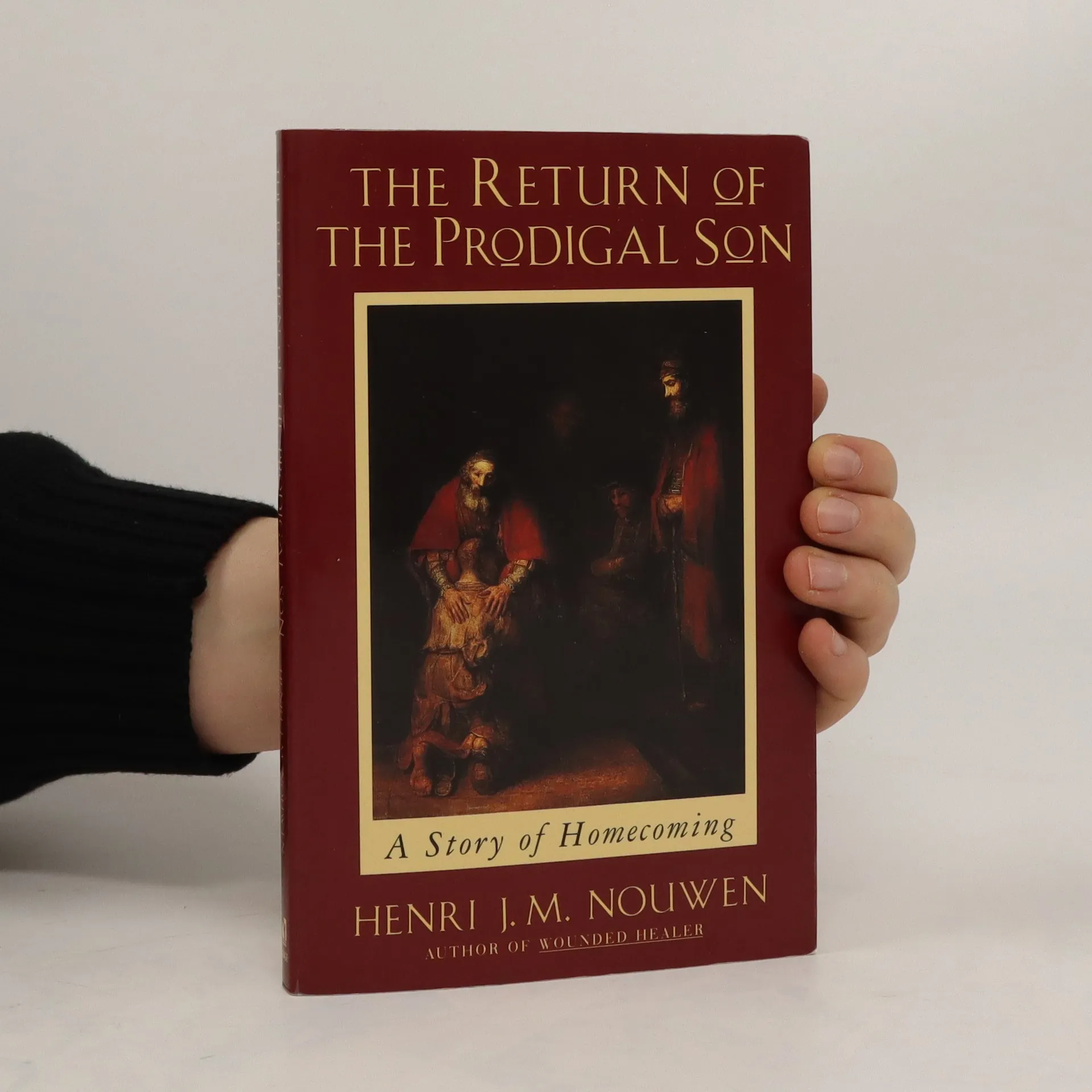
Henri Nouwen était un prêtre catholique et un auteur dont les écrits sur la vie spirituelle résonnent auprès de lecteurs de diverses confessions. Avec une profonde compréhension de la psyché humaine, il a exploré des thèmes tels que la vulnérabilité, le leadership et la recherche du divin dans le monde séculier. Son style, souvent issu de la réflexion personnelle et de la tradition spirituelle, offre réconfort et conseils aux lecteurs. L'héritage de Nouwen réside dans sa capacité à rendre les concepts spirituels complexes accessibles et attrayants.
Seven million copies of his books in print! This daily devotional from the
bestselling author of such spiritual classics as The Return of the Prodigal
Son and The Wounded Healer offers deep spiritual insight into human
experience, intimacy, brokenness and mercy.
Caregiving is often reduced to a list of tasks that another individual cannot
do independently. This six-week devotional inspired by the words of Henri
Nouwen intertwines Scripture and prayer to summon us away from our lists for a
few moments each day, drawing us to a fresh framework for the experience of
giving care.
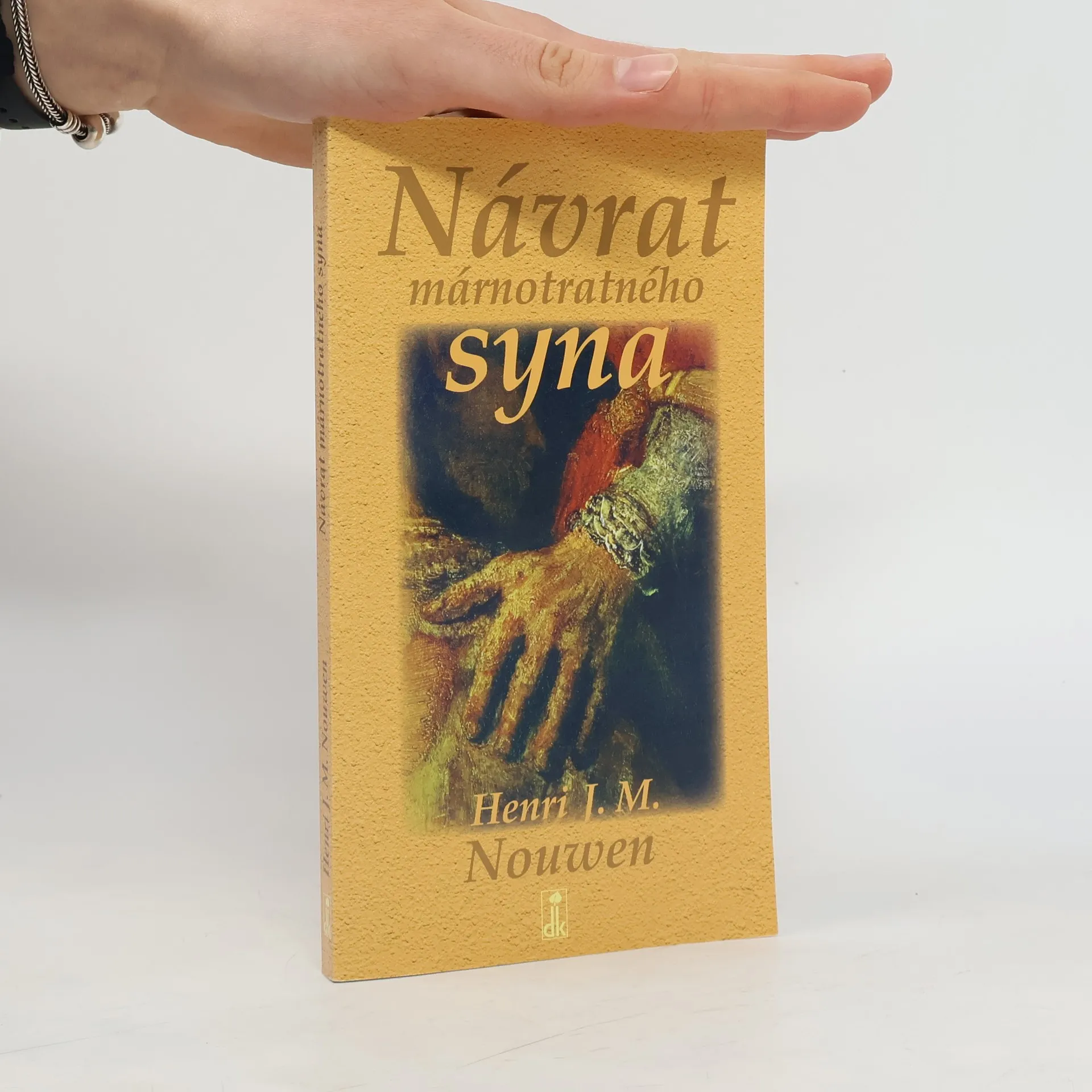
With over a million copies sold, this classic work is essential reading for all who ask, “Where has my struggle led me?” A chance encounter with a reproduction of Rembrandt’s The Return of the Prodigal Son catapulted Henri Nouwen on an unforgettable spiritual adventure. Here he shares the deeply personal and resonant meditation that led him to discover the place within where God has chosen to dwell. As Nouwen reflects on Rembrandt’s painting in light of his own life journey, he evokes a powerful drama of the classic parable in a rich, captivating way that is sure to reverberate in the hearts of readers. Nouwen probes the several movements of the parable: the younger son’s return, the father’s restoration of sonship, the elder son’s resentfulness, and the father’s compassion. The themes of homecoming, affirmation, and reconciliation will be newly discovered by all who have known loneliness, dejection, jealousy, or anger. The challenge to love as God loves, and to be loved as God’s beloved, will be seen as the ultimate revelation of the parable known to Christians throughout time, and is here represented with a vigor and power fresh for our times.
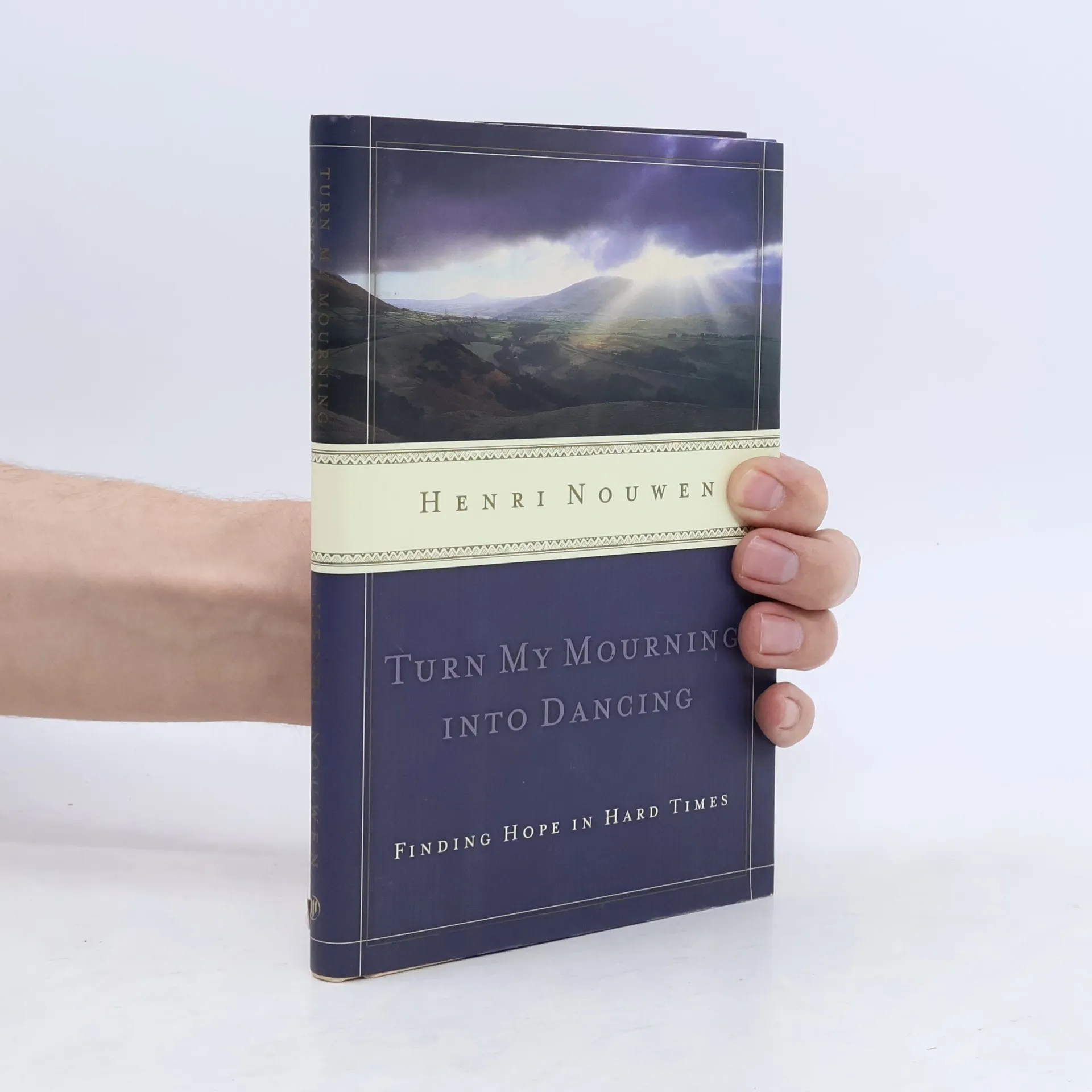
Deeply comforting and profoundly realistic, Turn My Mourning into Dancing
focuses on how you can survive hard times but still live fully in the midst of
them and beyond. Nouwen points readers towards a way of life that is grounded
in God's constancy and rooted in eternal hope.
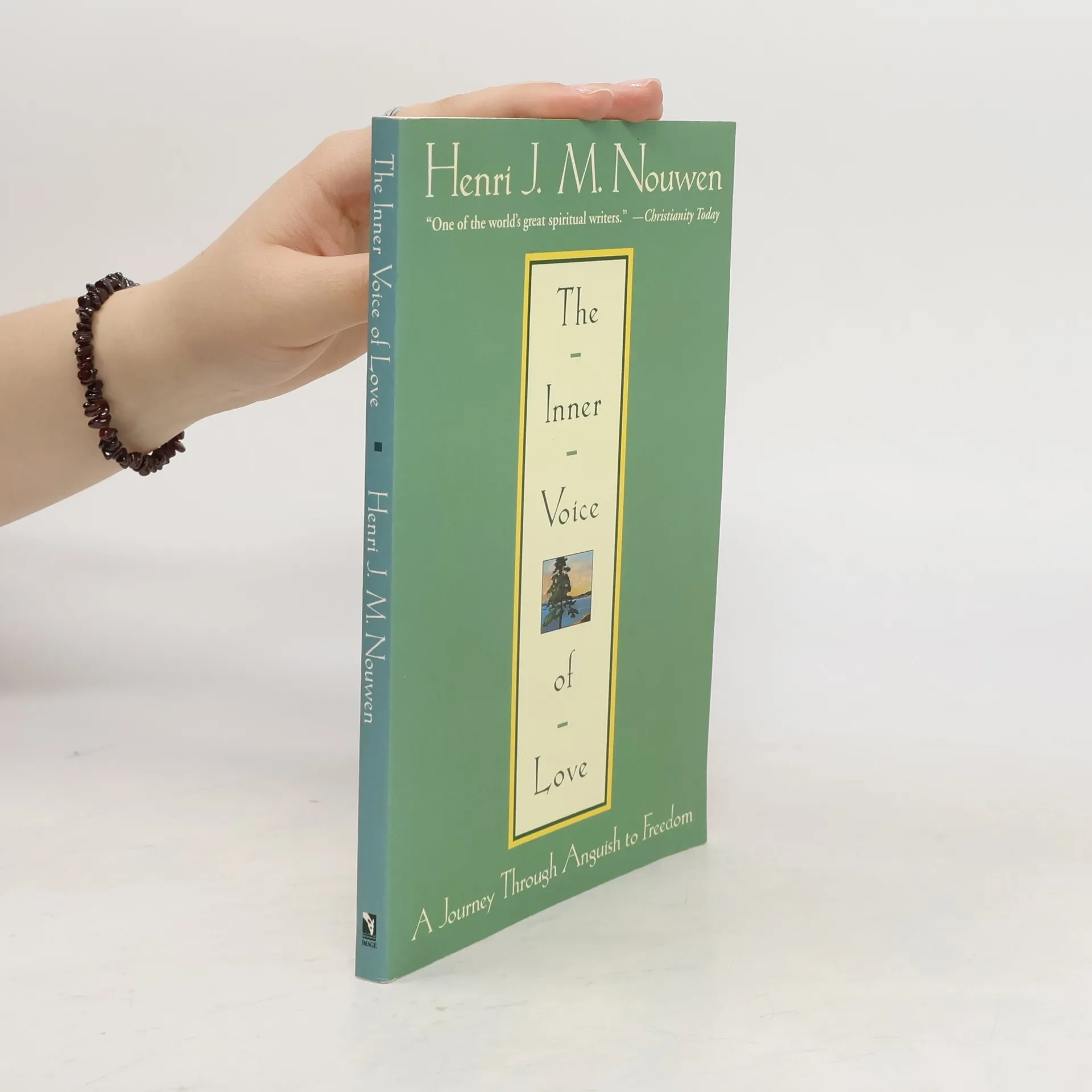
This is Henri Nouwen's "secret journal." It was written during the most difficult period of his life, when he suddenly lost his self-esteem, his energy to live and work, his sense of being loved, even his hope in God. Although he experienced excruciating anguish and despair, he was still able to keep a journal in which he wrote a spiritual imperative to himself each day that emerged from his conversations with friends and supporters.For more than eight years, Henri Nouwen felt that what he wrote was too raw and private to share with others. Instead, he published The Return of the Prodigal Son, in which he expressed some of the insights gained during his mental and spiritual crisis. But then friends asked him, "Why keep your anguish hidden from the many people who have been nurtured by your writing? Wouldn't it be of consolation for many to know about the fierce inner battle that lies underneath so many of your spiritual insights?"For the countless men and women who have to live through the pain of broken relationships, or who suffer from the loss of a loved one, this book about the inner voice of love offers new courage, new hope, even new life.
Not a faint memory, but happening right here and now, spiritual living takes place in the present; the Spirit meets us in the ordinary. These inspirational reflections by Henri Nouwen succeed in convincing us that God’s presence is reliable.
Drawing on the celebrated spiritual writer's uncollected essays and transcripts of talks previously unavailable, Communityoffers readers the book Henri Nouwen (1932-1996) never his priceless insights on what Christian community means, and how to achieve it.
The wisdom of Henri J.M. Nouwen: SOLITUDE "In solitude we become compassionate people, deeply aware of our solidarity in brokenness with all of humanity and ready to reach out to anyone in need . . ." SILENCE "Silence first makes us pilgrims. Secondly, silence guards the fire within. Thirdly, silence teaches us how to speak . . ." PRAYER "Prayer, when we are faithful to it and practice it at regular times, slowly leads us to an experience of rest and opens us to God's active presence . . ."
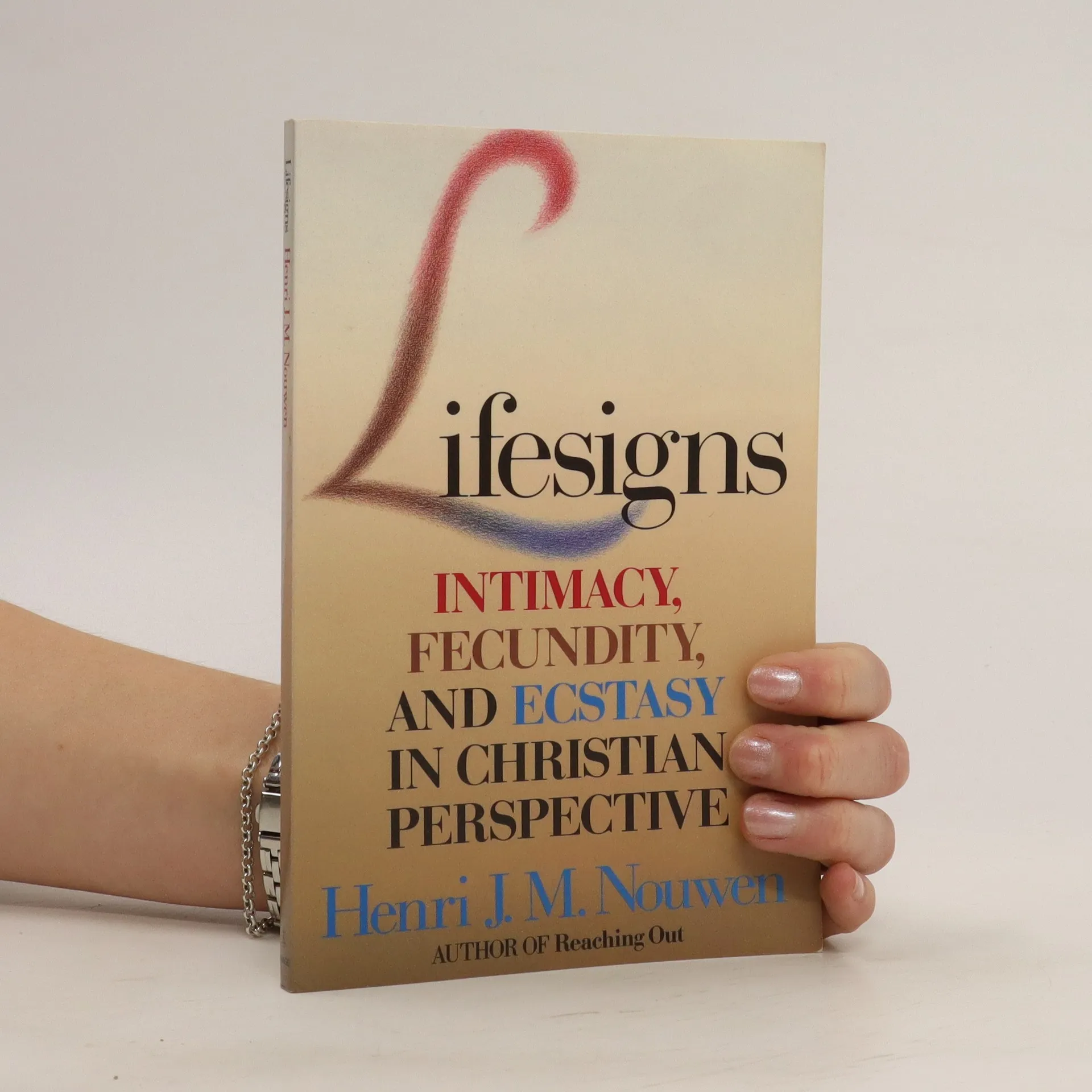
"You cannot read Lifesigns and not be moved... This book will undoubtedly find its place among the classics of twentieth-century literature."--Grand Rapids PressThe inspirational writings of Henri Nouwen have touched millions of readers all over the world. Much beloved as a lecturer, spiritual guide, and especially as an author, he communicated a profound message of hope that finds great resonance in today's world.In his now classic work Lifesigns , he explores what he saw as three of the most vital aspects of his ministry. The first of these is the Gospel invitation to intimacy, which Nouwen describes as communion with God and relationship with others. The second is the call to fecundity, exhorting us to be open to a fruitful life of change and growth. And the third, the experience of ecstasy, extends the Gospel promise "that your joy may be full." Inspired by L'Arche, the worldwide network of communities where handicapped people and their assistants try to live together in the spirit of the Scriptures, Nouwen shows how these three elements offer the essential key to a life free from the domination of fear and filled instead with hope and love.
Henri Nouwen understood the spiritual life as a journey of faith and transformation, marked by distinct movements and corresponding disciplines, and deepened by accountability, community, and ministry. This book provides readers with an experience in spiritual direction with Nouwen, well-known author, priest, and guide. Readings, stories, questions for personal reflection and guided journal inquiry as articulated by Nouwen in his courses on spiritual direction/formation and in his personal and group spiritual direction sessions are gathered to provide an unparalleled resource on a thoughtful spiritual life. Following a familiar structure which reappeared in his many lectures and books, Nouwen suggests that four simple changes will reorient our lives, opening the door to true spiritual transformation.
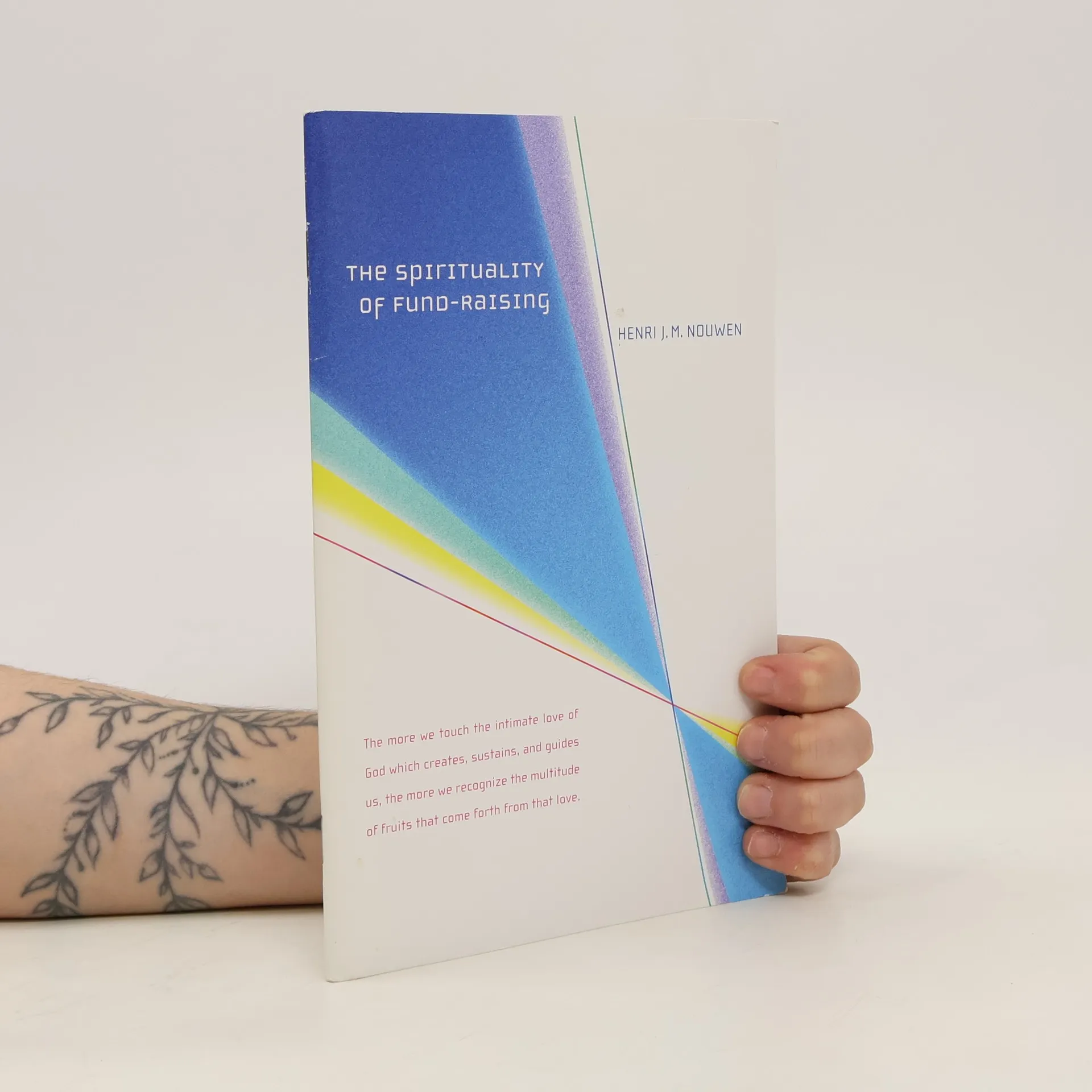
Have you ever raised funds for your church, another organization, or a mission trip? Maybe you felt uncomfortable about asking people to donate money. It's time to change the way you view this important task.
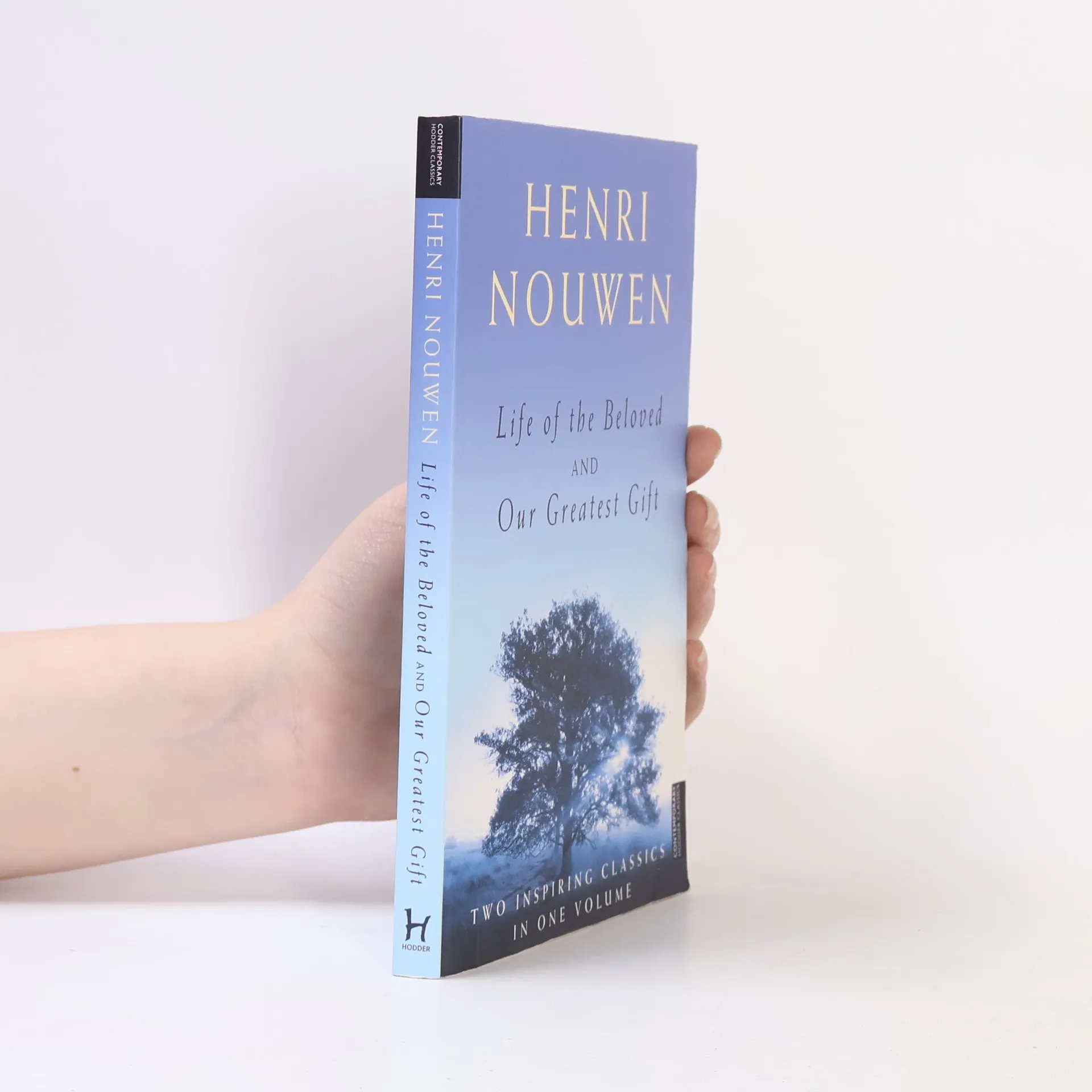
When Nouwen was asked by a secular Jewish friend to explain his faith in
simple language, he responded with Life of the Beloved, which shows that all
people, believers and nonbelievers, are beloved by God unconditionally.
The book offers profound insights and life lessons from a renowned spiritual master, emphasizing timeless wisdom relevant to contemporary living. It aims to guide readers through personal growth and spiritual development, drawing on the teachings and experiences of its author. Through reflective narratives, it encourages a deeper understanding of life's challenges and the pursuit of inner peace.
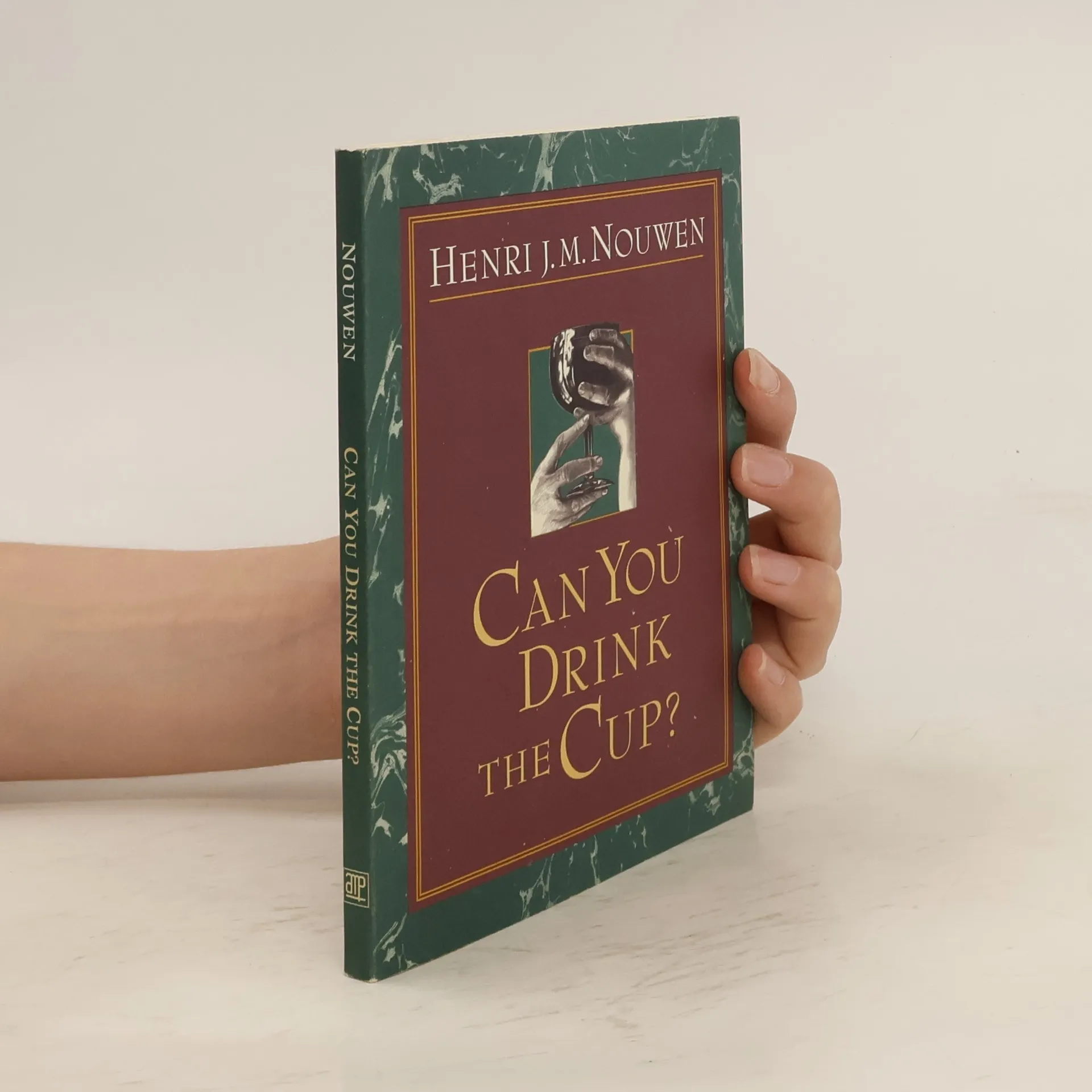
Using the cup as a metaphor, Nouwen reflects on three images--Holding, Lifting, and Drinking--to articulate basics of the spiritual life. Nouwen draws stories from his own life and ministry to illustrate his main themes
An Invitation to the Christian Spiritual Life, new trade-size
208pages
8 heures de lecture
Few books in Westminster John Knox's publishing history have been so embraced and so loved as Marjorie Thompson's Soul Feast . First released in 1995, this spiritual classic continues to be a best-seller, as thousands each year accept her invitation to the Christian spiritual life. Offering a framework for understanding the spiritual disciplines and instruction for developing and nurturing those practices, Soul Feast continues to be a favorite for individual reflection and group study. Now engagingly redesigned to appeal to contemporary spiritual-seekers and repackaged for easier use in study and reflection, Soul Feast is a must-have.
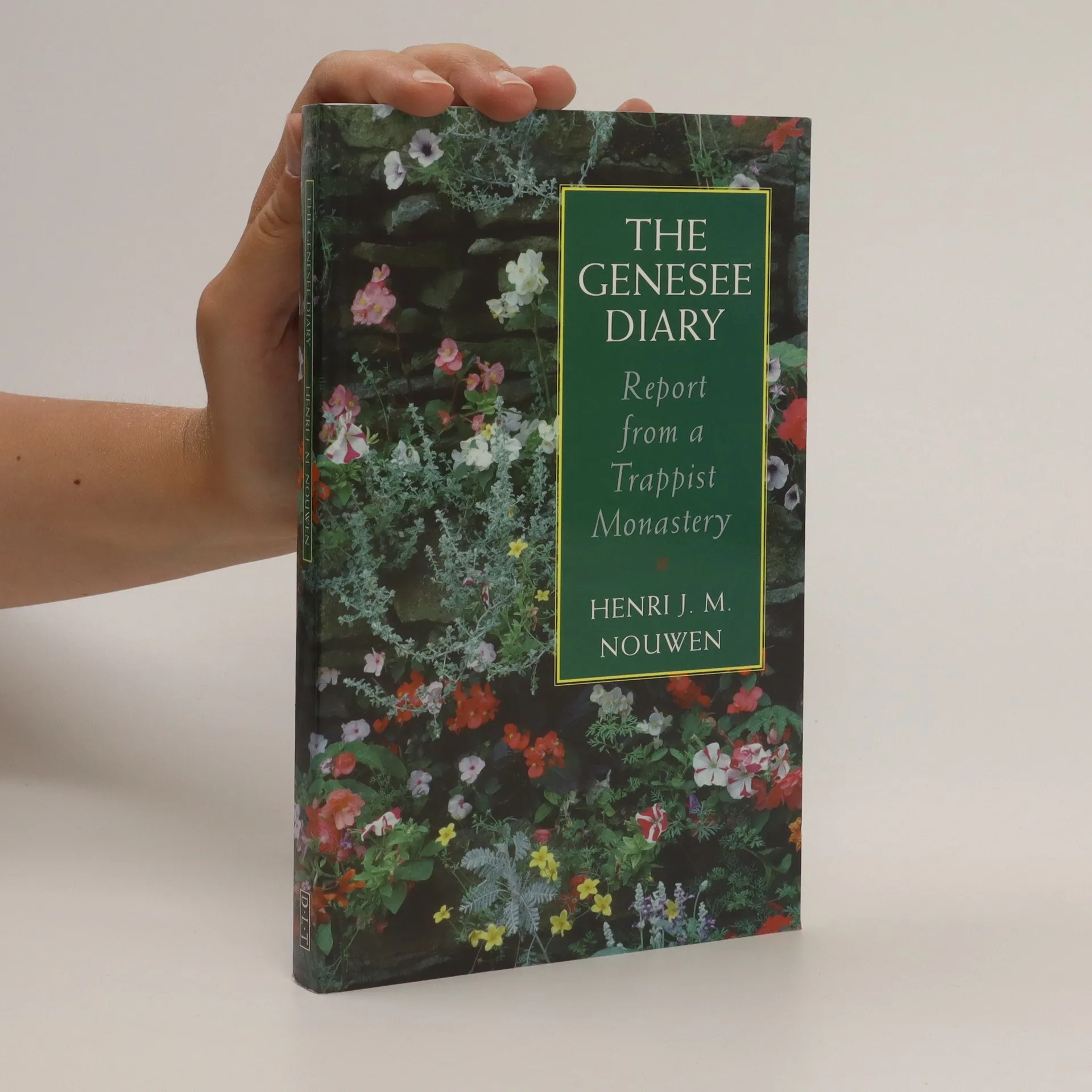
'Just as a whole world of beauty can be discovered in one flower, so the great grace of God can be tasted in one small moment.'This observation is central to the probing spiritual journal of Henri Nouwen, written during his seven-month stay in a Trappist monastery. During this period he had a unique opportunity to explore crucial issues of the spiritual life and discover ‘a quiet stream underneath the fluctuating affirmations and rejections of our little world’.Nouwen participated fully in the daily life and routine of the Abbey of the Genesee in upstate New York - in work and in prayer. He relates here the typical human experiences and questions that had somehow prevented Christ from being the centre of his existence. From the early weeks in the Abbey - dominated by conflicting desires and concerns - to the final days of Advent, by when he had found a new sense of calm expectation, Nouwen never loses his critical honesty. Insightful, compassionate, often humorous, always realistic, The Genesee Diary is both an inspiration and a challenge to those who are in search of themselves.
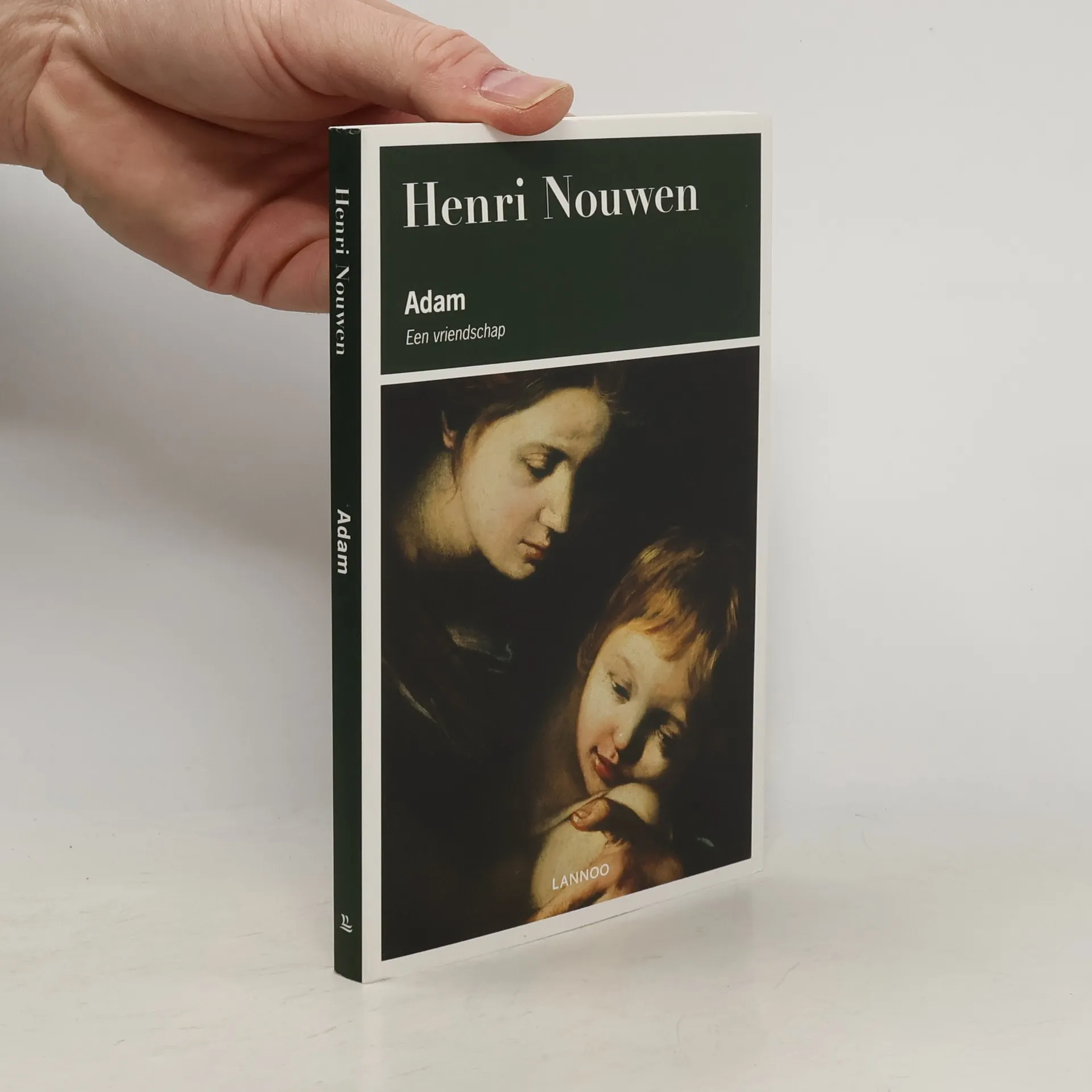
In the final year before his death in 1996, Henri Nouwen set out to write a book about the Creed. His plans changed when he learned of the death of his friend Adam, a severely handicapped young man from the L'Arche Daybreak Community outside Toronto where Nouwen lived. In the story of Adam he found a way to describe his own understanding of the Gospel message. Adam could not speak or even move without assistance. Gripped by frequent seizures, he spent his life in obscurity. And yet, for Nouwen, Adam became my friend, my teacher, and my guide. It was Adam who led Nouwen to a new understanding of his faith and what it means to be Beloved of God. Through the story of Adam Nouwen found a new way to tell God's story of Jesus and the story of all of us human creatures, broken and yet beloved, who live in a world charged with the mystery of God's overwhelming love. Completed only weeks before his own death, Adam: God's Beloved became Nouwens final, precious gift, a fitting summation of his own message and legacy.
Náhodné stretnutie autora s reprodukciou Rembrandtovho obrazu Návrat márnotratného syna znamenalo začiatok dlhej duchovnej cesty, na ktorú sa vydal Henri Nouwen. Táto kniha je hlbokou meditáciou, v ktorej sa autor spytuje, kam ho Boh volá, aby plnil jeho vôľu. Najskôr sa vciťuje do úlohy mladšieho syna, ktorý sa vracia po mnohých sklamaniach domov; do otcovského domu. Potom sa stavia na miesto staršieho syna, ktorý kriticky, s istou dávkou urazenej samoľúbosti, nezúčastnene hľadí na otcovu milosrdnú lásku. Napokon sa stotožňuje s postavou odpúšťajúceho, láskavého a šľachetného otca. V úvahe o Rembrandtovom zobrazení tohto dramatického-biblického podobenstva rezonujú témy návratu, odpustenia, zmierenia a lásky, ktoré v tejto knihe znovu objavuje každý, kto prežil osamelosť, odvrhnutie, žiarlivosť či hnev. Výzva milovať a odpúšťať, ale aj vedieť prijať lásku a odpustenie sú konečným cieľom, ku ktorému nám ukazuje cestu toto Kristovo podobenstvo.
Immer wieder erfahren wir in unserem Leben, dass sich Träume nicht realisieren lassen; viel mehr noch: dass sich das, was wir „sicher“ glaubten, plötzlich in Luft auflösen kann. Wir können schmerzhaften Erfahrungen, Krankheit, dem Verlust eines geliebten Menschen und auch dem eigenen Versagen nicht ausweichen. Doch es hängt viel davon ab, dass wir lernen, damit umzugehen – damit wir nicht verzweifeln und verbittern, sondern uns dem Leben stellen. Henri Nouwen weiß sich getragen von seinem Glauben. Er ist sich sicher, dass uns inmitten des Leids immer wieder Türen zu einem anderen Leben offen stehen. Er hat für sich selbst erfahren, dass der christliche Glaube, bildhaft gesprochen, neue „Flügel“ verleiht, sodass wir aufsteigen können aus den Tiefpunkten unseres Lebens. Dass wir frei werden für das, was noch vor uns liegt. Eberhard Münch spiegelt in seinen sensiblen, leuchtenden Bildern die Hoffnung auf ein anderes Leben.
Den Spuren des Lebens folgen, in den vielen Facetten hinter der Fassade des Alltäglichen. Das Besondere, das Geheimnisvolle und Göttliche in der Unscheinbarkeit des Augenblicks erleben, dazu regen diese Texte an. Jeder Tag - eine Quelle der Inspiration.
Úvahy o smrti a o službě umírajícím.
Kniha se zabývá smrtí z křesťanského úhlu pohledu. Vychází ze skutečnosti, že nevyhnutelnost smrti přináší velkou nejistotu, obavy a strach. Autor vede čtenáře přes jeho strach směrem k Bohu, který je zárukou, že ani těžká nemoc, ani velká ztráta, dokonce ani sama smrt není schopná připravit člověka o svobodu. Kniha může přinést užitek lidem, kteří pečují o těžce nemocné nebo doprovázejí umírající.
Autorův duchovní deník z ročního pobytu v komunitě Archa Jeana Vaniéra. Nouwen zde našel svůj domov a smysl svého poslání v péči o handicapované členy této komunity.
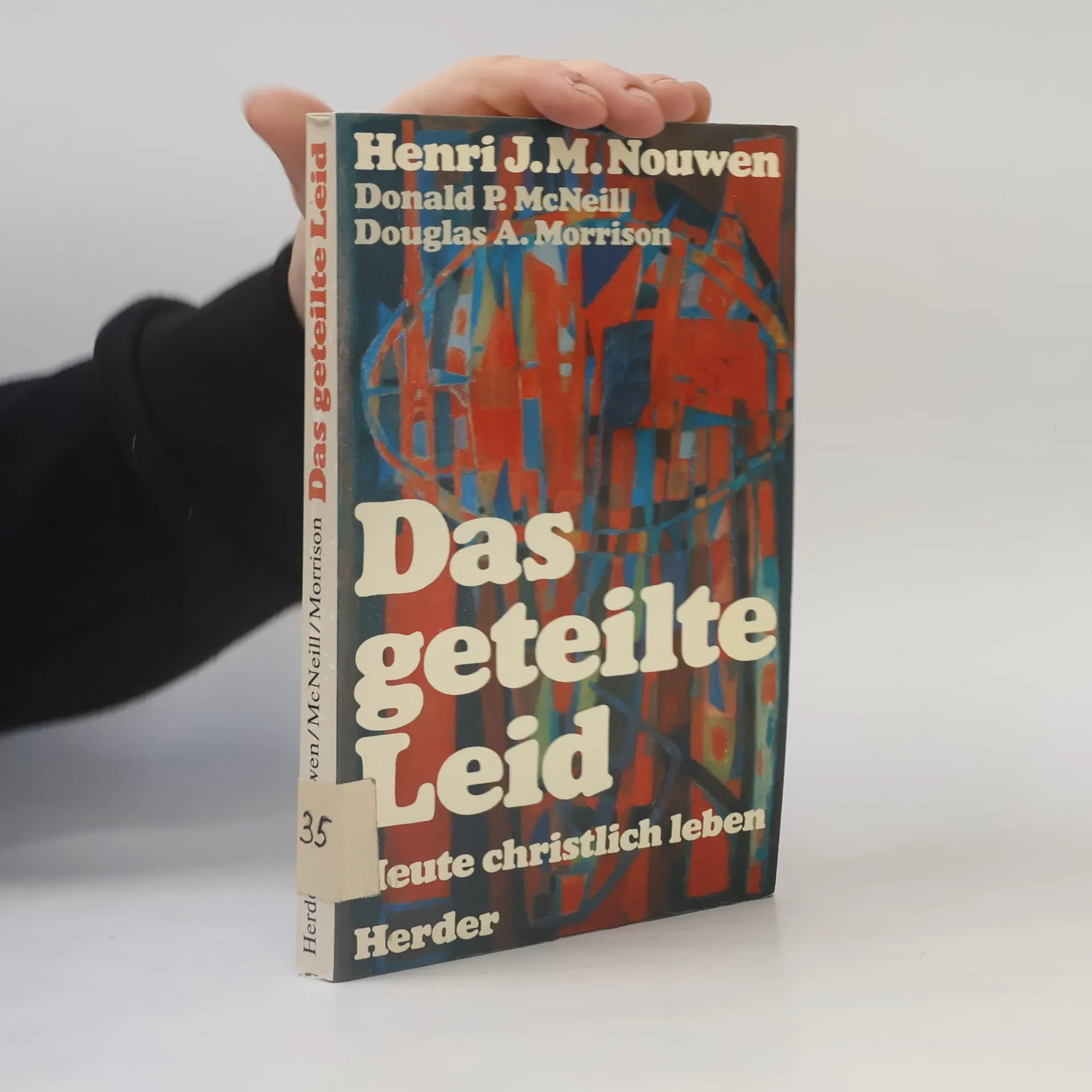
Žádný duchovní nemůže nikoho spasit. Může se jen těm, kdo jsou plni strachu a obav, nabídnout jako průvodce. A přece díky právě tomuto vedení lze spatřit první známky naděje. Je tomu tak proto, že sdílená bolest, je-li chápána jako cesta k osvobození, již není paralyzující, ale mobilizující. Když si uvědomíme, že před svými bolestmi nemáme utíkat, ale že je můžeme využít pro společné hledání života, pak se tyto bolesti mění z projevů zoufalství ve známky naděje. (z přebalu knihy)
Vlivný autor duchovní literatury, spojující osobní zkušenosti s nejhlubšími myšlenkami křesťanství i jiných spirituálních a náboženských tradic, v knize Duchovní život jako cesta ukazuje tři fáze pohybu člověka k dosažení zralého lidství, zdravých vztahů s druhými lidmi a osobního vztahu s Bohem v modlitbě. Tato cesta růstu vede od zraňující osamělosti k plodné a duchovně plné samotě, od nepřátelství a agresivity k otevřené pohostinnosti, od iluzí a sentimentality ve vztahu k Bohu až k nalezení osvobozující otevřenosti v modlitbě. Henri Nouwen doplňuje svůj výklad moudrými vyprávěními z řady náboženských tradic, od klasiků křesťanských (Thomas Merton, Chalíl Džibrán, pravoslavné hnutí hésychastů) až po příběhy zenové. Připojen je i samostatný autobiografický text „Za zrcadlem“, který líčí autorovu vážnou nehodu a novou, proměňující zkušenost s Bohem na prahu smrti.
A chance encounter with a reproduction of Rembrandt's painting, The Return of the Prodigal Son, catapulted Henri Nouwen into a long spiritual adventure. In his highly-acclaimed book of the same title, he shares the deeply personal meditation that led him to discover the place within which God has chosen to dwell. This Lent course, which has been adapted from the book, helps us to reflect on the meaning of the parable for our own lives. Divided into five sessions, the course moves through the parable exploring our reaction to the story: the younger son's leaving and return, the father's restoration of sonship, the elder son's resentment and the father's compassion. All of us who have experienced loneliness, dejection, jealousy or anger will respond to the persistent themes of homecoming, affirmation and reconciliation.
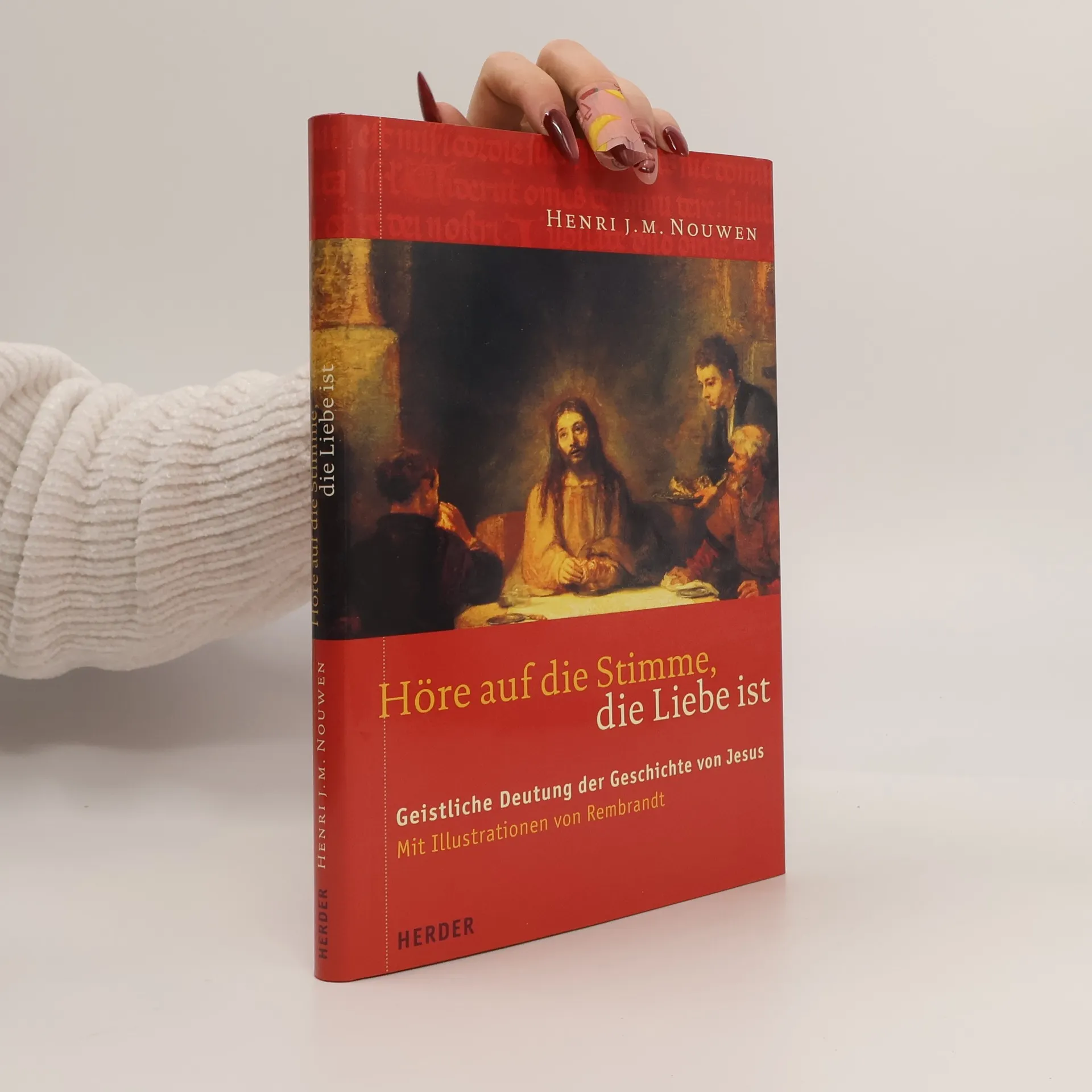
Das Leben Jesu - nacherzählt und gedeutet aus Texten von Henri Nouwen. Im Zentrum der lebenslangen spirituellen Suche und Weisheit Henri Nouwens steht die Person Jesu. Wie kaum ein anderer zeitgenössischer Autor vermag er aus dieser Lebenserfahrung heraus die Bedeutung Jesu für Menschen der Gegenwart zu erschließen. Seinen Betrachtungen gelingt es, die Geschichte Jesu in einer ganz unverbrauchten Frische zur Sprache zu bringen - so, als begegne man den biblischen Texten und in ihnen Jesus wie zum ersten Mal. Illustriert mit meisterhaften Zeichnungen und Radierungen von Rembrandt.
Henri Nouwens ungewöhnliche Freundschaft mit Zirkus-Artisten
233pages
9 heures de lecture
Im unvollendeten, letzten Buchmanuskript von Henri Nouwen geht es um seine inspirierende Begegnung mit den Flying Rodleighs, die er in Freiburg im Zirkus Barum erstmals erlebte. Die Trapez-Artisten um Rodleigh Stevens – renommierter Zirkuskünstler in fünfter Generation – traten im Schweizer Circus Nock sowie im Österreichischen Nationalcircus Elfi Althoff-Jacobi auf, bevor sie einige Jahre mit dem Zirkus Barum unterwegs waren. Über die Jahre entwickelte sich eine ungewöhnliche Freundschaft. Henri Nouwen begleitete die fünf im Wohnmobil auf ihren Auftritten durch Deutschland. Und arbeitete an einem Buch … Henri Nouwens Freundin und Kollegin Carolyn Whitney-Brown präsentiert nun erstmals seine unveröffentlichten Trapezschriften, eingerahmt von der wahren Geschichte, wie Nouwen während eines Herzinfarkts von Rettungssanitätern und der Feuerwehr durch ein Hotelfenster geborgen wurde.
Tri Satanove pokušenia Krista v Nouwenovej aktualizácii úžasne pravdivo situujú zlo, obnažujú našu pýchu a vlažný stav ku Kristovi. Praktický, jasný, zrozumiteľný text, ktorý v dokonalej syntónii s Bibliou hovorí o nevyhnutnosti voľby v našom živote.
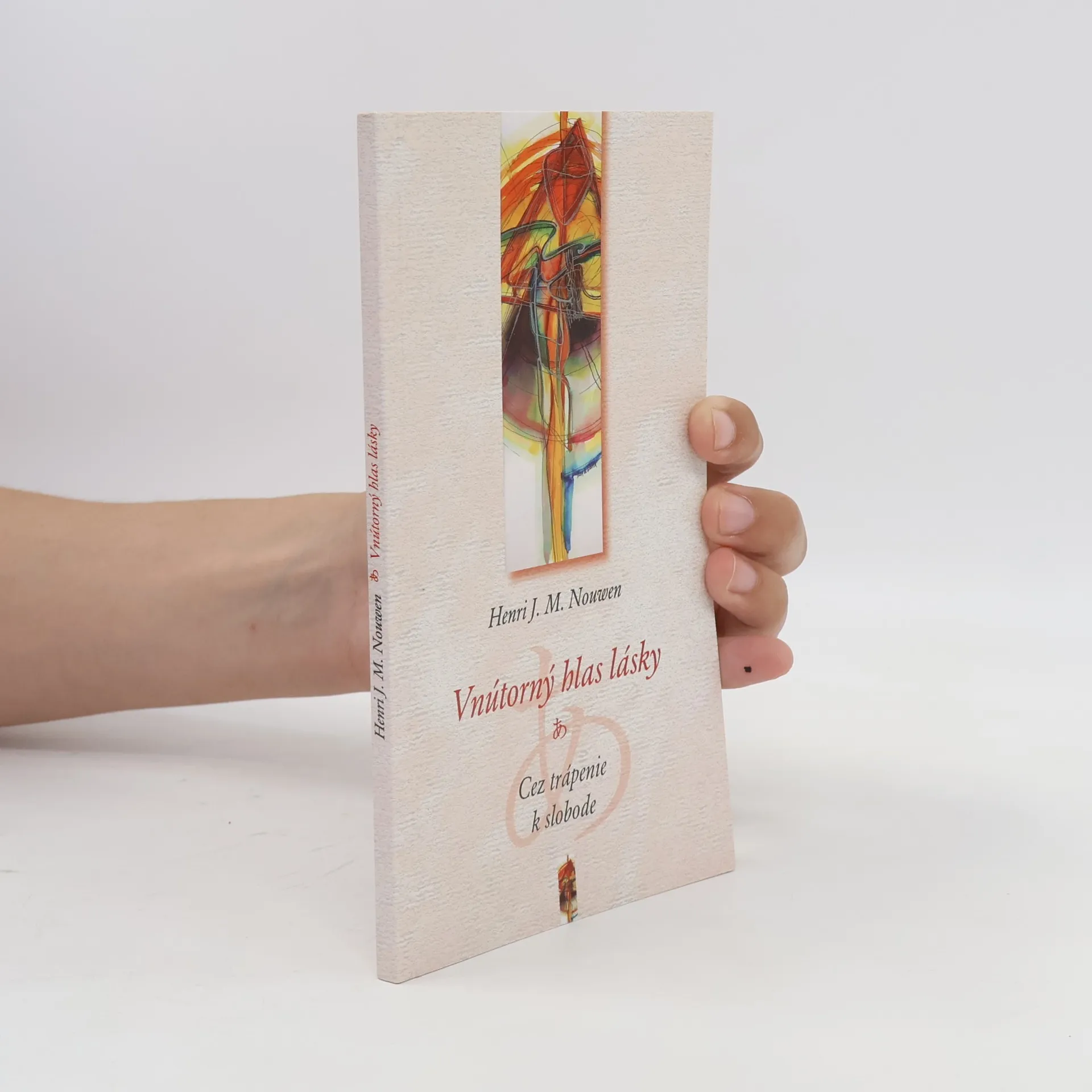
Cez trápenie k slobode.
„Dnes sa mi zdá vzdialené obdobie, v ktorom som tieto duchovné pokyny písal. Akoby to bolo veľmi dávno. Keď som si ich teraz po ôsmich rokoch prečítal, uvedomujem si, že som prešiel radikálnymi zmenami. Prešiel som cez trápenie k slobode, cez depresiu k pokoju, cez zúfalstvo k nádeji. Určite to bolo pre mňa obdobie očisťovania.“ Týmito slovami uzatvára Henri J. M. Nouwen, katolícky kňaz, dlhoročný člen Archy (spoločenstvo založené Jeanom Vanierom, v ktorom žijú spolu mentálne postihnutí a „zdraví“ ľudia), denník z najťažšieho obdobia svojho života. Knihu zvlášť odporúčame všetkým, ktorí už prešli nejaký kus cesty s Ježišom a vedia, čo je to vnútorný boj a trápenie.
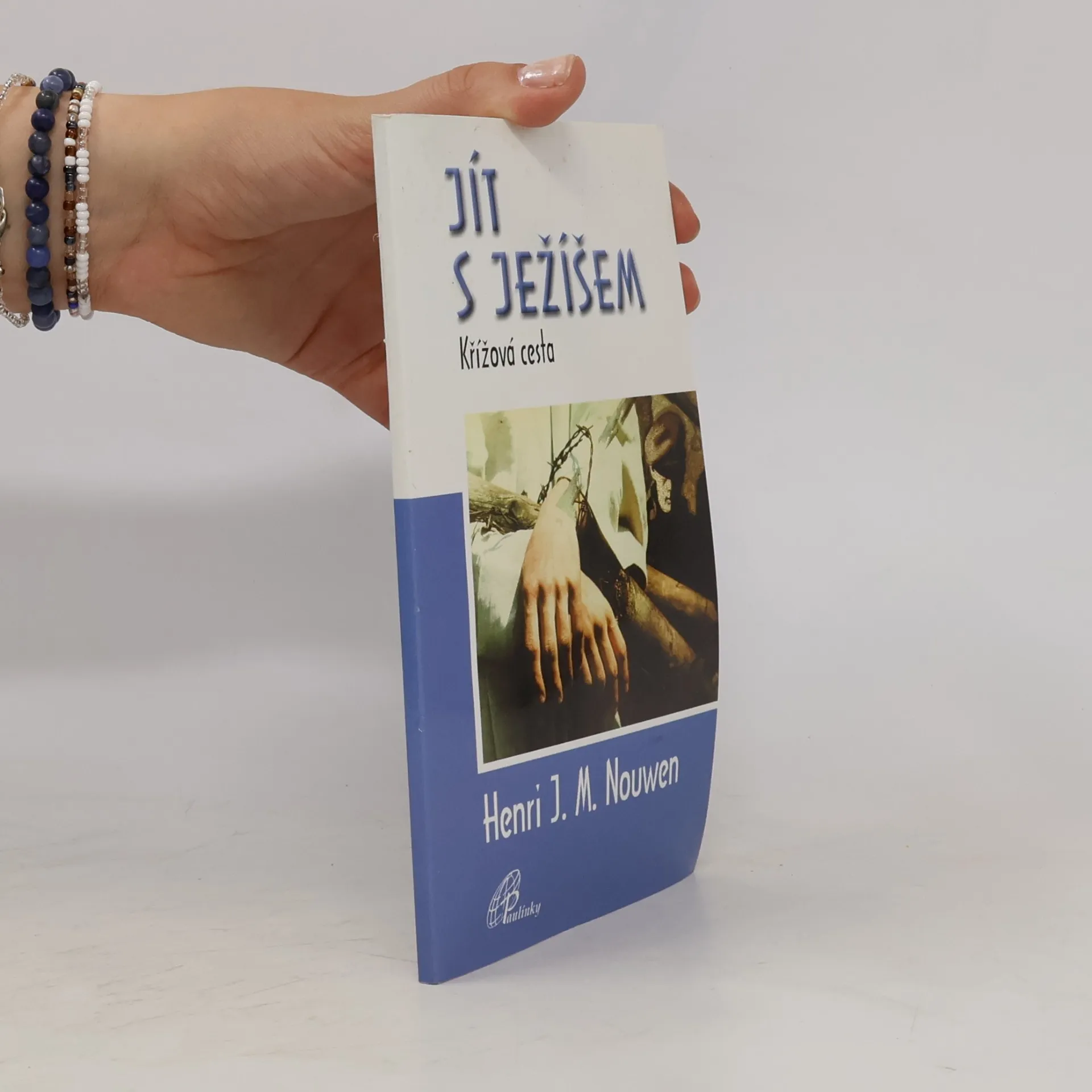
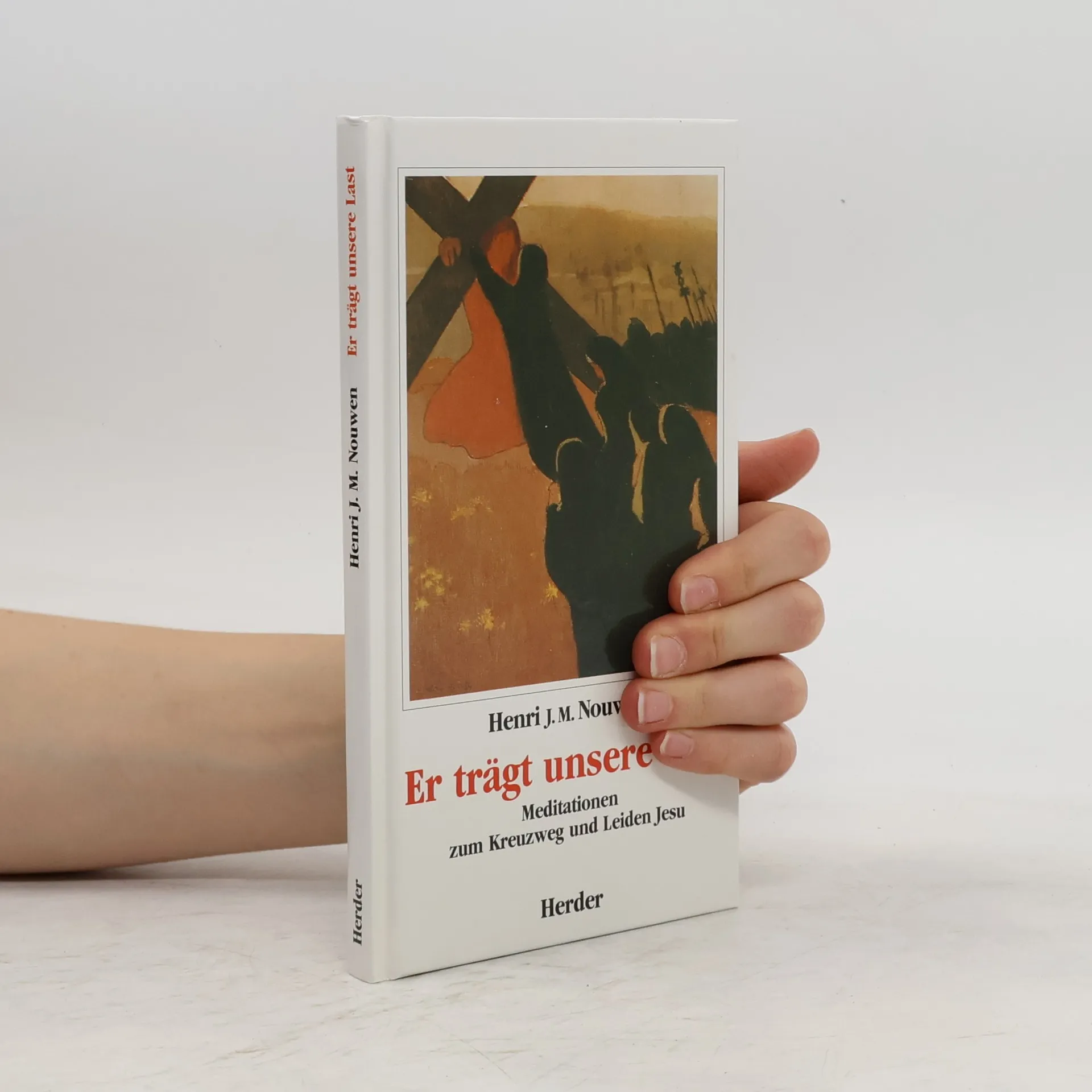
Podtitul: Křížová cesta.
Ježíš kráčí cestami Palestiny. Kráčí mezi lidmi, kterým hlásá radostnou zvěst. A nakonec vychází z Getseman na křížovou cestu. Tato kniha meditací Henriho Nouwena nám vykládá jednotlivá zastavení křížové cesty na příkladech utrpení těch nejubožejších. Političtí vězni, opuštěné děti, matky oplakávající své zabité syny, vyčerpaní farmáři, čtyři zavražděné služebnice církve… Těmito působivými obrazy dává Henri Nouwen tradičním zastavením křížové cesty nový smysl, který nepochybně přivede každého čtenáře k hlubšímu zamyšlení nad podobami utrpení v lidském životě...
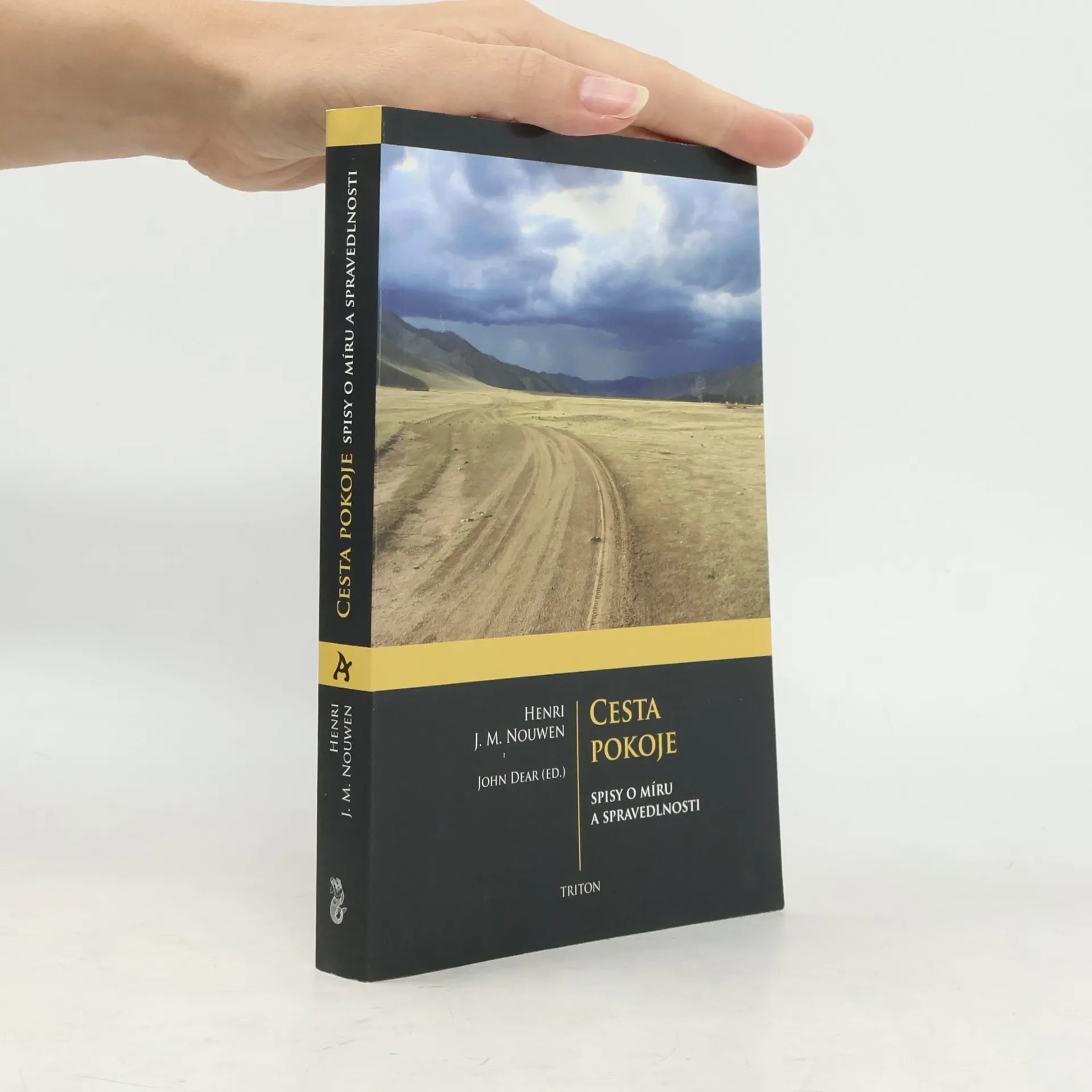
Spisy o míru a spravedlnosti.
Katolický kněz nizozemského původu Henri J. M. Nouwen (1932–1996) zprvu působil jako pedagog mj. na Yaleově a Harvardově univerzitě, ale později zasvětil svůj život práci s duševně postiženými lidmi v arše Daybreak v kanadském Torontu. Ve svém životě a díle kladl zvláštní důraz na kontemplativní modlitbu. Bezprostřední kontakt s Bohem považoval za velmi důležitý, avšak spása skrze víru byla pro něho ještě důležitější, stejně jako soucit a solidarita s trpícími. Jezuitský duchovní a mírový aktivista John Dear sestavil sborník Nouwenových prací z let 1983–1994, zaměřených na podporu míru, pokoje, rasové, společenské a sociální spravedlnosti. Tyto eseje nereprezentují Nouwenovy vedlejší zájmy, ale nabízejí některé jeho nejvyzrálejší duchovní postřehy.
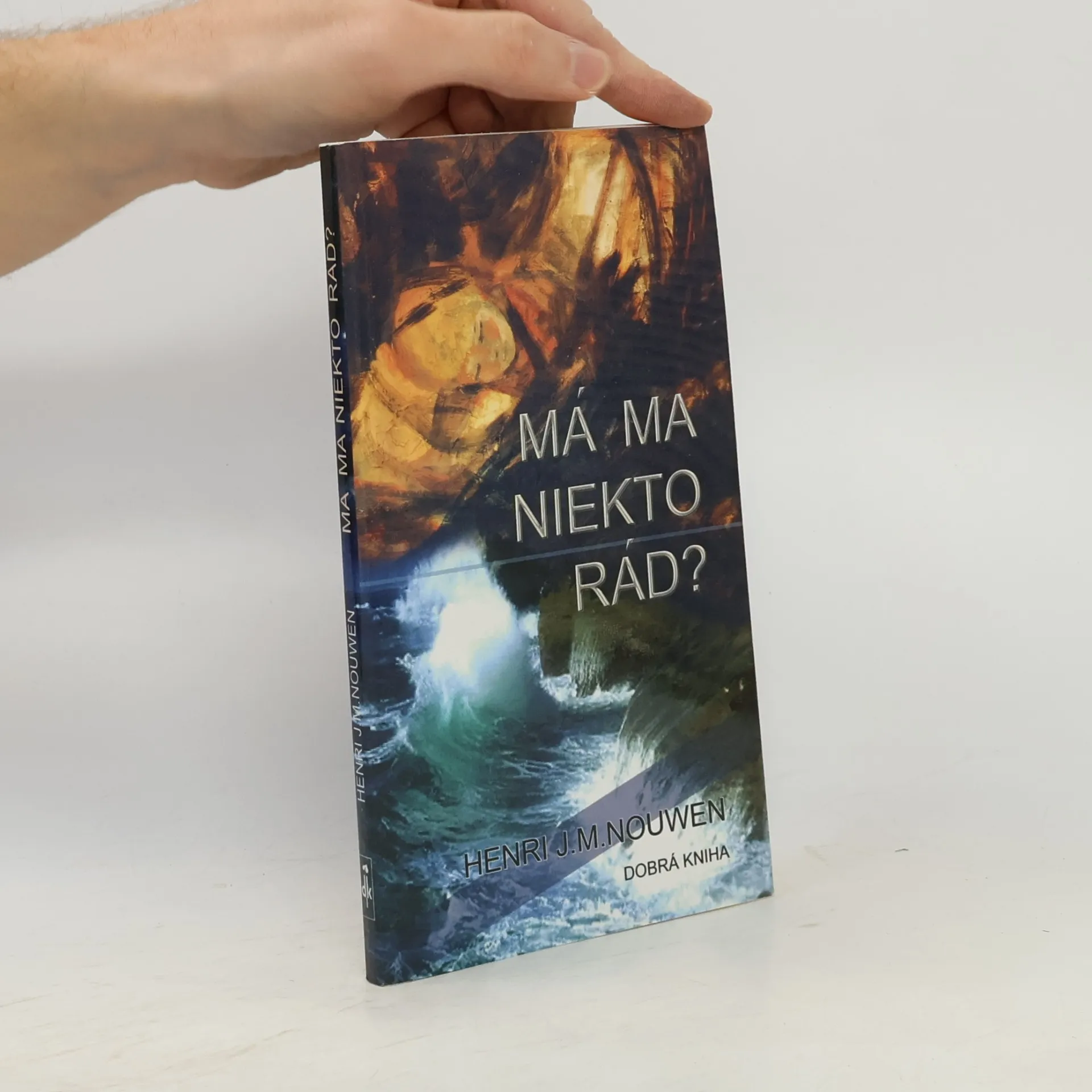
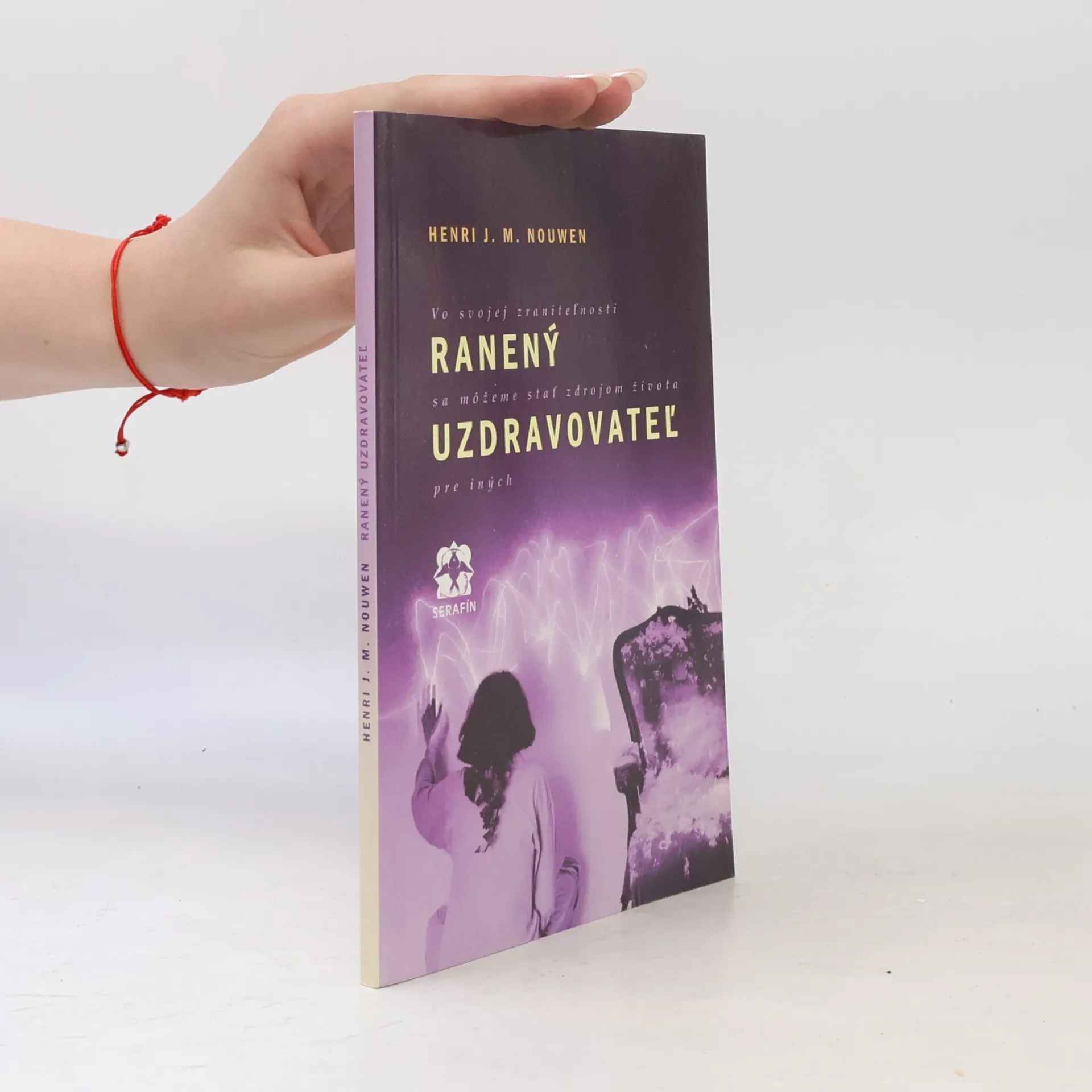
Fred je mladý neveriaci Žid, newyorský novinár. Ako mnohí jeho súčasníci na celom svete, je presvedčený, že jeho zamestnanie, životný štýl a existenčné starosti mu nedovoľujú sa starať o čokoľvek duchovné. Henri Nouwen sa stal jeho priateľom a rozhodol sa napísať pre Freda a pre ľudí jemu podobných knihu. O tom, akí sú vzácni, jedineční, ako ich má Niekto rád. Ak chcete dopriať príjemné pohladenie svojej duši, prečítajte si túto knihu. Hentri J. M. Nouwen je jeden z najvýznamnejších duchovných spisovateľov v Severnej Amerike. Prednášal na popredných amerických univerzitách, desaťročie pracoval v komunite postihnutých ľudí a ich asistentov Archa. V slovenčine od neho vyšli knihy V mene Ježiša, Návrat márnotratného syna, Ranený uzdravovateľ, Stretnutie s Máriou.
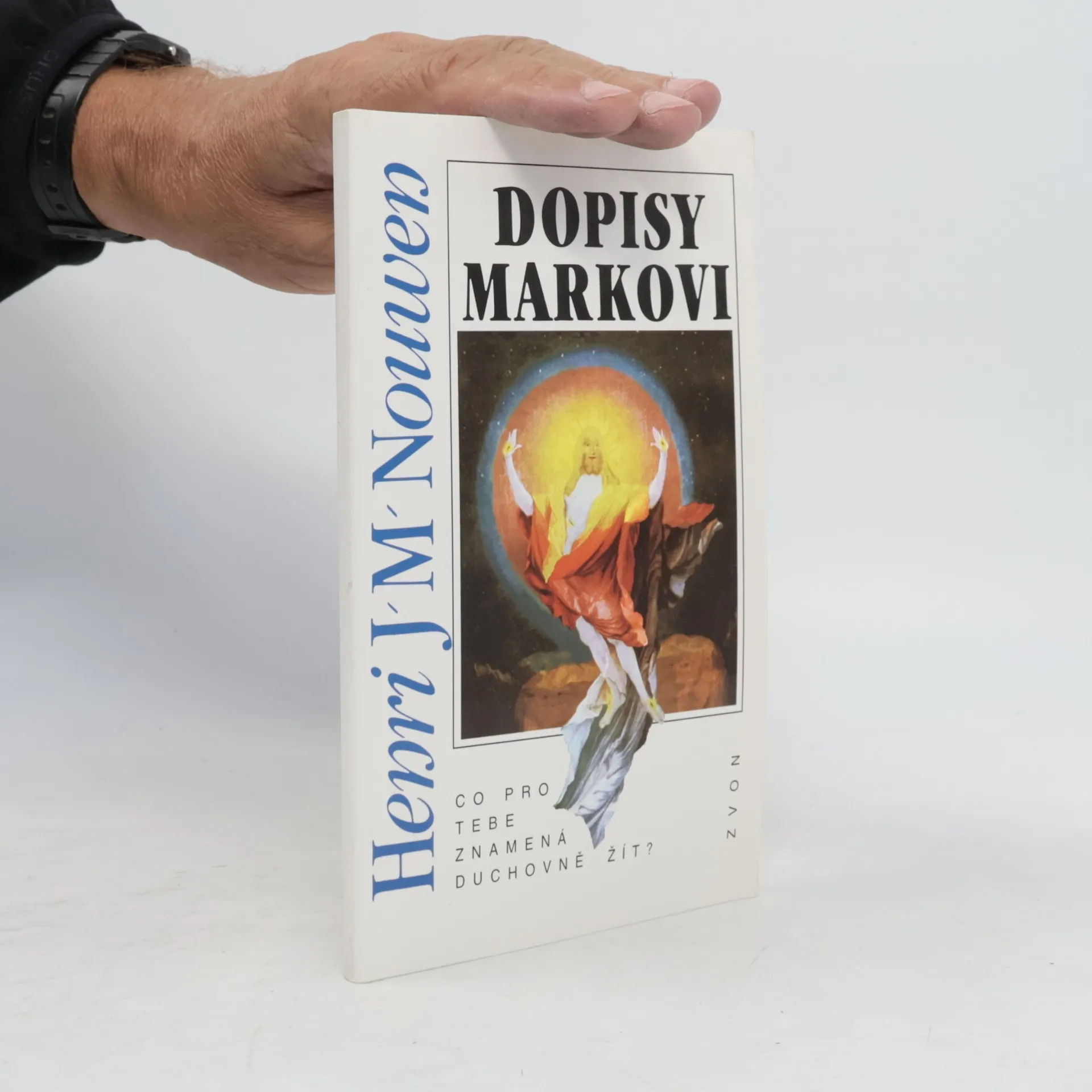
Co pro tebe znamená duchovně žít?
Na myšlenku napsat tuto knihu přivedl autora jeho devatenáctiletý synovec Holanďan Marek. Ačkoli Marek vyrostl v poválečné prosperující společnosti, obklopen milujícími rodiči a dobrými přáteli, obdařen zvídavou myslí a značným nadáním, přesto ve své duši pociťuje určitou prázdnotu a nenaplněnou touhu. J. M. Nouwen mu nechce o Bohu přednášet, ale vychází ze svého osobního přesvědčení, že "Ježíš je srdcem jeho bytí", a z tohoto základu odvozuje pohled na svět. Dopisy jsou vlastně svědectvím jeho vlastního objevování Boha. Otevřenou a jednoduchou formou vyjadřují, co znamená žít duchovním životem v sekularizovaném světě.
«Quello che voglio dire è che “Tu sei l'Amato”, e quello che spero è che tu possa ascoltare queste parole come fossero dette a te con tutta la tenerezza e la forza che l'amore può avere. Il mio unico desiderio è che queste parole possano risuonare in ogni parte del tuo essere – “Tu sei l'Amato”». Questa testimonianza personale a un Dio, che ci chiama 'gli amati' e che ci fa sentire amati, è il frutto di una lunga amicizia tra lo scrittore-giornalista Fred Bratman e Henri Nouwen. Henri cerca di spiegare a Fred come si possa vivere la vita spirituale in un mondo secolare. Un aspetto interessante del libro è che mentre l'autore scrive ad un suo caro amico, egli trova un linguaggio chiaro e persuasivo per tutti coloro che sono alla ricerca dello Spirito di Dio nel mondo. Un libro che è un dono: ci fa sentire amati da Dio e ci insegna a gustare la vita di chi si sente amato. Ci rivela così le meraviglie del viaggio spirituale e riaccende il fuoco della fede.
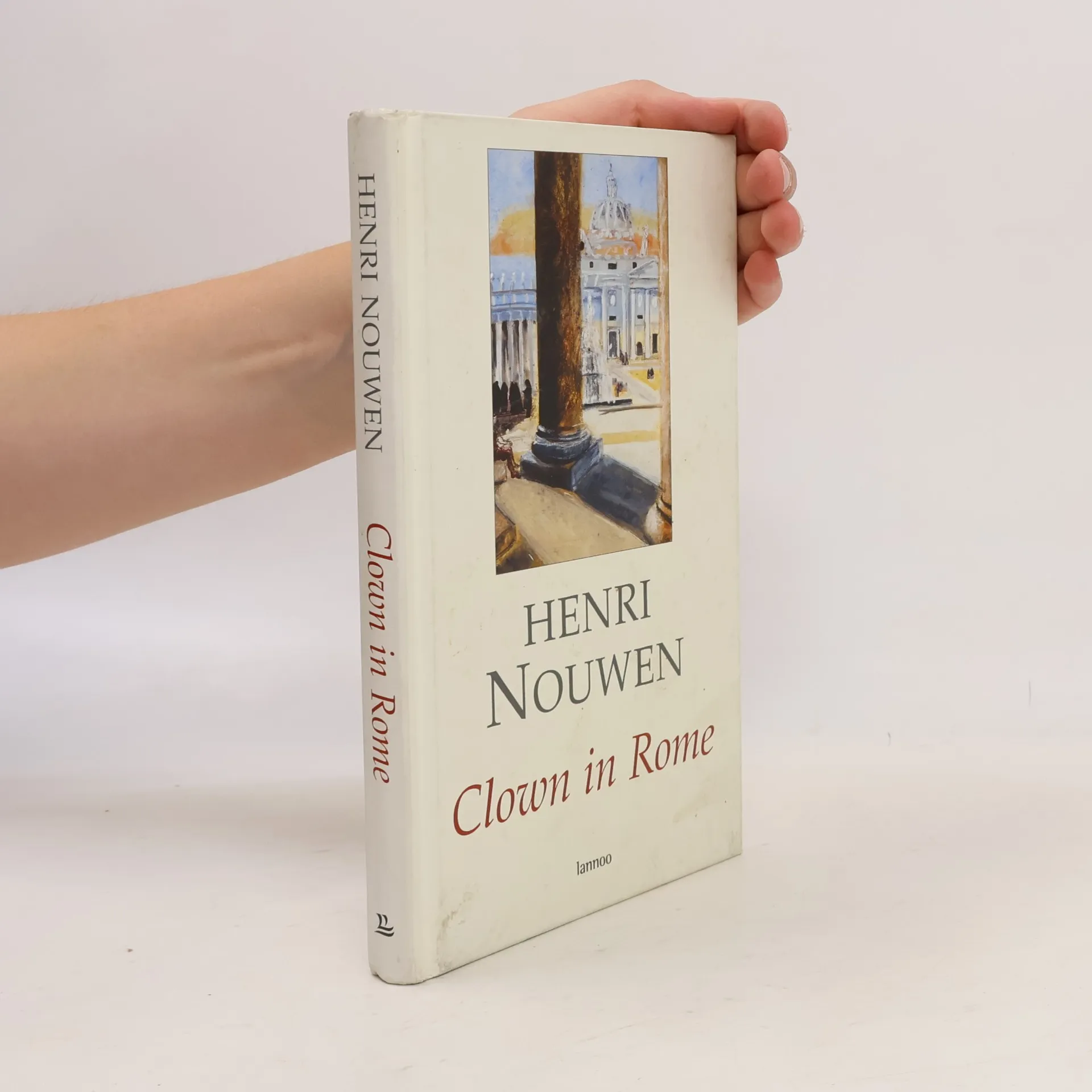
Im christlichen Glauben geht es nicht darum, perfekte geistliche Höchstleistungsathleten zu werden, sondern wie der Clown mit eigenen Fehlern und Schwächen zu leben. Das gilt für Priester und Ordensleute genauso wie für »normale Christen«. Henri Nouwens originelles Buch erschließt den Clown als Modellgestalt für die Wege der Stille, des Gebets und der Kontemplation. Sie führen zu einer heiteren Gelassenheit im Dienst an anderen Menschen.
Úvahy o samote, celibáte, modlitbe a kontemplácii. Kniha sa zaoberá témou samoty, celibátu, modlitby. Je to kniha inšpiračná, vedúca k tichu a k počúvaniu Boha vo svojom srdci.
Aj keď je táto kniha vhodná pre všetkých, ktorí chcú prehlbiť svoj duchovný život, Henri J. M. Nouwen ju napísal osobitne pre tých, ktorí slúžia v spoločenstvách, hnutiach, farnostiach, v spoločnosti. Ktorí sa namáhajú a možno si nevedia odpočinúť.
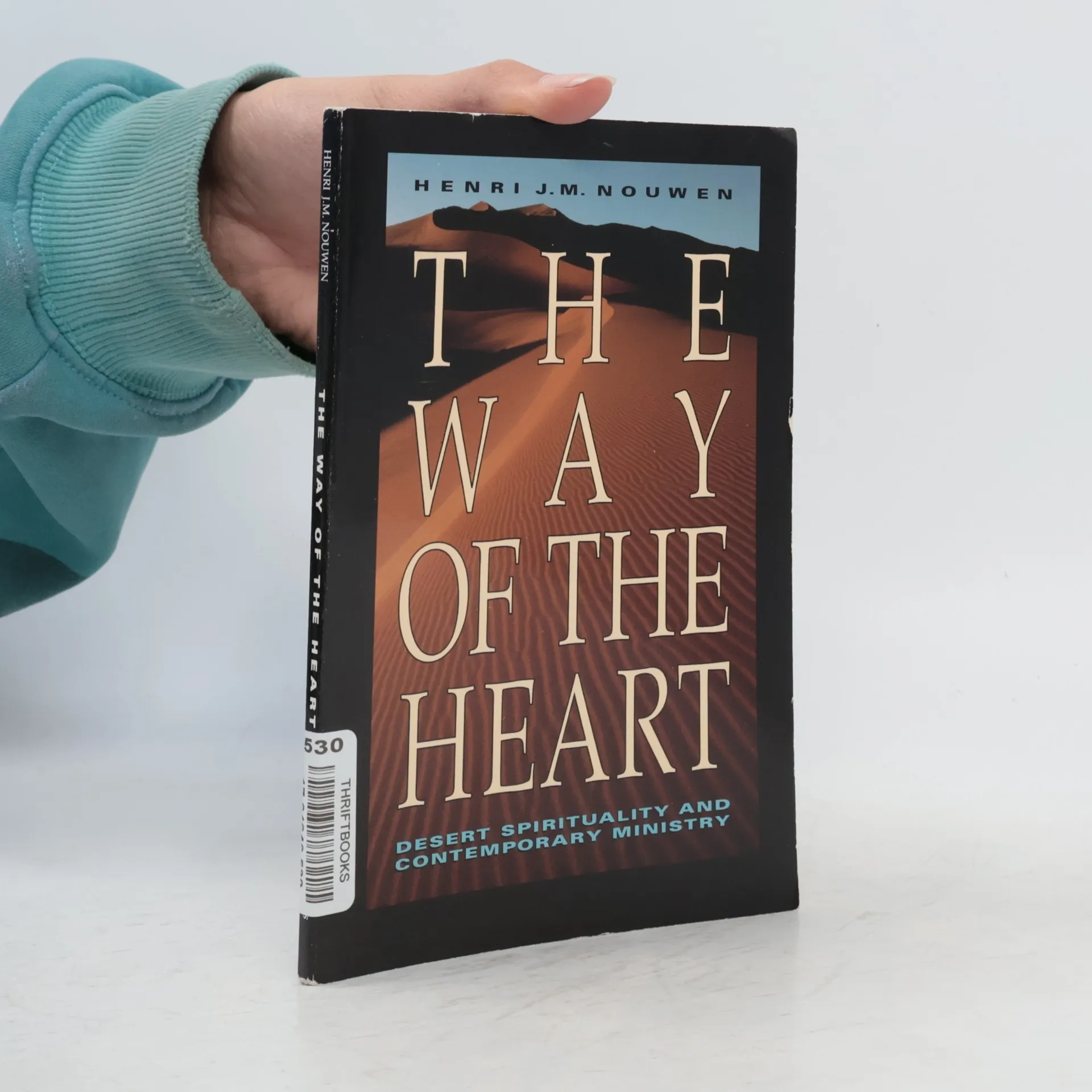
Autor siahol po veľmi starom zdroji inšpirácie - po Apofthegmata Patrum, Výrokoch otcov púšte. A v nich našiel tento príbeh:
"Kým žil otec Arzénius v paláci, modlil sa k Bohu takto: ,Pane, veď ma cestou spásy.' A počul Pánov hlas: ,Arzénius, uteč zo sveta a dosiahneš spásu.' Tajne sa teda odplavil do Alexandrie a utiahol sa na púšť do samoty. A znovu sa modlil: ,Pane, veď ma cestou spásy.' A opäť v sebe začul Boží hlas: ,Arzénius, uteč zo sveta! Stíš sa a neustále sa modli, len tak v tebe nebude vládnuť hriech.'"
Slová uteč, stíš sa a modli sa vystihujú podstatu spirituality púšte. Poukazujú na tri cesty, ako zabrániť, aby nás svet nepretvoril na svoj obraz.
Henri J. M. Nouwen bol holandským rímskokatolíckym kňazom, ktorý zanechal úspešnú univerzitnú kariéru, aby svoj život prežil s mentálne postihnutými ľuďmi v spoločenstve Archa v Toronte v Kanade. Je autorom mnohých bestsellerov, ako sú Návrat márnotratného syna, Vnútorný hlas lásky a Chlieb na cestu. Zomrel v septembri 1996.
Chtěl bych vám na těchto stránkách nabídnout k zamyšlení věc, která mi leží na srdci již několik let - spiritualitu čekání, které je v naší době tak důležité. Jak mluvit o pokoji? Chtěl bych vám v této útlé knížečce nabídnout teologii slabosti.
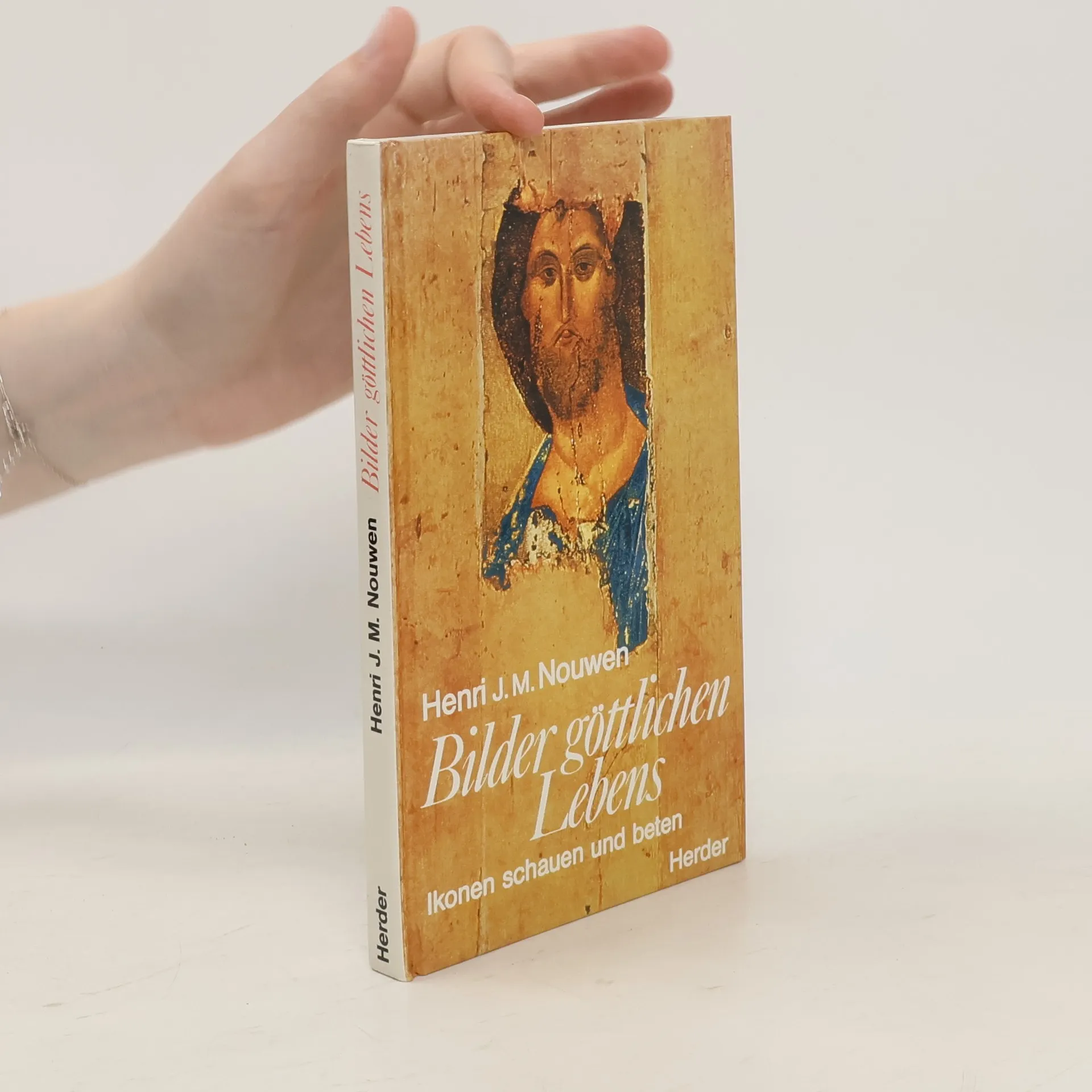
Často se stane, že se nemohu modlit, že jsem příliš unavený, abych si četl evangelia, příliš neklidný na duchovní rozjímání, příliš deprimovaný na to, abych něco říkal Bohu, prostě příliš vyčerpaný, než abych cokoli dělal. Ale stále se mohu dívat na tyto obrazy, tak úzce spojené se zkušeností lásky (Nouwen).
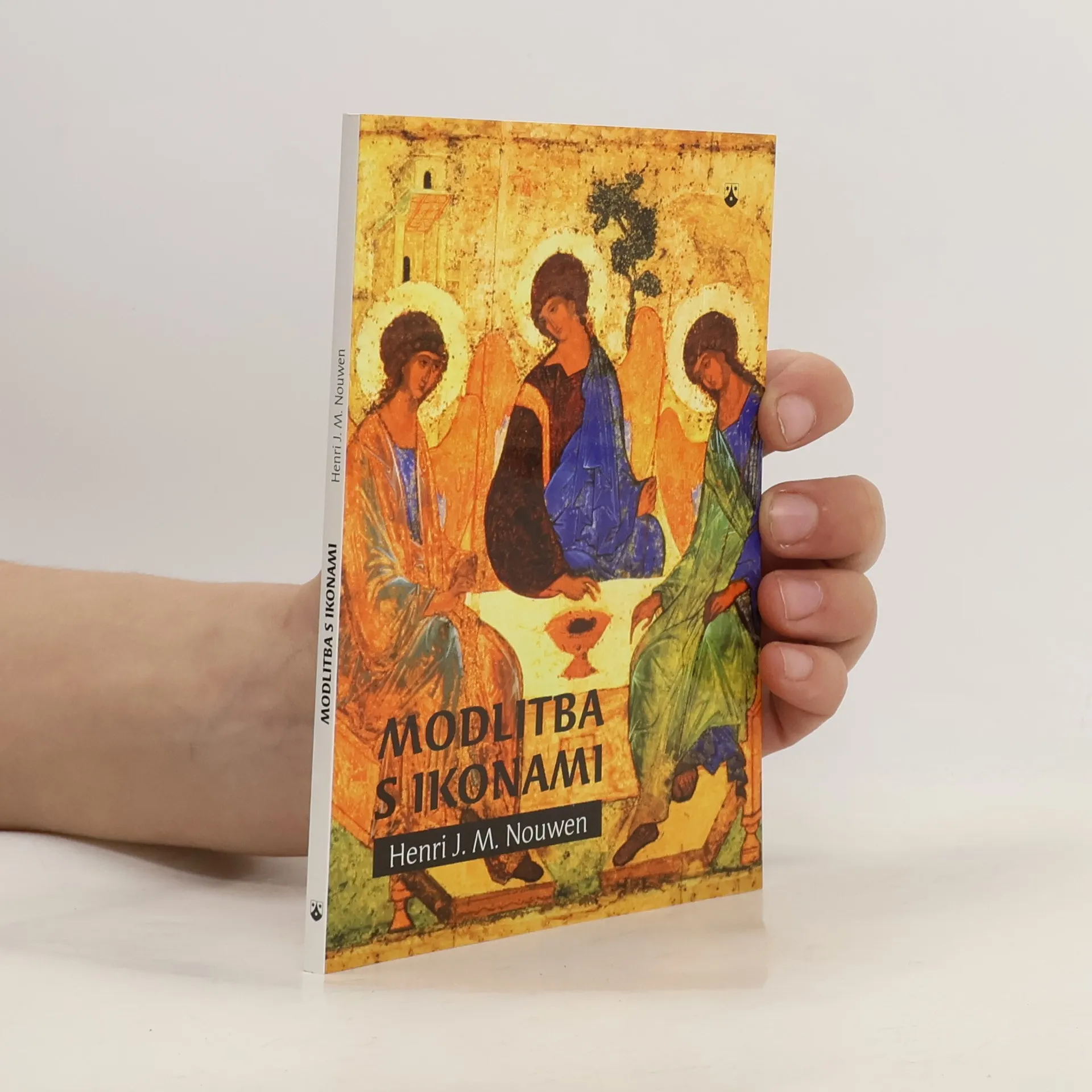
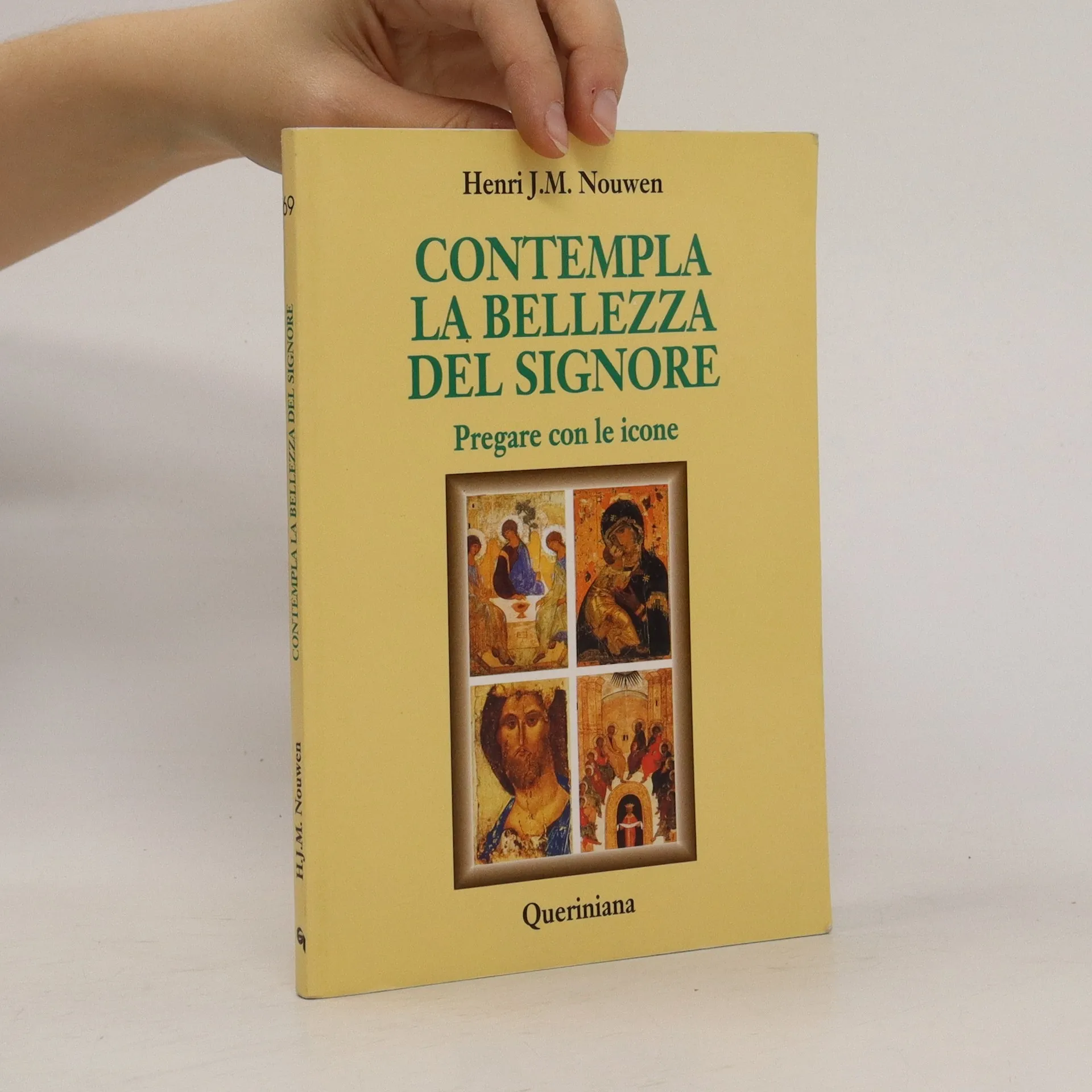
Henri Nouwen uvádí čtenáře do své zkušenosti modlitby s ikonami na příkladu čtyř slavných ruských ikon (ikona Trojice, Vladimirská Madona, Kristus, Seslání Ducha svatého), které výrazně ovlivnily jeho duchovní život. Modlitba v autorově pojetí není něco odtrženého od praktického života, ale naopak, jde o úzké propojení všeho lidského s Božím tajemstvím, o vtažení celého lidského života do života Božího. Čtenáři knihy Modlitba s ikonami jsou zváni, aby společně s autorem hlouběji poznávali Boží lásku i povolání vnášet do světa naději evangelia.
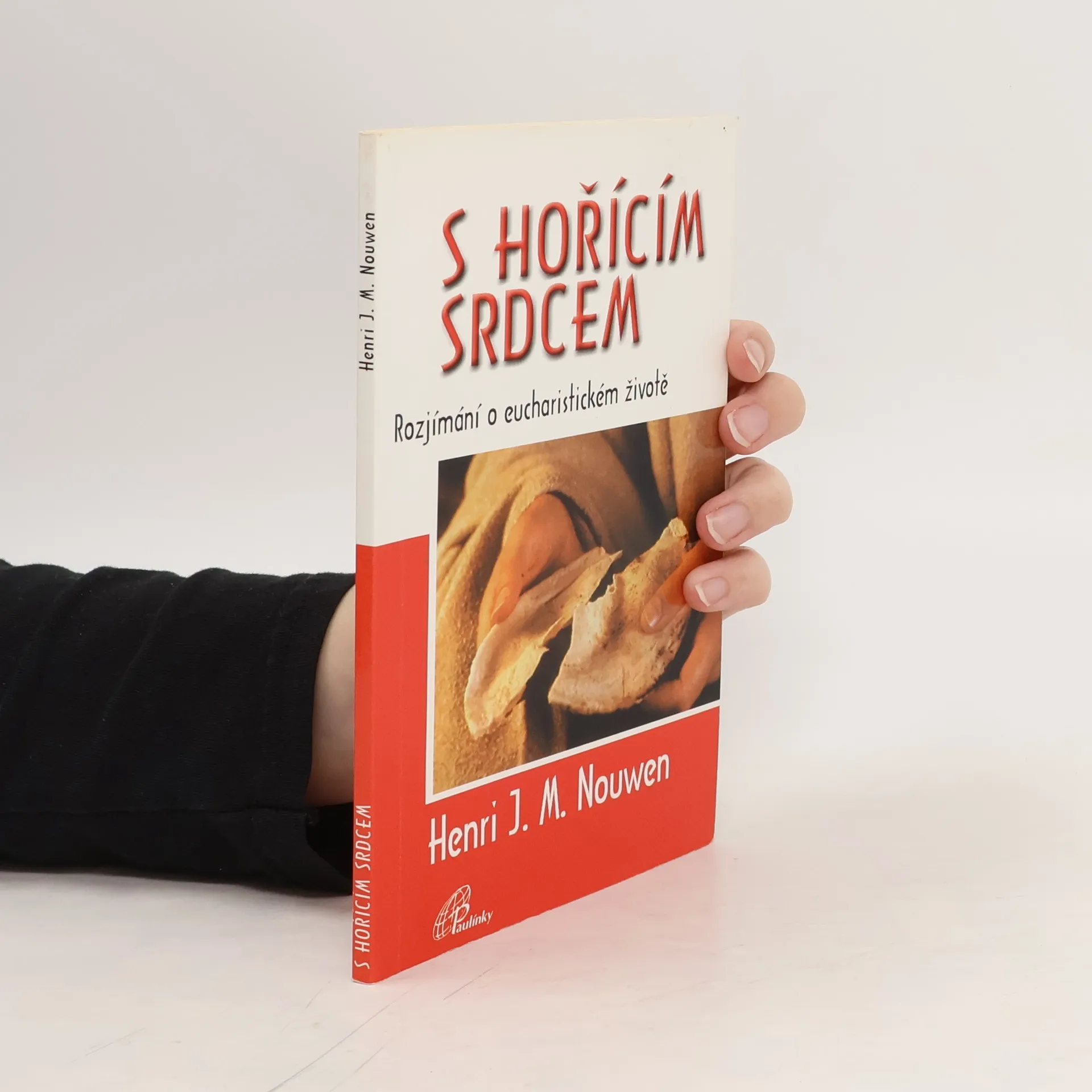
Rozjímání o eucharistickém životě.
Henri J. M. Nouwen, proslulý duchovní autor známý rovněž českým čtenářům, představuje v této útlé knize vazby mezi eucharistickou bohoslužbou a naší každodenní lidskou zkušeností. Jenom tehdy, kdy poznáme bohatou síť vztahů mezi eucharistií a naším životem ve světě, může být eucharistie "ze světa" a náš život se může stát eucharistickým.
Ta książka jest dla tych, którzy pragną odkryć cel swojego życia i móc całkiem
szczerze powiedzieć: „Teraz wiem, po co żyję!”. W jednym z najtrudniejszych
dla siebie momentów Henri Nouwen wygłosił serię wykładów o znaczeniu
naśladowania Jezusa w epoce niepokoju. Podjął temat powołania, sensu życia,
lęku i nadziei. Sporo uwagi poświęcił praktycznym wskazówkom, które od lat
pomagają ludziom poruszać się określoną drogą – drogą wiary. W tej książce
dzieli się przejmującym świadectwem, że podstawowe prawdy Ewangelii wystarczą
do zaspokojenia naszych najgłębszych potrzeb.
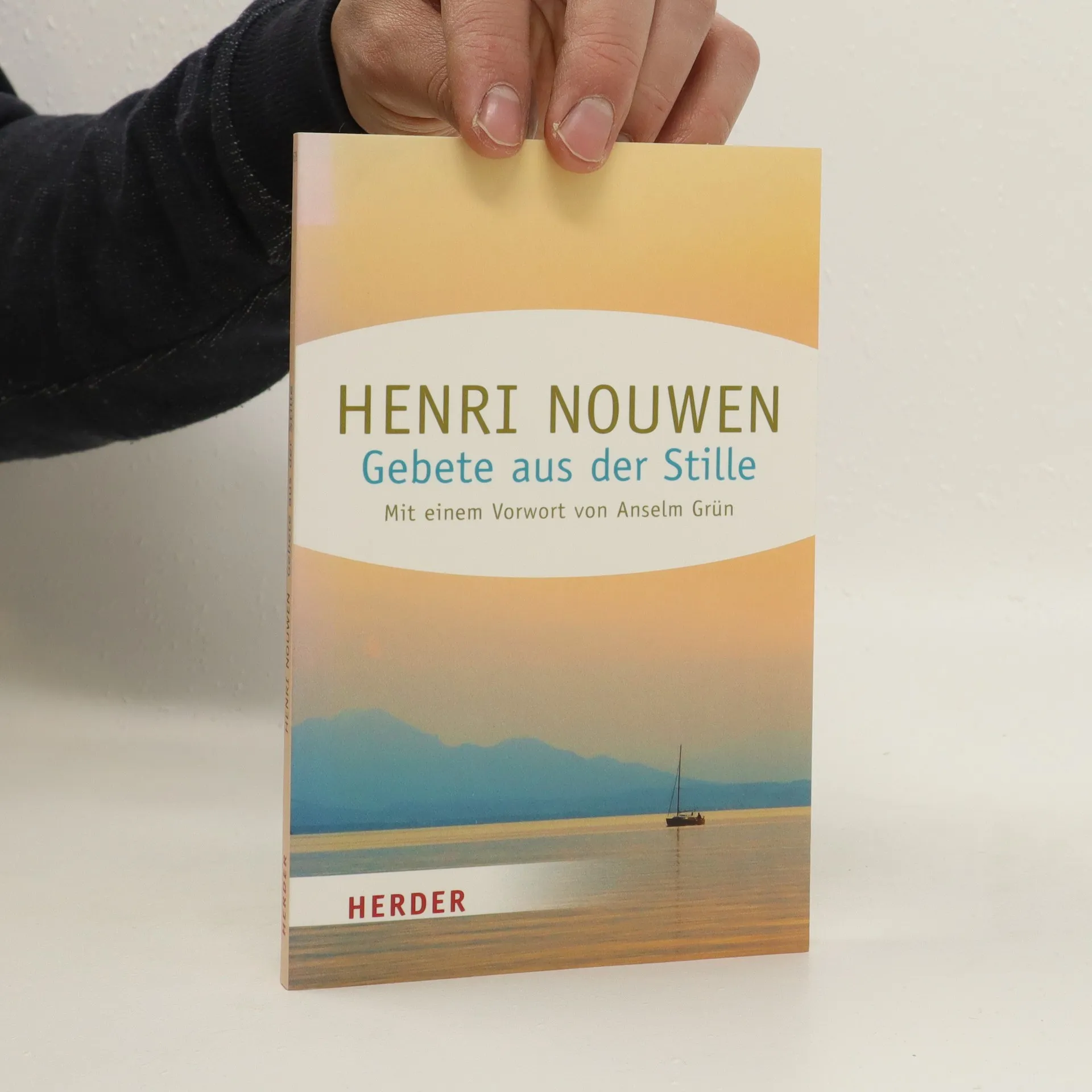
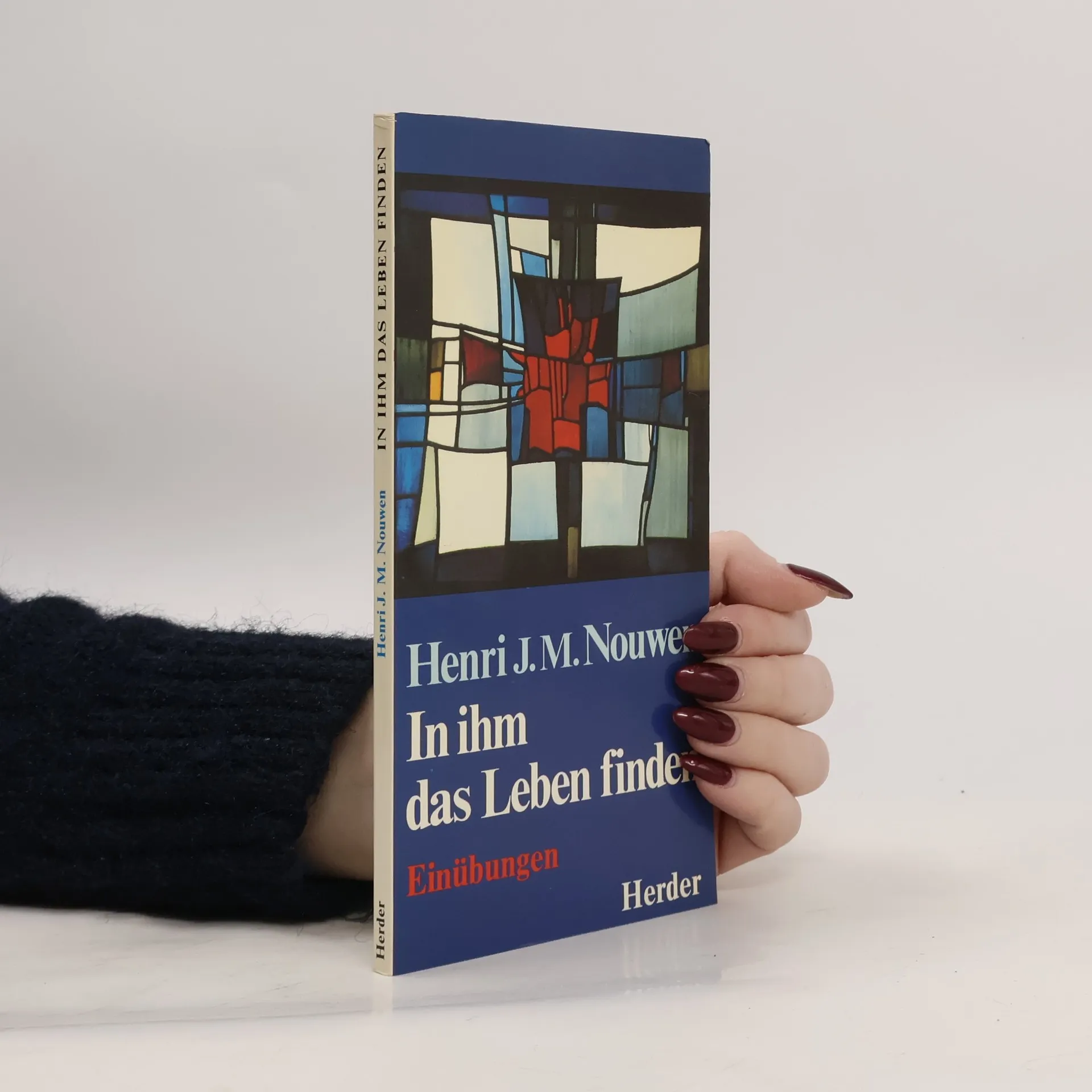
Während eines sechsmonatigen Klosteraufenthalts entstanden die Gebete dieses Buches. Henri Nouwens „Weg des Herzens" führt aus den Ängsten und der Zerrissenheit des modernen Lebens zu einem Herzen voll Dankbarkeit. In seiner Einleitung erschließt Anselm Grün die Wurzeln der Spiritualität dieses großen zeitgenössischen Meister des Gebets. .
Das neue Buch Henri Nouwens enthält die gebündelte Antwort des großen geistlichen Schriftstellers auf die menschlichen Existenzfragen. Es geht um die Erfahrung von Macht und Ohnmacht, von Frieden und Unfrieden, um die Erfahrung von Zeit und Vergänglichkeit, um die Realitäten des Lebens und Sterbens. Sie alle sind unausweichlich, aber sie sind auch Chancen, zum Wesentlichen des Lebens vorzudringen.
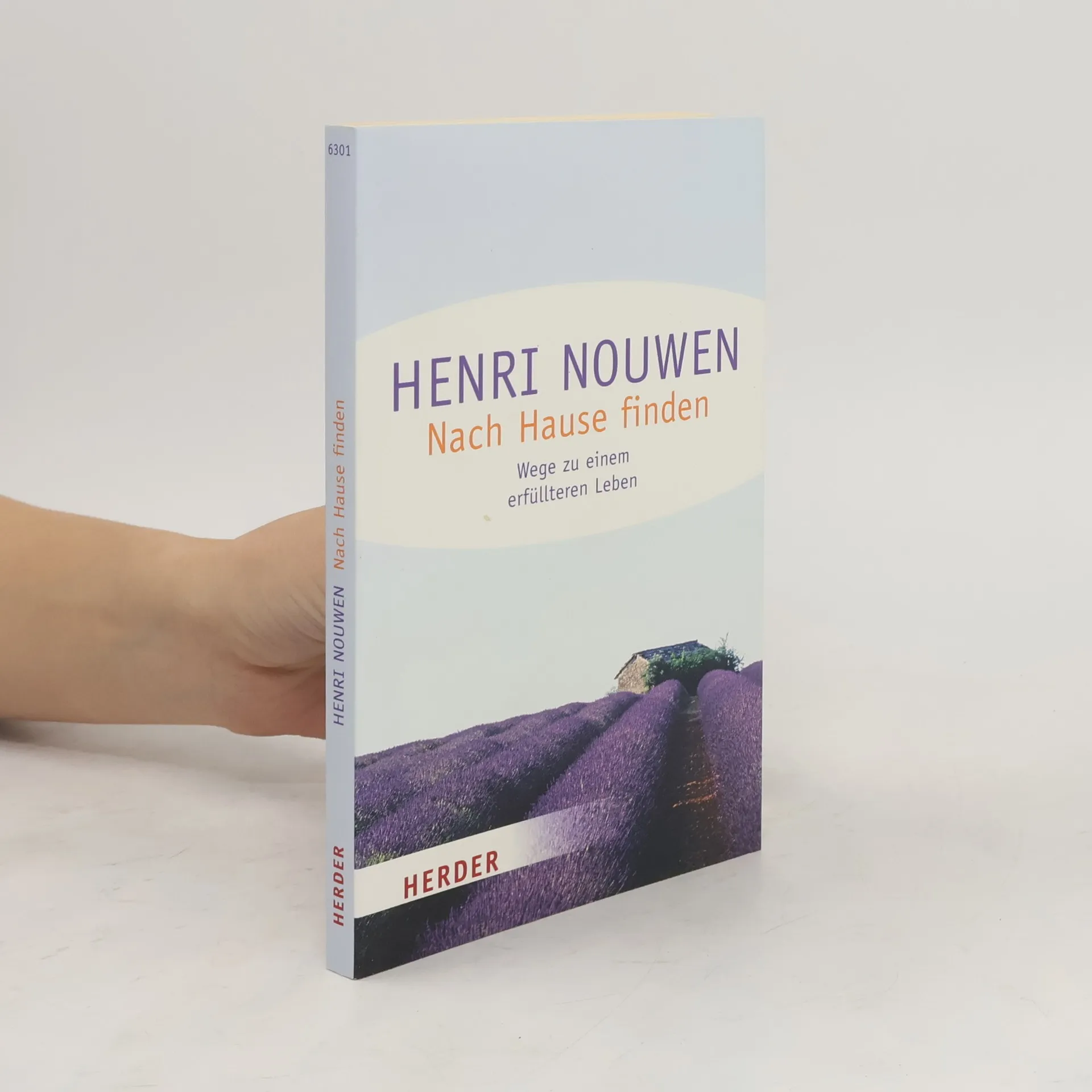
Das neue Buch umfasst vier Beiträge aus Nouwens letzten Lebensjahren, die hier erstmals auf Deutsch veröffentlicht werden. Es gibt in bündiger Form Anteil an der ganzen Weisheit, die Henri Nouwen aus der spirituellen Reise seines Lebens gewonnen hat. Es hilft, die Wirklichkeit mit Gottes Augen zu sehen. Es weist Wege zu einem erfüllteren Leben.
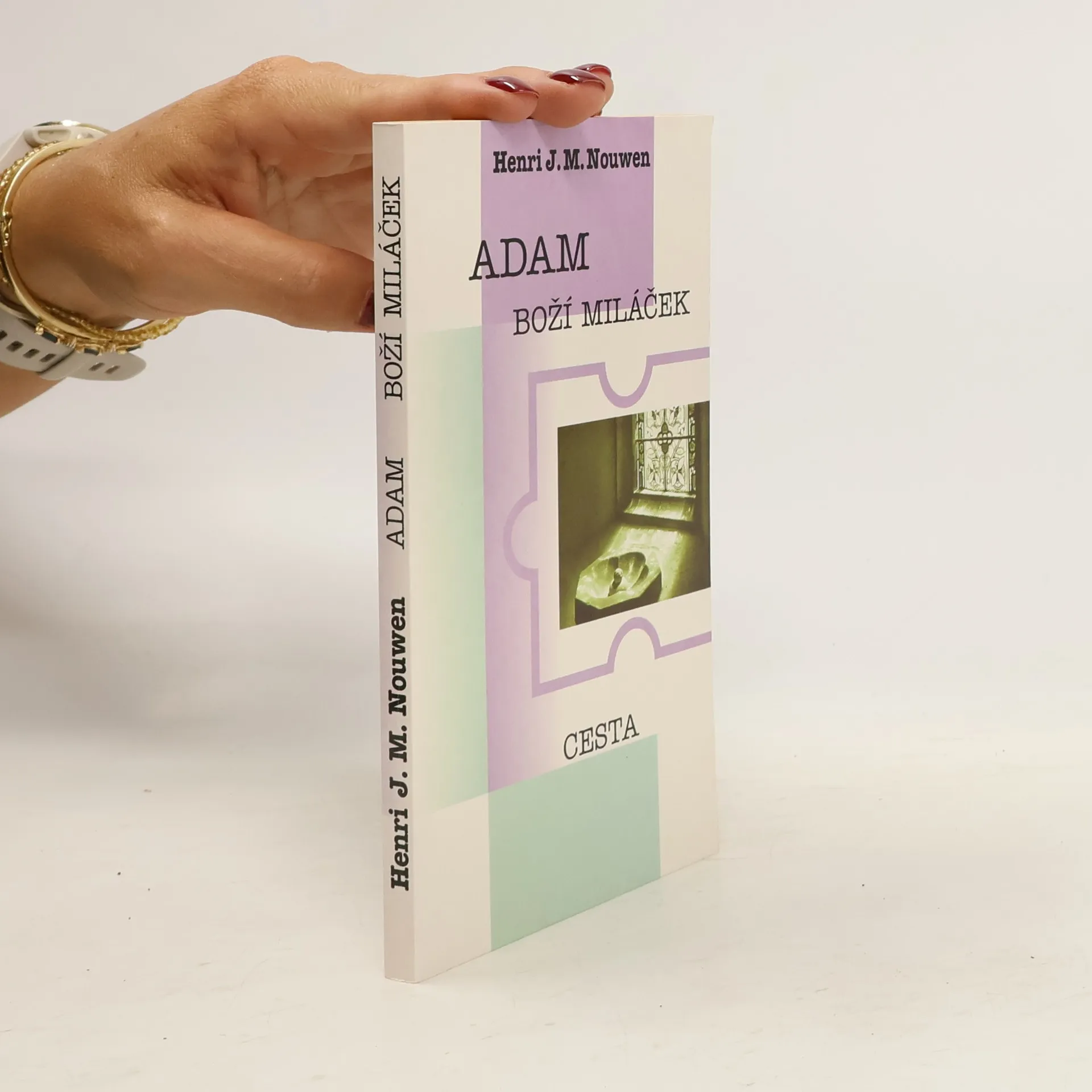
Celý název: Adam - Boží miláček
Když se roku 1986 stal Henri Nouwen duchovním jednoho z domů společenství Archa, měl již za sebou poměrně dlouhou cestu kněze, vysokoškolského učitele, spisovatele a duchovního člověka. Netušil, že se na tomto nenápadném místě v Kanadě dotkne velikého tajemství lidského bytí a do hloubky pochopí, že i ten nejpostiženější a v lidských očích nejméně přínosný člověk přichází do světa s jedinečným posláním.Otec Nouwen byl brzy po příchodu do Archy požádán, aby každé ráno pomáhal jednomu z kmenových členů s přípravou na den. Měl jim být těžce postižený Adam, nemluvící, odkázaný na vozík, sužovaný častými epileptickými záchvaty. Jakmile si uvědomil, co se po něm, nepraktickém člověku bez zdravotnické kvalifikace, žádá, zděsil se: „Proč chtějí, abych se zrovna já, nejneschopnější ze všech lidí v domě, staral právě o Adama, a ne o někoho s menším postižením?“ Odpověď byla stále stejná: „Tak můžeš Adama poznat.“Adam se otci Nouwenovi stal osobním zvěstovatelem Božího slova, byť tak činil beze slov. Nemocný uzdravoval svého ošetřovatele.Velmi brzy po Adamově smrti pocítil autor potřebu změnit své tvůrčí plány, a místo knihy o apoštolském vyznání víry napsat svědectví o deseti letech života s těžce postiženým člověkem, který mu velmi zvláštním způsobem zjevoval našeho Pána. Adamův příběh vystavěl podle Ježíšova života. A touto útlou knížkou se uzavřela i jeho literární činnost a duchovní cesta.
Paradox následování Krista.
Ačkoli má božskou přirozenost, nic nelpěl na tom, že je rovný Bohu, ale sám sebe se zřekl, vzal na sebe přirozenost služebníka (Flp 2,6-8).
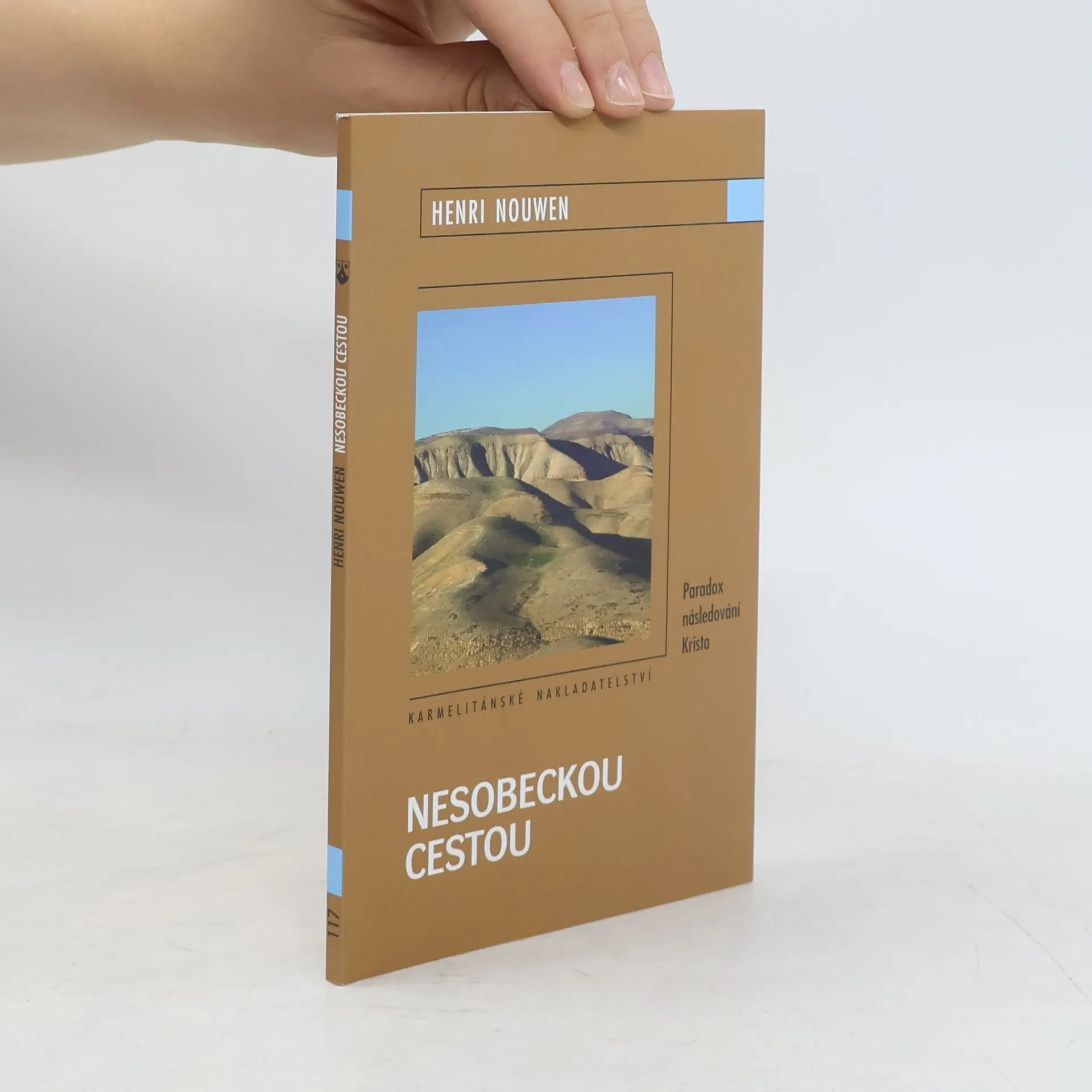
Kristův život je v příkrém rozporu s hodnotami, které uznává svět, což pro všechny Kristovy následovníky představuje velkou výzvu. Právě to je tématem knížky Nesobeckou cestou. Pokušení, jimž musel čelit Kristus na poušti, jsou přítomná v každé době, i když v různých převlecích. Kristův učedník se musí potýkat s touhou po moci a se sklonem ovládat druhé, se sebestředností a touhou po vlastní slávě a s hledáním jistot v hromadění majetku.
Autor osvětluje kontrast mezi cestou Kristova učedníka, která je cestou shora dolů, cestou rostoucí pokory a svobody, a cestou mentality světa, která nás tlačí vzhůru, k honbě za úspěchem, seberealizací, vlivem, popularitou a bohatstvím, které má člověku zajistit přináležitost k „elitě“. Jen nesobecká cesta je cesta Kristova, jinudy jej nelze následovat.
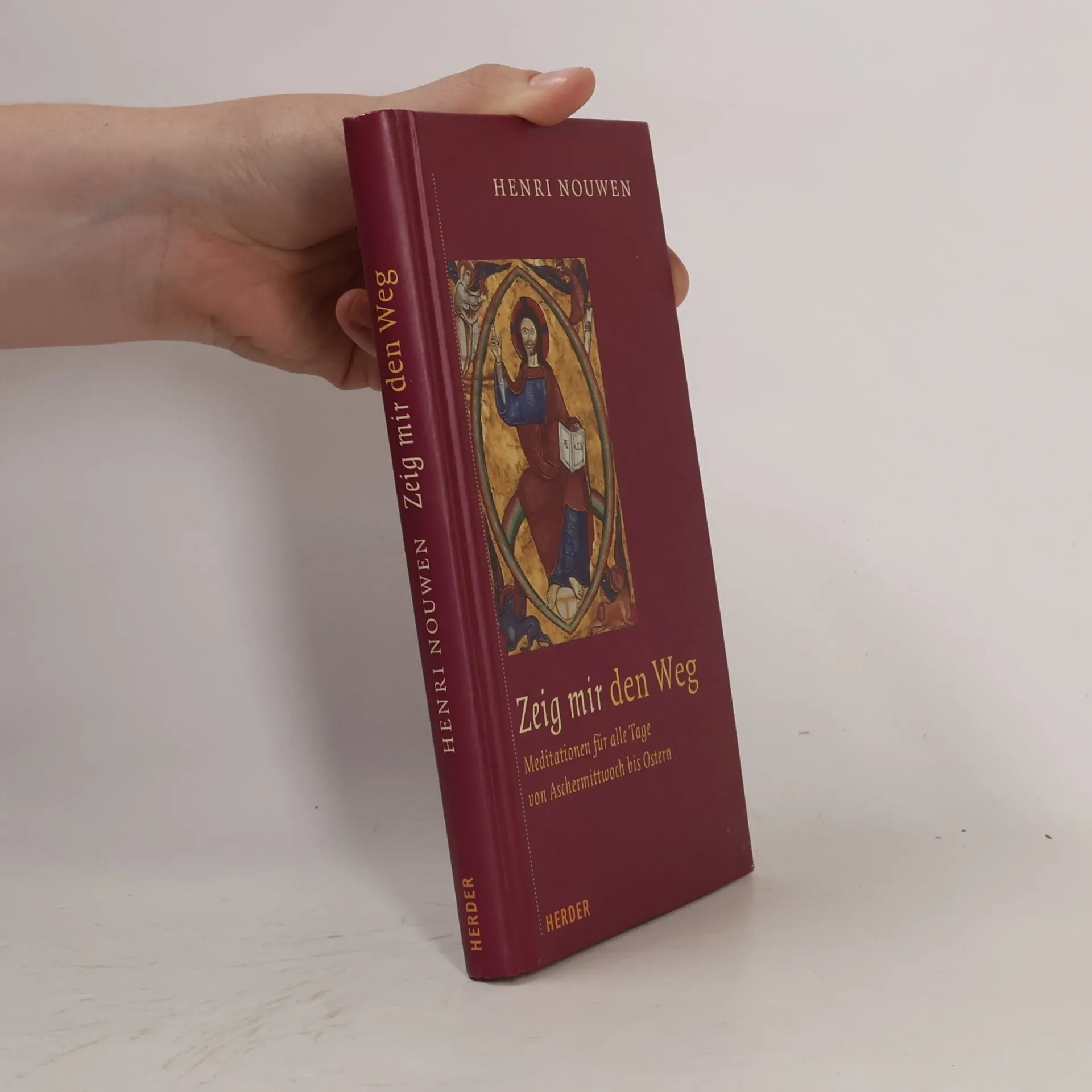
Was bedeutet spirituelles Leben in einer von Idealen des Wachstums und
Fortschritts bestimmten Zeit? In diesem Buch entwirft Henri Nouwen ein klares
Bild der Spannung zwischen den Werten einer 'Aufsteiger'-Gesellschaft und der
christlichen Botschaft. Er zeigt konkrete Wege auf, in unserer Zeit den 'Weg
Christi' zu finden und zu gehen. Die ideale Lektüre zur Fasten- und Osterzeit.
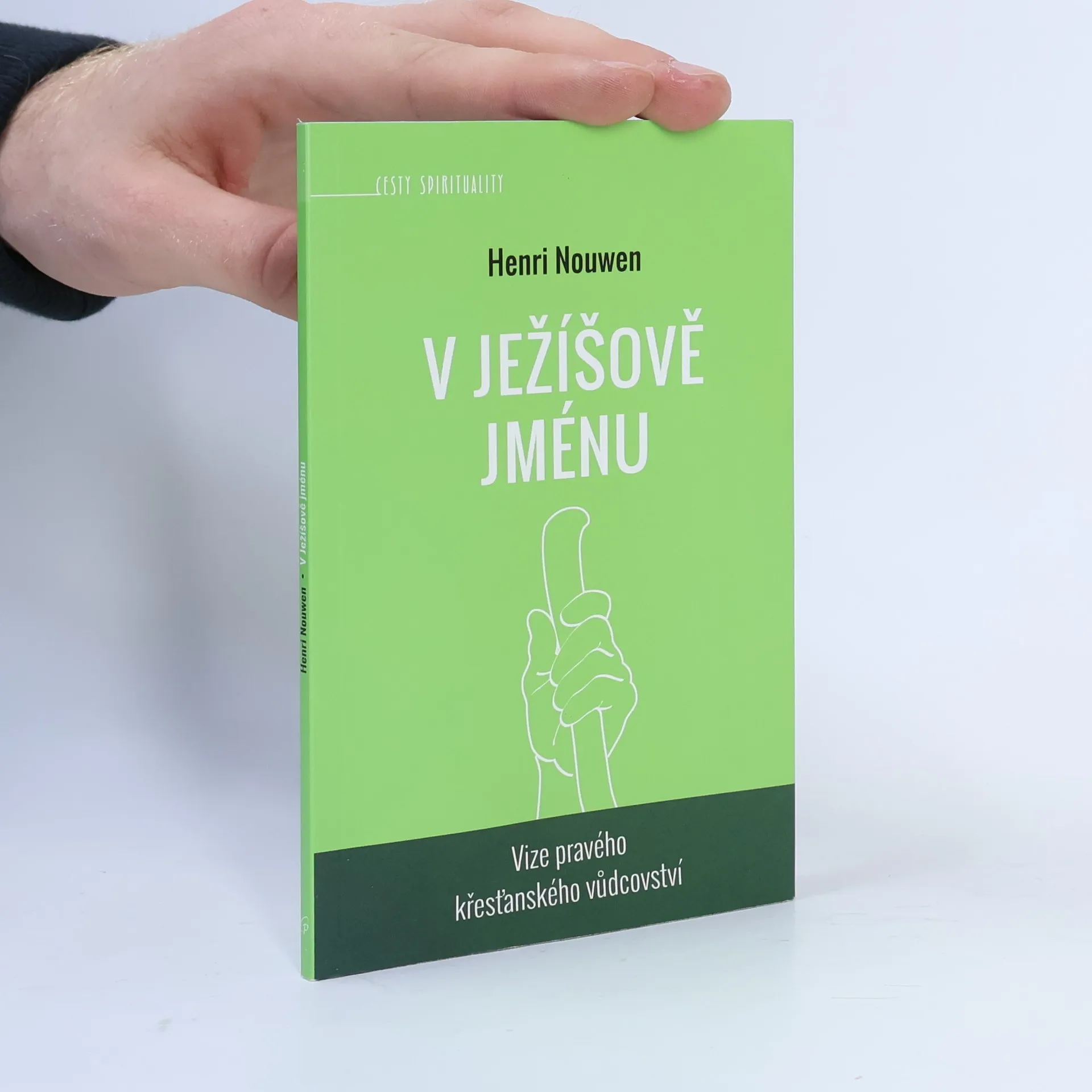
Známý kněz a spisovatel Henri Nouwen oslavil svou padesátku, když si uvědomil, že navzdory rostoucímu věhlasu duchovního mistra jeho vnitřní život stagnuje, je-li vůbec nějaký. Měl za sebou více než dvacetiletou kariéru univerzitního docenta, naposledy na prestižním Harvardu. Byl velice žádaný a vytížený, ale už se téměř nemodlil, trpěl rozervaností a pocitem osamělosti. Pán ho tehdy vyzval k radikální změně života: odešel do komunity Archa, kde pak sdílel život s mentálně postiženými a jejich ošetřovateli.
Pozvání přednášet kněžím ve Washingtonu na téma „Křesťanské vedení v 21. století“ ho zastihlo v roce 1989 už v komunitě, tj. krátce po odchodu z Harvardu. Zprvu si nebyl jistý, že má co říct, ale ve světle své nové zkušenosti dal nakonec dohromady několik zásadních postřehů a podnětů ke změně. Jeho přednáška měla velký ohlas a záhy vyšla i knižně pod názvem V Ježíšově jménu. Od té doby doslova obletěla svět – dočkala se téměř dvaceti vydání jen v angličtině a mnoha překladů do cizích jazyků. S velkým užitkem ji čtou lidé ve službě vedení napříč křesťanskými církvemi: kněží, kazatelé, pastoři i studenti připravující se na službu v církvi.
Was bedeutet es für den Menschen, wenn er plötzlich vor dem Nichts steht? Mit einem Schlag ist nichts mehr, wie es war – Glück, Zuversicht und Geborgenheit wenden sich in Trauer, Einsamkeit und Schmerz. Als eine Freundschaft zerbricht, macht Henri Nouwen genau diese Erfahrung. Er glaubt, nicht mehr weiterleben zu können, findet Hilfe im Gespräch und in einem Tagebuch, das er kurz vor seinem Tod für die Publikation überarbeitet hat. Entstanden ist ein Buch der Selbsterkenntnis, das zeigt, wie aus bitterer Erfahrung Segen werden kann.
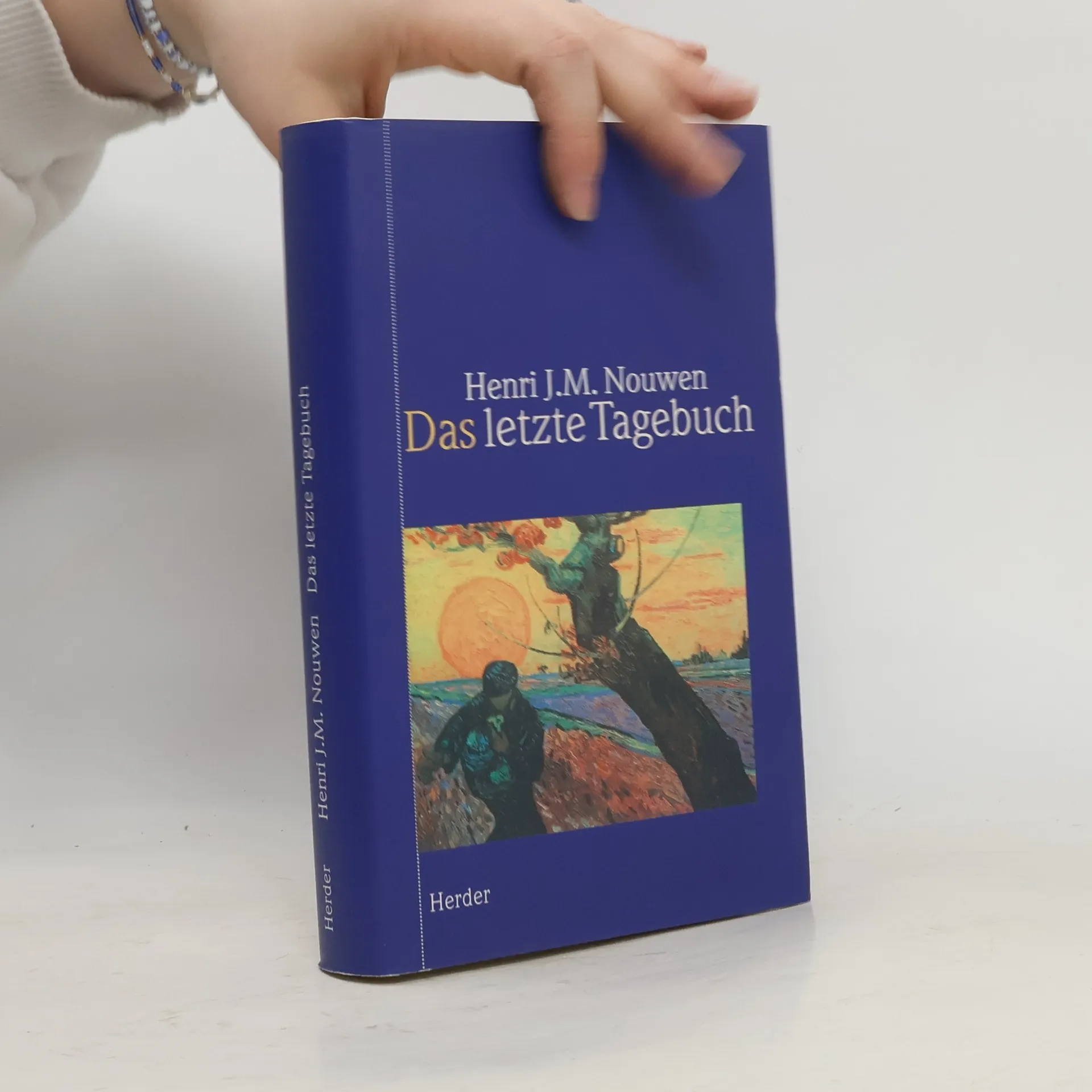
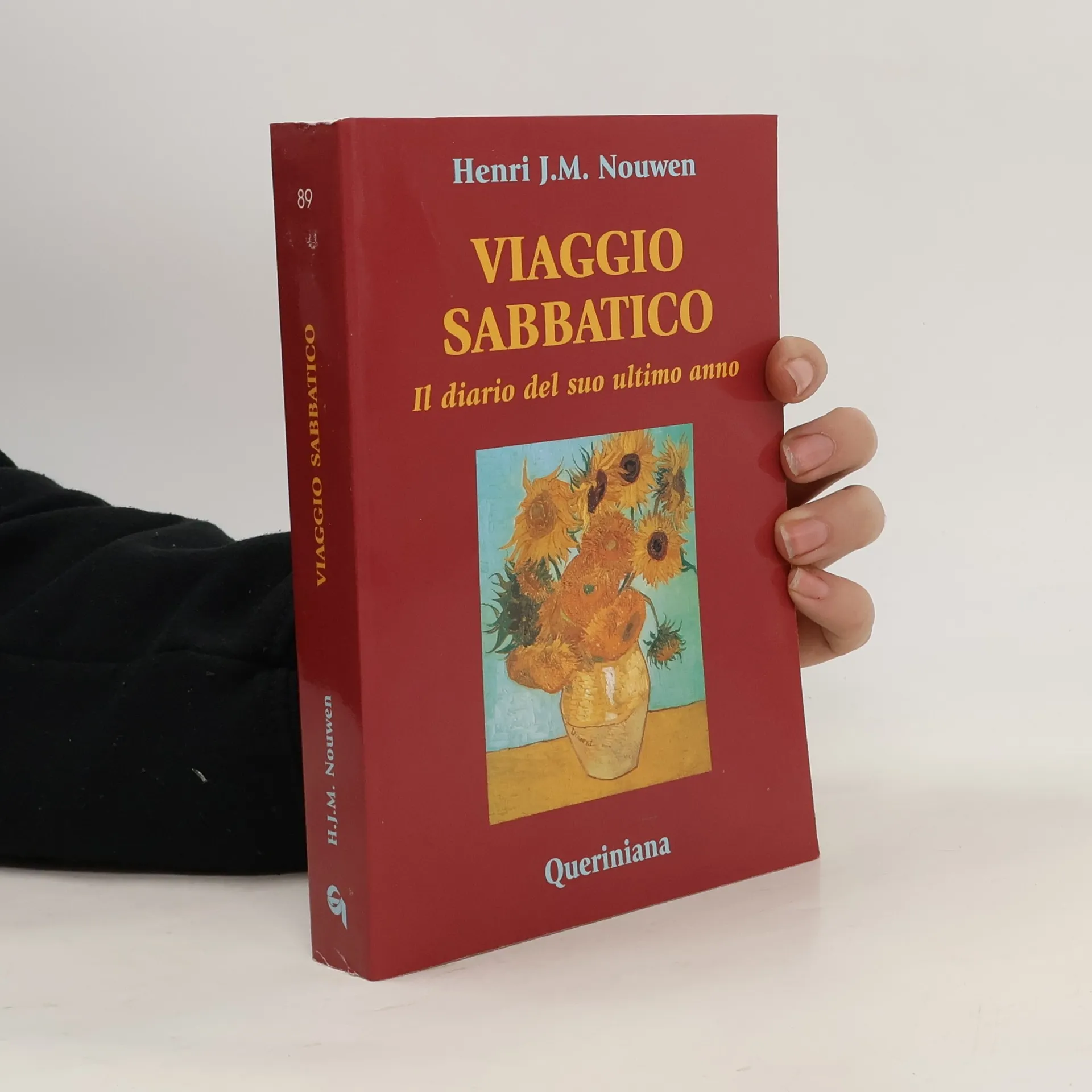
Henri Nouwen trat 1995 ein Sabbatjahr an, um sich auf schriftstellerische Arbeit, Reisen und persönliche Besinnung zu konzentrieren. In seinem Tagebuch hält er eindrucksvoll Gedanken, Eindrücke und innere Kämpfe fest. Sein "Letztes Tagebuch" bietet ein einzigartiges Zeugnis seiner Gottes- und Menschenliebe bis kurz vor seinem Tod.