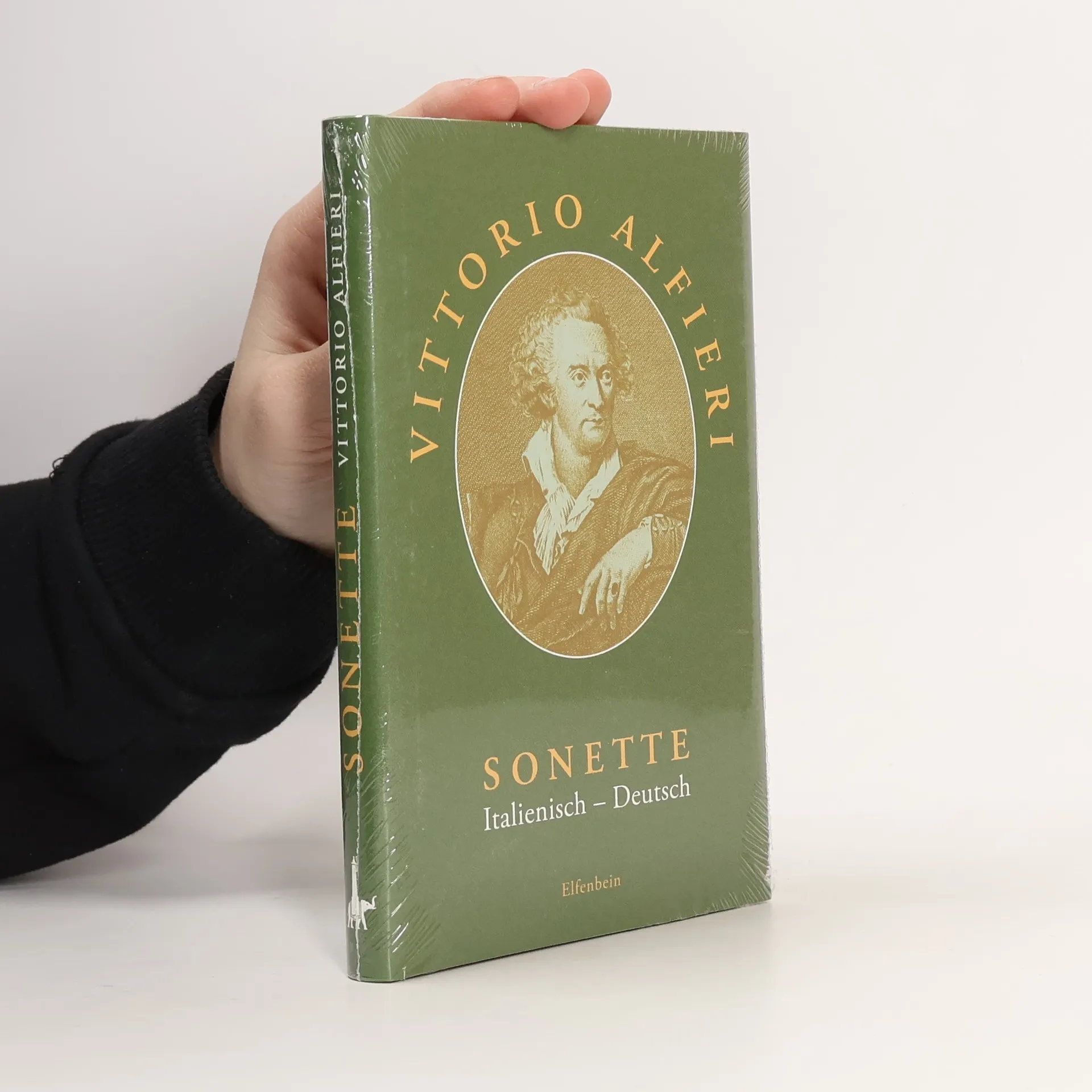
Seit der frühen Renaissance ahmen Dichter in ganz Europa die Sonette Francesco Petrarcas (1304–1374) nach und verfolgen damit ein lyrisches Programm, nach dem das liebende und leidende Individuum durch eigene Erfahrungen das allgemein Menschliche in sich erkennen möge. Alfieris „Petrarkismus“ allerdings ist ganz ichbezogen und weist in seiner dramatischen Betonung der eigenen Affekte schon beinahe expressionistische Züge auf. Seine Sonette sind von überschwänglicher Leidenschaft und starkem Ausdrucksbedürfnis geprägt; Eros, Freiheitsdrang und Streben nach dichterischem Ruhm sind seine wesentlichen Anliegen, dem Sturm und Drang ist Alfieri näher als der höfischen Kultur des Cinquecento. Der hier vorgelegte zweisprachige Band gibt eine repräsentative Auswahl aus Alfieris Sonetten, darunter finden sich politische, satirische, philosophische, autobiografische, dichtungsbezogene und amouröse – letztere ausnahmslos Luise Gräfin zu Stolberg (1746–1824) gewidmet. Christoph Ferber (geb. 1954) hat u. a. Lyrik von Gaspara Stampa, Ugo Foscolo, Eugenio Montale, Salvatore Quasimodo und Stéphane Mallarmé übersetzt. Er lebt in Ragusa auf Sizilien. Georges Güntert (geb. 1938) ist emeritierter Professor für Romanistik an der Universität Zürich.
Vittorio Alfieri Livres

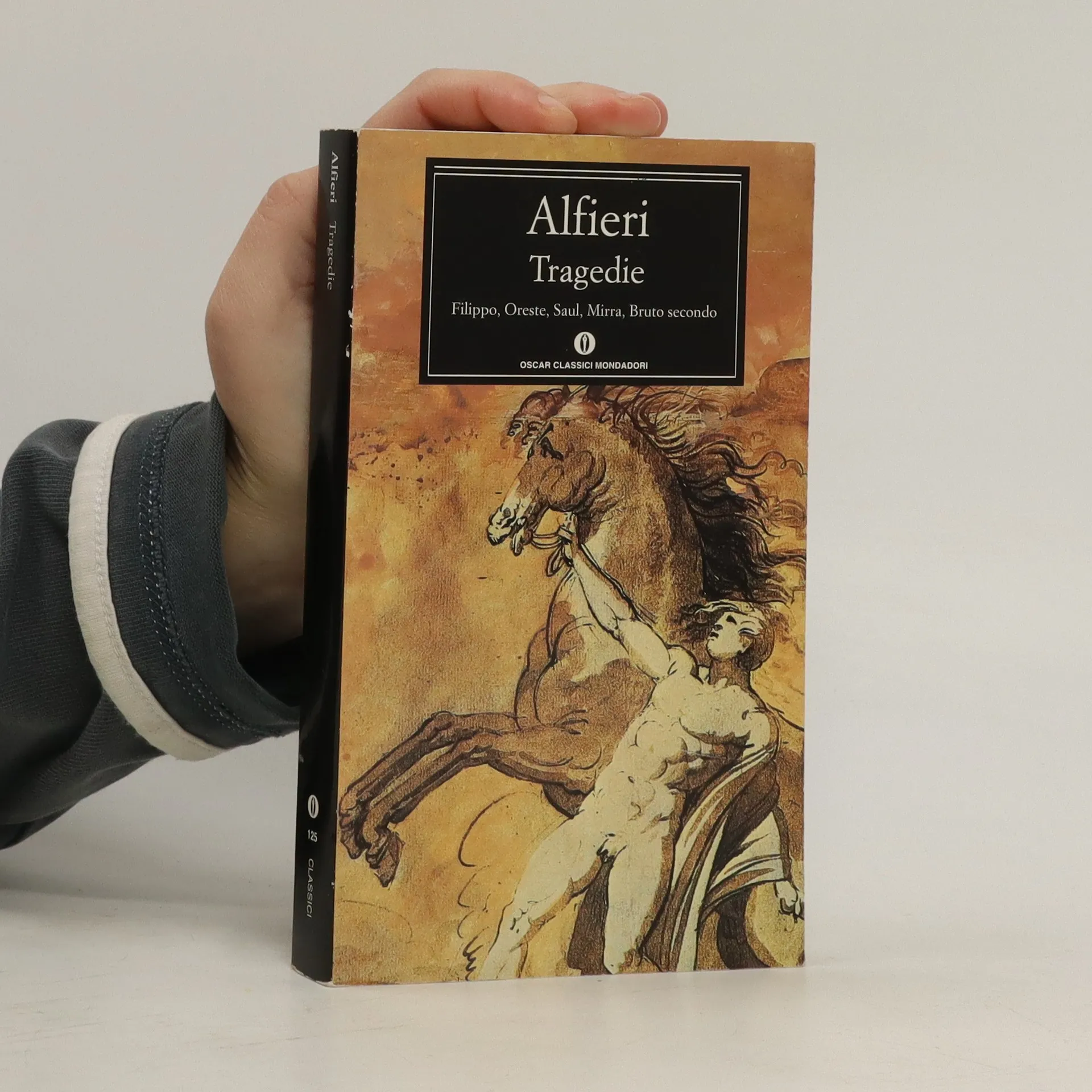
Tragedie
- 370pages
- 13 heures de lecture
In edizione commentata e annotata le tragedie più significative dell'Alfieri (1749-1803): la prima (Filippo), l'ultima (Bruto secondo) e le tre maggiori (Oreste, Saul e Mirra).
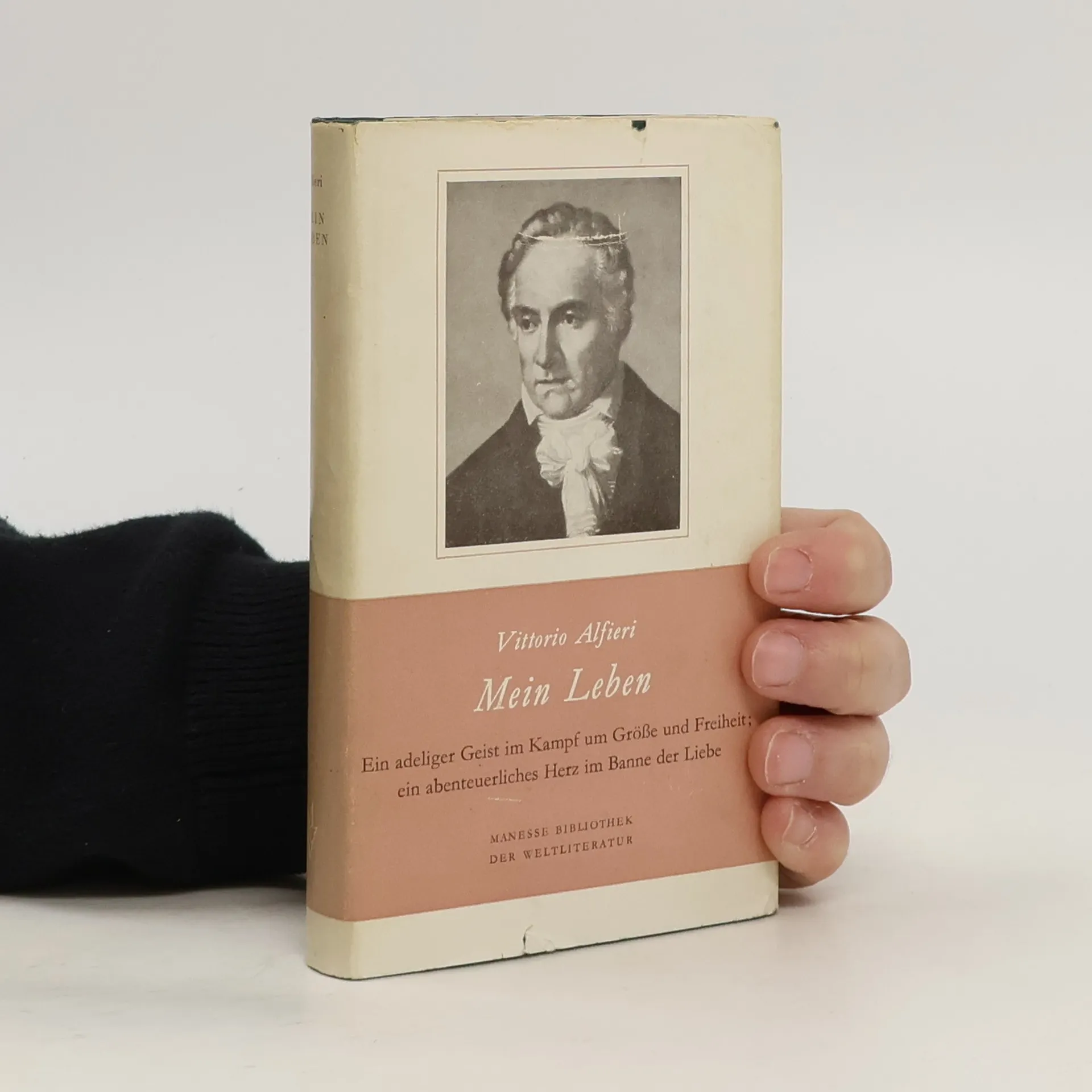
La Vita dell'Alfieri è la storia "sperimentale" del farsi di un poeta; la solitudine dolorosa ed eroica, la malinconia poetica ma virile, l'ansia di grandezza e magnanimità in ogni campo, insomma tutti gli accenti più alti dello scrittore risalgono all'assoluta fedeltà e all'esclusiva attenzione ai problemi della "sua" anima: nel fanciullo, nell'adolescente, nel giovane, nell'uomo maturo. L'Alfieri poeta presenta nella Vita , una fra le più straordinarie autobiografie della nostra letteratura, la sua poetica più esplicita e la sua affermazione spiegata e felice.
Considerato il capolavoro di Alfieri, "Saul" è una tragedia di argomento biblico, lineare nell'intreccio ma potente e drammatica. In primo piano la figura del sovrano: nel suo animo nobile e sensibile albergano uno smisurato orgoglio e una cupezza sconsolata; diviso tra cielo e terra, ribelle a Dio, non riesce a dominare l'anelito che lo avvelena: oltrepassare "il limite". Vittima della sua brama di potere si macchia di crudeltà e delitti, pur consapevole che porteranno solo rovina. Il contrasto insanabile stringe a poco a poco Saul nel cerchio della follia, da cui evade con un ultimo gesto: l'eroico suicidio, catarsi della tragedia.
Mirra
- 136pages
- 5 heures de lecture
Milano, Signorelli, 1953, 16mo brossura orig. pp. 102
Dvě z nejproslulejších skladeb tohoto autora, Dona Garziu a Myrrhu, v nichž hlavní úlohu hrají vůle a vášeň...
Tutte le Tragedie 3
Rosmunda, Maria Stuarda, La congiura de' Pazzi, Don Garzia, Agide