Die 27ste Stadt: Roman | »Jonathan Franzens imponierendes Frühwerk." Wolfgang Schneider, FAZ
- 672pages
- 24 heures de lecture


Jonathan Franzen est un auteur dont les romans explorent les complexités de la vie moderne. Ses œuvres examinent fréquemment les dynamiques familiales, les tendances sociétales et la quête de sens à notre époque. La prose de Franzen est reconnue pour sa perspicacité acérée et sa capacité à capturer la profondeur psychologique de ses personnages. Il écrit sur l'expérience d'être humain à l'ère actuelle, ses livres suscitant souvent de fortes réactions émotionnelles et incitant à une profonde réflexion.

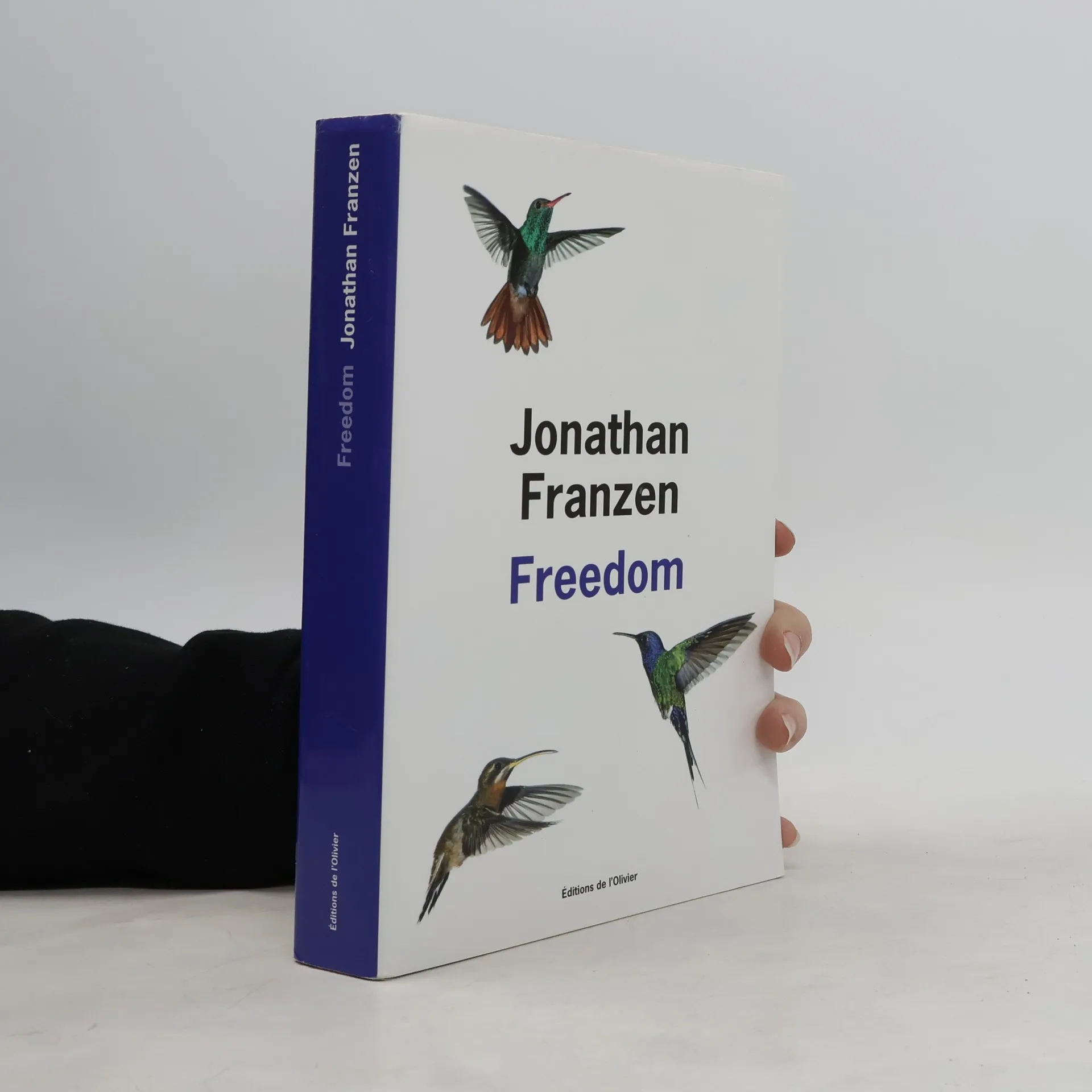

Set against a backdrop of moral crisis, this novel explores the Hildebrandt family's navigation through the political and social currents of the past fifty years. On December 23, 1971, in Chicago, Russ Hildebrandt, an associate pastor, contemplates breaking free from his joyless marriage to Marion, who harbors her own secrets. Their eldest son, Clem, returns from college with a fervent moral absolutism that will profoundly affect his father. Meanwhile, their daughter Becky, once the social queen of her high school, has embraced the counterculture, and their younger brother Perry, who has been selling drugs, aspires to change for the better. Each family member seeks freedom, yet their desires complicate one another's lives. Celebrated for his vivid characters and insightful commentary on contemporary America, the author delves into generational history with humor and warmth. This intricate narrative weaves together multiple perspectives and maintains suspense, depicting a Midwestern family grappling with moral dilemmas. The author's ability to intertwine personal and societal issues shines through, making this work a powerful exploration of human mythologies and familial dynamics.
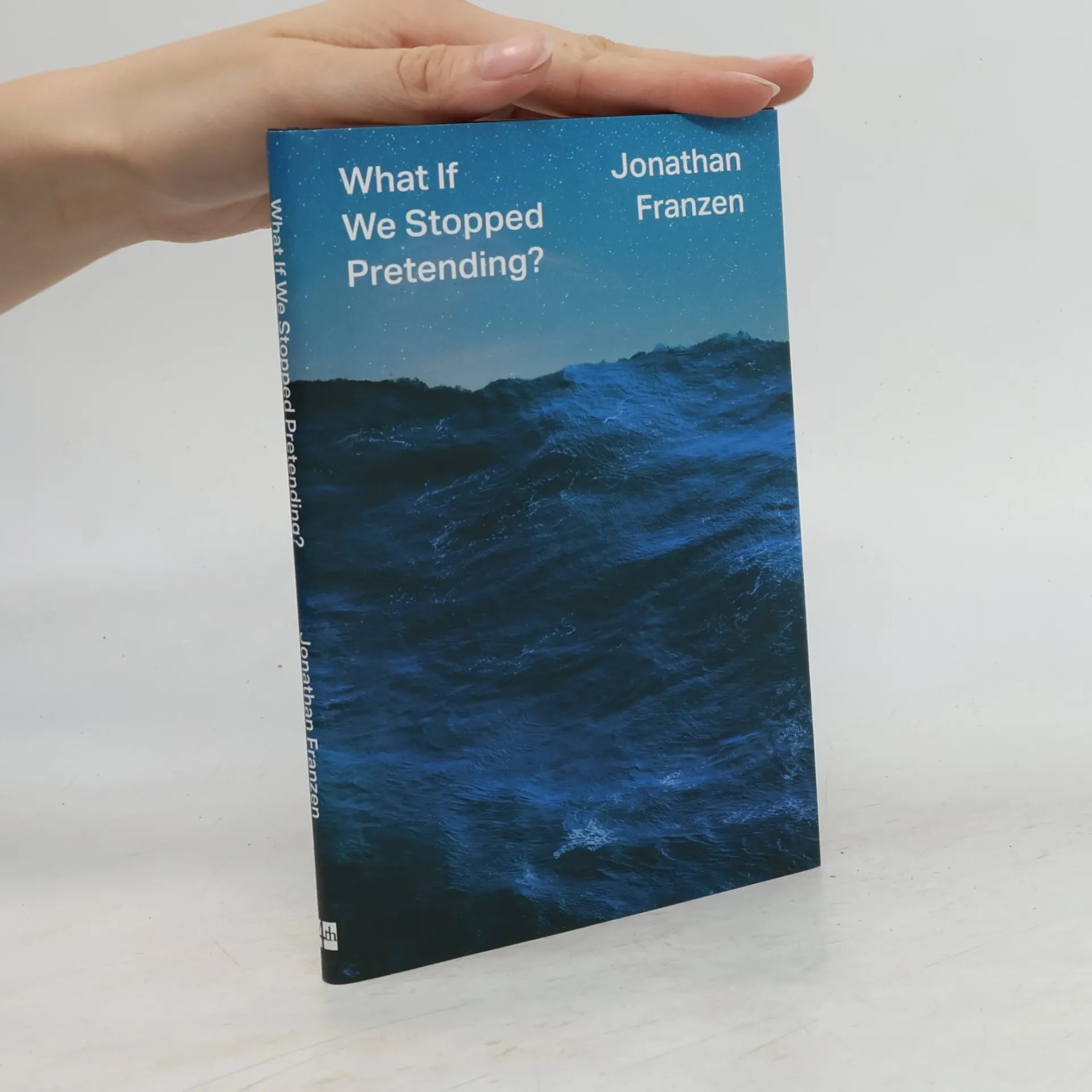
The climate crisis is here. Our chance to stop it has come and gone, but this doesn't have to mean the world is ending.
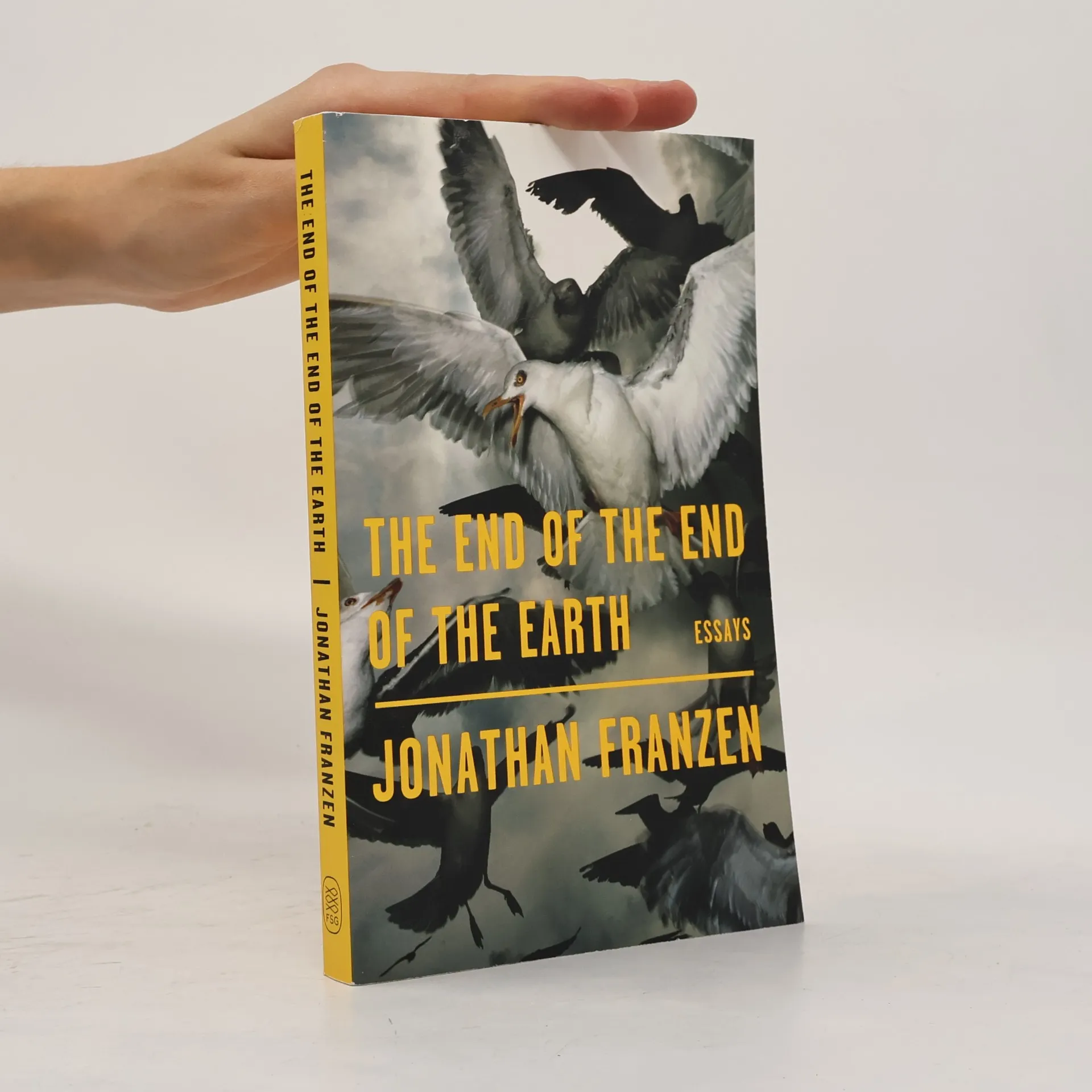
A sharp and provocative new essay collection from the award-winning author of Freedom and The Corrections In The End of the End of the Earth, which gathers essays and speeches written mostly in the past five years, Jonathan Franzen returns with renewed vigor to the themes--both human and literary--that have long preoccupied him. Whether exploring his complex relationship with his uncle, recounting his young adulthood in New York, or offering an illuminating look at the global seabird crisis, these pieces contain all the wit and disabused realism that we've come to expect from Franzen. Taken together, these essays trace the progress of a unique and mature mind wrestling with itself, with literature, and with some of the most important issues of our day, made more pressing by the current political milieu. The End of the End of the Earth is remarkable, provocative, and necessary.
"Young Pip Tyler doesn't know who she is. She knows that her real name is Purity, that she's saddled with $130,000 in student debt, that she's squatting with anarchists in Oakland, and that her relationship with her mother -- her only family -- is hazardous. But she doesn't have a clue who her father is, why her mother chose to live as a recluse with an invented name, or how she'll ever have a normal life. Enter the Germans. A glancing encounter with a German peace activist leads Pip to an internship in South America with The Sunlight Project, an organization that traffics in all the secrets of the world -- including, Pip hopes, the secret of her origins. TSP is the brainchild of Andreas Wolf, a charismatic provocateur who rose to fame in the chaos following the fall of the Berlin Wall. Now on the lam in Bolivia, Andreas is drawn to Pip for reasons she doesn't understand, and the intensity of her response to him upends her conventional ideas of right and wrong."--Book jacket (hardcover edition).
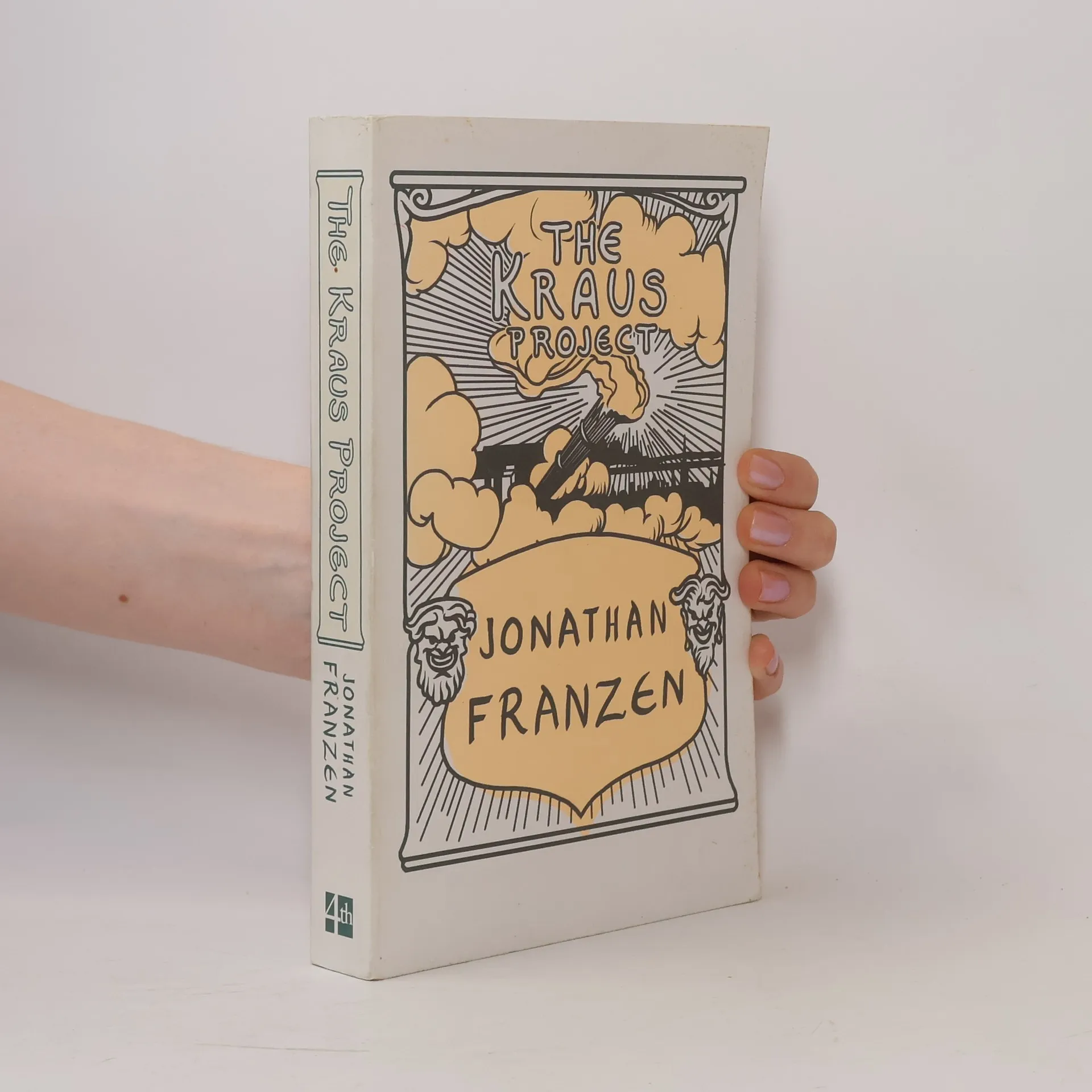
100 years ago, the Viennese satirist Karl Kraus was among the most penetrating and prophetic writers in Europe: a relentless critic of the popular media's manipulation of reality, the dehumanizing machinery of technology and consumerism, and the jingoistic rhetoric of a fading empire. But even though his followers included Franz Kafka and Walter Benjamin, he remained something of a lonely prophet, and few people today are familiar with his work. Thankfully, Jonathan Franzen is one of them. In 'The Kraus Project', Franzen not only presents and annotates his definitive new translations of Kraus, with supplementary notes from the Kraus scholar Paul Reitter and the Austrian writer Daniel Kehlmann. In Franzen Kraus has found his match: a novelist unafraid to voice unpopular opinions strongly, a critic capable of untangling Kraus's often dense arguments.
Jonathan Franzen's Freedom was the runaway most-discussed novel of 2010, an ambitious and searching engagement with life in America in the twenty-first century. In The New York Times Book Review, Sam Tanenhaus proclaimed it "a masterpiece of American fiction" and lauded its illumination, "through the steady radiance of its author's profound moral intelligence, [of] the world we thought we knew." In Farther Away , which gathers together essays and speeches written mostly in the past five years, Franzen returns with renewed vigor to the themes, both human and literary, that have long preoccupied him. Whether recounting his violent encounter with bird poachers in Cyprus, examining his mixed feelings about the suicide of his friend and rival David Foster Wallace, or offering a moving and witty take on the ways that technology has changed how people express their love, these pieces deliver on Franzen's implicit promise to conceal nothing. On a trip to China to see first-hand the environmental devastation there, he doesn't omit mention of his excitement and awe at the pace of China's economic development; the trip becomes a journey out of his own prejudice and moral condemnation. Taken together, these essays trace the progress of unique and mature mind wrestling with itself, with literature, and with some of the most important issues of our day. Farther Away is remarkable, provocative, and necessary.
In diesem Band der Tübinger Poetik-Vorlesungen 2009 untersuchen Jonathan Franzen und Adam Haslett das Wechselspiel zwischen Leben und Schreiben. Poetikvorlesungen bieten Wissen, das aus Erfahrung und persönlichen Erlebnissen stammt, und sollen keine bloßen Wiederholungen bereits veröffentlichter Texte sein. Stattdessen wird eine biografisch gesättigte Reflexion über das eigene Schreiben und Lesen angestrebt. Diese Vorlesungen thematisieren die Funktion, Wirkung und Rolle des Autors, wobei nicht nur die Rolle im Text, sondern auch die Person des Autors, seine Stimme, Geschichte und Präsenz im Mittelpunkt stehen. Die Frage nach dem Autobiografischen im Roman ist für den Autor von Bedeutung und geht über literaturwissenschaftliche Überlegungen hinaus. Franzen sieht einen Roman als persönlichen Kampf an, während Haslett betont, dass Schriftsteller die Bücher schreiben, die sie selbst lesen möchten. Beide Autoren reflektieren über die Herausforderungen, die das Schreiben mit sich bringt, und die Sehnsucht nach Anerkennung der inneren Konflikte. Franzen, geboren 1959, ist bekannt für Werke wie „Die Korrekturen“, während Haslett, Jahrgang 1970, mit „Union Atlantic“ über die Finanzkrise des 21. Jahrhunderts schrieb.
Patty a décidé une fois pour toutes d’être la femme idéale. Mère parfaite, épouse aimante et dévouée, cette ex-basketteuse ayant un faible pour les bad boys a fait, en l’épousant, le bonheur de Walter Berglund, de St. Paul (Minnesota). A eux deux, ils forment le couple « bobo » par excellence. En devenant madame Berglund, Patty a renoncé à bien des choses, et d’abord à son amour de jeunesse, Richard Katz, un rocker dylanien qui se trouve être aussi le meilleur ami de Walter. Freedom raconte l’histoire de ce trio, et capture le climat émotionnel, politique et moral des Etats-Unis de ces 30 dernières années, dans une tragi-comédie d’une incroyable virtuosité. Comment vivre ? Comment s’orienter dans une époque qui semble devenue folle ? Jonathan Franzen relève le défi et tente de répondre à cette question, avec cette histoire d’un mariage d’une implacable cruauté. Freedom a bénéficié dès sa sortie d’une rumeur très favorable, et même avant, lorsque le magazine TIME daté du 23 août a consacré sa couverture à Jonathan Franzen (cela faisait tout juste 10 ans qu’un écrivain avait connu une telle visibilité). La presse a tout de suite embrayé, avec des comptes-rendus enthousiastes, notamment Michiko Kakutani, la redoutée critique du New York Times. Et Oprah Winfrey a (finalement!) invité l’auteur à son show, qui est l’émission la plus regardée aux U.S.A.
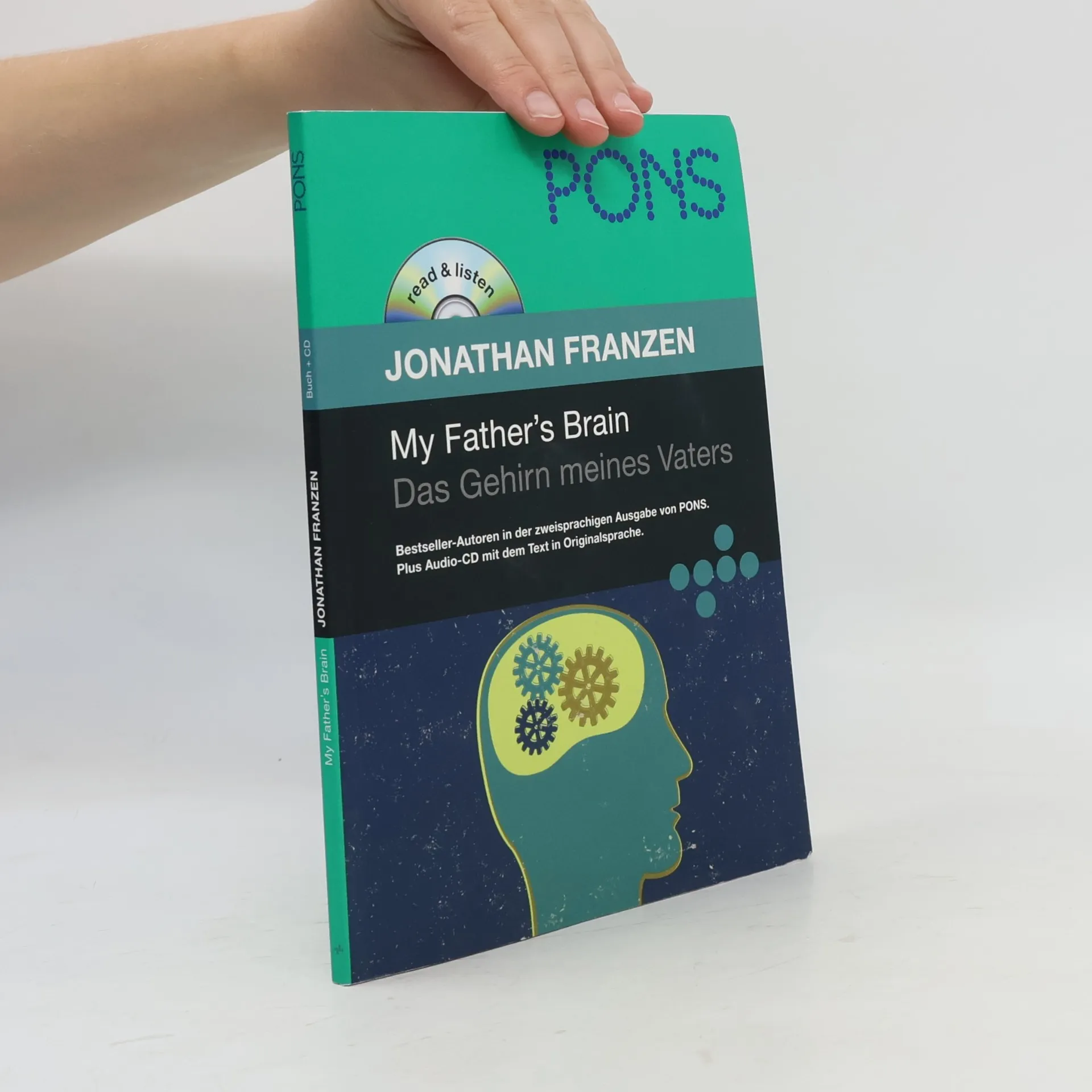
« Aurait-il pu y avoir pire maladie pour lui que l’Alzheimer ? Dans ses premiers stades, elle a dissous les liens personnels qui l’avaient préservé des pires effets de son isolement dépressif. Dans ses derniers stades, elle l’a dépouillé des protections de l’âge adulte, du moyen de cacher l’enfant en lui. J’aurais préféré qu’il ait plutôt une crise cardiaque. »Jonathan Franzen a vu son père s’éteindre peu à peu. À partir d’une autopsie de son cerveau que celui-ci avait gagné de son vivant, il revient sur le fléau qui a rongé petit à petit sa famille : la découverte de la maladie, une épouse qui doit devenir mère, ne plus être reconnu… jusqu’au dernier souffle.
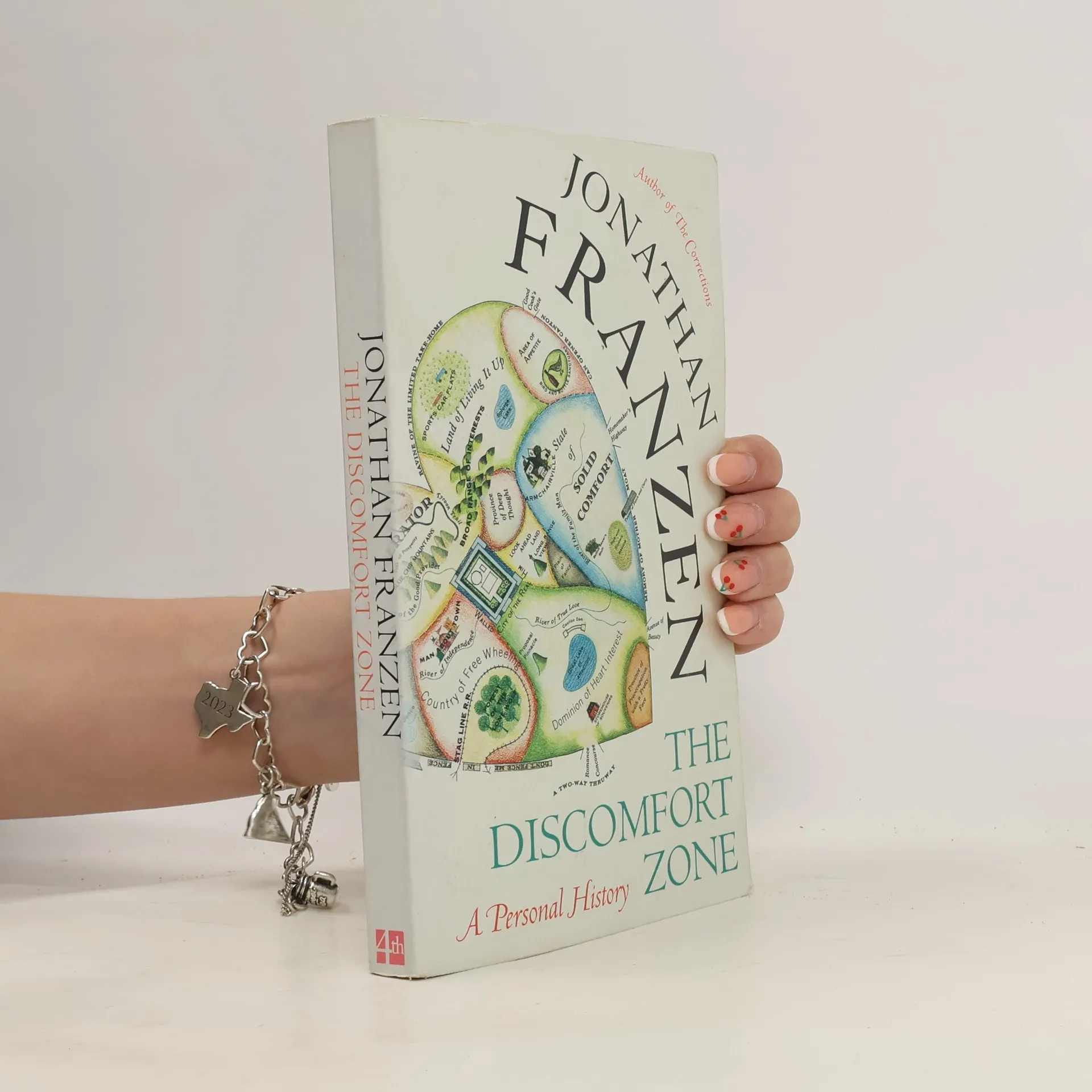
Jonathan Franzen arrived late, and last, in a family of boys in Webster Groves, Missouri. This is his memoir of his growth from a 'small and fundamentally ridiculous person, ' through an adolescence both excruciating and strangely happy, into an adult with embarrassing and unexpected passions
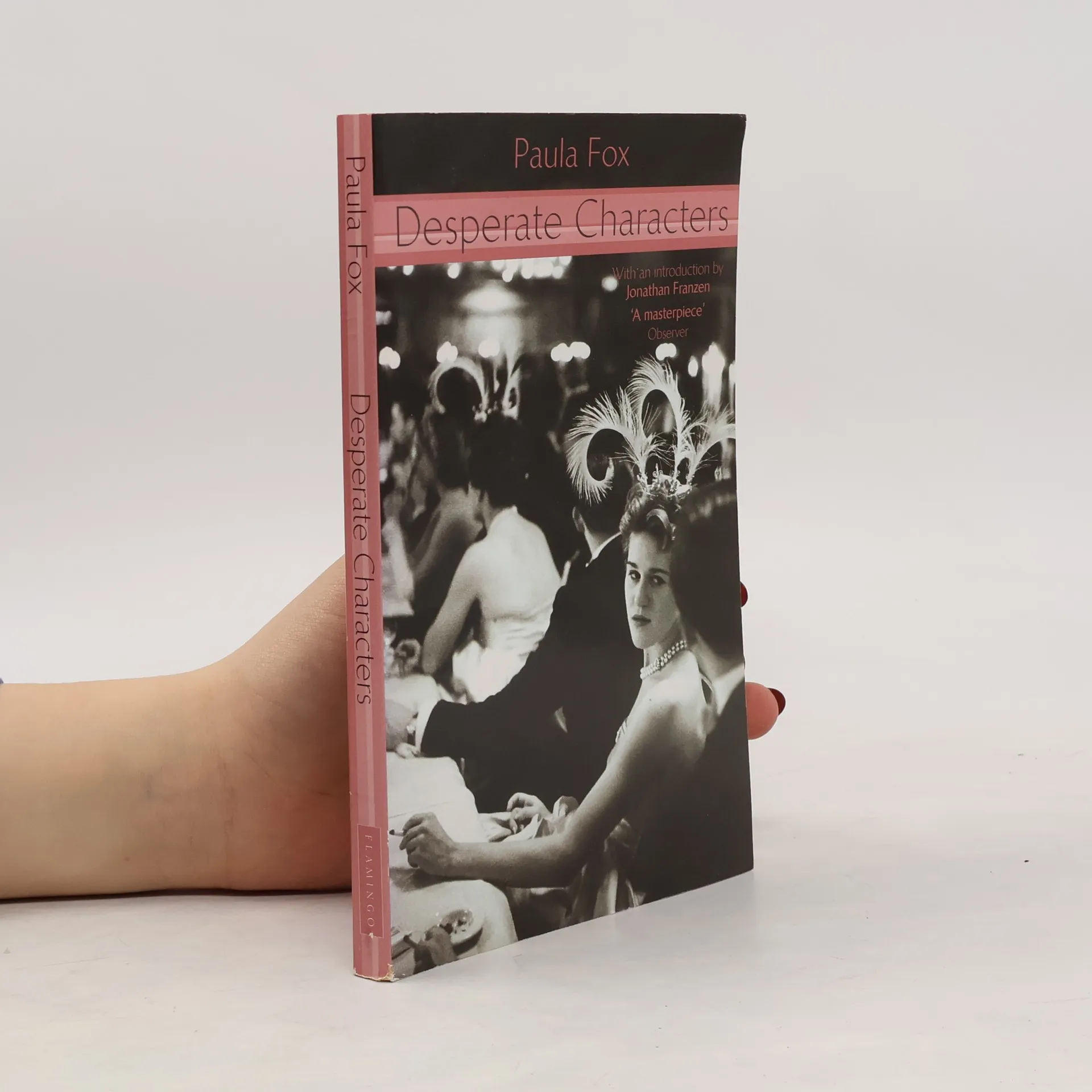
A Great American Novel -- from the author of 'Borrowed Finery'. Otto and Sophie Bentwood live childless in a renovated Brooklyn brownstone. The complete works of Goethe line their bookshelf, their stainless steel kitchen is newly installed, and their Mercedes is parked outside. After Sophie is bitten on the hand while trying to feed a half-starved neighbourhood cat, a series of small and ominous disasters begin to plague their lives, revealing the faultlines and fractures in a marriage -- and a society -- wrenching itself apart. Includes an introduction by Jonathan Franzen.
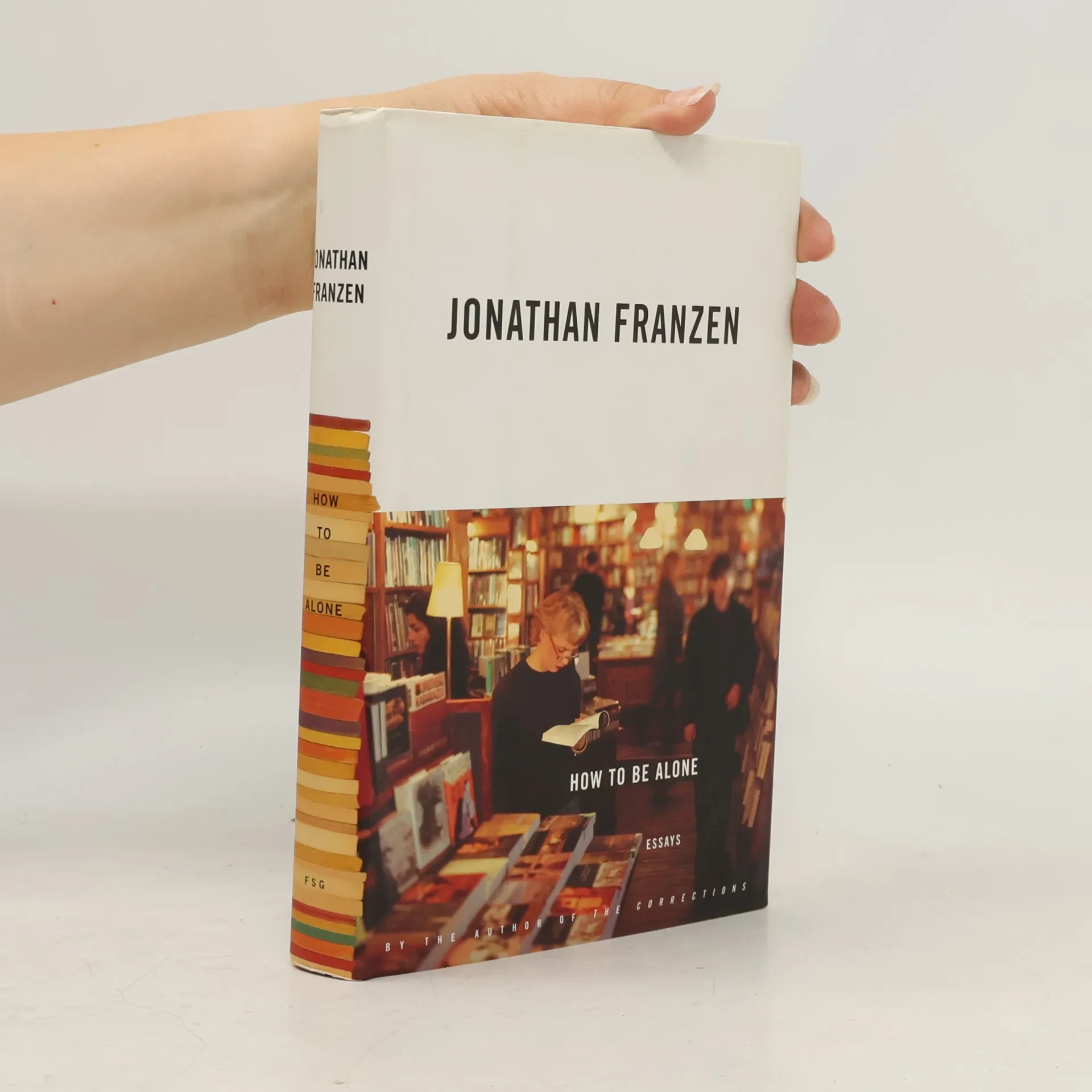
Passionate, strong-minded nonfiction from the National Book Award-winning author of "The Corrections." Jonathan Franzen's acclaimed novel was widely discussed, particularly regarding "The Harper's Essay," his controversial 1996 exploration of the American novel's fate. This essay appears for the first time in How to be Alone, alongside personal essays and insightful reportage that garnered Franzen a broad readership prior to his novel's success. His subjects, ranging from the sex-advice industry to the workings of a supermax prison, delve into recurring themes: the erosion of civic life, private dignity, and the persistent loneliness in postmodern America. Recent essays include a poignant piece on his father's struggle with Alzheimer's and a candid account of his brief experience as an Oprah Winfrey author. Collectively, these essays illustrate Franzen's journey "away from an angry and frightened isolation toward an acceptance— even a celebration—of being a reader and a writer." They reflect his skepticism toward technology and psychology, a complex relationship with consumerism, and a belief in the tragic nature of individual lives, establishing Franzen as one of our most incisive and entertaining social critics.
La famille Lambert est une famille comme les autres, c'est-à-dire unique. Contradictoire, en guerre perpétuelle, dévorée par sa propre histoire, par ses conflits passés et à venir, ses silences. Derrière les visages, les cerveaux abritent des choses que, désespérément, on tente de cacher : Alfred, le père, derrière un caractère de fer dissimule l'impossibilité d'exprimer ses sentiments, tout comme ses désirs les plus profonds. Enid, sa femme, derrière sa soif inextinguible de moralité, tente d'affirmer sa personnalitém - et sa libération. Gary, le banquier, le fils modèle est dévoré par la certitude paranoïaque du mensonge et de la trahison, du besoin de richesse. Chip, l'intellectuel, à la poursuite d'une gloire littéraire et de ses contradictions politiques, et Denise, en quête d'un amour véritable et de cette liberté qui la révélera à elle-même, complètent le tableau. Au travers d'une histoire aux multiples rebondissements, haletante, tout ce petit monde va s'aimer, se déchirer et tenter d'approcher de la vérité : quel visage pour l'Amérique ? Et quelle place pour les vivants en quête de bonheur, parmi les multiples névroses que ce monde s'efforce d'engendrer ?
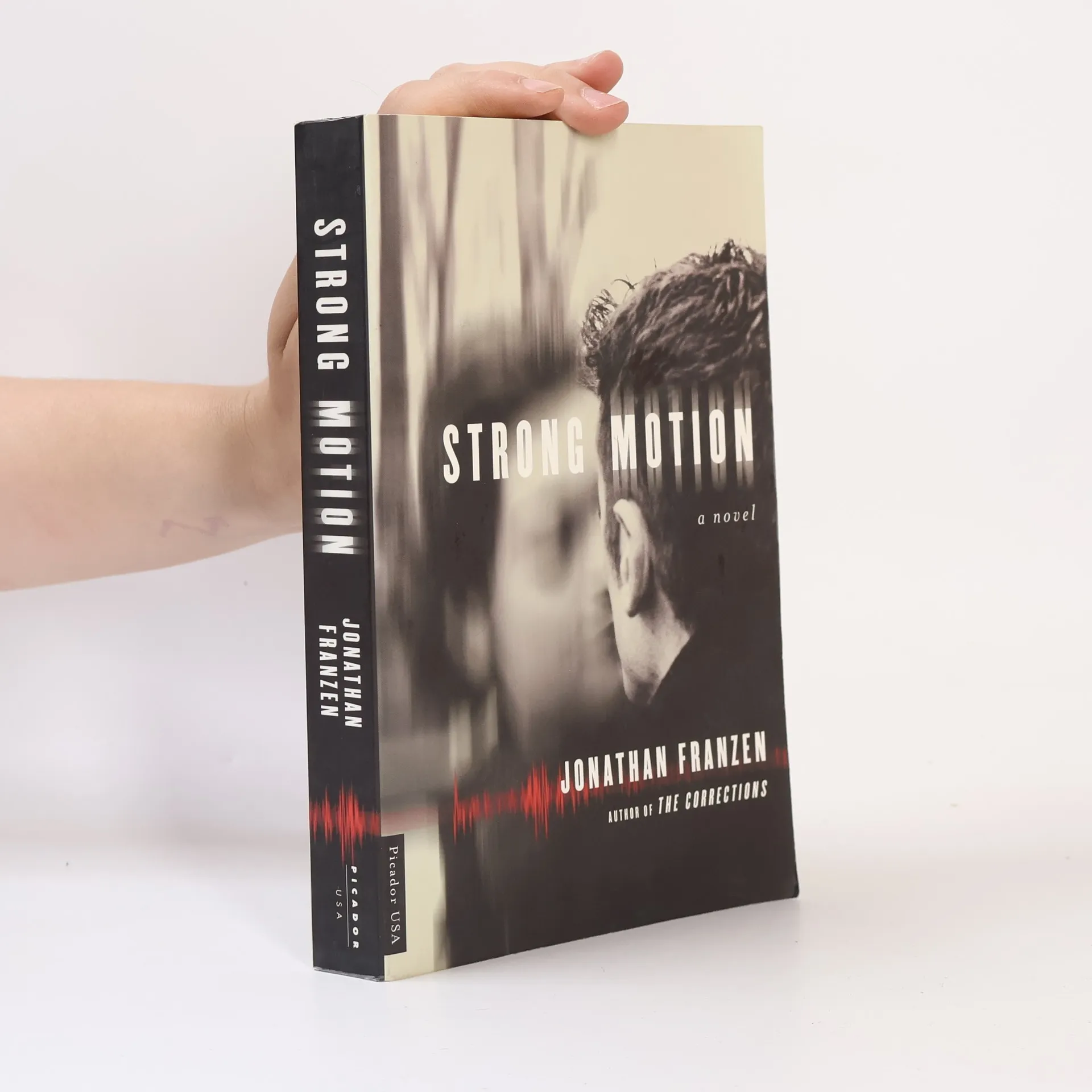
Louis Holland arrives in Boston in a spring of ecological upheaval (a rash of earthquakes on the North Shore) and odd luck: the first one kills his grandmother. Louis tries to maintain his independence, but falls in love with a Harvard seismologist whose discoveries about the earthquakes' cause complicate everything.
Reprint. Originally published: New York: Farrar Straus Giroux, 1988