

The book explores the life of Theodore Hamerow, a historian born in Warsaw in 1920, who grew up in Poland and Germany amidst a vibrant Yiddish theater scene, thanks to his parents' involvement with the Vilna Company. It delves into the significant movement within the Eastern European Jewish community that aimed to establish a secular Jewish culture centered around the Yiddish language in the decades leading up to World War II. The narrative highlights the cultural and historical context of Jewish identity during this transformative period.
Theodore S. Hamerow Livres


Restoration, Revolution, Reaction
Economics and Politics in Germany, 1815-1871
A study of the economic and social changes which shaped the movement for German unification. The author emphasizes the effect of industrialism on urban life, traces the decline of manorialism in agriculture and seeks to show that the political movements of these years were profoundly influenced by the economic transition from agrarianism to capitalism.
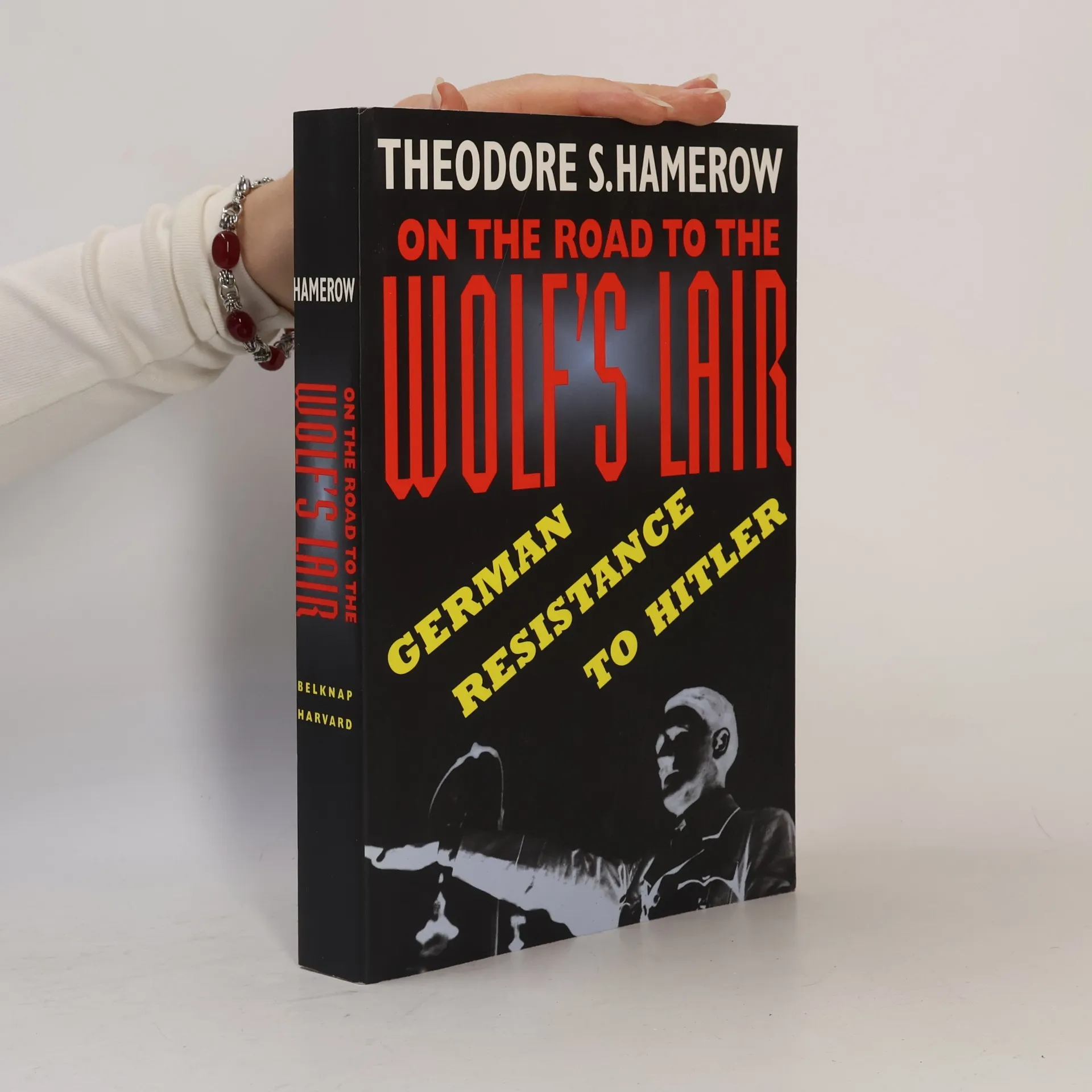
In the beginning, they rallied behind Hitler in the national interest of Germany; in the end, they sacrificed their lives to assassinate him. A history of German resistance to Hitler in high places, this book offers a glimpse into one of the most intractable mysteries. Why did high-ranking army officers, civil servants, and religious leaders support Hitler? Why did they ultimately turn against him? What transformed these unlikely men, most of them elitist, militaristic, and fiercely nationalistic, into martyrs to a universal ideal? The resisters in <i>On the Road to the Wolf's Lair</i> are not the singular souls doomed to failure by the massive Nazi machinery, but those who emerged from the Third Reich itself--those people whose cultural, administrative, and military positions allowed them, ultimately, to form a systematic, organized opposition to the Nazi regime. These were people with a vested interest in the Third Reich, and their slow and painful awakening to its evils makes a dramatic story, marked as much by temporizing and compromise, vacillation and reluctance--a resistance to conscience--as by the intrigue and heroics of political resistance that finally emerged. Hamerow follows these men as, one by one, they find themselves overwhelmed by guilt and contrition over their support of a murderous regime. He shows how their awakened moral reckonings and higher interests overrode lifetime habits and disciplines on the road to "the wolf's lair." The result is an unsparing history of the German resistance to Hitler--one where the players emerge for the first time as real people with complex motives and evolving characters. Almost a history of the possibility of an emerging collective moral conscience within a destructive environment, the book adds to our understanding of the fall of the Third Reich and of the task of history itself.
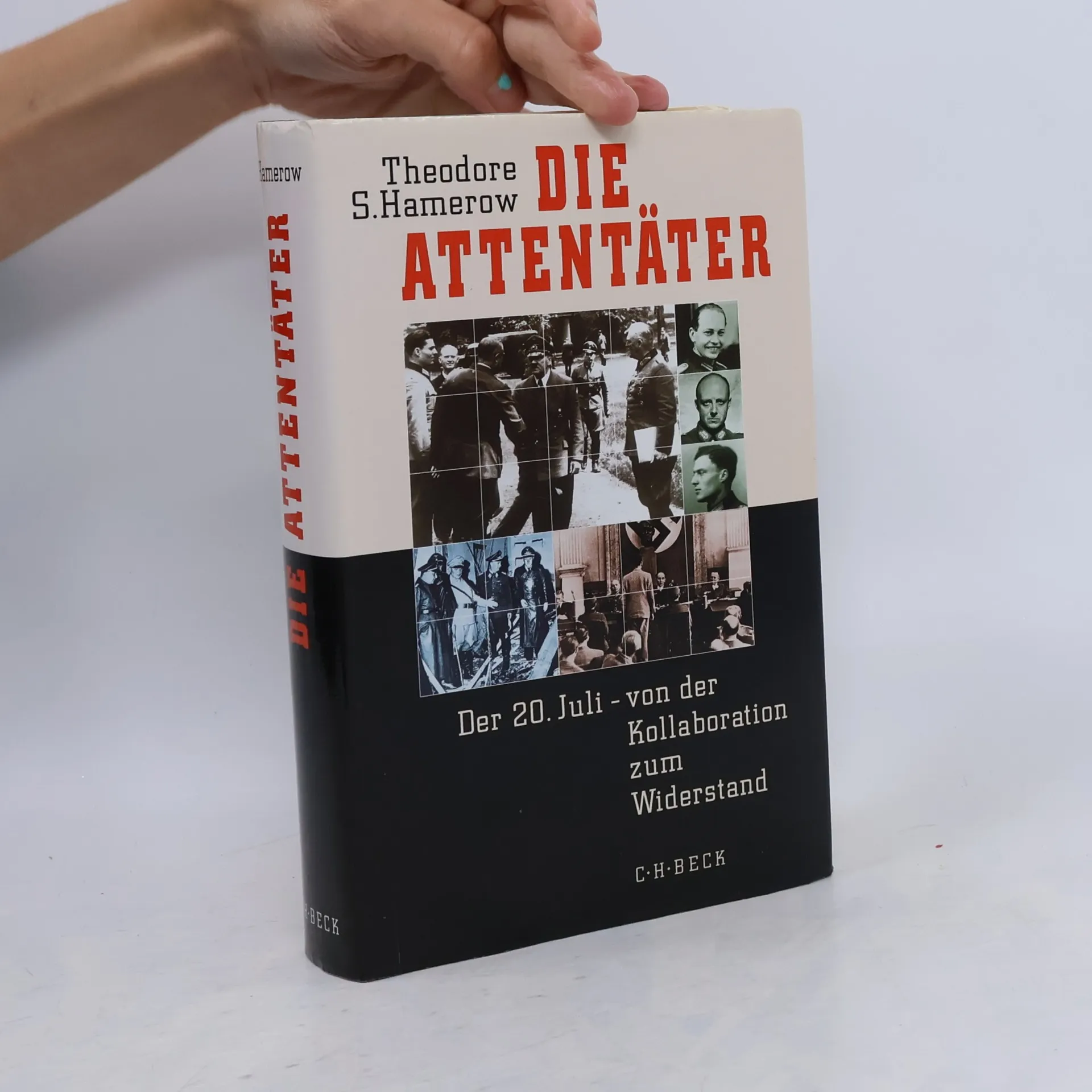
Die Verschwörer des 20. Juli 1944 – wer sie waren, wie sie dachten, warum sie handelten. Der Attentatsversuch auf Hitler von Claus Graf Schenk von Stauffenberg am 20. Juli 1944 gilt als herausragende Widerstandstat gegen die nationalsozialistische Diktatur. Das steht auch für den amerikanischen Historiker Theodore S. Hamerow außer Frage. Er weist in seiner detaillierten Schilderung der Personen und Ereignisse jedoch nach, dass die Mitglieder des militärischen und konservativen Widerstandes nicht von Beginn an gegen den Nationalsozialismus opponierten, sondern vielmehr als Gegner der Weimarer Republik das neue Regime unterstützten und auf ein wiedererstarktes deutsches Reich hofften. Erst durch die zunehmende Radikalisierung und Brutalisierung der NS-Diktatur kamen sie schließlich zu der Überzeugung, dass das Attentat auf Hitler und der Staatsstreich unumgänglich waren, um der Tyrannei Einhalt zu gebieten.