

Bookbot

Nadim Samman

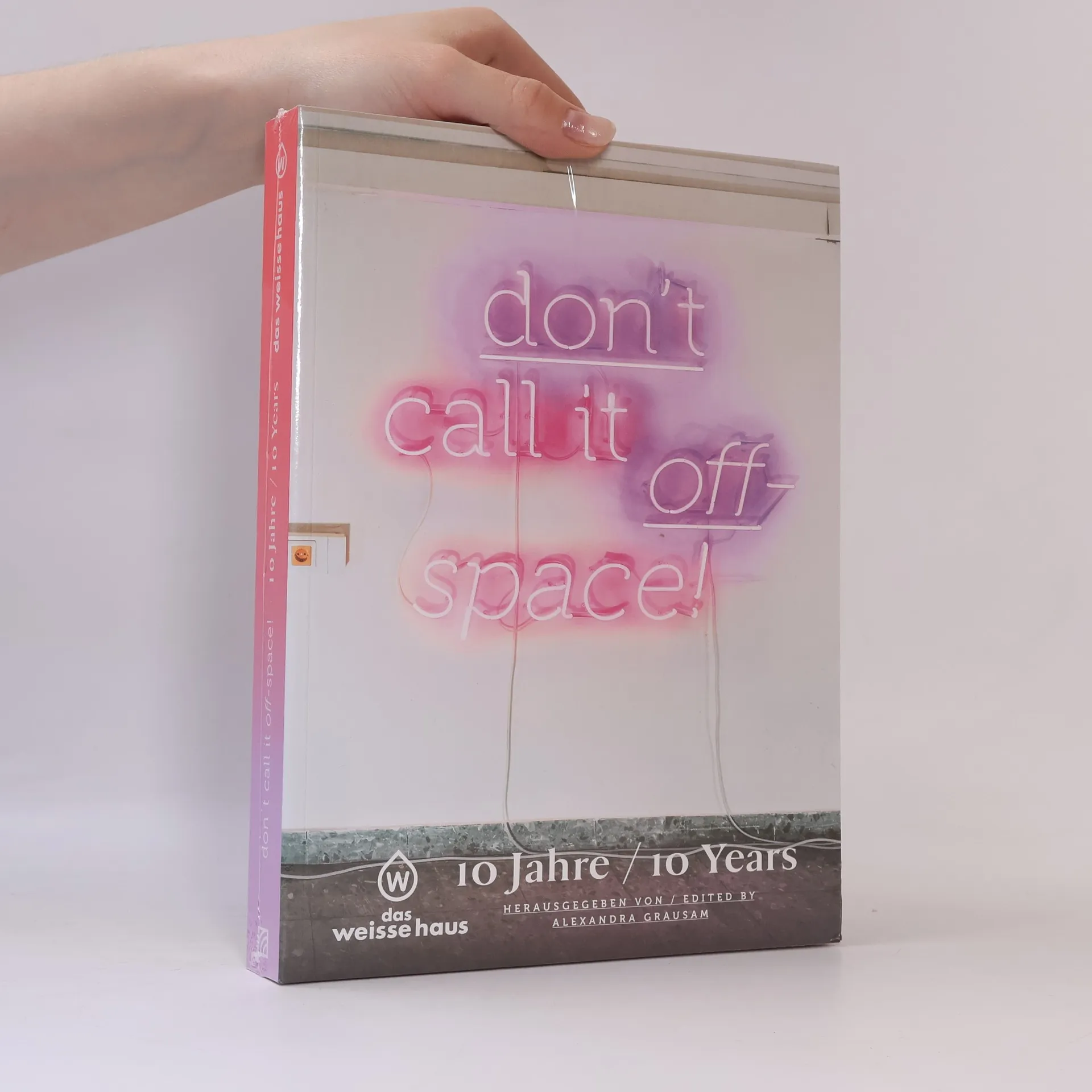
    Das Weisse Haus: Don’t call it off-space!
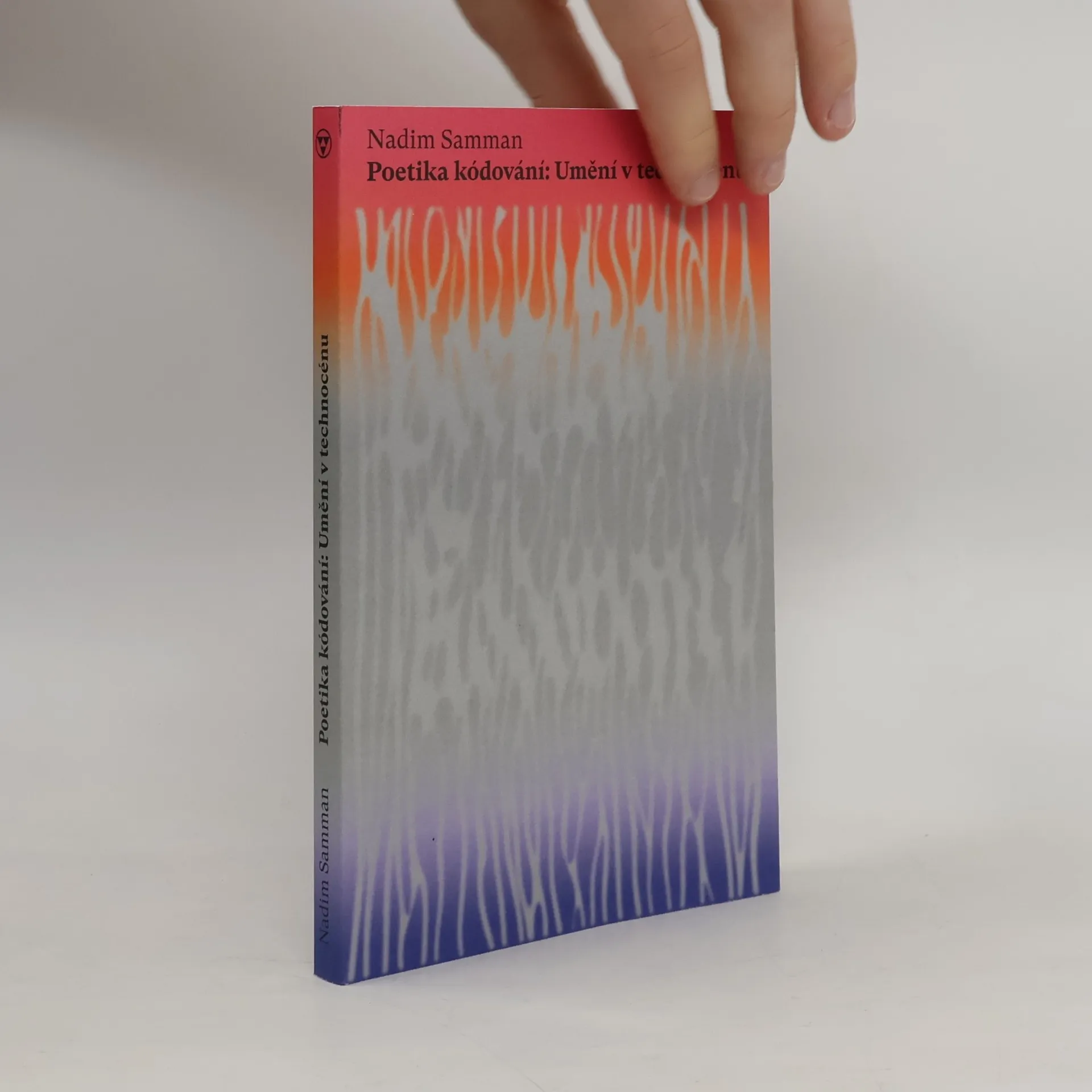
    Poetika kódování: Umění v technocénu
    Rabih Mroué
    Nadim Samman
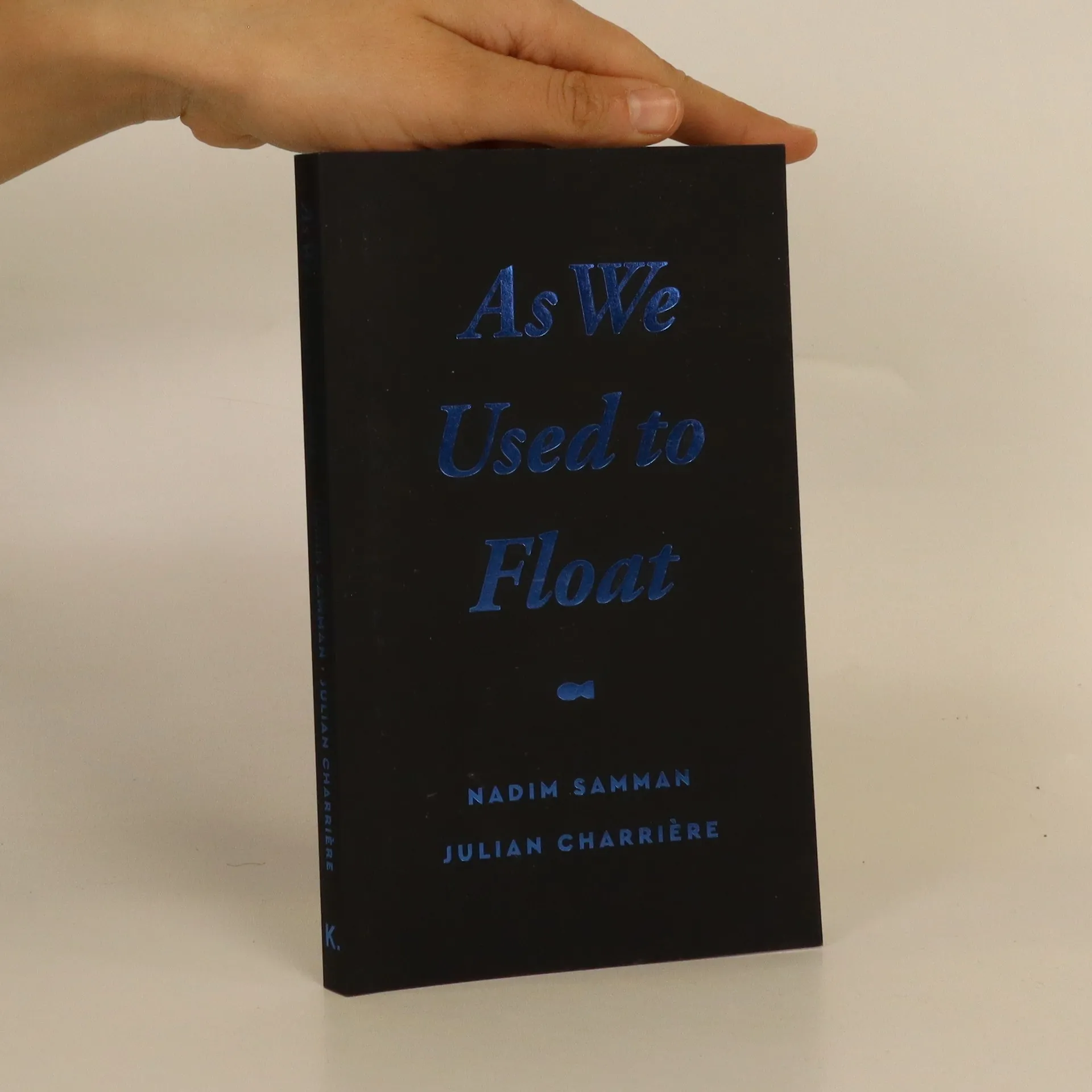
    As We Used to Float
    • As We Used to Float

      • 152pages
      • 6 heures de lecture

      Straddling the genres of travelogue and critical essay, As We Used to Float explores Bikini Atoll as a space of fantasy and trauma. Situated in a remote region of the Pacific Ocean, between 1946 and 1958 ist ‚paradise’ islands were subjected to twenty-three of the most powerful explosions in history – during Operation Crossroads, the United States nuclear testing program. Since then, their fate has been largely ignored. While toggling between a personal account of a sea journey, above and below water, and a critical investigation of postcolonial geography , As We Used to Float develops broader reflections on place and subjectivity. These spring from a series of narrative immersions, variously taking on the psychological and astehtic parameters of ultra-deep scuba diving, the decaying ‚Ghost Fleet’ of World War II battleships, irradiated coconuts, and more As We Used to Float is a sea-story for our time.

      As We Used to Float
      4,8
    • Nadim Samman

      Poetics of Encryption. Art and the Technocene

      Proprietary algorithms, secret data troves, and inscrutable systems rule the day. How is this registered in art? In Poetics of Encryption Nadim Samman explores works that highlight the hidden dimensions of our technological landscape. Running counter to erroneous claims regarding a new culture of transparency and openness, such artworks address black sites, black boxes, and black holes—all the while, toggling between enlightened concern and occult dreaming. NADIM SAMMAN is Curator for the Digital Sphere at KW Institute for Contemporary Art, Berlin. He read Philosophy at University College London before receiving his PhD from the Courtauld Institute of Art. Widely published, in 2019 he was First Prize recipient of the International Award for Art Criticism (IAAC). Major curatorial projects included the 4th Marrakech Biennale (2012), the 5th Moscow Biennale for Young Art (2015) and the 1st Antarctic Biennale (2017).

      Nadim Samman
      4,0
    • Rabih Mroué

      Interviews

      Collected interviews from a prominent Lebanese theater artist A leading voice in Lebanon’s cultural diaspora, acclaimed stage actor and visual artist Rabih Mroué (born 1967) produces work that addresses the contested memory of historical events such as the Lebanese civil war, the Arab Spring and the Syrian Revolution. This volume presents his collected interviews.

      Rabih Mroué
    • Světu dnes vládnou proprietární algoritmy, tajná datová úložiště a neproniknutelné systémy. Jak se to odráží v umění? Nadim Samman v Poetice kódování analyzuje díla, která zdůrazňují skryté dimenze naší technologické krajiny. Na rozdíl od klamných tvrzení o nové kultuře transparentnosti a otevřenosti se tato díla zaměřují na černá místa, černé skříňky a černé díry, zatímco se pohybují na hranici mezi informovaným znepokojením a okultním sněním. Publikace Poetika kódování: Umění v technocénu, český překlad knihy Poetics of Encryption: Art and the Technocene, vychází u příležitosti otevření výstavy Poetics of Encryption v Galerii Rudolfinum.

      Poetika kódování: Umění v technocénu
    • Das Weisse Haus: Don’t call it off-space!

      10 Years Das Weisse Haus

      • 383pages
      • 14 heures de lecture

      Es logierte bereits in einer Fleischerei, einer Business-Etage, in den Amtsstuben eines Finanzamts und ist derzeit in einer Schule zu Hause. Quer durch die Stadt hat das weisse haus Ausstellungen an sechs Stationen gezeigt, mit 'studio das weisse haus' ein Artist-in-Residence-Programm sowie Ateliers für lokale Kunstschaffende entwickelt, als eine der ersten Institutionen Wiens den Austausch von Kuratoren und Kultur-Journalisten ins Programm genommen, in Zusammenarbeit mit dem Austrian Cultural Forum New York und der Erste Group den Erste Bank MehrWERT Kunstpreis sowie ausserdem Kooperationen mit nationalen wie internationalen Universitäten und Kulturinstitutionen etabliert. In zehn Jahren Arbeit für die Kunst wurden in den 'weissen häusern' jede Menge Böden geschrubbt, Dächer poliert, Wände eingerissen, ganze Fassaden künstlerisch demontiert und Positionen von rund 650 nationalen und internationalen Künstlerinnen und Künstlern gezeigt. Das weisse haus hat sich zu einer der umtriebigsten Locations der Stadt entwickelt - der Plattform für meist junge Kunstschaffende. Die Publikation fasst dies zusammen - aufgebaut auf den Themen, die immer wieder um den Kunstverein kreisen: Institutionalisierung, Nomadentum und ortsspezifisches Arbeiten, die Hinterfragung einer feministischen Arbeitsweise und des aktuellen Status der New Media. Die Texte sind teils bereits publiziert und grossteils neu geschrieben von international anerkannten Autorinnen und Autoren.

      Das Weisse Haus: Don’t call it off-space!