The Life Scientific. Virus Hunters
- 160pages
- 6 heures de lecture
The inspiring life stories of leading scientists as heard on BBC Radio 4


Jim Al-Khalili est un physicien théoricien et communicateur scientifique britannique. Il consacre son travail à rendre les sujets scientifiques complexes accessibles au grand public. À travers ses livres et ses apparitions médiatiques, il explore le monde fascinant de la physique et de la science, suscitant la curiosité et la compréhension chez les lecteurs comme chez les spectateurs. Son approche est reconnue pour sa clarté et sa capacité à relier les concepts scientifiques à la vie quotidienne.






The inspiring life stories of leading scientists as heard on BBC Radio 4
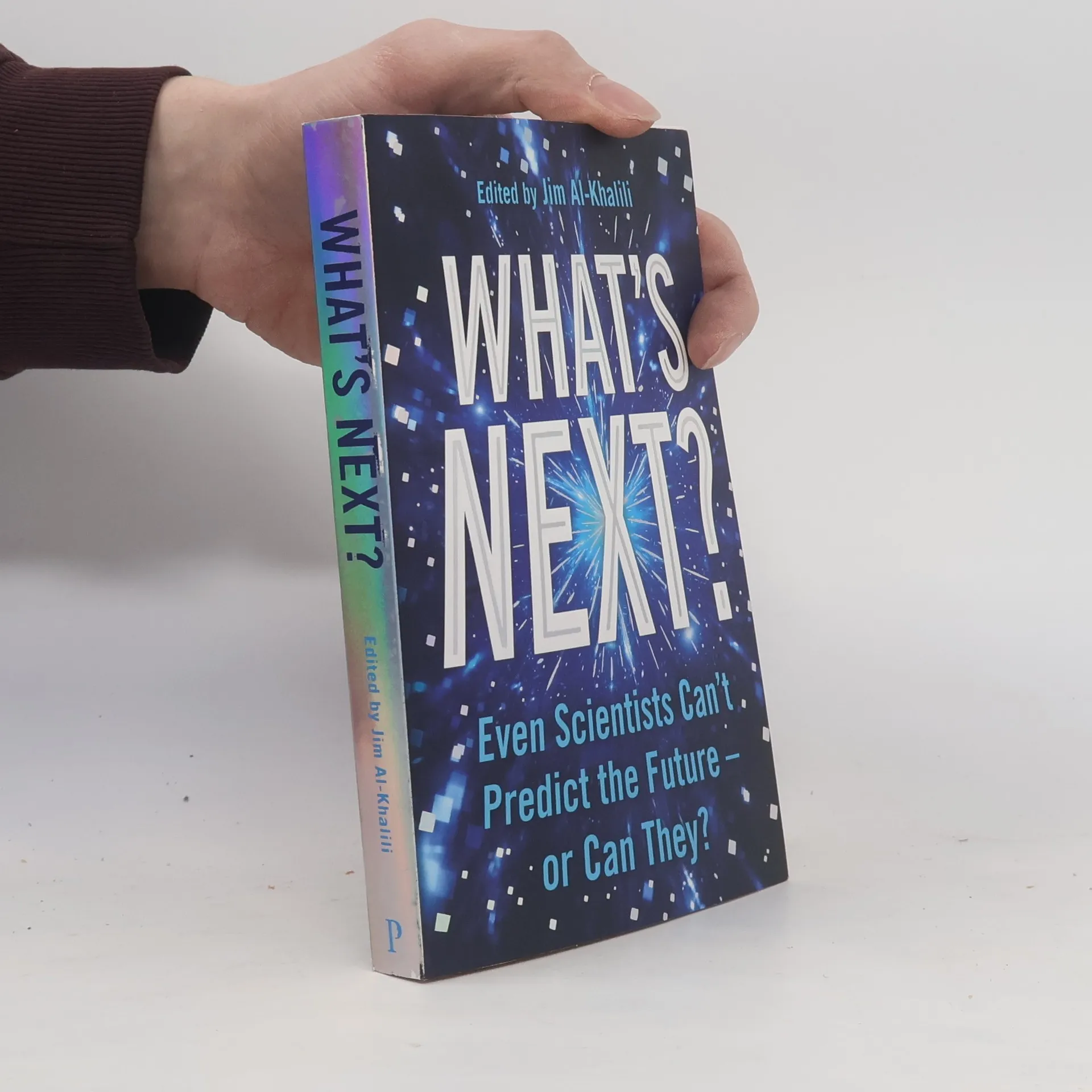
Introduced by Jim Al-Khalili Could you surf down an erupting volcano? Why do zebras have stripes? Are you breathing the same air as Leonardo da Vinci? Are there any green mammals? Why do pineapples have spikes? Why do songs get stuck in your head? What happens when black holes collide? Can you extract your DNA? New Scientist has been a treasure trove of fascinating and surprising questions and answers for over a decade. From how to measure the speed of light using chocolate, to why dogs howl at sirens, Eureka! brings together 365 mindblowing questions, fascinating facts and exciting experiments. If you've ever wondered how to escape quicksand, what would happen if the moon vanished, and why cats (nearly) always land on their feet, you've come to the right place.
No one ever expected the atom to be as bizarre, as capricious, and as weird as it turned out to be. Its tale is one riddled with jealousy, rivalry, missed opportunities and moments of genius. Piers Bizony tells the story of the young misfit New Zealander, Ernest Rutherford, who showed that the atom consisted mainly of empty space, a discovery that turned 200 years of classical physics on its head, and the brilliant Dane, Niels Bohr, who made the next great leap into the incredible world of quantum theory. Yet he and a handful of other Young Turks in this revolutionary new science weren't prepared for the shocks that Nature had up her sleeve. At the dawn of the Atomic Age, a dangerous new force was unleashed with terrifying speed...
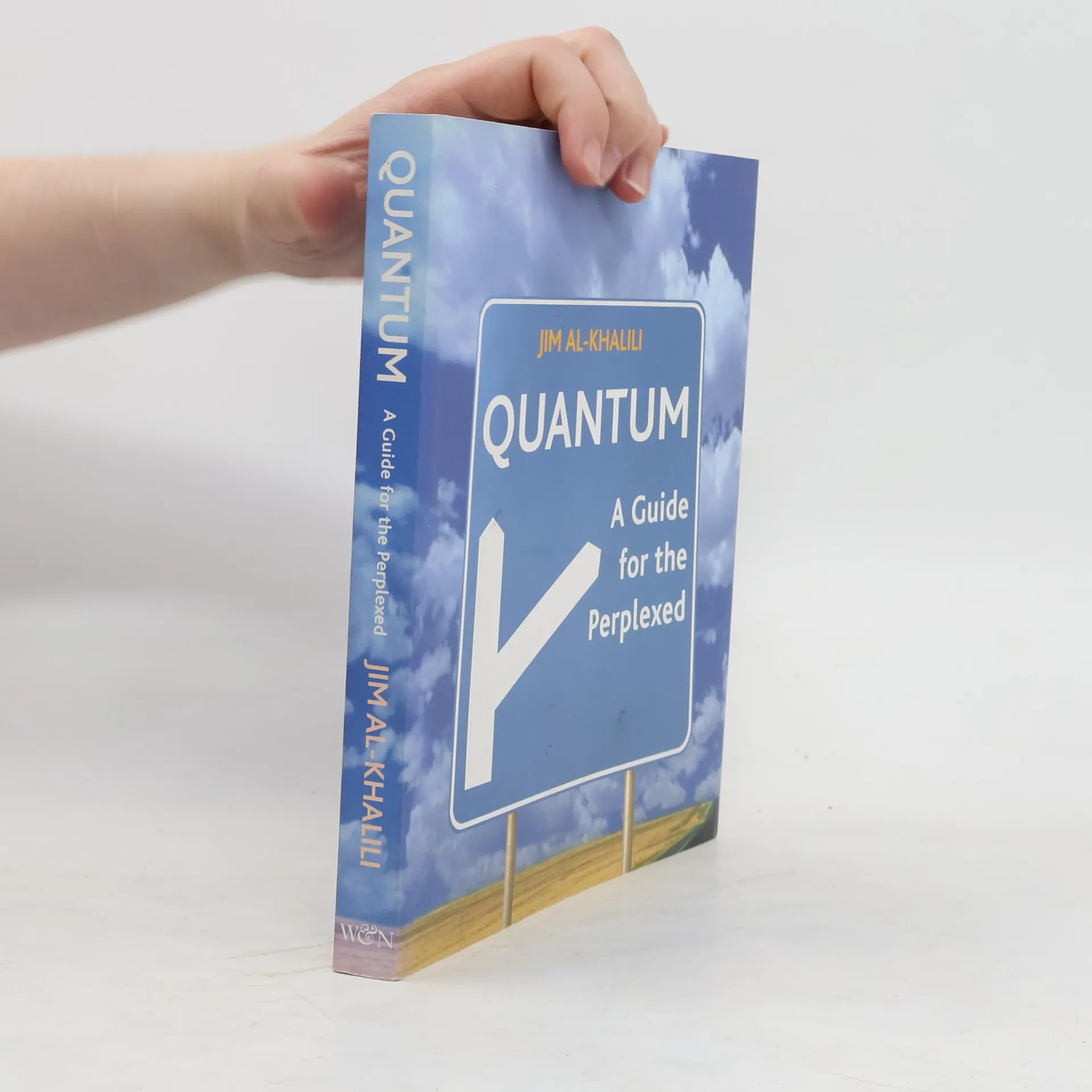
A physicist introduces the fascinating but complex world of quantum physics for lay readers in a book full of specific and graphic examples of quantum theory in action. Reprint.
Life is the most extraordinary phenomenon in the universe, yet its workings remain elusive. Despite advancements in cloning and synthetic biology, no one has created life from non-living materials. This raises the question: are we missing a crucial element in its creation? In a manner reminiscent of Richard Dawkins' influential work, this exploration shifts our understanding of life's dynamics by revealing quantum mechanics as the missing ingredient. Drawing on groundbreaking global experiments, the authors illustrate how photosynthesis depends on subatomic particles that exist in multiple places simultaneously. They also explain how enzymes, the essential catalysts in our cells, operate by having particles disappear from one location and reappear in another. Each chapter begins with a captivating example that poses a fundamental question about life—such as how migrating birds navigate or how we perceive scents—and then demonstrates how quantum mechanics provides the answers. The authors guide readers through the rapidly evolving field of quantum biology, highlighting its exciting discoveries and potential revolutionary applications. Ultimately, they delve into the profound question of what life truly is, inviting readers to engage with the mysteries that surround this extraordinary phenomenon.
Scale -- Space and time -- Energy and matter -- The quantum world -- Thermodynamics and the arrow of time -- Unification -- The future of physics -- The usefulness of physics -- Thinking like a physicist.
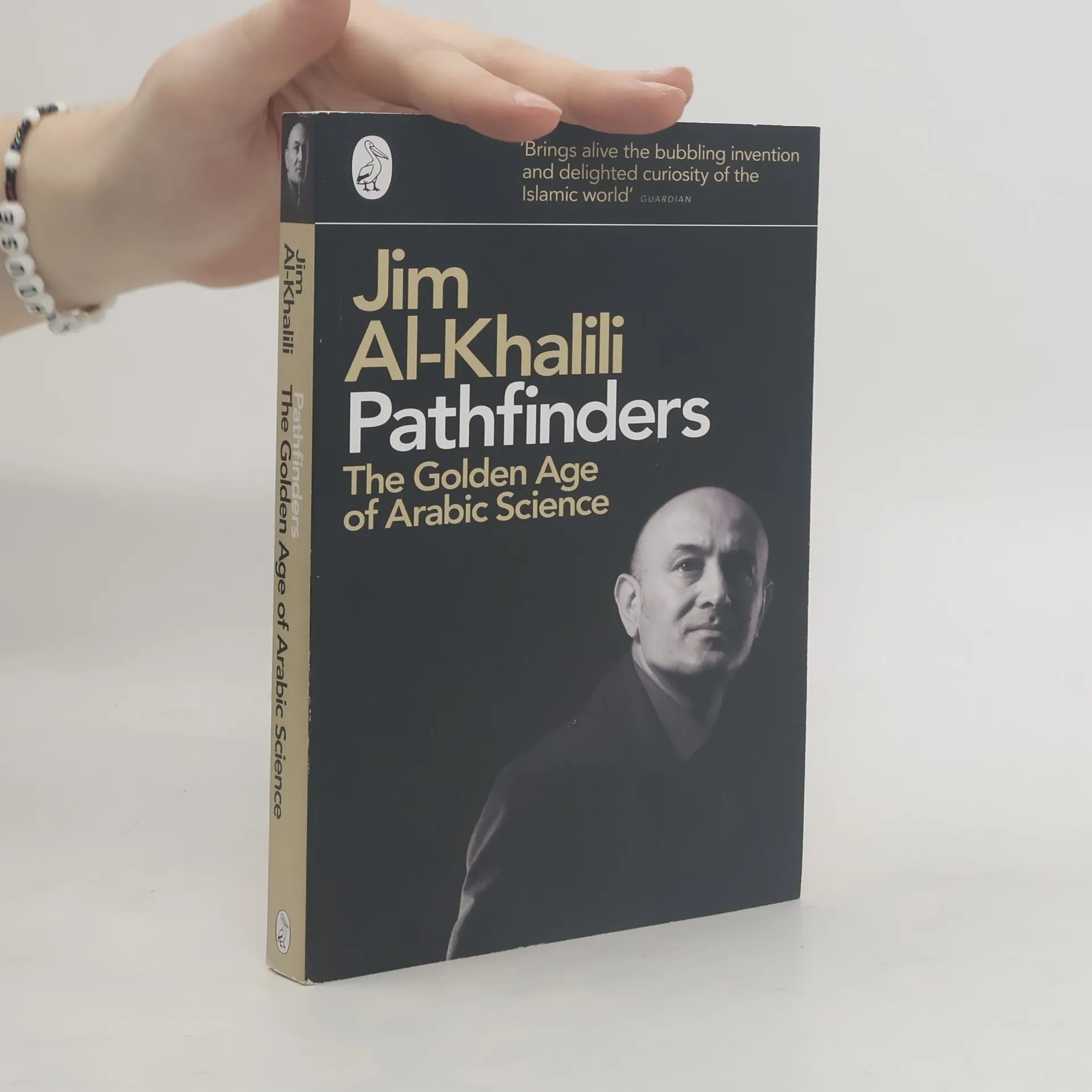
"For over 700 years the international language of science was Arabic. In Pathfinders, Jim al-Khalili celebrates the forgotten, inspiring pioneers who helped shape our understanding of the world during the golden age of Arabic science, including Iraqi physicist Ibn al-Haytham, who practised the modern scientific method over half a century before Bacon; al-Khwarizmi, the greatest mathematician of the medieval world; and Abu Rayhan al-Biruni, a Persian polymath to rival Leonardo da Vinci."--Publisher's description
How can a cat be both dead and alive at the same time? Why will Achilles never beat a tortoise in a race, no matter how fast he runs? And how can a person be ten years older than their twin? Throughout history, scientists have been coming up with theories and ideas that just do not seem to make sense
A collection of mind-boggling essays that are just the thing for firing up your brain cells Saga
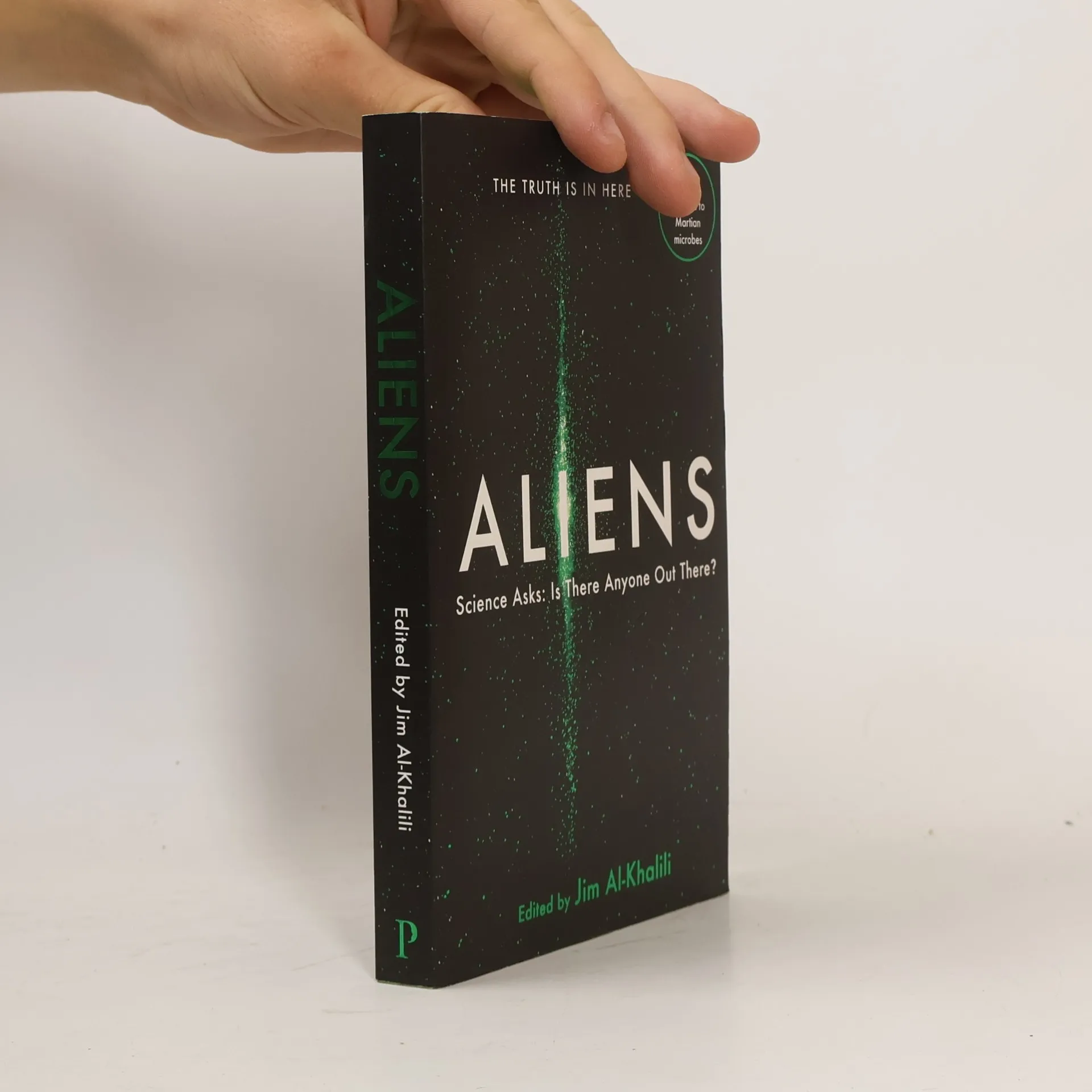
Do Aliens Exist? And if they do - what would they look like? Where would they live? Would they be conscious beings? And what would happen if they found us? These are the biggest questions we've ever asked - and here, Professor Jim Al-Khalili, theoretical physicist and host of BBC Radio Four's The Life Scientific, blasts off in search of answers.…
Quantum physicist, New York Times bestselling author, and BBC host Jim Al-Khalili reveals how 8 lessons from the heart of science can help you get the most out of lifeToday's world is unpredictable and full of contradictions, and navigating its complexities while trying to make the best decisions is far from easy. The Joy of Science presents 8 short lessons on how to unlock the clarity, empowerment, and joy of thinking and living a little more scientifically.In this brief guide to leading a more rational life, acclaimed physicist Jim Al-Khalili invites readers to engage with the world as scientists have been trained to do. The scientific method has served humankind well in its quest to see things as they really are, and underpinning the scientific method are core principles that can help us all navigate modern life more confidently. Discussing the nature of truth and uncertainty, the role of doubt, the pros and cons of simplification, the value of guarding against bias, the importance of evidence-based thinking, and more, Al-Khalili shows how the powerful ideas at the heart of the scientific method are deeply relevant to the complicated times we live in and the difficult choices we make.Read this book and discover the joy of science. It will empower you to think more objectively, see through the fog of your own preexisting beliefs, and lead a more fulfilling life.
Our planet seems to be turning against itself - it would appear that the magnetic field, that protects life on Earth from deadly radiation from space, is failing .
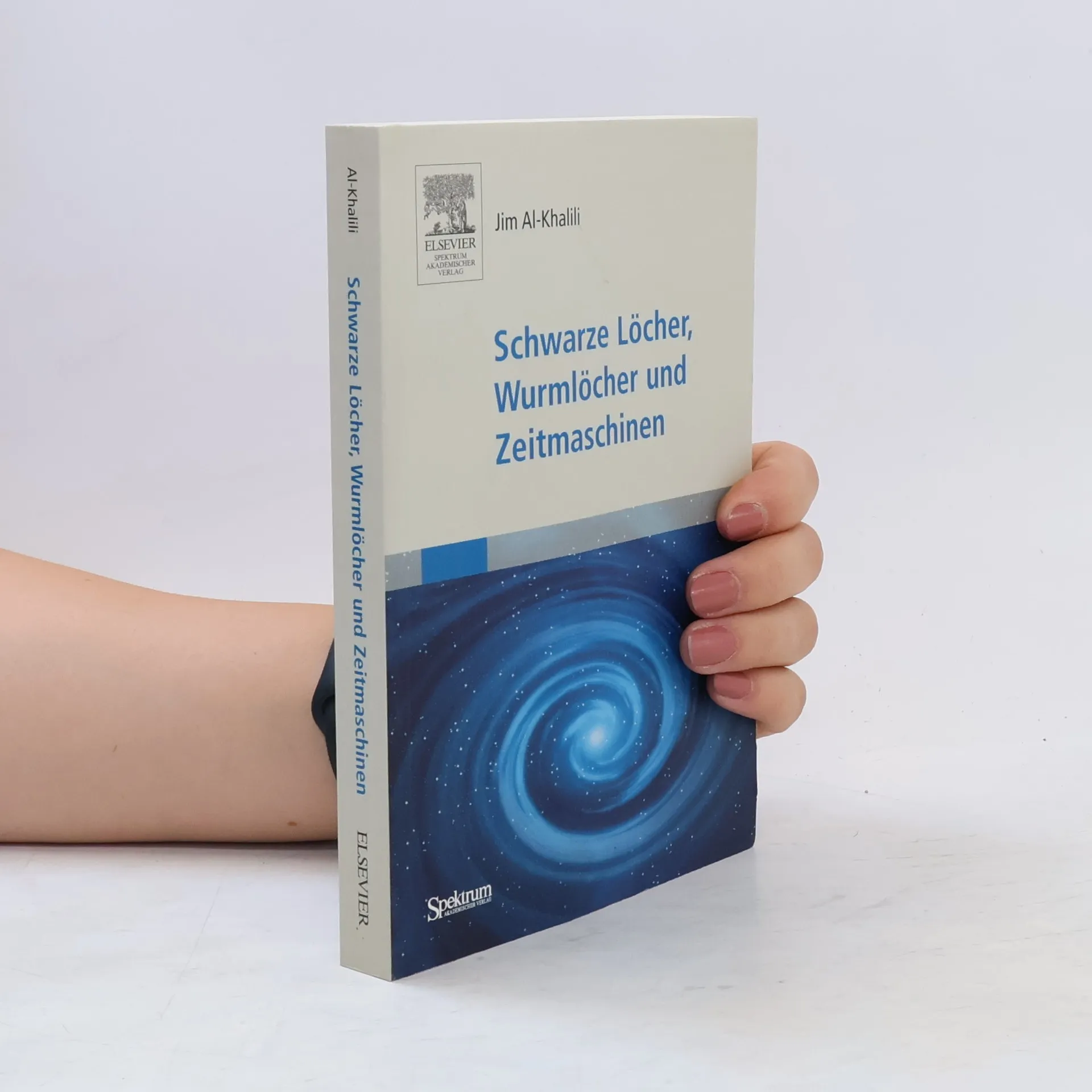
3-8274-1567-5, Al Khalili, Schwarze Löcher (HL) Jim Al-Khalili Schwarze Löcher, Wurmlöcher und Zeitmaschinen (copy) „Die Entstehung des Weltalls, die Konzepte von Raum und Zeit, beziehungsweise der so genannten Raumzeit sind zweifelsohne keine leicht verständlichen Themen. Umso beeindruckender ist das Buch des Wissenschaftspublizisten Jim Al-Khalili, dem es gelingt, über diese Dinge mit einer verblüffenden Leichtigkeit zu schreiben und den Boden des soliden Sachbuchs zu verlassen. Auch Laien werden von diesem Buch profitieren.“ Die Welt (Biblio) 2004. 336 S., 25 Abb., kt., € 15,-. ISBN 3-8274-1567-5 (Störer) neu
50 самых гениальных научных теорий, рассказанных за полминуты
Теория хаоса, унификация или теория относительности, кот Шредингера и законы движения? Несомненно, вы знаете что это такое. То есть вы, конечно, об этом слышали. Но знаете ли вы достаточно, чтобы поболтать об этом за ужином или блеснуть своей эрудицией?
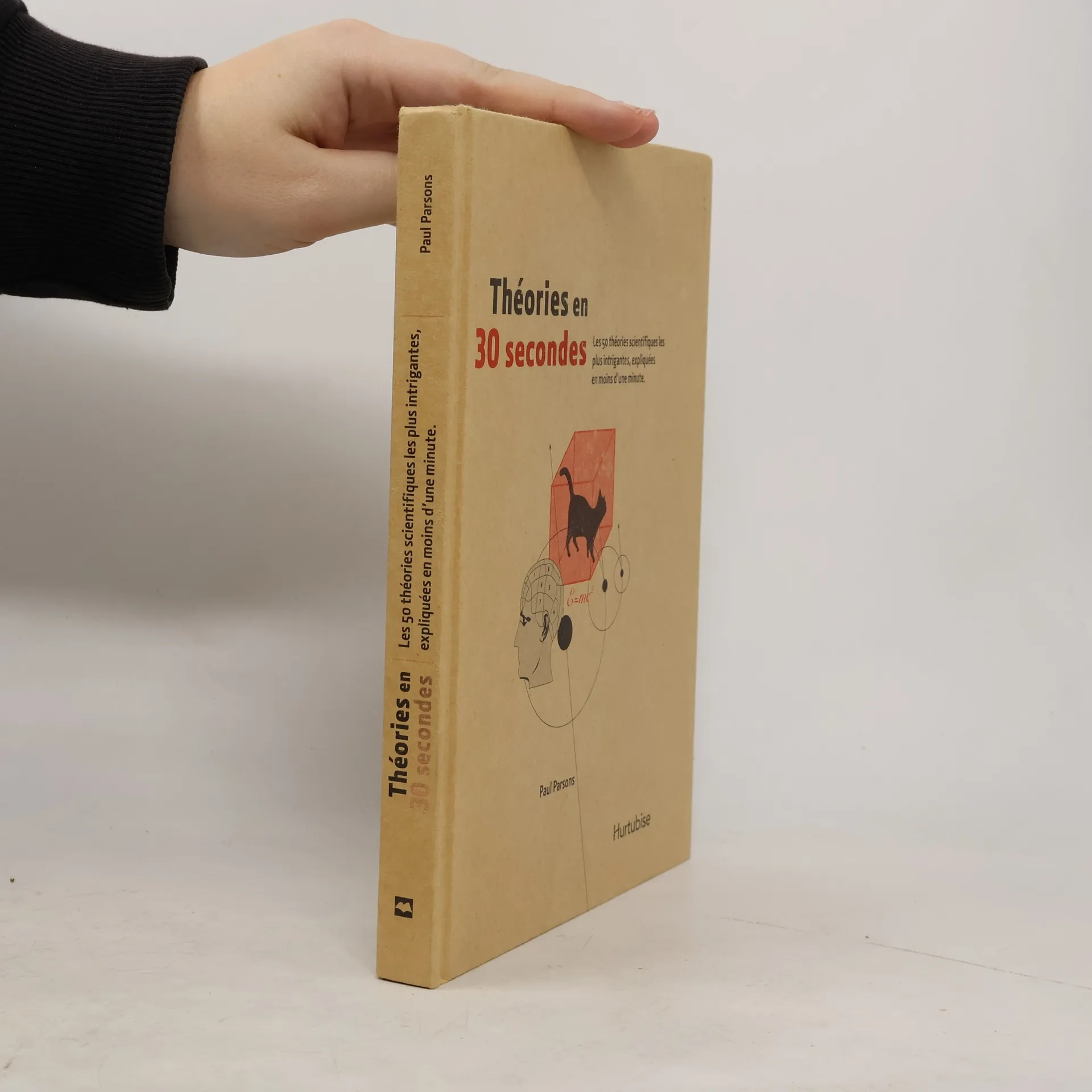
Les 50 théories scientifiques les plus intrigantes, expliquées en moins d'une minute.
Les 50 théories scientifiques les plus intrigantes, expliquées en moins d'une minute.