

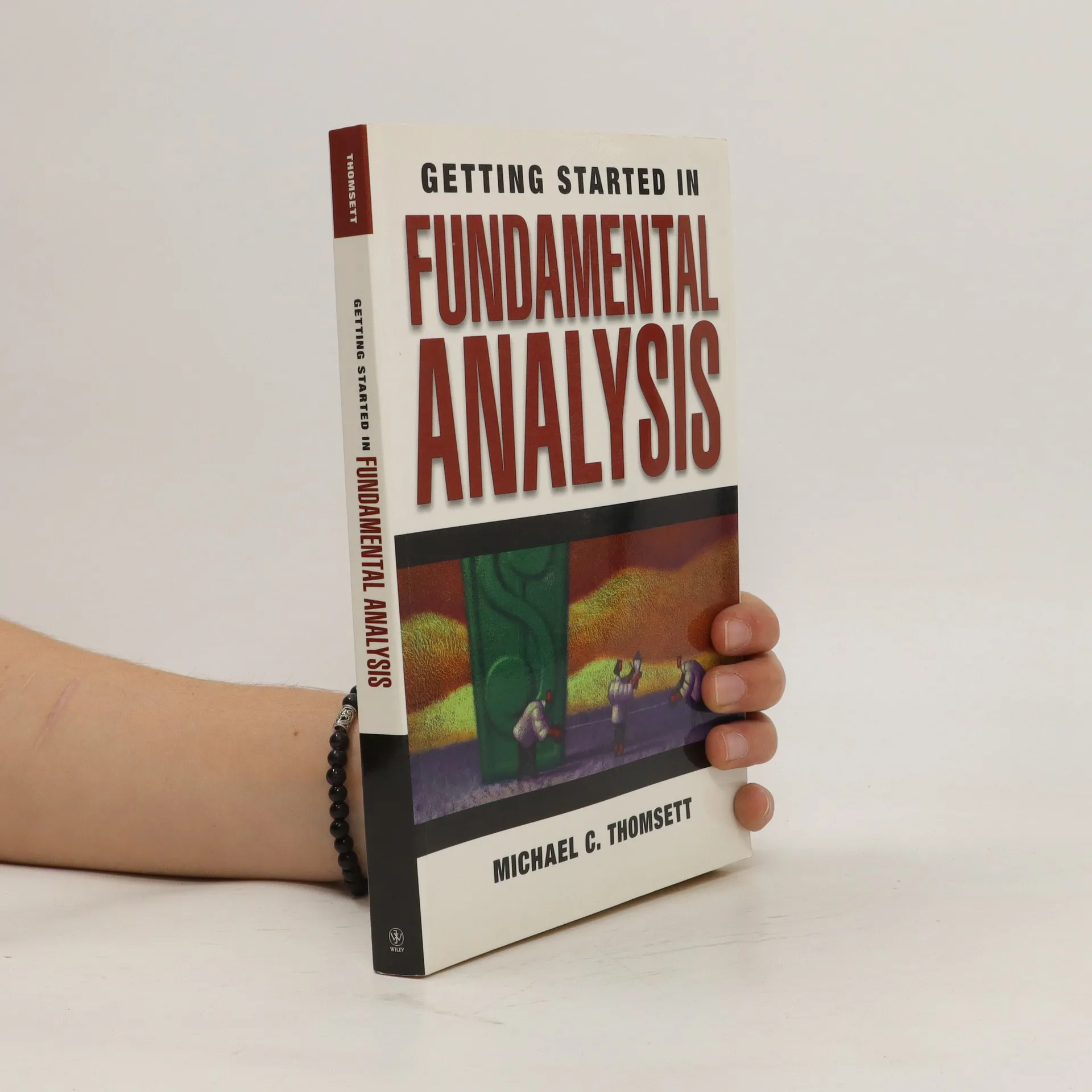
If you've picked up this book, you probably recognize the value of fundamental analysis, but aren't sure you can master it. With Getting Started in Fundamental Analysis as your guide, you'll quickly become familiar with the key concepts and learn how to put them into action in the real world. You'll gain important insights that can help you manage risk and make more informed investment decisions and learn from relevant illustrations, examples, and definitions. Written in a non-technical format that's easy to follow, Getting Started in Fundamental Analysis provides valuable coverage More than an introduction to fundamental analysis, this book will help you use analytical tools in identifying risk levels, making valid and reliable comparisons, and picking stocks for your portfolio so you develop a successful and profitable investment program.
Michael C. Thomsett Livres




This complete reference guide is as indispensable to the investor as a calculator--contains every important formula and ratio used in investing and money management, including stocks, bonds, futures, and options. Covers the time value of money, rates of return, compound interest, amortization, fundamental and technical analysis, futures and options pricing, plus math for the bond market, real estate market, mutual funds, and pooled investments. Includes eighty charts, tables, and illustrations, plus appendixes explaining key ratios and formulas.
A Treasury of Business Quotations
- 211pages
- 8 heures de lecture
Presidents and prime ministers do it. So does every mover and shaker and CEO. The best speech writers and speech makers know that the way to make policy, make a point, and make it stick is to call on the wit and wisdom of the ages. Now, here are over 1,500 surefire ways to spice up your speech, make your memo more memorable, and hit your target audience right between the eyes. ON ACTION "Everywhere in life the true question is, not what we have gained, but what we do." -- Thomas Carlyle ON GOALS "There are two tragedies in life. One is not to get your heart's desire. The other is to get it." -- George Bernard Shaw ON PLANNING "If you do not think about the future, you cannot have one." -- John Galsworthy
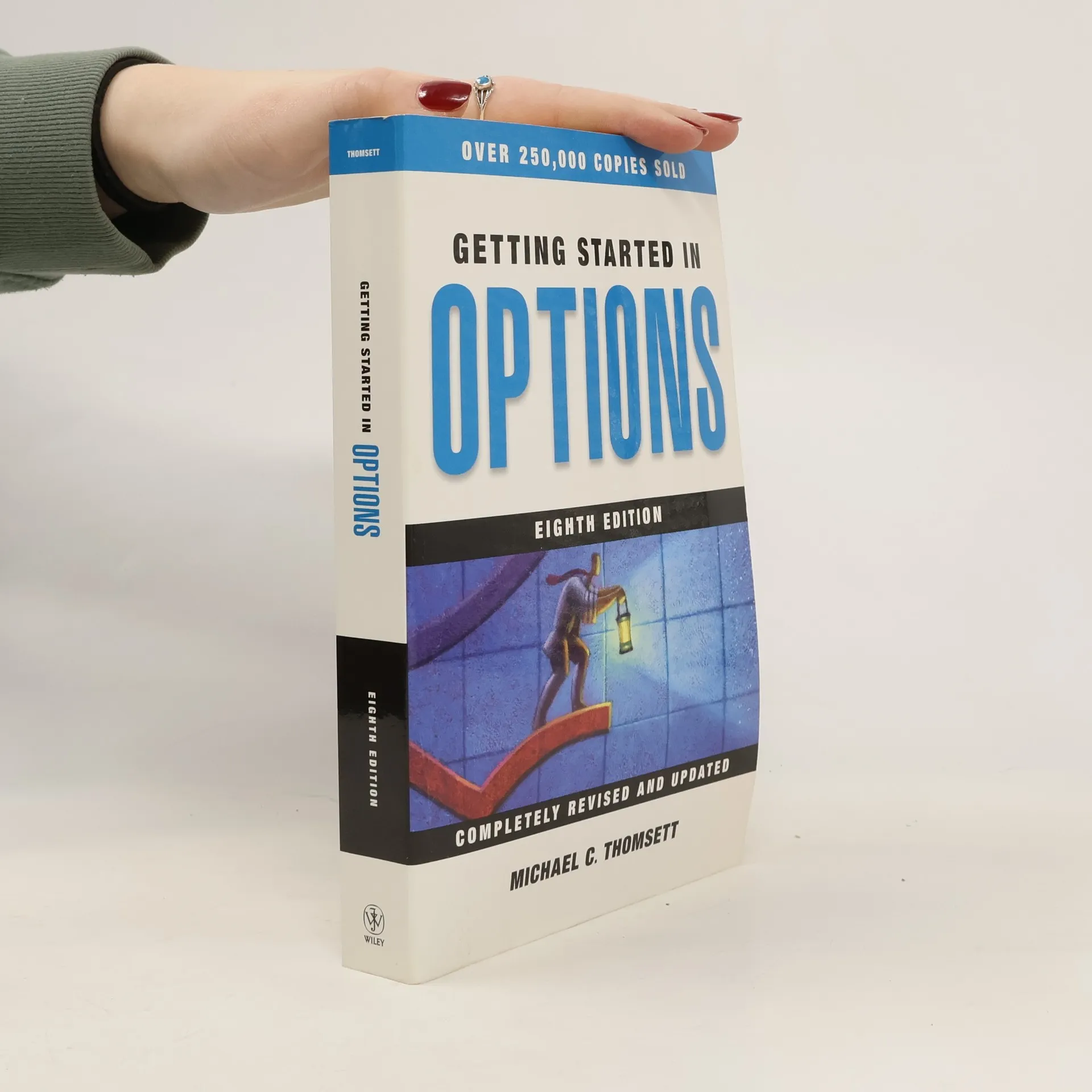
Getting Started in Options
- 407pages
- 15 heures de lecture
* In non-technical, easy-to-follow terms, Getting Started in Options, Eighth Edition thoroughly demystifies the options markets, distinguishes the imagined risks from the real ones, and arms investors with the facts they need to make informed decisions.
The Little Black Book of Project Management
- 205pages
- 8 heures de lecture
For nearly twenty years, The Little Black Book of Project Management has provided businesspeople everywhere with a quick and effective introduction to project management tools and methodology. The revised and updated third edition reflects the newest techniques, the latest project management software, as well as the most recent changes to the Project Management Body of Knowledge (PMBOK™). Readers will find invaluable strategies • Organizing any project • Choosing the project team • Preparing a budget and sticking to it • Scheduling, flowcharting, and controlling a project • Preparing project documentation • Managing communications • And much more A fast-read solution for both seasoned and first-time project managers, The Little Black Book of Project Management can help any professional achieve on-time results, superior organizational ability, consistent profit generation, and a reputation for both quality and dependability.
Kalkulačka akciového investora
- 177pages
- 7 heures de lecture
Pokud člověk investuje do akcií, potřebuje rozumět řadě čísel. Autor se je snaží vysvětlit, publikace obsahuje 100 vzorců a definic a ukazuje postupné kroky a názorné výpočty. Pomocí knihy se dá naučit, jak vyhodnotit chybějící nebo matoucí informace a analyzovat správně investice. Naučíte se posoudit hodnotu portfolia, vyhodnotit sílu, resp. slabost společnosti (ziskovost, cash flow), sledovat příjmy a výnosy.