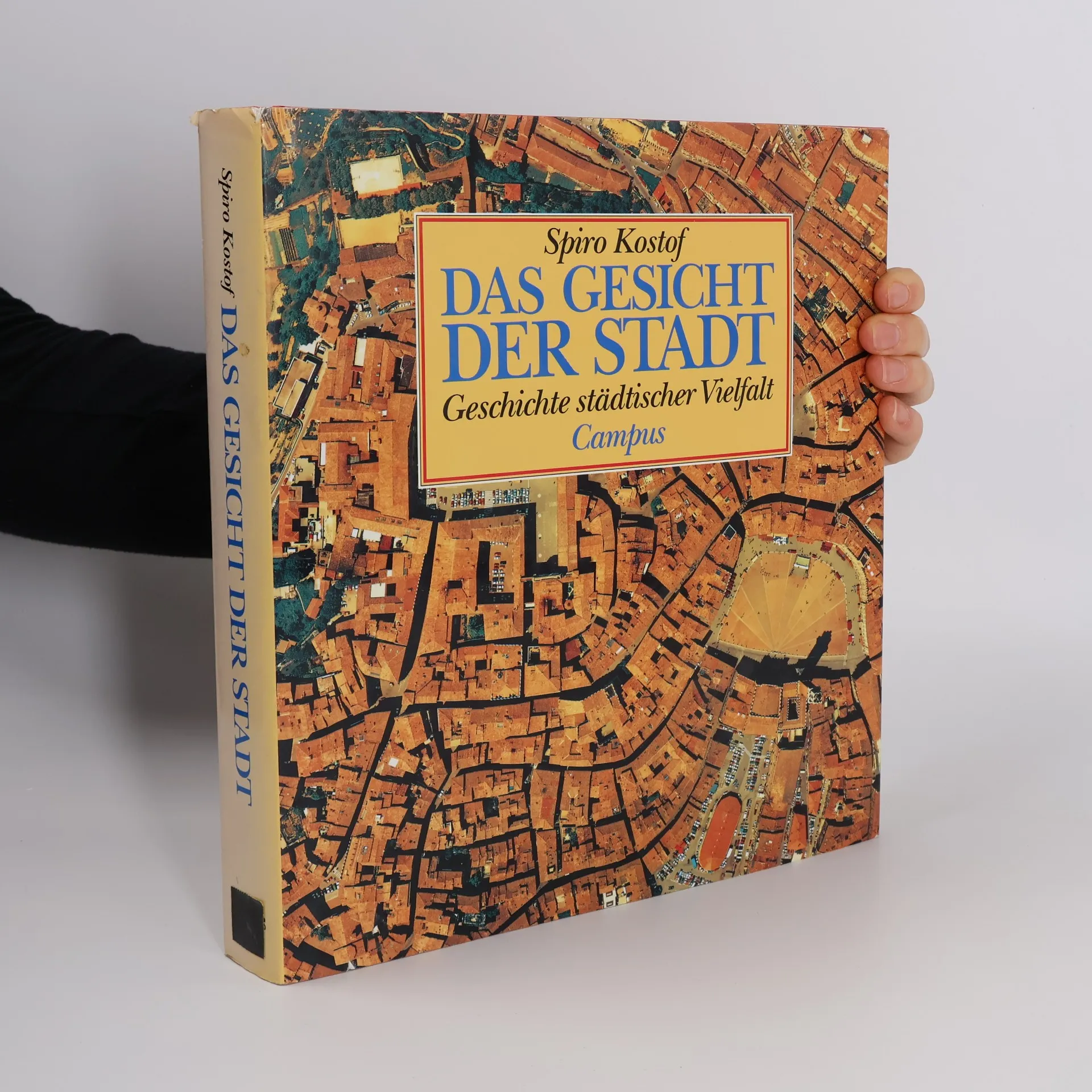
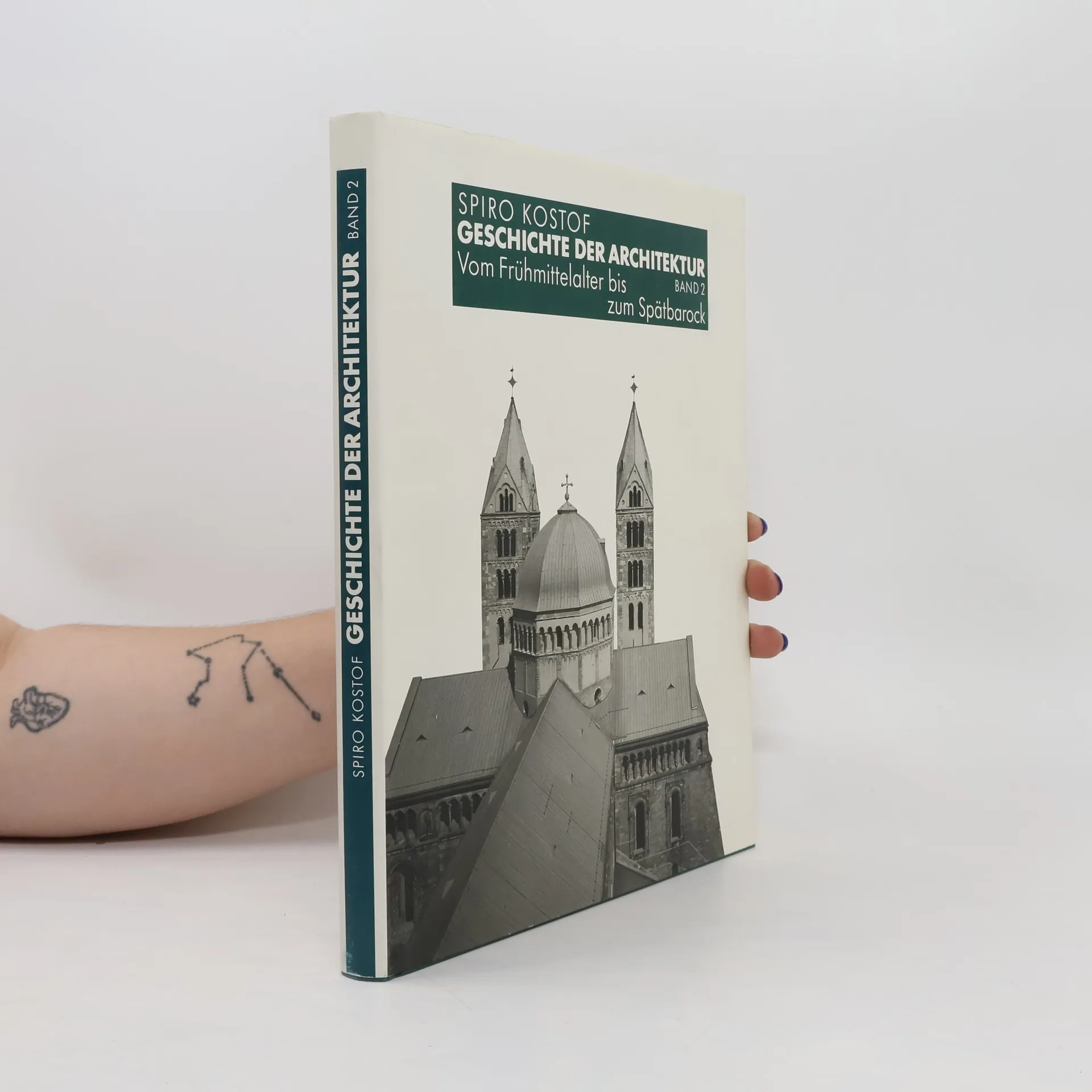
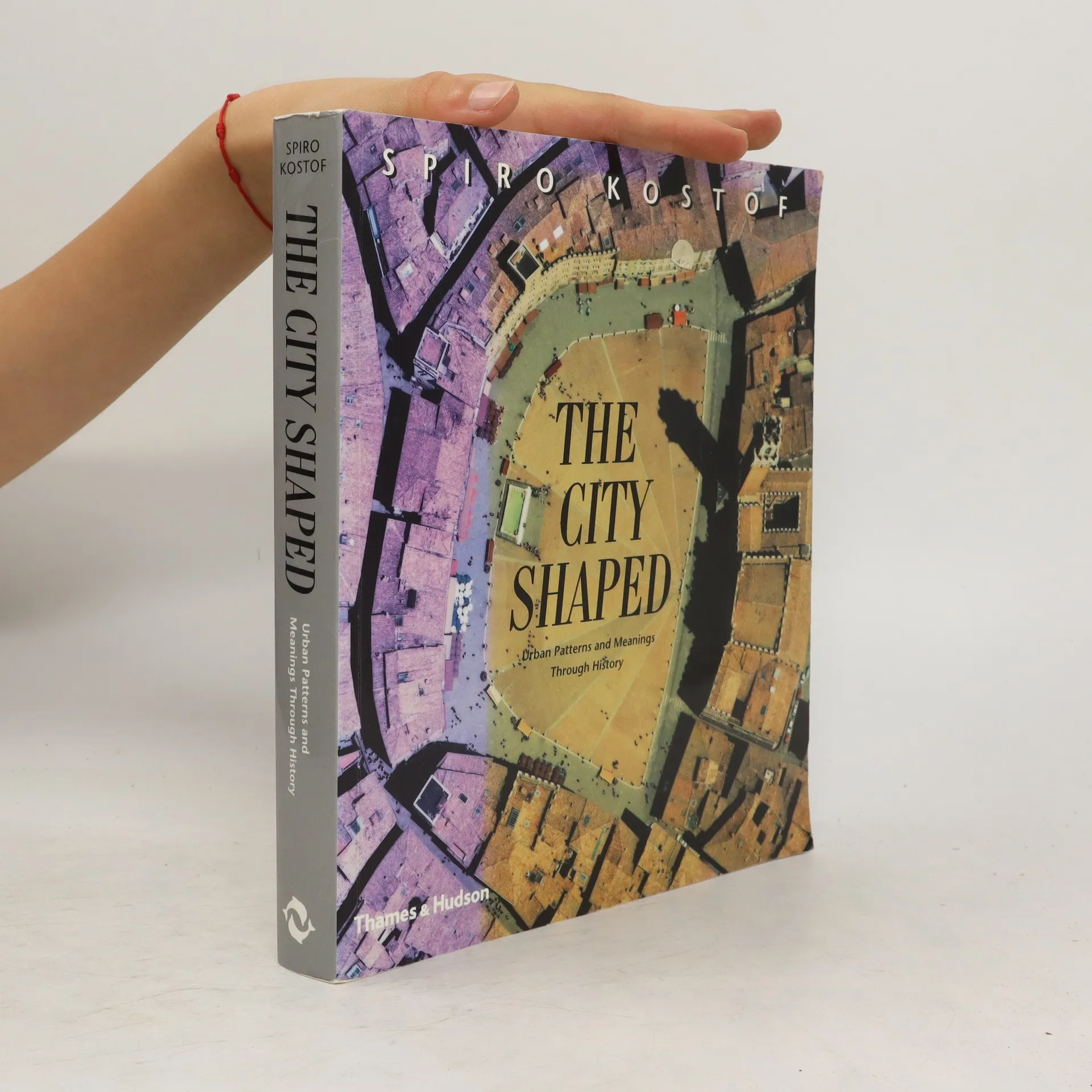
Spiro Kostof fut un éminent historien de l'architecture dont le travail est reconnu pour son approche interdisciplinaire et son attention portée au développement urbain et à l'architecture de l'environnement bâti. Ses livres influents, toujours largement lus et utilisés dans les cours universitaires, explorent les intersections de l'urbanisme, de la forme urbaine et du patrimoine architectural. L'héritage de Kostof perdure à travers un prix créé en son nom, qui récompense les œuvres incarnant sa perspective innovante et élargie sur l'histoire de l'architecture.
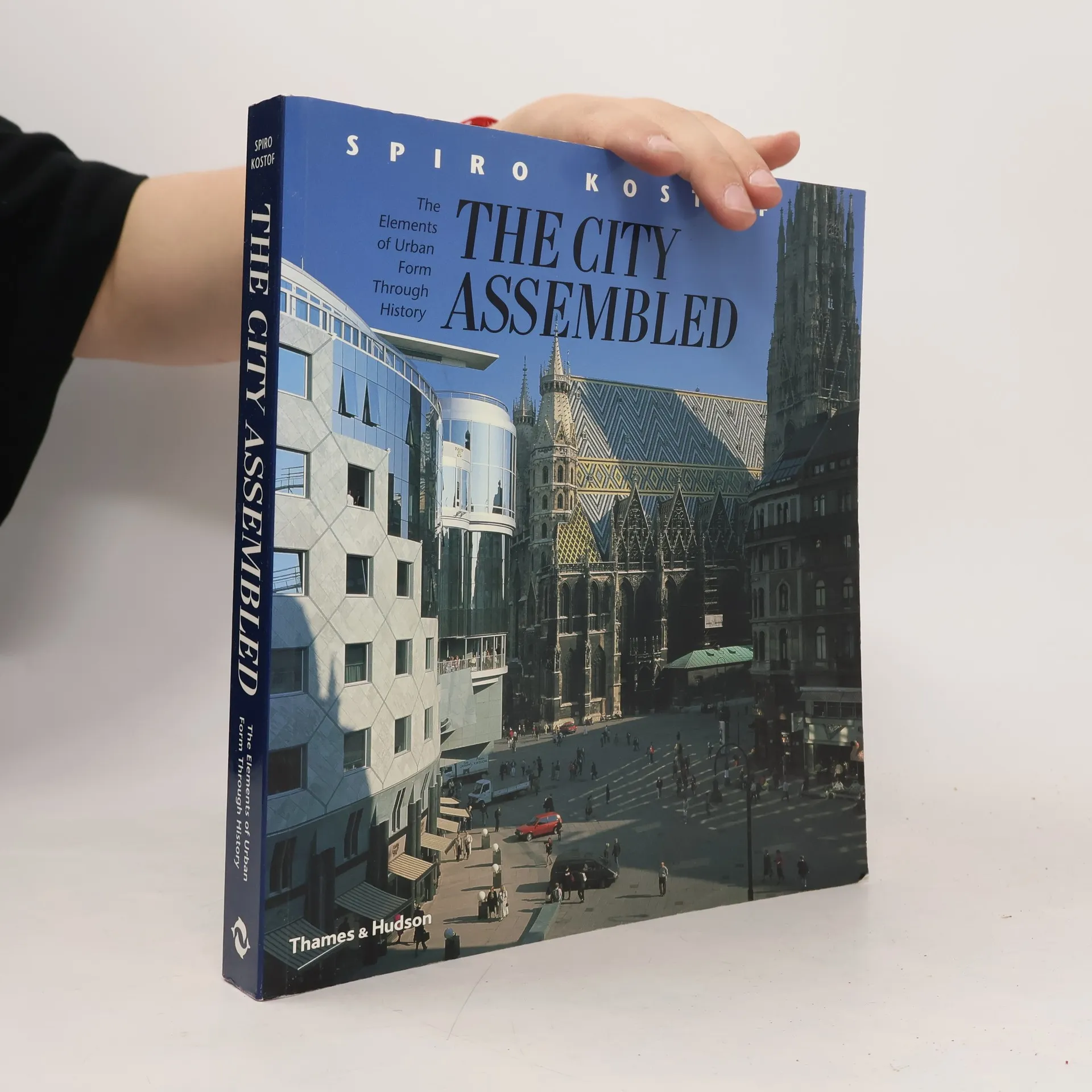
The book is about the universal phenomenon of citymaking seen in a historical perspective - how and why cities took the shape they did. It focuses on a number of themes - organic patterns, the grid, the city as a diagram, the grand manner, and the skyline - and moves through time and place to interpret the hidden order inscribed in urban patterns.
A history of the elements of cities traces the development of such features as streets, public places, urban divisions, and the frontiers of city and countryside, discussing the effect of natural disasters, war, and redevelopment on cities while offering insight into how to apply contemporary solutions to urban restoration efforts. Reprint.
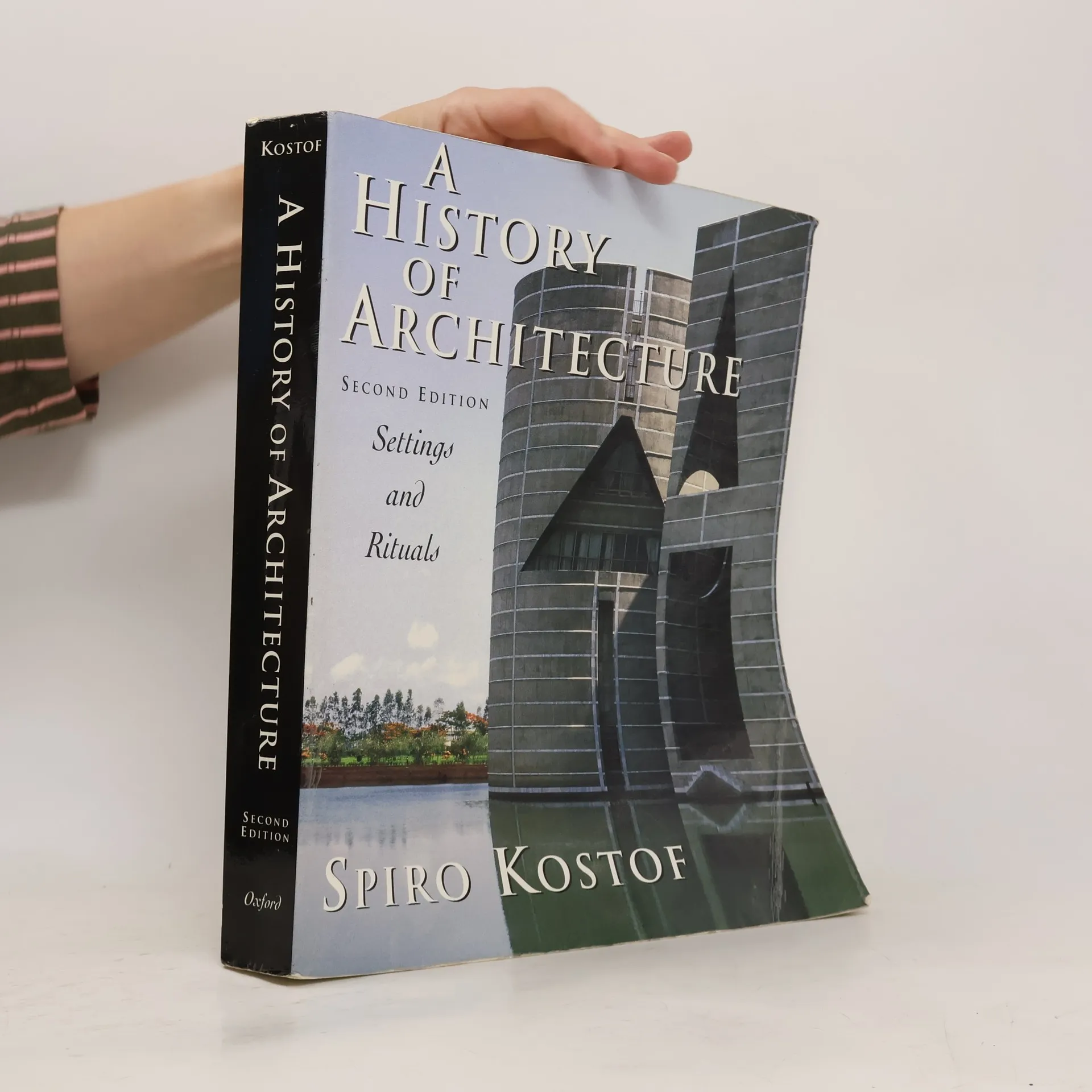
When the late Spiro Kostof's A History of Architecture appeared in 1985, it was universally hailed as a masterpiece--one of the finest books on architecture ever written. Now, updated and expanded, this classic reference continues to bring to readers the full array of civilization's architectural achievements.Insightful, engagingly written and graced with close to a thousand superb illustrations, the Second Edition of this extraordinary volume offers a sweeping narrative that examines architecture as it reflects the social, economic, and technological aspects of human history. The scope of the book is astonishing. Kostof examines a surprisingly wide variety of man-made structures: prehistoric huts and the TVA, the pyramids of Giza and the Rome railway station, the ziggurat and the department store. Kostof considered every building worthy of attention, every structure a potential source of insight, whether it be prehistoric hunting camps at Terra Amata, or the caves at Lascaux with their magnificent paintings, or a twenty-story hotel on the Las Vegas Strip.