
Bookbot

Constance Garnett Livres

    Constance Garnett fut une traductrice anglaise essentielle de la littérature russe du XIXe siècle. Elle a joué un rôle déterminant dans la présentation des œuvres de Léon Tolstoï, Fiodor Dostoïevski et Anton Tchekhov au public anglophone à grande échelle pour la première fois. Ses traductions ont profondément façonné la réception et la compréhension de ces auteurs russes emblématiques dans le monde occidental. Les efforts de Garnett ont rendu leurs profondes contributions littéraires accessibles et appréciées par un public mondial.

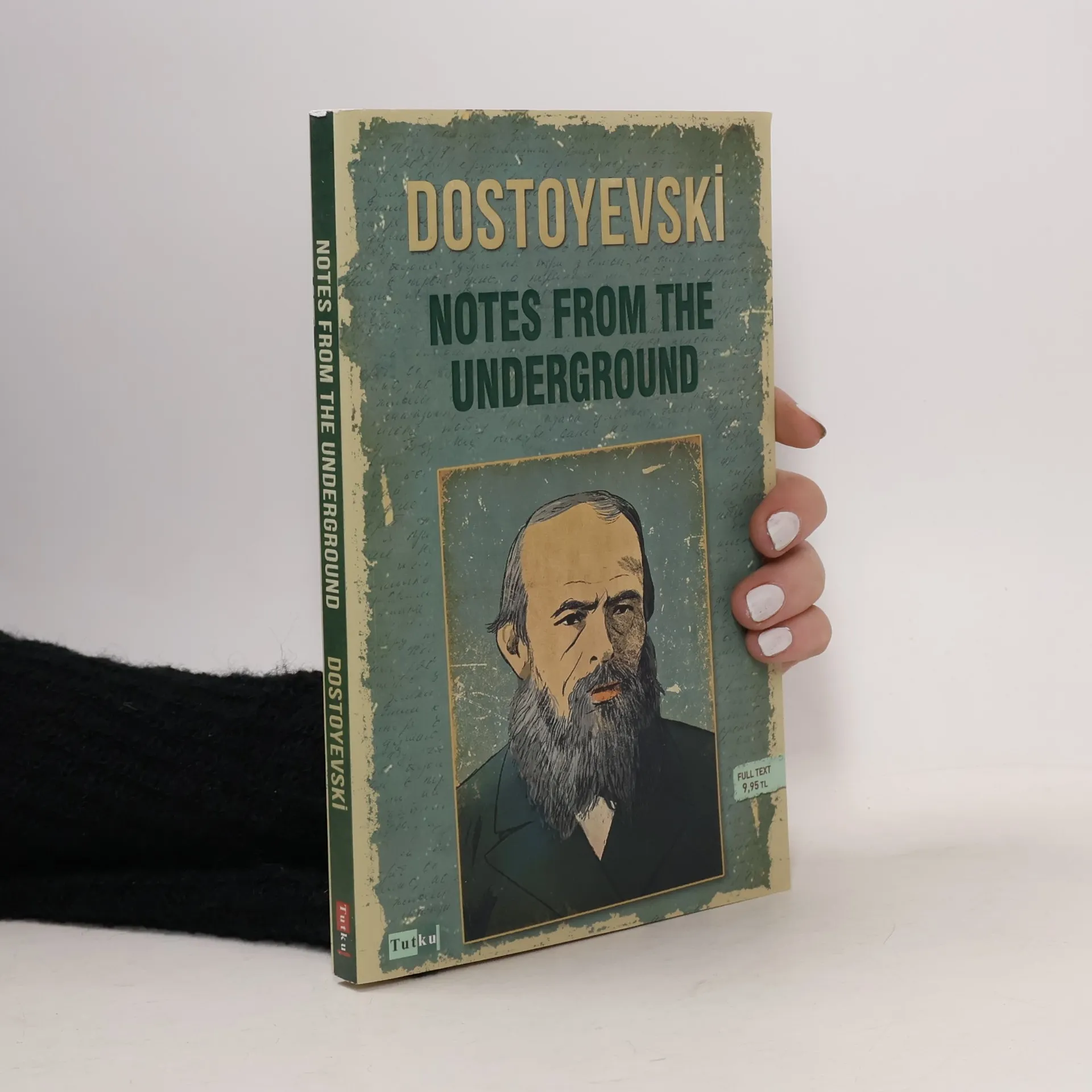
    Notes From The Underground
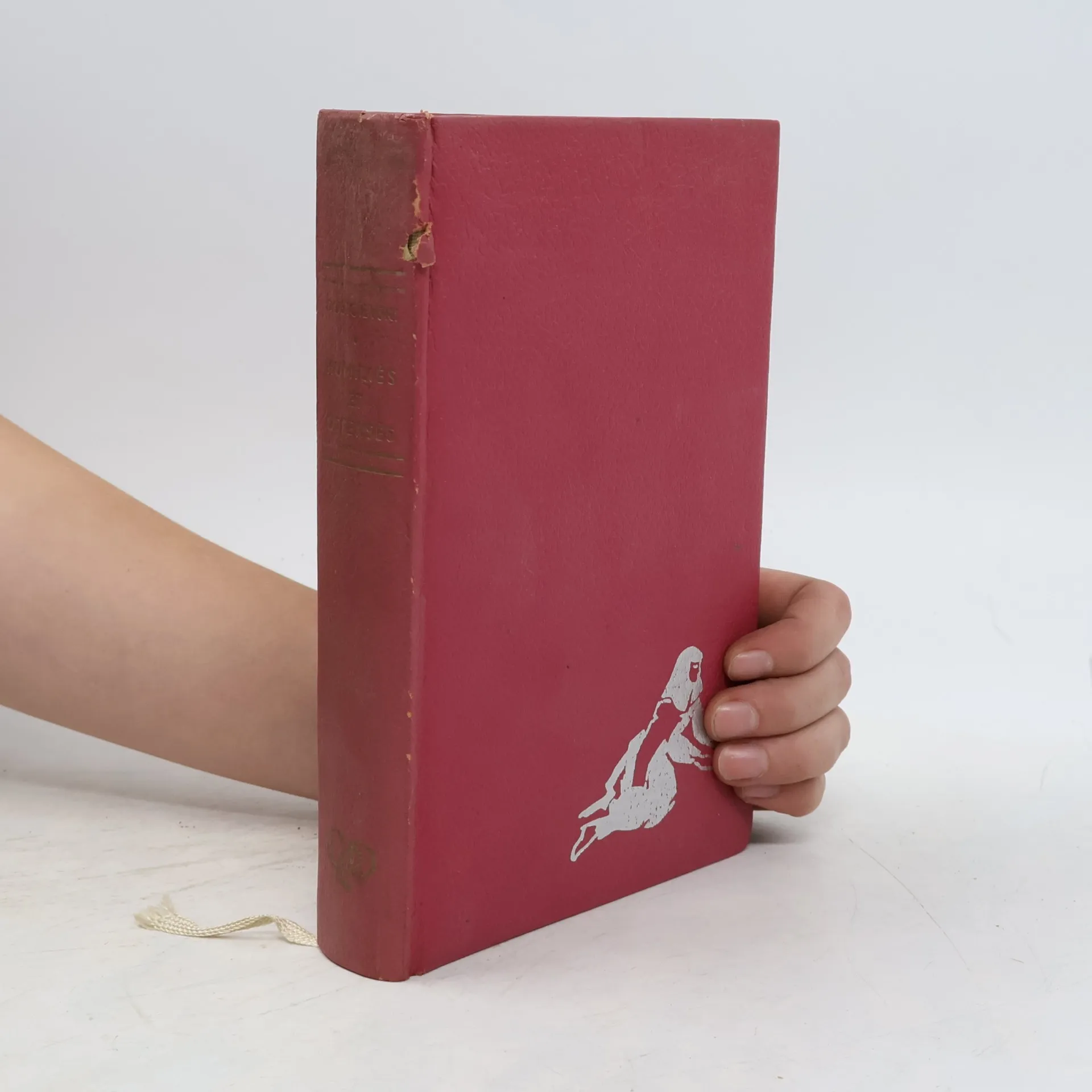
    Humiliés et Offensés
    The Insulted and Injured
    Arcturus Treasured Classics: Crime and Punishment
    Les Frères Karamazov
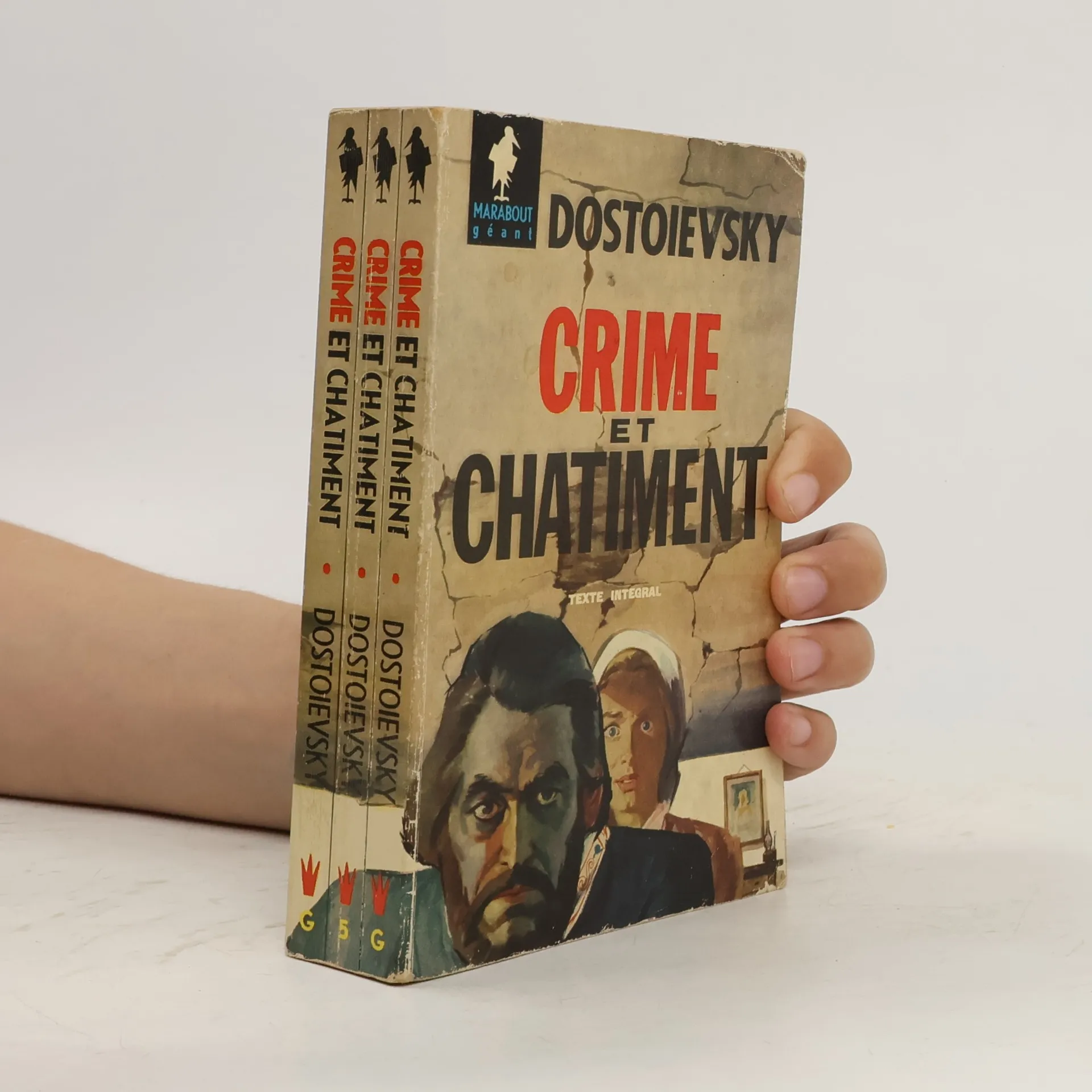
    Crime et châtiment
    • Seul l'être capable d'indépendance spirituelle est digne des grandes entreprises. Tel Napoléon qui n'hésita pas à ouvrir le feu sur une foule désarmée, Raskolnikov, qui admire le grand homme, se place au-dessus du commun des mortels. Les considérations théoriques qui le poussent à tuer une vieille usurière cohabitent en s'opposant dans l'esprit du héros et constituent l'essence même du roman. Pour Raskolnikov, le crime qu'il va commettre n'est que justice envers les hommes en général et les pauvres qui se sont fait abusés en particulier. "Nous acceptons d'être criminels pour que la terre se couvre enfin d'innocents", écrira Albert Camus. Mais cet idéal d'humanité s'accorde mal avec la conscience de supériorité qui anime le héros, en qualité de "surhomme", il se situe au-delà du bien et du mal. Fomenté avec un sang-froid mêlé de mysticisme, le meurtre tourne pourtant à l'échec. Le maigre butin ne peut satisfaire son idéal de justice, tandis que le crime loin de l'élever de la masse, l'abaisse parmi les hommes. Raskolnikov finira par se rendre et accepter la condamnation, par-là même, il accédera à la purification. Crime et Châtiment est le roman de la déchéance humaine, l'oeuvre essentielle du maître de la littérature russe.
      Crime et châtiment
      4,7
    • Les Frères Karamazov

      • 992pages
      • 35 heures de lecture

      Il y a le père, Fiodor Pavlovitch, riche, malhonnête et debauché, et ses trois fils légitimes: Mitia, impulsif, orgueilleux, sauvage; Yvan, intellectuel, raffiné, intransigeant; Alliocha, sincère, pieux, naïf. Et puis il y a le fils illégitime : Smerdiakov, libertin cynique vivant en serviteur chez son père. Roman complet et flamboyant, les frères Karamazov rassemble une intrigue policière, plusieurs histoires d'amour, des exposés théologiques et métaphysiques éblouissants et des personnages inoubliables. Sans doute le chef-d'oeuvre de Dostoïevki.

      Les Frères Karamazov
      4,4
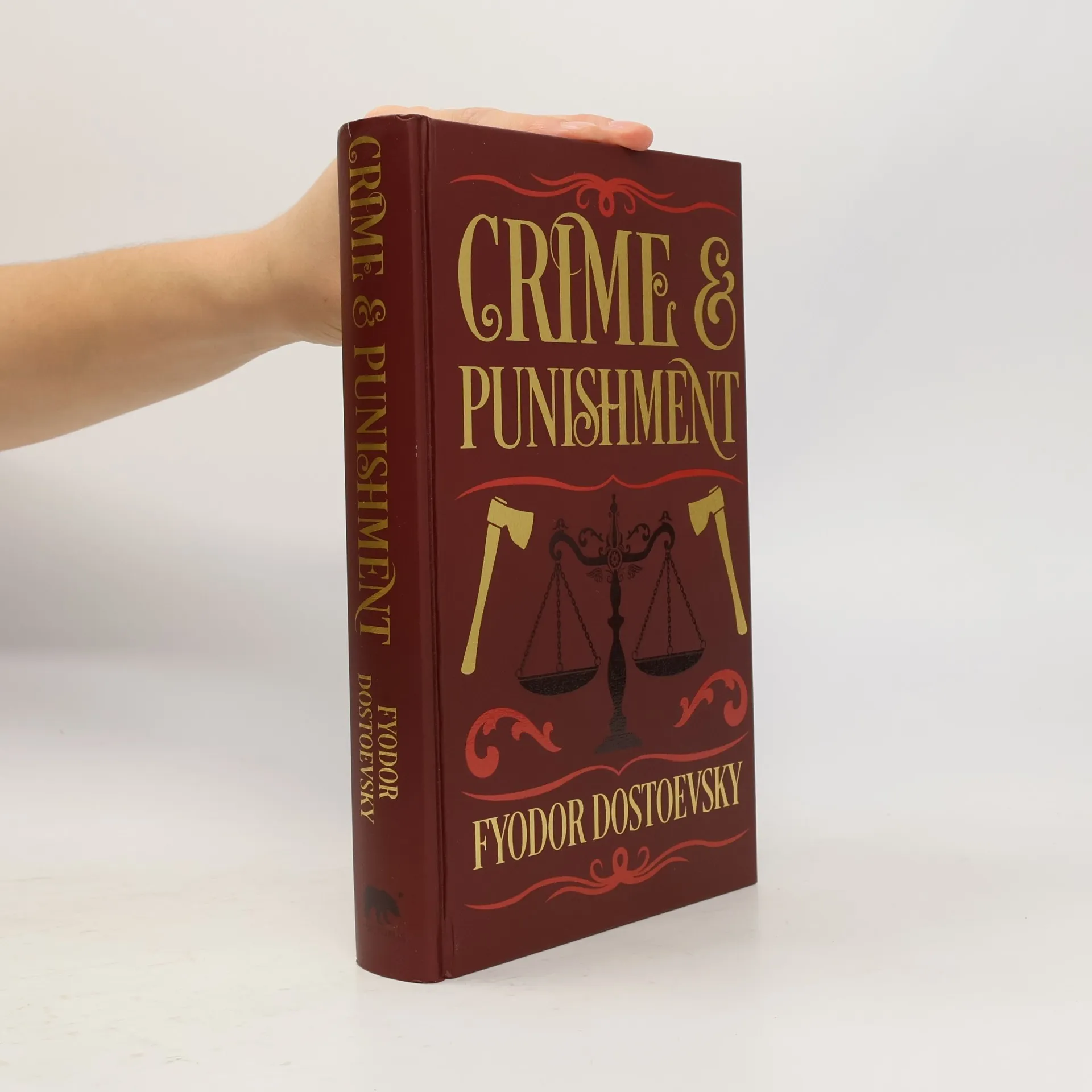
    • This classic Russian novel has it all: murder, suspense, passion, struggle, and redemption. Originally published in 1866, Crime and Punishment is a psychological thriller that deals with issues of morality, conscience, and redemption. Widely considered to be one of the greatest novels written in any language, this novel explores the life of Rodin Raskolnikov, a young Russian man who robs and murders a pawnbroker to save himself from a life of poverty. As a consequence, he must deal with the oppressive mental anguish of being a criminal while attempting to maintain relationships with his friends and family.

      Arcturus Treasured Classics: Crime and Punishment
      5,0
    • The Insulted and Injured

      • 348pages
      • 13 heures de lecture

      The Insulted & Injured, published soon after Dostoevsky's political imprisonment, clearly foreshadows his later preoccupation with unconscious psychological drives & their external effects on the lives of his characters. Where his later works carry these drives to inevitably dramatic conclusions, The Insulted & Injured confines them within the smaller boundaries of everyday event. In this story the impulse toward self-abnegation in love, which appears so markedly in both Vanya & Natasha, isn't itself enough to direct their lives; instead, it combines with their social world & the mundane ambitions of Prince Valkovsky to defeat their hope of happiness. Of all the characters in the novel, only Natasha's lover, the Prince's son Alyosha-the person least driven to mold life to his own terms-emerges untouched. Here are, to a greater extent than in Dostoevsky's more familiar works, flesh-&-blood people as we see them around every day. They are made up of both good & evil, of will & acceptance. Unfailingly they command interest & illuminate understanding.

      The Insulted and Injured
      4,5
    • Notes From The Underground

      • 160pages
      • 6 heures de lecture

      Dostoevsky's underground man is a psychologically tourtured poor clerk, who muses on his 'sickness' and the detested notions of self-interest. Scornful of himself and of others, he recalls finding love at a brothel - but it is a love by his very nature he cannot accept, and so debases instead.

      Notes From The Underground
      4,2
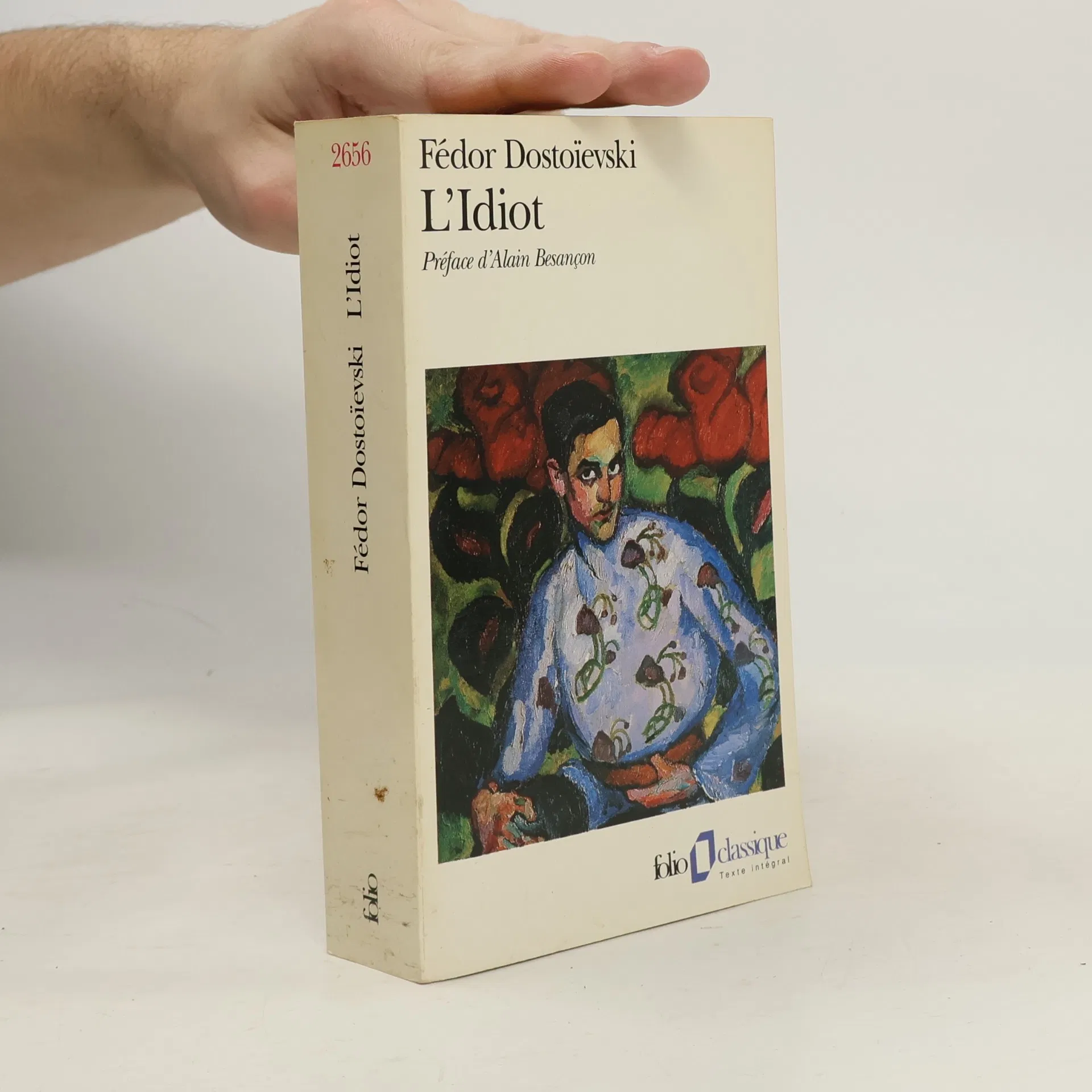
    • L'Idiot

      • 781pages
      • 28 heures de lecture

      Dans "L'Idiot", Dostoïevski façonne le personnage du "Christ russe", incarné par le prince Muichkine. Cet homme innocent, perçu comme simple d'esprit, se retrouve au cœur d'un monde de vanité et de souffrance, devenant à la fois acteur et témoin des tourments des autres, tout en luttant avec ses propres émotions.

      L'Idiot
      4,2
    • The House of the Dead

      Man is sometimes extraordinarily, passionately, in love with suffering...

      • 205pages
      • 8 heures de lecture

      Fyodor Dostoyevsky was born on November 11, 1821, and was introduced to literature early in life, with his mother teaching him to read and write using the Bible. His literary immersion was profound, fueled by his parents' nightly readings. Tragedy struck in 1837 when his mother died of tuberculosis, and he and his brother were enrolled at the Nikolayev Military Engineering Institute, where Dostoyevsky found little interest in military studies, preferring drawing and architecture. His father's death in 1839 may have triggered his epilepsy, yet he persevered, eventually becoming an engineer cadet. His first completed work, a translation of Balzac's "Eugénie Grandet," was published in 1843 but failed commercially. He then wrote "Poor Folk," which was a success, followed by "The Double," which received poor reviews and exacerbated his health issues. Involved in socialist circles, Dostoyevsky faced arrest in 1849 for distributing banned works, leading to a death sentence commuted to four years of hard labor in Siberia. His prison experiences inspired "The House of the Dead," published in 1861. He later completed "The Gambler" in just 26 days. Despite continued health decline, including a diagnosis of pulmonary emphysema, he published "Demons" in 1873. Dostoyevsky died on February 9, 1881, after suffering multiple pulmonary hemorrhages.

      The House of the Dead
      4,0
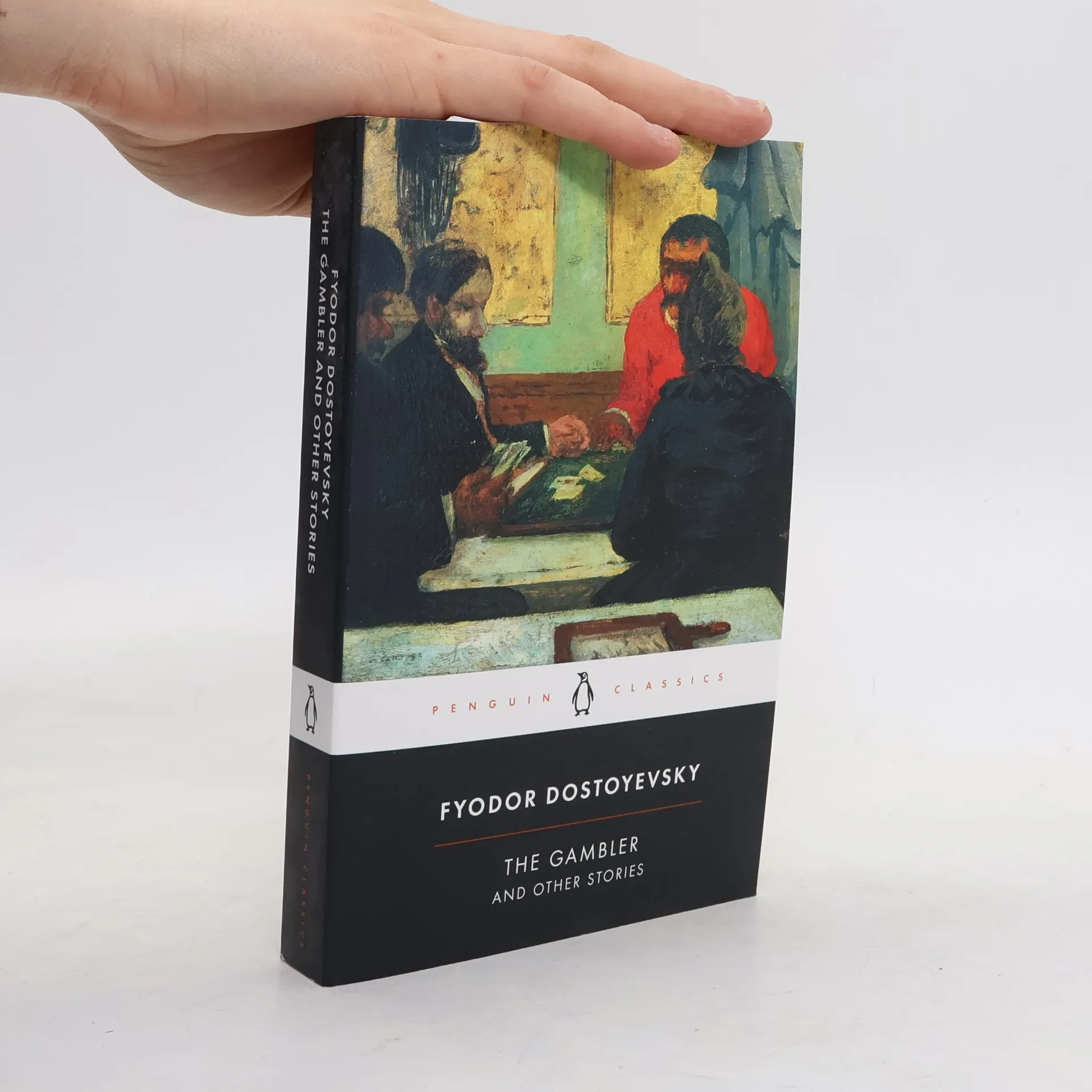
    • A collection of one novella and six short stories - The Gambler, Bobok, The Dream of a Ridiculous Man, A Christmas Party and a Wedding, A Nasty Story and The Meek One.

      The Gambler and Other Stories
      4,1
    • Anna Karénine

      • 980pages
      • 35 heures de lecture

      En gare de Moscou, deux jeunes gens s'aiment au premier regard. Femme d'un haut fonctionnaire, ornement de la société tsariste de son temps, Anna Karénine éblouit le frivole comte Wronsky, par sa grâce, son élégance et sa gaieté. A ce bonheur, à cette passion réciproque porteuse de scandale et de destruction, ils ne résistent pas longtemps. En écho à cette tragédie programmée, on entend toute l'âme d'un peuple et les premiers craquements de l'Empire russe en train de se lézarder. L'inoubliable Anna Karénine, c'est l'apogée du génie littéraire de l'auteur de Guerre et Paix.

      Anna Karénine
      4,0
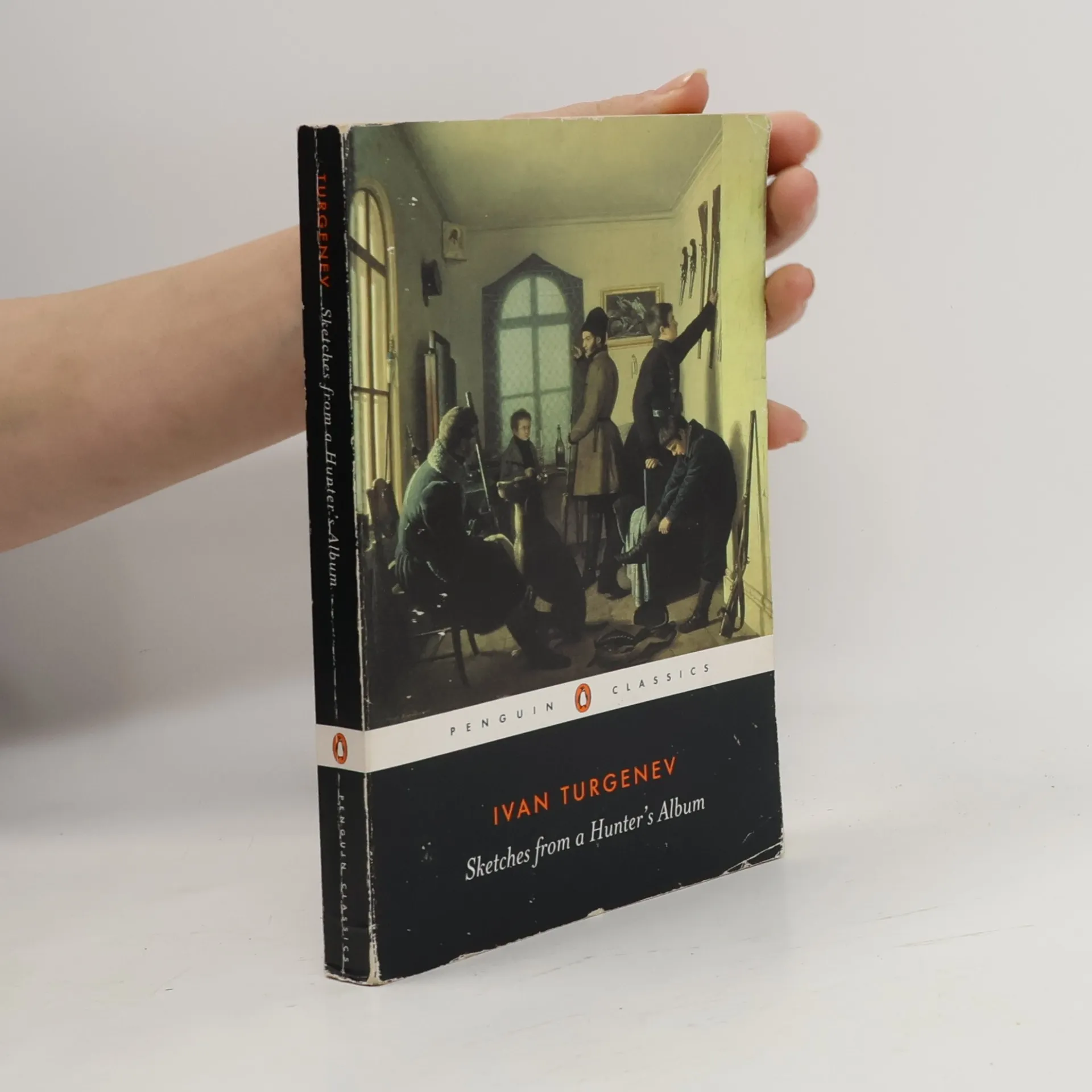
    • First published in 1852, Sketches from a Hunter's Album is a loose series of lyrical stories of rural life under serfdom. This expanded edition includes all Turgenev's other short stories.

      Sketches from a Hunter's Album
      4,0
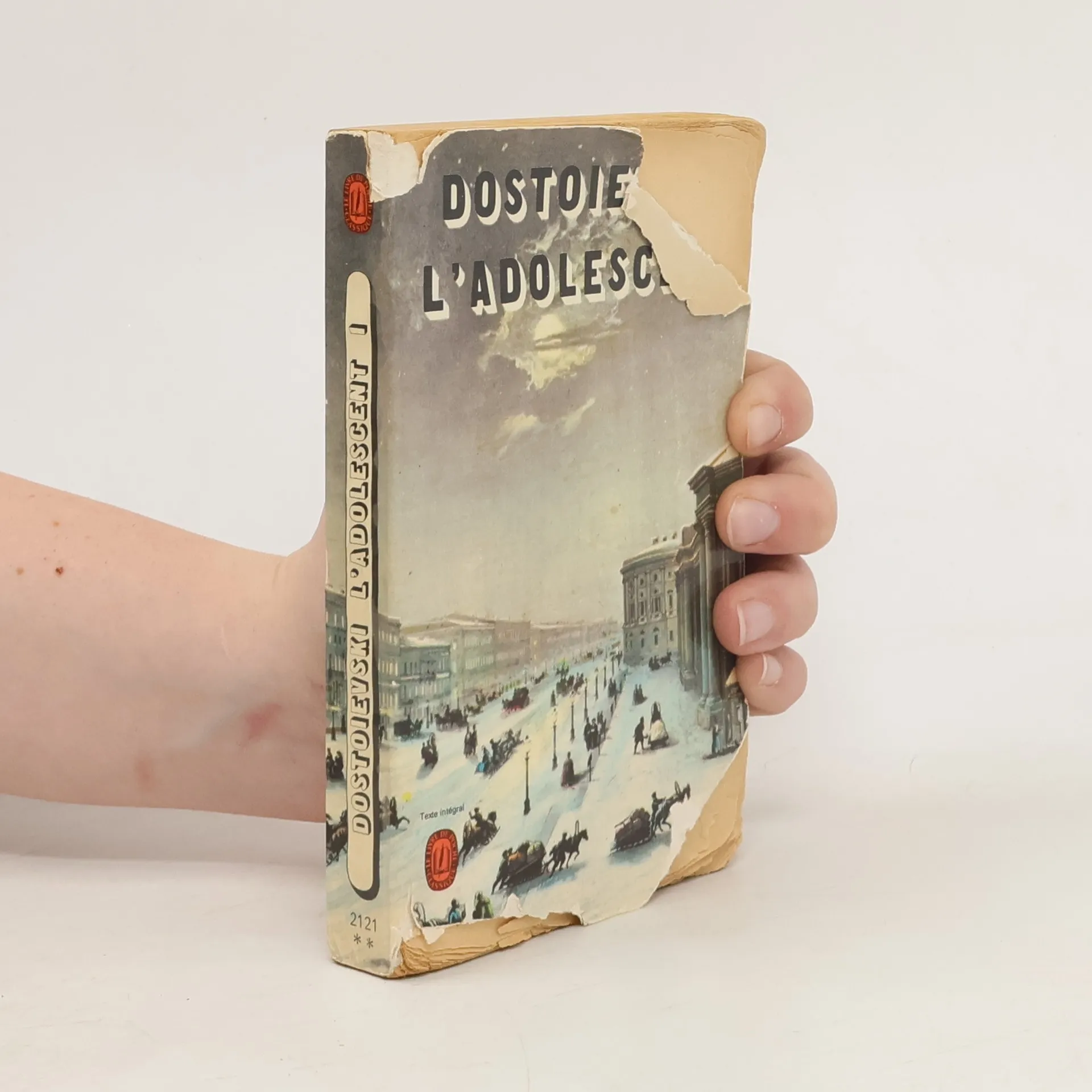
    • Ce volume contient - ''L' Adolescent'', ''Les Nuits blanches'', ''Le Sous-sol'', ''L'Éternel mari''.

      L'adolescent
      4,0
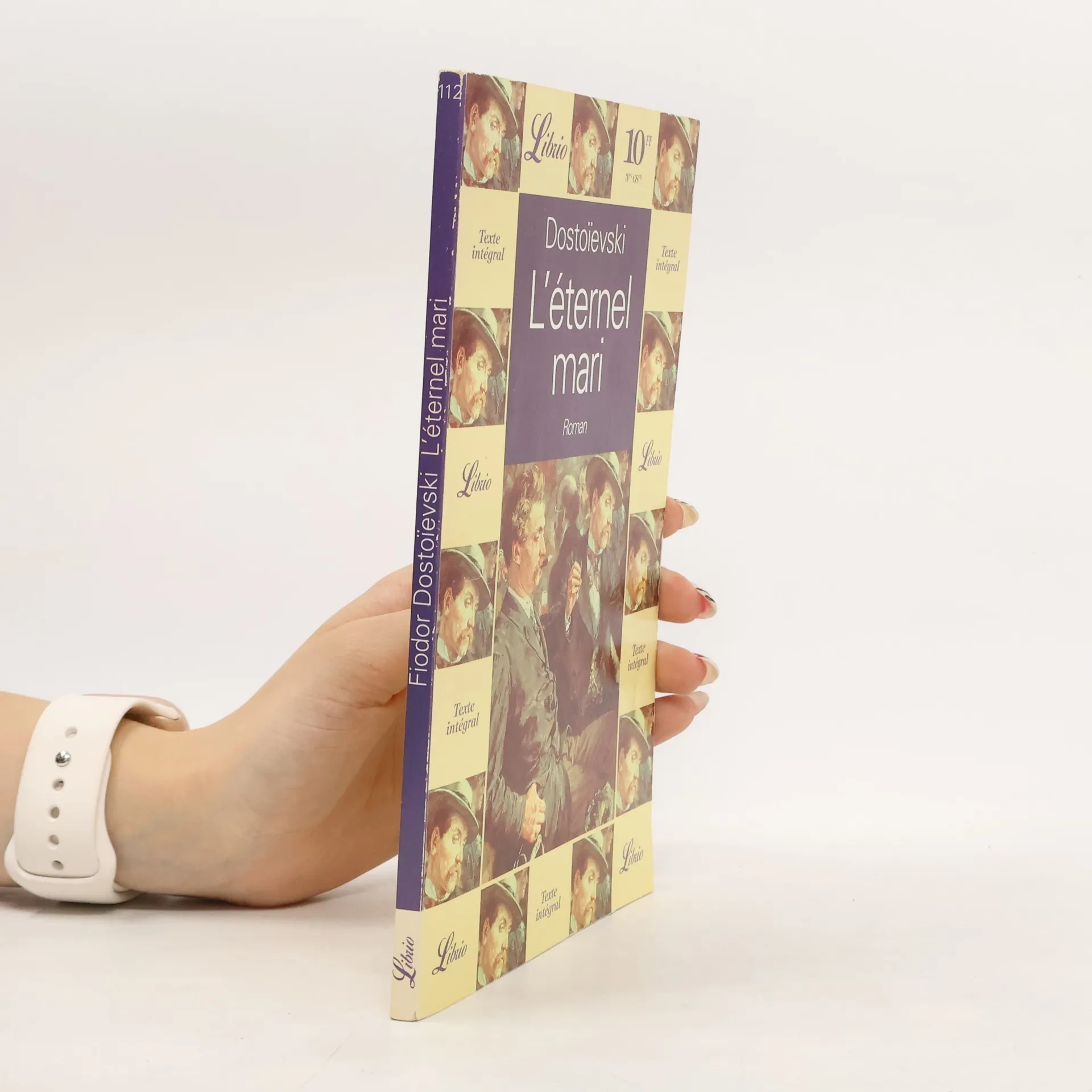
    • Imaginez Don Juan plein de remords et hanté par un mari trompé. Accablé de soucis d'argent, n'ayant le goût à rien, Veltchaminov est poursuivi par un homme en deuil. Troussotzky a perdu sa femme. Toute faute, pour Dostoïevski, doit être expiée; le péché engendre la maladie et la folie. Le vaudeville tourne au drame, car il y a une victime innocente, Lisa, une enfant. De qui est-elle ? L'éternel mari retrouvera une épouse, l'éternel amant sa vigueur et le jeu recommence. L'auteur rit lui-même, se souvenant de son premier mariage. Ce roman tragique et comique révèle un autre Dostoïevski. Mais ses personnages sont toujours aussi grands d'être conscients de leur petitesse. Edition traduite et présentée par Dominique Arban, commentée par Georges Philippenko.

      L´eternel mari
      3,8
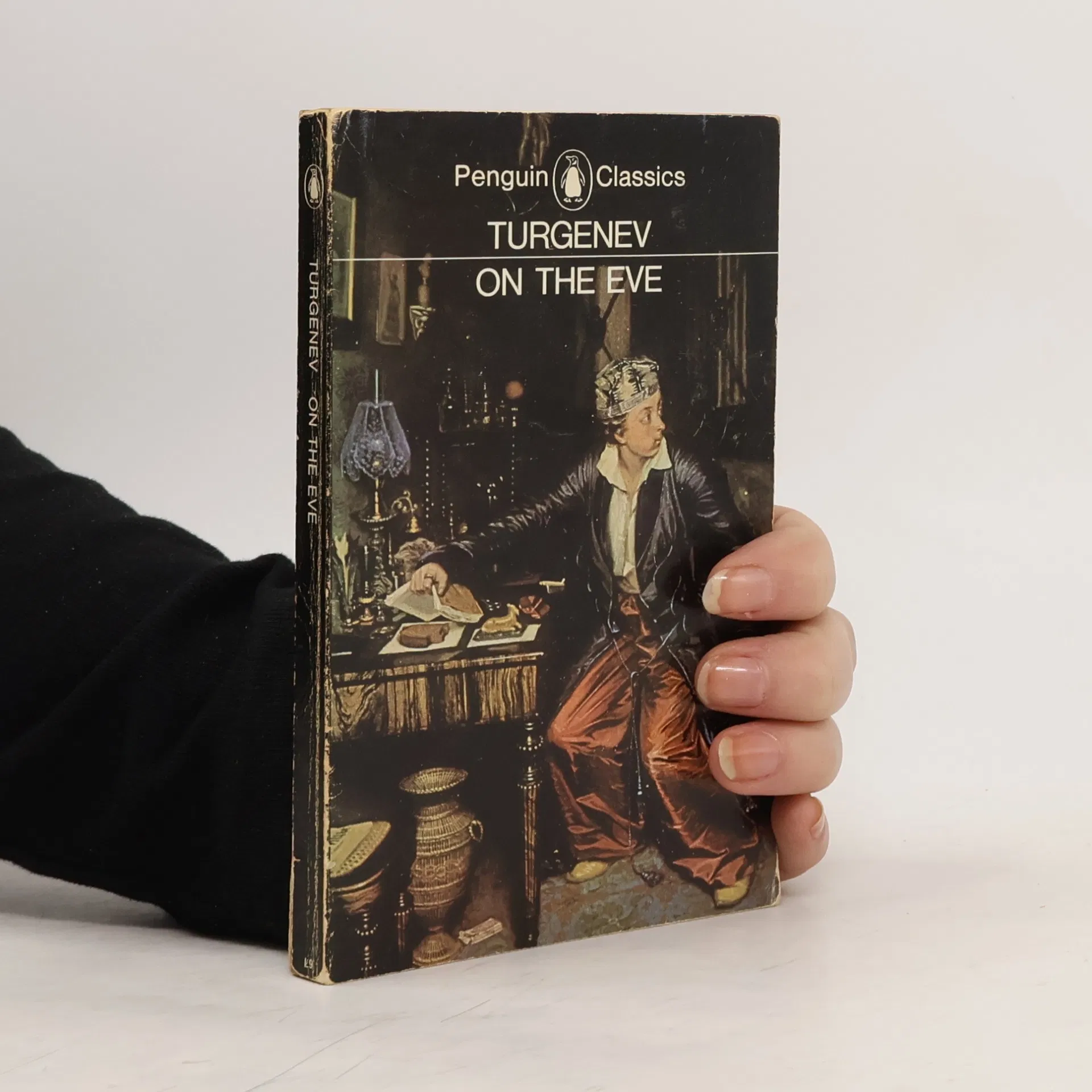
    • Brand-new translation of one of Turgenevs major novels, includes pictures and an extensive section on Turgenevs life and works.

      On the eve
      3,7
    • 'White Nights' is one of Dostoevsky's earlier short stories but one of his most enduringly popular. It tells the story of four nights in the life of the lonely narrator, who meets and falls in love with the mysterious and beautiful Nastenka. Poor Folkwas Dostoevsky's first novel, written to try and alleviate his financial plight, and was a commercial success. It tells the story of Makar Devushkin, a clerk, and Varvara Dobroselova, a seamstress, by means of the letters they exchange; they are in love, but too poor to marry. Its exploration of humanitarian themes led to it being described as Russia's first 'social novel'. By contrast, Dostoevsky's second novel, The Doublewas not well received. First published in 1846, it was revised and republished by Dostoevsky in 1866, but he did not consider it a success. By contrast, Vladimir Nabokov called it 'the best thing he ever wrote' and described it as 'a perfect work of art'.

      Wordsworth Classics: White Nights, Poor Folk & The Double
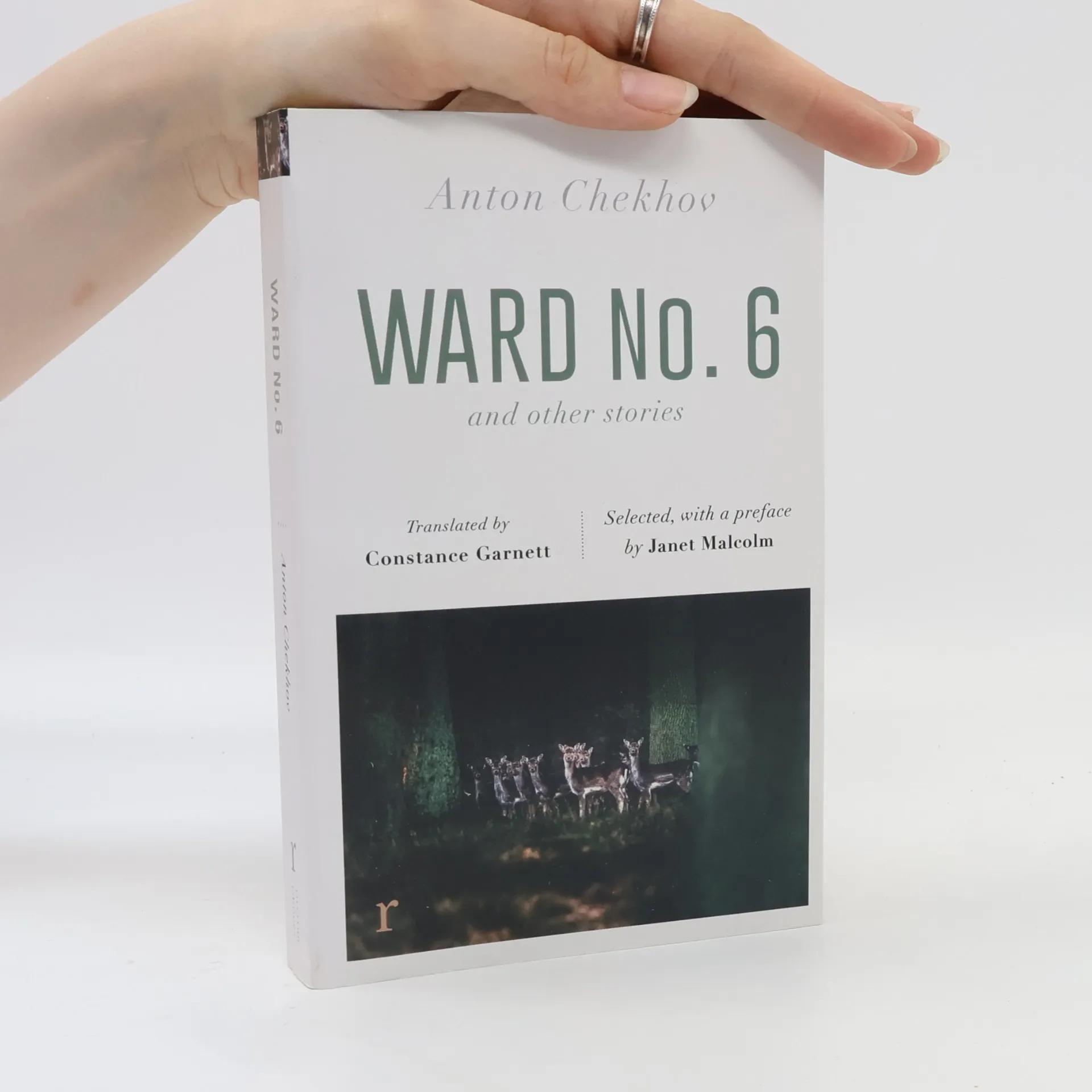
    • The second unique collection of Constance Garnett's translations of Chekhov's short fiction, selected for riverrun editions by Janet Malcolm

      Riverrun Editions: Ward No. 6 and Other Stories
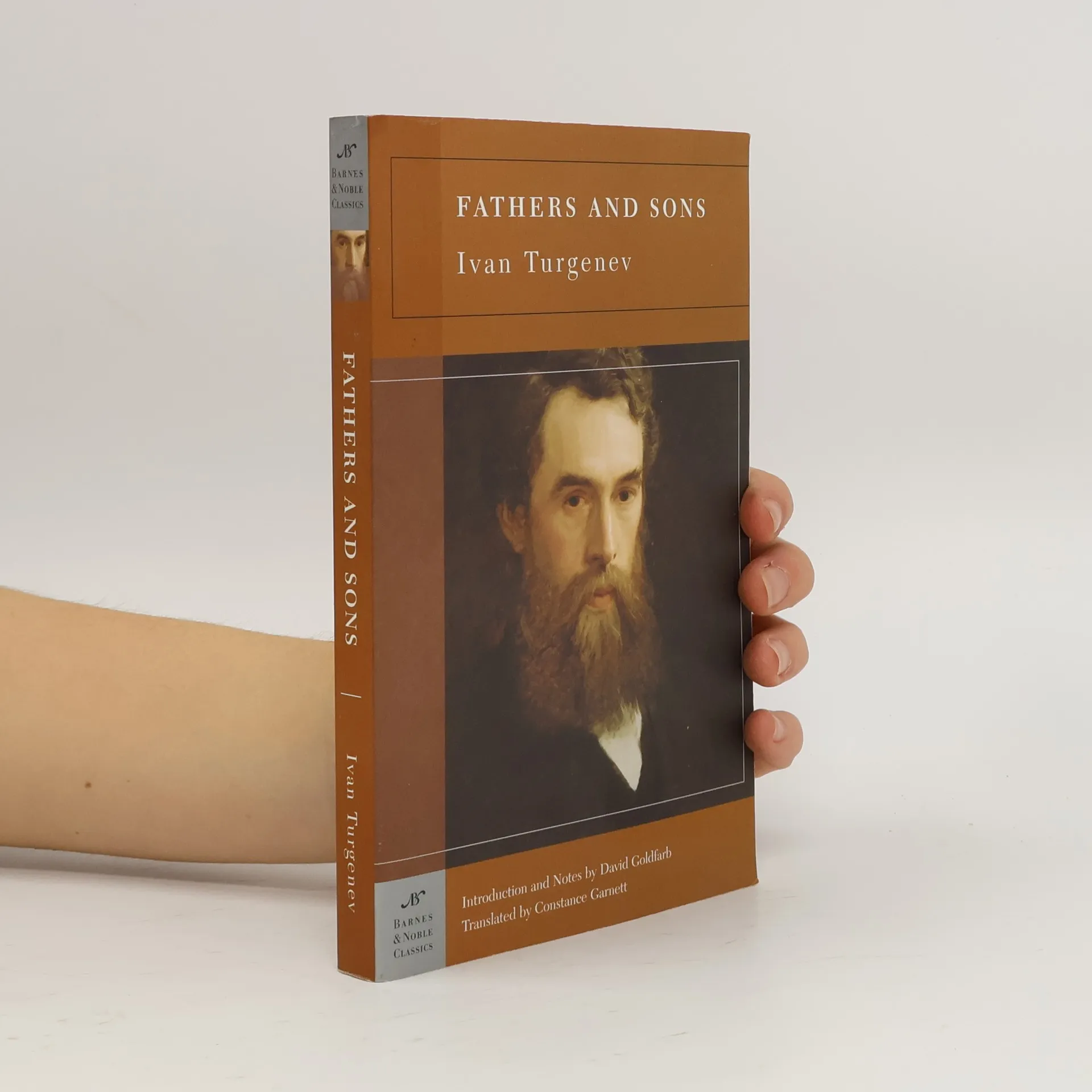
    • Youth rebels. It was true in Russia in 1862 when Fathers & Sons appeared. At its center stands Evgeny Bazarov, medical student, doctor's son & nihilist. Bazarov rejects authority, all so-called truths based on faith rather than science & experience. His ideas bring him into conflict with his best friend, recent graduate Arkady Kirsanov, with Arkady's family, with his own parents & eventually with his emotions when he falls in love with the beautiful Madame Odintsova.

      Barnes & Noble Classics: Fathers and Sons
    • The Essential Tales

      • 368pages
      • 13 heures de lecture

      In this collection of 20 short stories, the editor Richard Ford has selected his personal favourites of Chekhov's work. Includes are The Kiss, The Darling, as well as lesser known tales such as A Blunder, Hush and Champagne.

      The Essential Tales