

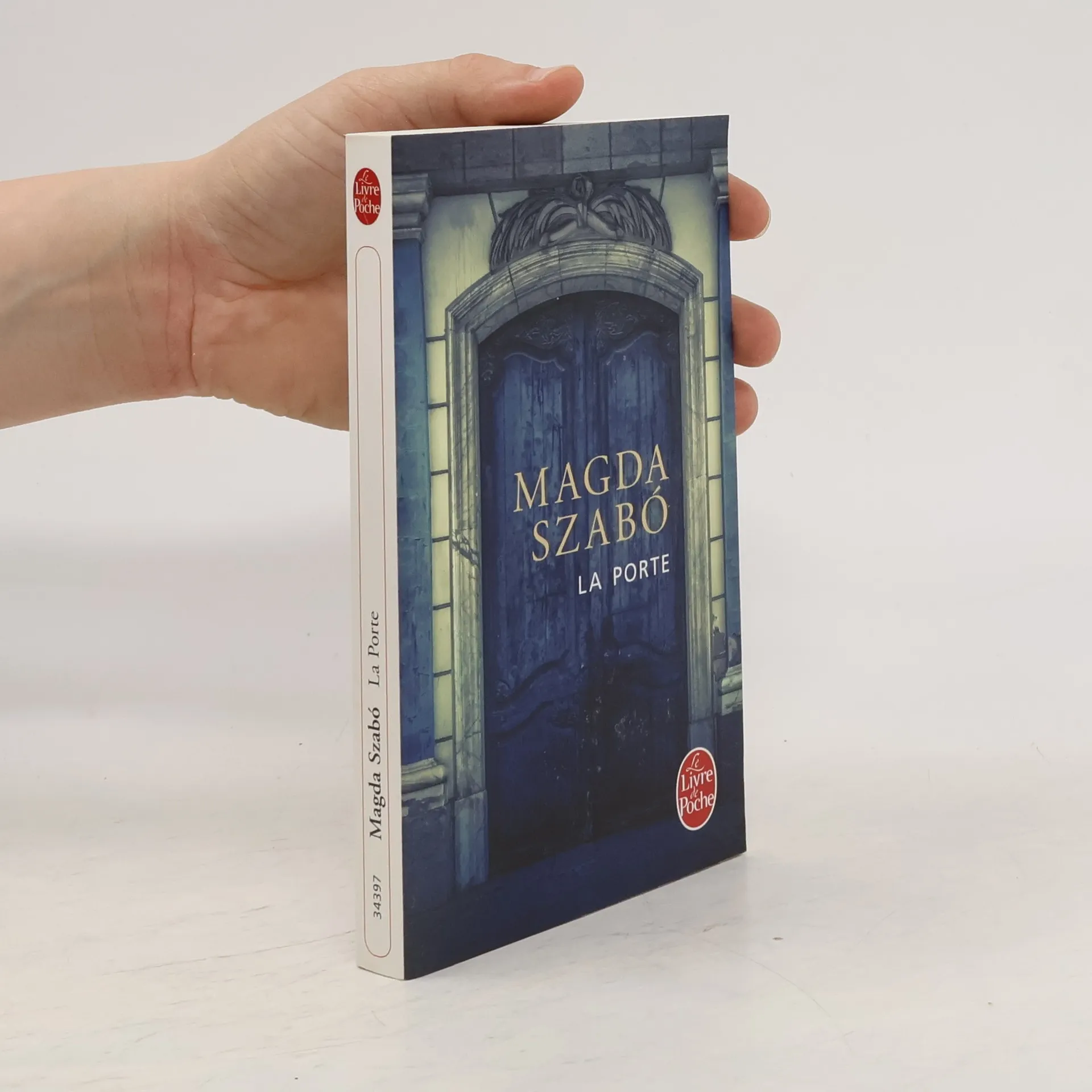
« C’est moi qui ai tué Emerence. Je voulais la sauver, non la détruire, mais cela n’y change rien. » La Porte est une confession. La narratrice y retrace sa relation avec Emerence Szeredás, qui fut sa domestique pendant vingt ans. Tout les oppose : l’une est jeune, l’autre âgée ; l’une sait à peine lire, l’autre ne vit que par les mots ; l’une est forte tête mais d’une humilité rare, l’autre a l’orgueil de l’intellectuelle. Emerence revendique farouchement sa liberté, ses silences, sa solitude, et refuse à quiconque l’accès à son domicile. Quels secrets se cachent derrière la porte ? Chef-d’oeuvre de la littérature hongroise dont le succès fut mondial, prix Femina étranger en 2003, La Porte a été élu meilleur livre de l’année 2015 par le New York Times.
Len Rix Ordre des livres (chronologique)
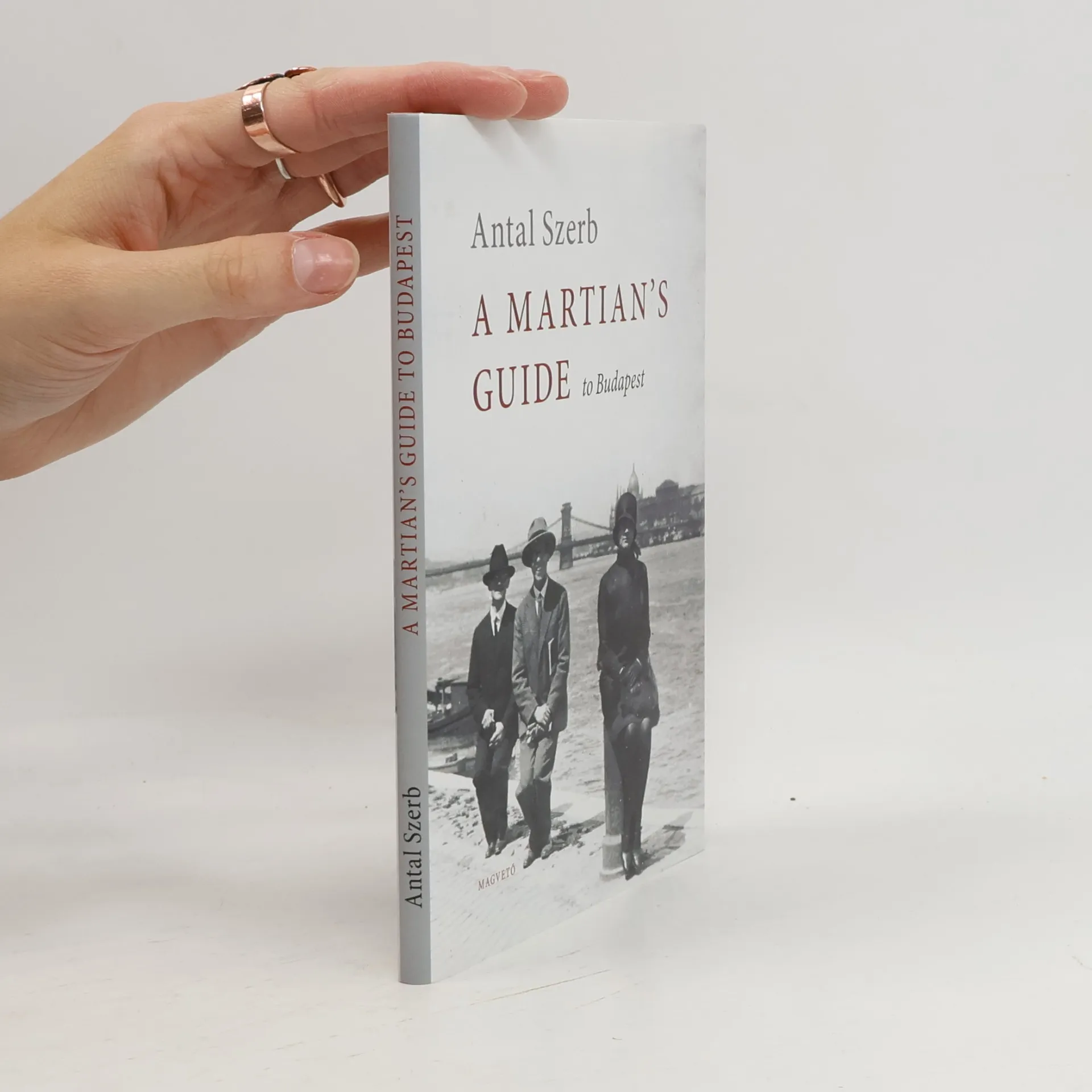
A Martian's Guide to Budapest
- 55pages
- 2 heures de lecture
"One fine day a Martian turned up in Budapest, took a room in the Bristol Hotel, brushed the stardust from his suit and telephoned to inquire if I might show him round the town." Who is this Martian, this unknown traveller who appeared out of the blue in Budapest in 1935? The writer of this legendary book? Or could he be the modern reader of our present day? Most of the places mentioned can still be visited, and this little guide accompanied with old photographs can help evoke the people and the history of this beautiful city. "A Martian's guide ot Budapest" is a whimsical and gently ironical love letter to the city".
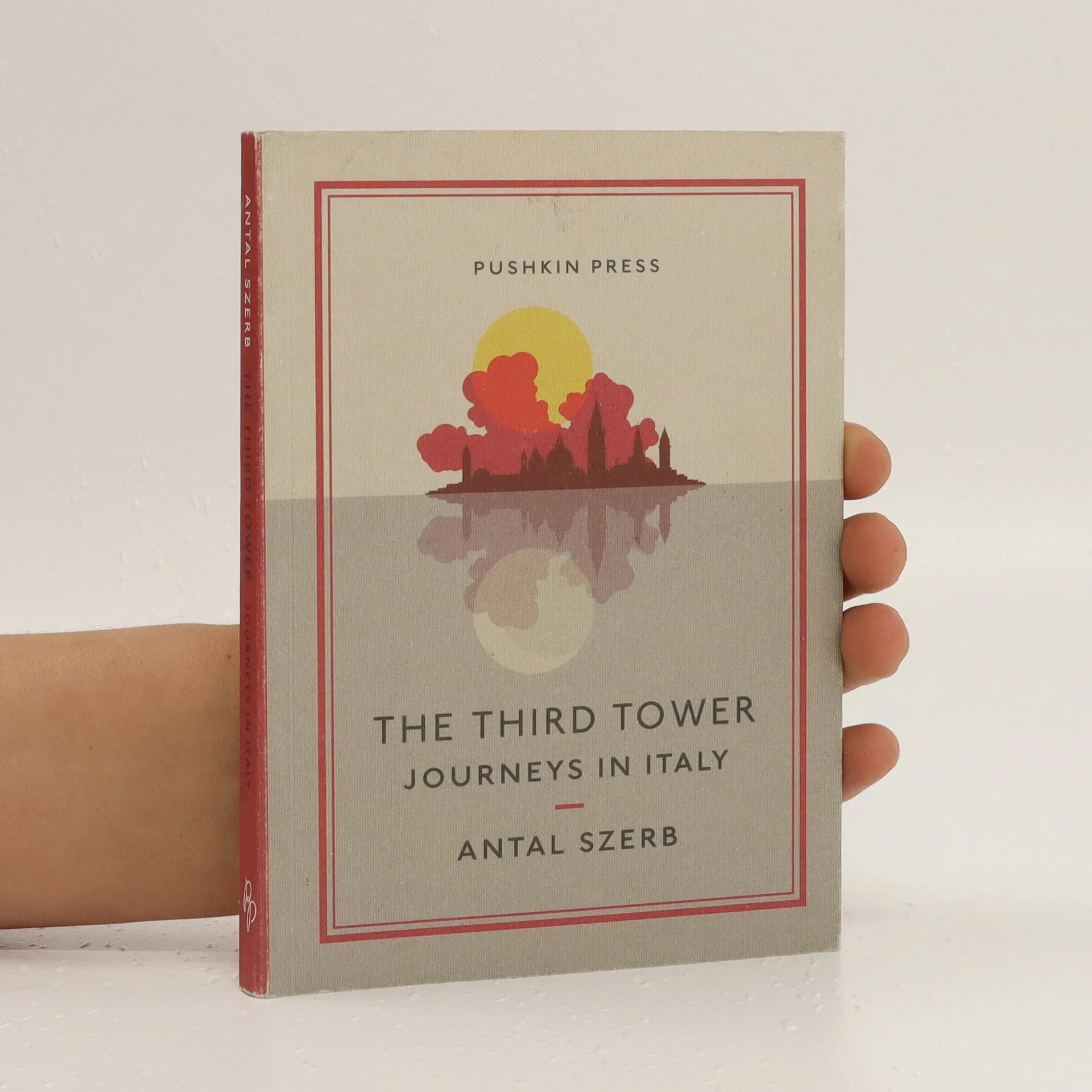
The Third Tower
- 192pages
- 7 heures de lecture
In August 1936 a Hungarian writer in his mid-thirties arrives by train in Venice, on a journey overshadowed by the coming war and charged with intense personal nostalgia. Aware that he might never again visit this land whose sites and scenes had once exercised a strange and terrifying power over his imagination, he immerses himself in a stream of discoveries, reappraisals and inevitable self-revelations. From Venice, he traces the route taken by the Germanic invaders of old down to Ravenna, to stand, fulfilling a lifelong dream, before the sacred mosaics of San Vitale. This journey into his private past brings Antal Szerb firmly, and at times painfully, up against an explosive present, producing some memorable observations on the social wonders and existential horrors of Mussolini's new Roman Imperium.