



Plus d’un million de livres, à portée de main !
Bookbot

Pat Lyons

    1 janvier 1969
    Pat Lyons
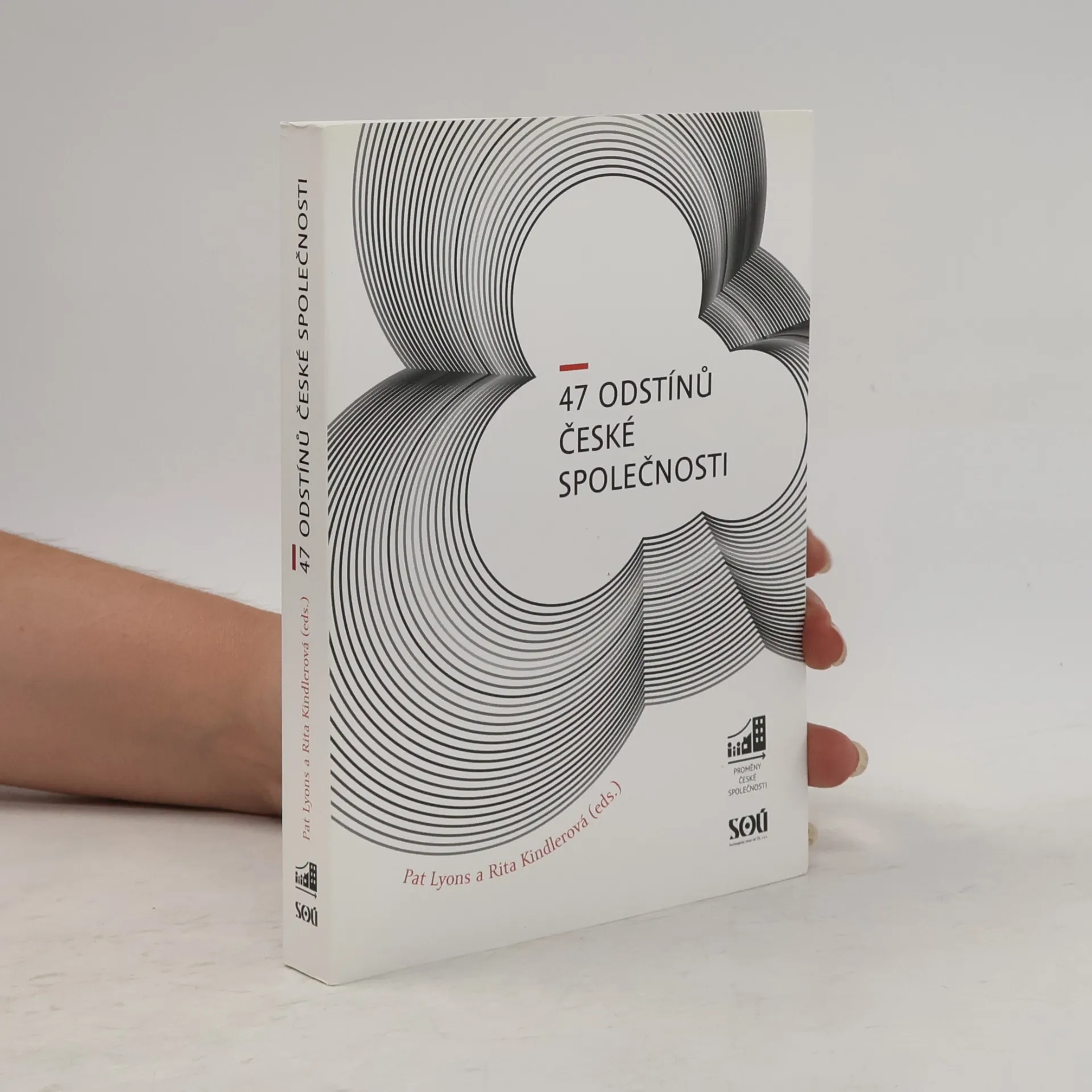
    47 odstínů české společnosti
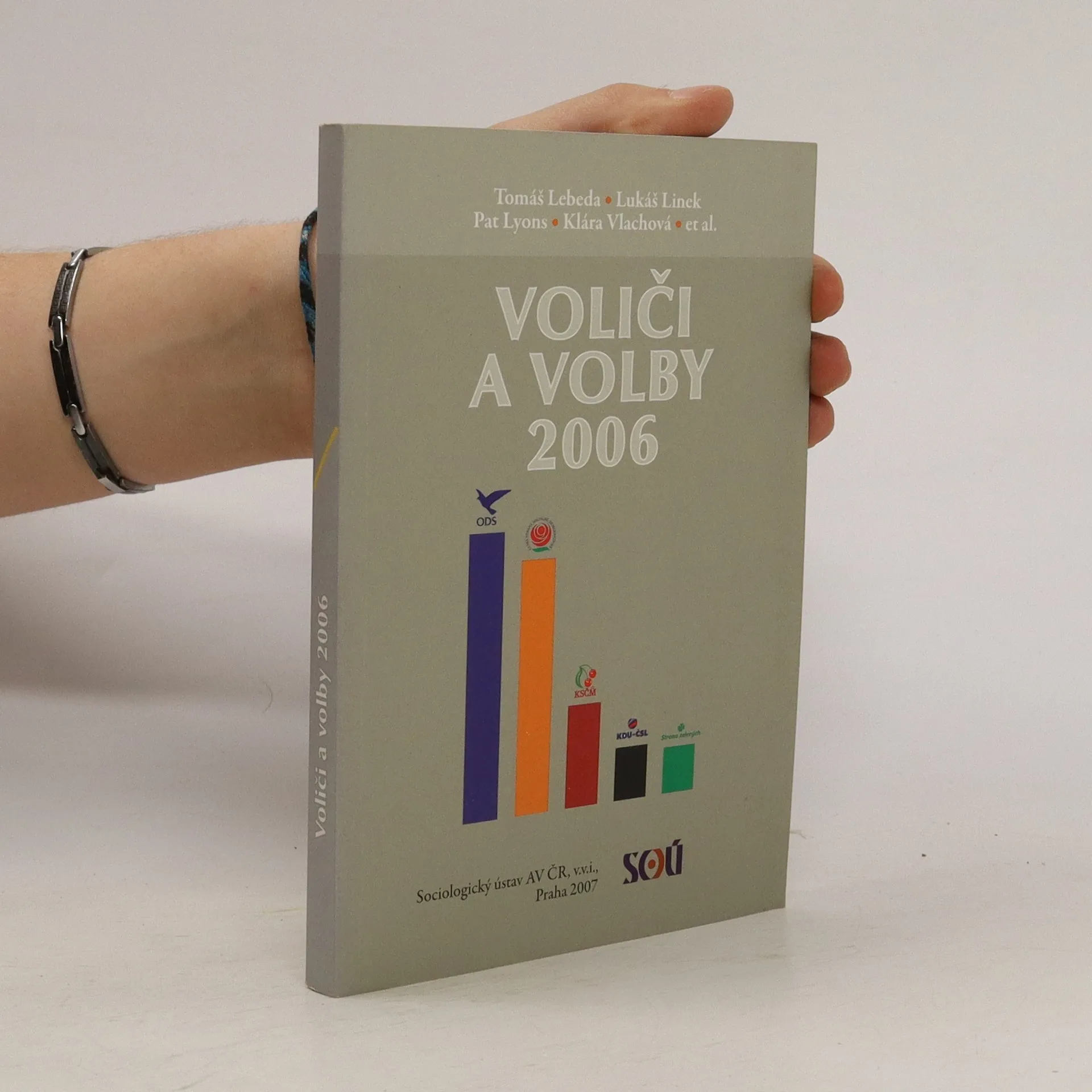
    Voliči a volby 2006
    Theory, Data and Analysis
    Mass and Elite Attitudes During the Prague Spring Era: Importance and Legacy
    Contemporary Czech Society
    Political Knowledge in the Czech Republic
    • 2017

      The book examines the origins, nature, and impact of different facets of political knowledge in the Czech Republic between 1967 and 2014. The central argument presented in this book is that evaluating citizens on the basis of objective, or factual, knowledge alone makes little sense. What citizens know about politics comes from a variety of sources that are complementary. This is the first detailed study of how much Czechs know about politics, and why it matters. Here are some of the key findings of this book. There are many forms of political knowledge.Citizens make decisions using different forms of political knowledge.Czechs knowledge of politics has remained constant over time.How people answer knowledge questions in surveys matters.Political knowledge is shaped by personality traits.Factual knowledge is linked with forecasting social change, but is not always linked with making correct voting.Experts with high levels of knowledge do not agree on what is a correct answer.

      Political Knowledge in the Czech Republic
    • 2016

      Using insights from economics, history, politics, psychology and sociology this book uses a question and answer format to explore how Czechs see themselves and others. Comparisons are made with other European societies and there is an exploration of how Czech social attitudes and behaviour have changed over time.

      Contemporary Czech Society
    • 2015

      Co si Češi nalhávají o Češích? Proč nedůvěřují policii a soudům? Co si dnes myslíme o sametové revoluci nebo o rozdělení Československa? Může mít jméno vliv na naši kariéru? Proč nám nevadí bezpečnostní kamery? Je u nás náboženství mrtvé? Jsou české hodnoty něčím výjimečné? Je česká společnost skutečně tak tolerantní, jak se traduje? Jaké je vůbec v České republice „Názorové klima“? Tato populárně-vědná kniha nastiňuje témata spojená s výzkumem společnosti. Pokouší se přístupnou formou seznámit čtenáře-neodborníka s prací sociologů. Vždyť mnohé otázky, které sociologie zkoumá, jsou přímo spojené s rozhodováním a opatřeními, jež mají dopad na nás všechny.

      47 odstínů české společnosti
    • 2013

      Autoři se v knize zaměřili na dva provázané cíle. Prvním je vysvětlení dlouhodobého volebního úspěchu čtyř politických stran (ČSSD, KDU-ČSL, KSČM a ODS), které zajišťují svou stabilní přítomnost v českém parlamentu, což je v postkomunistickém prostoru unikátní. Zaměřili se na faktory ovlivňující hlasování českých voličů, jako jsou konfliktní linie, levo-pravá orientace a stranická identifikace, aby zjistili, co stabilizuje volební podporu těchto stran. Druhým cílem bylo prozkoumat, zda se v průběhu času mění vliv těchto faktorů na volbu stran. Autoři si uvědomují, že by bylo mylné předpokládat stejnou strukturu hlasování v roce 2010 a v roce 1996, zejména v kontextu postkomunistické transformace, která přinesla významné změny v hospodářství, hodnotových orientacích a postojích k politickému režimu. Zkoumání změn v roli konfliktních linií a levo-pravé orientace při hlasování umožnilo hodnotit, zda došlo k významným změnám ve volebním chování, zejména po sněmovních volbách v roce 2010. Klíčové otázky zahrnují, zda je volební chování českých voličů dlouhodobě volatilní, zda došlo k poklesu stranické identifikace a jaké konfliktní linie ovlivňují volební rozhodování.

      Dočasná stabilita? Volební podpora politických stran v České republice v letech 1990-2010
    • 2012

      Theory, Data and Analysis

      Data Resources for the Study of Politics in the Czech Republic

      • 403pages
      • 15 heures de lecture

      This book deals with empirical research using political survey data and is primarily intended for anyone exploring politics in the Czech Republic using quantitative data. Many of the themes addressed in this study have application to the use of quantitative political data in other national contexts and across the social sciences more generally. This book is divided into three theory, data and analysis. In the first part there is an examination of the theories underpinning the most important source of political survey research. Here there is an overview of the role of political attitudes and public opinion within political theory from Plato to Habermas. In addition there is an overview of the nature of political attitudes and recent insights from neurocognitive research. Part two maps out the main sources of political survey data available in the Czech Republic; and also deals with elite, expert survey and Comparative Manifesto Project data. The third part deals with the analysis of these datasets with a specific emphasis on the Czech Republic. This study argues that political data do not speak for themselves and require and hence the need to integrate the theory, data and analysis components of research.

      Theory, Data and Analysis
    • 2009

      This monograph explores public and elite opinion toward events associated with the Prague Spring of 1968 in Czechoslovakia. This investigation is based on an analysis of a unique collection of aggregate and individual level survey datasets. The central goal of this study is to illustrate how the survey evidence from the 1967 to 1969 period may increase understanding of the Prague Spring era. More specifically this study integrates theories associated with the Prague Spring era and public support for the various reforms proposed.

      Mass and Elite Attitudes During the Prague Spring Era: Importance and Legacy
    • 2006

      Voliči a volby 2006

      • 234pages
      • 9 heures de lecture
      5,0(1)Évaluer

      Studie systematicky zkoumá volební chování ve volbách do Poslanecké sněmovny Parlamentu České republiky roku 2006.

      Voliči a volby 2006