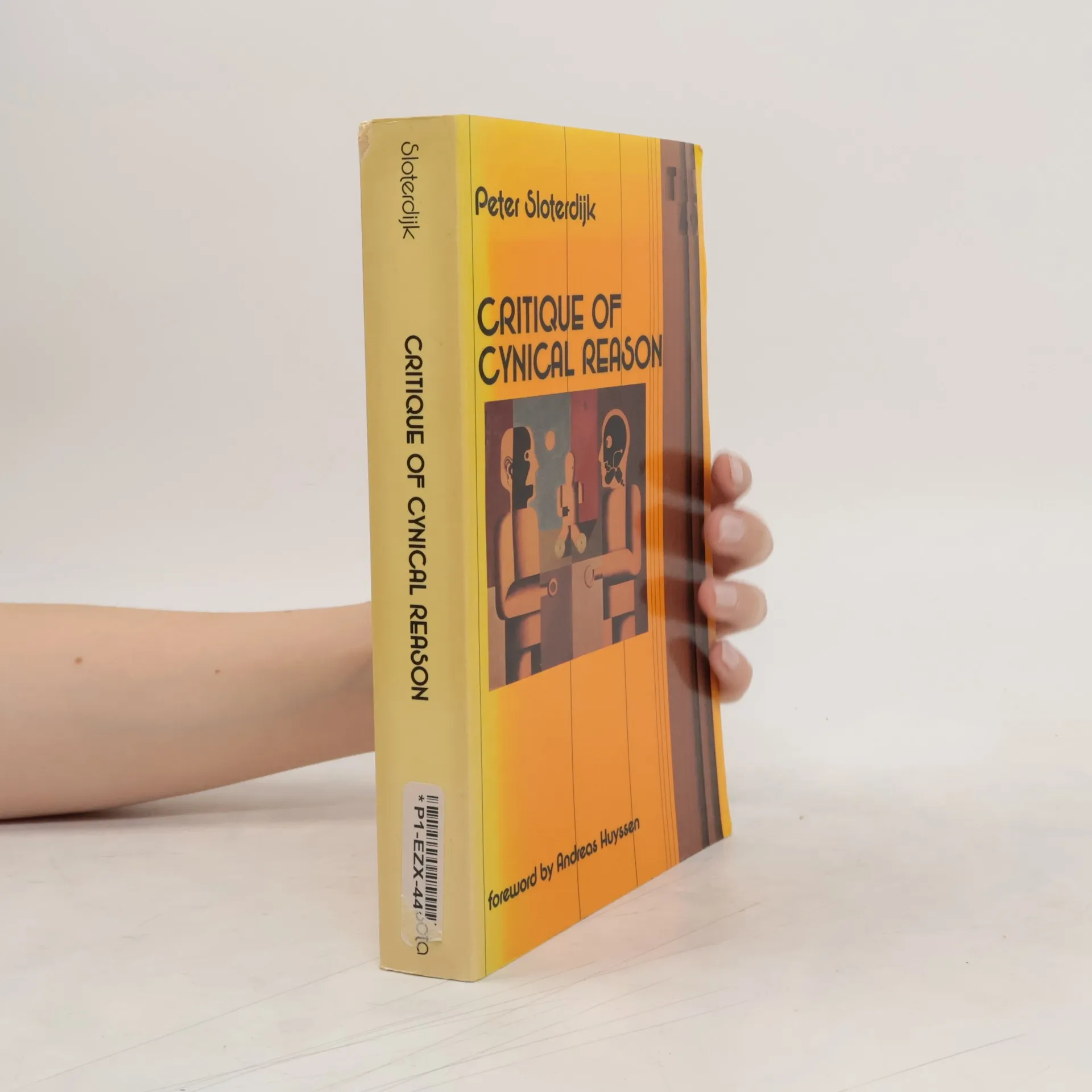
Upon its publication in Germany in 1983, this author's book stirred both critical acclaim and consternation, attracting a wide readership. He finds cynicism the dominant mode in contemporary culture, in personal and institutional settings; his book is both a history of the impulse and an investigation of its role today, among those whose earlier hopes for social change have crumbled and faded away.
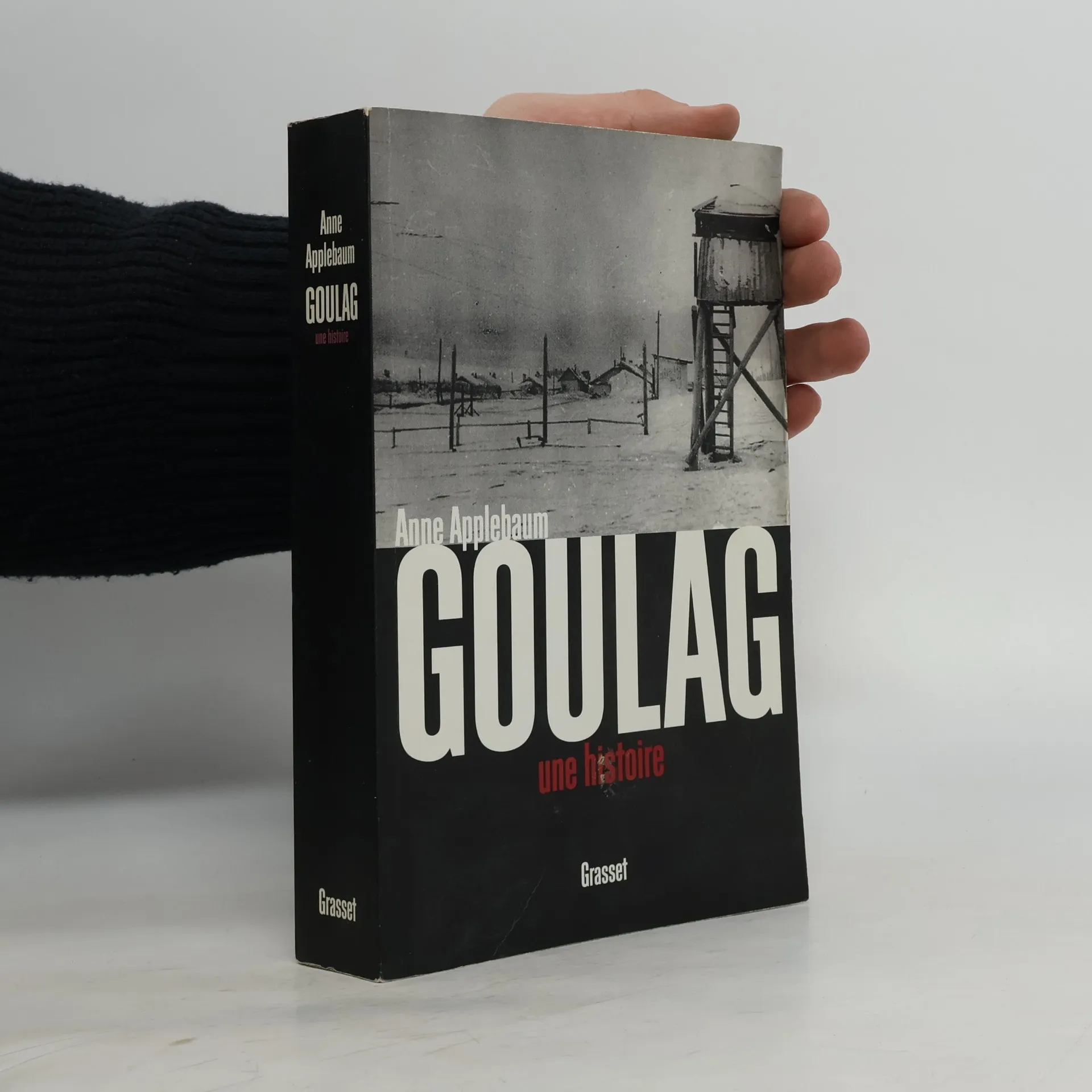
Contrairement aux camps nazis, le gigantesque univers concentrationnaire propre au régime soviétique demeure largement méconnu. Les Kontslaguer apparurent en Russie dès 1918, comme instrument de répression politique et bientôt comme réservoir de main-d'oeuvre forcée pour l'industrialisation soviétique. De la Révolution à la Glasnost, 18 millions d'individus en furent les victimes ; 4,5 millions n'en revinrent jamais. Si Soljenitsyne, avec son Archipel du Goulag, en a donné un inoubliable témoignage littéraire, aucun historien n'en avait encore entrepris la relation globale. Anne Applebaum, puisant dans une masse encore à peine explorée d'archives, de témoignages et interviews de survivants, nous propose ici une étude sociologique minutieuse de la vie quotidienne des millions de zeks : l'absurdité des arrestations, la cadence infernale des travaux, la terreur, les violences inouïes et la mort omniprésente, les effroyables conditions d'hygiène mais aussi les stratégies de survie, les tentatives d'évasion, l'espoir et la solidarité qui, en dépit de tout, subsistent. Les camps devinrent rapidement une nation à l'intérieur de la nation, presque une civilisation à part entière, avec ses propres lois, sa diversité sociologique, sa littérature, son folklore, son argot, ses coutumes : c'est au coeur ténébreux de ce monde clos que nous convie l'auteur.
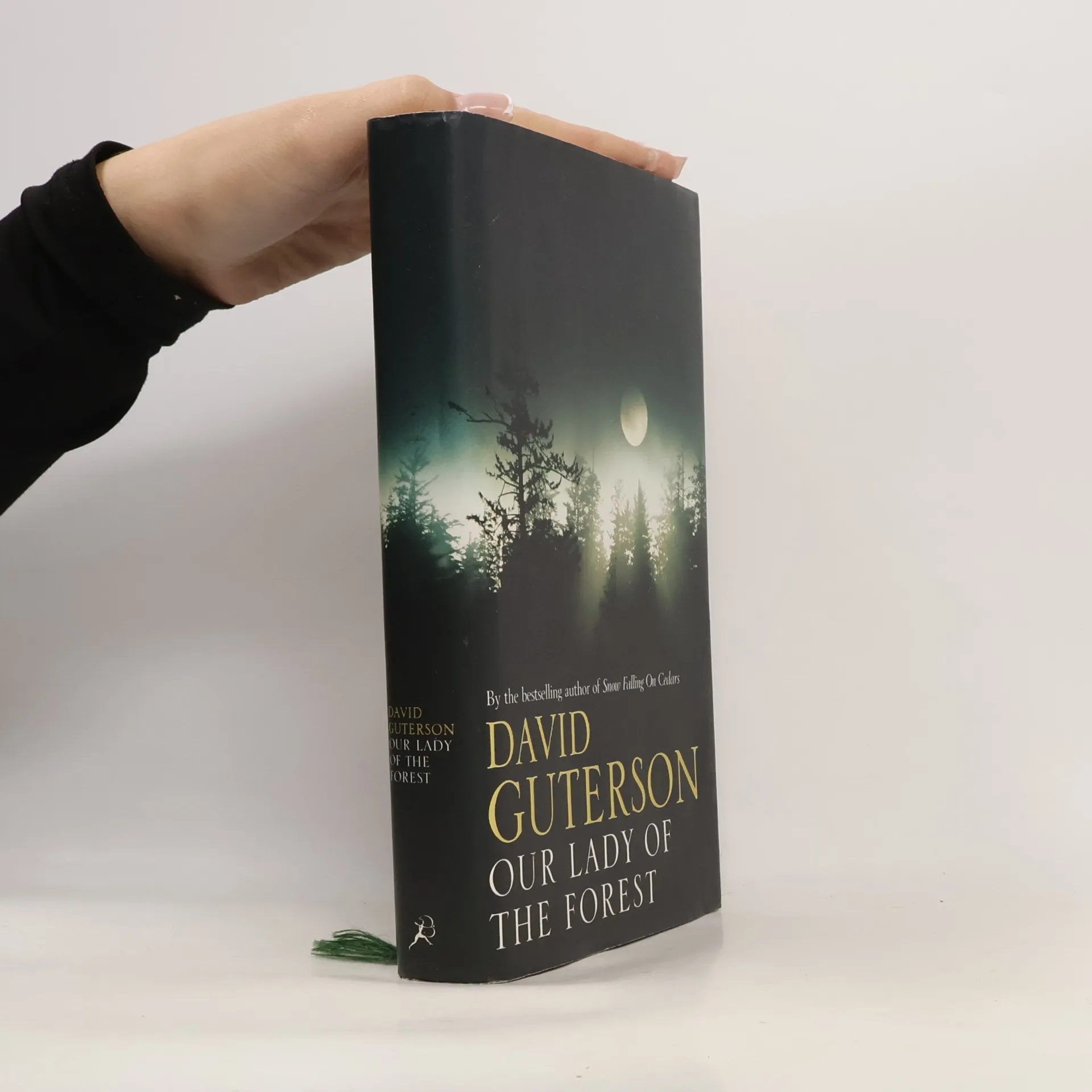
Ann Holmes seems an unlikely candidate for revelation. A 16-year-old runaway, she is an itinerant mushroom picker who lives in a tent. Then one November afternoon, in the foggy woods of North Fork, the Virgin comes to her, clear as day.
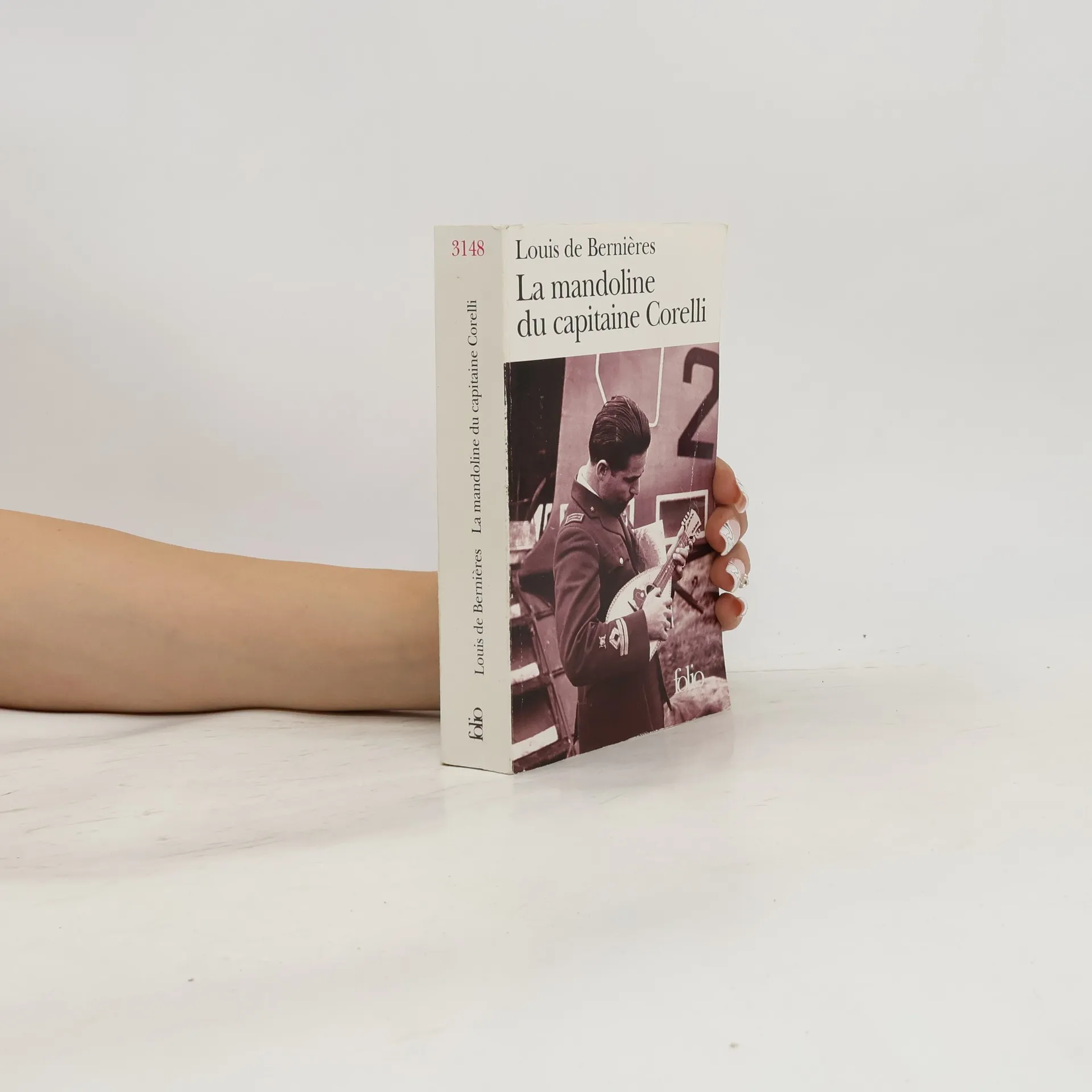
"L'île à moitié oubliée de Céphalonie s'élève imprudemment de la mer Ionienne. Elle est tellement chargée d'antiquité que les pierres elles-mêmes exhalent la nostalgie et que la terre rouge reste hébétée non seulement par le soleil mais aussi par le poids insupportable de la mémoire." Sur cette île en apparence bénie des dieux, des ouragans vont pourtant se déchaîner dès 1939; à l'occupation italienne va succéder l'invasion allemande et son cortège d'exactions. Puis, à partir de 1945, les maquis rouges feront régner leur terrible loi. Et quand enfin la paix semble revenue, le meurtrier tremblement de terre de 1953 dévaste Céphalonie à son tour. Que deviennent les destins individuels au cœur de tant de drames ? Un amour aussi fragile que celui de Pélagia, la jolie petite Grecque, et du séduisant capitaine Corelli peut-il leur résister ? Car comment résiste-t-on à la haine, la peur, la faim, la folie, la mort ? Est-il possible de continuer à vivre quand il ne reste plus que le souvenir, la tendresse, la musique - ah, la musique d'une certaine mandoline... à leur opposer ?
Pobby en Dingan wonen in Lightning Ridge, de opaalhoofdstad van Australië. Ze zijn bevriend met Kellyanne Williamson, de dochter van een mijnwerker - en de enige die hen kan zien. Pobby en Dingan zijn haar denkbeeldige vrienden. Kellyannes broer Ashmol vindt dat zijn zusje maar eens volwassen moet worden en heeft dan ook geen medelijden met haar als Pobby en Dingan op een dag verdwijnen. Maar wanneer Kellyanne vervolgens letterlijk wegkwijnt van verdriet, begrijpt Ashmol dat hij het onmogelijke zal moeten doen om het leven van zijn zusje te redden: hij moet Pobby en Dingan terug vinden. Hij beseft dat dat alleen mogelijk is als hij zelf in hun bestaan gaat geloven. <i>Pobby en Dingan</i> is een briljant geschreven, geestige en ontroerende vertelling, die speels en zonder één overbodig woord de grote thema's van het leven behandelt: vriendschap, liefde, dood en de kracht van verbeelding.
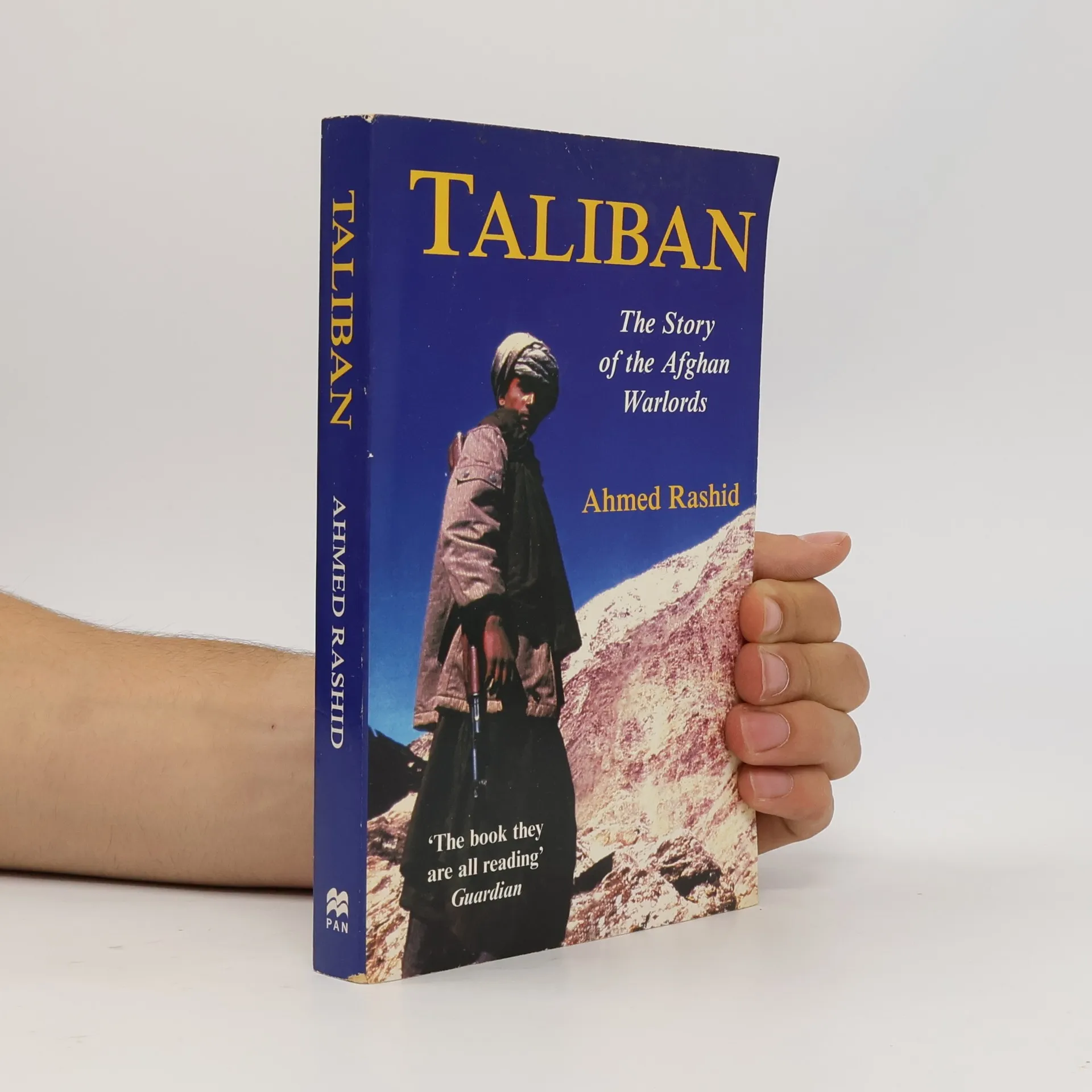
An exploration of the overwhelming complexity of Afghan politics, this title explains how it came in to being, how it is sustained and how Osama bin Laden has risen to such a figure of absolute power.
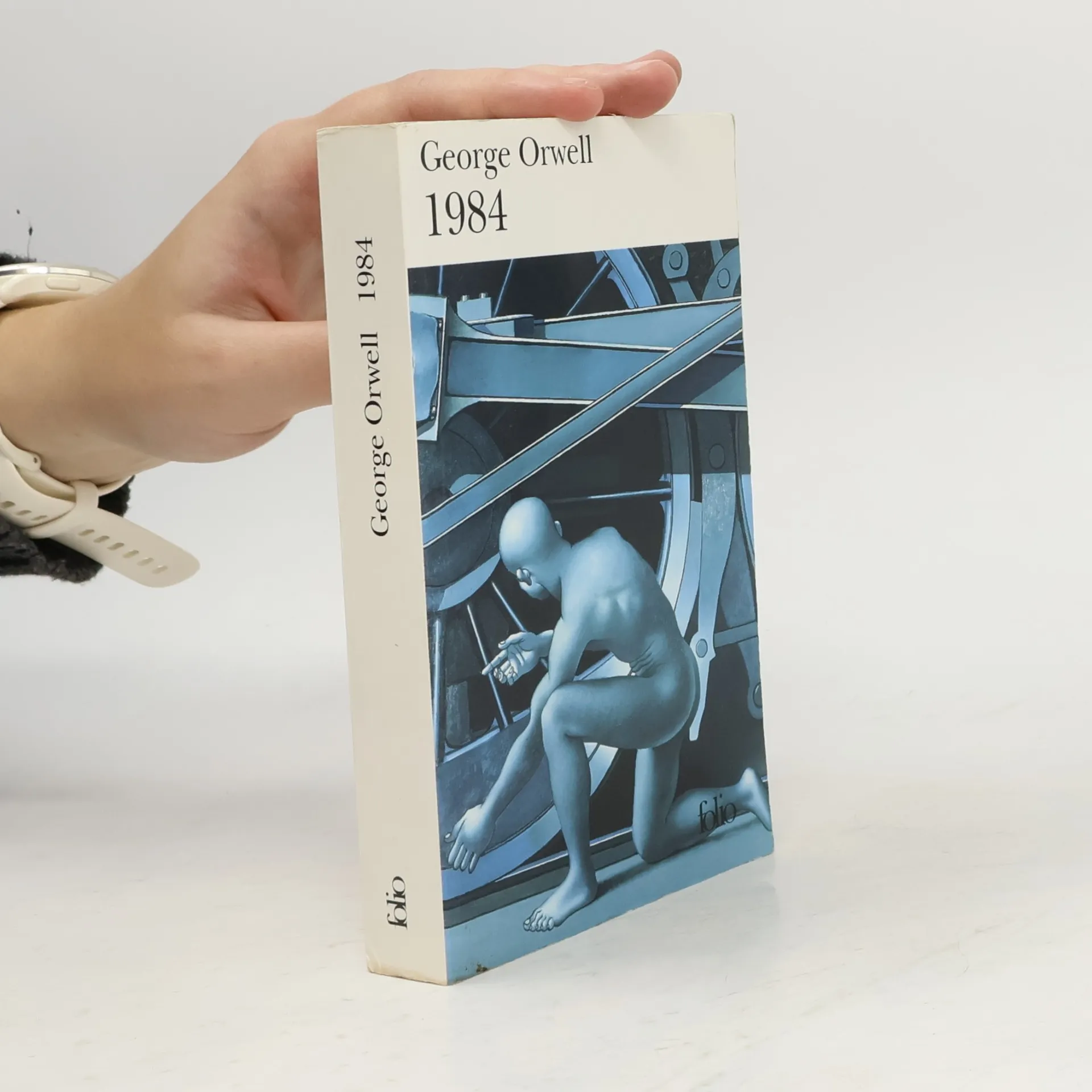
De tous les carrefours importants, le visage à la moustache noire vous fixait du regard. Il y en avait un sur le mur d'en face. BIG BROTHER VOUS REGARDE, répétait la légende, tandis que le regard des yeux noirs pénétrait les yeux de Winston... Au loin, un hélicoptère glissa entre les toits, plana un moment, telle une mouche bleue, puis repartit comme une flèche, dans un vol courbe. C'était une patrouille qui venait mettre le nez aux fenêtres des gens. Mais les patrouilles n'avaient pas d'importance. Seule comptait la Police de la Pensée.
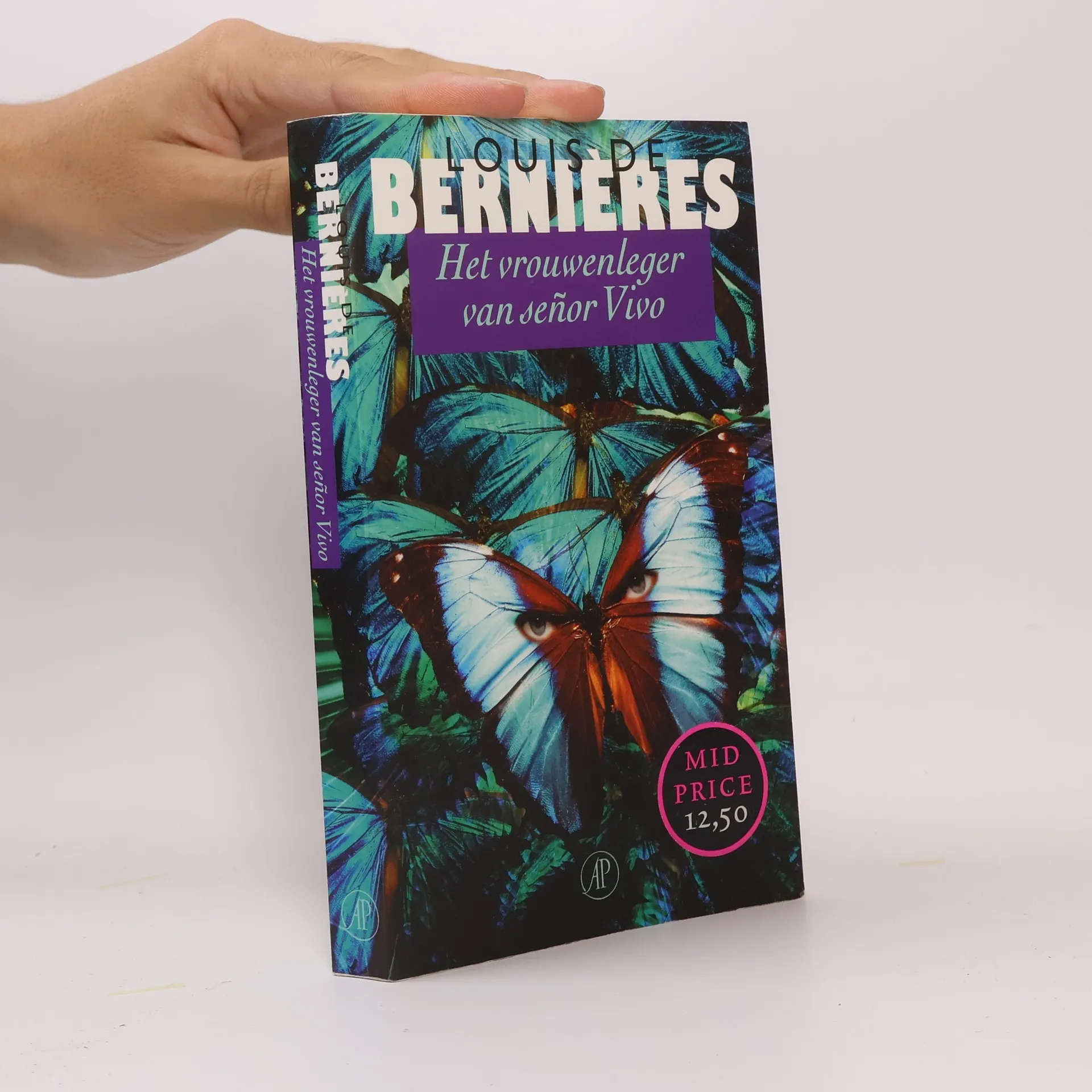
Dionisio Vivo, a young South American lecturer in philosophy, is puzzled by the hideously mutilated corpses that keep turning up outside his front door. To his friend, Ramon, one of the few honest policemen in town, the message is all too clear: Dionisio's letters to the press, exposing the drug barons, must stop; and although Dionisio manages to escape the hit-men sent to get him, he soon realizes that others are more vulnerable, and his love for them leads him to take a colossal revenge. "Senor Vivo and the Coca Lord is the second novel in a trilogy set in South America. It won a Commonwealth Writers Prize in 1992.
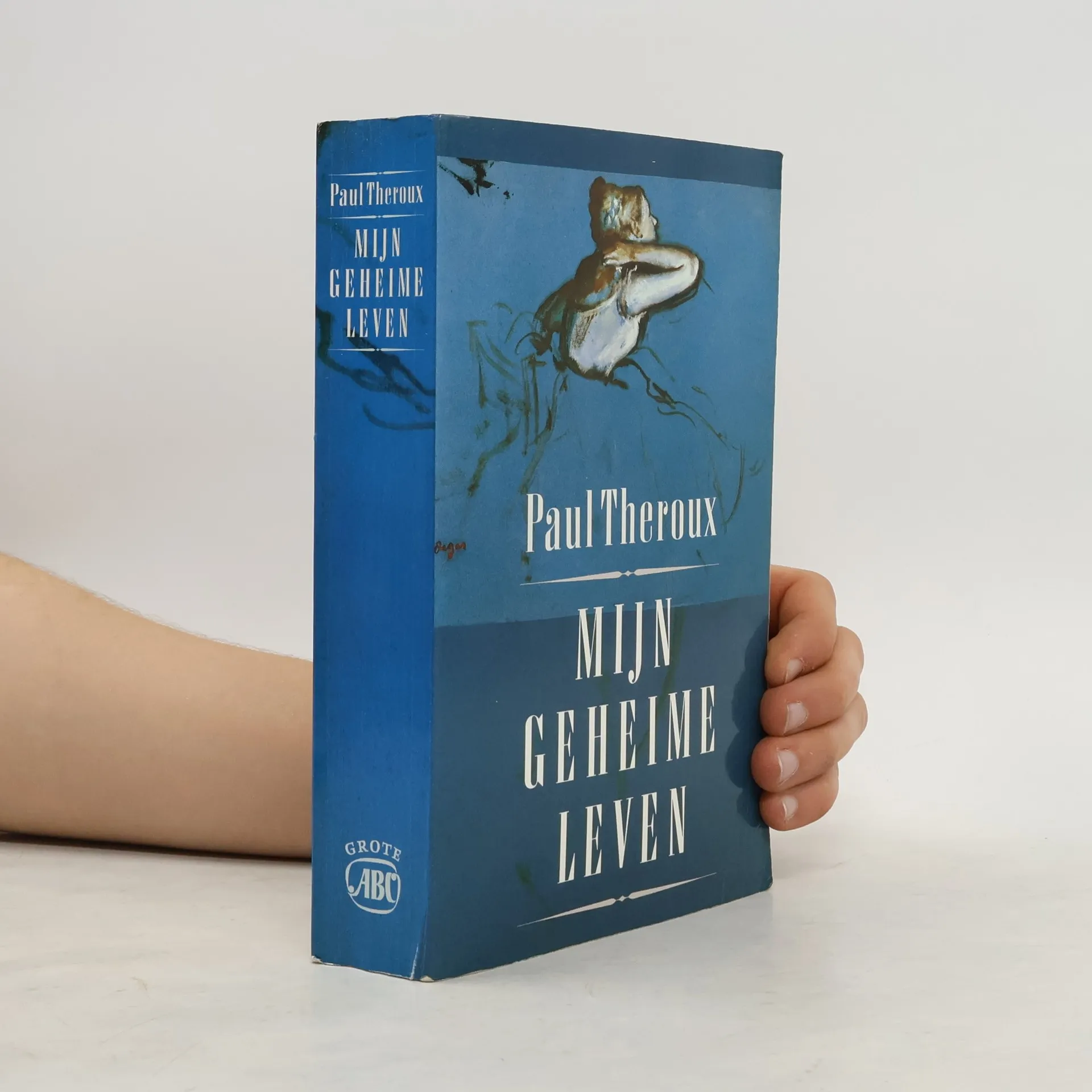
Vertaald naar het Nederlands door / Translated into Dutch by Tinke Davids / 9789029508896 / Literature translated into Dutch / Nederlands / Dutch / Néerlandais / Niederländisch / paperback / 13 x 21 cm / 251 .pp /
Les grands bonheurs et les petits malheurs d une gamine dans les années cinquante. Entrer dans l eau sans se mouiller, jouer aux osselets, se mettre sur son trente et un pour la messe du dimanche, raconter ses secrets avec ses copines et dire avec satisfaction des gros mots : telles sont les activités de cette petit fille qui serait définitivement heureuse s il ne fallait pas toujours obéir aux ordres des adultes.
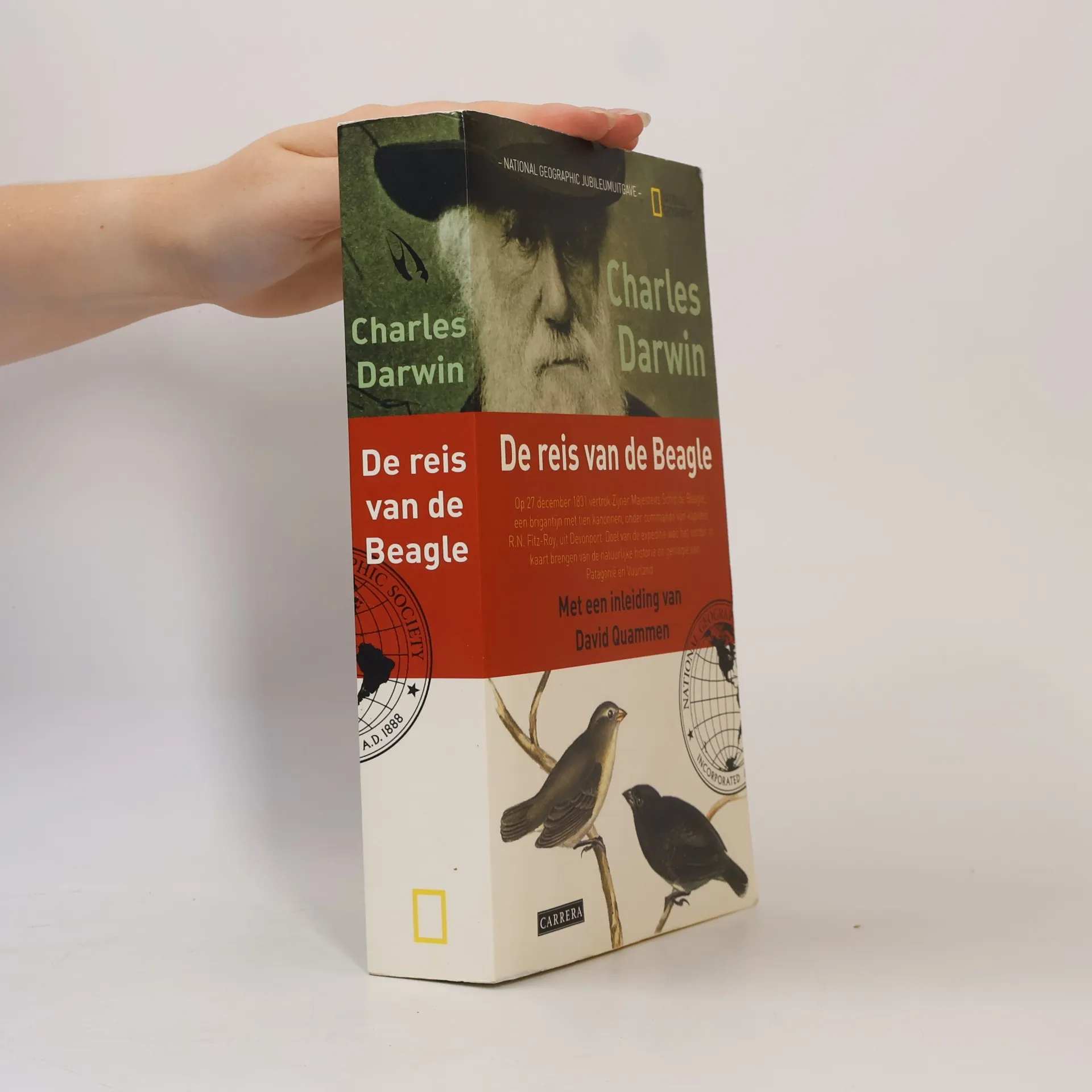
Reisverslag van de 5 jaar durende zeereis die de Britse wetenschapper Charles Darwin vanaf 1831 maakte naar Zuid-Amerika, Afrika, Australië en eilanden in de Stille en Indische Oceaan.
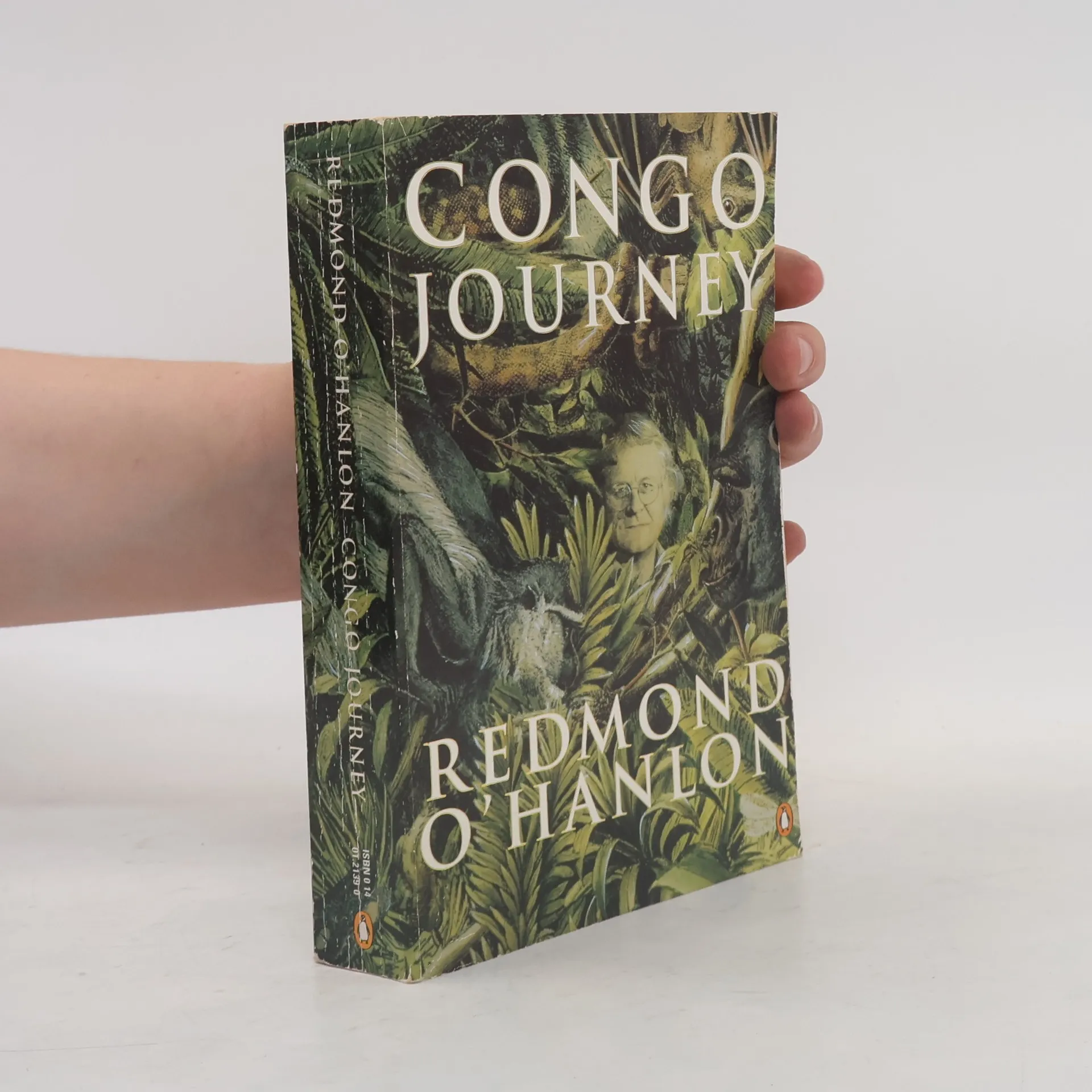
Combining the acute observation of a nineteenth-century missionary, and the wit of a Monty Python player, Redmond O'Hanlon is famous for his adventurous travel. His new challenge is the Congo, the most dangerous and inhospitable jungle in the world.
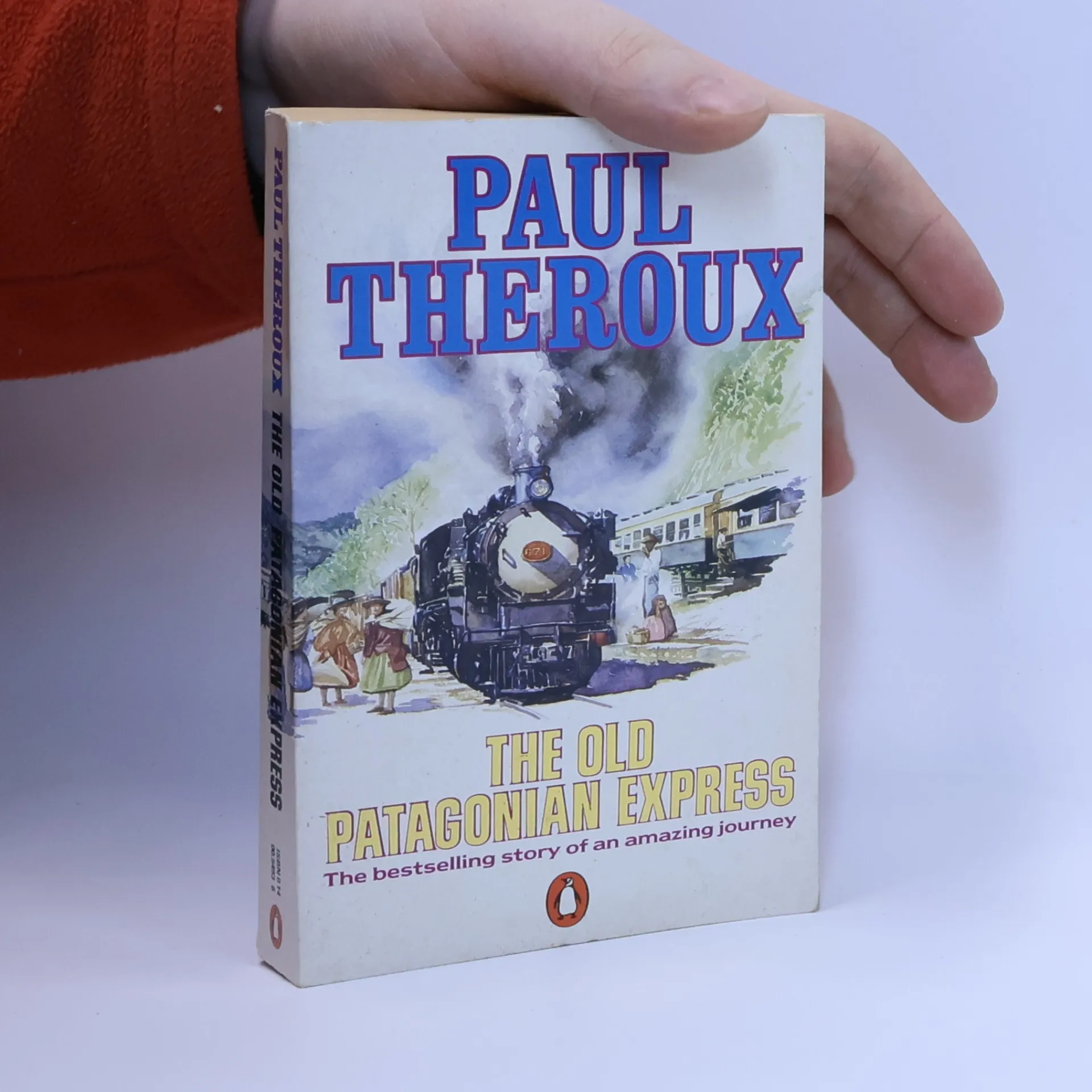
The Old Patagonian Express tells of Paul Theroux’s train journey down the length of North and South America. Beginning on Boston’s subway, he depicts a voyage from ice-bound Massachusetts to the arid plateau of Argentina’s most southerly tip, via pretty Central American towns and the ancient Incan city of Macchu Pichu. Shivering and sweating by turns as the temperature and altitude rise and plummet, he describes the people he encountered – thrown in with the tedious, and unavoidable, Mr Thornberry in Limón and reading to the legendary blind writer, Jorge Luis Borges, in Buenos Aires. Witty, sharply observed and beautifully written, this is a richly evocative account of travelling to ‘the end of the line’.
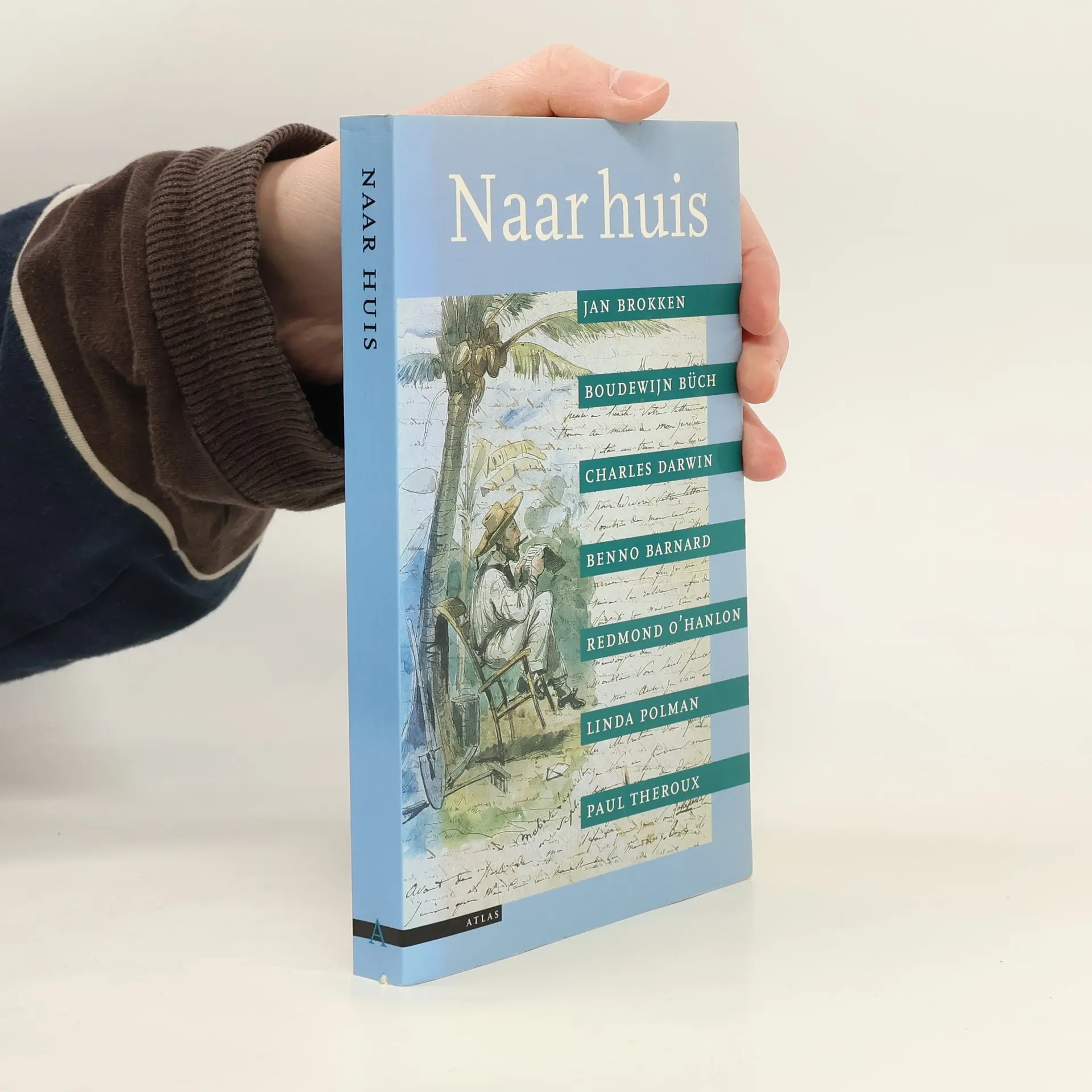
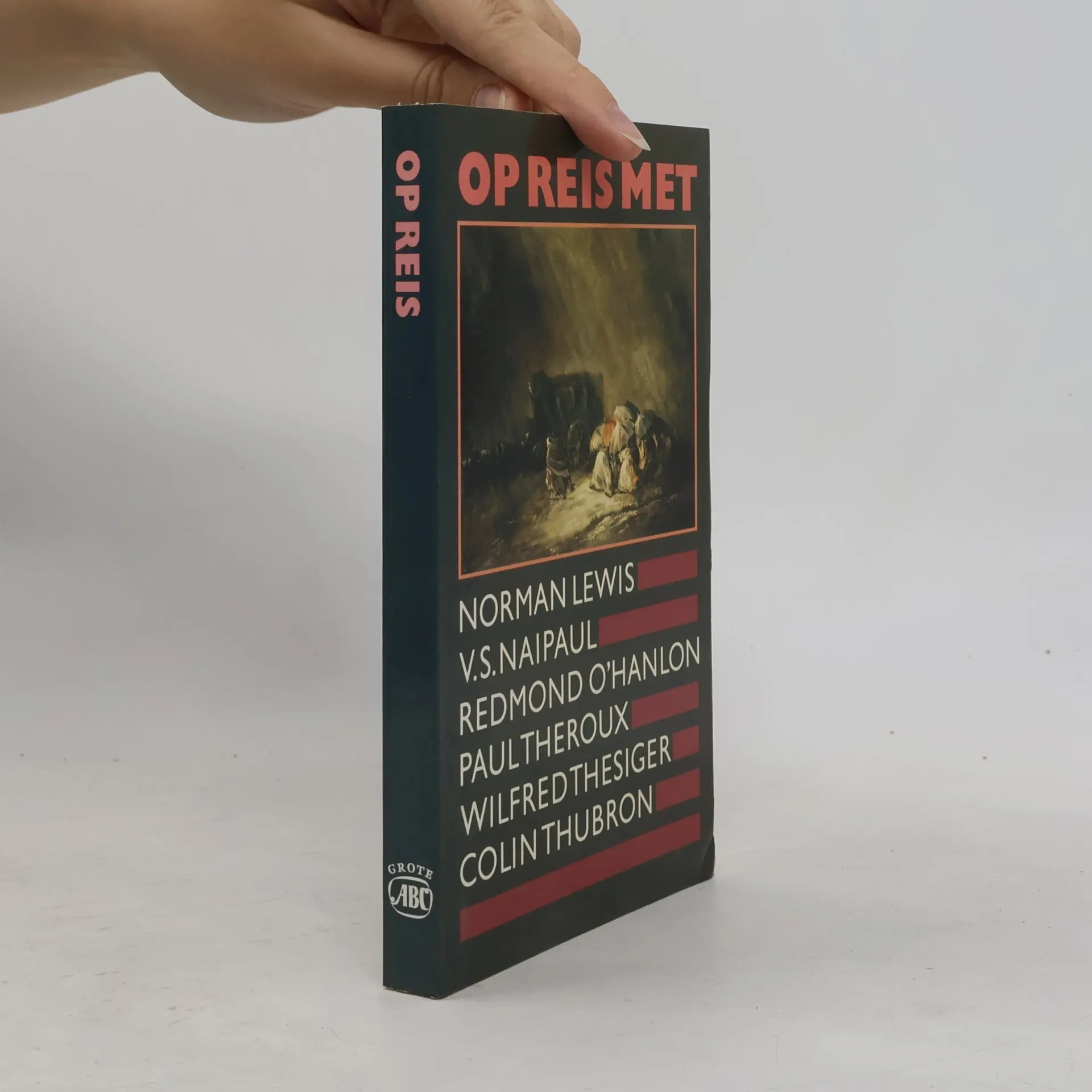
Van de Rio Negro naar Buenos Aires - Charles Darwin Goedenavond, mrs. Thys - Jan Brokken Drie maanden in de West - W. Wijnaendts Francken-Syserinck Paaseiland: voorbij de branding van Rapa Nui - Paul Theroux Kongo - Redmond O'Hanlon Filfla - Boudewijn Büch Het dorp van Ratu Dinges - Johnny Frisbie Bot Pippel - Linda Polman De Kakaanse seismograaf - Benno Barnard
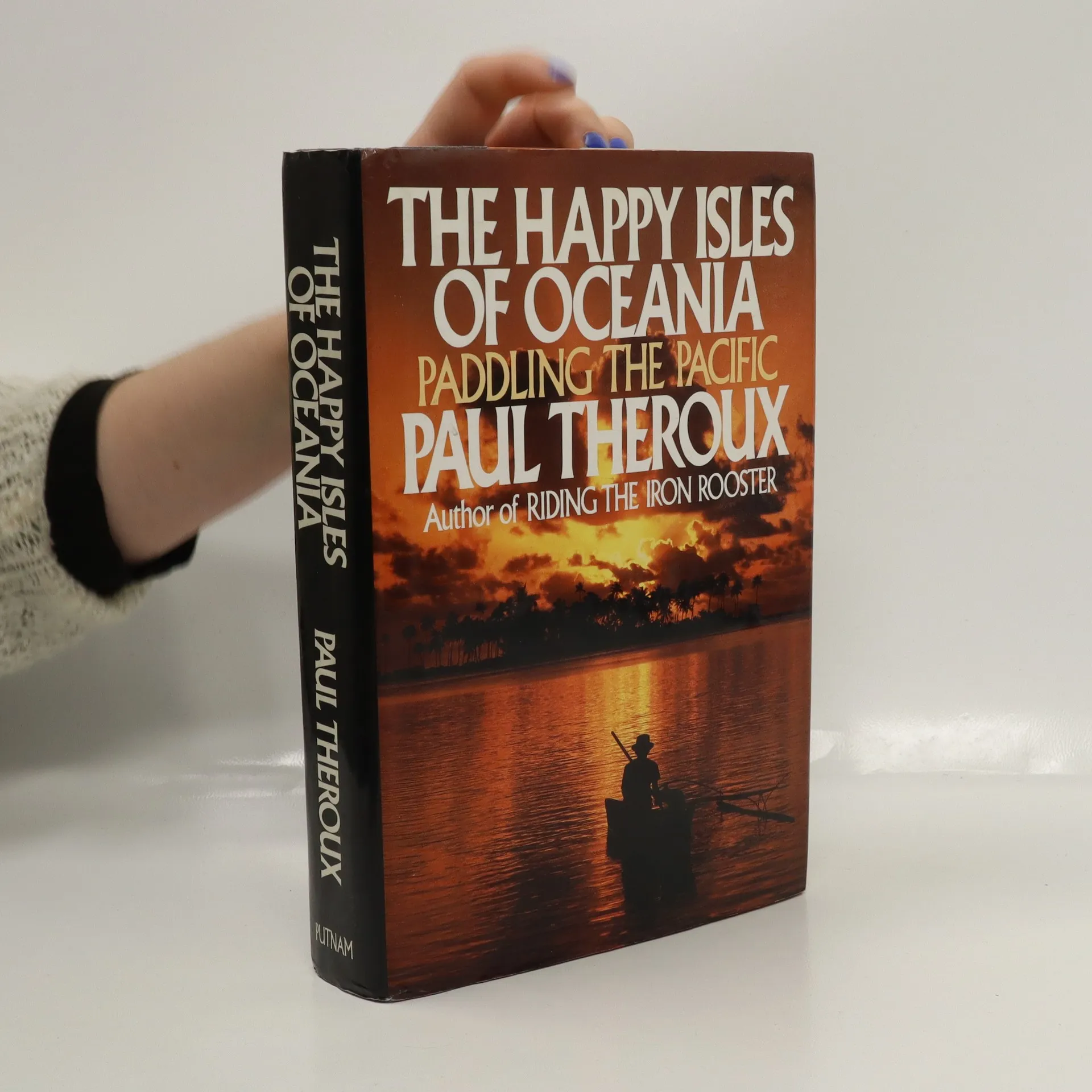
One of the world's premier travel writers launches his most exotic and tantalizing adventure yet, as he kayaks the shimmering Pacific, exploring the islands, and taking up residence to discover the secrets of these happy isles.
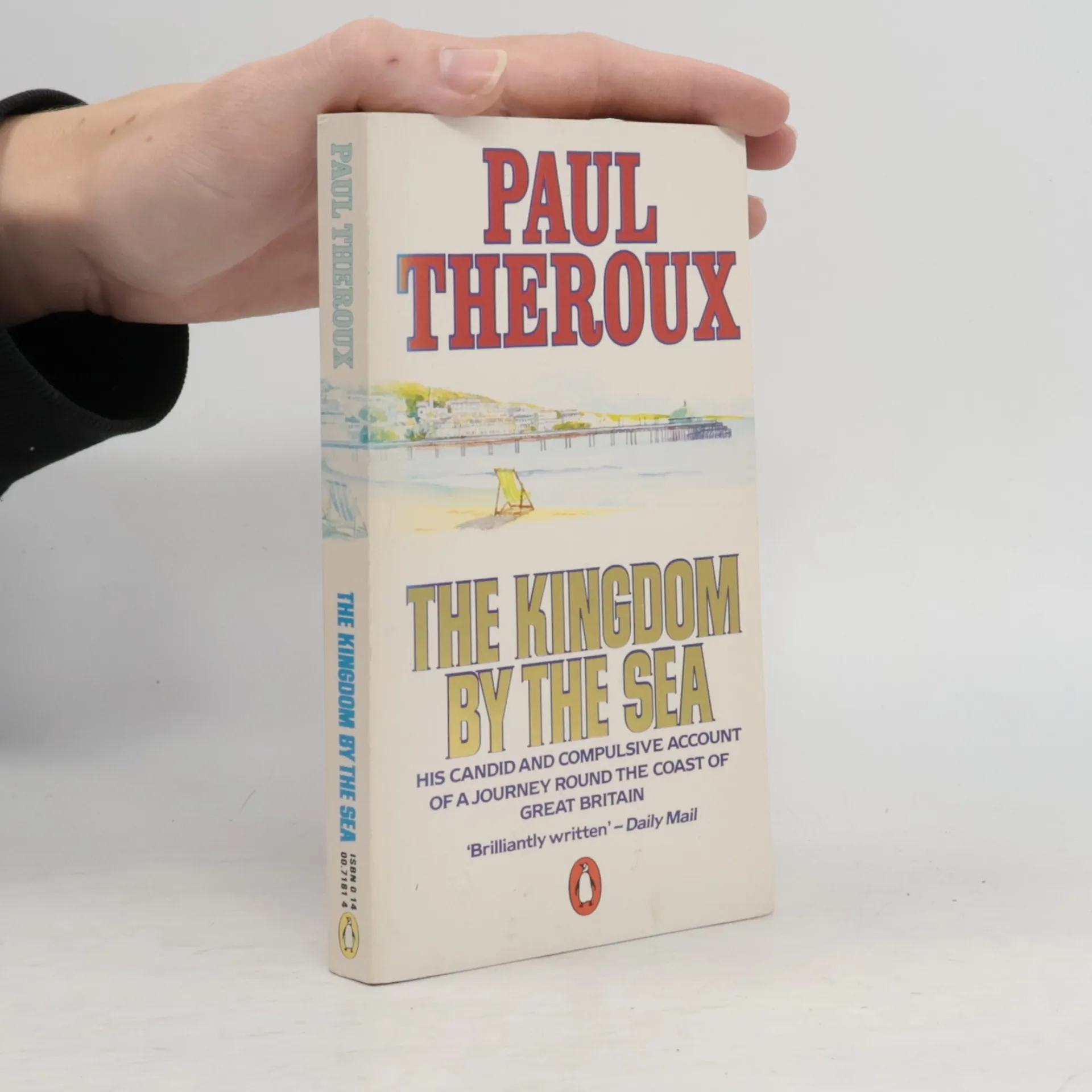
Paul Theroux's round-Britain travelogue is funny, perceptive and, said the Sunday Times, 'best avoided by patriots with high blood pressure . . . 'After eleven years living as an American in London, Paul Theroux set out to travel clockwise round the coast and find out what Britain and the British are really like. It was 1982, the summer of the Falklands War and the royal baby, and the ideal time, he found, to surprise the British into talking about themselves. The result is absolutely riveting reading. 'Few of us have seen the entirety of the coast and I for one am grateful to Mr Theroux for making my journey unnecessary. He describes it all brilliantly and honestly' - Anthony Burgess in the Observer. 'Filled with history, insights, landscape, epiphanies, meditations, celebrations and laments' - The New York Times.
Waarom zou een Israëlische jood zich voordoen als een Arabier? Het was volgens mij (de schrijver) de beste manier om in de huid van een Palestijn te kruipen.` Joram Binoer stak zijn licht op in de Gazastrook, in de vluchtelingenkampen op de Westoever en in het centrum van Tel Aviv. Een gewaagde onderneming.
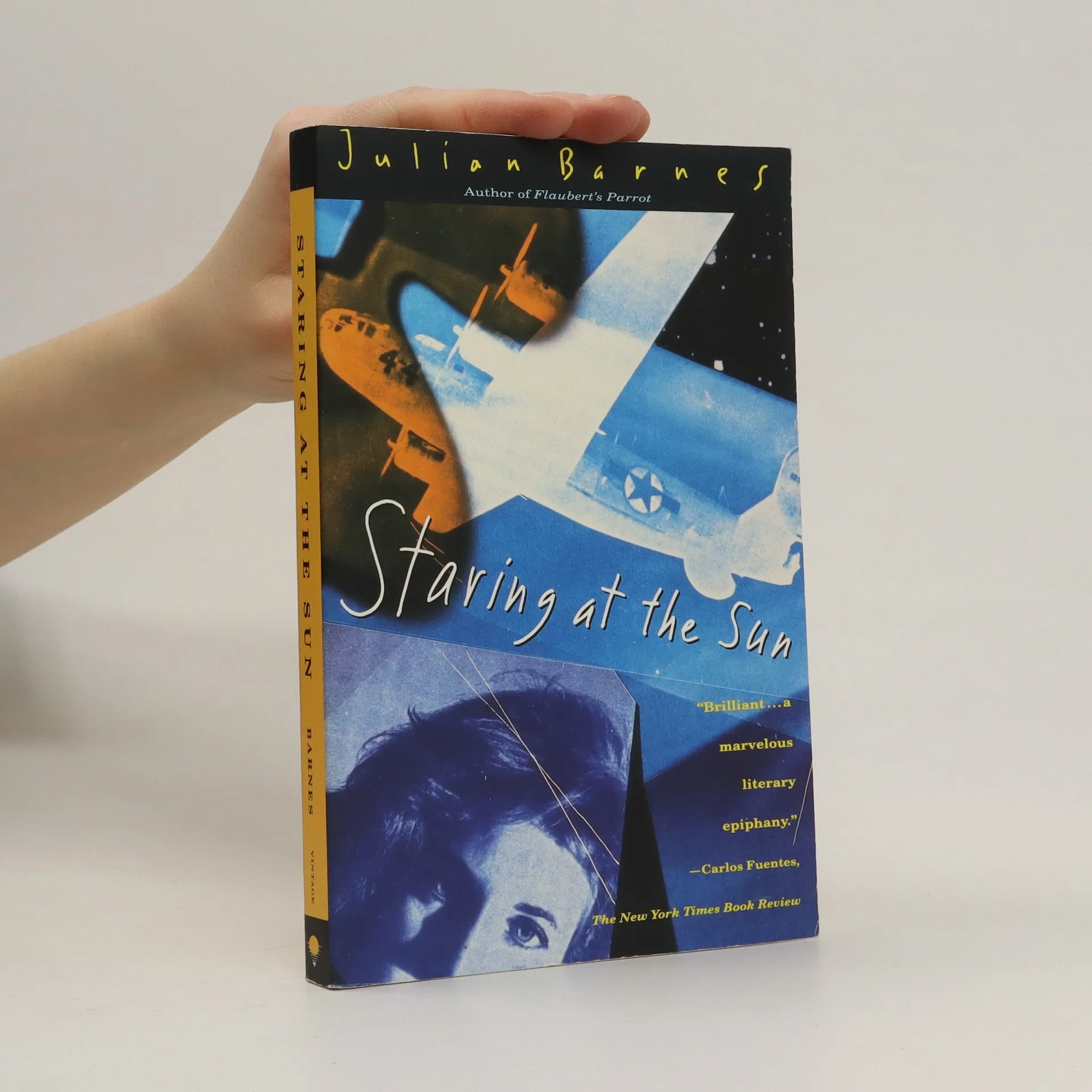
The bestselling, Booker Prize-winning author of The Sense of an Ending traces the life of a seemingly ordinary woman with an extraordinary disdain for wisdom in this “marvelous literary epiphany” (The New York Times Book Review). In this wonderfully provocative novel, Barnes follows Jean Serjeant from her childhood in the 1920s to her flight into the sun in the year 2021, confronting readers with the fruits of her relentless curiosity: pilgrimages to China and the Grand Canyon; a catalogue of 1940s sexual euphemisms; and a glimpse of technology in the twenty-first century (when The Absolute Truth can be universally accessed). Elegant, funny and intellectually subversive, Staring at the Sun is Julian Barnes at his most dazzlingly original.