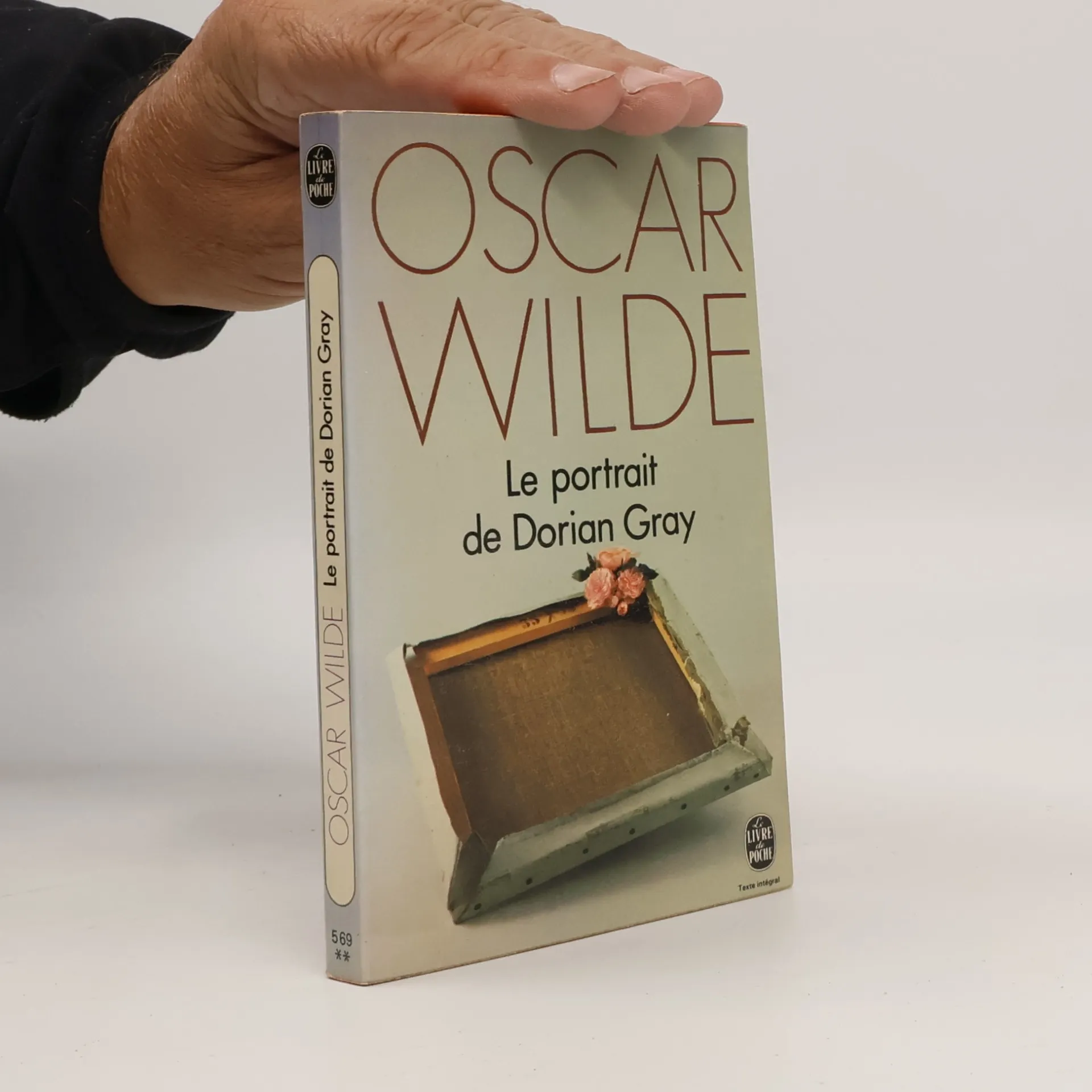
Le peintre Basil Hallward vient d'achever son meilleur tableau. Invité à se contempler, Dorian Gray, son modèle, fait alors un vœu insensé : que le portait vieillisse à sa place et que lui conserve éternellement sa jeunesse et sa beauté. Quelles ne sont pas sa stupeur et son effroi quand son vœu se réalise ! Le tableau devient alors le miroir de son âme... Le chef-d'œuvre d'Oscar Wilde, illustré par Tony Ross, grand humoriste contemporain.
Set in the final years of the 19th century, "Mrs Craddock" tells the story of a young and attractive woman of independent means who marries beneath her. On her 21st birthday, when she comes into her deceased father's money, Bertha Ley announces, to the dismay of her former guardian, that she is going to marry 27-year-old Edward Craddock, her steward. Having written about a subject that was considered daring at the time, Maugham had some difficulty finding a publisher. Completed in 1900, the novel was eventually published in 1902 by William Heinemann, but only on the condition that the author remove passages which, according to Heinemann, might offend readers. A successful and popular book, Mrs Craddock was reissued in 1903 and again in 1908. In 1938 the first non-Bowdlerized version, stylistically improved by Maugham, was published.
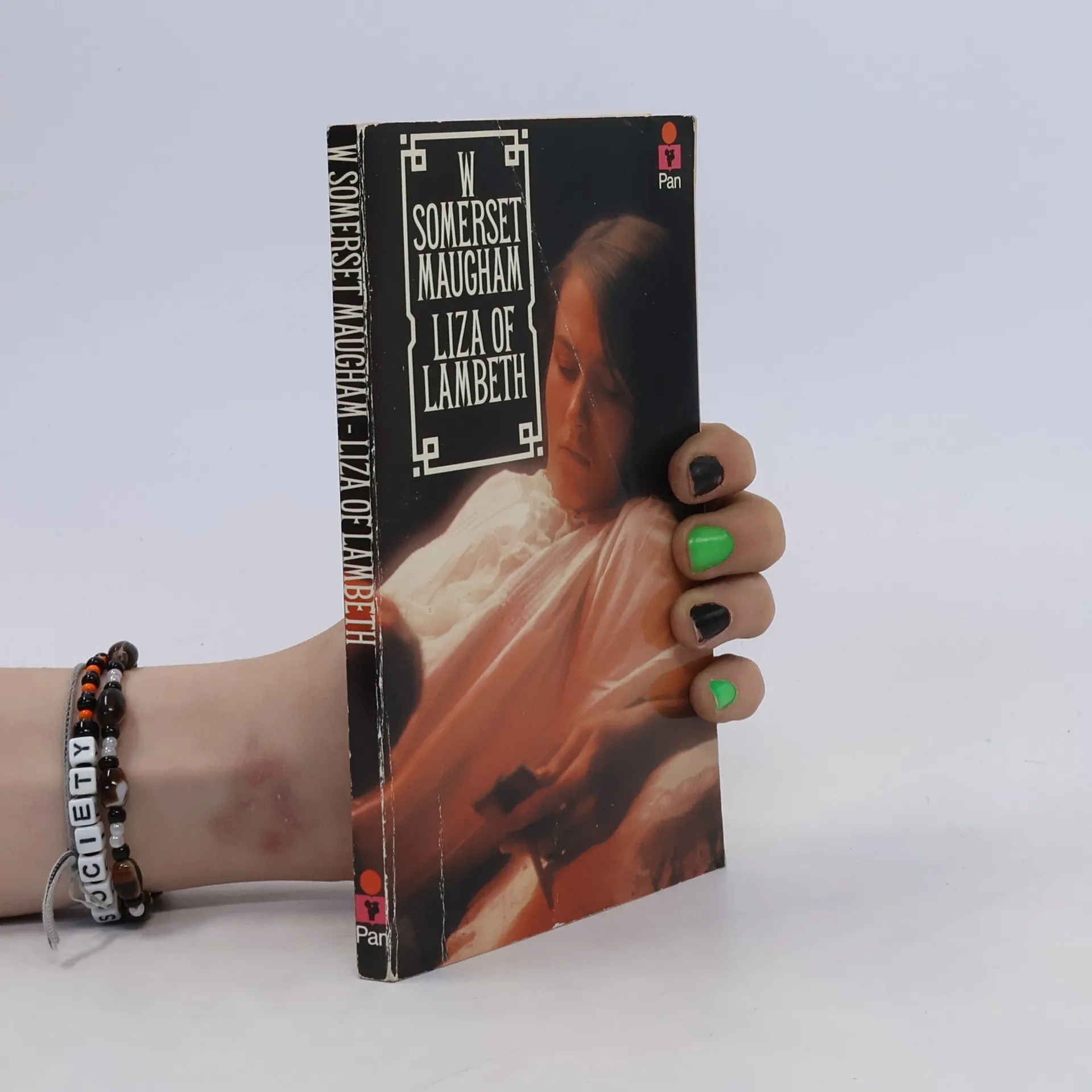
Liza of Lambeth (1897) was W. Somerset Maugham's first novel, which he wrote while he was a medical student and obstetric clerk at St Thomas's Hospital in Lambeth, then a working-class district of London. It depicts the short life and death of Liza Kemp, an 18-year-old factory worker who lives with her aging mother in the fictional Vere Street off Westminster Bridge Road (real) in Lambeth. (wikipedia.org)
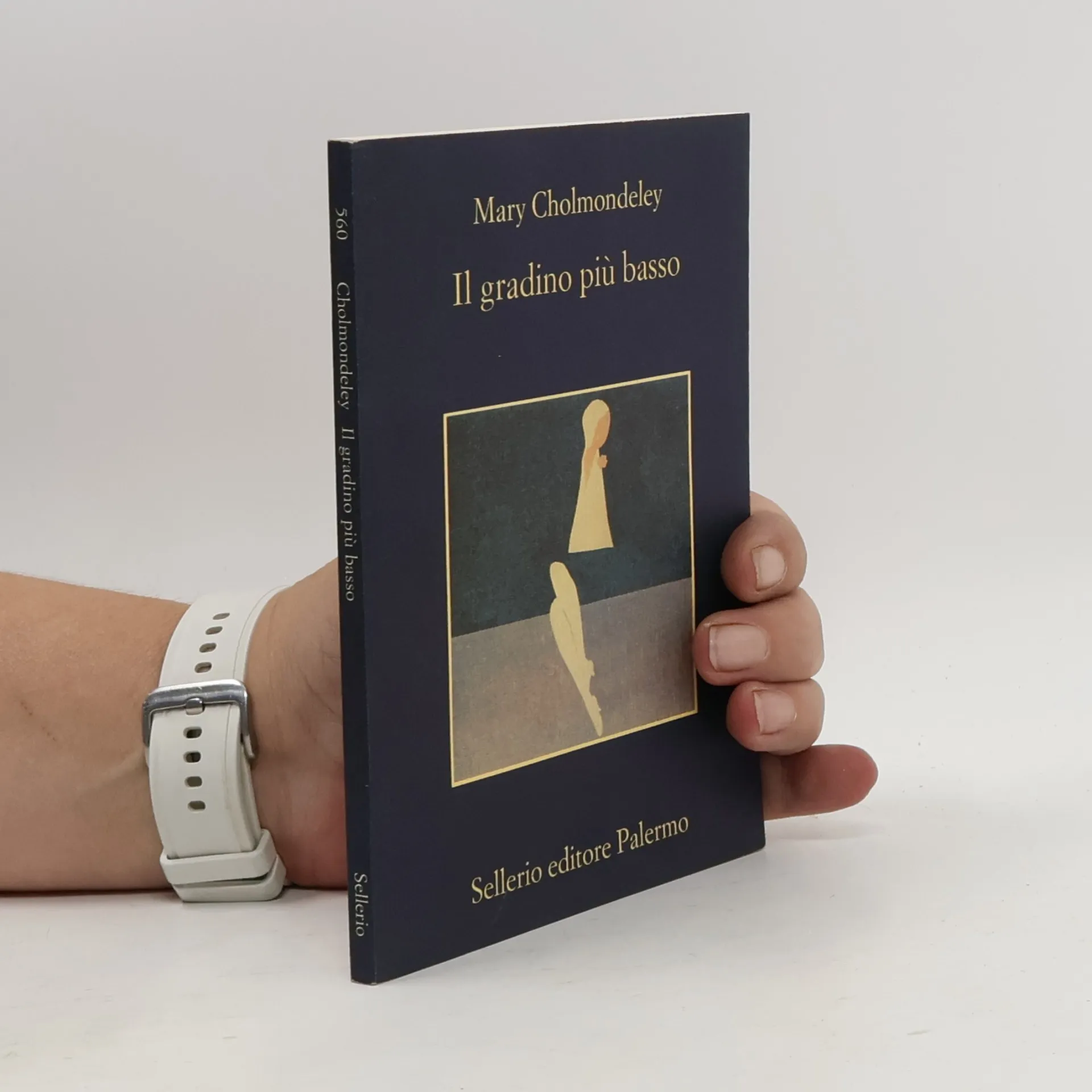
Tre racconti «a effetto», «sensazionali» come si diceva una volta, ma un effetto, secondo Henry James - che conosceva di persona questa scrittrice inglese molto popolare ai suoi tempi, a cavallo tra l'Ottocento e il Novecento, - «nitido come un colpo di pistola». E certo il romanzo appena scandaloso che fece di Mary Cholmondeley una celebrità, Red Pottage, non era degno del ricordo che meritano invece i numerosi racconti con cui riempiva riviste e raccolte (piacevano, per esempio, ai due Ellery Queen, anche grazie ai quali si sono conservati nella memoria). A cavallo tra due secoli, ma soprattutto a cavallo tra la vecchia campagna inglese e la città monstre appena scoperta dalla piccola o piccolissima aristocrazia agraria, di questa classe esprimeva la sensazione, appunto, provata di fronte alla nuova esperienza di urbanizzazione. Ma in short stories, con colpo di scena finale, così «nitide» da esprimere un più universale valore simbolico, di piccoli incubi dell'uomo moderno: quasi come visioni di una Patricia Highsmith dei primissimi anni del Novecento ancora impigriti dall'Ottocento.