
Bookbot

Brunello Lotti

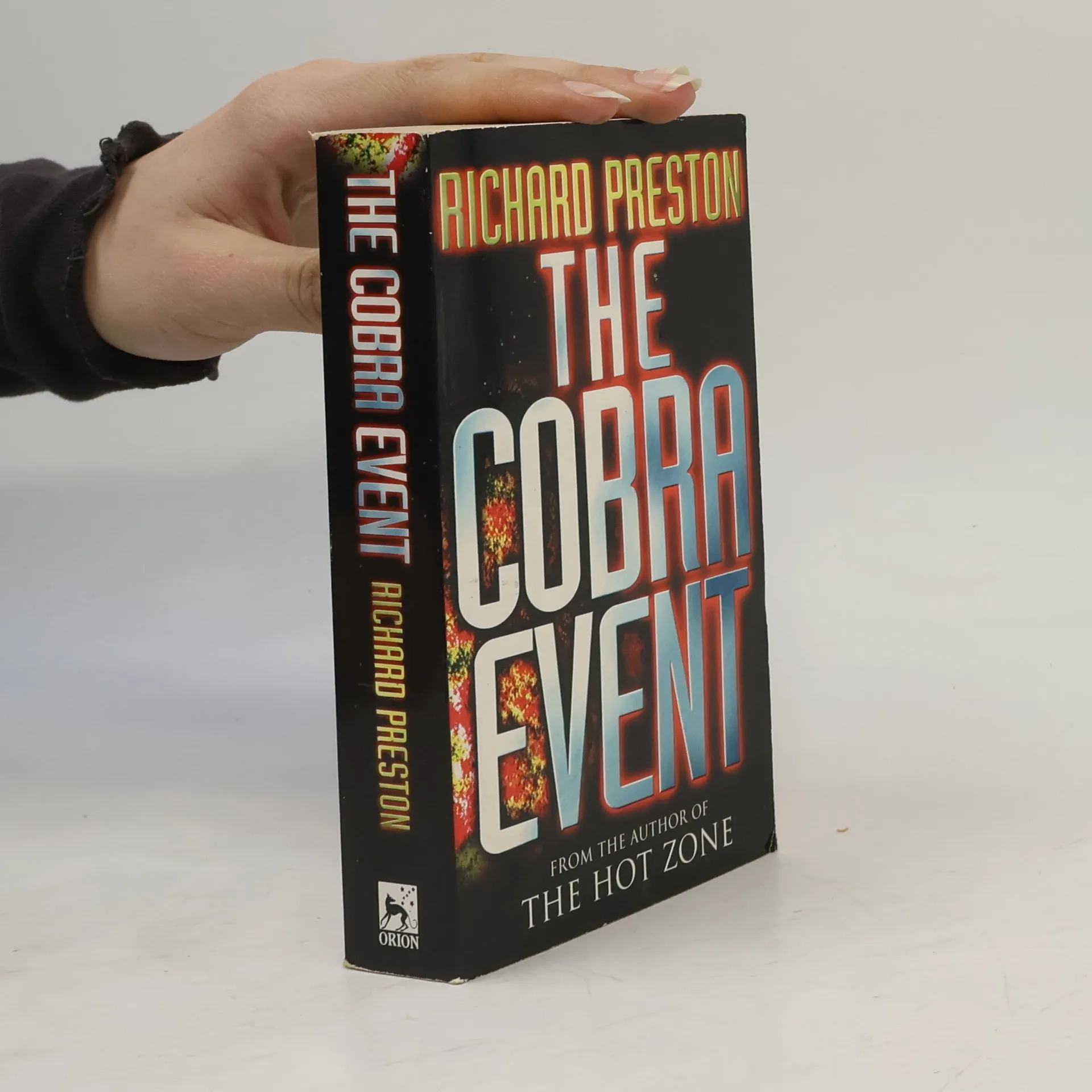
    The Cobra Event
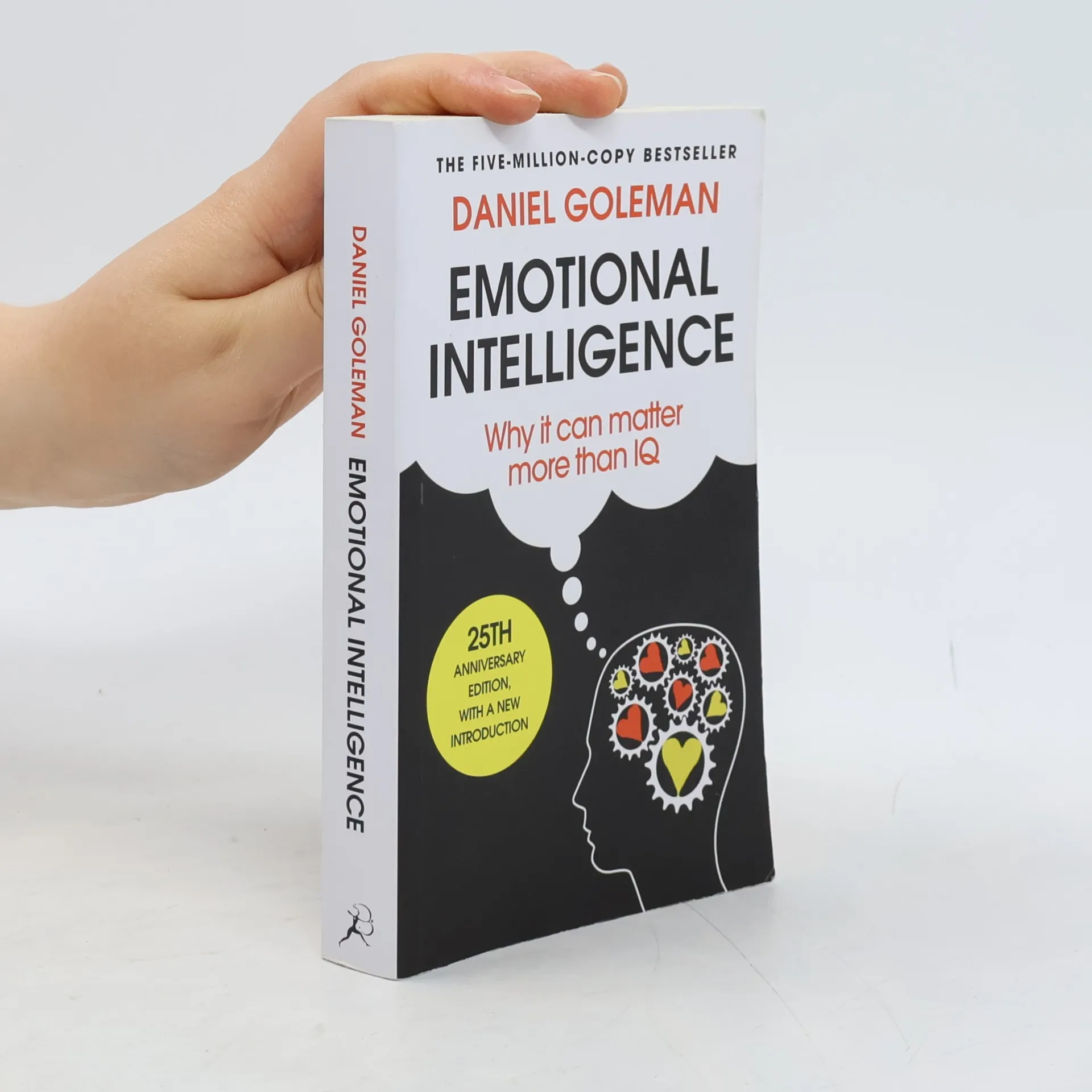
    Emotional intelligence
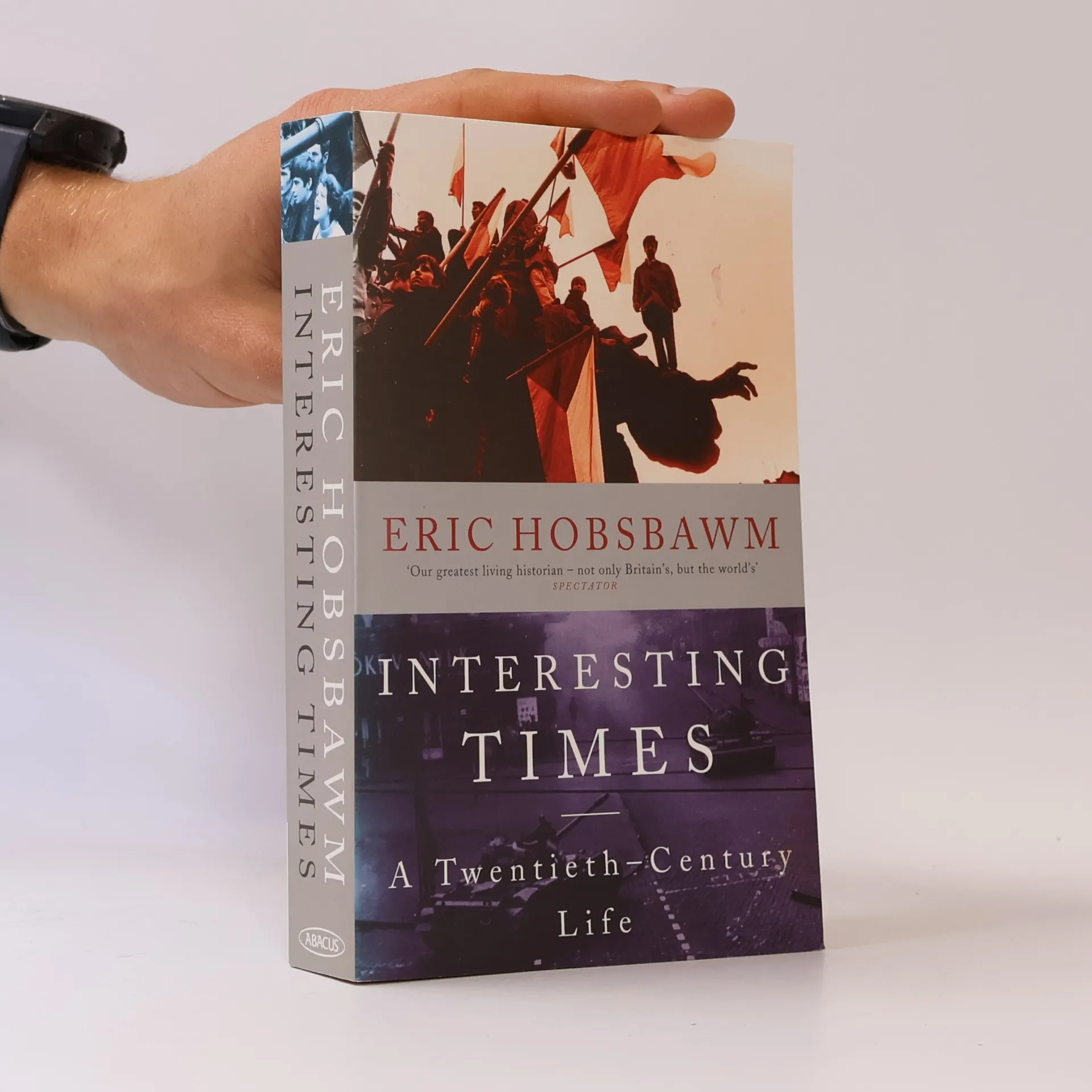
    Interesting Times
    The Heart of Parenting
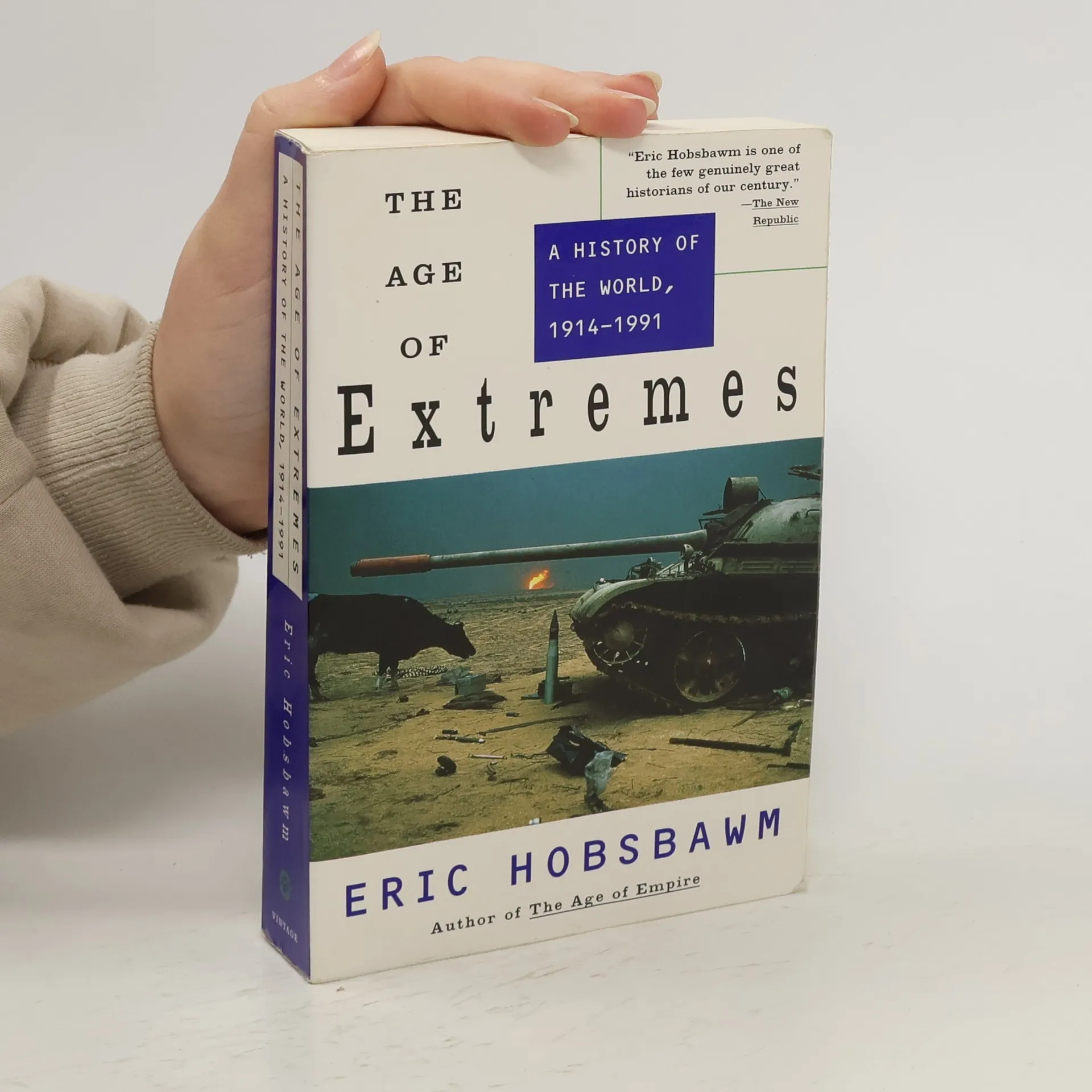
    The Age of Extremes
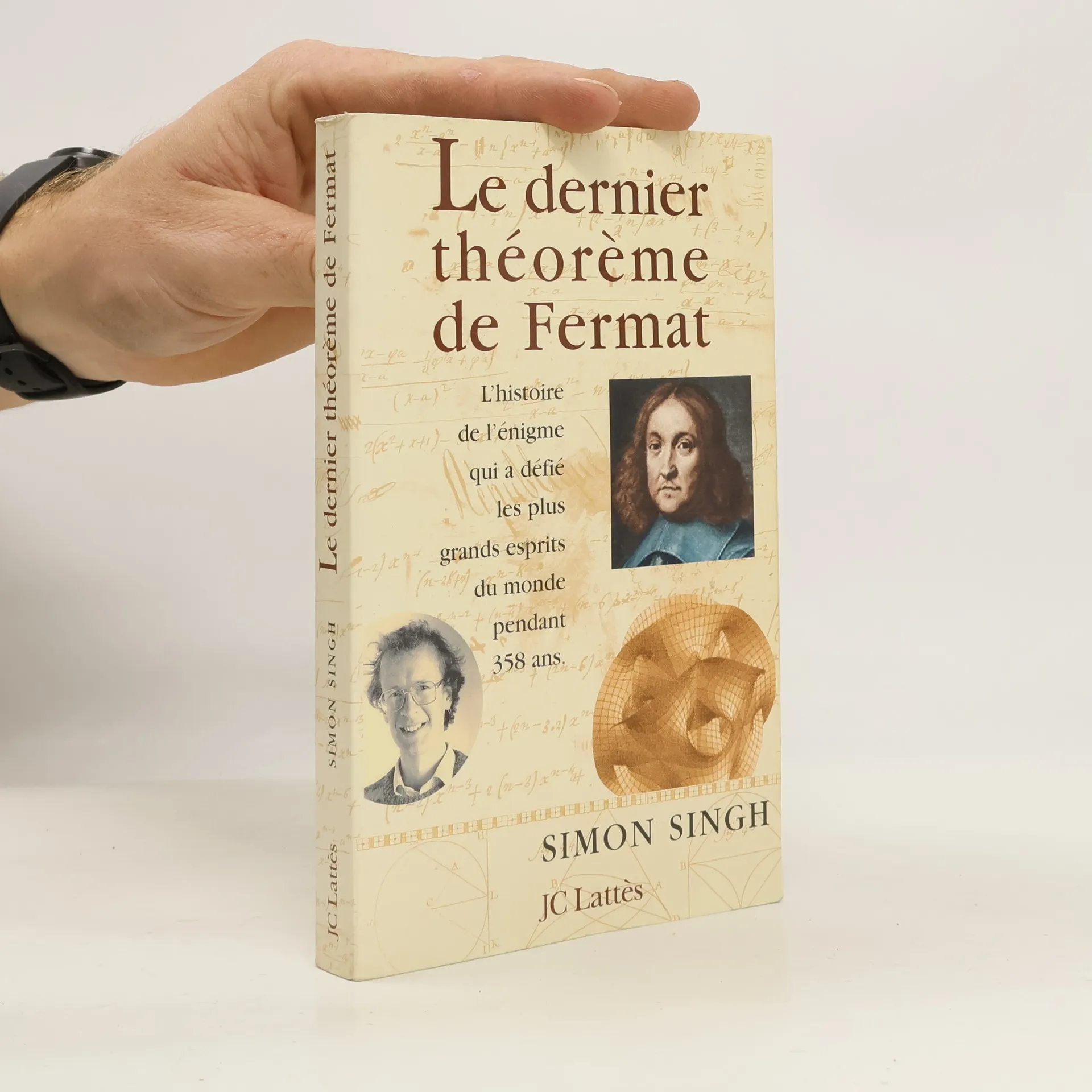
    Le dernier théorème de Fermat
    • Le dernier théorème de Fermat

      • 334pages
      • 12 heures de lecture

      Perre de Fermat, l'un des plus grands mathématiciens français du XVIIe siècle, s'était contenté de porter dans la marge de son cahier de travail : " xn+yn=zn impossible si n>2. J'ai trouvé une solution merveilleuse, mais la place me manque ici pour la développer ". Ce théorème allait devenir, pour les trois cent cinquante années à venir, le Graal du monde des mathématiques. Les plus puissants esprits de tous les siècles et de toutes les nations tentèrent de venir à bout de cette équation. Leonhard Euler, génie du XVIIIe, dut admettre sa défaite. Sophie Germain, au XIXe, prit l'identité d'un homme pour se lancer dans des études jusque-là interdites aux femmes. Evariste Galois, la veille de sa mort, jeta sur quelques feuilles une théorie qui allait révolutionner la science. Yutaka Taniyama se suicida par dépit alors que Paul Wolfskeht trouva dans cette énigme une raison de vivre. Et en 1993, un jeune Anglais, Andrew Wiles, professeur à Princeton, put enfin régler, après sept années de recherche solitaire et quelques mois de doutes, le sort de ce fantastique problème devant la communauté scientifique émerveillée. Le Dernier Théorème de Fermat est le récit de cette quête. Une véritable épopée qui met en scène, à travers l'histoire des mathématiques, les intelligences les plus brillantes et la fantastique détermination d'un homme.

      Le dernier théorème de Fermat
      4,4
    • The Age of Extremes

      A History of the World, 1914-1991

      • 672pages
      • 24 heures de lecture

      The book explores the 20th century by dividing it into three distinct periods: the Age of Catastrophe, the Golden Age, and the Landslide. Hobsbawm utilizes extensive data to provide a comprehensive and insightful analysis of these eras, highlighting their unique characteristics and impacts on modern history. This work stands alongside his renowned classics, offering readers a rich and vibrant understanding of the century's transformative events and trends.

      The Age of Extremes
      4,3
    • The Heart of Parenting

      How to Raise an Emotionally Intelligent Child

      • 256pages
      • 9 heures de lecture

      In Raising an Emotionally Intelligent Child , psychology professor John Gottman explores the emotional relationship between parents and children. It's not enough to simply reject an authoritarian model of parenting, Gottman says. A parent needs to be concerned with the quality of emotional interactions. Gottman, author of Why Marriages Succeed or Fail , and coauthor Joan Declaire focus first on the parent (a "know thyself" approach), and provide a series of exercises to assess parenting styles and emotional self-awareness. The authors identify a five-step "emotion coaching" process to help teach children how to recognize and address their feelings, which includes becoming aware of the child's emotions; recognizing that dealing with these emotions is an opportunity for intimacy; listening empathetically; helping the child label emotions; setting limits; and problem-solving. Chapters on divorce, fathering, and age-based differences in emotional development help make Gottman's teachings detailed and useful. --Ericka Lutz

      The Heart of Parenting
      4,2
    • Interesting Times

      A Twentieth-Century Life

      • 464pages
      • 17 heures de lecture

      Recounts the life of the celebrated historian known for his coverage of the nineteenth and twentieth centuries as well as his staunch Marxism, noting his early years in Egypt, Vienna, and Berlin; witness to critical WWII events, education at King's College, teaching career, extensive travels, and political views. 12,500 first printing.

      Interesting Times
      4,1
    • Emotional intelligence

      • 413pages
      • 15 heures de lecture

      "Drawing on groundbreaking brain and behavioral research, Goleman shows the factors at work when people of high IQ flounder and those of modest IQ do surprisingly well. These factors, which include self-awareness, self-discipline, and empathy, add up to a different way of being smart - and they aren't fixed at birth. Although shaped by childhood experience, emotional intelligence can be nurtured and strengthened throughout adulthood - with immediate benefits to our health, our relationships, and our work."--BOOK JACKET.

      Emotional intelligence
      4,1
    • The Cobra Event

      • 404pages
      • 15 heures de lecture

      The Cobra Event is a chilling fictional narrative that explores the very real threat of biological terrorism. Seventeen-year-old Kate Moran dismisses the onset of a cold but soon experiences violent seizures and a horrific death. Following a similar fate befalling a homeless man, the Centers for Disease Control dispatches pathologist Alice Austen to investigate. She discovers a sinister plot by a man named Archimedes, who aims to unleash a deadly Cobra virus across New York City. As panic spreads, Austen and a secret FBI forensic team work urgently to uncover the terrorist's identity. The narrative's frightening premise is grounded in extensive research, as the author notes that the nonfiction roots of the story run deep. His sources include eyewitnesses familiar with biological weapons installations and experts in strategic bioweapons, though none would speak on the record. Interspersed throughout the novel are nonfiction segments that expose the grim realities of biological weapon development and covert operations in Russia and Iraq. The author conducted three years of research and over 100 interviews with high-level figures in the FBI, military, and scientific community, culminating in a work designed to shock and inform readers.

      The Cobra Event
      4,1
    • Il secolo breve, 1914–1991

      1914/1991

      • 709pages
      • 25 heures de lecture

      Dividing the century into the Age of Catastrophe, 1914-1950, the Golden Age, 1950-1973, and the Landslide, 1973-1991, Hobsbawm marshals a vast array of data into a volume of unparalleled inclusiveness, vibrancy, and insight, a work that ranks with his classics The Age of Empire and The Age of Revolution. Includes 32 pages of photos.

      Il secolo breve, 1914–1991