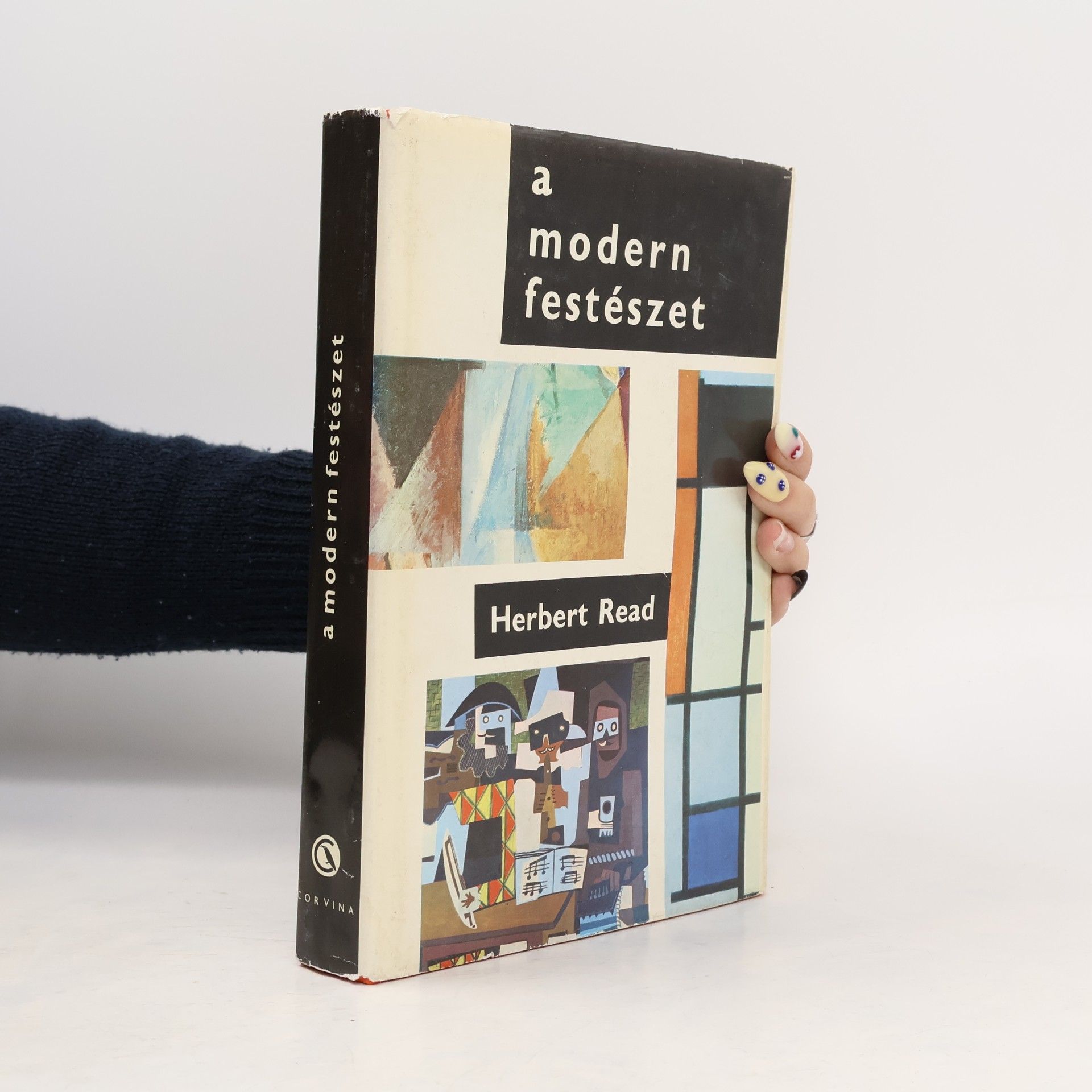
Herbert Read Livres



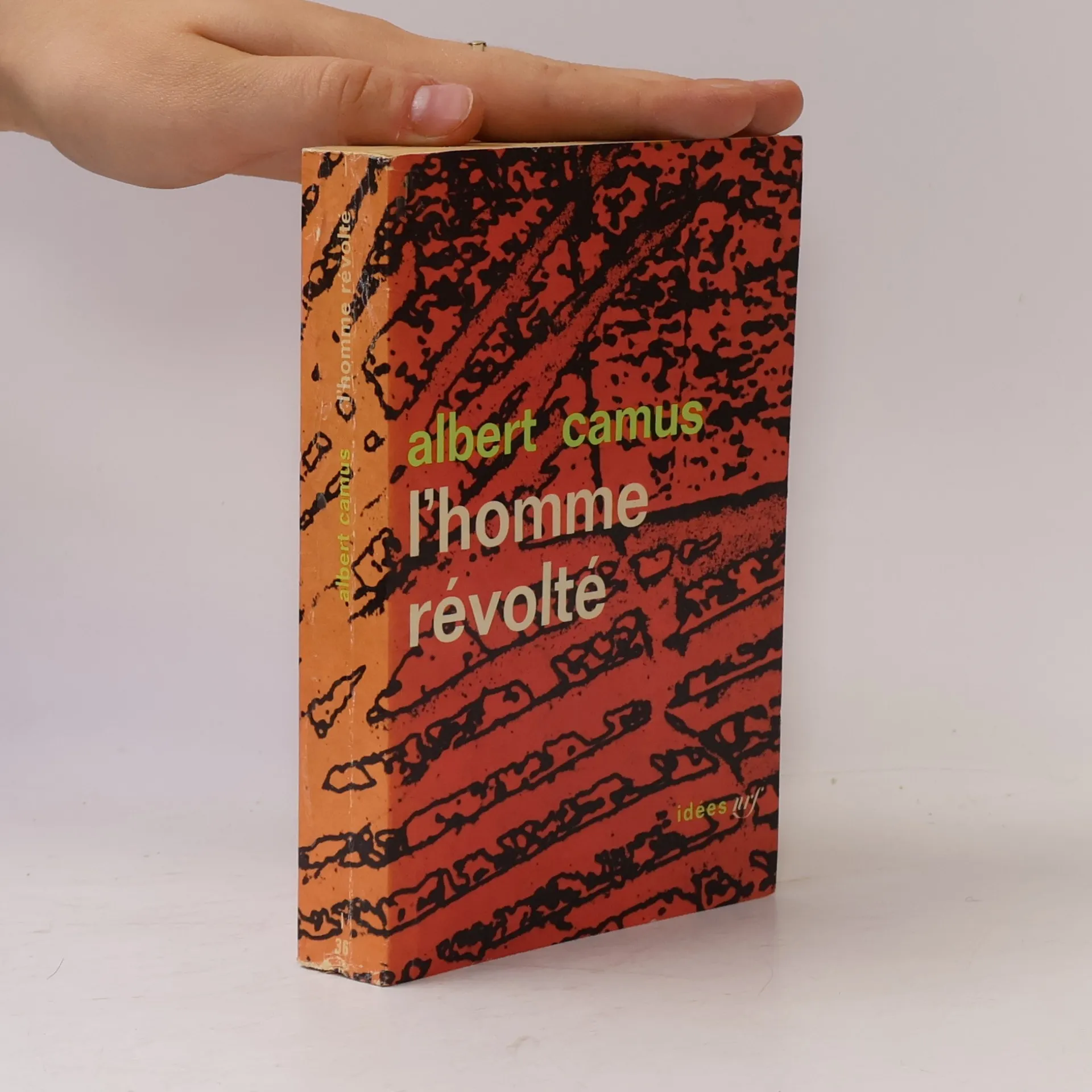
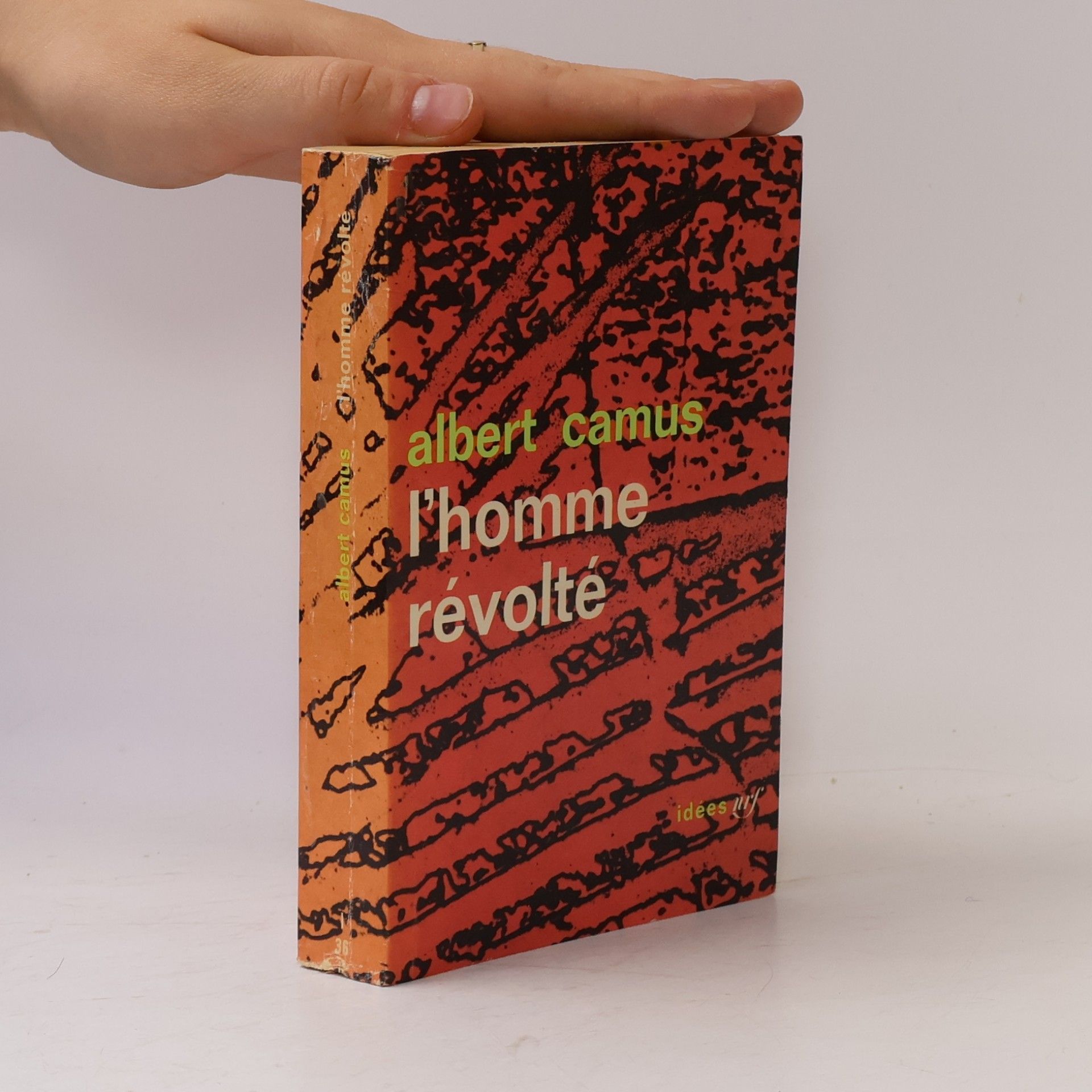
«Deux siècles de révolte, métaphysique ou historique, s'offrent justement à notre réflexion. Un historien, seul, pourrait prétendre à exposer en détail les doctrines et les mouvements qui s'y succèdent. Du moins, il doit être possible d'y chercher un fil conducteur. Les pages qui suivent proposent seulement quelques repères historiques et une hypothèse de lecture. Cette hypothèse n'est pas la seule possible ; elle est loin, d'ailleurs, de tout éclairer. Mais elle explique, en partie, la direction et, presque entièrement, la démesure de notre temps. L'histoire prodigieuse qui est évoquée ici est l'histoire de l'orgueil européen.»
The Green Child is the only novel by Herbert Read - the famous English poet, anarchist, and literary critic. First published by New Directions in 1948, it remains a singular work of bewildering imagination and radiance. The author considered it a philosophical fable akin to Plato’s cave. Olivero, the former dictator of a South American country, has returned to his native England after faking his own assassination. On a walk he sees, through a cottage window, a green-skinned young girl tied to a chair. He watches in horror as the kidnapper forces the girl to drink lamb’s blood from a cup. Olivero rescues the child, and she leads him into unknown realms. -- Publisher's description

The Practice of Psychotherapy brings together Jung's essays on general questions of analytic therapy and dream analysis. It also contains his profoundly interesting parallel between the transference phenomena and alchemical processes. The transference is illustrated and interpreted by means of a set of symbolic pictures, and the bond between psychotherapist and patient is shown to be a function of the kinship libido. Far from being pathological in its effects, kinship libido has an essential role to play in the work of individuation and in establishing an organic society based on the psychic connection of its members with one another and with their own roots.

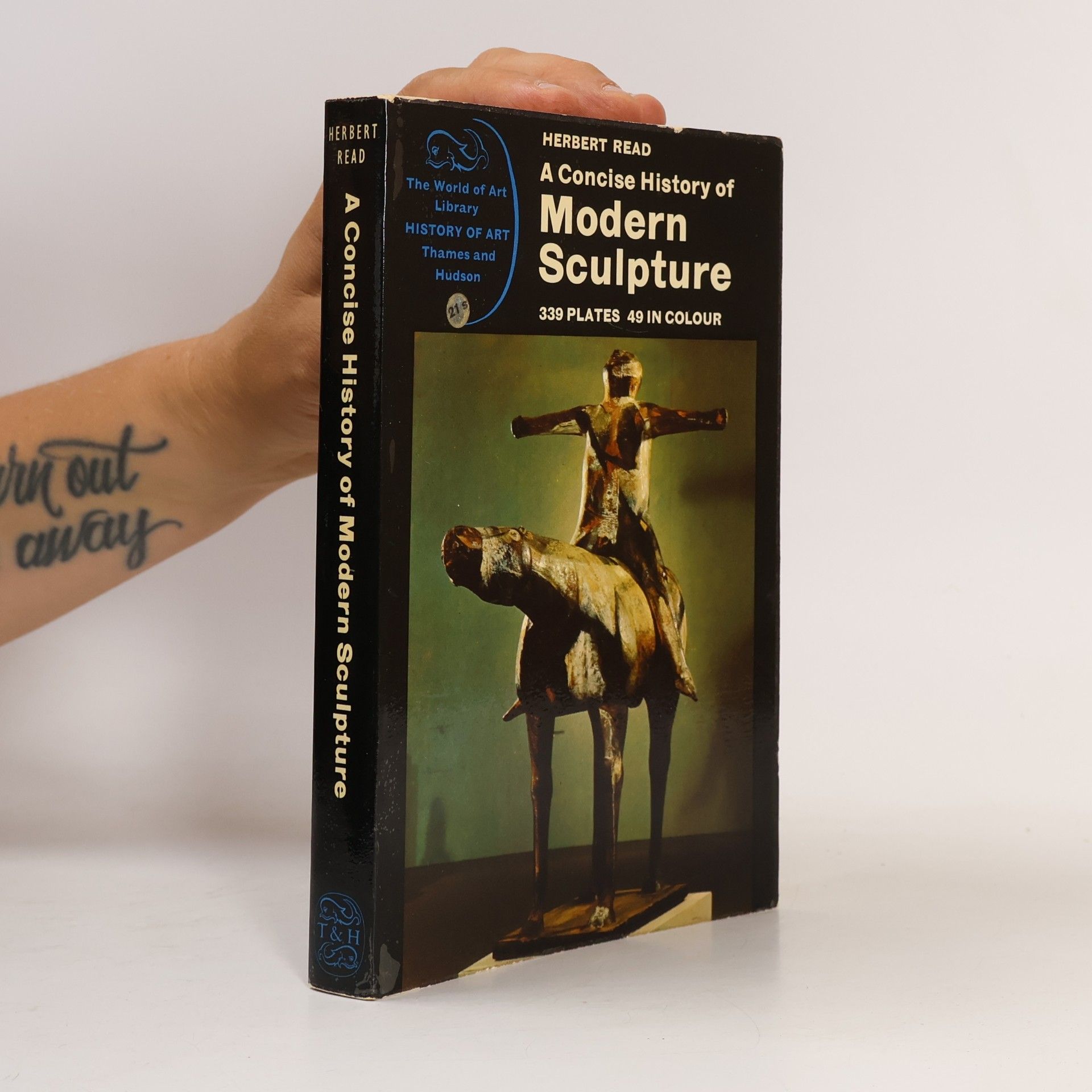


Sulla scultura
- 87pages
- 4 heures de lecture

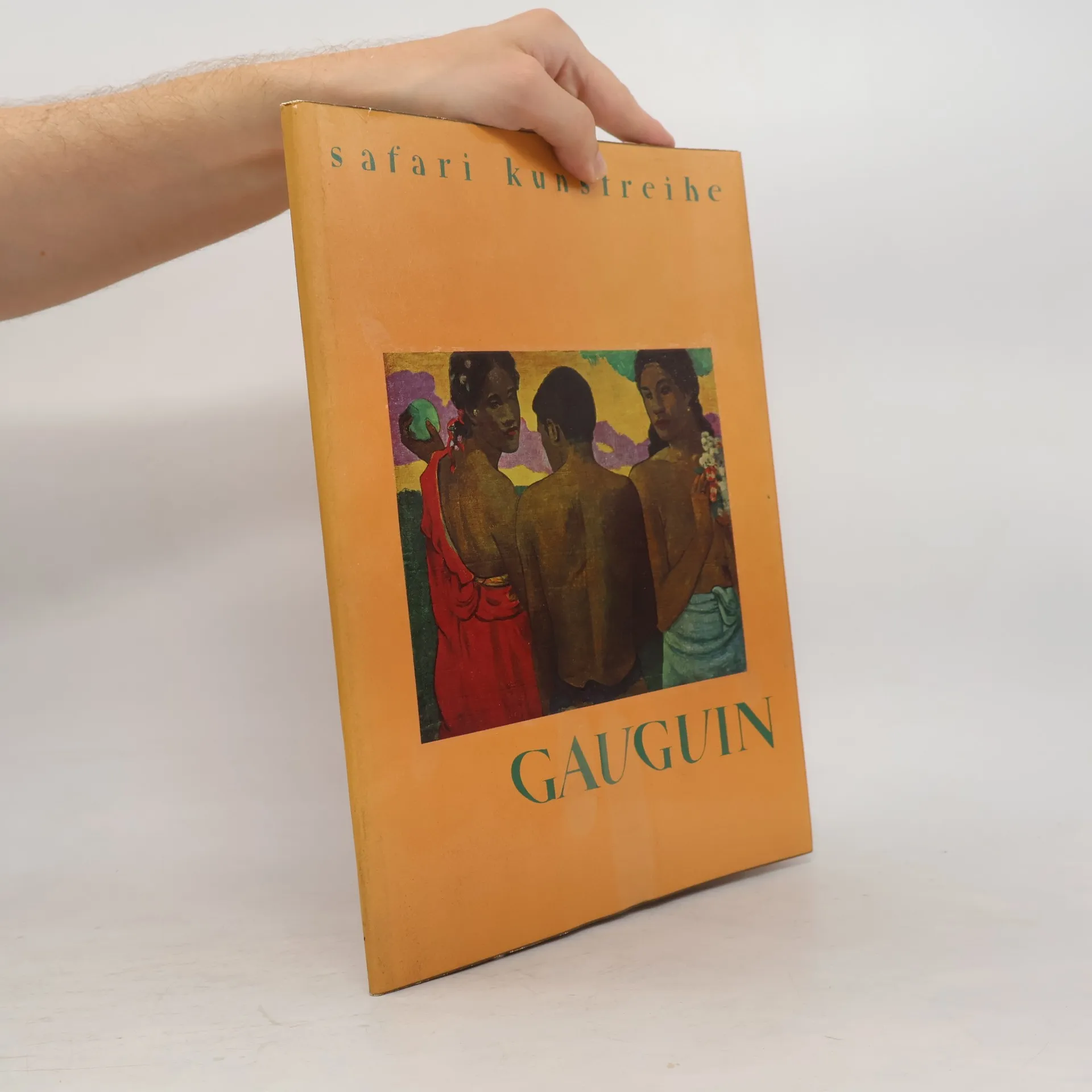
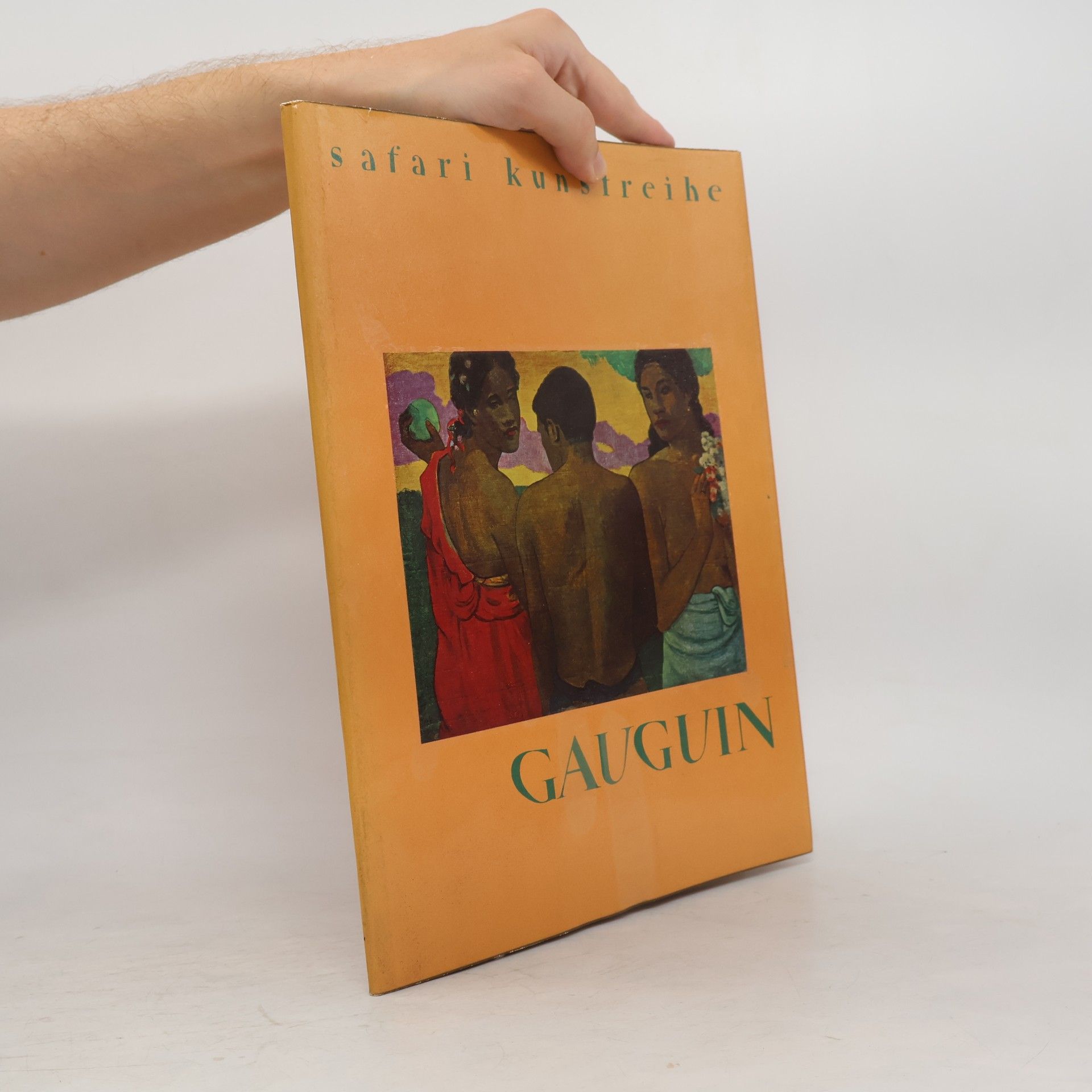
Safari Kunstreihe
Gauguin 1848-1903

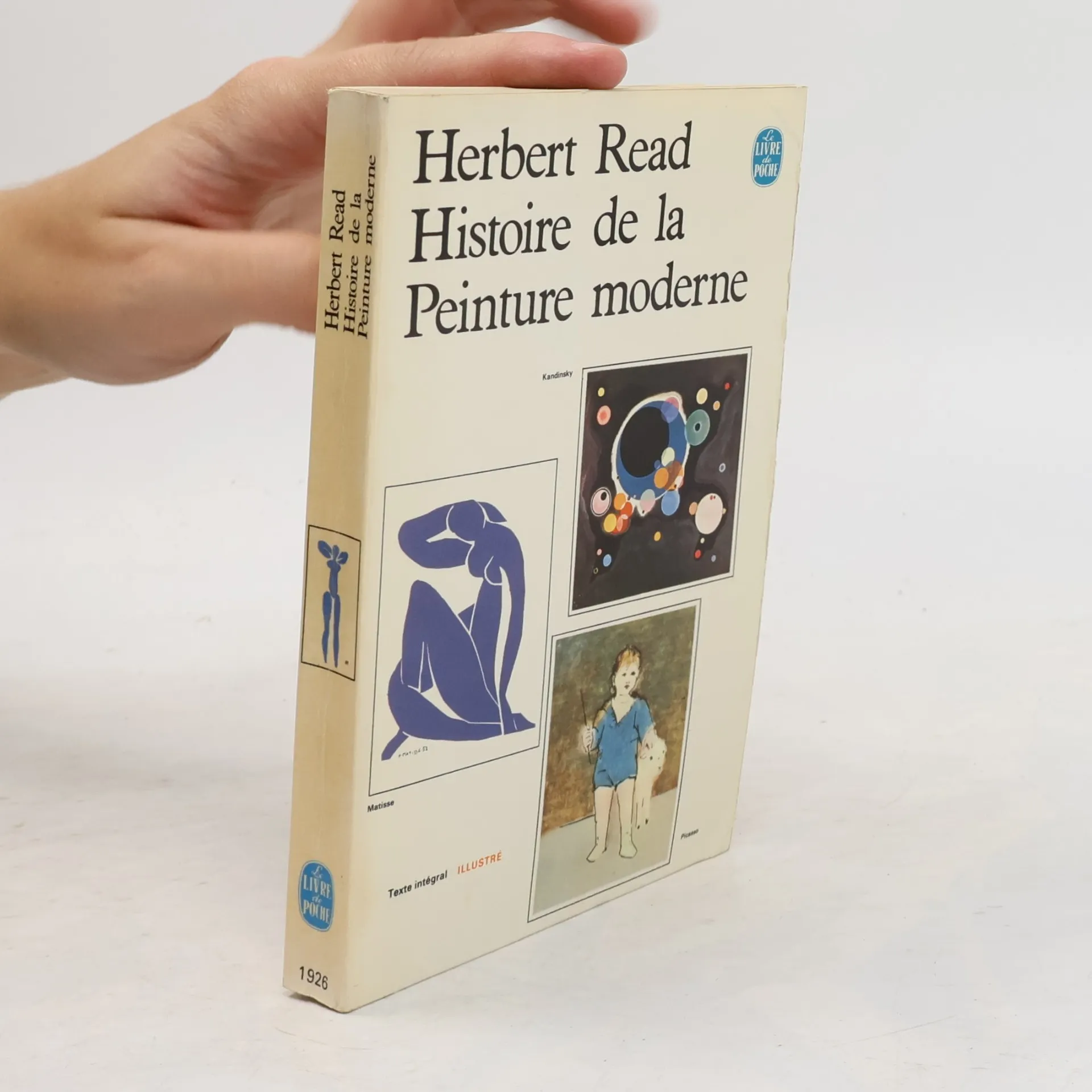
Kandinsky
1866-1944