
The words exhilarating, powerful, generous, daring, and enchanting have been used to describe Alice Fulton's poetry. In Sensual Math , her broad-ranging intelligence continues to surprise and electrify. Drenched with the beauties of perception and language, with syntactical stretch and give, Sensual Math embraces areas often excluded from poetry. Drawing upon science, myth, popular culture, feminist theory, and autobiography, Alice Fulton creates an entrancing and important postmodern poetics. In the sequence called "My Last TV Campaign," an advertising executive tries to apply the successful imitative strategies of nature to a context of consumerism. By reimagining the myth of Daphne and Apollo, another sequence dismantles attitudes surrounding rape and the ancient association of woman with nature and man with culture. Daphne becomes a composite of Amelia Earhart, Annie Oakley, Emily Dickinson, and Marianne Moore. A major work by a poet who has been called breathtakingly fluent, blessedly unpredictable, "Sensual Math" figures the world as a blend of Zen and Elvis, calculus and honey. The final triumph is that poems so profound can be so profoundly engaging.

Alice Fulton Livres


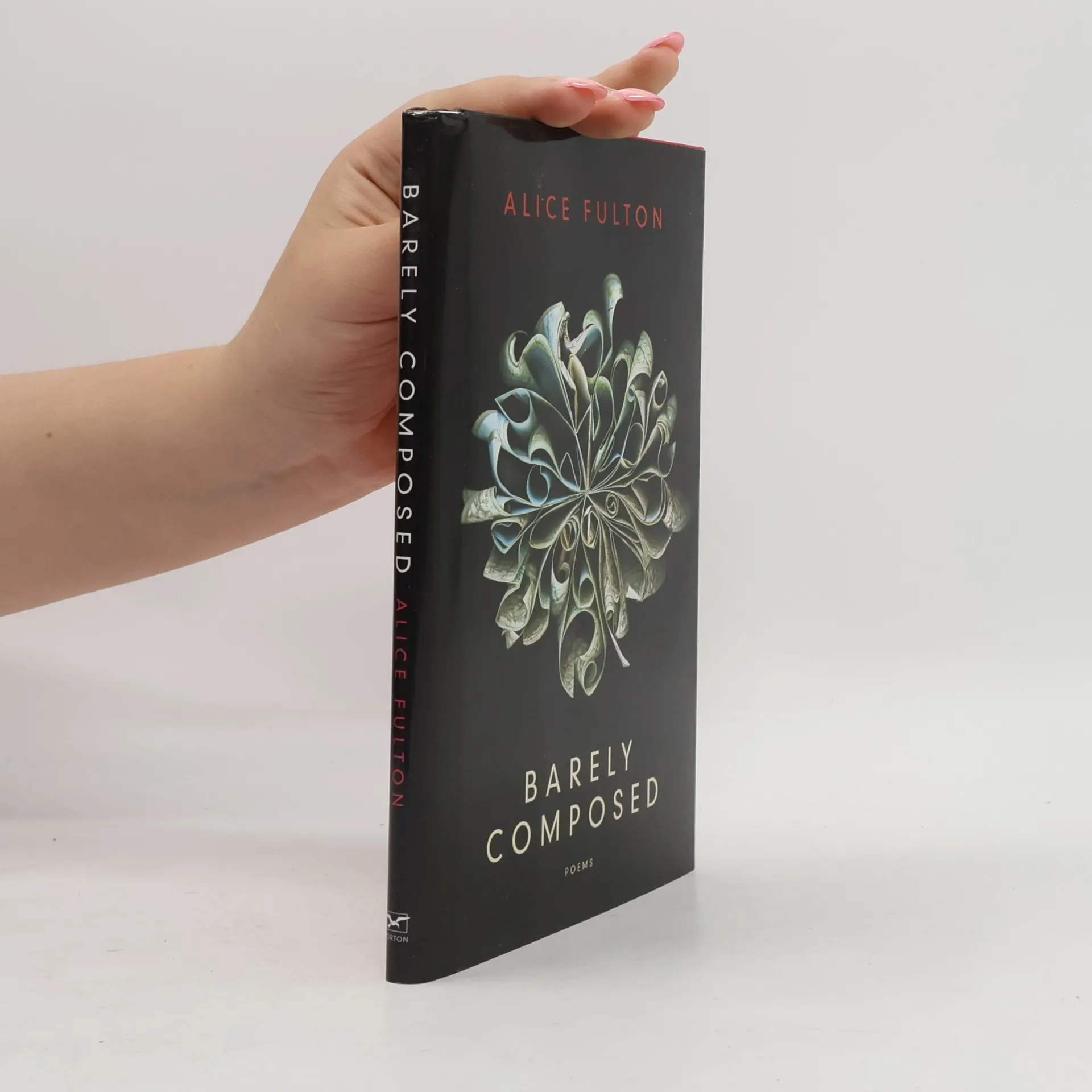
In this eagerly awaited collection of new poems—her first in over a decade—Alice Fulton reimagines the great lyric subjects of time, death, and love, imbuing them with fresh urgency and depth. The work unveils the emotional devastations following trauma or grief—extreme states threatening psyche and language with disintegration. With rare originality, the poems illuminate deep suffering and its aftermath of hypervigilance and numbness, echoing Emily Dickinson's "formal feeling." Elegies explore temporal mysteries—human and animal life's brevity, the nearly eternal existence of stars and nuclear fuel, and the enduring presence of the arts—offering unsparing glimpses of personal loss and cultural truths. Under silencing duress, language warps into something uncanny and profoundly moving. Various forms of inscription—coloring book to redacted document—enact the power of the unsaid. While "anguish is the universal language," joy also emerges in the reciprocity of gifts and creativity. Gorgeous vintage rhetorics blend with contemporary registers, creating poems of disarming power. Visionaries—truth tellers and beholders—offer testimony as beautiful as it is unsettling. Shimmering with the "good strangeness of poetry," this collection bears witness to love's complexities and existence's fragility, embracing the inextinguishable search for goodness, compassion, and tranquility amidst cruelty.