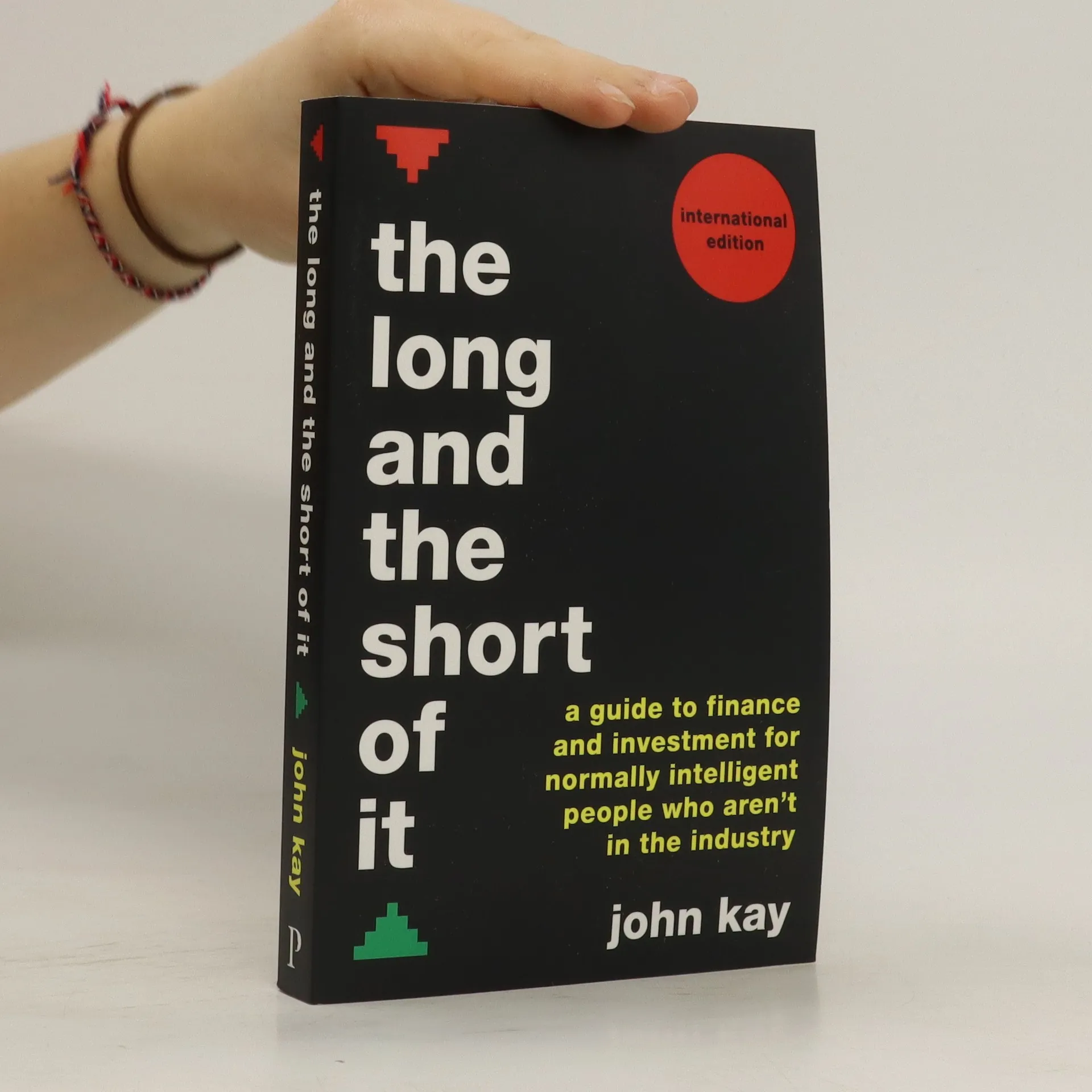
The long and the short of it : a global guide to finance and investment for those not in the industry
- 256pages
- 9 heures de lecture
A clear and practical guide to investment by internationally renowned economist John Kay


Cet auteur emploie une analyse rigoureuse et logique pour mieux comprendre la société, en se concentrant sur l'application de concepts économiques. Son travail met l'accent sur la vulgarisation et l'explication claire d'idées complexes pour un public plus large. À travers ses écrits, il explore les finances publiques et l'organisation industrielle, étendant son intérêt à la politique commerciale et aux questions sociétales plus larges. L'auteur s'efforce de relier la rigueur académique à l'impact pratique, offrant aux lecteurs une perspective attrayante et accessible sur les principes économiques et leurs applications dans le monde réel.

A clear and practical guide to investment by internationally renowned economist John Kay
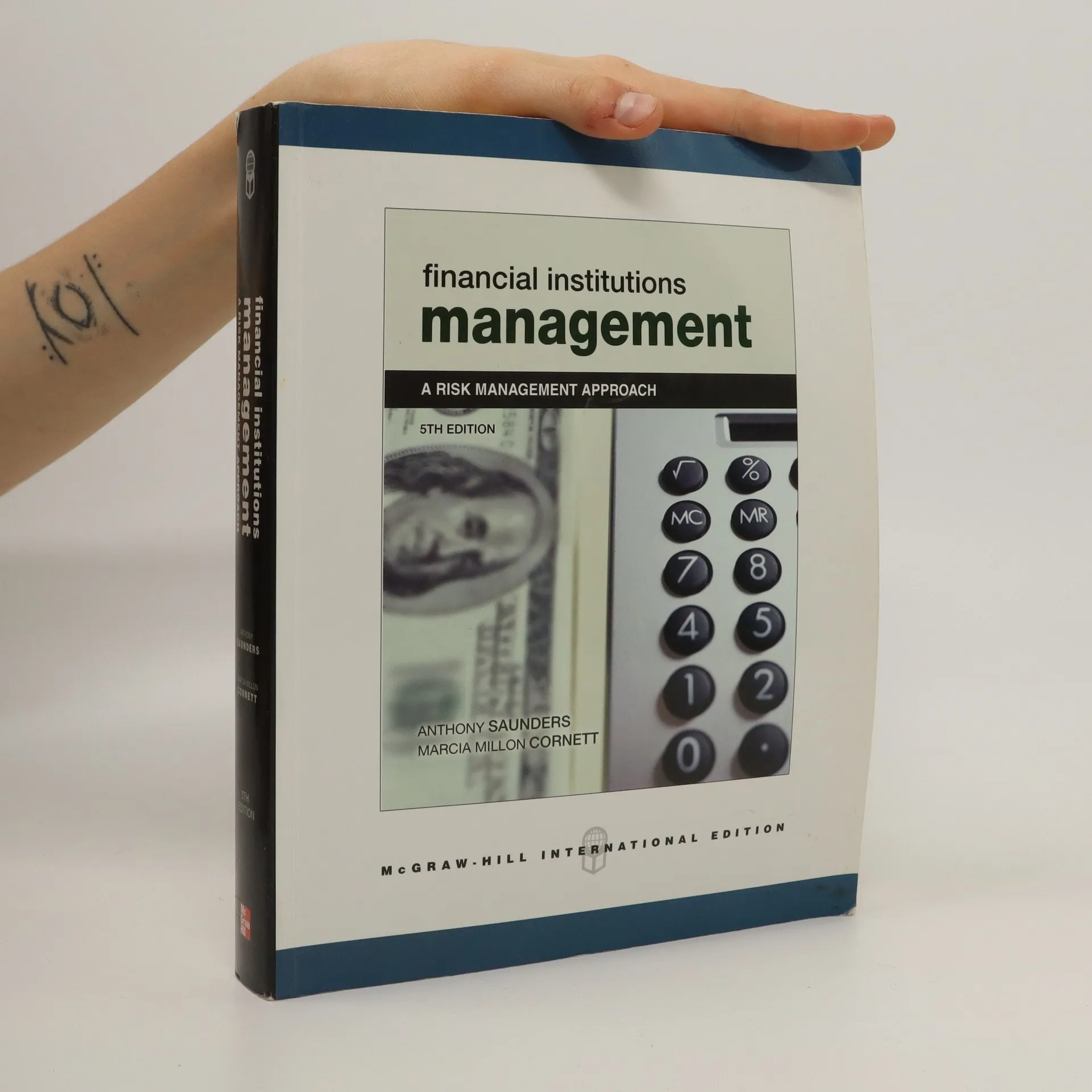
Focuses on managing return and risk in financial institutions. The text argues that risks faced by financial institutions managers, and the methods and markets through which these risks are managed are becoming similar whether an institution is chartered as a commercial bank, a savings bank, an investment bank, or an insurance company.
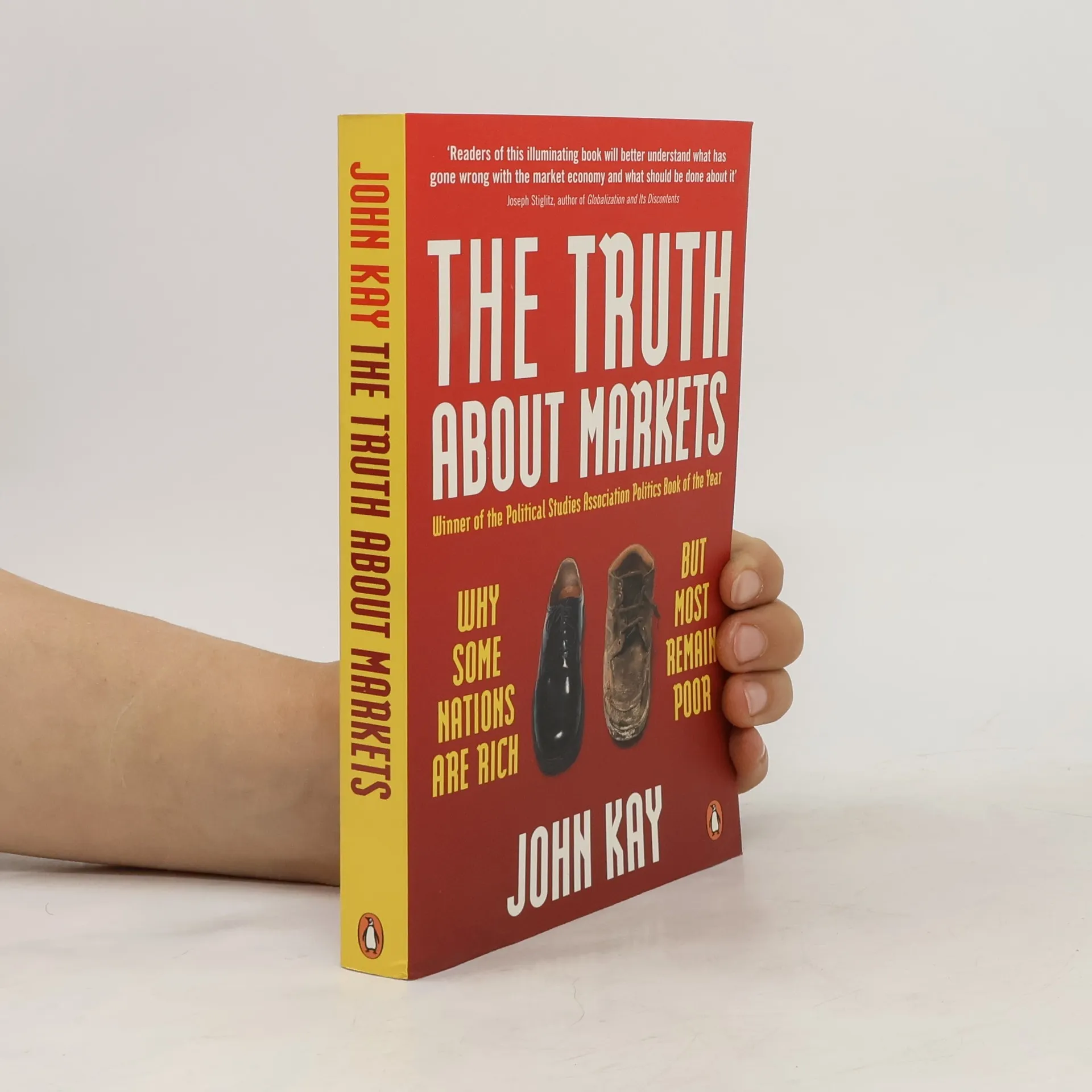
Capitalism faltered at the end of the 1990s as corporations were rocked by fraud, the stock-market bubble burst and the American business model � unfettered self-interest, privatization and low tax � faced a storm of protest. But what are the alternatives to the mantras of market fundamentalism? Leading economist John Kay unravels the truth about markets, from Wall Street to Switzerland, from Russia to Mumbai, examining why some nations are rich and some poor, why �one-size-fits-all� globalization hurts developing countries and why markets can work � but only in a humane social and cultural context. His answers offer a radical new blueprint for the future.
This collection of short essays features articles based on economic topics and opinions.
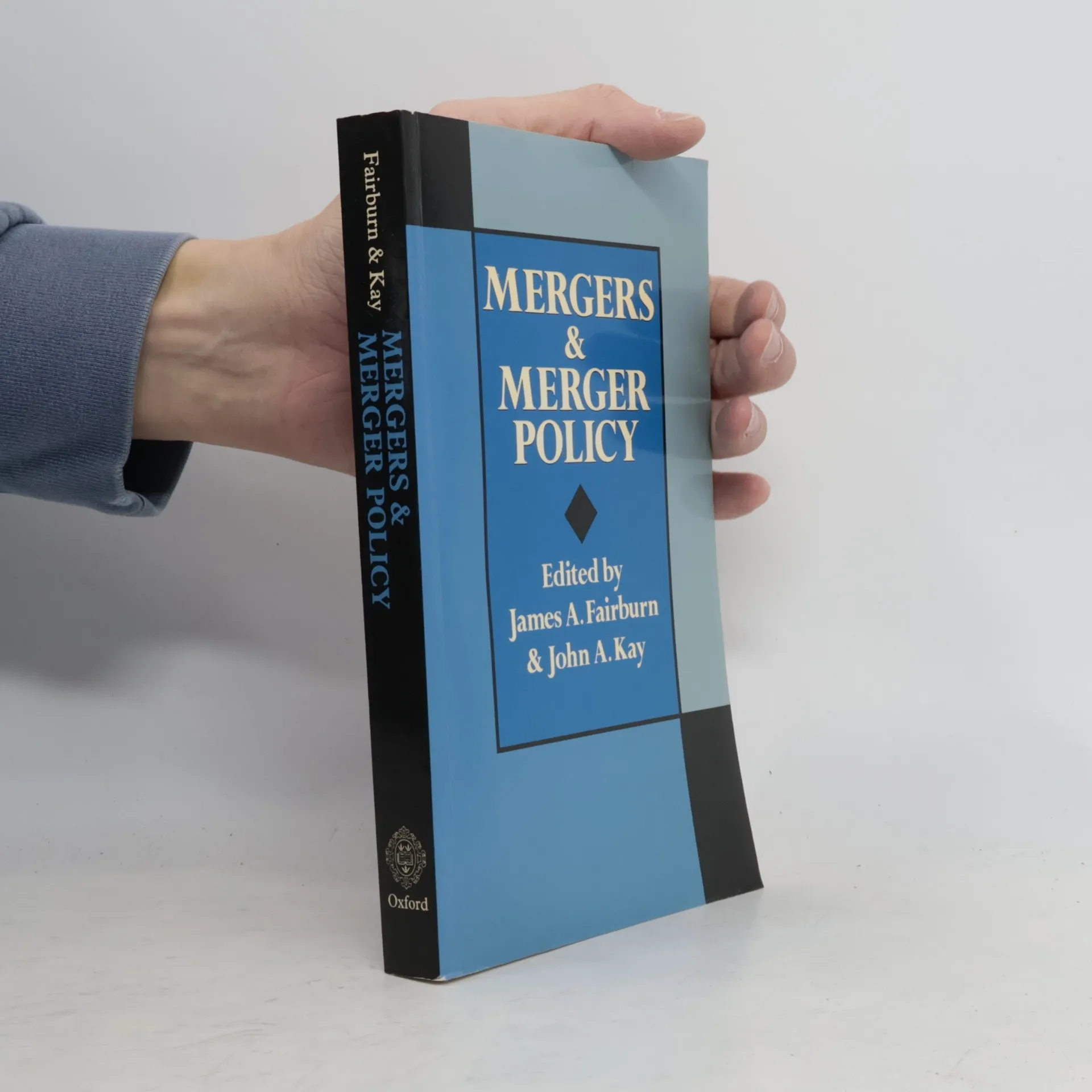
British merger policy, which has long lacked clarity and effectiveness, has been the subject of government review. This collection of essays by leading policymakers and academics confronts several crucial questions about the merger process: Does it serve as a check on management efficiency, or is it the result of too little control or too much management discretion? Do shareholders and consumers gain or lose from mergers? Is the effect of mergers on competition the only public concern, and how anyway is competition to be assessed in an economy increasingly dominated by imports? Can policymakers learn from abroad, or are the current institutions and procedures the best available?