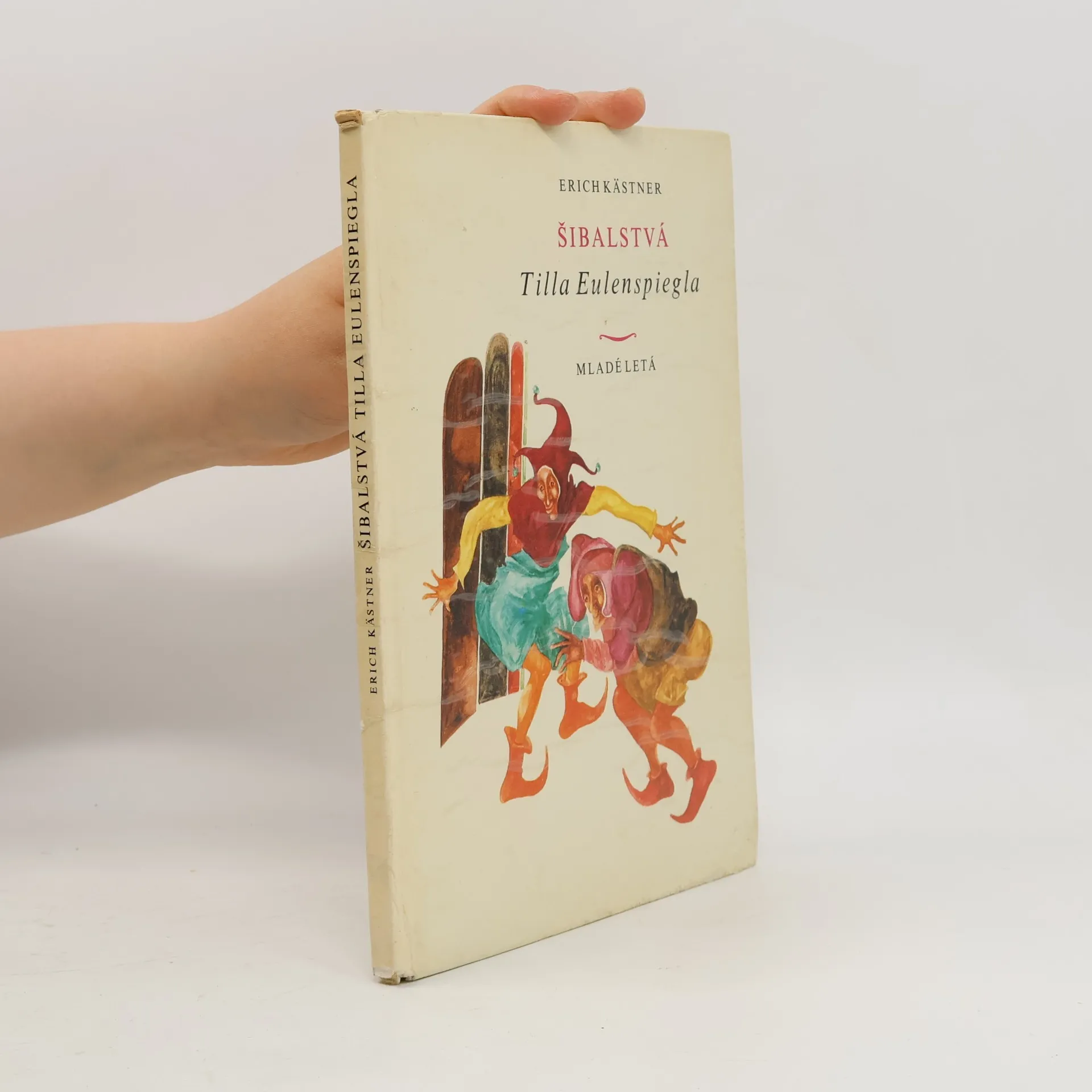
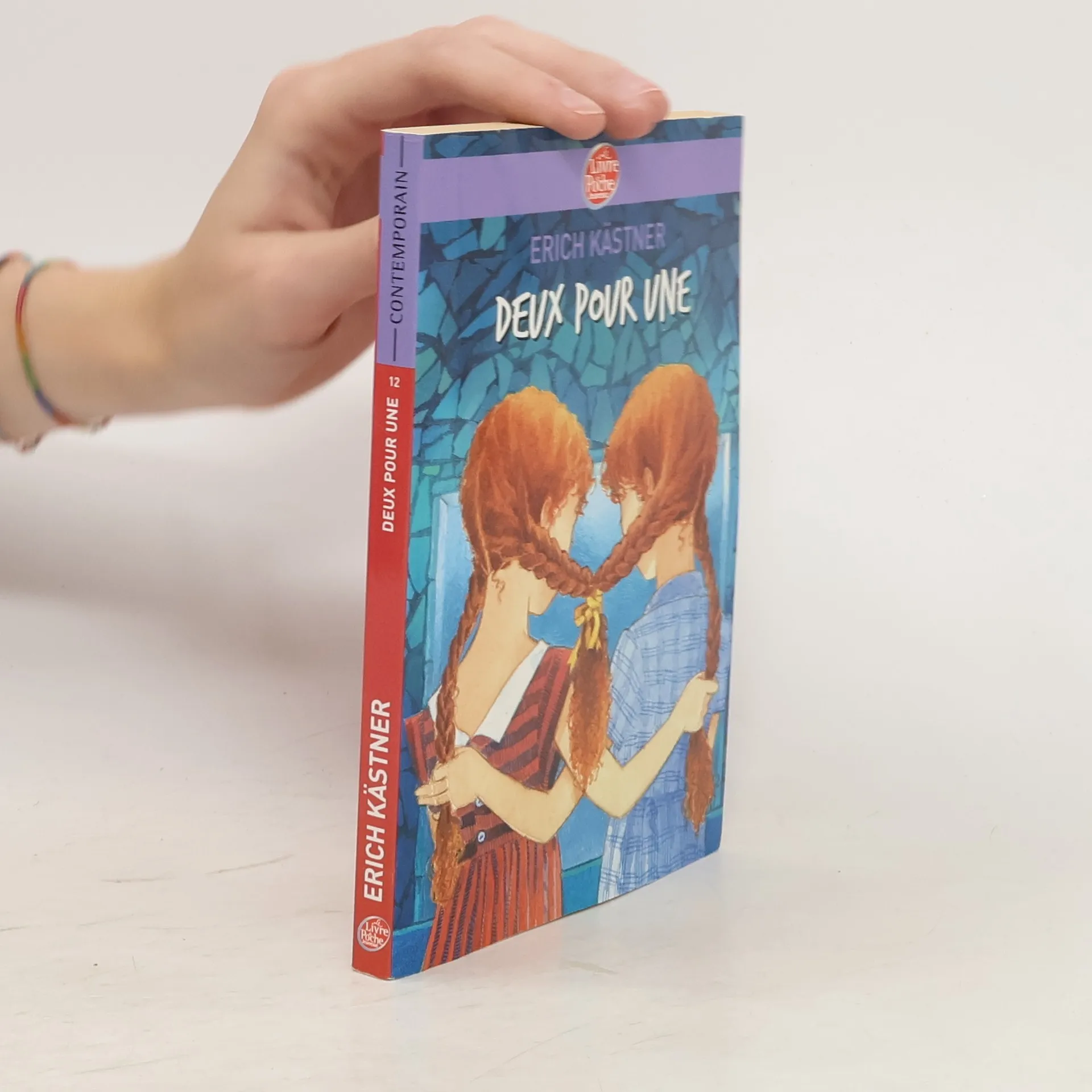
L’histoire folle de Louise et de Lotte, deux soeurs jumelles que leurs parents ont séparées dès l’âge de deux ans et qui se rencontrent en colonie de vacances. Et si Louise et Lotte échangeaient leur place et vivaient chacune la vie de l’autre ?
Erich Kästner Livres
23 février 1899 – 29 juillet 1974
Cet auteur, poète et satiriste allemand est célébré pour sa poésie humoristique et socialement perspicace ainsi que pour sa littérature jeunesse. Malgré sa position pacifiste et démocratique ferme, il fut expulsé de la guilde nationale des écrivains à l'époque nazie, et bon nombre de ses livres furent publiquement brûlés. Aujourd'hui, il est largement considéré comme l'un des auteurs de livres pour enfants les plus prolifiques et les plus appréciés d'Allemagne, connu pour ses aperçus pleins d'esprit et sa profonde compréhension de la nature humaine.


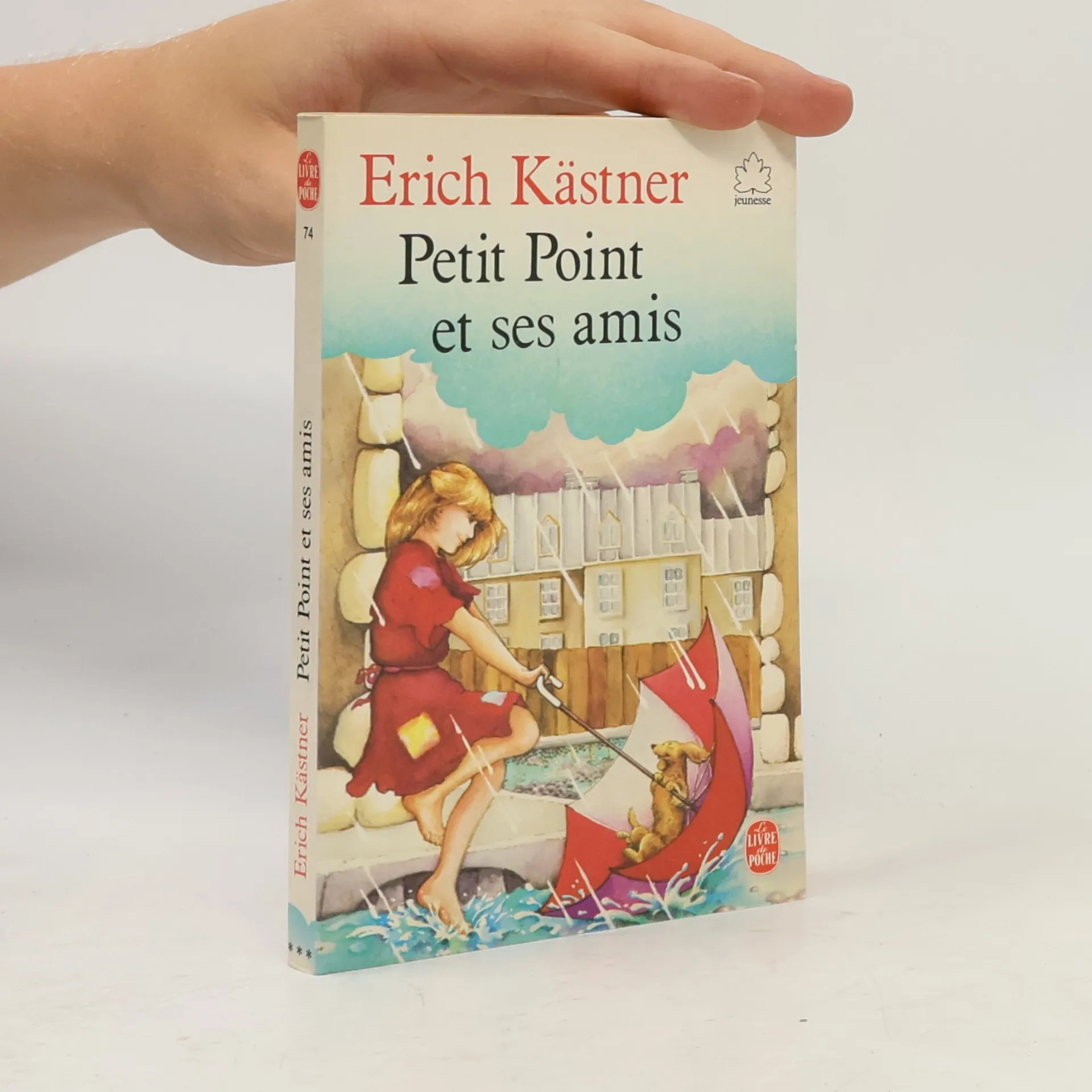
Petit Point et ses amis
- 172pages
- 7 heures de lecture
Portrait d'une petite bourgeoise primesautière, doublé d'une histoire d'amitié. Ce roman intimiste, teinté de merveilleux, plaira sans doute aux 9-10 ans.
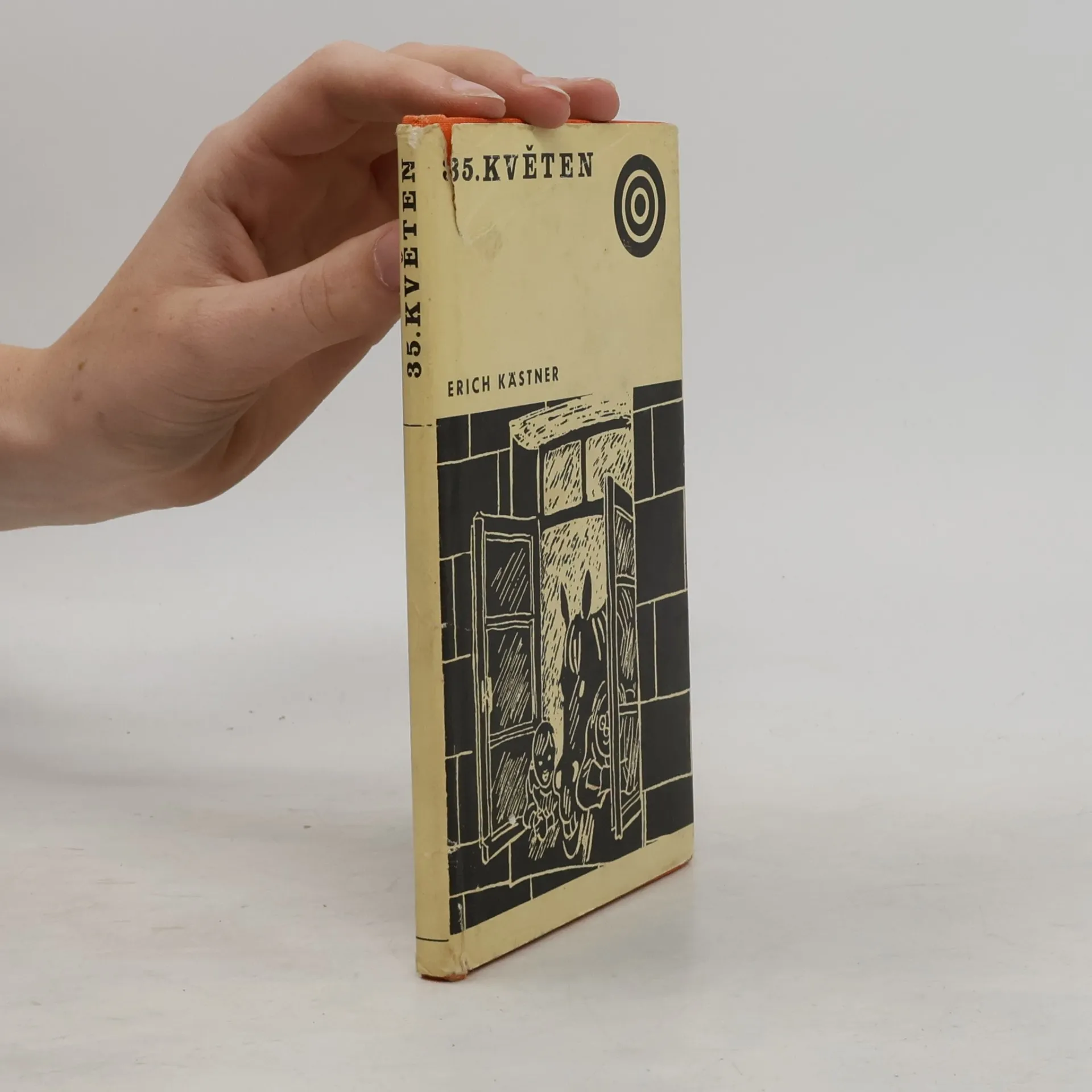
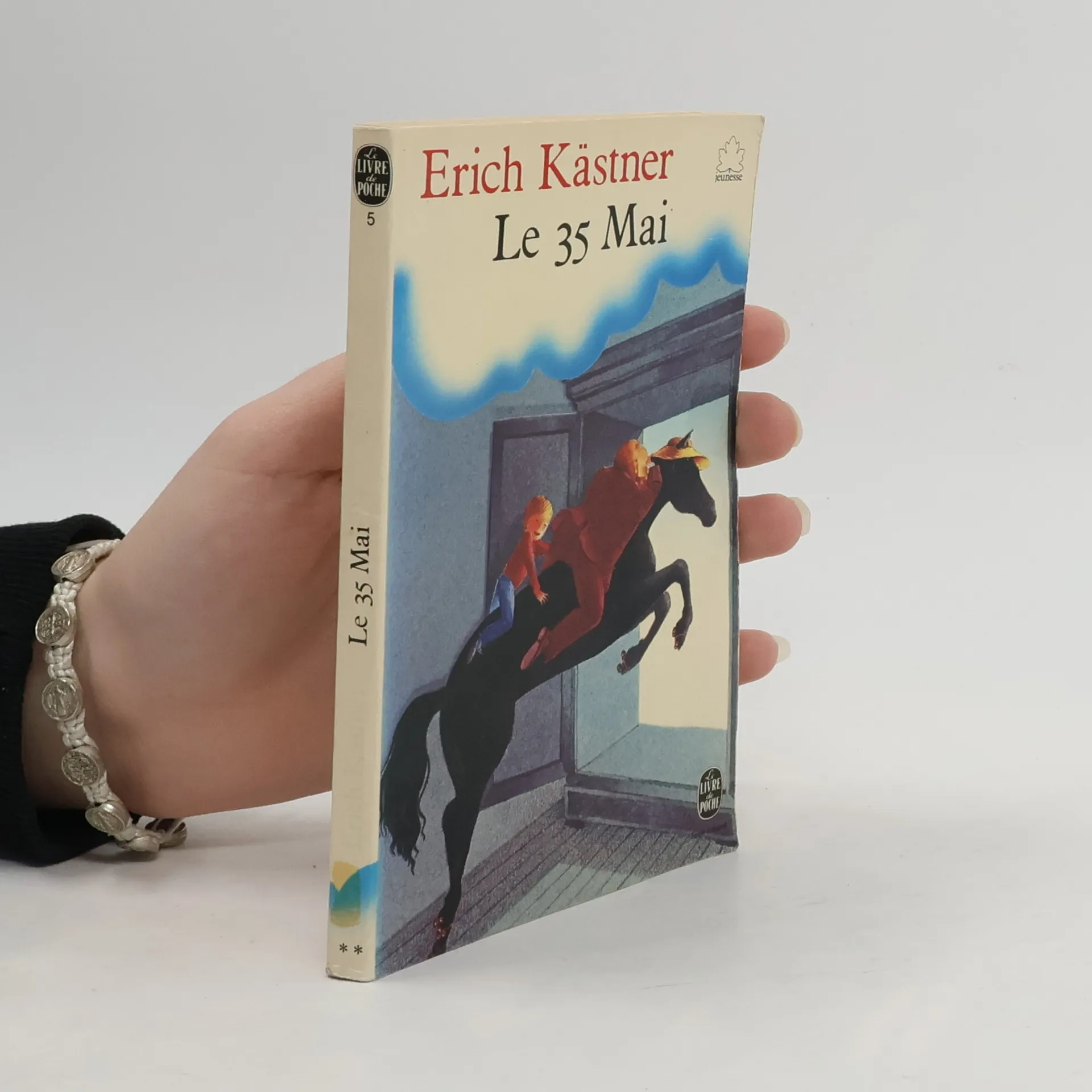
Le 35 mai
- 157pages
- 6 heures de lecture
Issu de la 4ème de couv. : "Si votre oncle est formidable, si vous rencontrez un cheval en chômage qui vous demande poliment du sucre... entrez sans hésiter dans la vieille armoire : c'est la porte du bout du monde ! Là-bas, les poules pondent des oeufs au jambon... Au pays du Monde renversé, on élève sévèrement les parents insupportables. A Electropolis, on circule sur des trottoirs roulants, à cheval à travers l'océan... Seulement, tout cela n'est pas possible si le 35 Mai tombe un jeudi."
10/18: Vers l'abîme
- 307pages
- 11 heures de lecture
Erich Kästner ist vielen als Autor von Kinder- und Jugendbüchern bekannt, doch er verfasste auch zeitkritische Romane. Der 1931 entstandene Roman Fabian thematisiert den moralischen und geistigen Verfall in einer politisch schwierigen Zeit. Kästner zeigt, wie politischer und moralischer Verfall der Gesellschaft eng miteinander verbunden sind. Fabian, ein arbeitsloser Germanist, wandert durch Berlin auf der Suche nach Arbeit und Kontakten. Dabei begegnet er Menschen, die ihn ausnutzen wollen, und sieht, wie seine Freundin sich prostituiert, um Schauspielerin zu werden. Sein bester Freund begeht Selbstmord aufgrund einer banalen Bemerkung. Ein Erfinder möchte seine schädlichen Erfindungen zurücknehmen, was scheitert. Die Stadt ist im Zerfall, die Menschen leben in einem hoffnungslosen Labyrinth. Fabian, ein Außenseiter und Moralist, beobachtet sarkastisch die menschliche Korrumpierbarkeit und Gewissenlosigkeit. Kästner nutzt scharfe Satire, etwa bei einer Tombola mit Nahrungsmitteln als Preisen oder bei der Pöbelei als Abendunterhaltung. Die bissigen Beschreibungen der Menschen, wie die des Redakteurs Müntzer, der sein Gewissen "chloroformiert" hat, verdeutlichen die Falschheit der Verhältnisse. Der Roman bietet zeitkritische Beobachtungen, die auch heute relevant sind, und thematisiert die menschliche Schwäche, die Falschheit zu erkennen, aber nichts dagegen zu unternehmen.
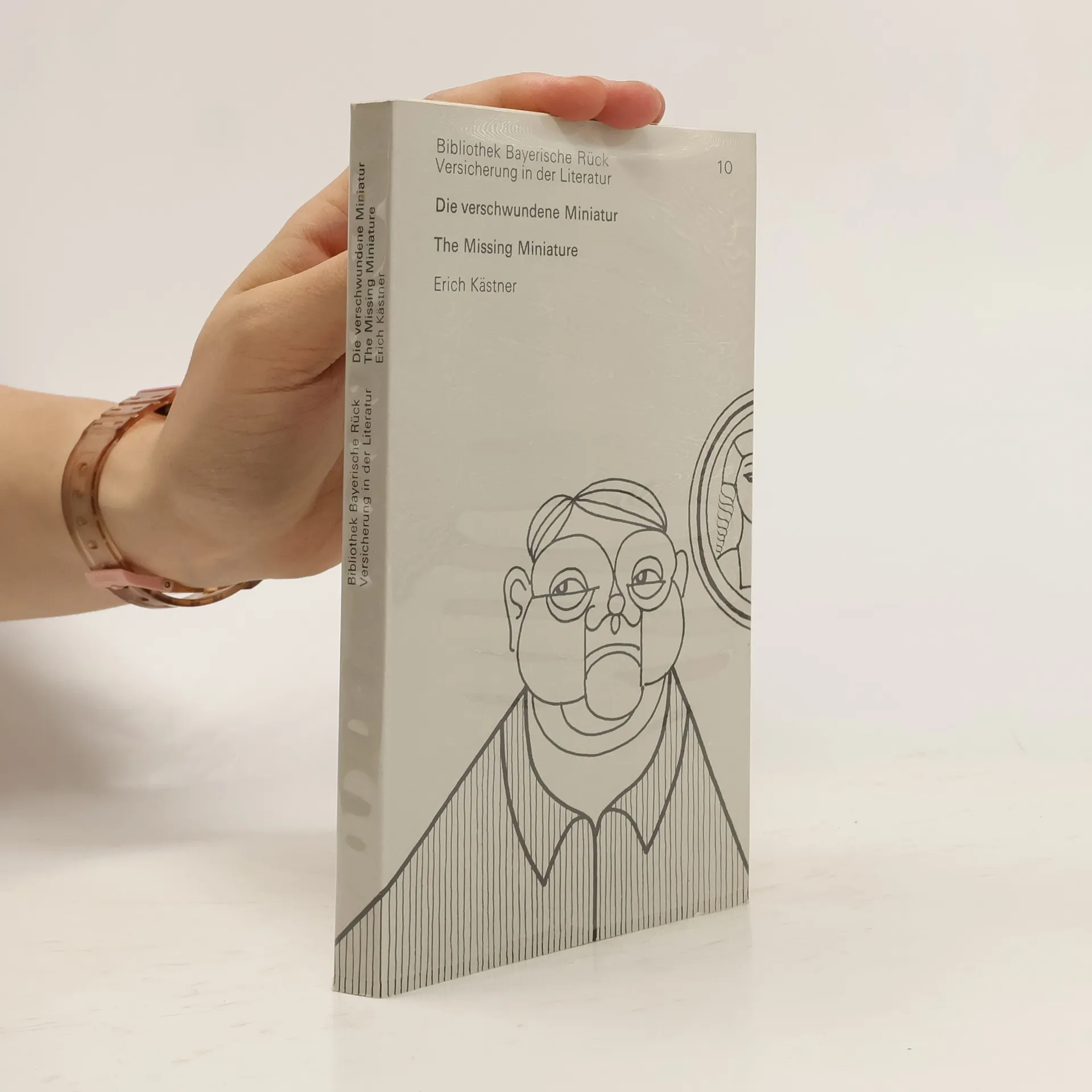
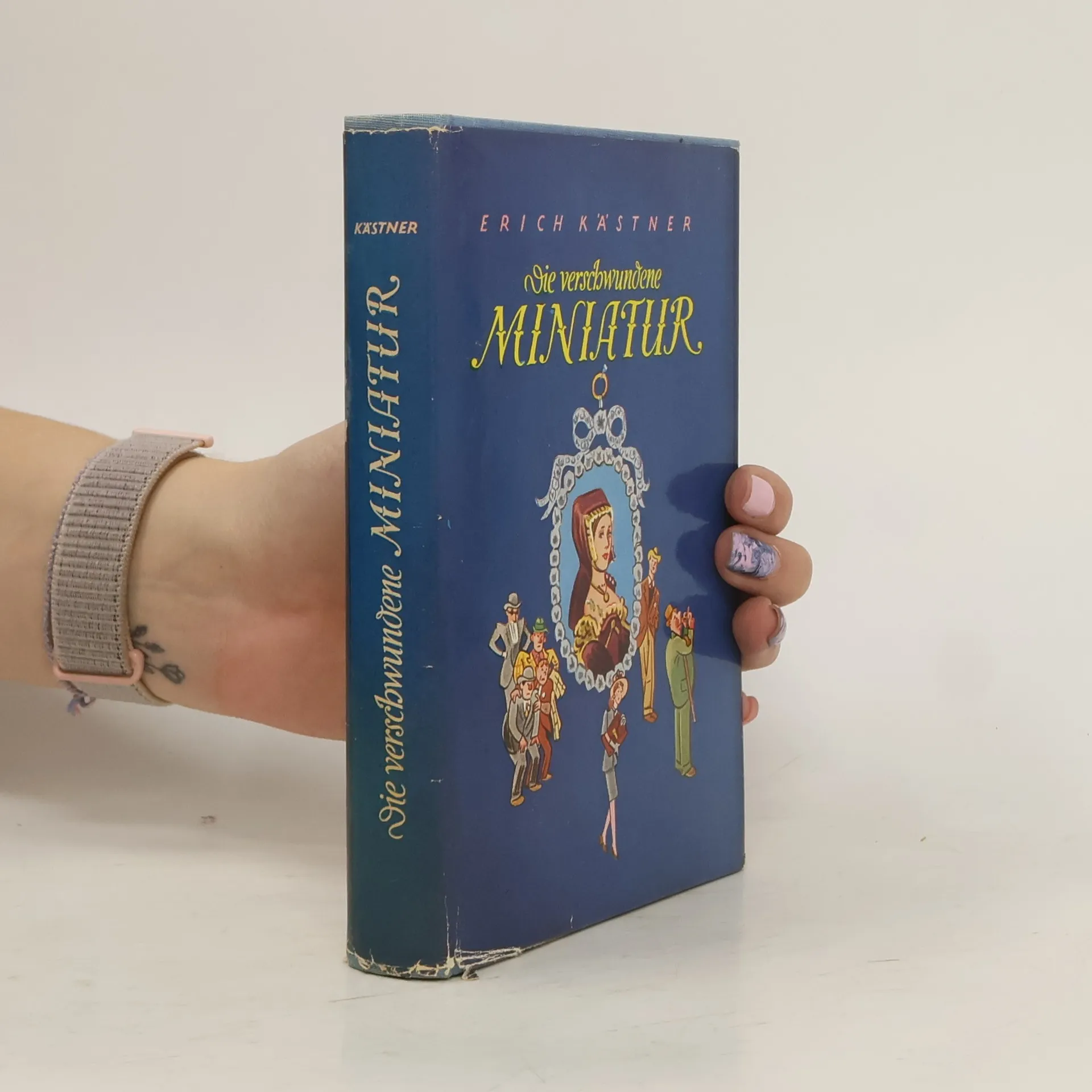
Le maître boucher berlinois Külz souhaite simplement échapper à son quotidien. Sans prévenir sa famille, il s'est rendu à Copenhague pour quelques jours. Il désire flâner dans la ville, visiter des monuments et savourer des plats, loin de la routine habituelle entre crochets de boucher et boudins. Lors d'un repas sur la terrasse du prestigieux hôtel D'Angleterre, il fait la connaissance de Mademoiselle Trübner, qui lui révèle être la secrétaire particulière d'un riche collectionneur d'art ayant récemment acquis une précieuse miniatur. Elle est chargée de la ramener à Berlin, mais craint d'être suivie. Elle demande à Külz de l'aider en transportant la miniatur, pensant qu'il ne suscitera pas de soupçons. Pour Külz, cette aventure est une distraction bienvenue, et il accepte. Cependant, lors de la traversée en bateau, des voleurs parviennent à dérober l'œuvre. Külz doit alors déjouer les plans des malfaiteurs pour récupérer la miniatur. Une voyage tumultueux commence, les menant à Warnemünde, Rostock et Berlin.
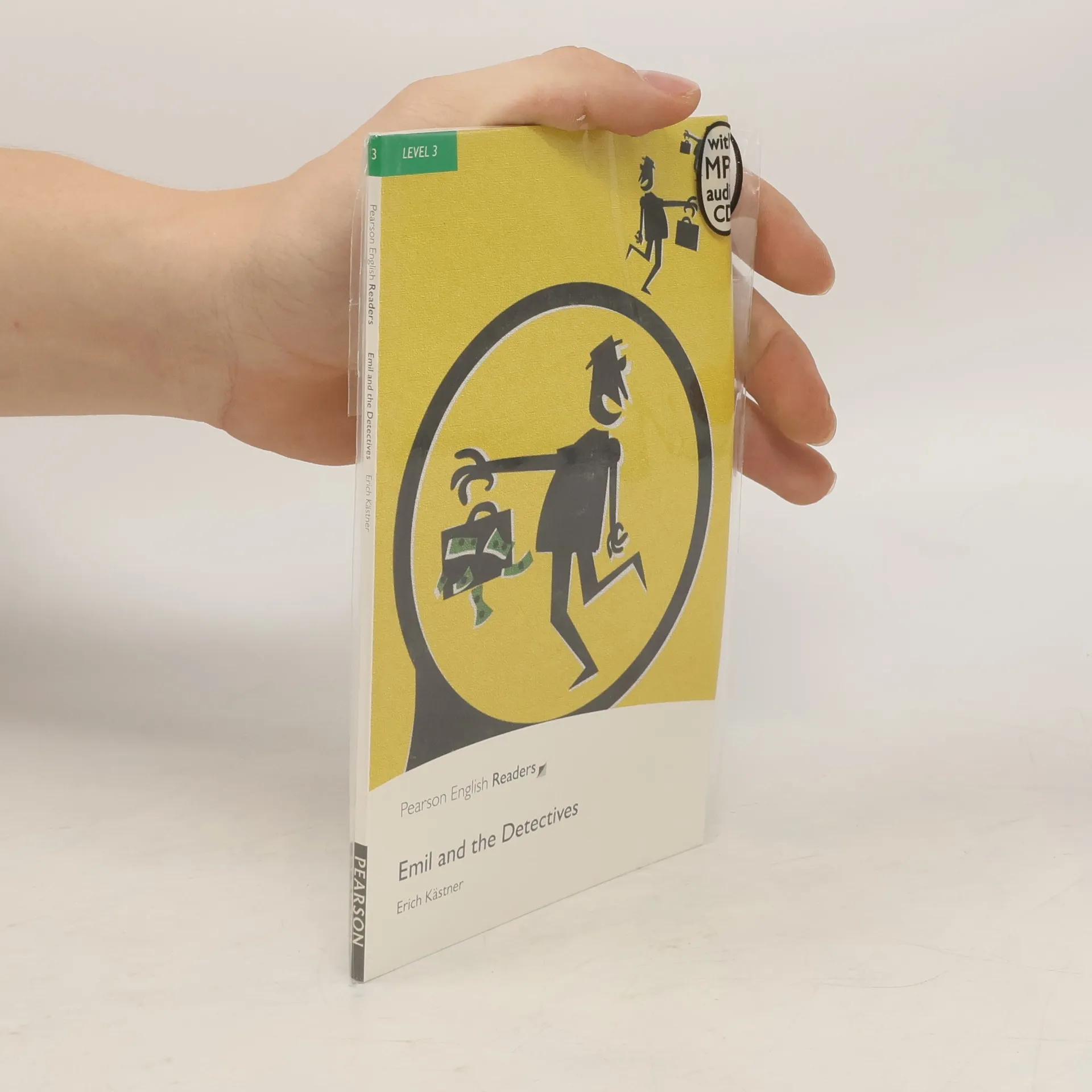
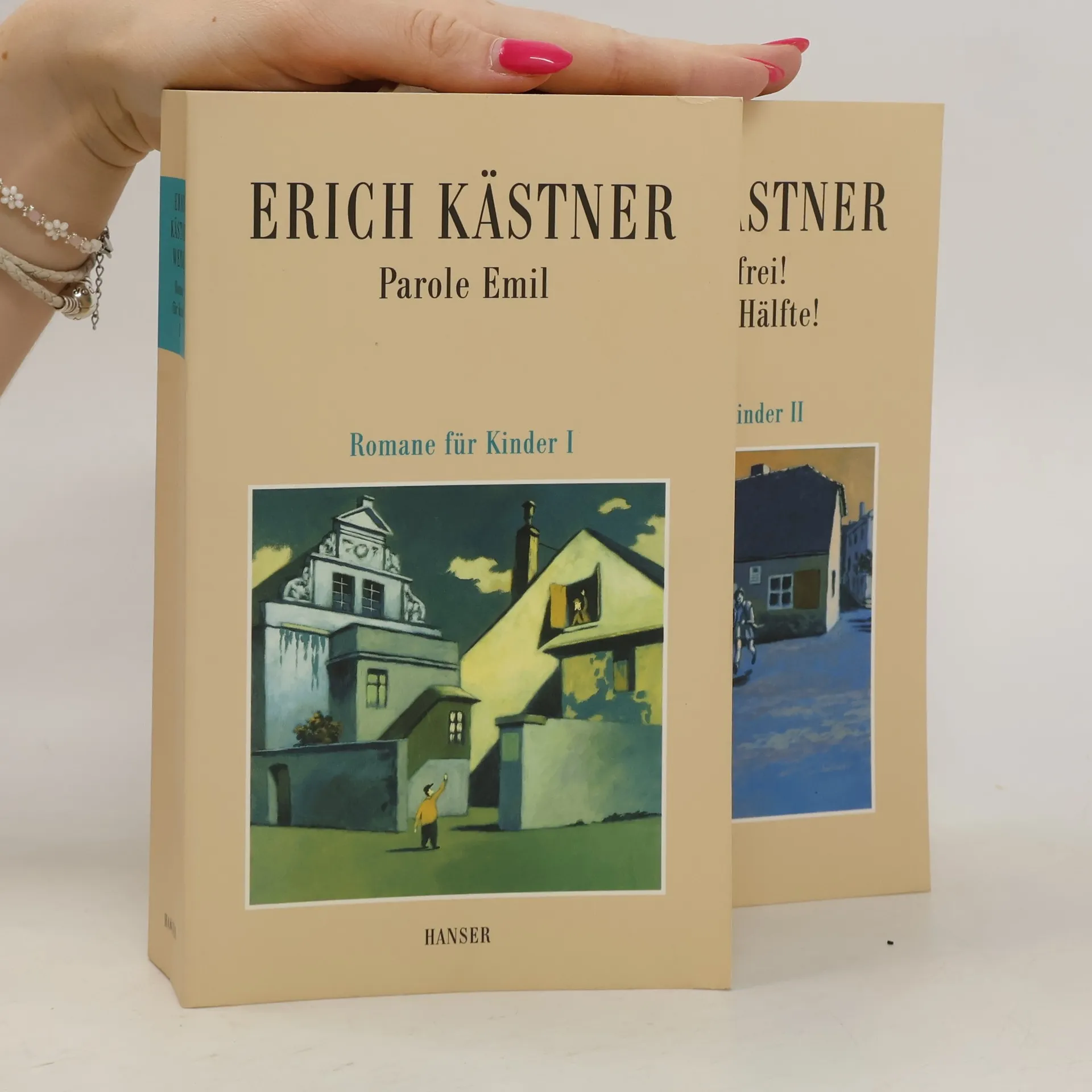
Émile et les détectives
- 190pages
- 7 heures de lecture
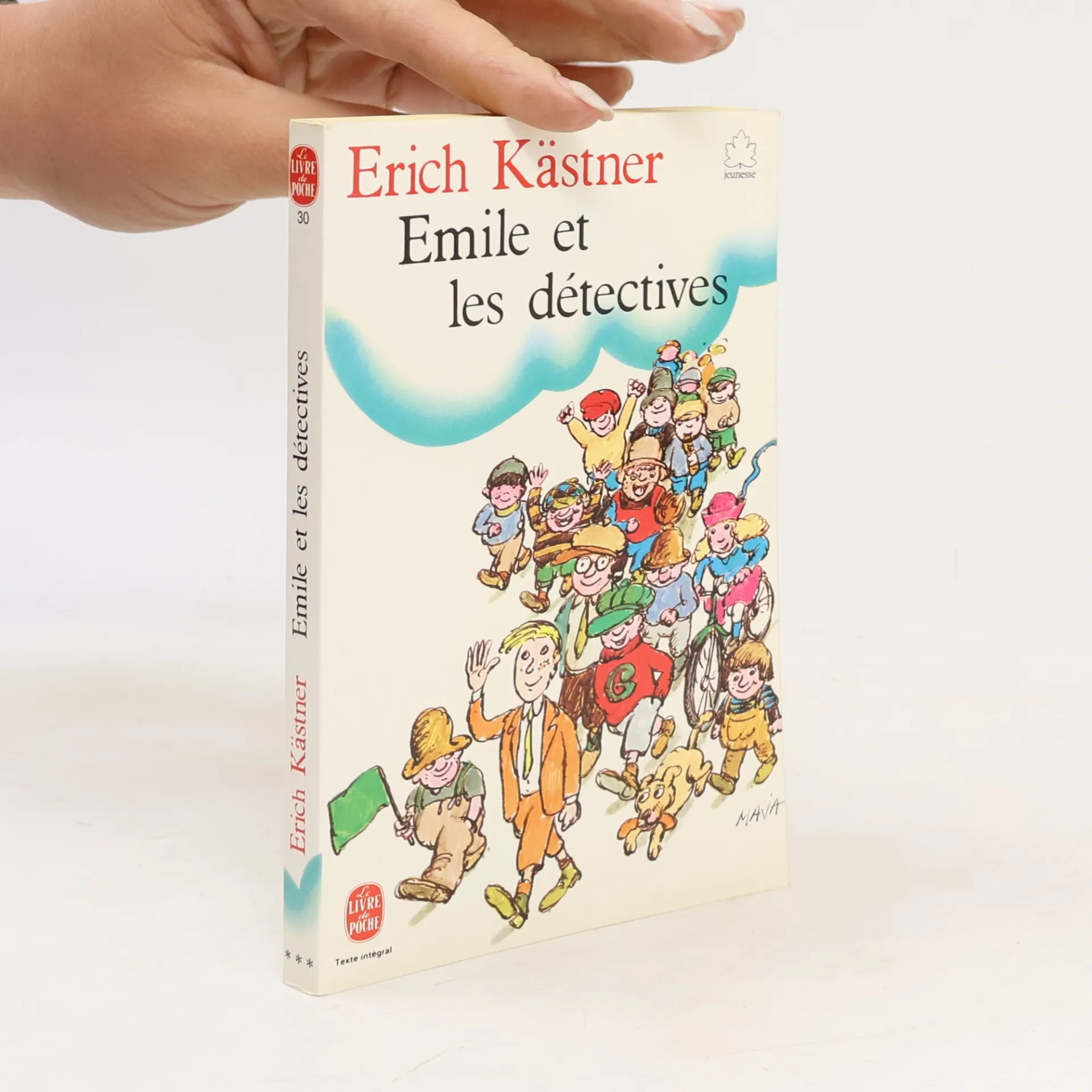
Réédition. Volume publié en 1931 aux Editions Stock, en 1969, dans la collection "Nouvelle bibliothèque rose" et en 1977 dans la collection "Vermeille" chez le même éditeur. Un classique captivant où le lecteur se laisse entraîner par un récit plein de verve.
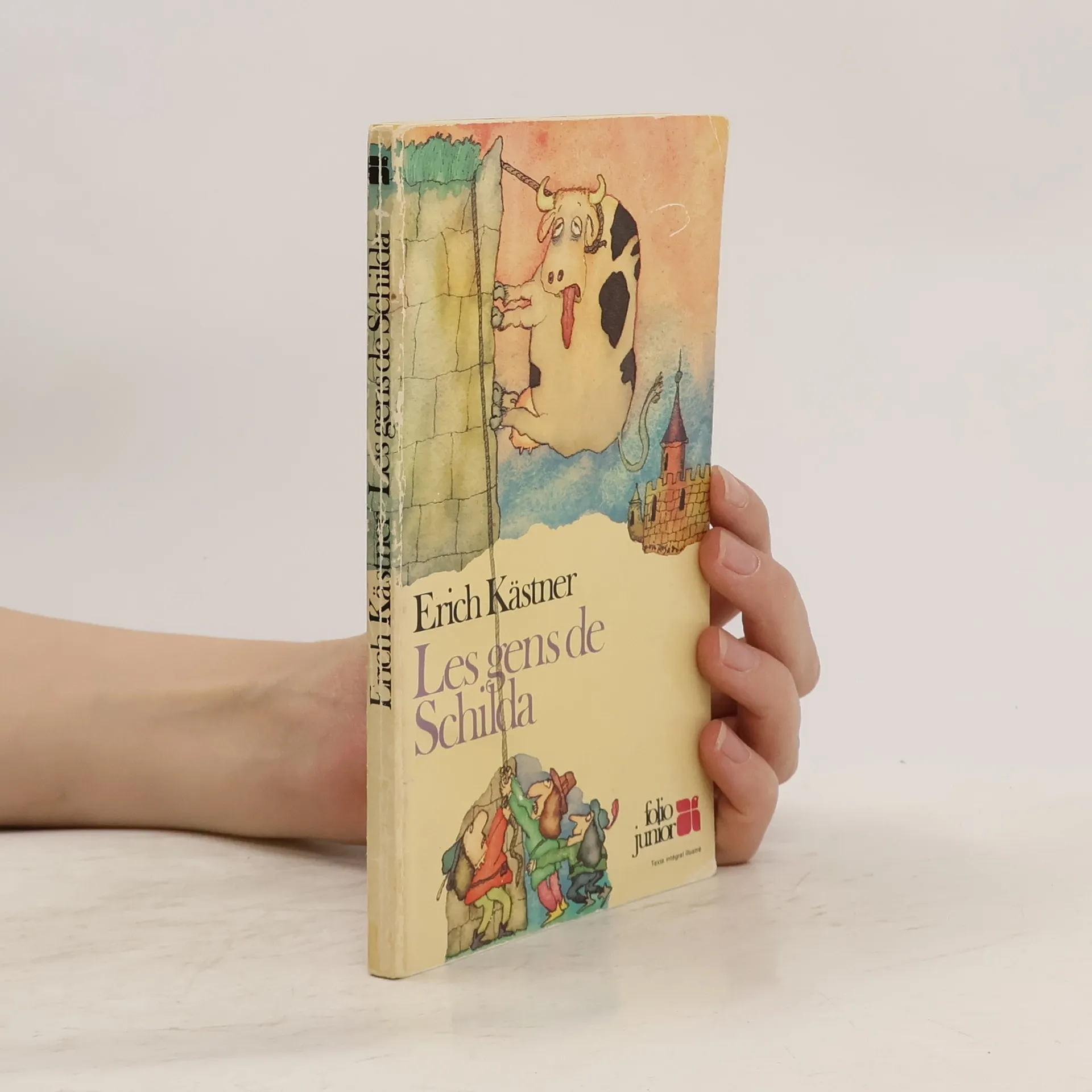
Au Moyen Age, à une époque où l'on n'avait pas encore inventé la poudre, existait en plein milieu de l'Allemagne une petit ville du nom de Schilda, dont les habitants s'appelaient par conséquent les Schildois. Les Schildois étaient bêtes. Vraiment très bêtes. Tout ce qu'ils entreprenaient, ils le faisaient de travers. Et tout ce qu'on leur disait, ils le prenaient à la lettre. Finalement, c'est le pays tout entier qui riait aux dépens des Schildois... Au fait, étaient-ils aussi bêtes qu'ils en avaient l'air ?
The flying classroom
- 155pages
- 6 heures de lecture
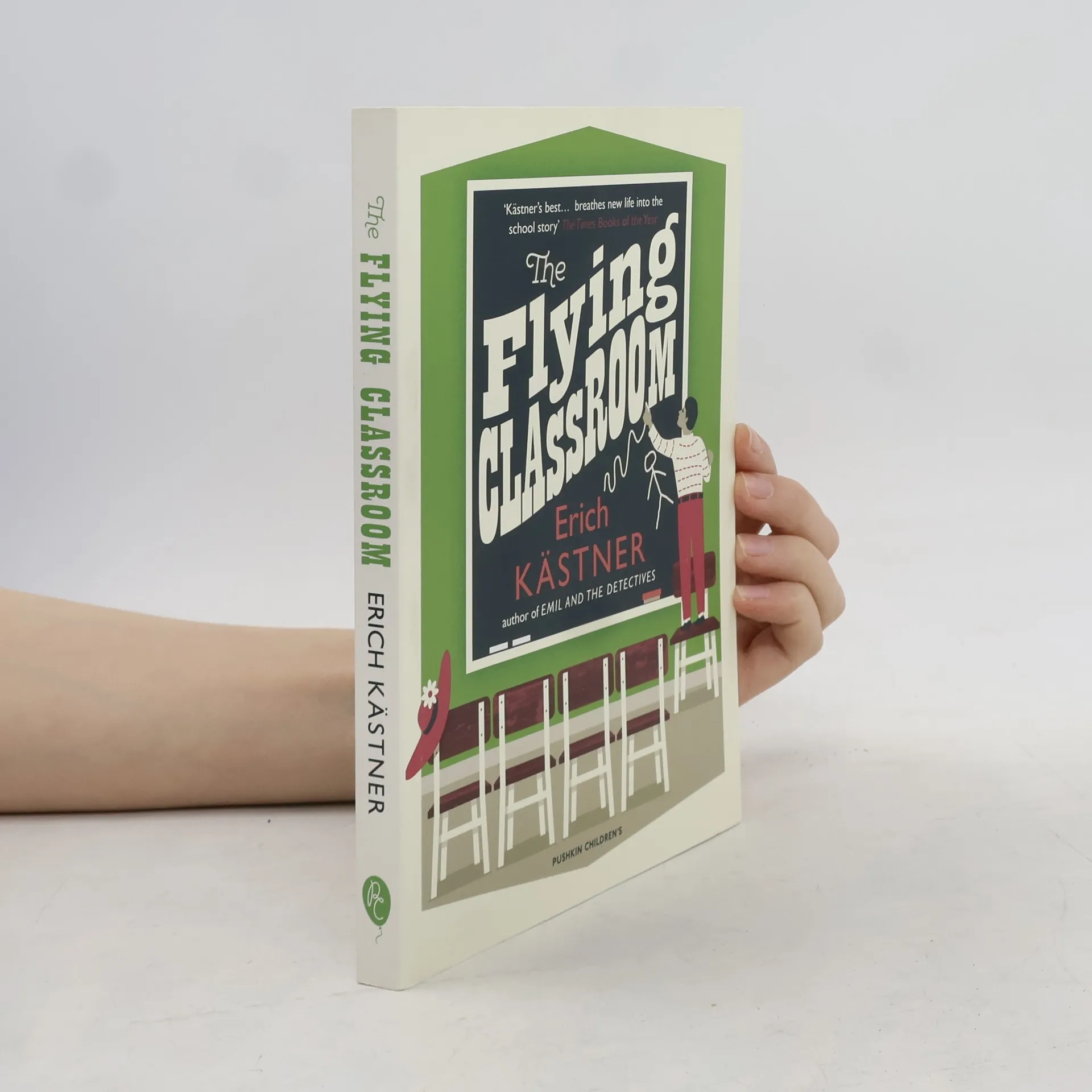
Martin's school is no ordinary school. There are snowball fights, kidnappings, cakes, a parachute jump, a mysterious man called 'No-Smoking' who lives in a railway carriage and a play about a flying classroom. As the Christmas holidays draw near, Martin and his friends - nervous Uli, cynical Sebastian, Johnny, who was rescued by a sea captain, and Matthias, who is always hungry (particularly after a meal) - are preparing for the end of term festivities. But there are surprises, sadness and trouble on the way - and a secret that changes everything. The Flying Classroom is a magical, thrilling and bittersweet story about friendship, fun and being brave when you are at your most scared. (It also features a calf called Eduard, but you will have to read it to find out why).
Aus seiner kleinen Versfabrik - From His Small Poetry Business
- 120pages
- 5 heures de lecture
Lyrik von Erich Kästner in deutsch und englisch
Classic / British EnglishEmil is travelling alone to his grandmothers house in the city. He is carrying money toher from his mother. Then a man on the train steals the money. Emil follows the thief and an exciting adventure begins, with lots of detectives, a lift boy, and a fight in a bank!
Am 10. Mai 1933 ließen die Nationalsozialisten in rund 20 deutschen Universitätsstädten die Bücher "undeutscher“ Autoren verbrennen. Besonders öffentlichkeitswirksam inszeniert wurde die Büchervernichtung unter tatkräftiger Beteiligung Studierender und in Anwesenheit von Joseph Goebbels auf dem Berliner Opernplatz.
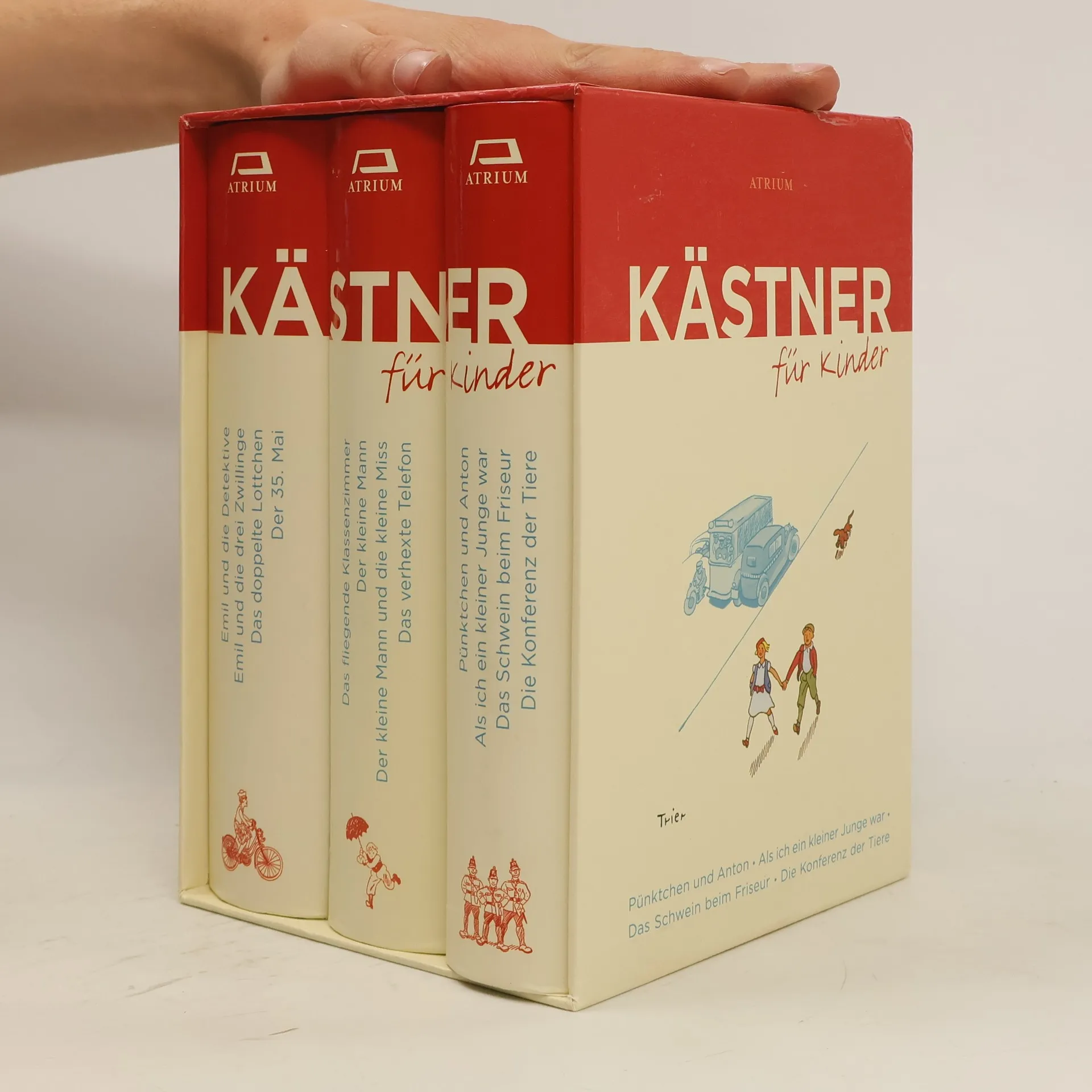
Kästner für Kinder, 3 Bde.
- 1500pages
- 53 heures de lecture
'Die meisten Menschen legen ihre Kindheit ab wie einen alten Hut. Sie vergessen sie wie eine Telefonnummer, die nicht mehr gilt. Früher waren sie Kinder, dann wurden sie Erwachsene, aber was sind sie nun? Nur wer erwachsen wird und Kind bleibt, ist ein Mensch.' Erich Kästner Wer als Kind ein Buch von Erich Kästner liest, wird diese Erfahrung auch als Erwachsener nie mehr vergessen. Denn wie kein anderer Autor hat es Kästner verstanden, Kinder so zu beschreiben, wie sie wirklich sind. Und wie keinem anderen ist es ihm gelungen, sich Kindern mit unvergesslichen Geschichten und einzigartigen Figuren verständlich zu machen. Die jetzt vorliegende, großzügig gestaltete Neuausgabe in einem hochwertigen Schuber versammelt sämtliche Kinderromane von Kästner in drei Bänden - durchgehend illustriert mit den Originalzeichnungen von Walter Trier und Horst Lemke. Ein Schatz der deutschsprachigen Kinderliteratur, der Leserinnen und Lesern jeden Alters eine Glückserfahrung erster Klasse beschert.
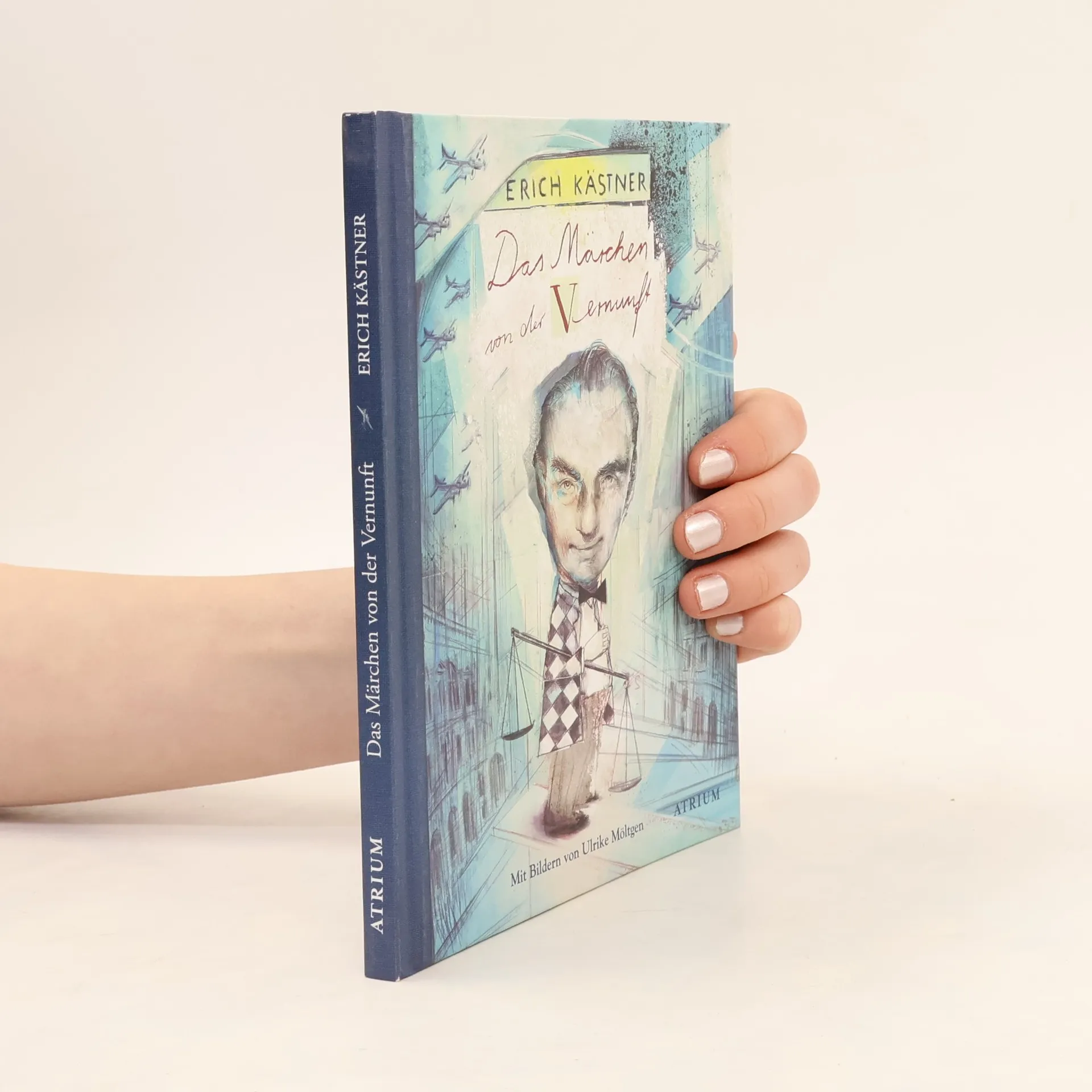
Das Märchen von der Vernunft
- 48pages
- 2 heures de lecture
Erich Kästners eindringlicher Appell für den Frieden zeigt einen alten Herrn, der den Staatsmännern einen Vorschlag zur Sicherung des Friedens macht. Seine klugen Antworten auf deren Entrüstung überraschen. Ulrike Möltgen verleiht der düsteren und humorvollen Geschichte durch ihre Illustrationen besondere Tiefe.
veršovaná předmluva uvádí tři veršované pohádky
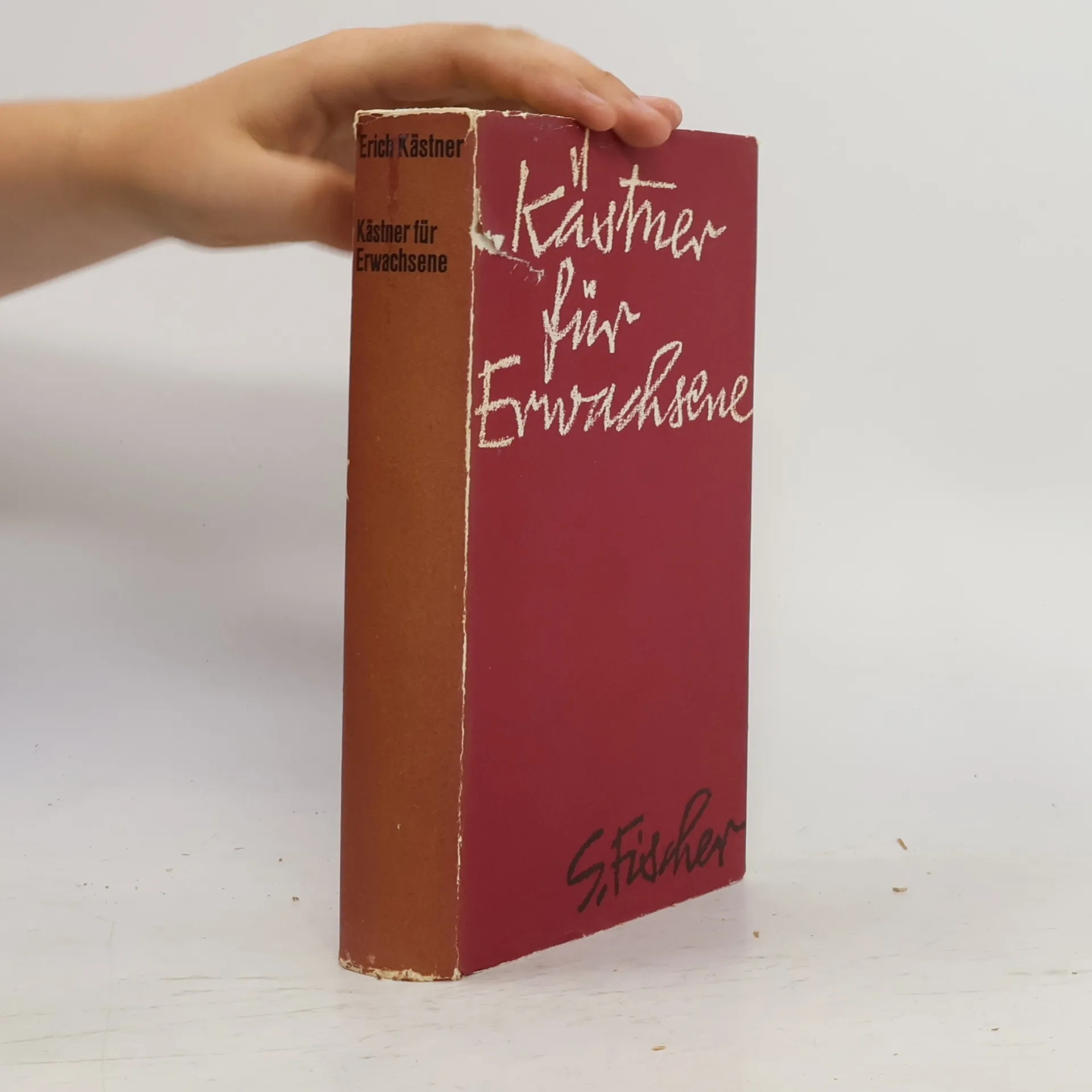
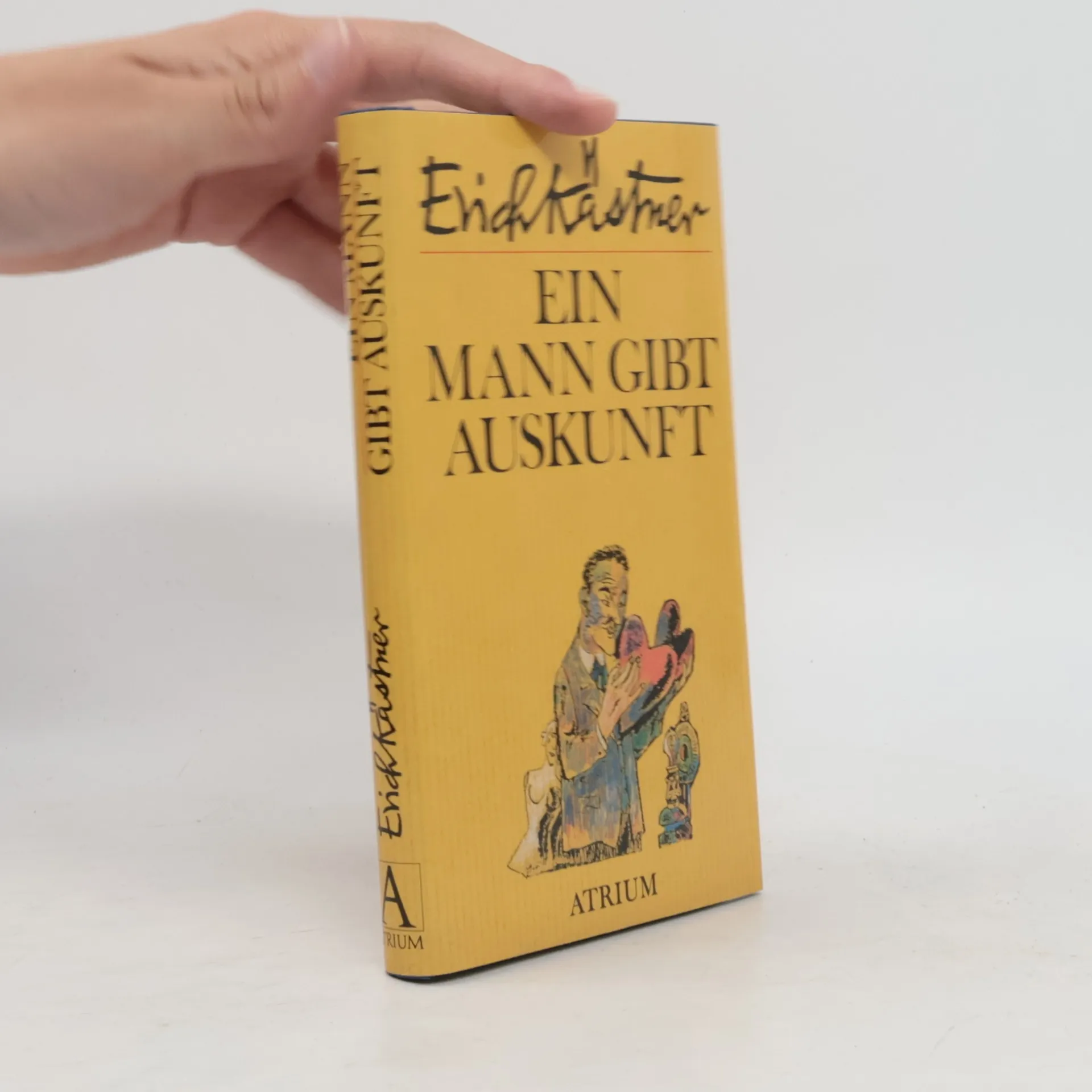
Ein Muss für jeden Bücherschrank: "Kästner für Erwachsene": Mit sämtlichen Romanen und allen großen Gedichtbänden bietet die umfangreiche Kästner-Werkausgabe eine nahezu vollständige Sammlung der Texte des Erwachsenenautors Erich Kästner. Die Auswahl - von "Fabian" bis zu "Ein Mann gibt Auskunft" - zeigt das gesamte Spektrum des Moralisten und Satirikers und lädt dazu ein, immer wieder aufs Neue zu stöbern und zu entdecken. Dazu kommen Erich Kästners Autobiographie "als ich ein kleiner Junge war", ein ausführliches Kästner-Porträt sowie eine detaillierte Zeittafel. Vier Bände im Schuber, Leineneinband. Mit Illustrationen von Erich Ohser und einem Vorwort von Hermann Kesten. "Erich Kästner ist ein Sohn des Volks mit Witz, ein Literat mit Geist, ein Volksfreund, ein Freund der Vernünftigen, ein Weltfreund, ein konsequenter deutscher Poet." (Hermann Kesten in der Einleitung zu "Kästner für Erwachsene")
Liebe, Großstadt, Politik sind die Themen der Gedichte in diesem verblüffend aktuellen Buch, das erstmals 1932 erschien und von der zeitgenössischen Kritik als bis dato bester Lyrikband Erich Kästners gefeiert 'Kästner hat scharfe Augen, man staunt, was er alles sieht, er sieht die Lüge, die Attrappe, die Kulisse, die Imitation, die die Gegenwart beherrschen. Uns lehrt er sie sehen.' Der Gegner
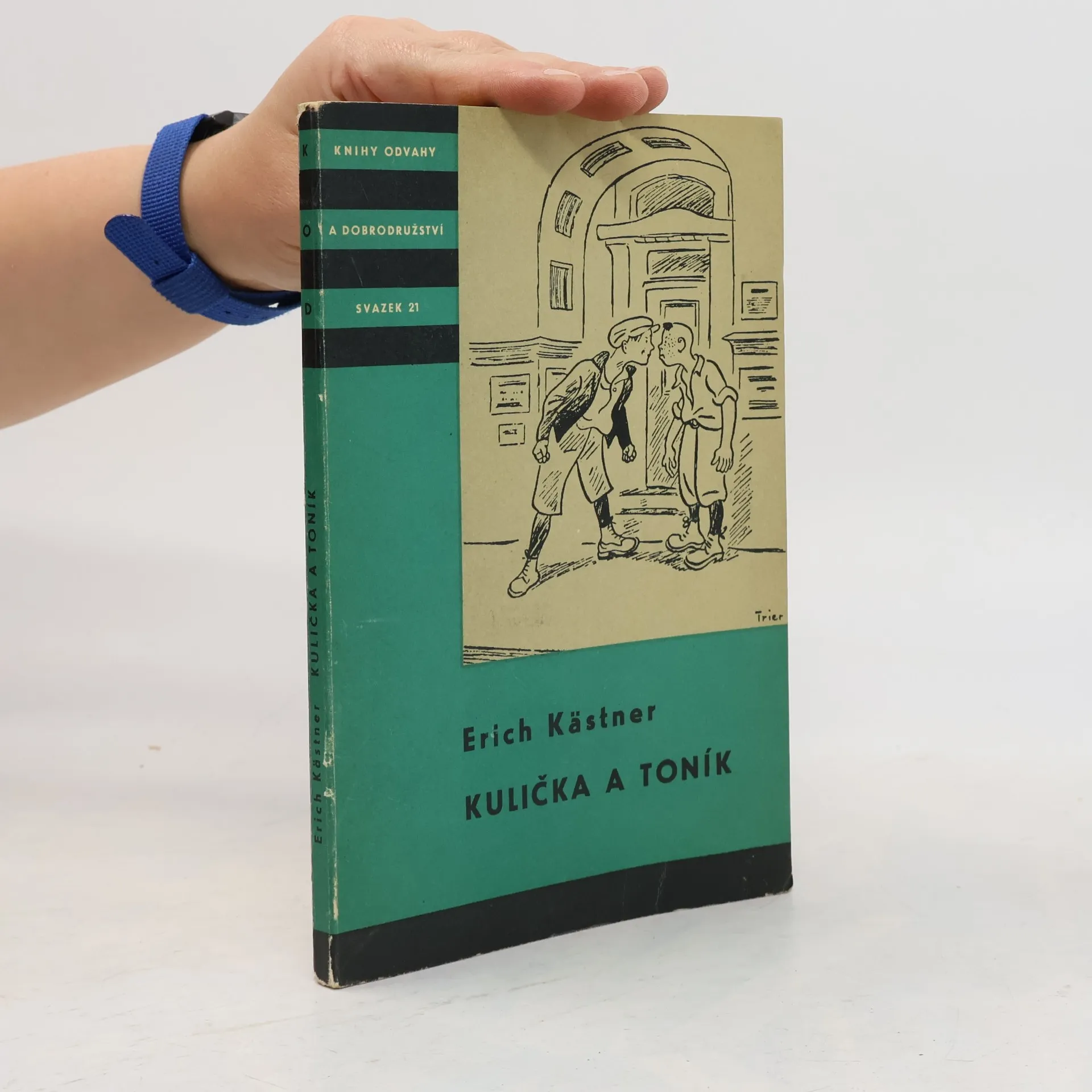
Knížka známého německého autora o dobrodružstvích děvčete Kuličky a chlapce Toníka. Přátelství těchto dětí je založeno na rozdílnosti jejich povah. Toník je přitahován Kuliččinou obrazotvorností a živostí. Kulička obdivuje Toníkovu rozvahu a praktičnost. Každou kapitolu knihy uzavírá autor srozumitelnými a vtipnými výchovnými úvahami.
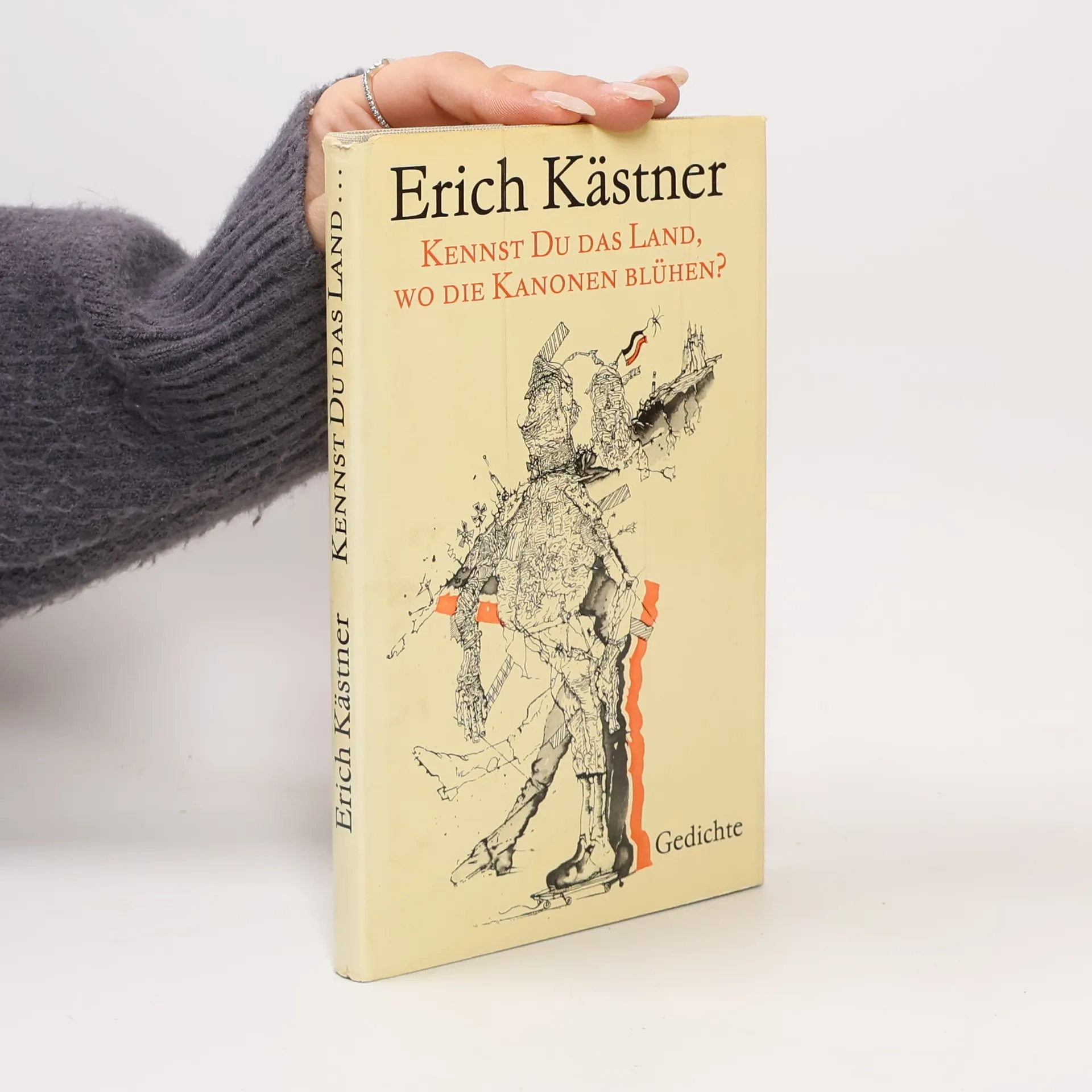
Kennst Du Das Land, wo Die Kanonen Blühen?
- 140pages
- 5 heures de lecture
Ausgew. v. Püschel, Walter. Gedichte. ( bund-bibliophil). Illustr. 140 S.
Cesta do záhuby
- 256pages
- 9 heures de lecture
Poprvé od vydání v roce 1931 se českým čtenářům dostává do rukou Kästnerovo nejzásadnější dílo v podobě, jak ho autor zamýšlel publikovat. V období vzmáhajícího se nacionálního socialismu si však původní nakladatel na Kästnerovi vynutil řadu úprav a změn, které se týkaly zejména explicitního sexuálního obsahu a politických narážek. Neprošel tehdy ani název Cesta do záhuby a… A proč tolik humbuku? Román se odehrává v kulisách Berlína, kdy na město tvrdě dopadala realita hospodářské krize. Hlavní hrdina Fabian prochází demoralizovaným městem plným putyk a bordelů, nezaměstnaných, nácků i komunistů, hochštaplerů i záletných paniček a propadá deziluzi ze ztráty zaměstnání, sebevraždy přítele a zrady milenky.
Erich Kästner auf den Punkt gebracht! Dieser Klassiker im neuen Gewand ist ein Schatz für alle, die auf der Suche nach pointierten, praktischen Lebensweisheiten sind. Er versammelt Kästners schönste und klügste Aphorismen, von denen viele längst zu geflügelten Worten geworden sind. Es ist geradezu verblüffend, wie viele bekannte Zitate sich hier auf engstem Raum tummeln - eine gute Gelegenheit, Kästner kennenzulernen oder ihn in seiner vollendeten Prägnanz wiederzuentdecken.
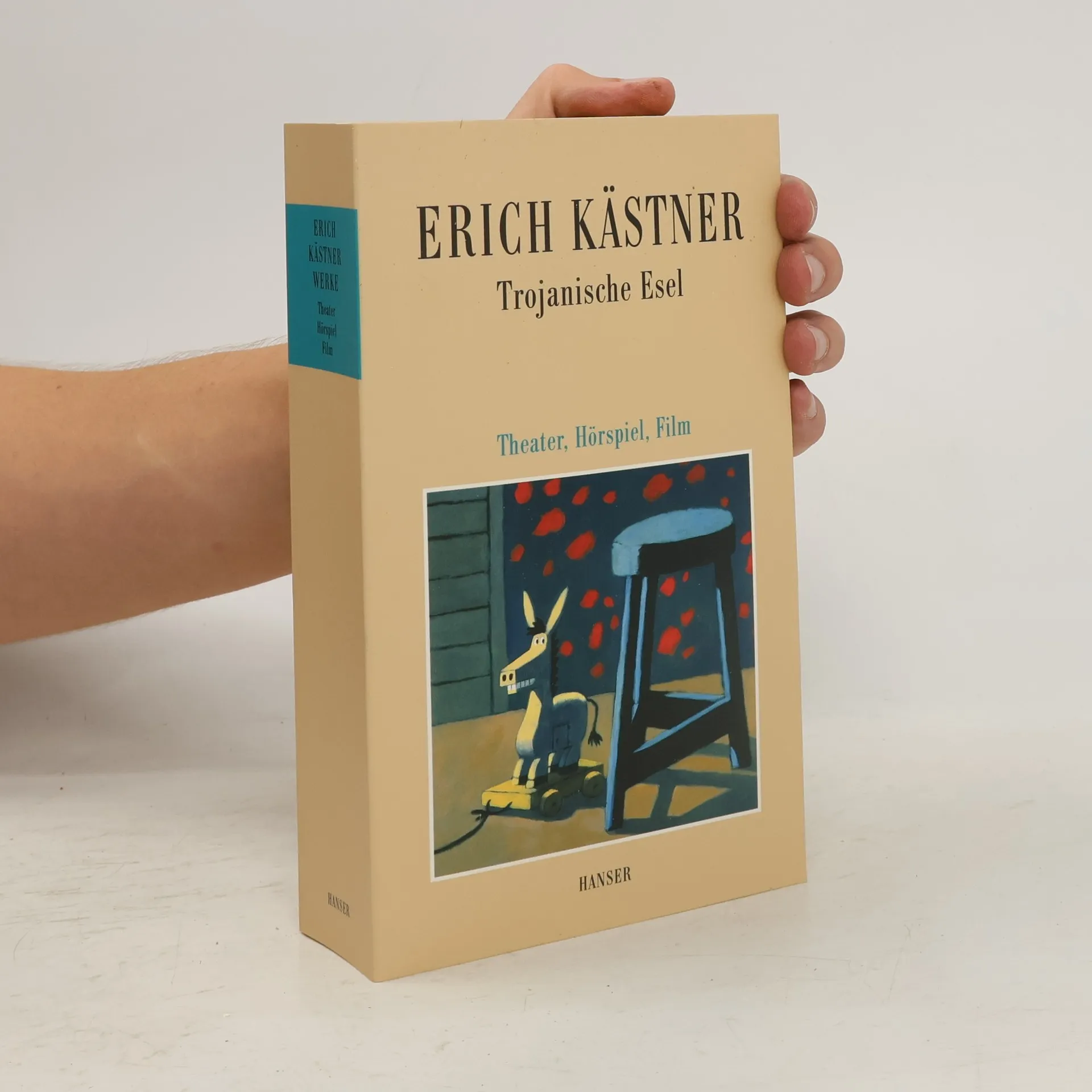
Trojanische Esel
Theater, Hörspiel, Film
Der Inhalt der Kassettenausgabe: Band 1: Gedichte Band 2: Chanson, Kabarett, Kleine Prosa Band 3: Romane I Band 4: Romane II Band 5: Theater, Hörspiel, Film Band 6: Publizistik Band 7: Romane für Kinder I Band 8: Romane für Kinder II Band 9: Nacherzählungen
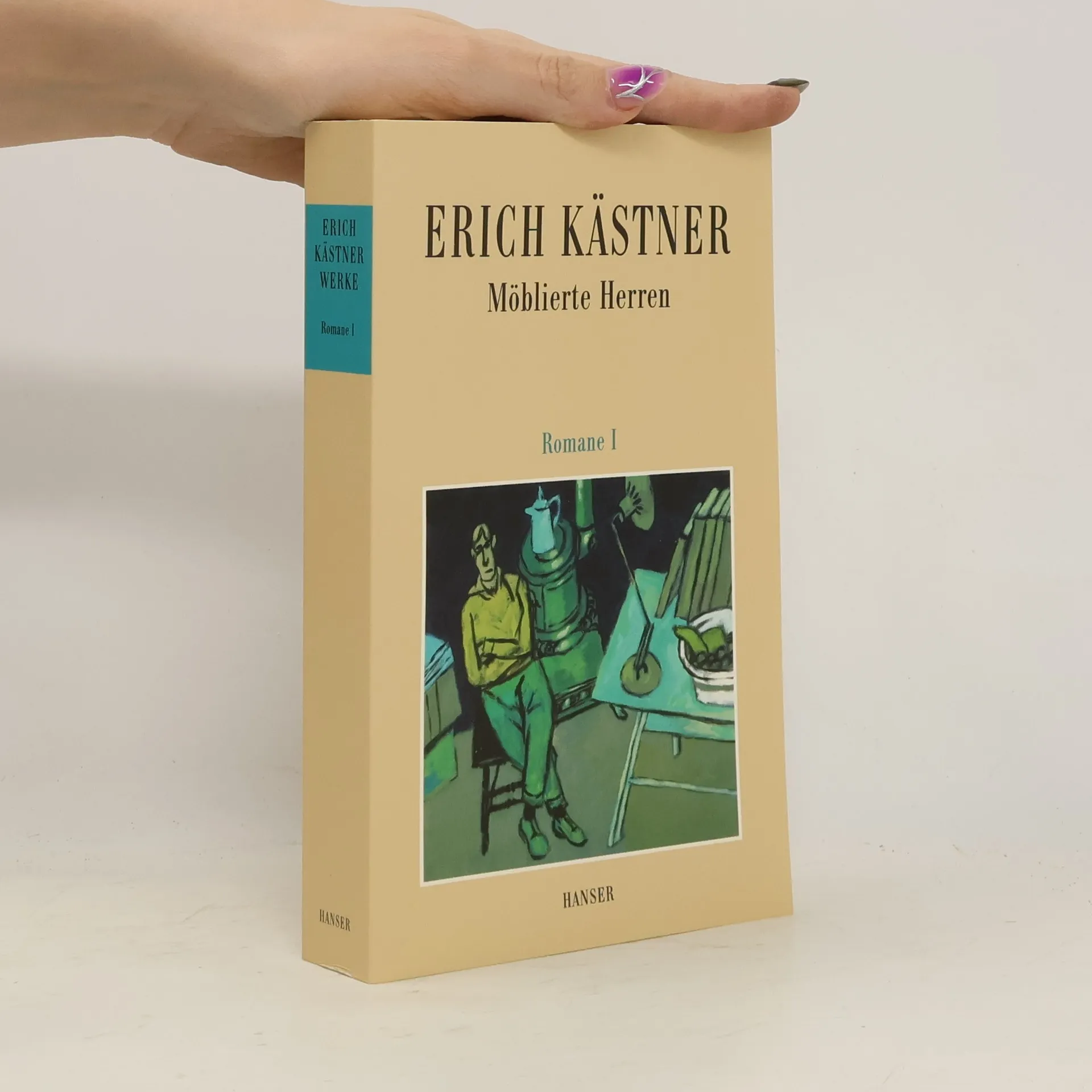
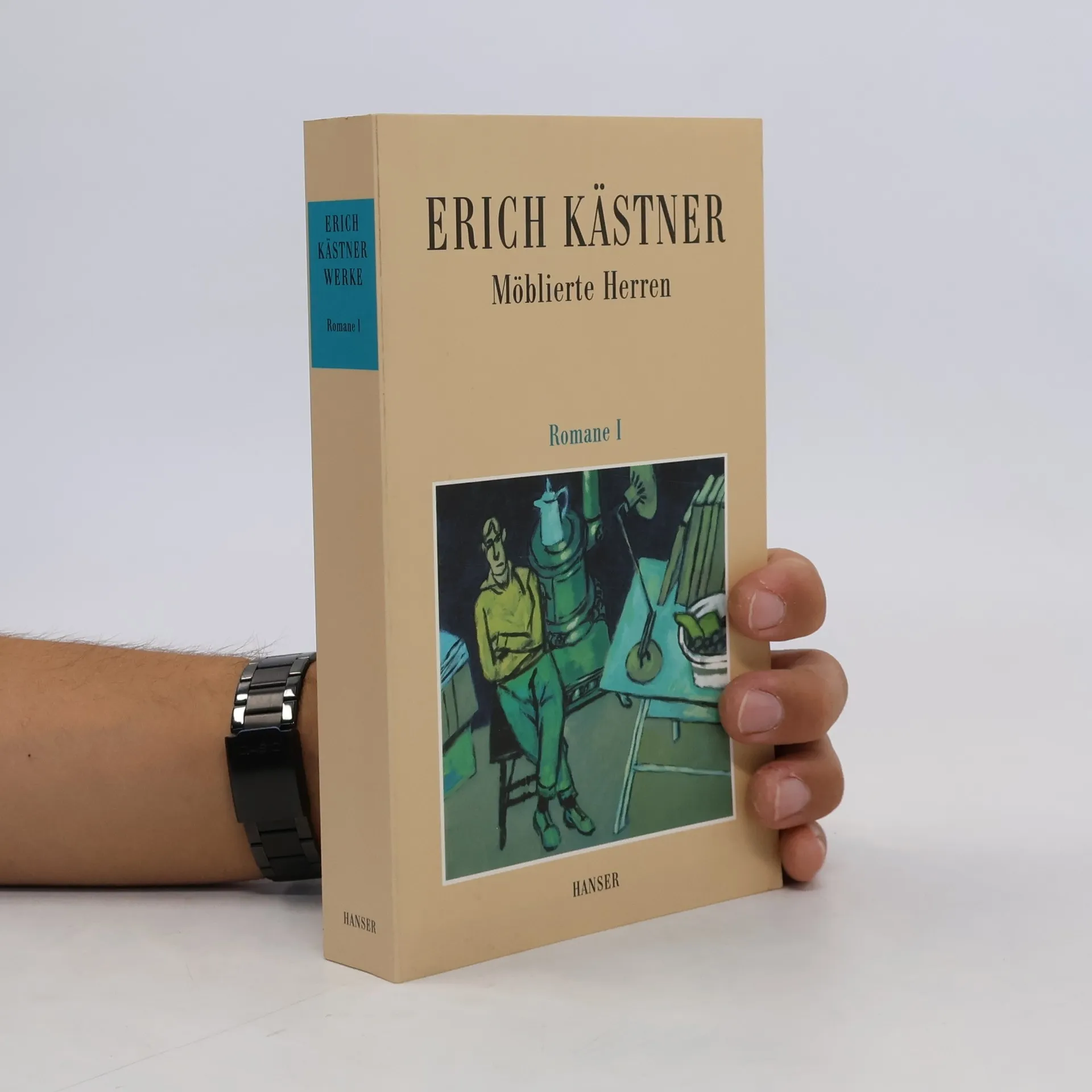
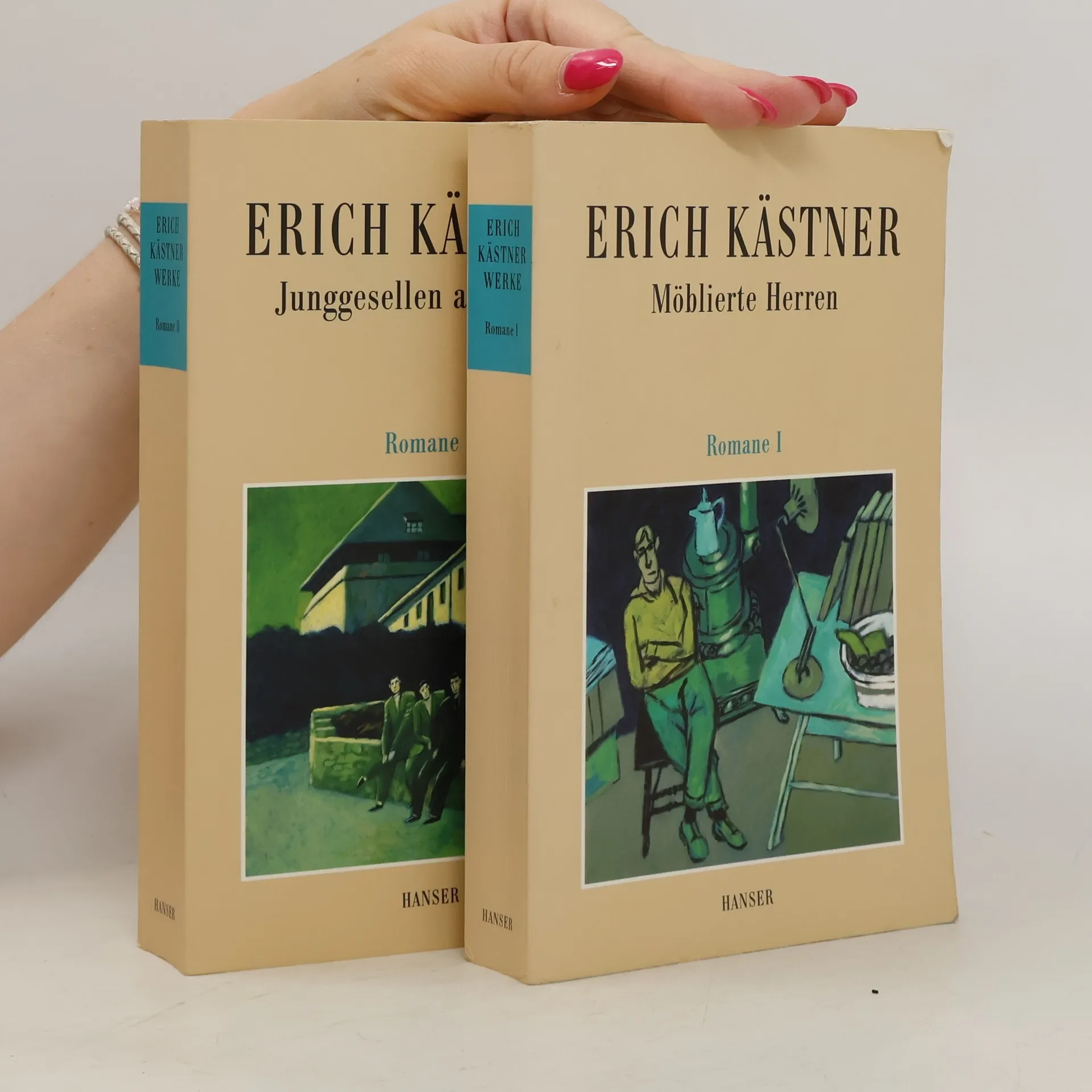
Möblierte Herren
- 445pages
- 16 heures de lecture
Der Inhalt der Kassettenausgabe: Band 1: Gedichte Band 2: Chanson, Kabarett, Kleine Prosa Band 3: Romane I Band 4: Romane II Band 5: Theater, Hörspiel, Film Band 6: Publizistik Band 7: Romane für Kinder I Band 8: Romane für Kinder II Band 9: Nacherzählungen
Der 100. Geburtstag Erich Kästners im Jahre 1999 war der Anlass, eine kommentierte Ausgabe seiner Werke in neun Bänden herauszugeben. Unter dem Gesamtherausgeber Franz Josef Görtz und zahlreichen Einzelbandherausgebern entstand eine beeindruckende Edition, die wertvolle Informationen zur Entstehungs- und Rezeptionsgeschichte bereithält. Nicht in Taschenbuch-Einzelausgaben erhältlich sind vor allem Kästners Nacherzählungen, seine Publizistik sowie die Texte zu Theater, Hörspiel und Film. Der Inhalt der Kassettenausgabe: Band 1: Gedichte, Band 2: Chanson, Kabarett, Kleine Prosa, Band 3: Romane I, Band 4: Romane II, Band 5: Theater, Hörspiel, Film, Band 6: Publizistik, Band 7: Romane für Kinder I, Band 8: Romane für Kinder II, Band 9: Nacherzählungen.
Viele Menschen werfen ihre Kindheit wie einen alten Hut weg. Sie vergessen sie wie eine Telefonnummer, die nicht mehr gültig ist. Zuerst waren solche Menschen Kinder, dann wurden sie Erwachsene, aber was sind sie eigentlich? Nur wer erwachsen wird und ein Mensch bleibt!
Die Zunge der Kultur reicht weit
- 207pages
- 8 heures de lecture
Emil und die Detektive
Sonderausgabe zum 95. Jubiläum von Emil und die Detektive.
- 176pages
- 7 heures de lecture
Emil und die Detektive schreibt eine beispiellose Erfolgsgeschichte: Seit 95 Jahren lieferbar und inzwischen in der 190. Auflage, ist der erste deutschsprachige Kriminalroman für Kinder seit seinem Erscheinen bis heute ein Bestseller.
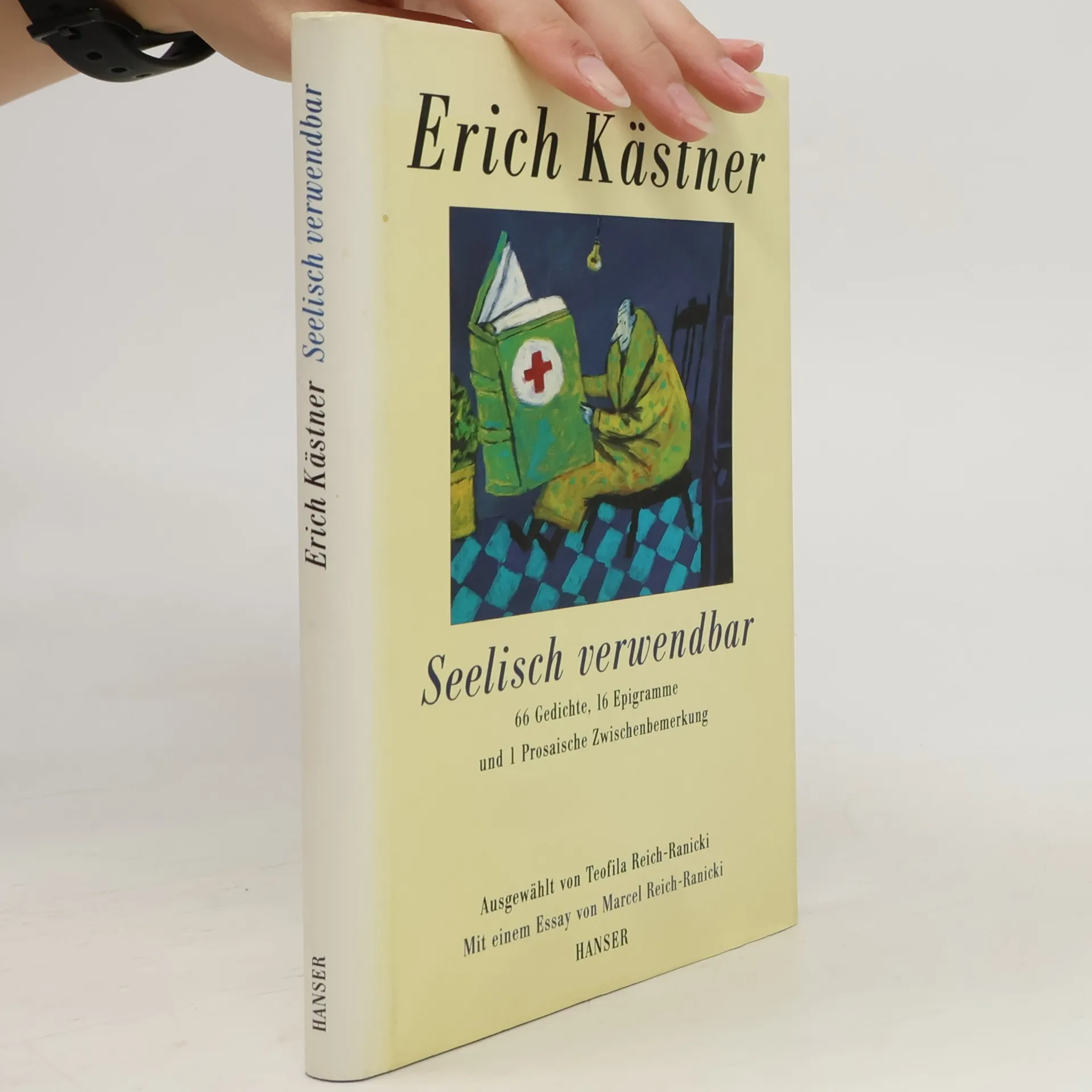
Seelisch verwendbar
- 142pages
- 5 heures de lecture
Mit verhaltenem Grimm und schnodderig-lakonischen Tonfall äussert sich Kästner über die Befindlichkeit seines Jahrgangs 1899 Ende der 20er Jahre, über die Naturvergessenheit des Grossstädters, über das Los von Sekretärinnen und Animierdamen u.a.m.
Der Inhalt der Kassettenausgabe: Band 1: Gedichte Band 2: Chanson, Kabarett, Kleine Prosa Band 3: Romane I Band 4: Romane II Band 5: Theater, Hörspiel, Film Band 6: Publizistik Band 7: Romane für Kinder I Band 8: Romane für Kinder II Band 9: Nacherzählungen
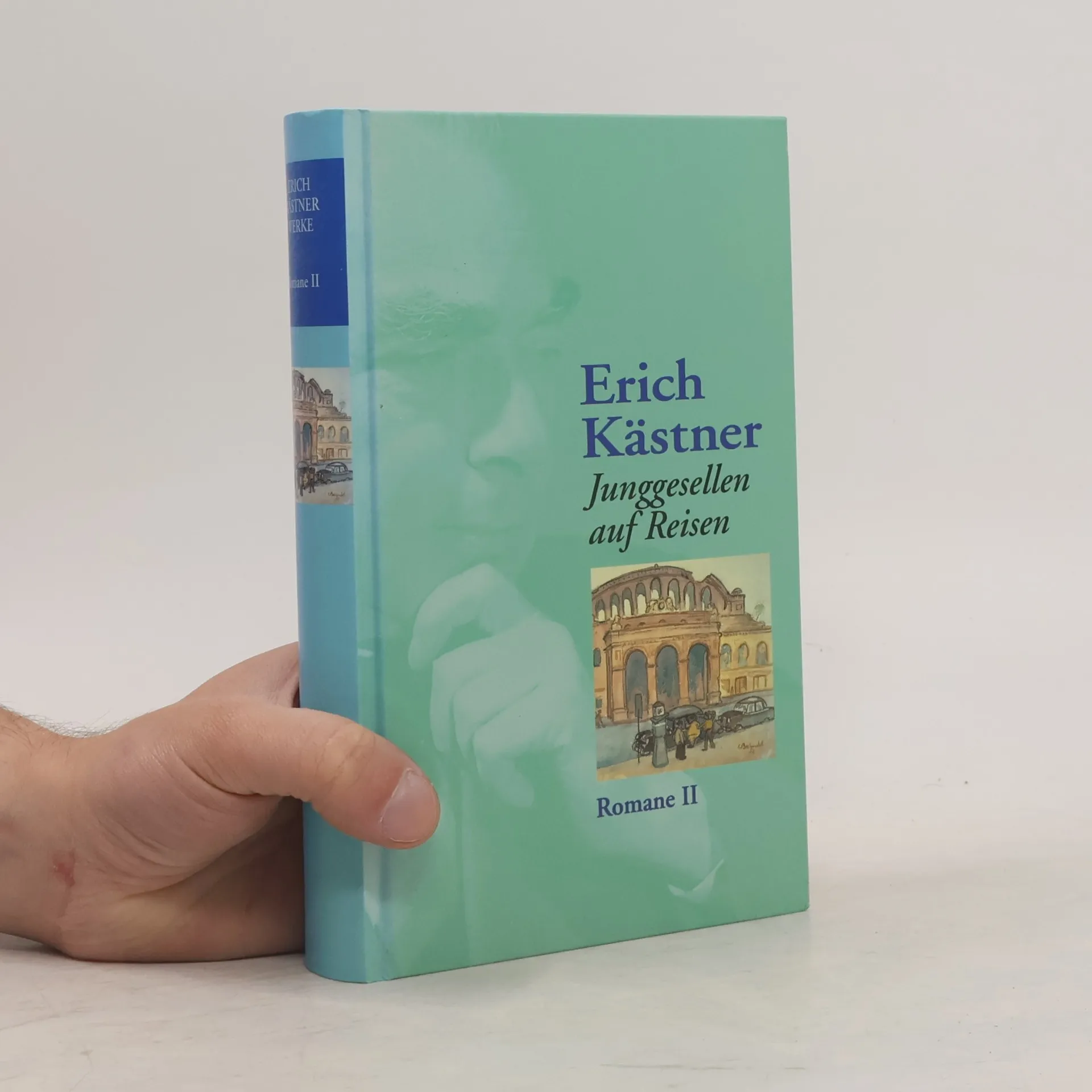
Romane I & II (Möblierte Herren, Junggesellen auf Reisen)
- 475pages
- 17 heures de lecture
Der Inhalt der Kassettenausgabe: Band 1: Gedichte Band 2: Chanson, Kabarett, Kleine Prosa Band 3: Romane I Band 4: Romane II Band 5: Theater, Hörspiel, Film Band 6: Publizistik Band 7: Romane für Kinder I Band 8: Romane für Kinder II Band 9: Nacherzählungen
Der 100. Geburtstag Erich Kästners im Jahre 1999 war der Anlass, eine kommentierte Ausgabe seiner Werke in neun Bänden herauszugeben. Unter dem Gesamtherausgeber Franz Josef Görtz und zahlreichen Einzelbandherausgebern entstand eine beeindruckende Edition, die für Kästner-Freunde wie Kästner-Forscher wertvolle Informationen zur Entstehungs- und Rezeptionsgeschichte bereithält. Nicht in Einzelausgaben erhältlich sind vor allem Kästners Nacherzählungen, seine Publizistik sowie die Texte zu Theater, Hörspiel und Film. Der Inhalt der Ausgabe: Band 1: Gedichte, Band 2: Chanson, Kabarett, Kleine Prosa, Band 3: Romane I, Band 4: Romane II, Band 5: Theater, Hörspiel, Film, Band 6: Publizistik, Band 7: Romane für Kinder I, Band 8: Romane für Kinder II, Band 9: Nacherzählungen.
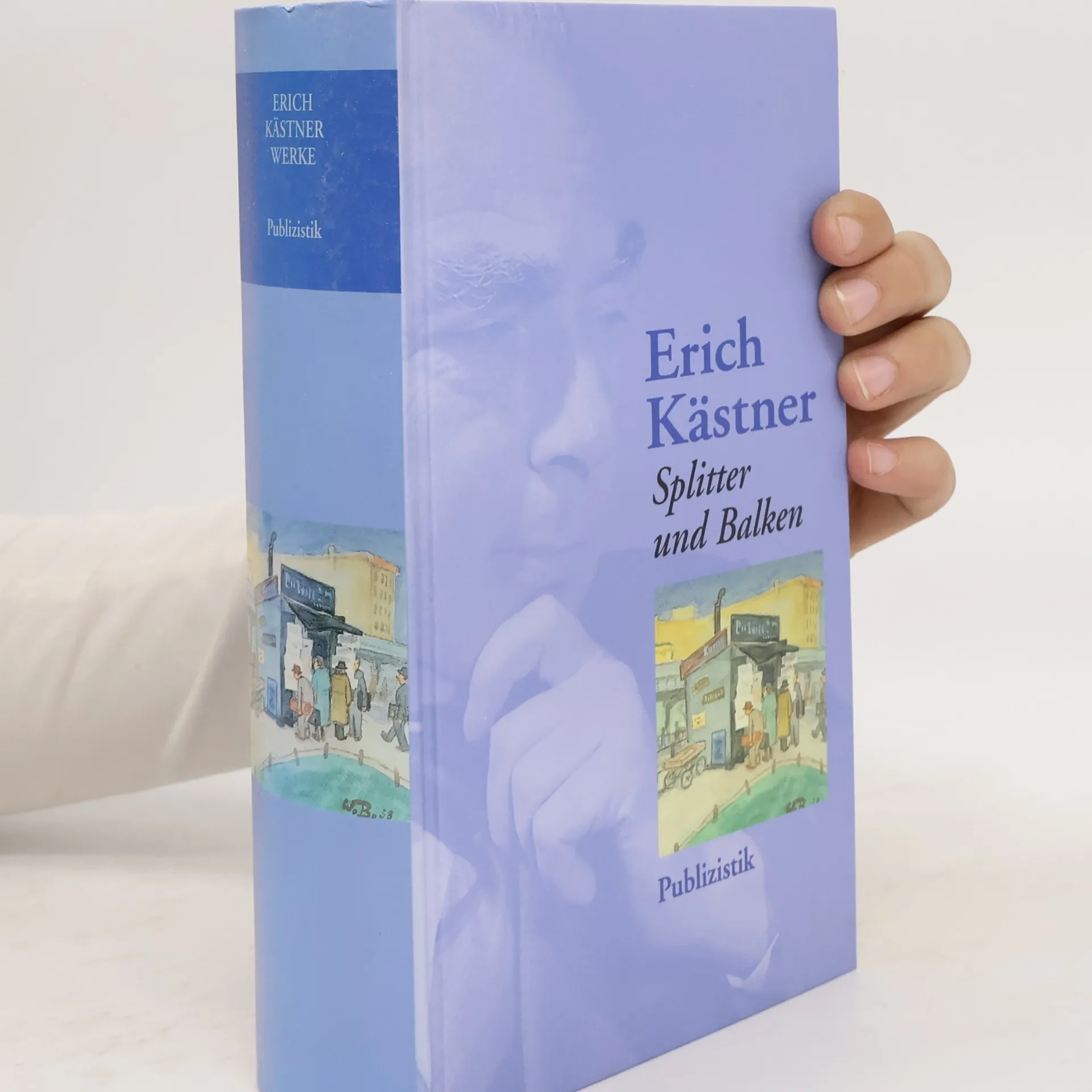
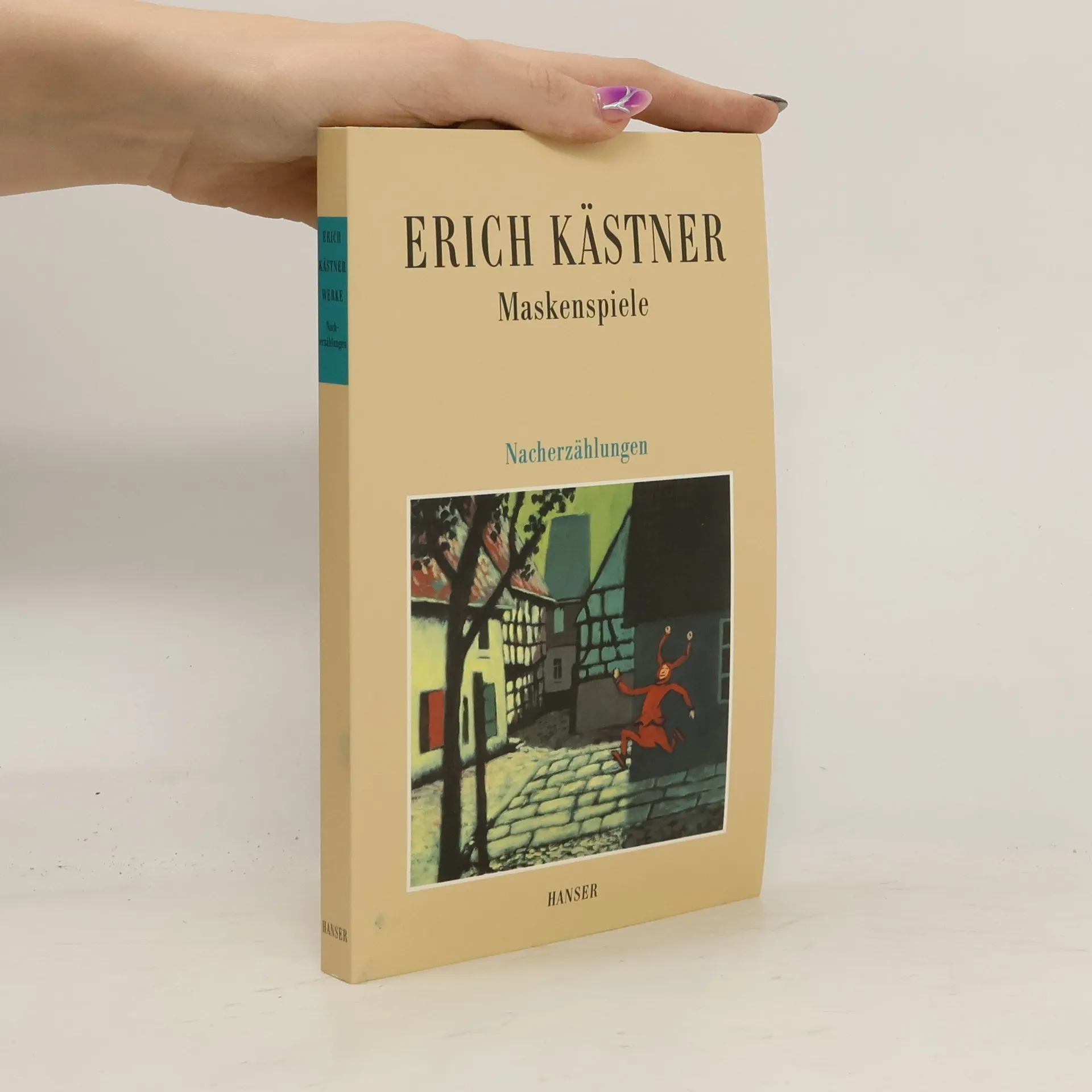
Der Inhalt umfasst Kästners Nacherzählungen, seine Publizistik sowie die Texte zu Theater, Hörspiel und Film.
Maskenpiele
- 197pages
- 7 heures de lecture
Der Inhalt der Kassettenausgabe: Band 1: Gedichte Band 2: Chanson, Kabarett, Kleine Prosa Band 3: Romane I Band 4: Romane II Band 5: Theater, Hörspiel, Film Band 6: Publizistik Band 7: Romane für Kinder I Band 8: Romane für Kinder II Band 9: Nacherzählungen
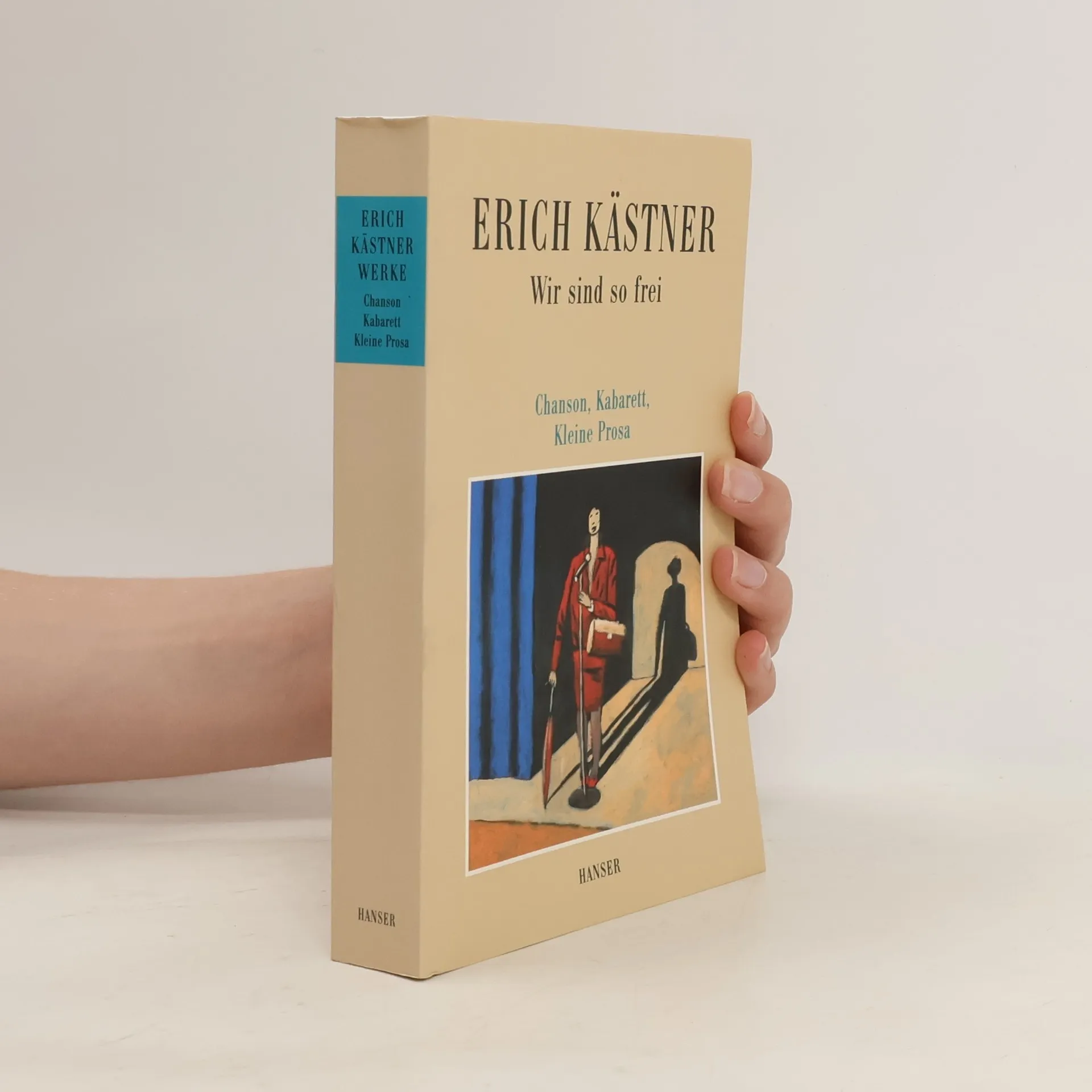
Wir sind so frei
- 477pages
- 17 heures de lecture
Der 100. Geburtstag Erich Kästners im Jahre 1999 war der Anlass, eine kommentierte Ausgabe seiner Werke in neun Bänden herauszugeben. Unter dem Gesamtherausgeber Franz Josef Görtz und zahlreichen Einzelbandherausgebern entstand eine beeindruckende Edition, die für Kästner-Freunde wie Kästner-Forscher wertvolle Informationen zur Entstehungs- und Rezeptionsgeschichte bereithält. Nicht in Taschenbuch-Einzelausgaben erhältlich sind vor allem Kästners Nacherzählungen, seine Publizistik sowie die Texte zu Theater, Hörspiel und Film. Der Inhalt der Kassettenausgabe: Band 1: Gedichte, Band 2: Chanson, Kabarett, Kleine Prosa, Band 3: Romane I, Band 4: Romane II, Band 5: Theater, Hörspiel, Film, Band 6: Publizistik, Band 7: Romane für Kinder I, Band 8: Romane für Kinder II, Band 9: Nacherzählungen.
Der 100. Geburtstag Erich Kästners im Jahre 1999 war der Anlass, eine kommentierte Ausgabe seiner Werke in neun Bänden herauszugeben. Unter dem Gesamtherausgeber Franz Josef Görtz und zahlreichen Einzelbandherausgebern entstand eine beeindruckende Edition, die für Kästner-Freunde wie Kästner-Forscher wertvolle Informationen zur Entstehungs- und Rezeptionsgeschichte bereithält. Nicht in Taschenbuch-Einzelausgaben erhältlich sind vor allem Kästners Nacherzählungen, seine Publizistik sowie die Texte zu Theater, Hörspiel und Film. Der Inhalt der Kassettenausgabe: Band 1: Gedichte, Band 2: Chanson, Kabarett, Kleine Prosa, Band 3: Romane I, Band 4: Romane II, Band 5: Theater, Hörspiel, Film, Band 6: Publizistik, Band 7: Romane für Kinder I, Band 8: Romane für Kinder II, Band 9: Nacherzählungen.
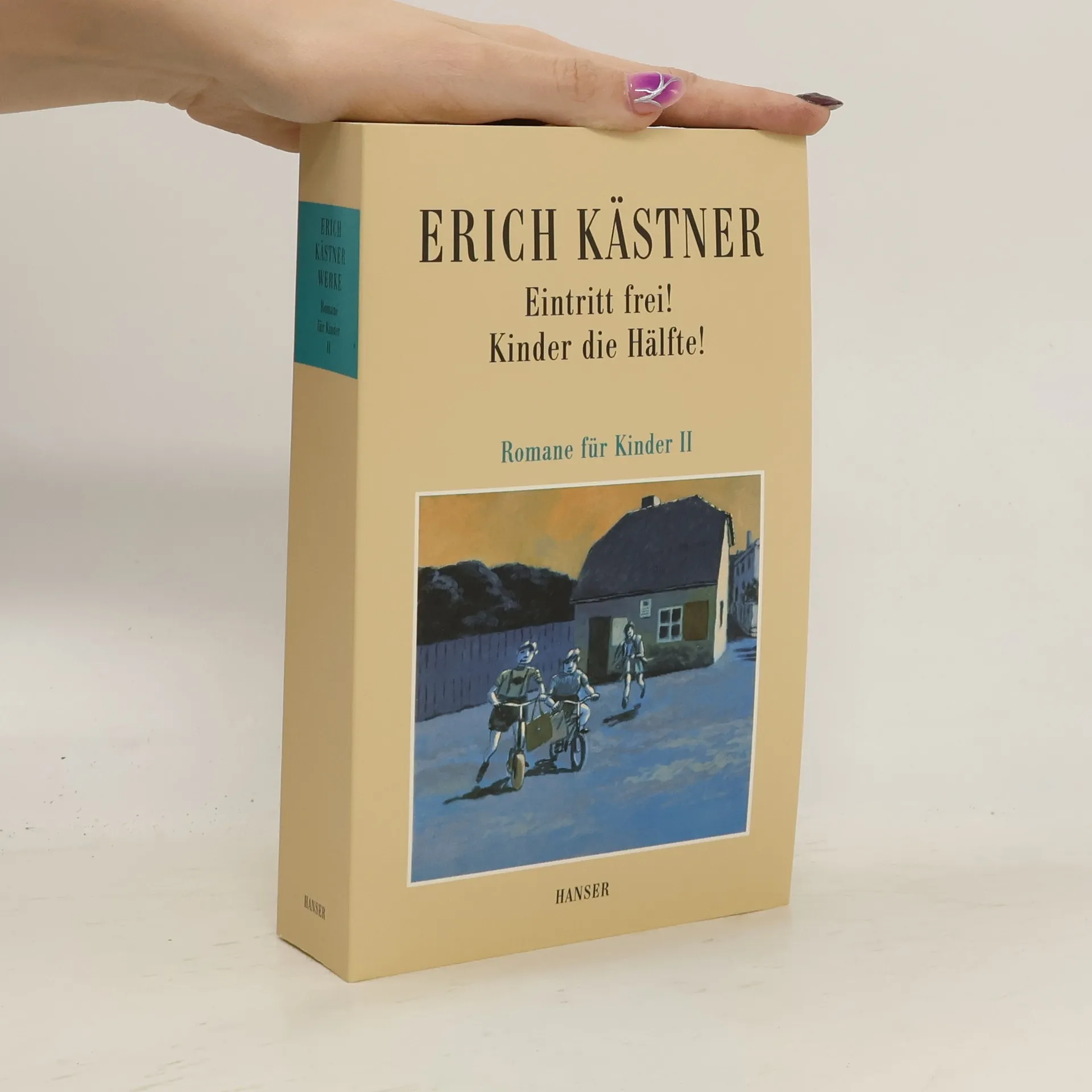
Eintritt frei! Kinder die Hälfte!
- 687pages
- 25 heures de lecture
Der Inhalt der Kassettenausgabe: Band 1: Gedichte Band 2: Chanson, Kabarett, Kleine Prosa Band 3: Romane I Band 4: Romane II Band 5: Theater, Hörspiel, Film Band 6: Publizistik Band 7: Romane für Kinder I Band 8: Romane für Kinder II Band 9: Nacherzählungen
Der Inhalt der Kassettenausgabe: Band 1: Gedichte Band 2: Chanson, Kabarett, Kleine Prosa Band 3: Romane I Band 4: Romane II Band 5: Theater, Hörspiel, Film Band 6: Publizistik Band 7: Romane für Kinder I Band 8: Romane für Kinder II Band 9: Nacherzählungen
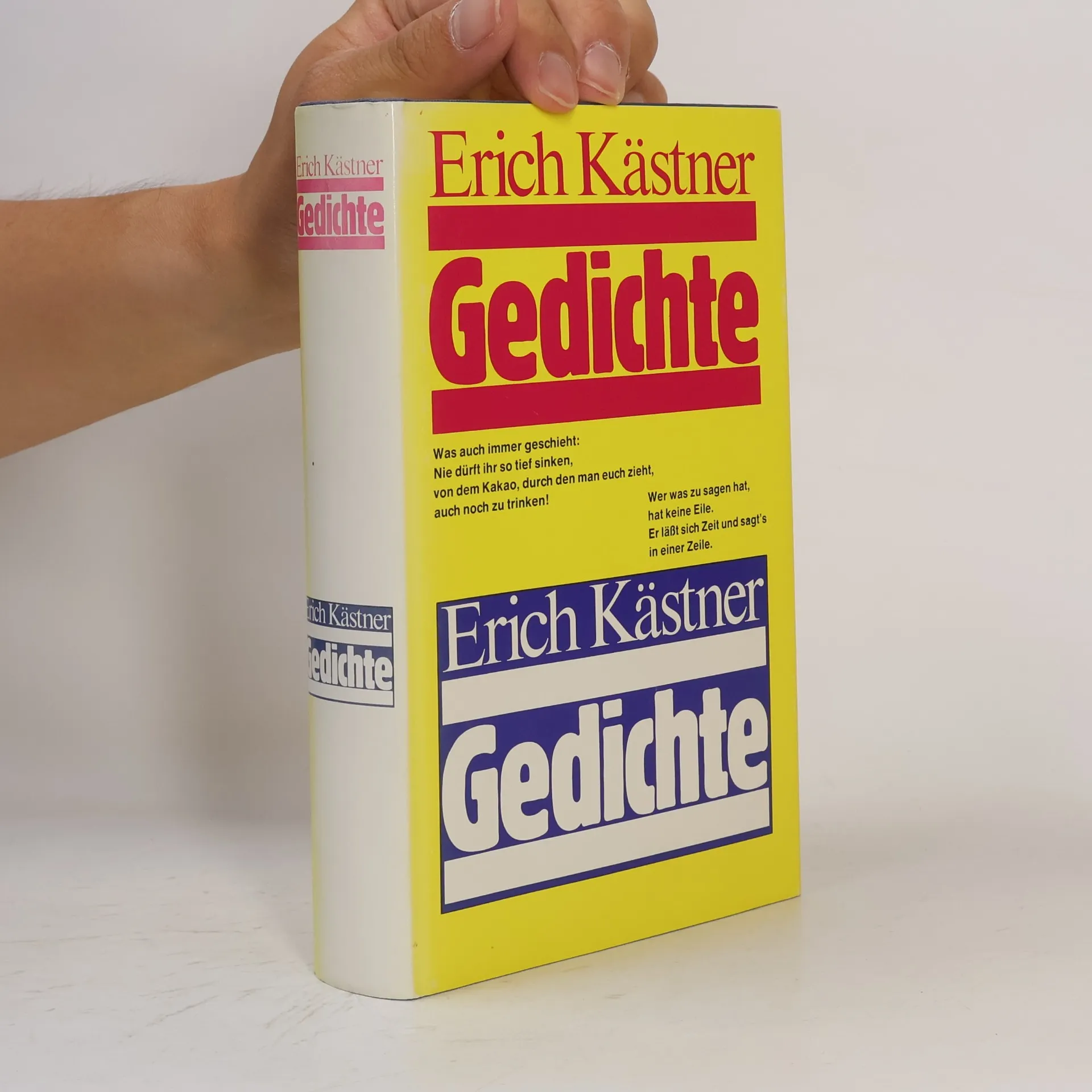
Gedichte
- 531pages
- 19 heures de lecture
Die hier versammelte Auswahl von über 100 Gedichten präsentiert Erich Kästner (1899-1974) als witzig-bissigen und melancholischen Lyriker, der mit scharfem Blick und spitzer Feder Menschlich-Allzumenschliches und politisch Bedenkliches porträtiert: >>Und immer wieder schickt ihr mir Briefe,/in denen ihr, dick unterstrichen, schreibt:/>Herr Kästner, wo bleibt der Positive?
Dieses Buch aus dem Jahr 1930 versammelt lyrische Geniestreiche von bestürzender Aktualität. Erich Kästner lotet darin nicht nur gesellschaftliche und politische Untiefen aus, sondern bringt auch den Wahnwitz zu Papier, der immer dann aufblitzt, wenn Menschen sich begegnen - ob auf dem Gehweg, in der Straßenbahn oder im Bett. »Sind sie nicht pfui teuflisch anzuschauen? Plötzlich färben sich die ›Klassefrauen‹, wenn es Mode ist, die Nägel rot! Wenn es Mode wird, sie abzukauen oder mit dem Hammer blauzuhauen, tun sie's auch. Und freuen sich halbtot.« (Aus: Sogenannte Klassefrauen)
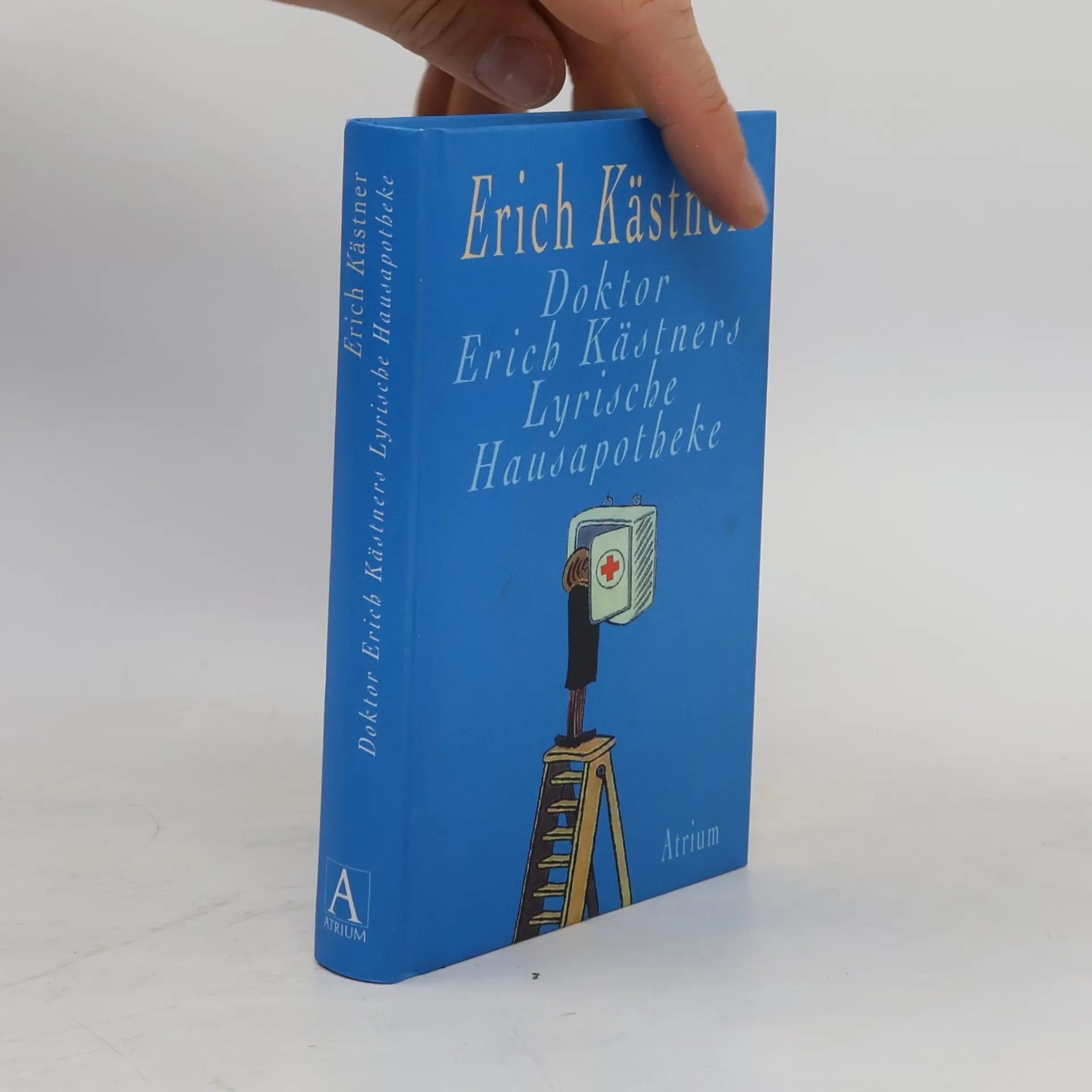
Doktor Erich Kästners Lyrische Hausapotheke
- 216pages
- 8 heures de lecture
Gedichte für den Hausbedarf der Leser, nebst einem Vorwort und einer nutzbringenden Gebrauchsanweisung samt Register
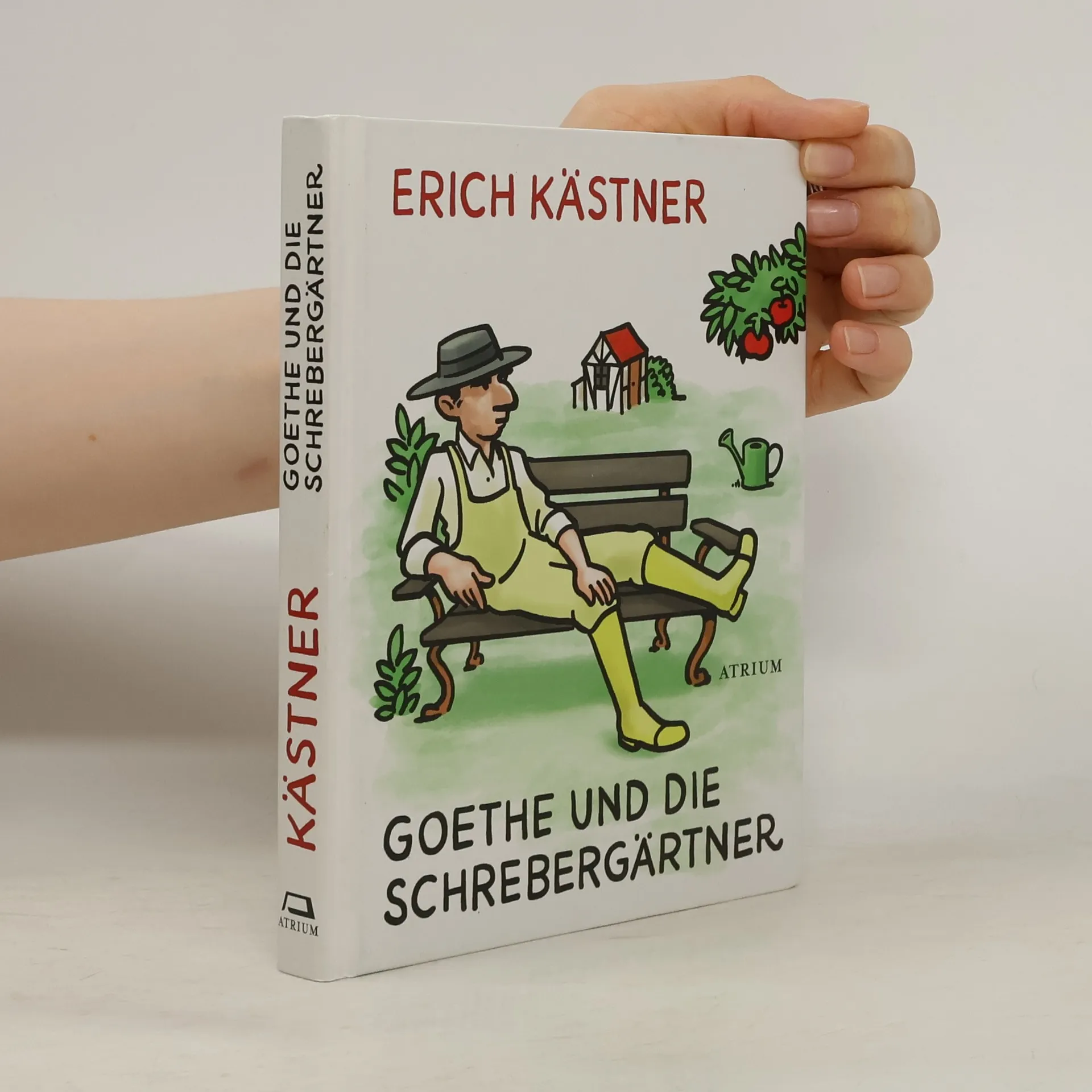
Goethe und die Schrebergärtner
Geschichten und Gedichte aus der deutschen Heimat
- 176pages
- 7 heures de lecture
'Ich möchte einen Schrebergarten haben, mit einer Laube und nicht allzu klein. Es ist so schön, Radieschen auszugraben … Behüt dich Gott, es hat nicht sollen sein!' Erich Kästner, Hymnus an die Zeit Warum es nützlich sein kann, weder Telefon noch Fahrrad zu besitzen, was es mit dem sächsischen Stammescharakter auf sich hat und was Schrebergärtner mit Goethe verbindet: Sylvia List hat in diesem beglückenden Band Erich Kästners schönste Geschichten und Gedichte aus der Provinz Deutschland versammelt. Bei der Schilderung von allerlei Kuriositäten, Schildbürgerstreichen, Turbulenzen und anderen atmosphärischen Störungen kommt nicht nur der heiter-melancholische Idylliker Kästner zu Wort, sondern auch der ironische Skeptiker, der engagierte Gesellschaftskritiker wie der Satiriker, der scharfe Beobachter und der augenzwinkernde Zuschauer, Augenzeuge seiner Zeit in seiner deutschen Heimat. 'Also das, denkt man, ist die Natur? Man beschließt, in Anbetracht des Schönen, mit der Welt sich endlich zu versöhnen. Und ist froh, dass man ins Grüne fuhr.' Erich Kästner, Misanthropologie Zum E-Book
Marbacher Magazin
- 397pages
- 14 heures de lecture
Lebensbeschreibung von Luiselotte Enderle, betitelt 'Vier Stationen', mit einer Einleitung von Hermann Kesten und Illustrationen von E. O. Plauen. Das Werk umfasst 4 Bände, die in Kassette gebunden sind.
Band 1: Gedichte. Band 2: Romane I. Band 3: Romane II. Band 4: Romane III. Band 5: Theater. Band 6: Vermischte Beiträge I. Band 7: Vermischte Beiträge II. Band 8: Vermischte Beiträge III. Complete work of 20th century German author, poet, screenwriter and satirist.
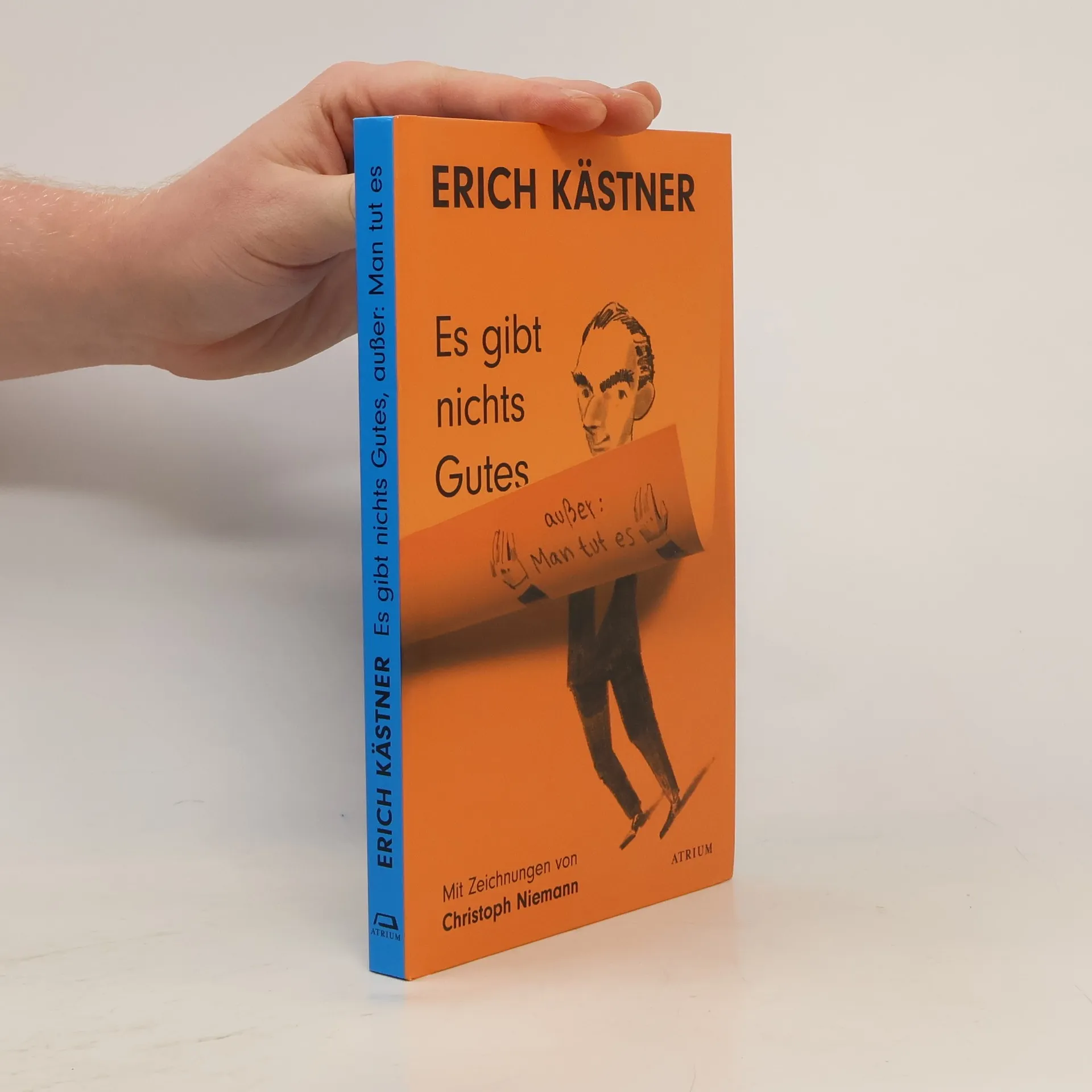
Ein einzigartiges Buch zum Staunen, Schwelgen und Schmunzeln. Wer einen großen Autor kennen lernen will, kann ihn hier in Reinform entdecken. Mehr noch: Wer auf der Suche nach pointierter, praktischer Lebenshilfe ist, für den ist dieses Buch ein Schatz, denn es versammelt Kästners schönste und klügste Lebens- weisheiten, von denen viele längst zu geflügelten Worten geworden sind. Durchgehend illustriert von keinem Geringeren als Christoph Niemann.
12 príbehov šibala Tilla Eulenspiegla. Till žil v stredoveku, chodil z mesta do mesta, vyskúšal všeliaké povolania a vodil ľudí za nos.
Wer Kind bleibt, ist ein Mensch
- 192pages
- 7 heures de lecture
'Die meisten Menschen legen ihre Kindheit ab wie einen alten Hut. Früher waren sie Kinder, dann wurden sie Erwachsene, aber was sind sie nun? Nur wer erwachsen wird und Kind bleibt, ist ein Mensch!' Erich Kästner Niemand hat mit einer solch zeitlosen Gültigkeit für und über Kinder geschrieben wie Erich Kästner. Dieses Buch, herausgegeben von der Kästner-Expertin Sylvia List, versammelt hinreißende Geschichten und Gedichte, die davon erzählen, worauf es im Leben ankommt: Fantasie und die Fähigkeit zu Staunen, Neugier, Liebe und Humor. 'Lasst euch die Kindheit nicht austreiben!' Erich Kästner
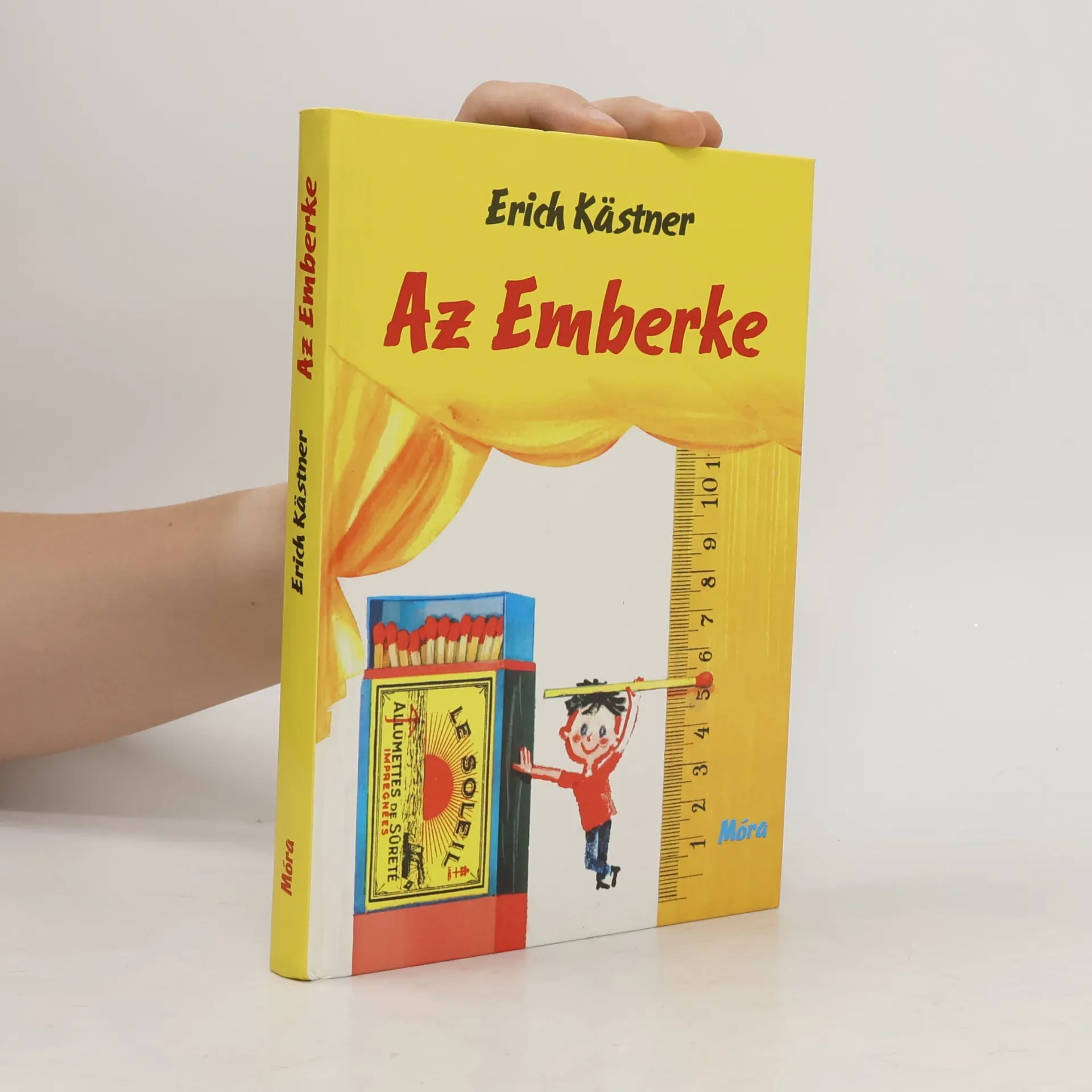
Az emberke
- 198pages
- 7 heures de lecture
Mäxchen Pichelsteiner, akit csak a kis embernek hívnak, mindössze 5 centiméter magas, és kényelmesen elfér egy gyufásdobozban. Unikális testmagassága mellett különleges foglalkozása is van: artista, aki a híres Jokus von Pokus professzorral lép fel a Stilke cirkuszban varázsló tanoncaként. Mestermunkáját a gyönyörű Waldemaron tanulja, aki egy kirakatbaba, és hagyja, hogy körülötte táncoljanak. A "Kis ember és a nagy tolvaj" számával Mäxchen világhírűvé válik, és a világ legnagyobb cirkuszaitól kapja a legcsábítóbb ajánlatokat. Egy nap azonban eltűnik, mintha a föld nyelte volna el. Jokus von Pokus professzor kétségbeesett, a rendőrség tanácstalan. Vajon a kis embert egy nemzetközi bűnbanda rabolta el?
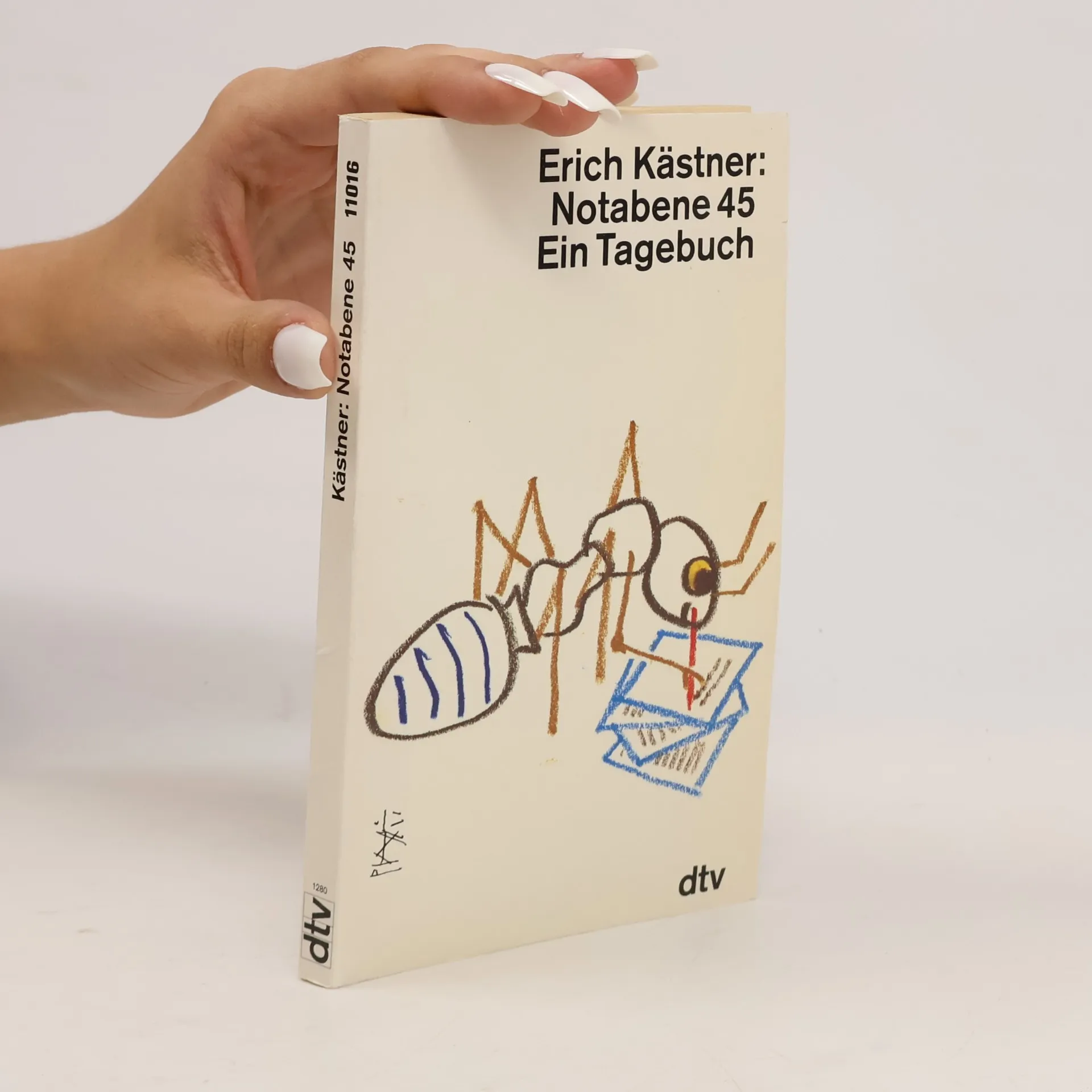
Ein leidenschaftlicher Aufruf zur MenschlichkeitKästners Tagebuchnotizen aus dem letzten Kriegsjahr, seine bewegende Chronik der Grausamkeiten des Dritten Reiches und der Schwierigkeiten eines Neubeginns. Danach gefragt, warum er nicht emigriert sei, sondern sich statt dessen den Gefahren ausgesetzt habe, die ihm als verbotenem Autor in der Hitler-Zeit drohten, antwortete er sinngemäß: Er habe es als seine Pflicht betrachtet, die täglichen Grausamkeiten des Dritten Reiches aufzuzeichnen und zur Warnung für Spätergeborene festzuhalten. ›Notabene 45‹ ist ein aus diesen Notizen nachträglich verfaßtes Tagebuch Erich Kästners. Seine differenzierte Auseinandersetzung mit der Nazizeit ist ein Dokument der Erschütterung und zugleich auch der Hoffnung, daß aus den verblendeten Mitläufern von einst doch Demokraten werden.
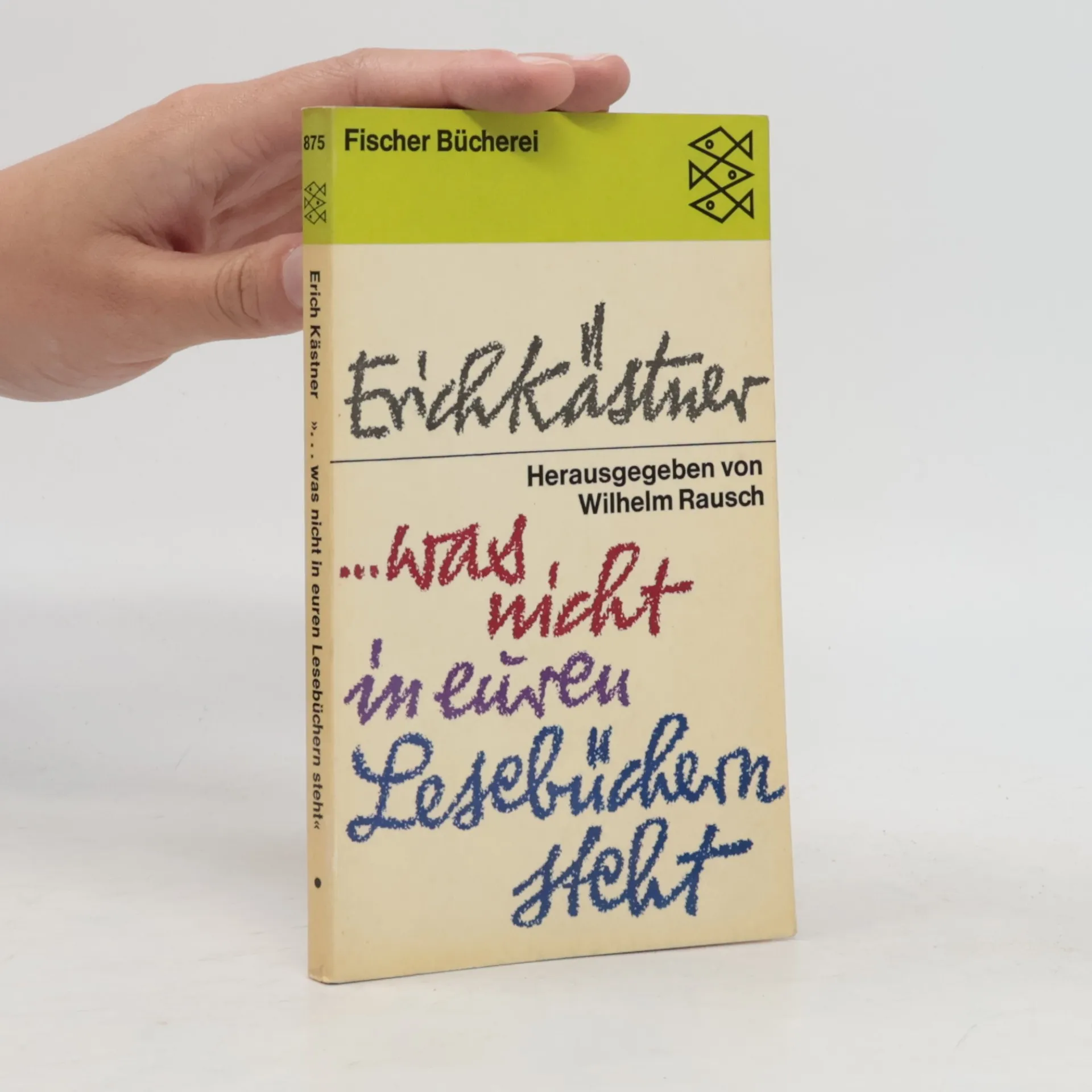
"Ich könnte euch Verschiedenes erzählen, was nicht in euren Lesebüchern steht. Geschichten, welche im Geschichtsbuch fehlen, sind immer die, um die sich alles dreht." Erich Kästner In diesem Band sind die Geschichten, "um die sich sich alles dreht", zu finden,
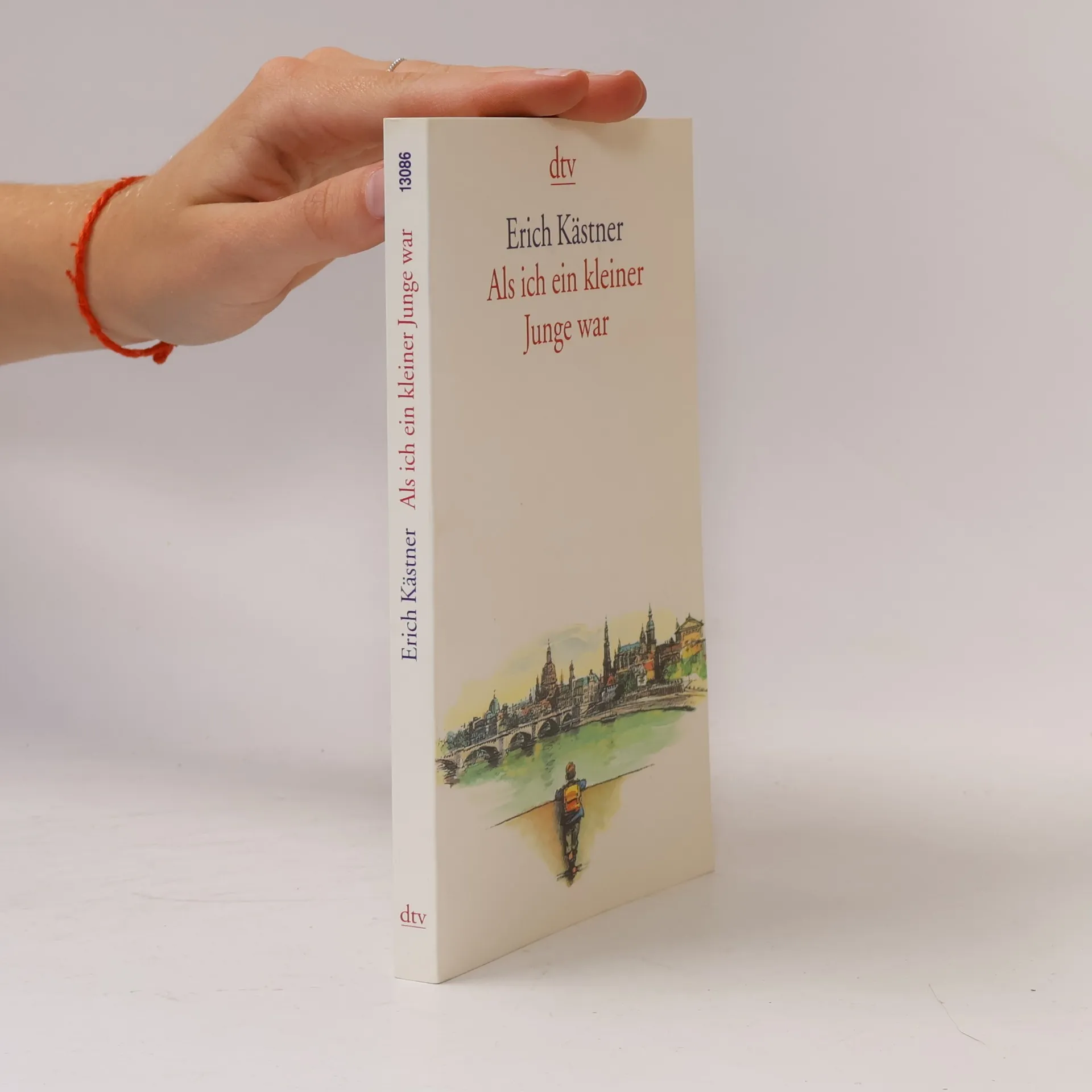
Als ich ein kleiner Junge war
- 207pages
- 8 heures de lecture
Erich Kästners Kindheitserinnerungen - zum ersten Mal im Taschenbuch »Wer so einfach schreiben kann , ist auf seine Art ein Meister: Die Kinder werden dieses Buch als ein Kästner-Kinderbuch lieben. Die Erwachsenen werden es bewundern. Friedrich Luft in Die Welt»Die Monate haben es eilig. Die Jahre haben es eiliger. Und die Jahrzehnte haben es am eiligsten. Nur die Erinnerungen haben Geduld mit uns. Besonders dann, wenn wir mit ihnen Geduld haben«, schreibt Erich Kästner in seinem Nachwort zu seinen Kindheitserinnerungen Als ich ein kleiner Junge war. Kästner, 1899 in Dresden geboren, erzählt von den Jahren 1907 bis 1914 in seiner Heimatstadt, aber auch sehr anschaulich von der Kindheit seiner Eltern und seiner Großeltern. Er beschreibt das Alltagsleben seiner Familie, die gesellschaftlichen Zwänge und Konventionen, das Treiben auf den Straßen und Plätzen Dresdens. Besonders liebevoll erinnert sich Erich Kästner an seine Mutter, der er mit diesem Buch ein Denkmal setzt.
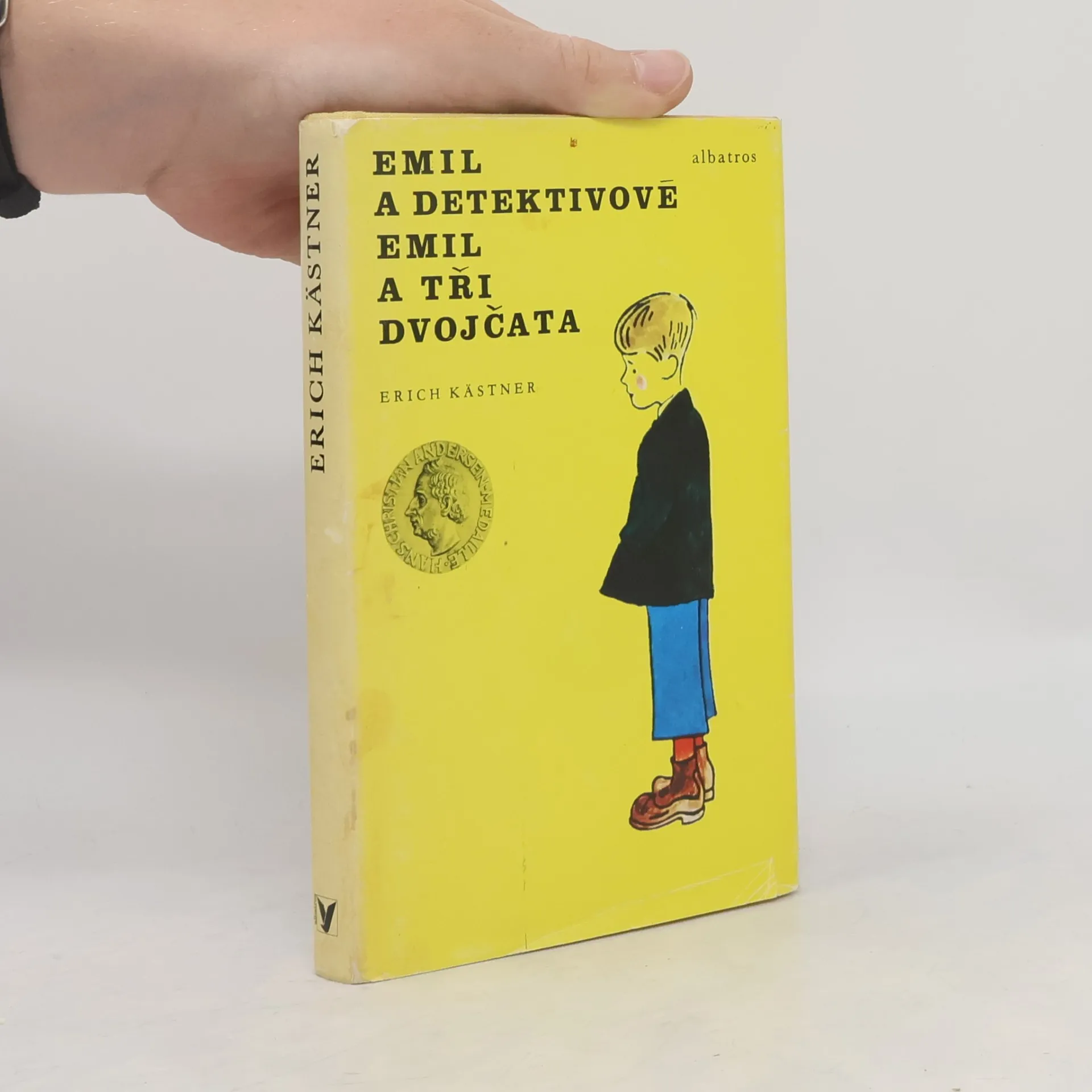
Kniha Emil a detektivové, jejíž děj se odehrává v Berlíně na počátku třicátých let, vypráví o studentu Emilu Tischbeinovi a jeho podnikavých kamarádech. Emil veze babičce do Berlína sto čtyřicet marek. Ale ve vlaku usne a někdo mu peníze ukradne. A když se probudí, v kupé už nikdo není.Podezřívá svého spolucestujícího, pana Grundeise, jenže neví úplně jistě, zda je tím zlodějem opravdu on. Emil vystoupí z vlaku a začne spolucestujícího sledovat. A teď začíná dramatická honička za zlodějem, která by nikdy nemohla skončit úspěšně, kdyby byl Emil sám. On si ale v neznámém velkoměstě najde kamaráda – a pak už se pronásledování stane záležitostí celé klukovské party, kde každý má svůj úkol. V knize Emil a tři dvojčata se znovu setkáme s Emilovými kamarády, kteří si o prázdninách vyjedou do přímořských lázní. I tam se jim naskytne příležitost osvědčit svou solidaritu a své detektivní schopnosti, tentokrát ve prospěch malého artisty, kterého záludně opustil jeho dospělý partner.
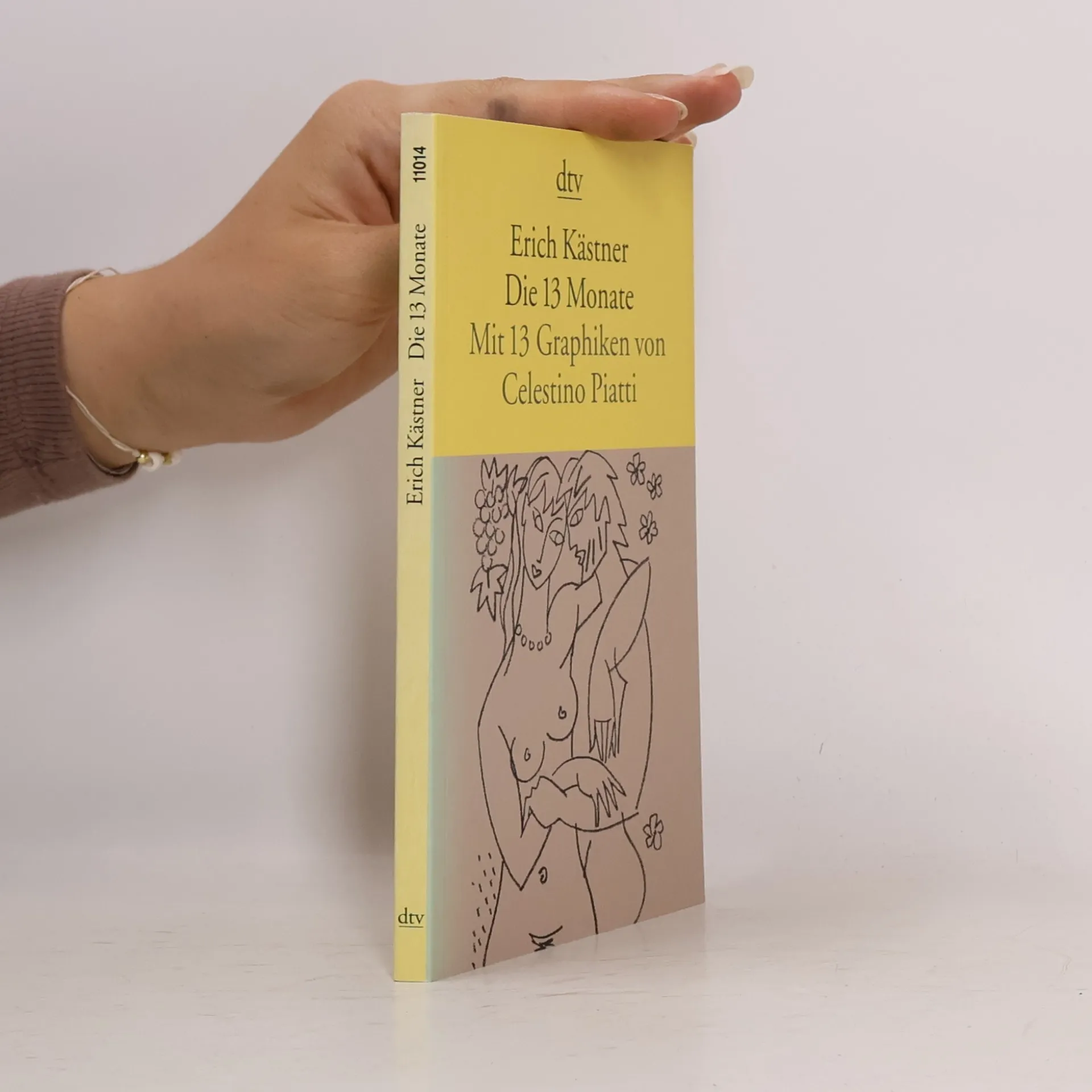
"Es tickt die Zeit. Das Jahr dreht sich im Kreise. Und werden kann nur, was schon immer war. Geduld, mein Herz. Im Kreise geht die Reise. Und dem Dezember folgt der Januar." Erich Kästner
Kurz Und Bündig: Epigramme
- 112pages
- 4 heures de lecture
Erinnerungen an eine verschollene KunstformErich Kästner erweist sich in seinen 100 Epigrammen aus zwei Jahrzehnten als ein Meister dieser kurzen und wohl schärfsten Form der Gedankenlyrik.»Die vorliegende Sammlung entstammt nicht nur dem verzeihlichen Wunsche, Epigramme aus zwei Jahrzehnten einmal zu bündeln. Es steckt eine zweite, eine bemerkenswertere und grundsätzliche Absicht dahinter. Das Buch will die Leser, wenn nicht gar die Schriftsteller an eine Kunstform erinnern, die verschollen ist ... Ist die künstlerische Lust, sich in äußerster Zucht, Prägnanz und Kürze auszudrücken, wirklich erloschen? ... Laßt uns den Verlust endlich erkennen, beklagen und wettmachen! Das Epigramm ist tot? Es lebe das Epigramm!« (Erich Kästner, 1950)
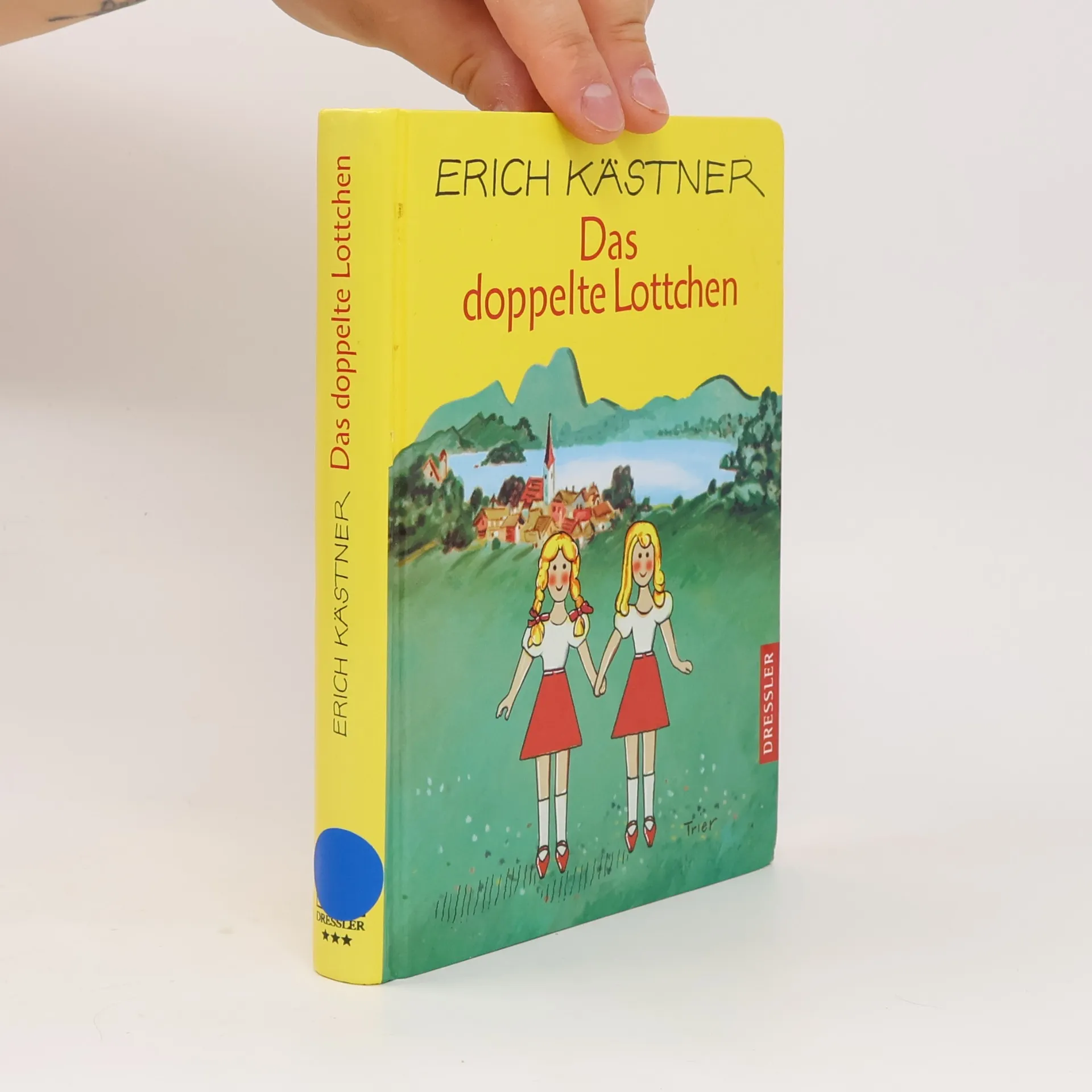
Das doppelte Lottchen. Ein Roman für Kinder
- 169pages
- 6 heures de lecture
Es ist schon merkwürdig, wenn sich zwei kleine Mädchen, die nichts voneinander wussten, plötzlich in einem Ferienheim gegenüberstehen und feststellen müssen, dass sie sich gleichen wie ein Ei dem anderen. Luise Palfy aus Wien hat zwar lange Locken und Lotte Körner aus München zwei streng geflochtene Zöpfe - das ist aber auch wirklich der einzige Unterschied. Luise und Lotte beschließen, dem Geheimnis ihrer Ähnlichkeit auf den Grund zu gehen: Luise fährt als Lotte nach München zurück und Lotte als Luise nach Wien... Auch als
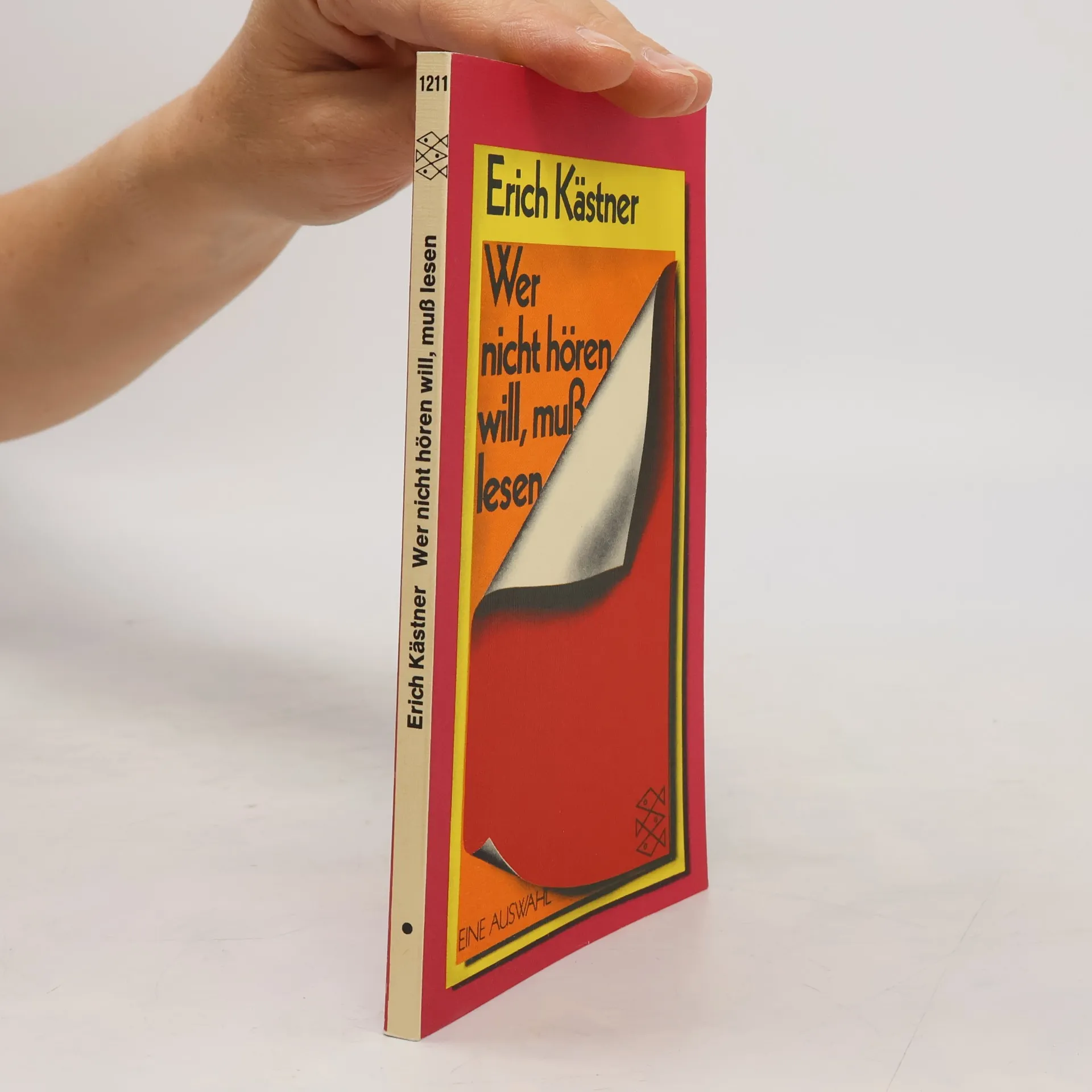
Wer nicht hören will, muss lesen
- 122pages
- 5 heures de lecture
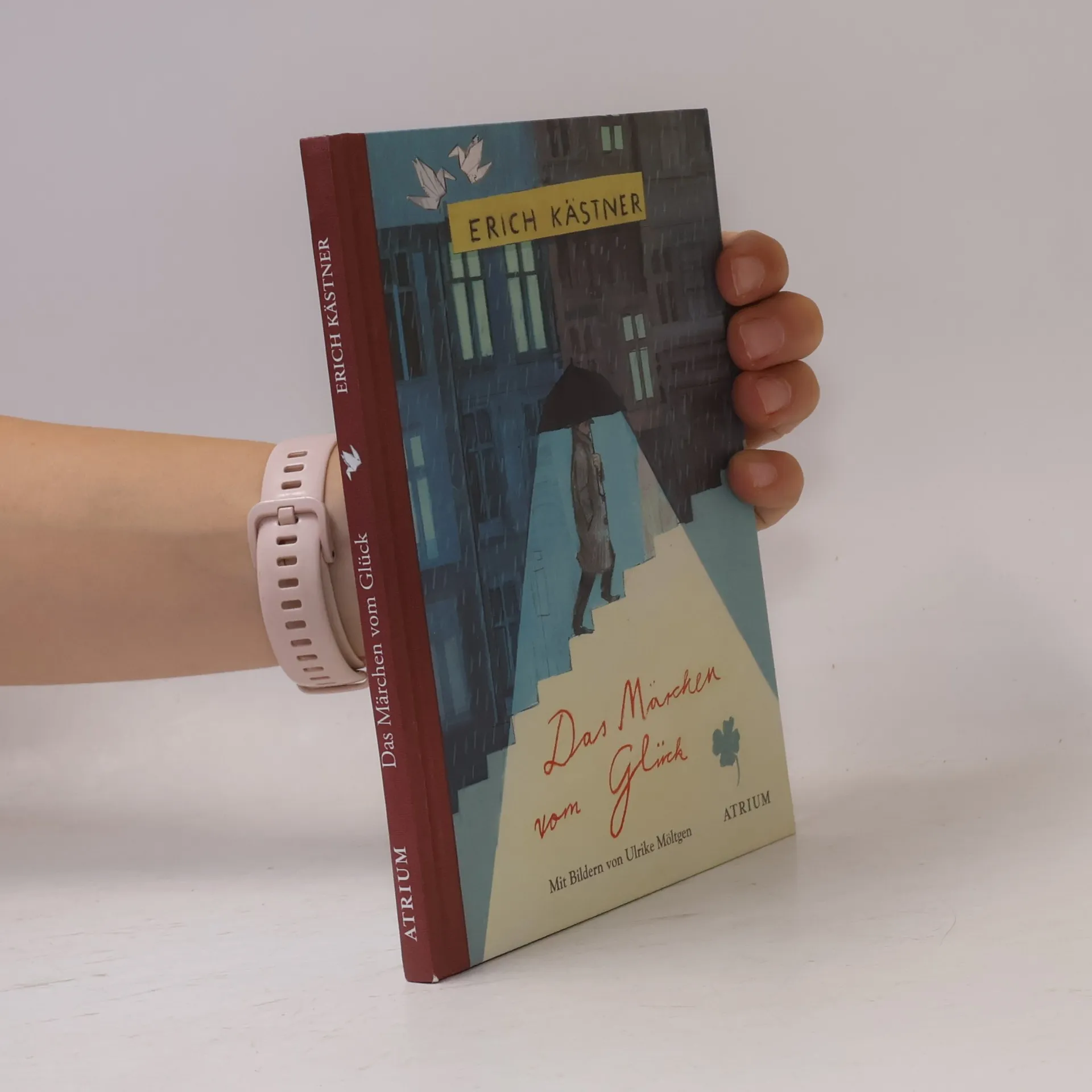
Das Märchen vom Glück
- 48pages
- 2 heures de lecture
Erich Kästners Geschichte über Glück wird durch Ulrike Möltgens märchenhafte Illustrationen neu interpretiert. Ein geheimnisvoller alter Mann erfüllt einem unzufriedenen Erzähler drei Wünsche, doch das Glück erweist sich als vergänglich. Eine Einladung zum Träumen und Nachdenken über die wahre Bedeutung des Glücks.
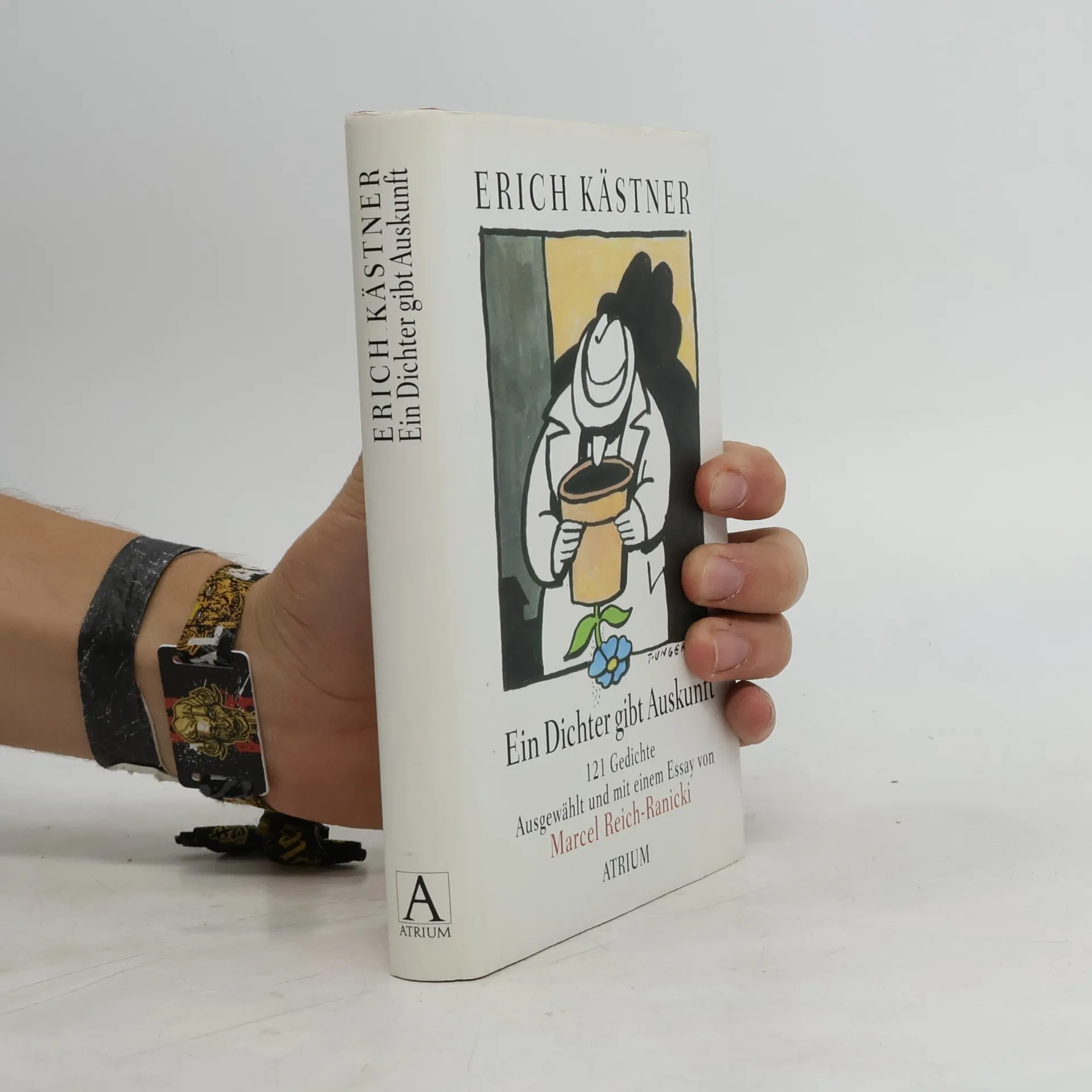
Leckerbissen für Literaten: Marcel Reich-Ranickis Kästner-Favoriten. 121 ausgewählte Kästner-Gedichte in einem Band, zusammengestellt von Marcel Reich- Ranicki, Deutschlands bekanntestem Literaturkritiker und ausgewiesenem Kästner-Kenner. Die persönliche Auswahl enthält neben bekannten auch unbekanntere Gedichte des Sängers der kleinen Leute und Dichters der kleinen Freiheit, wie Reich-Ranicki Erich Kästner charakterisiert: Erich Kästner hatte nicht mehr und nicht weniger zu bieten als Grazie und Esprit, Humor und Vernunft und gehört mittlerweile zu den Klassikern der deutschen Literatur des vergangenen Jahrhunderts. schovat popis
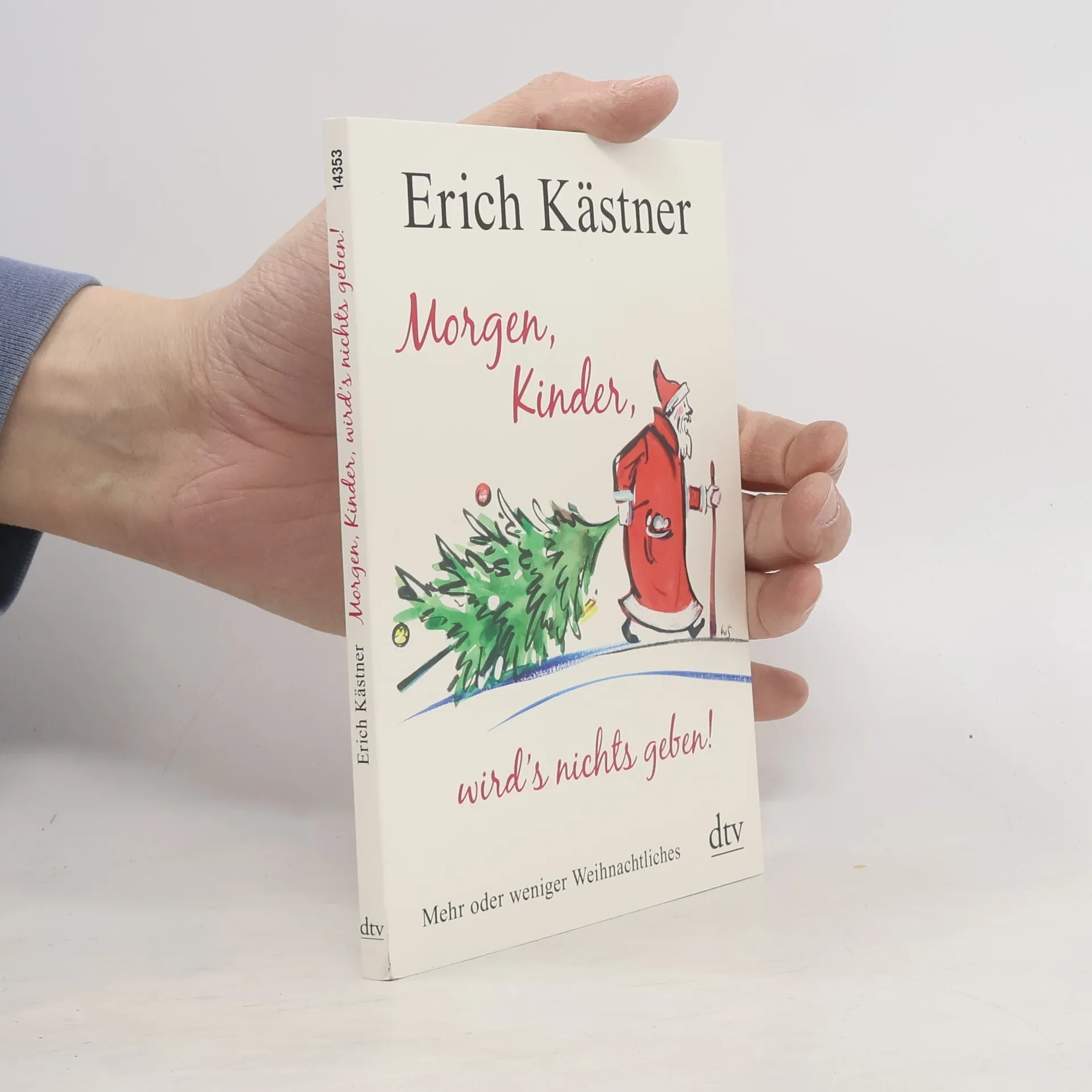
Eine schöne Bescherung mit Erich Kästner Keine Sorge: Erich Kästner liebte Weihnachten, für ihn war Heiligabend »der schönste Abend eines Kinderjahres«. Christbaum, Tannenduft und Gänsebraten gehörten zum alljährlichen Ritual. Aber Kästner wäre nicht Kästner, wenn in diesen Geschichten und Gedichten rund um die weihnachtliche Zeit der satirische Biss fehlte. Wieder hat Sylvia List kenntnisreich diese »mehr oder weniger« weihnachtliche Auswahl getroffen; Cornelia von Seidlein hat sie pfiffig illustriert. Entstanden ist ein ganz besonderes Geschenkbuch voller Wärme und Witz –ohne falsches Lametta.
Geld regiert die Welt, es herrschen Willkür, Optimierungswahn und falsche Eitelkeiten. Menschen verlieben und entzweien sich, Kinder sollen schnell erwachsen werden, Alte sehnen sich zurück in die Kindheit. Surrend läuft das Hamsterrad, denn »Arbeit ist das halbe Leben, und die andre Hälfte auch«. Erich Kästners Blick auf die Welt ist messerscharf und verblüffend aktuell.
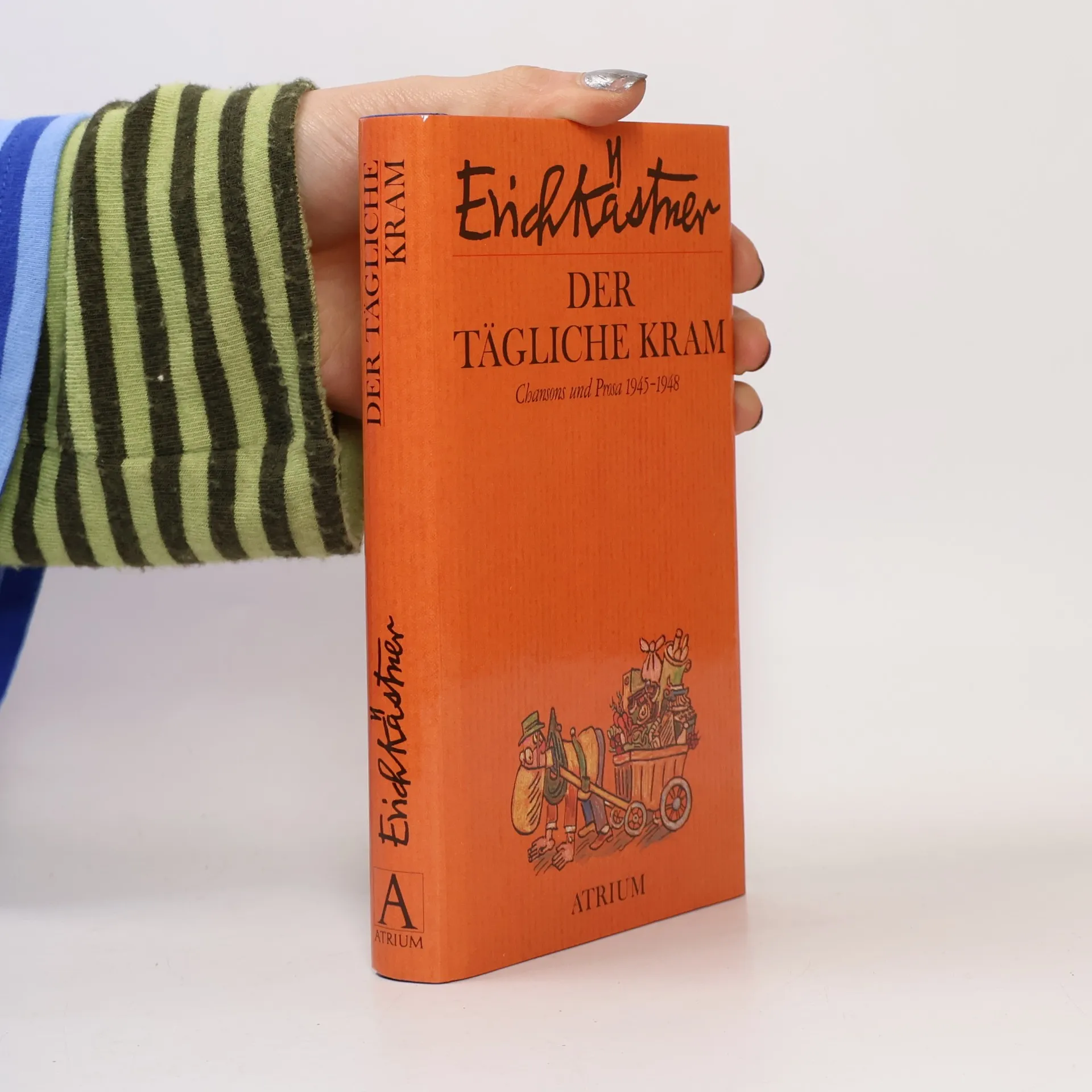
1945, Deutschland liegt in Trümmern, ein neuer Anfang wird ersehnt und erwartet, die Hinwendung zur Demokratie gefordert. Niemand kann sich dieser Aufforderung entziehen, auch und gerade nicht der Schriftsteller. Die „Verantwortung des Schriftstellers“ ist kein modisches Schlagwort, sondern Notwendigkeit. Alle krempeln die Ärmel hoch zum Neuanfang, und auch Kästner stellt sich der besonderen Aufgabe. Er widmet sich dem „täglichen Kram“ - er schreibt für Zeitungen und Kabaretts mit dem Ziel, die Jahre der Barbarei aufzuarbeiten, um mit dazu beizutragen, dass sich solche Schrecken nicht mehr wiederholen. DER TÄGLICHE KRAM ist eine Zusammenstellung seiner Arbeiten aus den Jahren 1945 bis 1948. Kästner dokumentiert, worüber man in den ersten drei Jahren nach dem Zusammenbruch nachdachte und lächelte, was die Menschen erschütterte und zerstreute. Damit ist diese Sammlung unterschiedlicher literarischer Arbeiten zu einem Lesebuch der Nachkriegsgeschichte geworden.
Fröhliche Illustrationen Begleiten Das Weihnachtliche Gedicht Von 1822, In Der Ein Vater Beobachtet, Wie Der Nikolaus In Der Weihnachtsnacht Den Kindern Heimlich Geschenke Bringt; Von Erich Kästner Phantasievoll übersetzt.
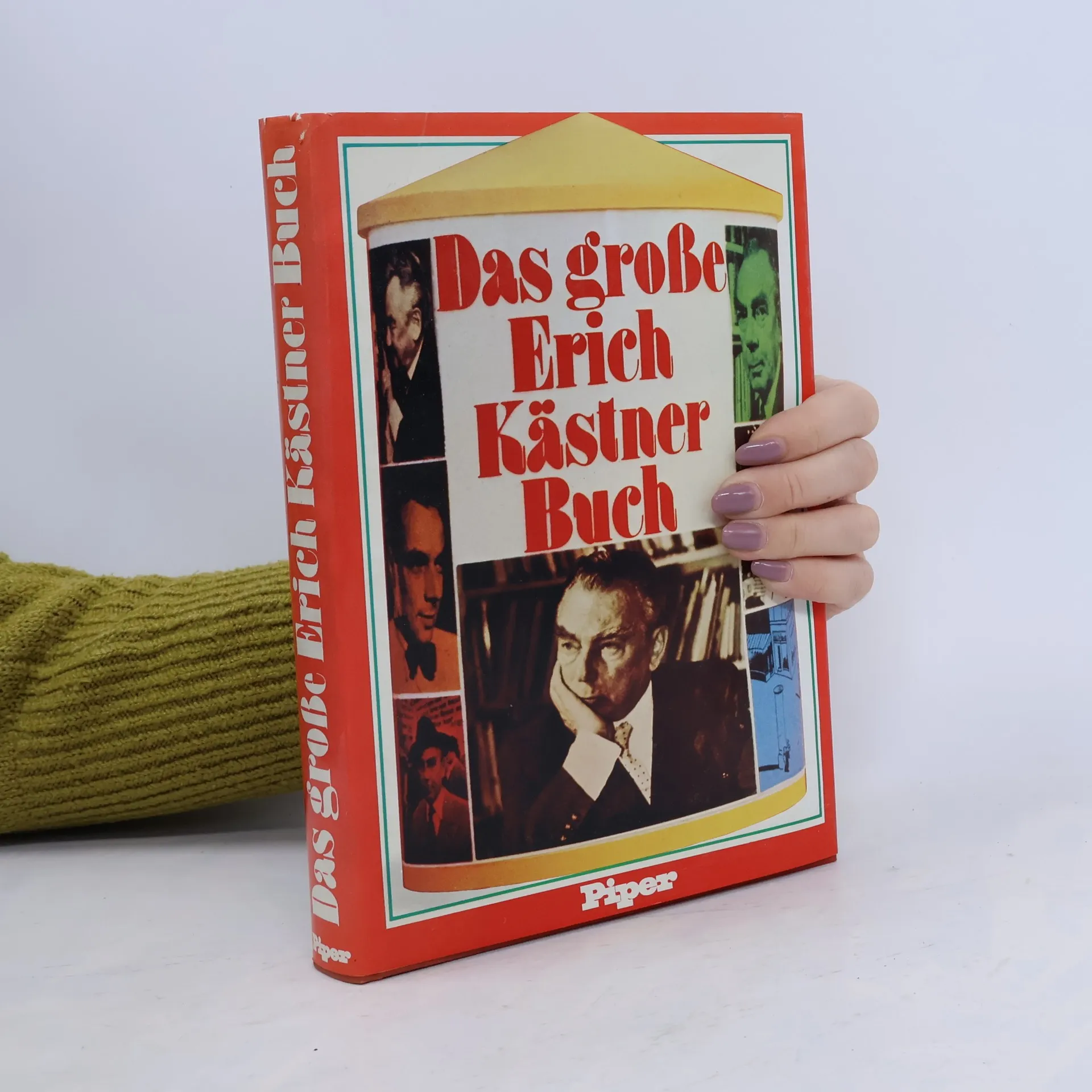
Das grosse Erich Kästner Buch
- 371pages
- 13 heures de lecture
Das Standardwerk zum Kennenlernen des berühmten Autors »Es gibt nichts Gutes außer: man tut es.« lautete Erich Kästners berühmter kategorischer Imperativ. Dieses Lesebuch tut es: Mit vielen Texten von und über ihn stellt es den unklassischen Klassiker und sarkastischen Moralisten in seiner ungeheuren Vielfalt vor. Es zeigt ihn als den Autor von Kinderbüchern, die er nur schrieb, weil ihm die Erwachsenen dafür nicht reif genug erschienen, als Verfasser von manchmal melancholischen, manchmal ätzend-satirischen Zeitgedichten, als Kabarettexter und als Privatmann, der als einziger der »verbrannten Dichter« die Zeit der Barbarei im Lande überlebte. Viele Fotos und Zeichnungen runden das Porträt Erich Kästners ab, den sein Freund Hermann Kesten im Geleitwort so charakterisiert: »Dieser eigentümliche Individualist gehörte zum Volk und gehörte dem Volk. Er lebte in dieser merkwürdigen Einsamkeit mancher berühmter Autoren, einer Einsamkeit, die von den Schatten ihrer Millionen Leser bevölkert ist.«
Der Millionär Tobler hat unter falschem Namen den zweiten Preis eines Wettbewerbs und einen Aufenthalt in den Bergen gewonnen. Er nimmt seinen Diener dorthin mit, möchte aber inkognito bleiben, um unbemerkt die Menschen dort zu studieren. Im Hotel lernt er den Gewinner des ersten Preises kennen und zwischen den dreien bildet sich schnell eine Freundschaft. Als aber auf einmal die Tochter auftaucht, kommt Dramatik in die Bergidylle.
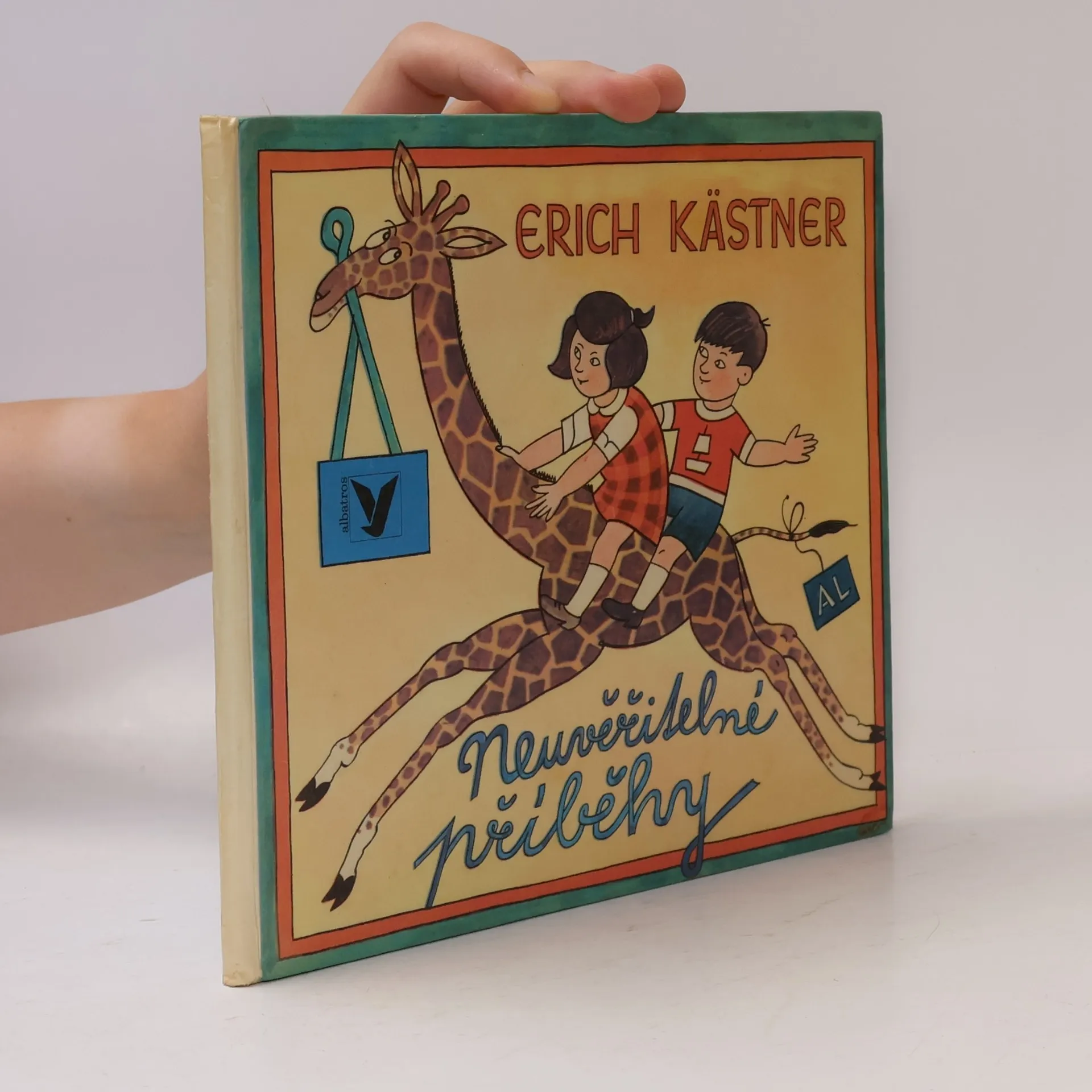
Konrád musí napísať sloh o Oceánii. Našťastie môže poprosiť o pomoc bláznivého strýka Pinča, ktorý vie hravo vyriešiť každý problém. A skutočne: strýko vezme synovca na dobrodružnú cestu do Oceánie. Sprevádza ich hovoriaci kôň na kolieskových korčuliach. Hlúposti? Rozhodne nie 35. mája, pretože v takýto deň sa nemožno čudovať, ak sa dejú samé kuriózne veci. Tento nádherne bláznivý nezmyselný príbeh je jedným z najobľúbenejších Kästnerových detských románov a v slovenčine vychádza po prvý raz. Vydavateľstvo Spolku slovenských spisovateľov systematicky odstraňuje dlhodobý deficit Kästnerových detských kníh na slovenskom knižnom trhu. Po vydaní titulov Lietajúca trieda (2011), Lienka a Anton (2012), Emil a detektívi (2013) a Emil a tri dvojčatá (2014), realizuje aj prvé slovenské vydanie prekladu humorne ladeného detského románu tohto špičkového nemeckého autora – 35. máj alebo Konrád cvála do Oceánie – určeného pre čitateľov od 7 do 12 rokov. Detské romány Ericha Kästnera sú čitateľsky obľúbené pre inteligentný humor, nadčasovosť a nevtieravo výchovný prístup. Bohatý jazyk, ktorý kvalitné slovenské preklady overenej prekladateľky autorových kníh verne reprodukujú, rozširuje detskú slovnú zásobu a kultivuje štylistiku. V knihe sú použité vtipné originálne ilustrácie Horsta Lemkeho, ktoré Kästnerovým knihám dávajú osobitý atraktívny nádych.
Veselé a ztřeštěné povídání o dvanáctiletém Konrádovi a jeho strýci, jaké lze prožít jen v říši fantazie.
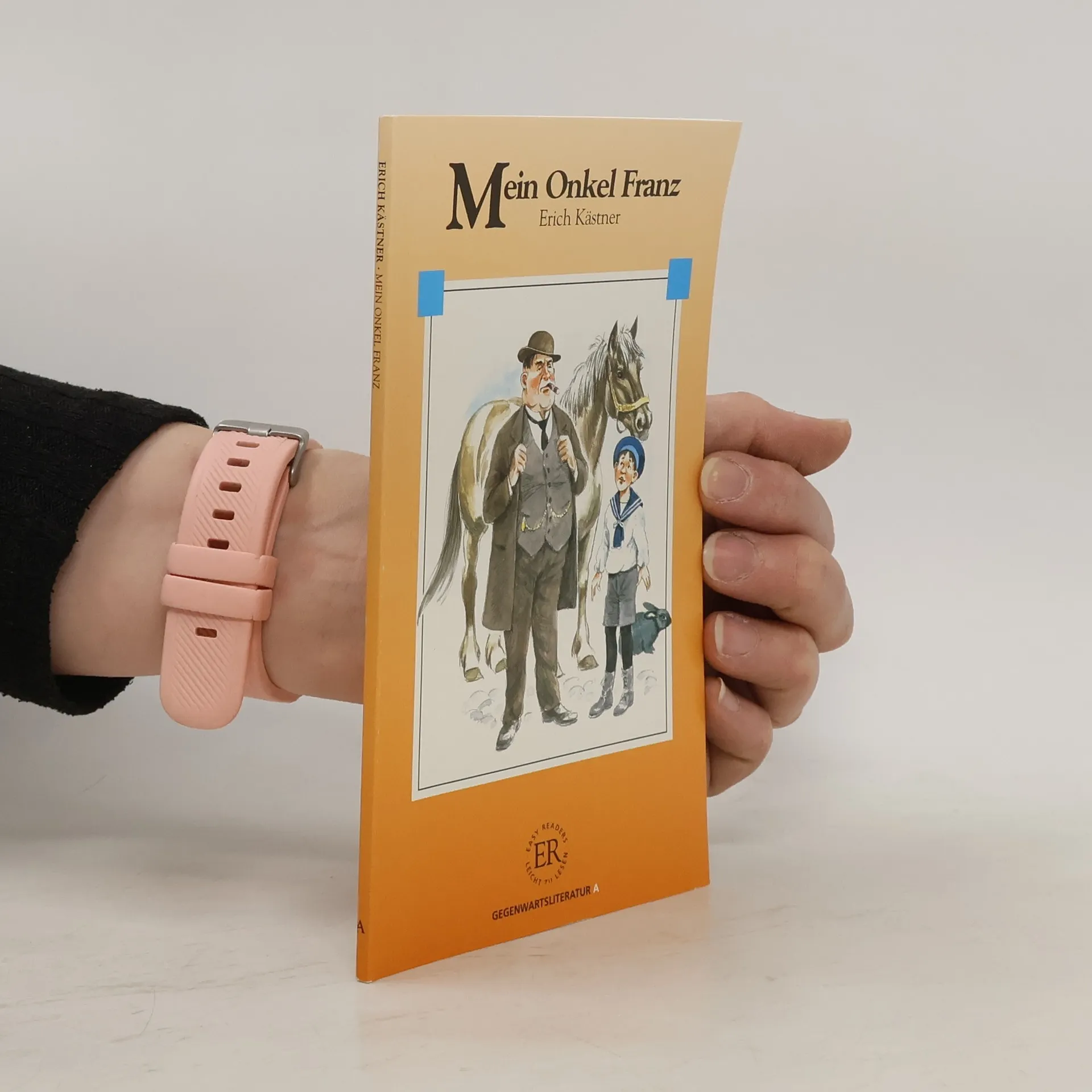
Mein Onkel Franz
Auszug aus dem Erinnerungsbuch "Als ich ein kleiner Junge war"
- 56pages
- 2 heures de lecture
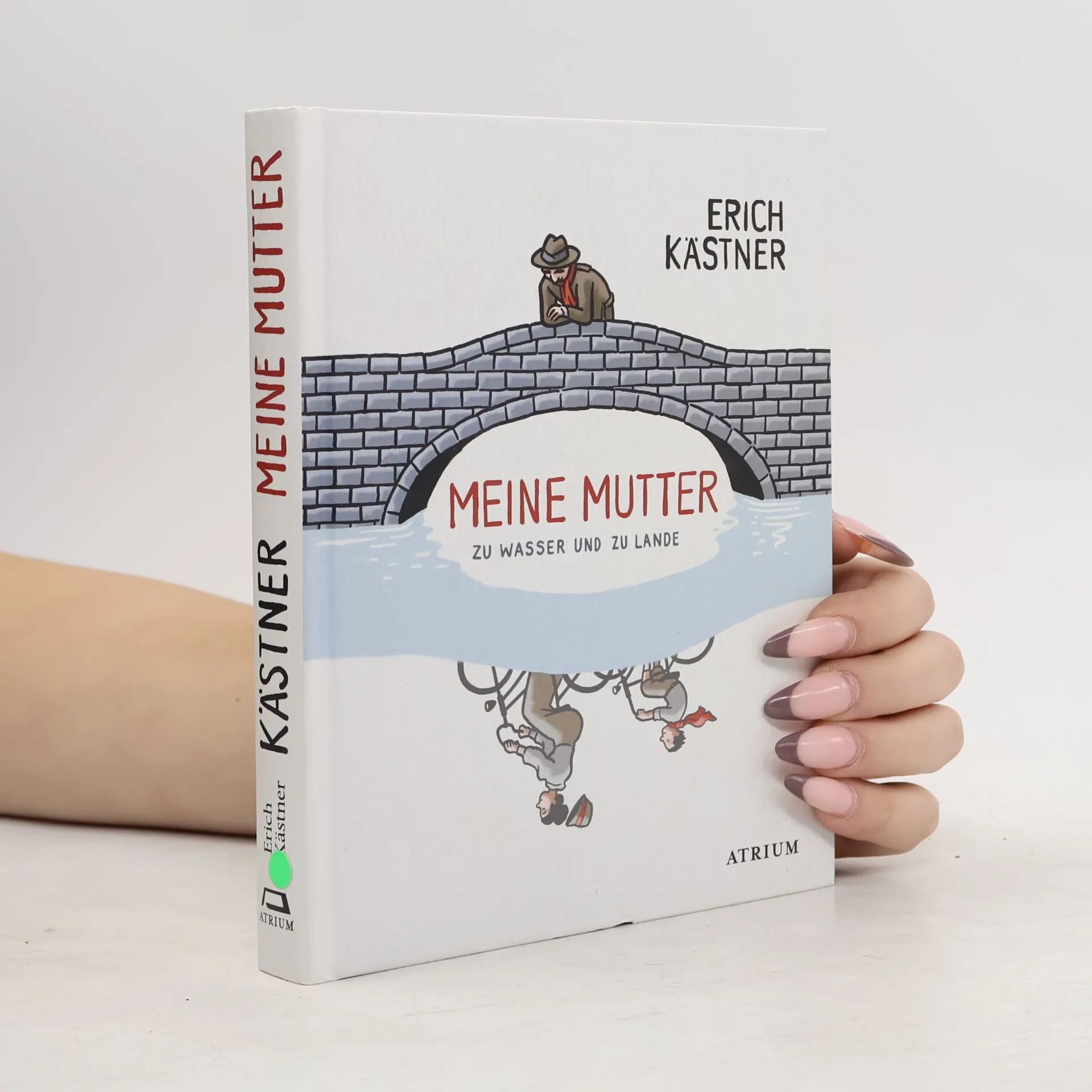
Meine Mutter zu Wasser und zu Lande
Geschichten, Gedichte, Briefe
Meine Mutter setzte alles auf eine Karte - und diese Karte war ich. Die Geschichte von Erich Kästner und seiner Mutter ist eine besondere: "Meine Mutter war mein bester Freund", sagte er über sie. Und sie wusste: "Mein Sohn verschweigt mir nichts." Tatsächlich war der kleine Erich seiner Mutter Lebenselixier sowie Schutzengel. Auch in späteren Jahren versuchte er, ihr beides zu sein - und sich trotzdem ganz behutsam ein wenig von ihr zu lösen. Seine Mutter war ihm Freundin, Reisekameradin, Beraterin in Liebesdingen wie in Modefragen, erste kritische Leserin seiner Manuskripte und - heutzutage unvorstellbar - unermüdliche Instandhalterin seiner Wäsche, auch als Kästner längst in Berlin lebte. Es war eine innige Beziehung von beiden Seiten, nicht immer leicht, aber stets von Liebe geprägt. Die große Kästner-Kennerin Sylvia List hat jetzt die schönsten Gedichte, Geschichten und Briefe versammelt, die Erich Kästner seiner Mutter - und allen anderen Müttern - gewidmet hat. Damit ist dieses Buch nicht nur eine ebenso hochvergnügliche wie bewegende Geschichte von Mutter und Sohn in Wort, Reim und Bild - es ist auch ein ideales Geschenk zum Muttertag, zum Geburtstag oder zu jeder anderen Gelegenheit, um den Müttern dieser Welt auf liebevolle und charmante Art und Weise "Danke" zu sagen.
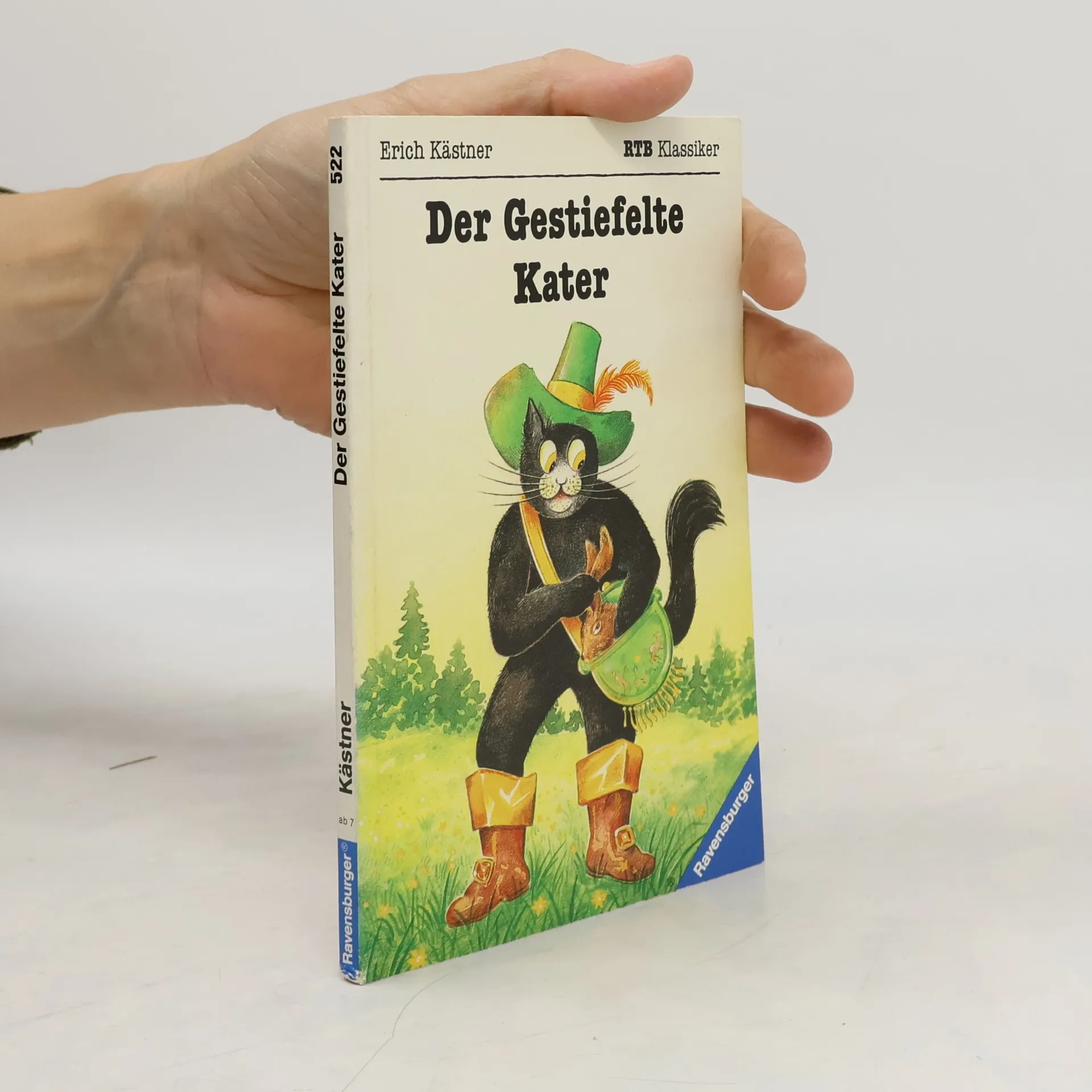
Als sein Vater stirbt, bleibt Hans, dem jüngsten Müllerssohn, nichts als sein Kater. Während er noch traurig überlegt, ob er sich daraus ein Paar Handschuhe oder einen Katerbraten machen soll, fängt das Tier plötzlich an zu reden. Um seinem Herrn zu helfen, sagt er, brauche er ein Paar Stiefel. Eine unsinnige Idee, findet Hans, aber weil ihm nichts Besseres einfällt, opfert er seine letzten Goldstücke.
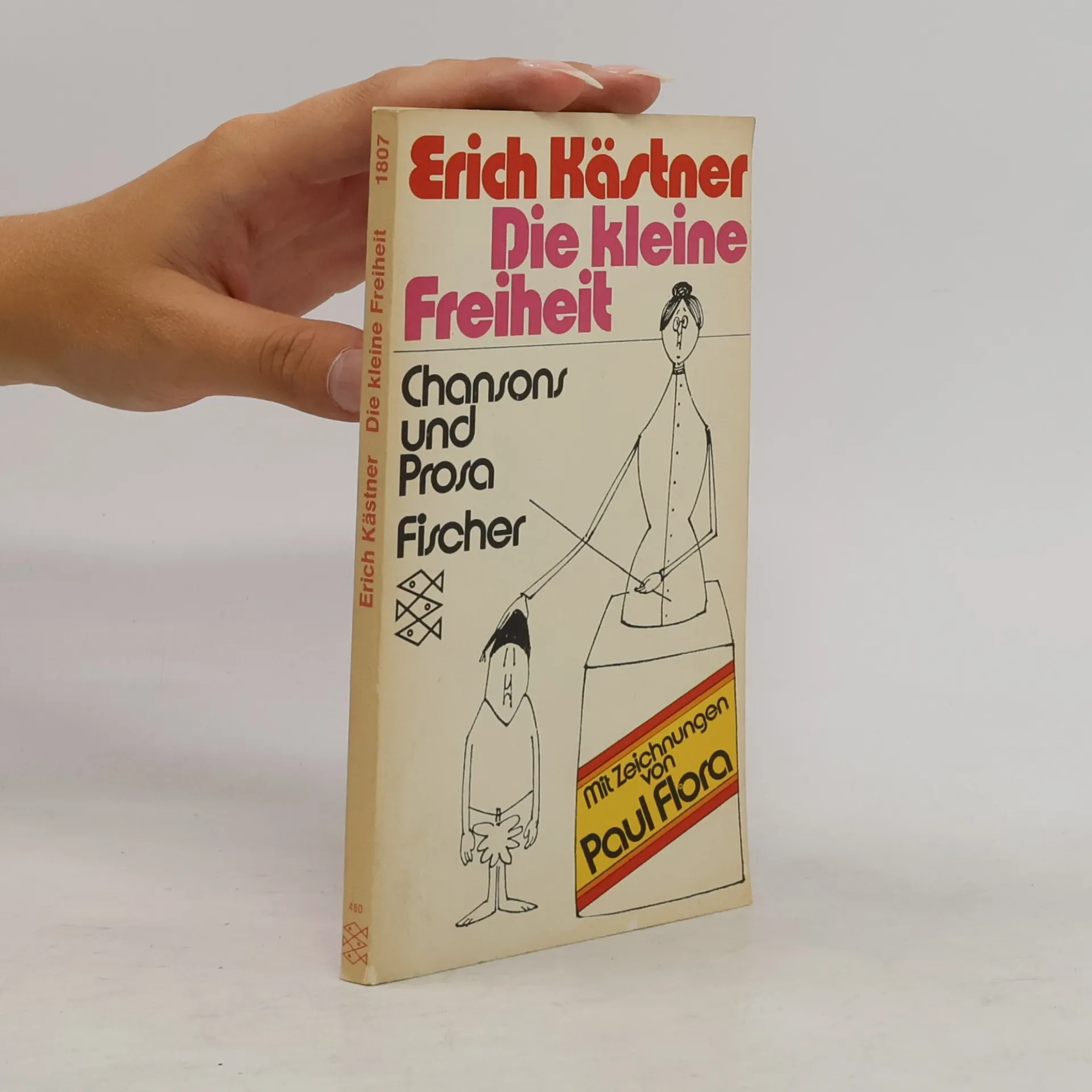
Die kleine Freiheit
- 157pages
- 6 heures de lecture
Der Sammelband Die kleine Freiheit - Erich Kästner nennt ihn Rechenschaftsbericht eines Turmhahns, der sich nicht drehen kann, wenn der Wind wieder einmal aus einer anderen Richtung weht - umfaßt Chansons, Prosastücke und Feuilletons, die Erich Kästner zwischen 1949 bis 1952 für Zeitungen, Zeitschriften und das Kabarett verfaßte. 1949 bis 1952: Diese vier Jahre wurden stark geprägt durch den ersten Bundeskanzler Konrad Adenauer; es sind die Jahre, in denen die zweite Demokratie auf deutschem Boden aufgebaut wurde; es ist die Zeit, in der gesellschaftlicher Erfolg mit der Teilnahme am Wirtschaftswachstum einherging. Diese vier Jahre förderten aber auch eine gefährliche Vergeßlichkeit, nämlich die Verdrängung der jüngsten Vergangenheit. Kästner jedoch zeigt sich als kommentierender Begleiter dieser Jahre. Manche Beiträge, schreibt Erich Kästner in seinem Vorwort, dienen der schieren Unterhaltung. Viele andere hingegen zeigen den Kästner, den wir aus den zwanziger und dreißiger Jahren kennen, den Moralisten und Mahner, den unbestechlichen Analytiker, der er zeit seines Lebens geblieben ist.
Bei Durchsicht meiner Bücher
- 182pages
- 7 heures de lecture
Eine Auswahl aus vier Versbänden:"Die Verse zeigen, wie es war vor 1933 in den Großstädten und anderswo aussah. Und sie zeigen auch, wie ein junger Mensch durch Ironie, Kritik, Anklage, Hohn und Gelächter zu warnen versuchte."(Erich Kästner)
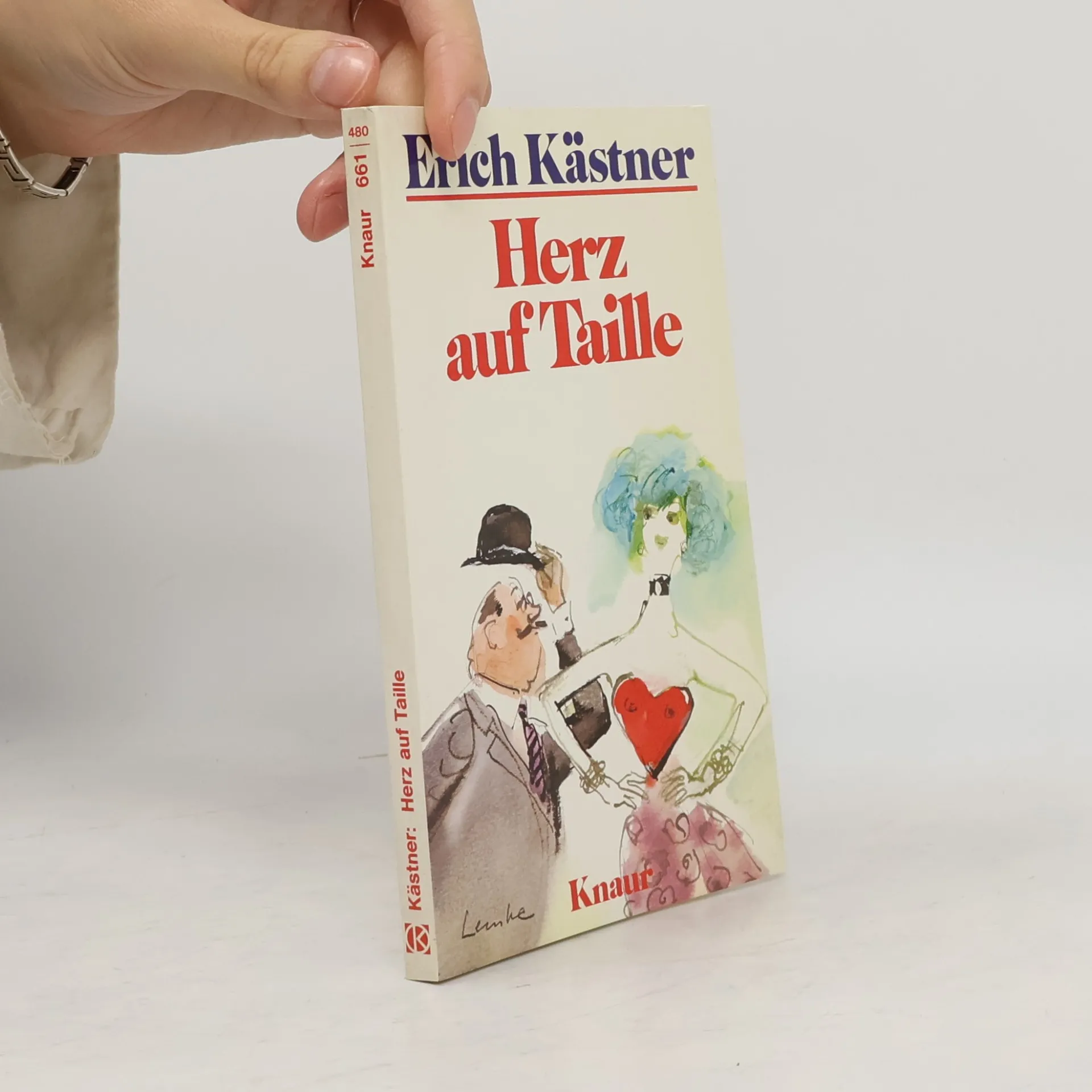
Herz auf Taille, Erich Kästners erstes Buch, brachte ihm über Nacht Erfolg und Anerkennung - und eine große, treue Leserschaft. Die darin versammelten Gedichte voller Biss, Witz und Wärme haben bis heute nichts von ihrer Gültigkeit verloren - im Gegenteil!
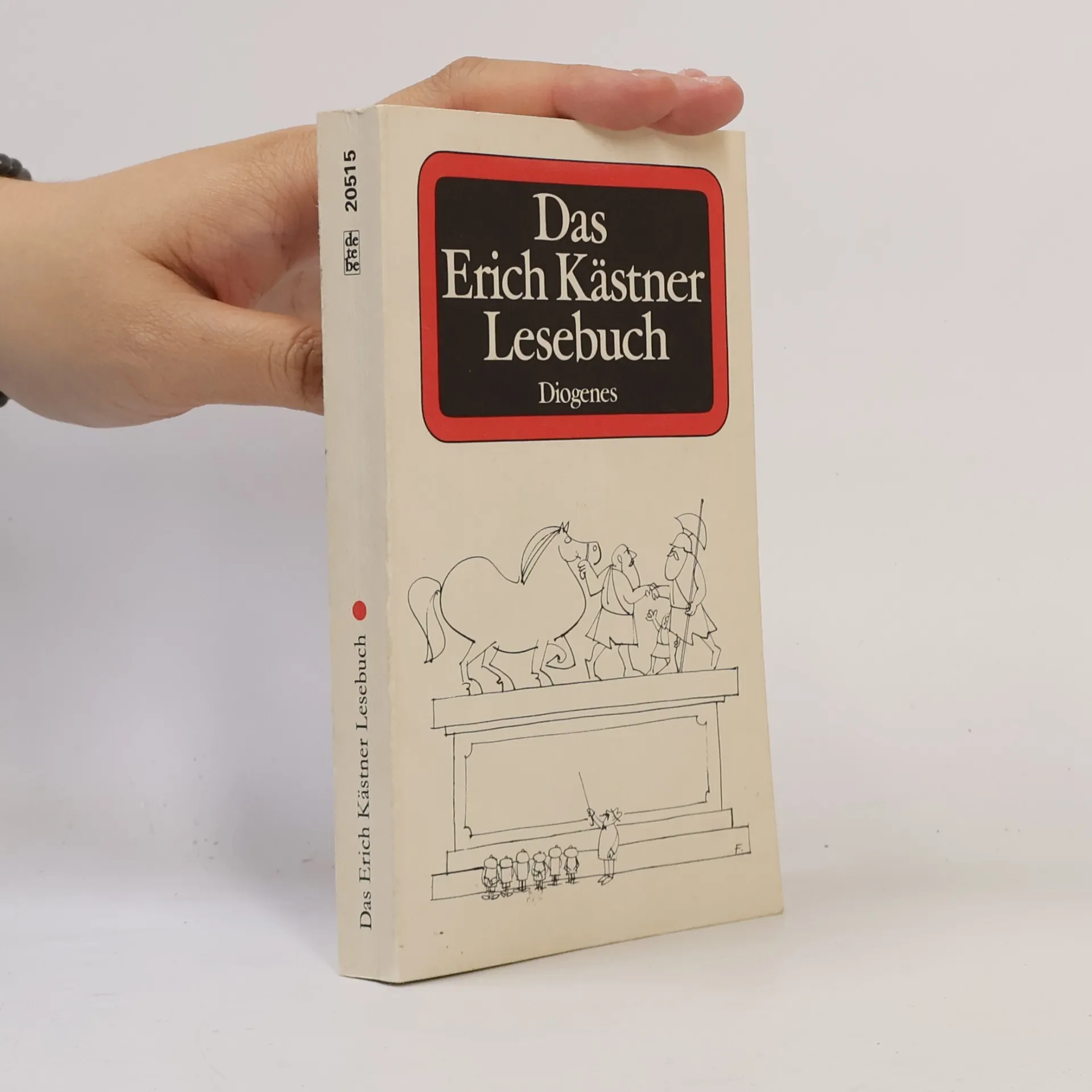
Das Erich Kästner Lesebuch
- 297pages
- 11 heures de lecture
Ein Buch zum Schmökern, ein Einstieg für diejenigen, die sich dem deutschen Lyriker und Erzähler bisher noch nicht genähert haben: handlich, kurzweilig, bissig und immer treffend. Das Beste und Gültigste von Erich Kästner aus den Gedichten, der Kleinen Prosa und den Epigrammen.
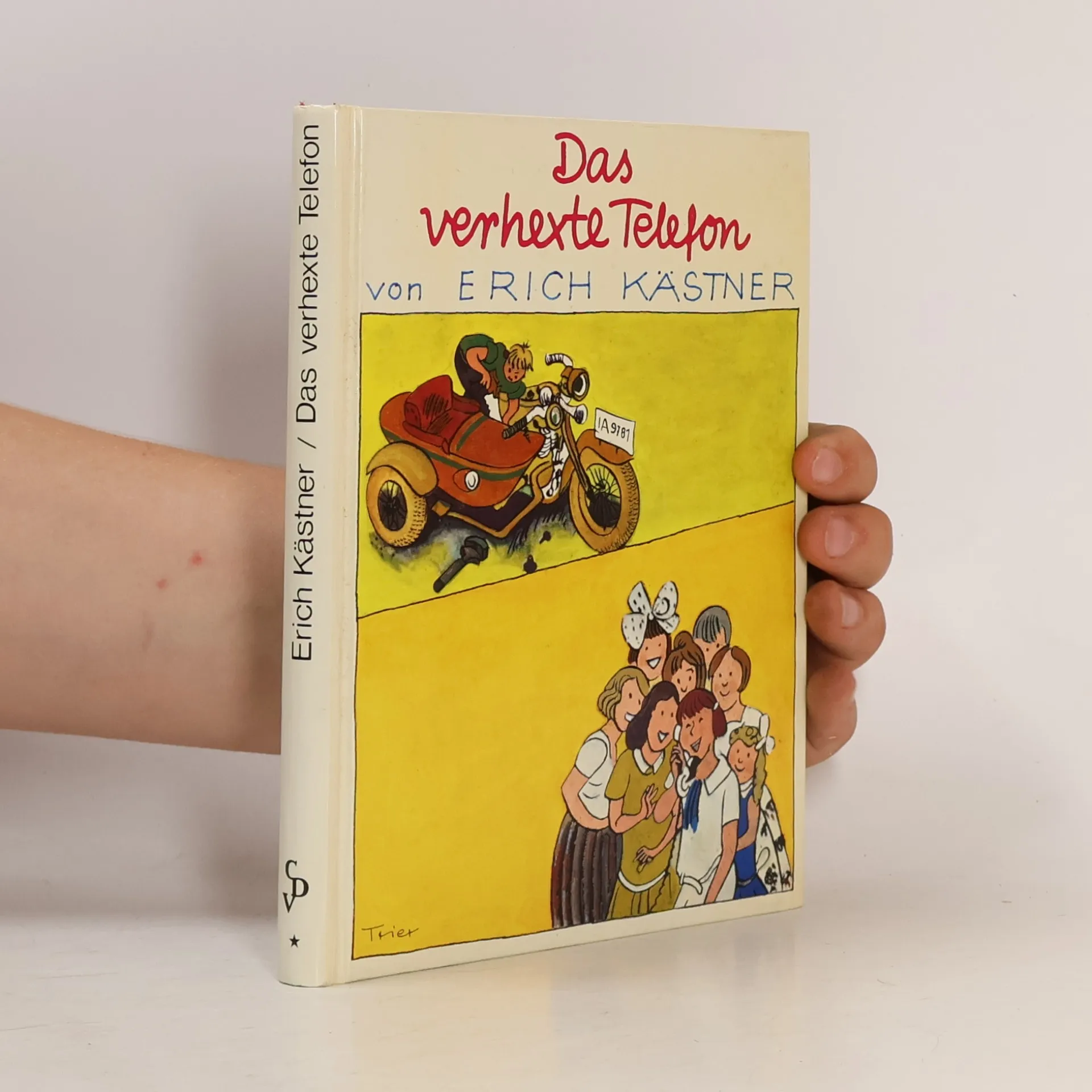
Wer hat nicht schon mal mit dem Telefon gespielt und fremde Leute angerufen, wenn die Eltern nicht zu Hause waren? Am Mofa seines Bruders gebastelt, weil er sauer war, dass der ihn nie hat mitfahren lassen? Wer von euch hat nicht schon mal andere Kinder geärgert und alte Leute erschreckt? Oder damit angegeben, dass er manchmal dreißig Klöße isst? Was nun alles Komisches, aber auch Schlimmes passieren kann - nicht alle Streiche sind harmlos! -, das erzählt Erich Kästner mit Humor und Augenzwinkern.
Unterwegs mit Erich Kästner – in Geschichten, Gedichten und Briefen Kästner liebte das Reisen. Schon als Junge erkundete er mit seiner Mutter die nähere und weitere Umgebung Dresdens und fuhr mit ihr zum ersten Mal an die Ostsee. Die Texte in diesem Buch entführen uns an die Deutsche Küste, nach Kopenhagen, in die Alpen, an den Genfer See, ins Tessin, aber auch nach Paris und Nizza. Die Herausgeberin Sylvia List lädt mit ihrer kenntnisreich komponierten Anthologie zu einer vergnüglichen Reise mit Erich Kästner »zwischen hier und dort« ein.
Easy Readers: Das fliegende Klassenzimmer
Deutsche Lektüre für das 2., 3. und 4. Lernjahr. Lektüre
- 81pages
- 3 heures de lecture
Erich Kästner zählte seine klassische Internatsgeschichte um eine Handvoll frecher Lausbuben zu seinen besten Kinderbüchern. Die Kämpfe zwischen Gymnasiasten und Realschülern haben sich seitdem nicht verändert, und die Jungs sind die gleichen geblieben: Matthias, der ständig eine Semmel in der Hand hat, Johnny, der oft an seine Eltern denkt, und Uli, der Kleinste, der sich mit einem gefährlichen Fallschirmsprung beweisen will. Die Erwachsenen, wie der Hauslehrer Dr. Bökh, haben oft nicht die Geduld, den Kindern zuzuhören, während diese von ihren Sorgen erzählen. Dr. Bökh wurde in der Verfilmung von 1954 von Joachim Fuchsberger gespielt. Kinder lassen sich gerne von Kästner in seine abenteuerliche Schulwelt entführen, die zwar nicht perfekt, aber voller Wärme und Verständnis für die Probleme der Jungen ist. Kästner reflektiert darüber, wie Erwachsene oft vergessen, wie traurig und unglücklich Kinder sein können. Gleichzeitig warnt er: "Ihr sollt hart im Nehmen werden, wie Boxer das nennen. Ihr sollt lernen, Schläge einzustecken." Diese Worte erhalten besonderes Gewicht, da sie 1933, im Jahr der Machtergreifung Hitlers, veröffentlicht wurden. Für einen Individualisten wie Kästner, der trotz Schreibverbots in Deutschland blieb, begann eine dunkle Zeit.
Humoristický příběh s detektivní zápletkou vypráví o událostech, které se přihodily v souvislosti se ztrátou vzácné miniatury ze soukromé sbírky. Napínavá honička za Holbeinovou miniaturou, při níž za dobrodružných i humoristických zápletek je originál cenného obrazu neustále vyměňován za kopii.