René Schwaller de Lubicz était un écrivain et philosophe français dont l'œuvre explore les perspectives spirituelles et cosmologiques de l'Égypte ancienne. Il a proposé que la civilisation égyptienne soit beaucoup plus ancienne que ce que l'on croit conventionnellement, affirmant que toute sa culture découlait d'une profonde compréhension des "lois de la création". Schwaller de Lubicz soutenait que chaque facette de la civilisation égyptienne, des structures monumentales aux objets du quotidien, était motivée par une vision métaphysique centrale de l'harmonie cosmique et de la place de l'humanité dans la conscience en évolution. Bien que difficiles pour de nombreux lecteurs, ses écrits s'efforcent d'exprimer des aperçus non linéaires dans un langage linéaire, reflétant ses recherches philosophiques et métaphysiques plus larges.
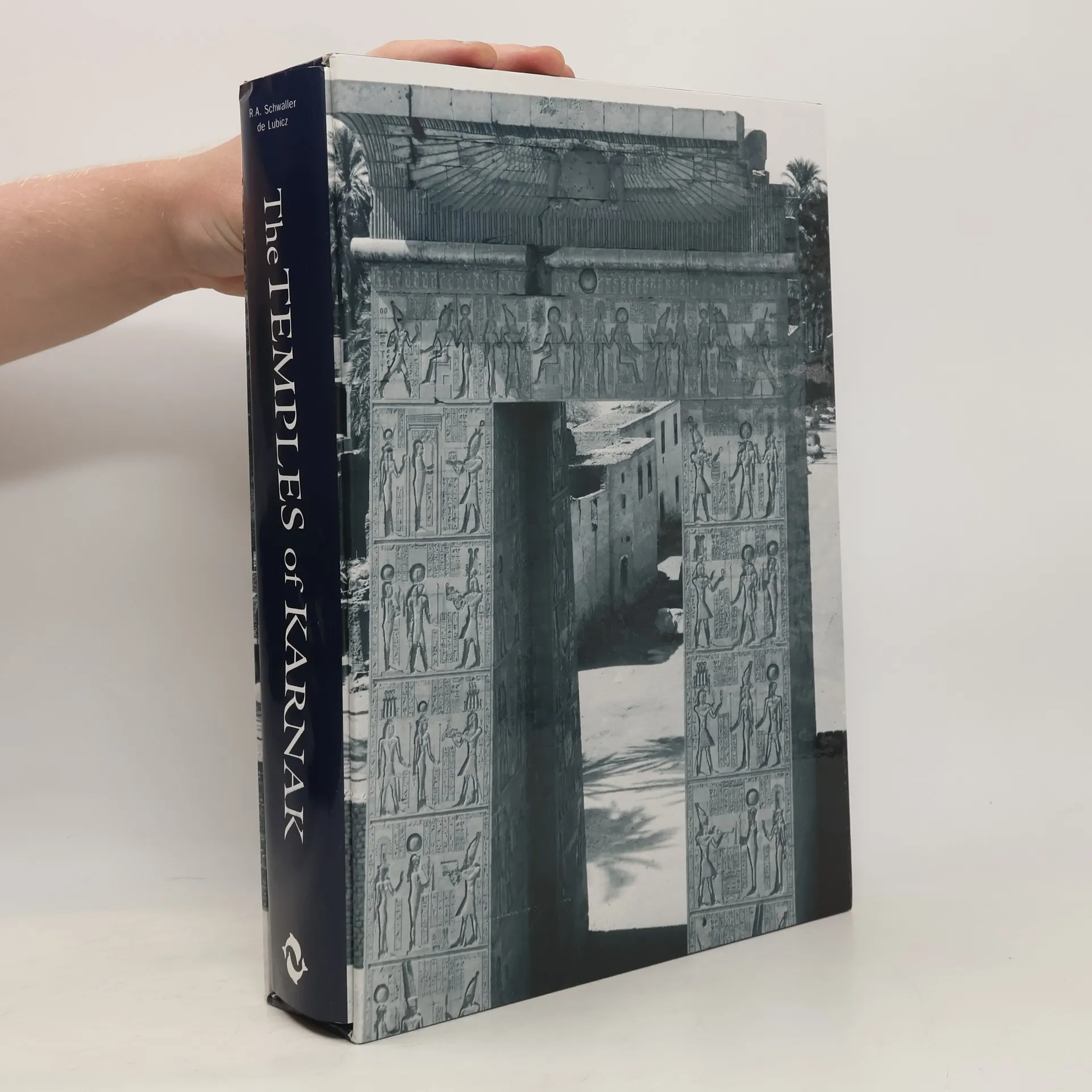
This is an excursion to the monuments, ruins, statues and bas-reliefs of the Ancient Egyptian temples of Karnak, and a photographic record of this important historic site. Illuminated by the insights of Egyptian scholar R.A. Schwaller de Lubicz, the temples of Karnac reveal the remains of a world devoted to an unimpeachable faith in the afterlife, a faith whose conviction seems to have exalted its builders and artists.
This book contains the first published results of Schwaller's 12 years of research at the temple of Luxor and its implications for interpreting the symbolic and mathematical processes of the Egyptians through their sacred architecture.
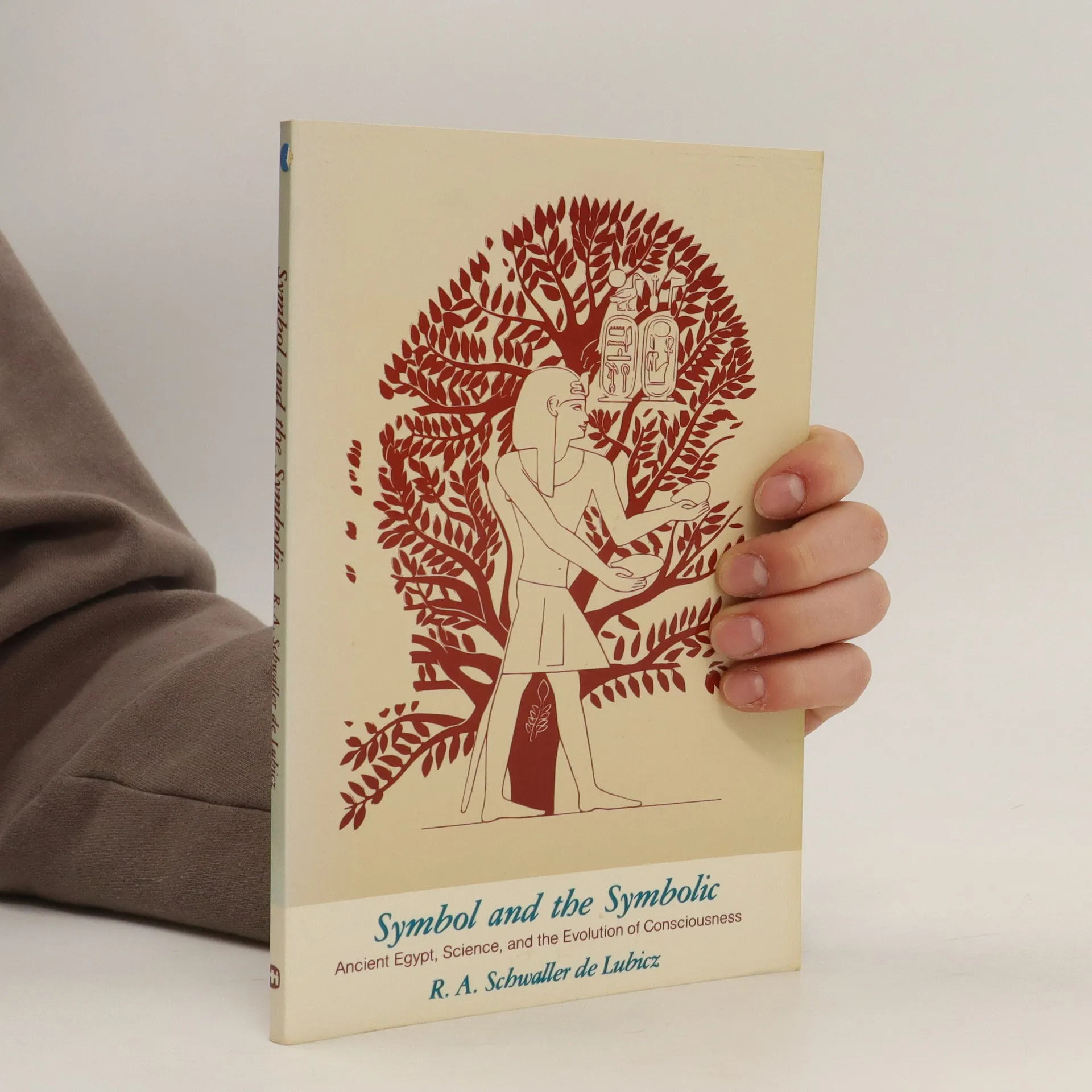
Symbolism is the intuitive means of overcoming the limitations of reason. Here Schwaller explains how true progress in human thought can be made only if we call upon the "symbolizing" faculty of intelligence, developed and refined in the temple culture of ancient Egypt and reflected in its hieroglyphs.
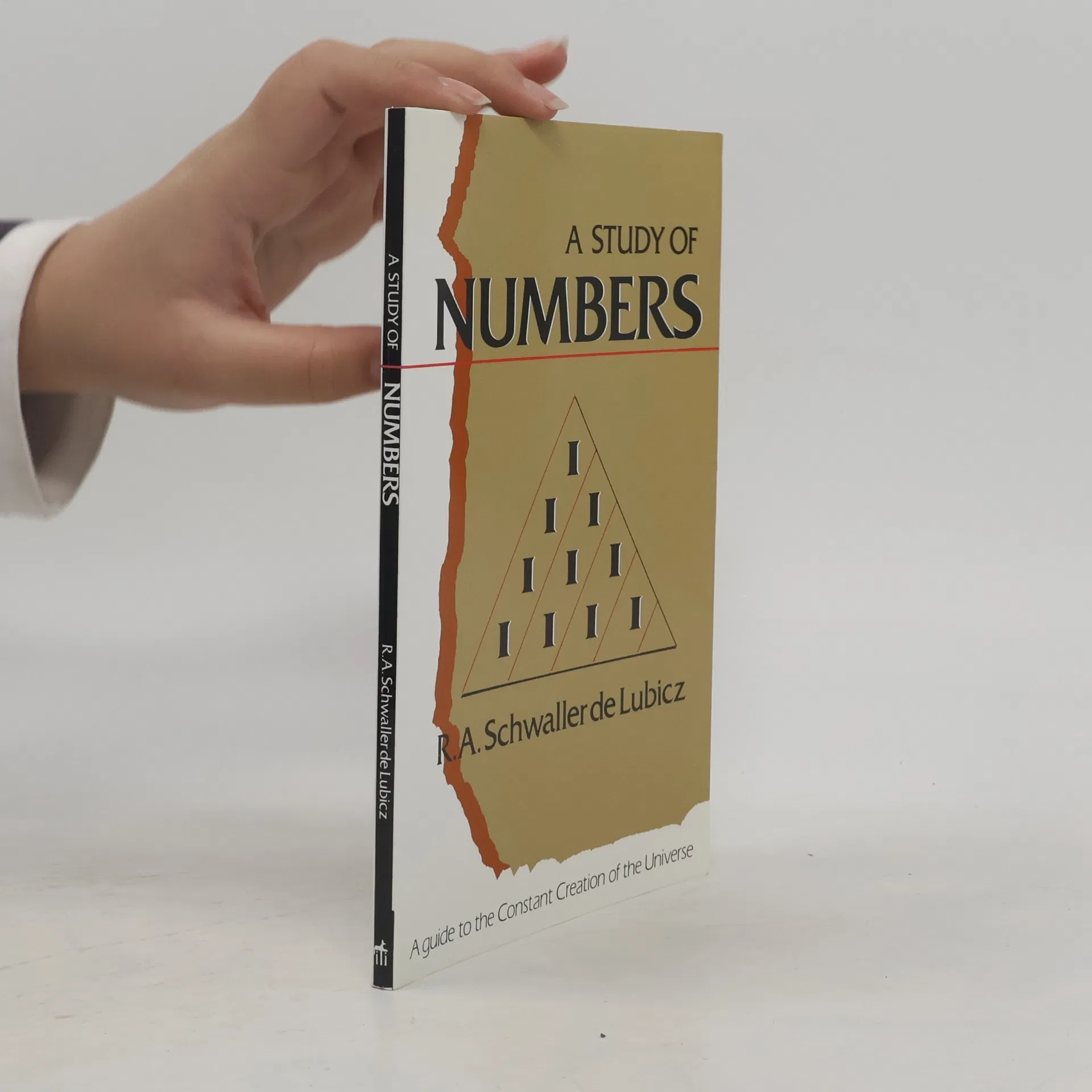
We lack direct consciousness of Space and Time, knowing them only indirectly through mass, force, energy, and sensory phenomena. This absence of direct awareness creates a need to simplify complex realities, leading us to reduce everything to fundamental properties while overlooking the universal organization that surrounds us. Consequently, the science of numbers, a remarkable guide to the universe's constant creation, remains merely a hypothesis until it inspires a higher consciousness of universal order. By deepening our understanding of things and their processes, we can recognize Numbers as a truth and experience the profound relationship between cause and effect—this relationship being more genuine than the effects themselves.
Published in 1917 under the author's name René Schwaller, this work represents the initial expression of the teachings later associated with R.A. Schwaller de Lubicz. It offers a masterful exploration of the living, universal, qualitative, and causal reality of numbers. Beginning with the irreducible one, the author examines the unfolding of creation through cycles of polarization, ideation, and formation. Key topics include numbers, values, relations, the disengagement of numbers, their harmonic basis, the development of values, and the establishment of harmony.
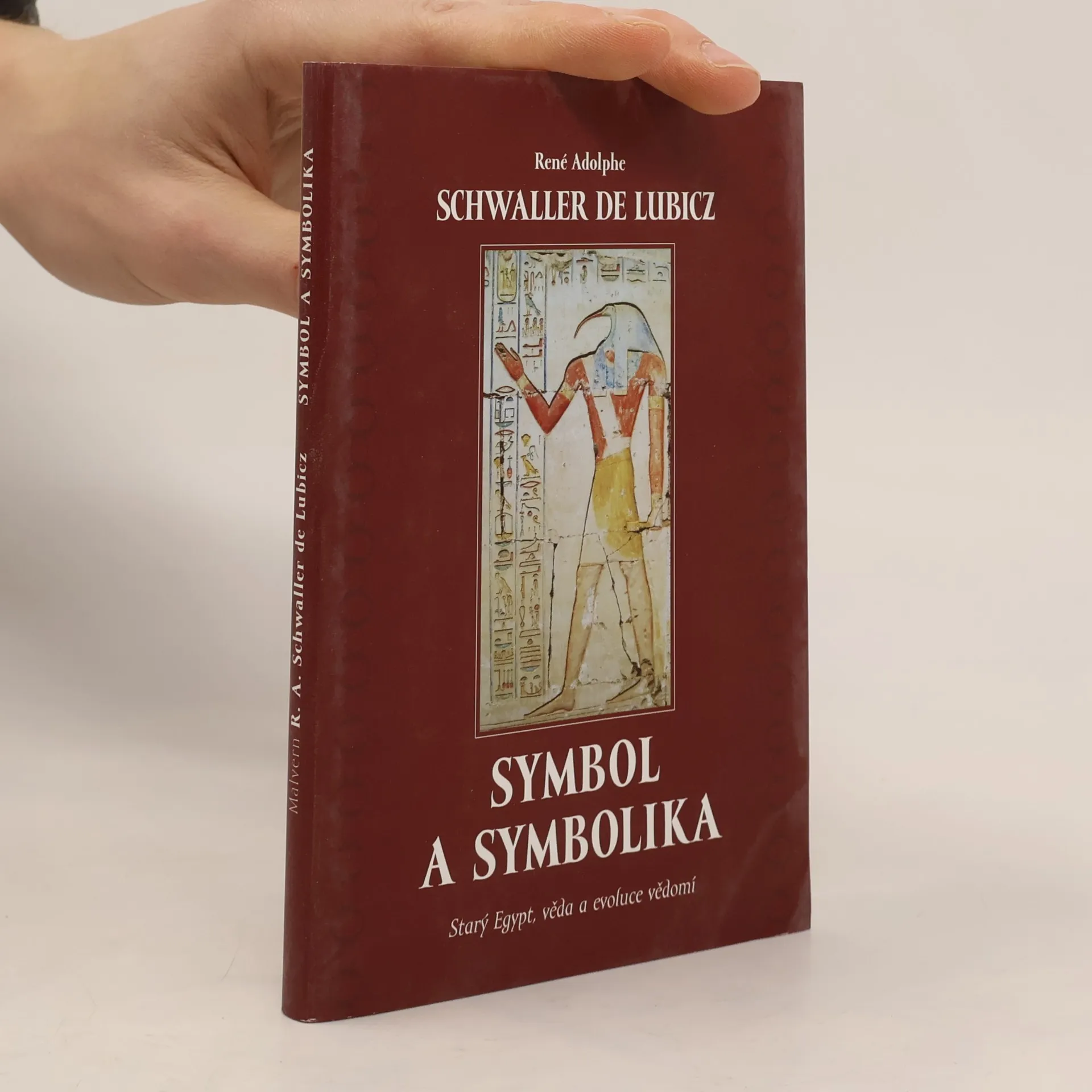
Symbol je materiální reprezentací nemateriálních kvalit a funkcí. Je to objektivizace obsahů, které máme ve své mysli, subjektivně a podprahově, a jež v nás probouzí způsob vnímání světa, který by nám mohl pomoci, abychom si byli vědomi vědění obsaženého v naší duši.
Práce Schwallera de Lubicz nám nabízí nasměrování nikoli k opuštění schopnosti racionálního uvažování v jógových extázích, nýbrž k integraci této schopnosti s vyšší, vrozenou inteligencí. Toto nasměrování spočívá jak v „technikách myšlení“, tak i v poznání zákonů „křížení“ a „inverze“ a v aplikaci principů „přítomného okamžiku“ a „simultánnosti protikladů“. Experimenty dokazují, že v našem mozku jsou obsaženy funkční známky těch nejodlehlejších tělesných myslí. Schwaller de Lubicz říká, že bychom o nich neměli uvažovat jen jako o zvířecích popudech a hrubých aspektech našeho vědomí, které s ním nejsou v souladu, ale rovněž jako o nezměrné instinktivní inteligenci zákonů přírody, kterou v nás zanechala naše zvířecí a plazí zkušenost. Místo potlačování a ignorování celku naší evoluce bychom možná měli spíše hledat cesty, jak vtělit nezměrné symbolické obsahy těchto prastarých částí mozku do naší inteligence v současnosti.