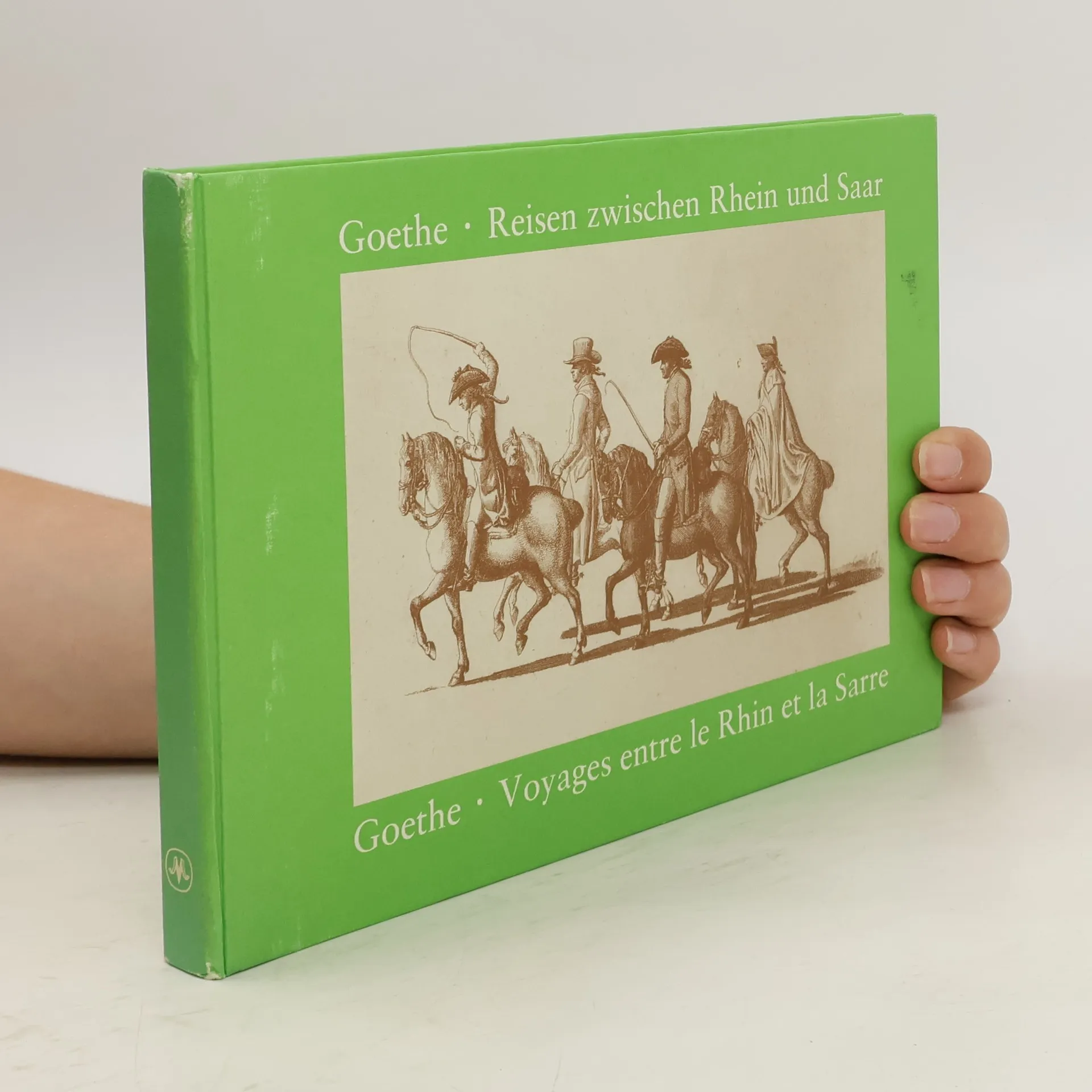
La Fête de saint Roch à Bingen
- 63pages
- 3 heures de lecture


Johann Wolfgang von Goethe était un poète, dramaturge et penseur allemand qui a profondément influencé la littérature européenne. Son écriture mêle une grande précision de la pensée à des images de la nature très sensibles et à une émotion contenue mais intense. Dans des œuvres comme Faust, il fait du conflit entre désir, quête de savoir et scrupules moraux un drame intérieur d’une rare intensité, ce qui explique la force durable de ses textes.



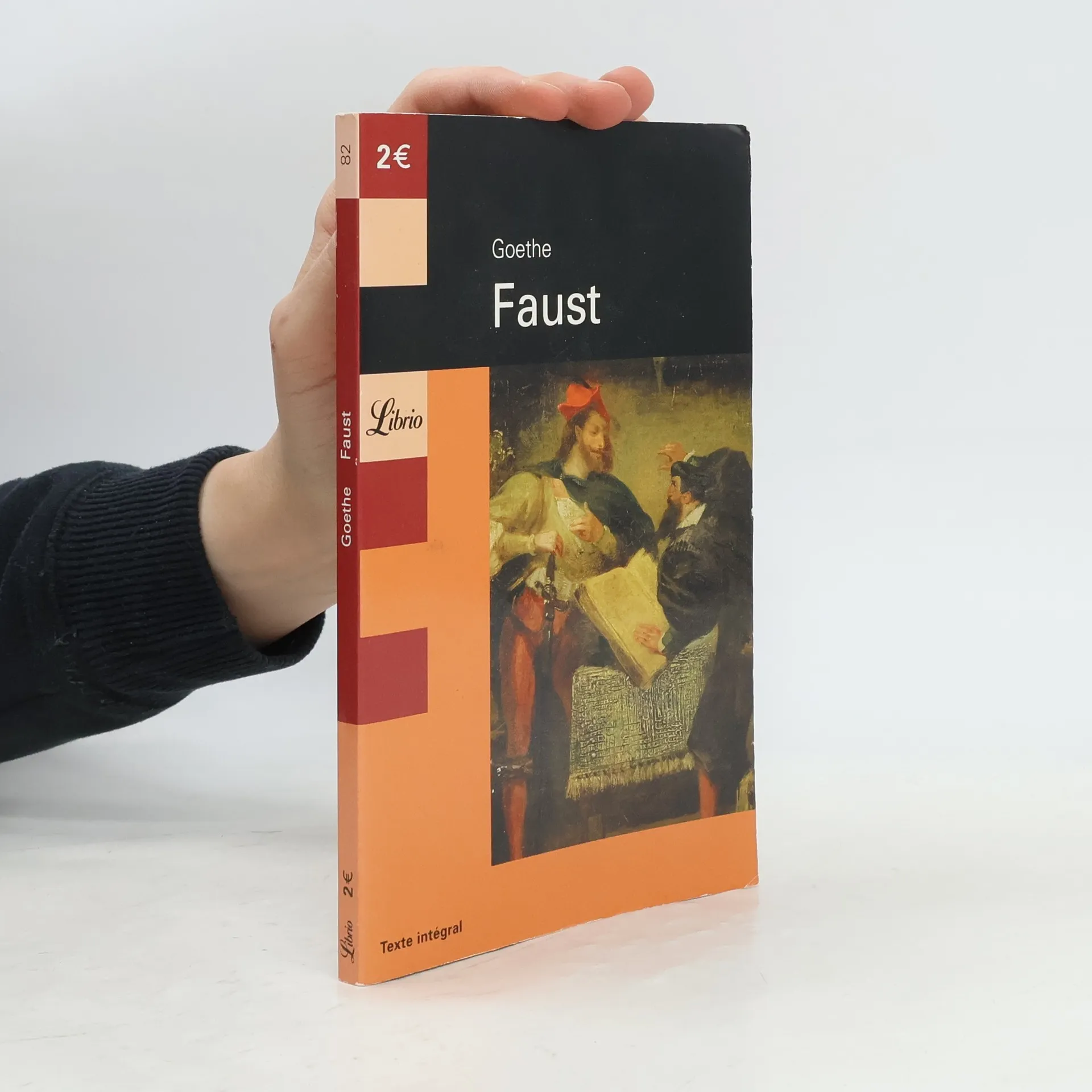
MÉPHISTOPHÉLÈS : - Je veux ici m'attacher à ton service, obéir sans fin ni cesse à ton moindre signe ; mais, quand nous nous reverrons là-dessous, tu devras me rendre la pareille. FAUST - Le dessous ne m'inquiète guère ; mets d'abord en pièces ce monde-ci, et l'autre peut arriver ensuite. Mes plaisirs jaillissent de cette terre, et ce soleil éclaire mes peines ; que je m'affranchisse une fois de ces dernières, arrive après ce que pourra. Je n'en veux point apprendre davantage. Peu m'importe que, dans l'avenir, on aime ou haïsse, et que ces sphères aient aussi un dessus et un dessous. MÉPHISTOPHÉLÈS - Dans un tel esprit tu peux te hasarder : engage-toi ; tu verras ces jours-ci tout ce que mon art peut procurer de plaisir ; je te donnerai ce qu'aucun homme n'a pu même encore entrevoir.
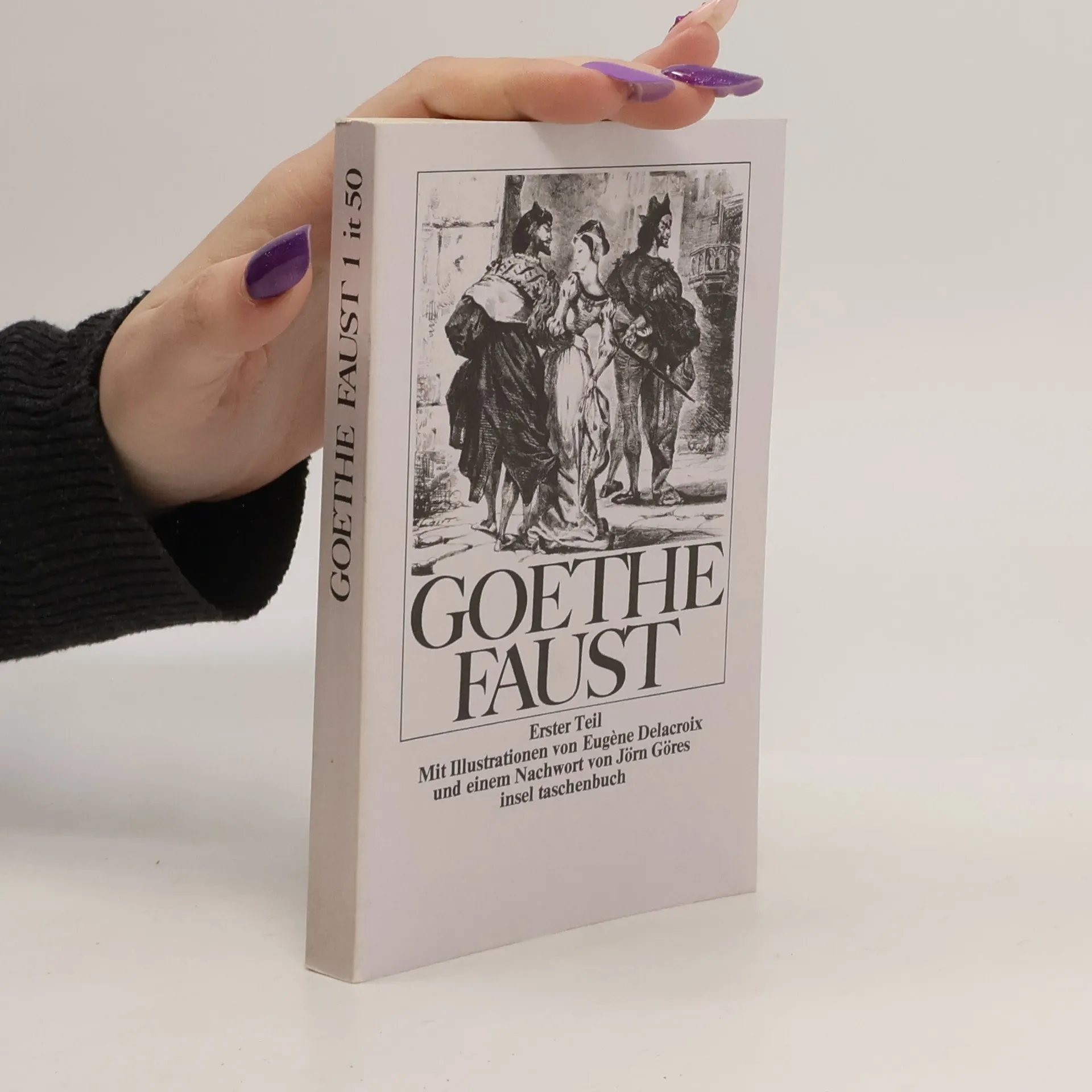
Librarian's Note: this is an alternate cover edition- ISBN 10: 2081358689 (ISBN 13: 9782081358683) « Faust » : ce simple mot, cette syllabe robuste et trapue comme le « poing » qu'elle désigne couramment, est un signe aussi fort dans l'histoire culturelle des pays allemands que lorsqu'on dit « don Quichotte » en terre espagnole ou « Dante » en Italie. C'est essentiellement grâce à l'oeuvre de Goethe que le personnage de Faust a passé les frontières et rejoint, dans l'imaginaire occidental, les figures de don Juan et de Prométhée. Comme eux, insatisfait et rebelle, Faust s'oppose à l'autorité divine en faisant un pari dont l'enjeu n'est rien de moins que le sens de la vie et la possibilité du salut.
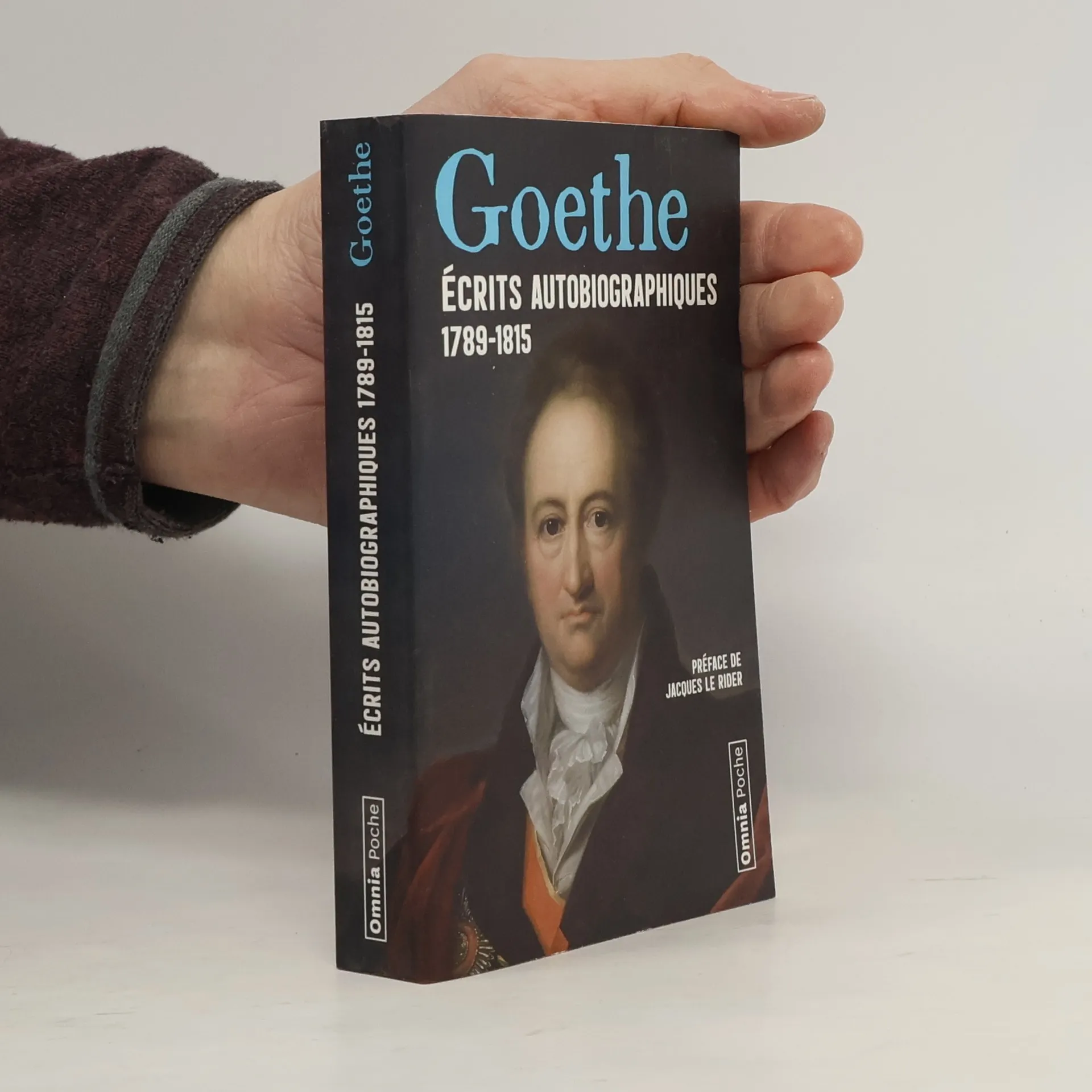
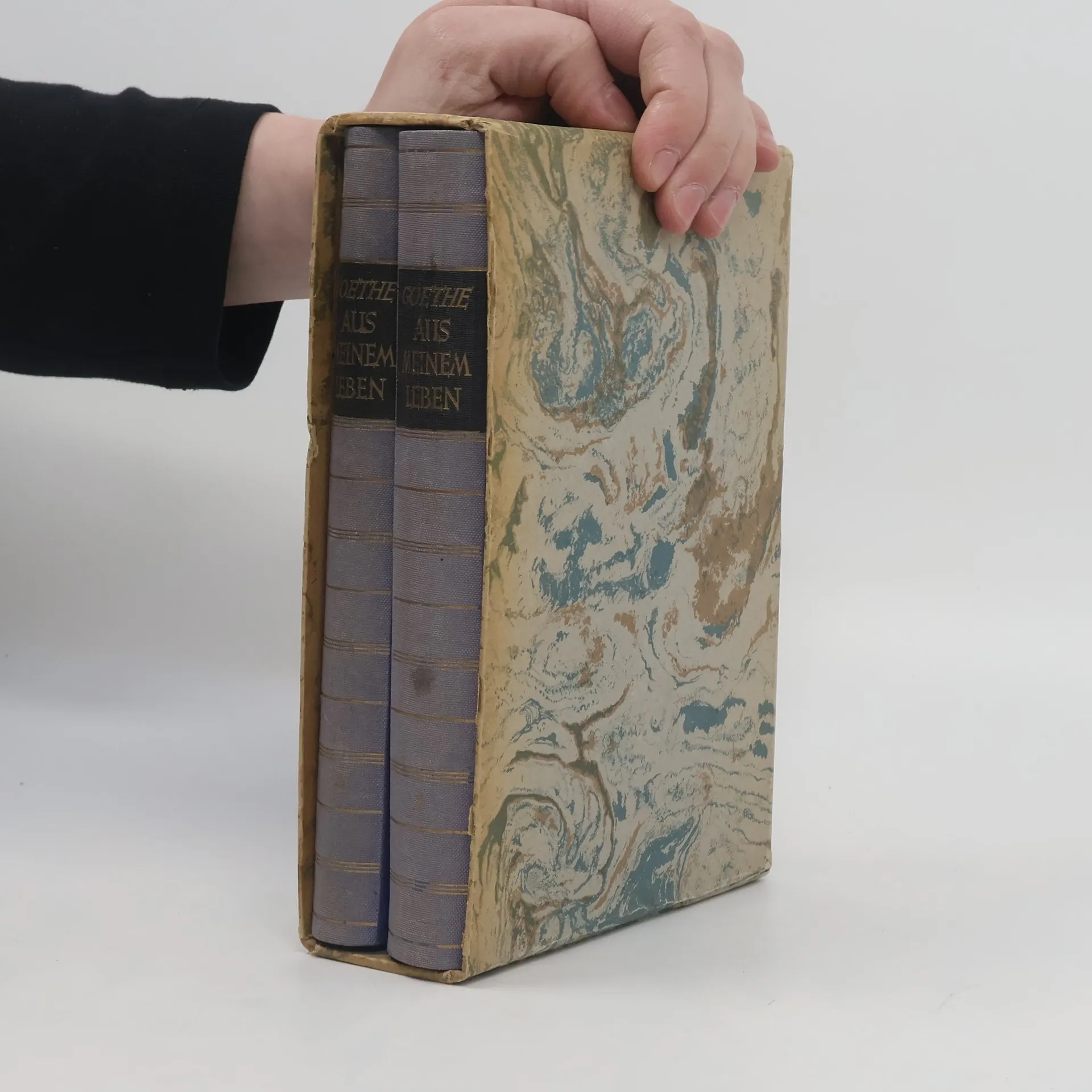
Autobiographie écrite, pour les trois premières parties, de 1811 à 1814 et pour la dernière en 1830. Les amours et les oeuvres revisitées mais sur un ton plus classique que romantique et donc très loin de Rousseau.
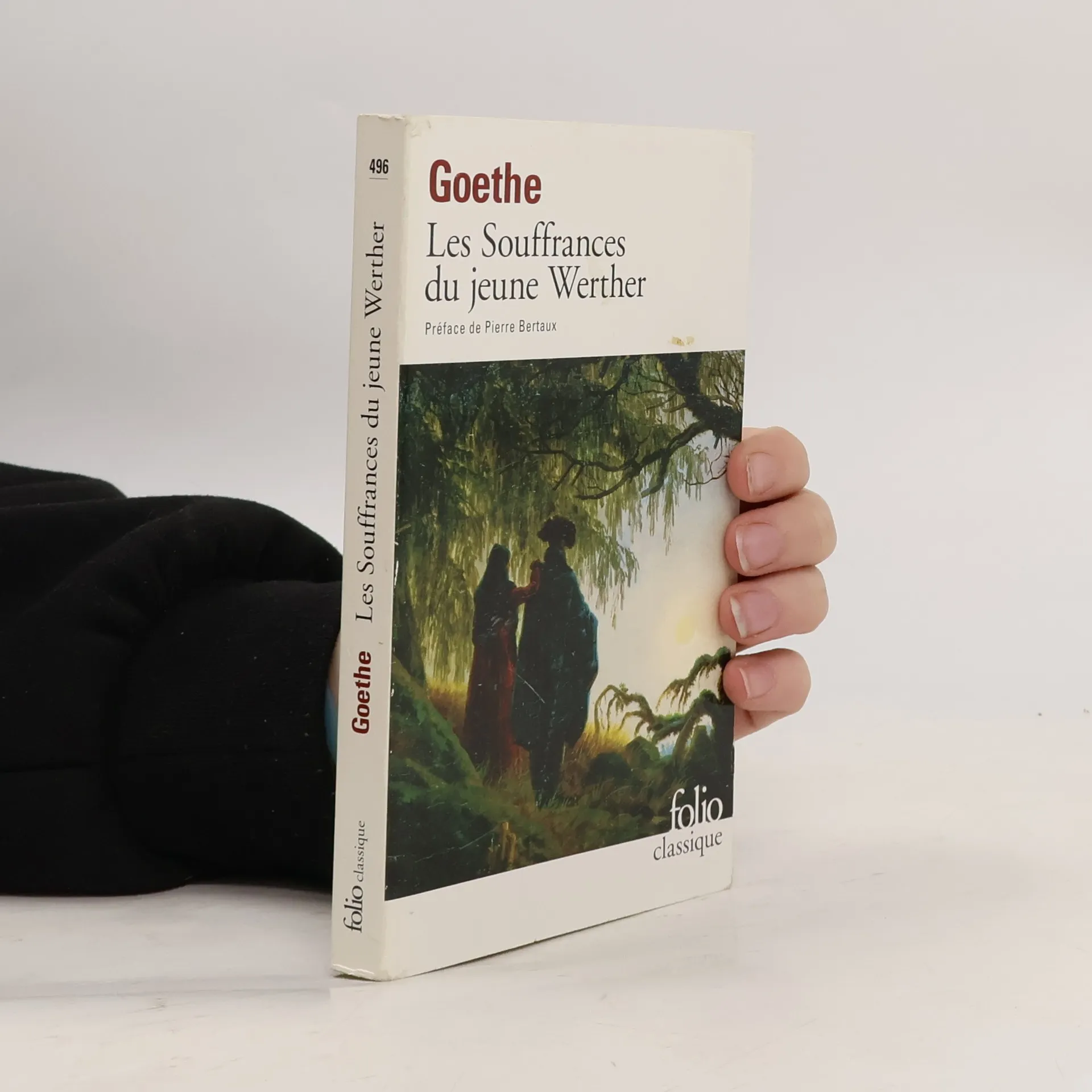
«Un serin vole du miroir, et se perche sur son épaule. "Un nouvel ami", dit-elle, et elle l'attira sur sa main. "Il est destiné à mes petits. Il est si joli ! regardez-le. Quand je lui donne du pain, il bat des ailes, et becquete si gentiment ! Il me baise aussi : voyez." Lorsqu'elle présenta sa bouche au petit animal, il becqueta dans ses douces lèvres... "Il faut aussi qu'il vous baise", dit-elle, et elle me tendit l'oiseau. Son petit bec passa des lèvres de Charlotte aux miennes, et ses picotements furent comme un souffle précurseur, un avant-goût de jouissance amoureuse... "Il mange aussi dans ma bouche", dit-elle. Je détournai le visage.»
"Qui peut mettre la fin de sa vie en relation avec son commencement est le plus heureux des hommes." Ces maximes sont l'oeuvre d'une vie. Elles procèdent d'un même sens. C'est la tentative de réunir les contraires et d'établir une harmonie entre la pensée et l'action. Dans ce jeu entre le statique et le dynamique, dans ces perpétuels renvois et ces apparentes contradictions se situe la sagesse de ce livre : "Trouver son rapport à soi-même, aux autres et aux choses." À l'inverse des choses, l'homme n'a pas de place prédéterminée dans le monde qu'il n'appréhende jamais de façon immédiate. L'effort d'une vie est de l'affirmer : s'intégrer dans l'ordre toujours juste des choses en restant homme.
La 4ème de couv. indique : "[...] La mythologie populaire a peu de personnages aussi complets que Renart, c'est le goupil, le rusé, le malin, celui qui trompe son monde pour préserver sa liberté. Ses tours ridiculisent les grands, les riches, les puissants : il incarne une sagesse naturelle qui se moque des principes et des règlements, car elle ne mise que sur la vie et la réalité. Le "Roman de Renart", est à la fois célèbre et méconnu ; il se compose en effet d'innombrables épisodes difficiles à organiser ; on avait oublié que Goethe a mis de l'ordre dans ces épisodes et écrit à partir d'eux un "Goupil le renard", qui est l'un de ses chefs d'oeuvre. [...]"
Annales ; Campagne de France ; Siège de Mayence ; Entretien avec Napoléon
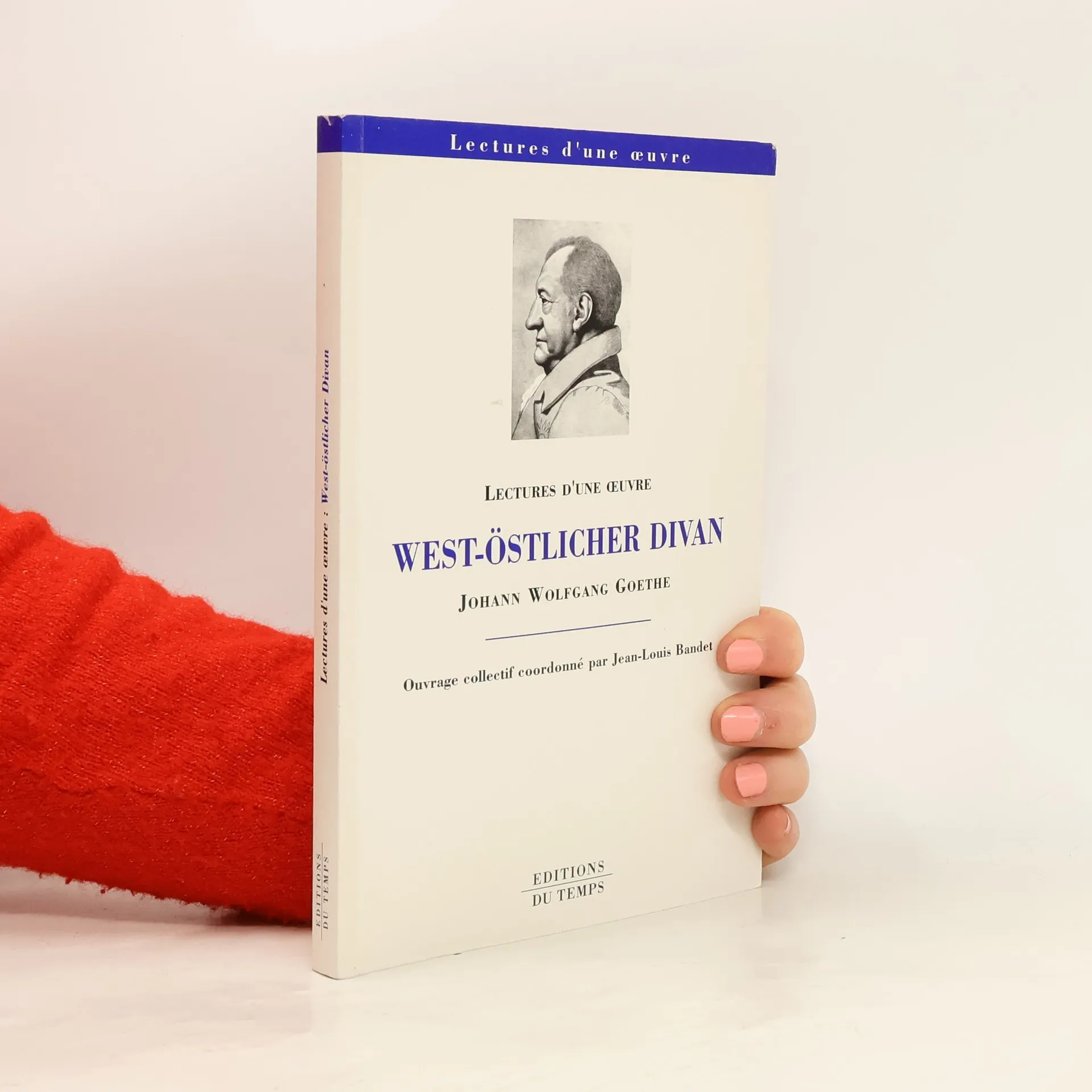
Par un étrange concours de circonstances, Goethe découvre la poésie de Hafis en juin 1814, quelques jours après le traité de Paris qui mit fin à l'empire napoléonien : le XIXe siècle s'ouvrait alors sur le retour au passé. L'Ancien Régime est restauré, Goethe commence à surmonter la douleur que lui ont causée les disparitions de Herder, de Schiller, de sa mère ; dans sa soixante-cinquième année il redécouvre, par l'amour de Marianne, par la découverte d'une poésie d'autrefois, la jeunesse du monde et la sienne propre. Avec le Divan c'est le XVIIIe siècle qui revient, le Siècle des lumières, des libres penseurs et des libertins, de Voltaire, de Mozart et aussi de Casanova. Mais comment oublier les dernières décennies, les bouleversements de l'histoire ? C'est de cette tension entre la joie de vivre retrouvée et la conscience de la fuite du temps que naît le charme raffiné du recueil, où s'exprime merveilleusement le bonheur de vivre, la " Freude am Dasein ", qu'éprouve et proclame un vieil homme orgueilleusement conscient de son génie souverain.
" Goethe : l'Orphée et l'Horace allemands réunis dans un même homme. " Lamartine
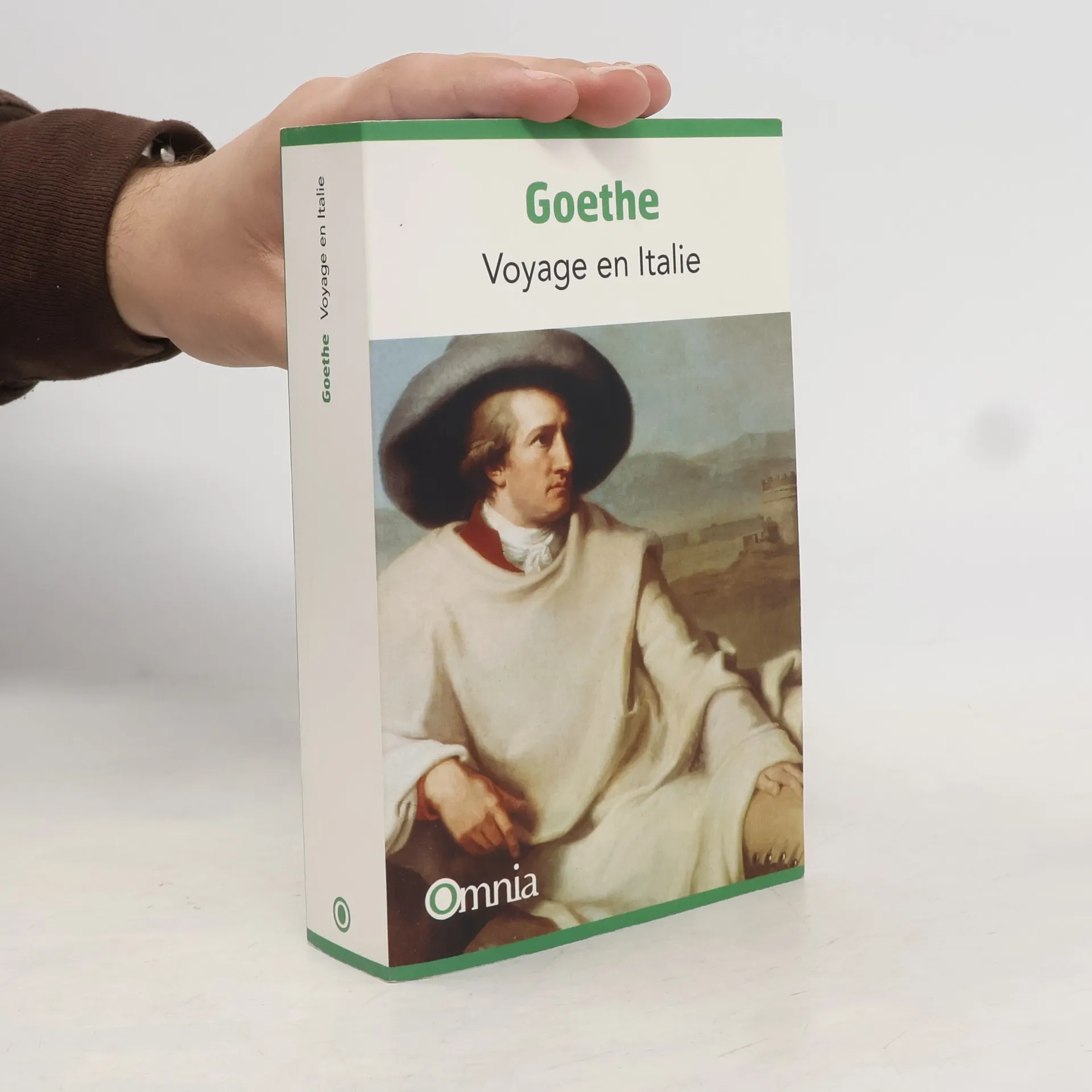
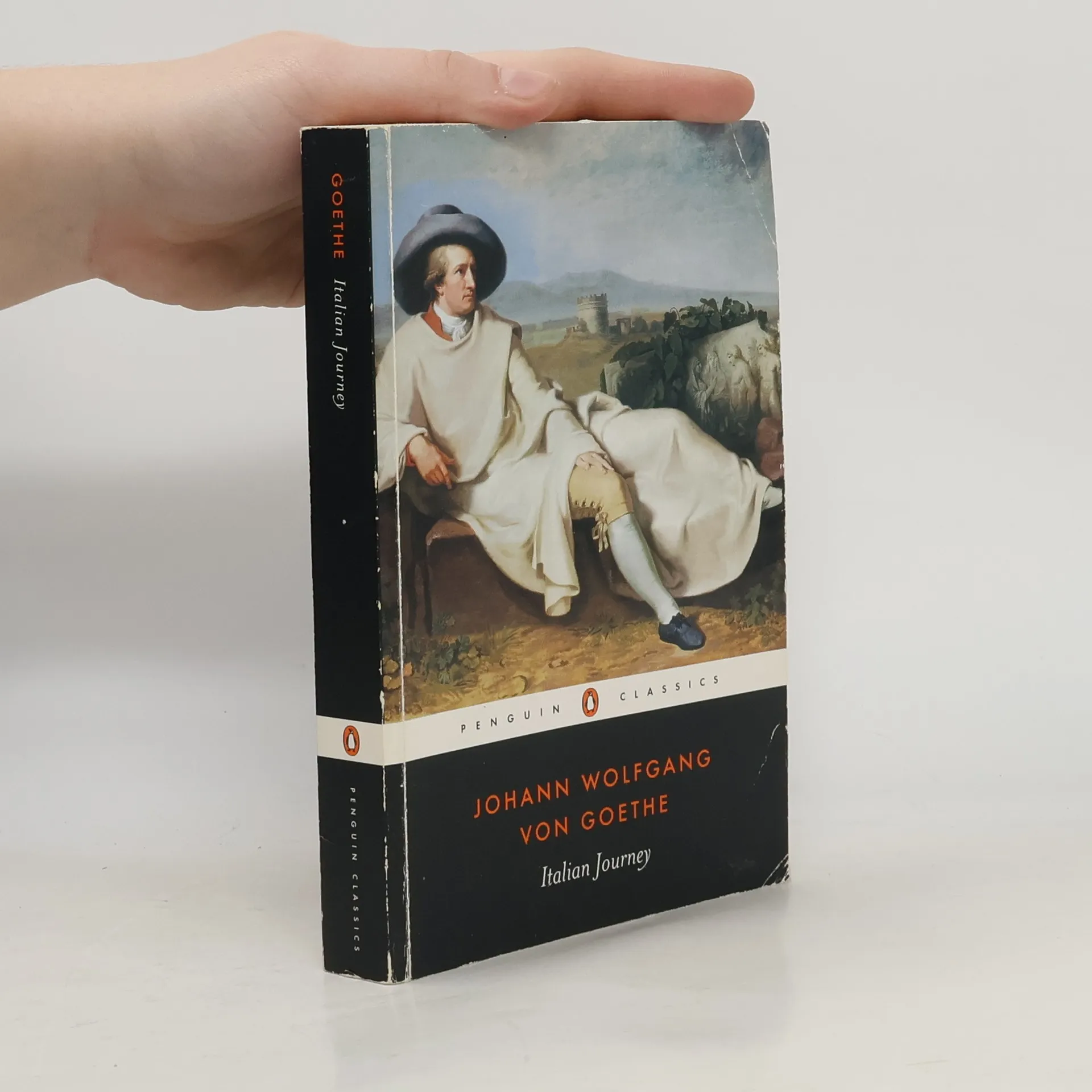
Ce Voyage en Italie de Goethe est important à plus d'un titre. On peut légitimement considérer qu'il a marqué une rupture dans sa vie. En prenant la route du Sud en 1786, Goethe a voulu échapper à un univers qu'il sentait trop pesant : " Je me suis enfui de Carlsbad à trois heures du matin : autrement on ne m'aurait pas laissé partir ". Il se dérobe incognito, à la hâte, affronte les périls et se métamorphose en Wanderer : le voyageur, le vagabond, l'errant. Commence alors son odyssée, qui durera jusqu'en 1788 et qu'il retrace dans ce récit où se mêlent l'art et la vie. Goethe traverse Vérone, Vicence, Venise, Padoue, Ferrare, Bologne, Florence, Pérouse, Rome, Naples, Palerme. Il admire l'art classique, contemple les paysages, se lie avec la population : son expérience est intense. Ce Voyage en Italie, publié seulement en 1816 pour la première fois, depuis longtemps indisponible en France, compte parmi les plus célèbres relations de voyage allemandes et s'inscrit dans le projet autobiographique de l'auteur de Faust. La traduction de Jacques Porchat a été révisée et complétée par Jean Lacoste qui signe aussi une remarquable préface où est exposé l'art du voyage chez Goethe, pour qui le déplacement ne saurait aller sans une renaissance et la redécouverte de soi.
Goethe: Faust, Balzac: Cousin Bette
Encyclopædia Britannica offers a monumental collection that compiles history's greatest written works, from the ancient classics to more recent masterpieces. It contains 517 works from 130 of the most renowned minds throughout history. The collection includes a unique guide that enables you to investigate a particular idea and compare the perspectives of different authors, organizing thirty centuries of thought into 102 Great Ideas, divided into topics and subtopics to explore different viewpoints over time. This collection represents the essential core of the Western literary canon.
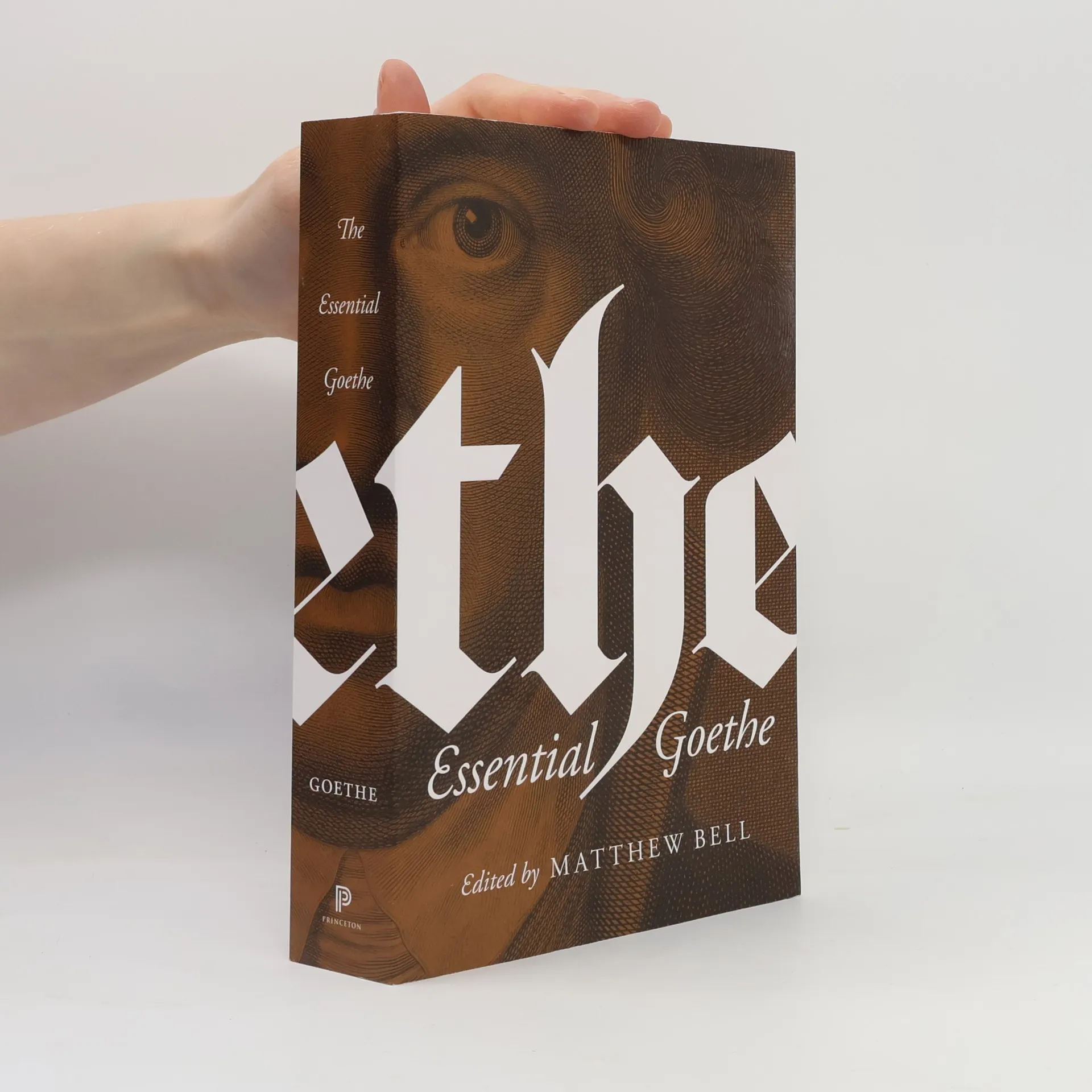
The Essential Goethe is the most comprehensive and representative one-volume collection of Goethe's writings ever published in English. It provides English-language readers easier access than ever before to the widest range of work by one of the greatest writers in world history. Goethe's work as playwright, poet, novelist, and autobiographer is fully represented. The volume also offers a selection of Goethe's essays on the arts, philosophy, and science, which give access to the thought of a polymath unrivalled in the modern world. Primarily drawn from Princeton's authoritative twelve-volume Goethe edition, the translations are highly readable and reliable modern versions by scholars of Goethe. The volume also features an extensive introduction to Goethe's life and works by volume editor Matthew Bell.
The narrative centers on Dr. Faust, a scholar who becomes entangled with Mephistopheles, the devil, after a wager in heaven. This struggle highlights the themes of ambition, temptation, and the consequences of seeking power at the cost of one's soul. Goethe's "Faust," rooted in the German Renaissance legend, showcases the tension between human desire and moral integrity. This edition features a translation by Anna Swanwick and an introduction by F. H. Hedge, emphasizing its enduring significance in literature and its unique place among adaptations of the Faust legend.
The book is a facsimile reprint of a scarce antiquarian work, preserving its original content despite potential imperfections like marks and notations. Emphasizing its cultural significance, the edition aims to protect and promote literature by providing an affordable, high-quality reproduction that remains true to the original text.
Goethe's early plays bear witness to his urgent desire to enliven German theater--an ambition that followed him to the National Theater in Weimar, where he was named director in the early 1790s. This volume contains eight of these plays, written between 1771 and 1787. Not only do they demonstrate Goethe's unprecedented versatility in experimenting with new forms of dramatic expression, but they also give insight into his development from Sturm und Drang to classicism. These works include prose plays (Goetz von Berlichingen with the Iron Hand and Egmont), tragedies and comedies (Clavigo, Stella, and Brother and Sister), and dramatic verse forms (Prometheus, Jery and Betty, and Proserpina).
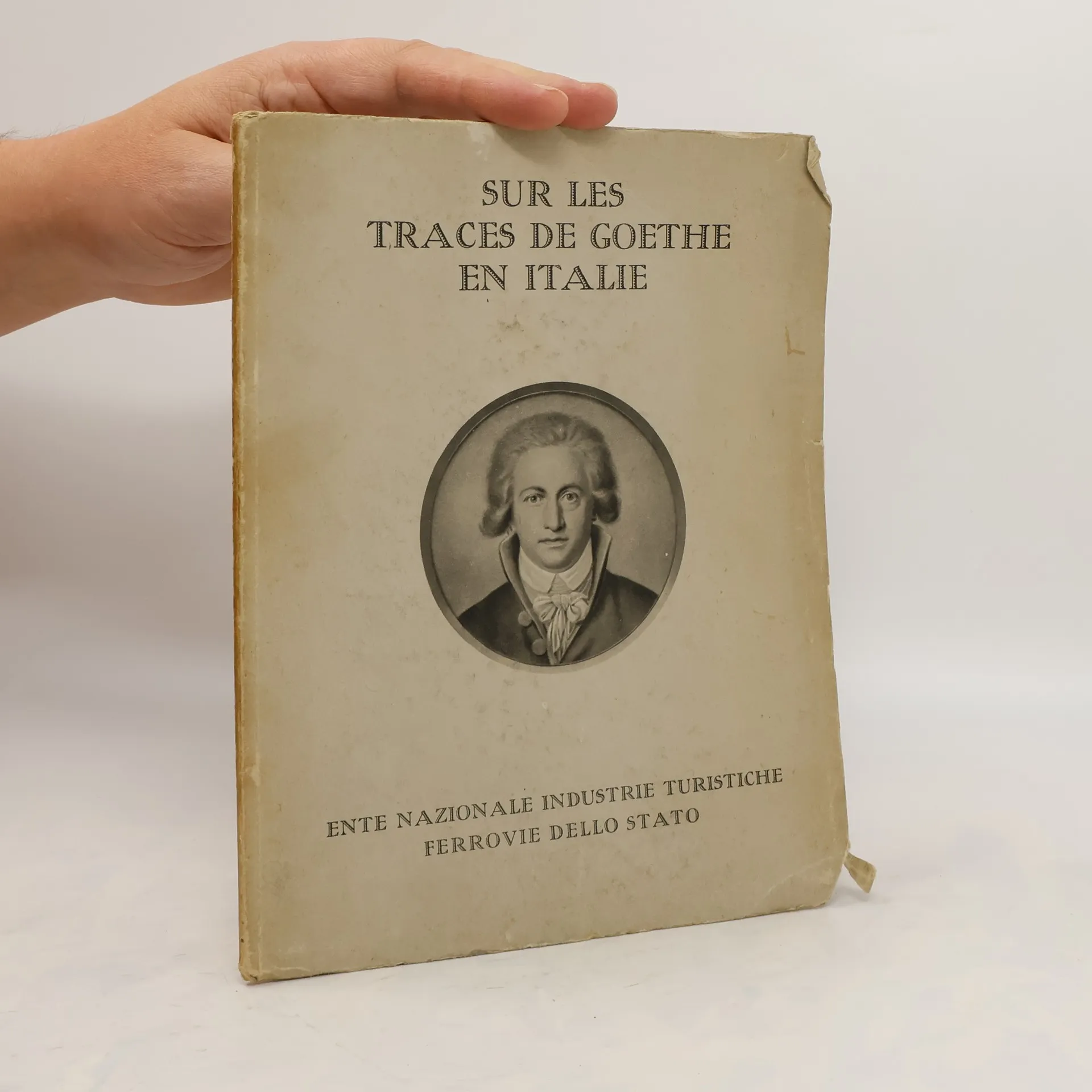
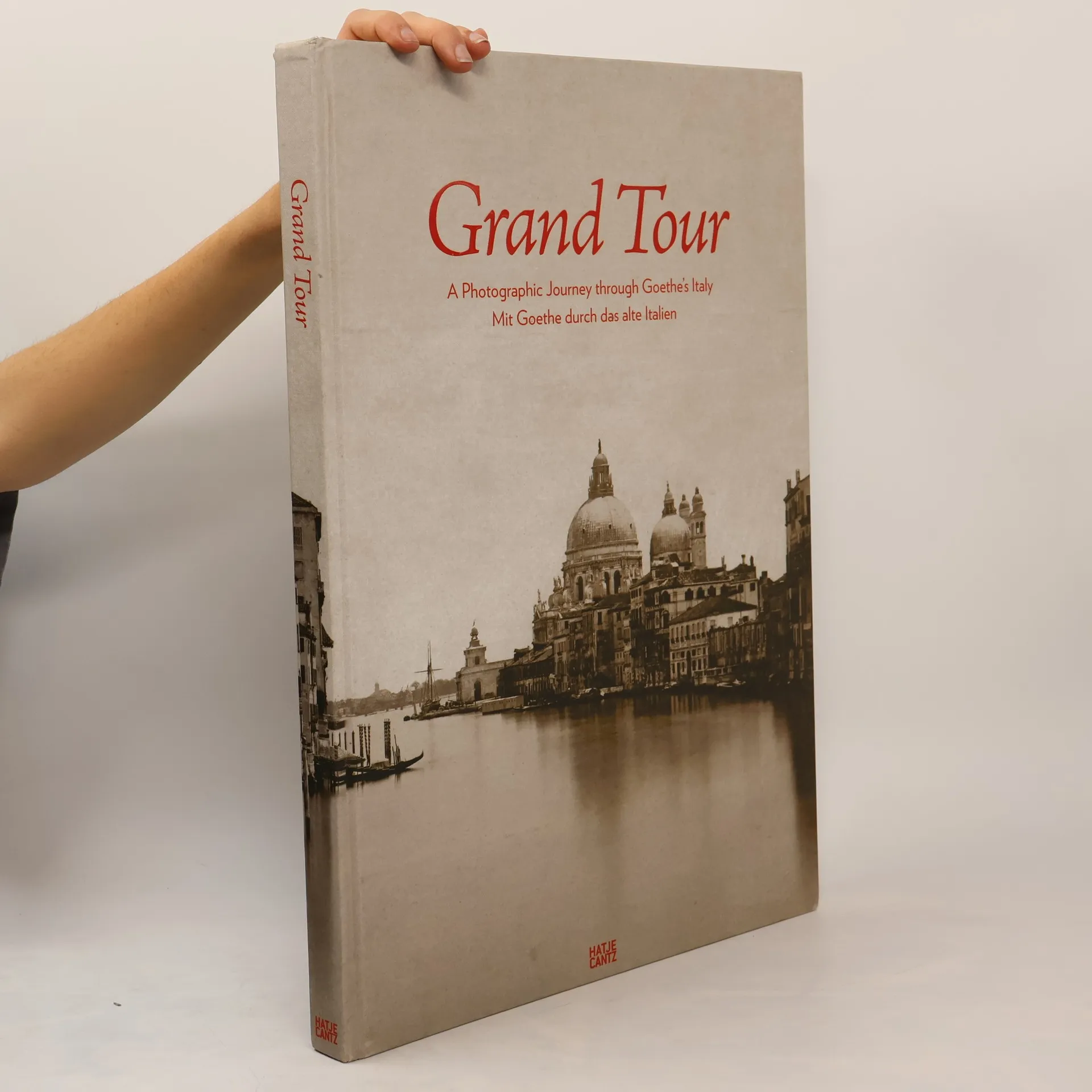
»Kennst du das Land, wo die Zitronen blühn, im dunkeln Laub die Goldorangen glühn …« Eine Reise nach Italien galt im 17. und 18. Jahrhundert als unverzichtbarer Bestandteil der Erziehung junger Männer aus gutem Hause. Beschwerliche Kutschfahrten führten sie nach Florenz, Venedig, Rom und Neapel. Künstler folgten ihnen bald, und so führte 1786 bis 1788 auch Johann Wolfgang von Goethe die Sehnsucht gen Süden. Goethes Italienische Reise vermittelt sehr lebendig seine tiefe Begeisterung, schildert aber auch einen bereits gut organisierten frühen Tourismus. Nur siebzig Jahre später hielten erste Fotografen Stationen der Grand Tour auf silberbeschichteten Platten fest. Carlo Naya (1816–1882) oder dem, wie Goethe, aus Frankfurt am Main stammenden Giorgio Sommer (1834–1914) gelangen ungemein poetische Ansichten von Markusplatz, Kolosseum, Rauch spuckendem Vesuv und schönen Fischerinnen auf Capri. – Zeigen die träumerischen Bilder uns, was Goethe sah? Der Band im XL-Format stellt Goethe-Zitate den entsprechenden Fotografien gegenüber.
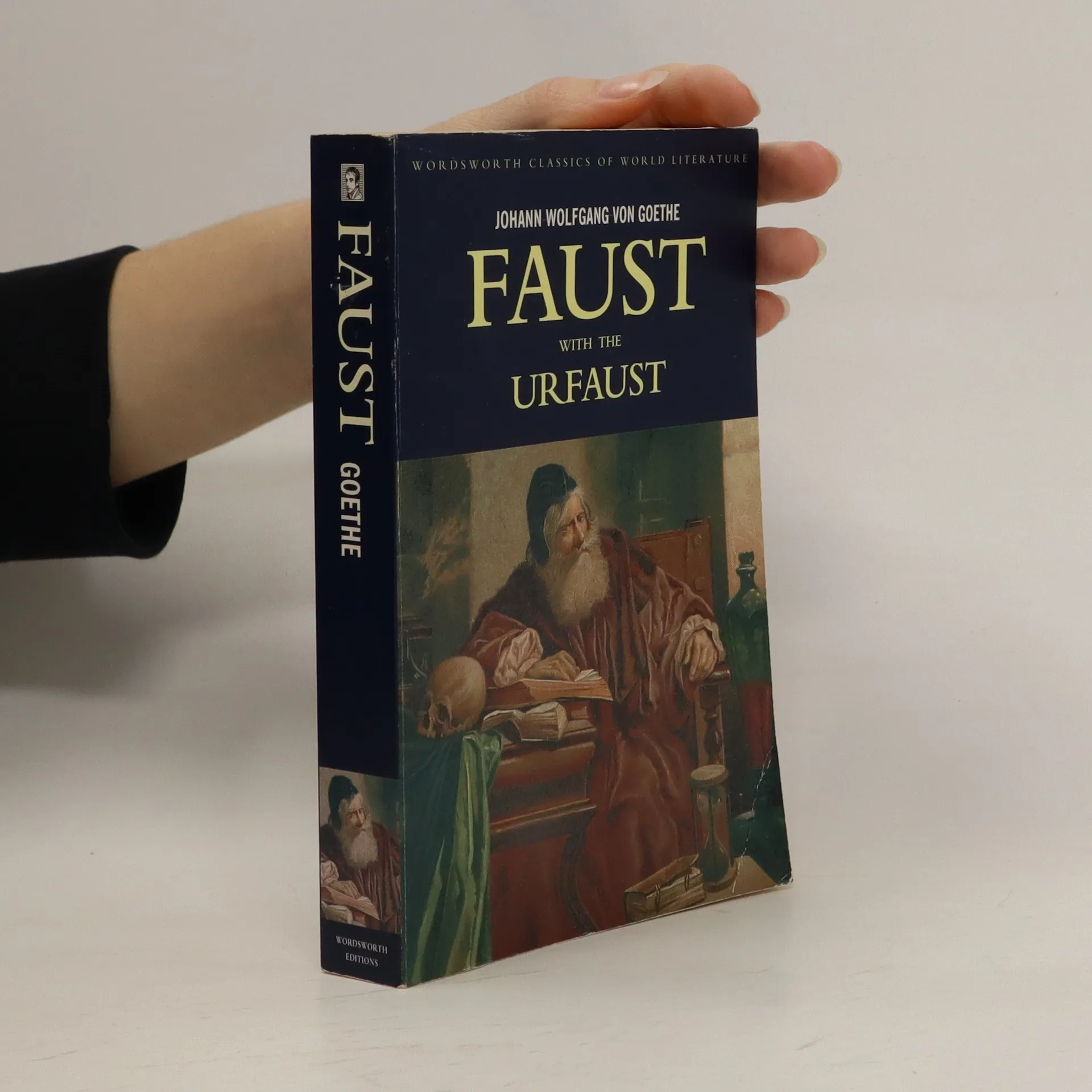
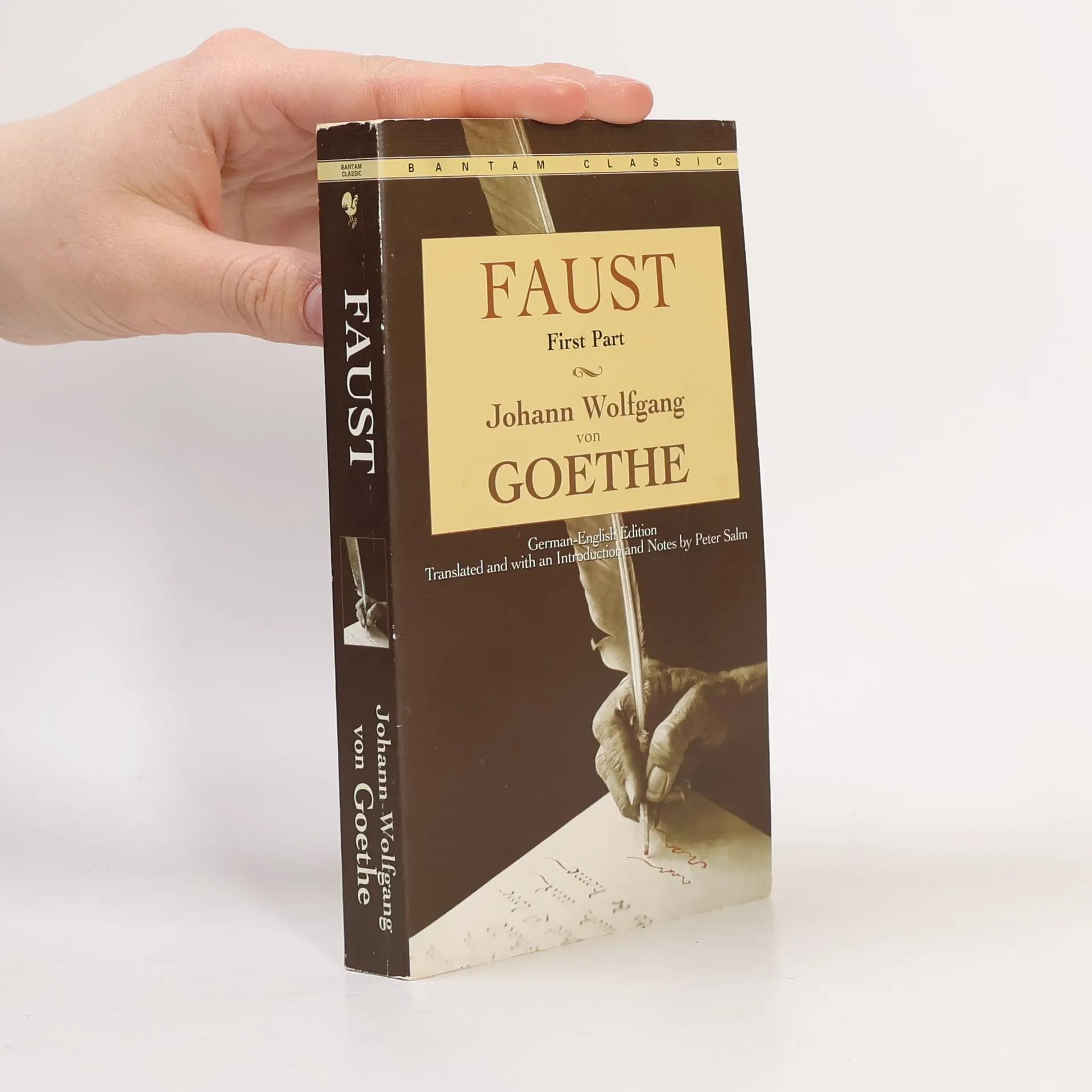
Based on the fable of a man who traded his soul for superhuman powers and knowledge, this text became the life work of Germany's greatest poet, Goethe. It is the dramatic poem that charts the life of a deeply flawed individual and his fight against despair and the nihilism of the Mephistopheles.
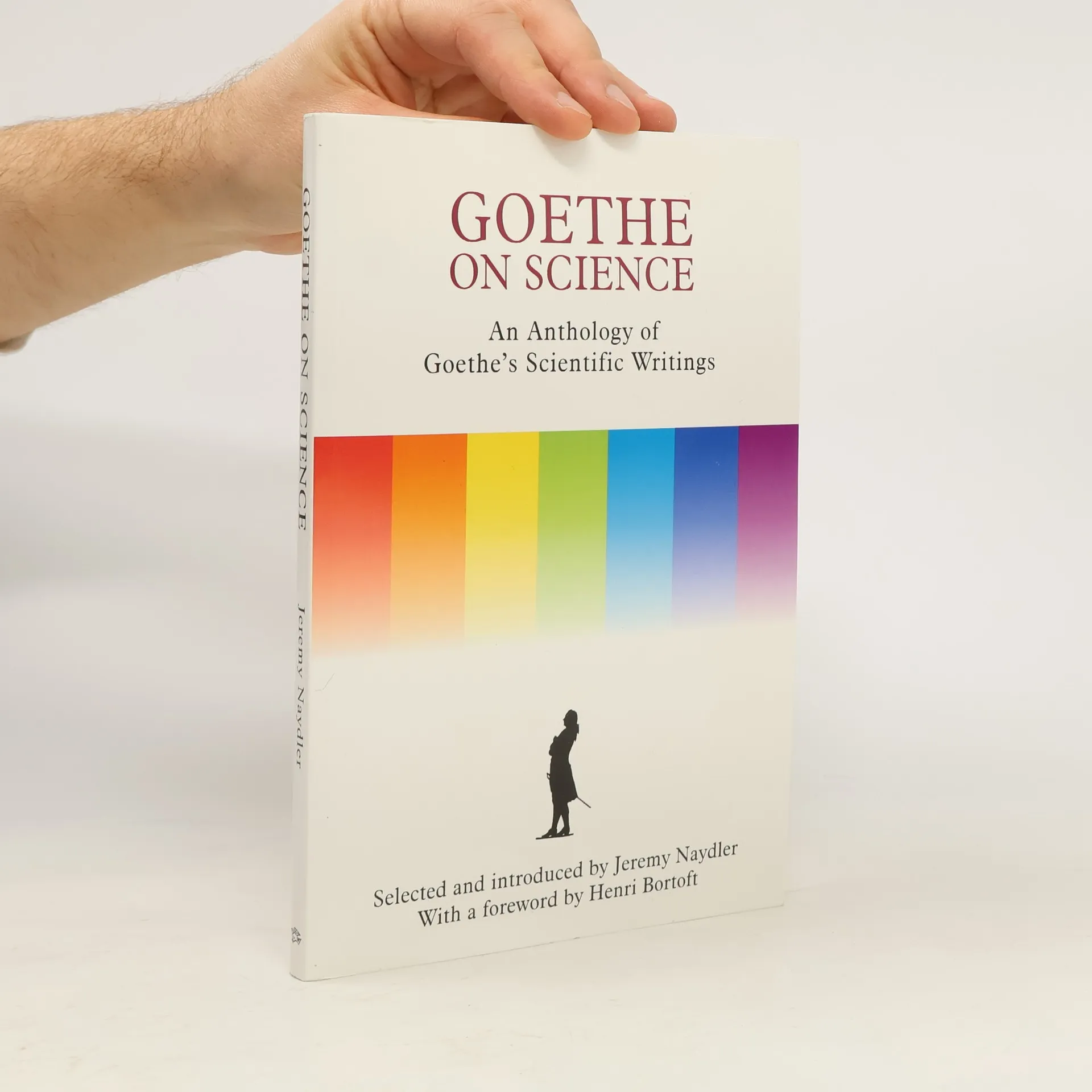
Johann Wolfgang von Goethe is most famous for his work on color theory, but he was also an accomplished all-round scientist, studying and writing on anatomy, geology, botany, zoology and meteorology. This book draws together, in Goethe's own words, his key ideas on nature, science and scientific method. Goethe believed that we should study our world and nature as people at home in it, rather than removedly, as if we were aliens from another planet. He adopted a qualitative approach to science at odds with Newton's quantitative methods that were so popular in his day. His is a sensitive science which does not ignore our relationship to nature. The extracts in this book are fascinating and essential reading for anyone who feels that we've lost our spiritual connection to nature.
Goethe’s influential text, newly illustrated with stunning color photographs. The Metamorphosis of Plants, published in 1790, was Goethe’s first major attempt to describe what he called in a letter to a friend “the truth about the how of the organism.” Inspired by the diversity of flora he found on a journey to Italy, Goethe sought a unity of form in diverse structures. He came to see in the leaf the germ of a plant’s metamorphosis—“the true Proteus who can hide or reveal himself in all vegetal forms”—from the root and stem leaves to the calyx and corolla, to pistil and stamens. With this short book—123 numbered paragraphs, in the manner of the great botanist Linnaeus—Goethe aimed to tell the story of botanical forms in process, to present, in effect, a motion picture of the metamorphosis of plants. This MIT Press edition of The Metamorphosis of Plants illustrates Goethe’s text (in an English translation by Douglas Miller) with a series of stunning and starkly beautiful color photographs as well as numerous line drawings. It is the most completely and colorfully illustrated edition of Goethe’s book ever published. It demonstrates vividly Goethe’s ideas of transformation and interdependence, as well as the systematic use of imagination in scientific research—which influenced thinkers ranging from Darwin to Thoreau and has much to teach us today about our relationship with nature.
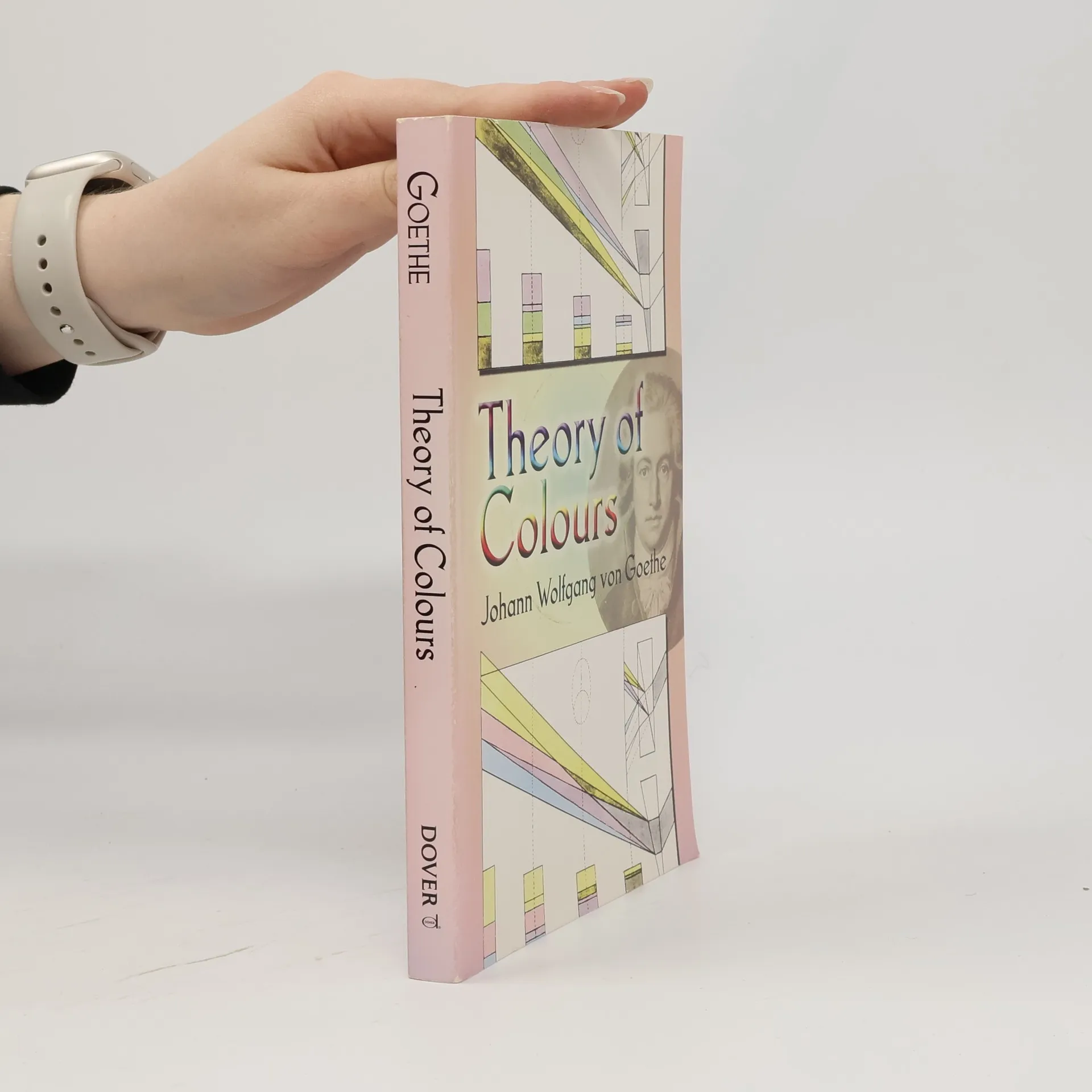
In this classic of speculative science, Goethe, the author of Faust and one of the world's greatest thinkers, provides a unique perspective on the nature of color. While not scientifically correct in light of current knowledge, the book is invaluable in its exploration of color, art, aesthetics, and philosophy. Its inimitable prose and stimulating ideas have made it a longtime favorite with intelligent readers.
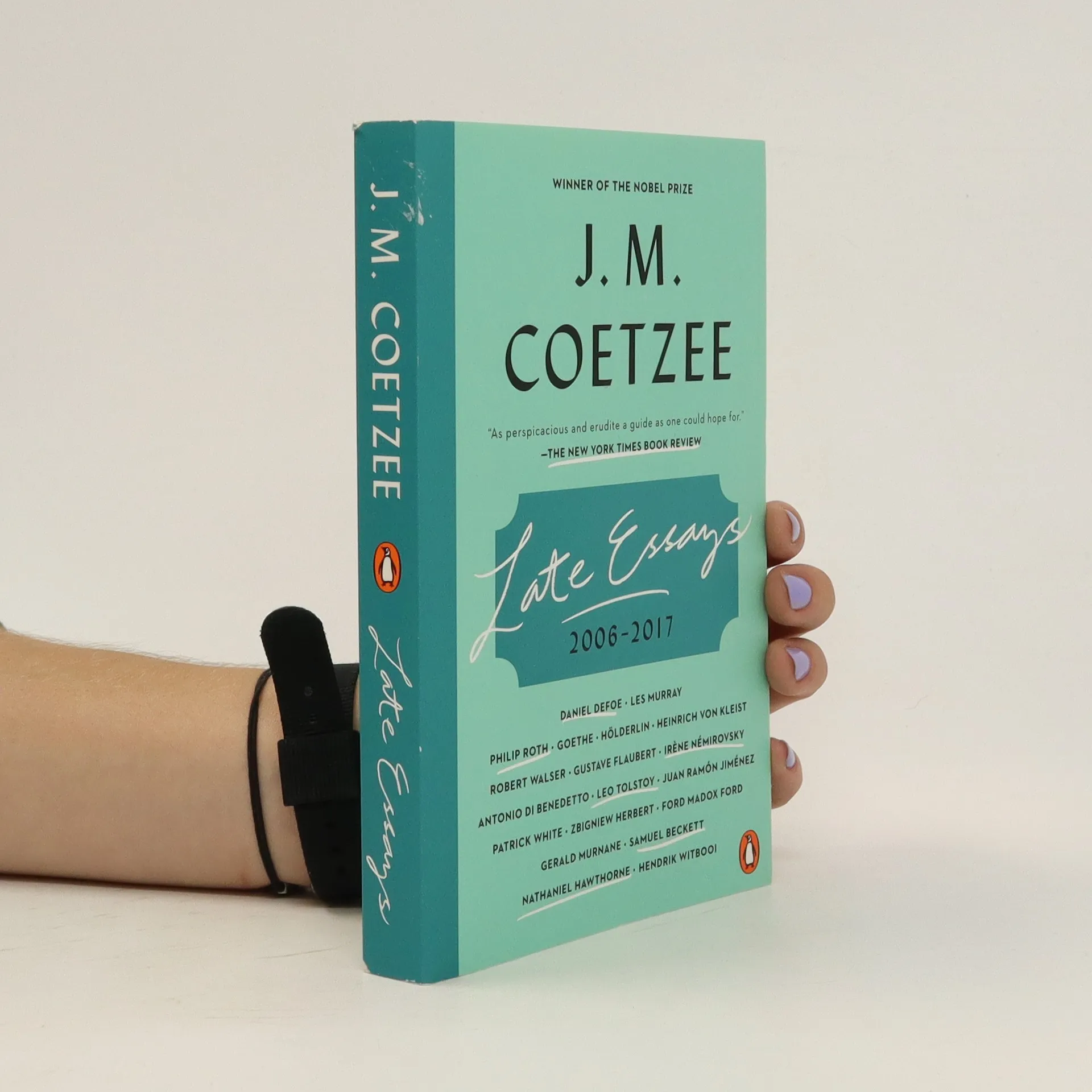
A new collection of twenty-three literary essays from the Nobel Prize–winning author. J. M. Coetzee’s latest novel, The Schooldays of Jesus, is now available from Viking. J. M. Coetzee is not only one of the most acclaimed fiction writers in the world, he is also an accomplished and insightful literary critic. In Late Essays: 2006–2016, a thought-provoking collection of twenty-three pieces, he examines the work of some of the world’s greatest writers, from Daniel Defoe in the early eighteenth century to Goethe and Irène Némirovsky to Coetzee’s contemporary Philip Roth. Challenging yet accessible, literary master Coetzee writes these essays with great clarity and precision, offering readers an illuminating and wise analysis of a remarkable list of works of international literature that span three centuries.
LOVE LETTERS OF GREAT MEN (Volume 1) is an anthology of romantic love letters written by leading male historical figures. *** The book plays a key role in the plot of the US movie Sex and the City. *** When Carrie Bradshaw in the "Sex and the City" movie began reading the book Love Letters of Great Men, millions of women wanted to get their hands on the book. Of course, what could be more romantic than an entire book of love letters, written by men! *** The book includes love letters written by Ludwig van Beethoven, Pietro Bembo, Napolean Bonaparte, Rupert Brooke, Robert Browning, Robert Burdette, Lord Byron, Lord Randolph Churchill, Winston Churchill, Mark Twain, John Constable, Cuff Cooper, Oliver Cromwell, Pierre Curie, Alfred de Musset, F. Scott Fitzgerald, Gustave Flaubert, Johann Wolfgang von Goethe, Lyman Hodge, Count Gabriel Honore de Mirbeau, Victor Hugo, James Joyce, Franz Kafka, John Keats, Henry IV of France, Henry VIII, Franz Liszt, Jack London, Wolfgang Amadeus Mozart, Thomas Otway, Robert Peary, Sir Walter Raleigh, Theodore Roosevelt, Jr., John Ruskin, Robert Schumann, George Bernard Shaw, Richard Steele, Alfred de Musset, Dylan Thomas, Count Leo Tolstoy, Vincent Van Gogh, Voltaire, Henry von Kleist, and Woodrow Wilson.
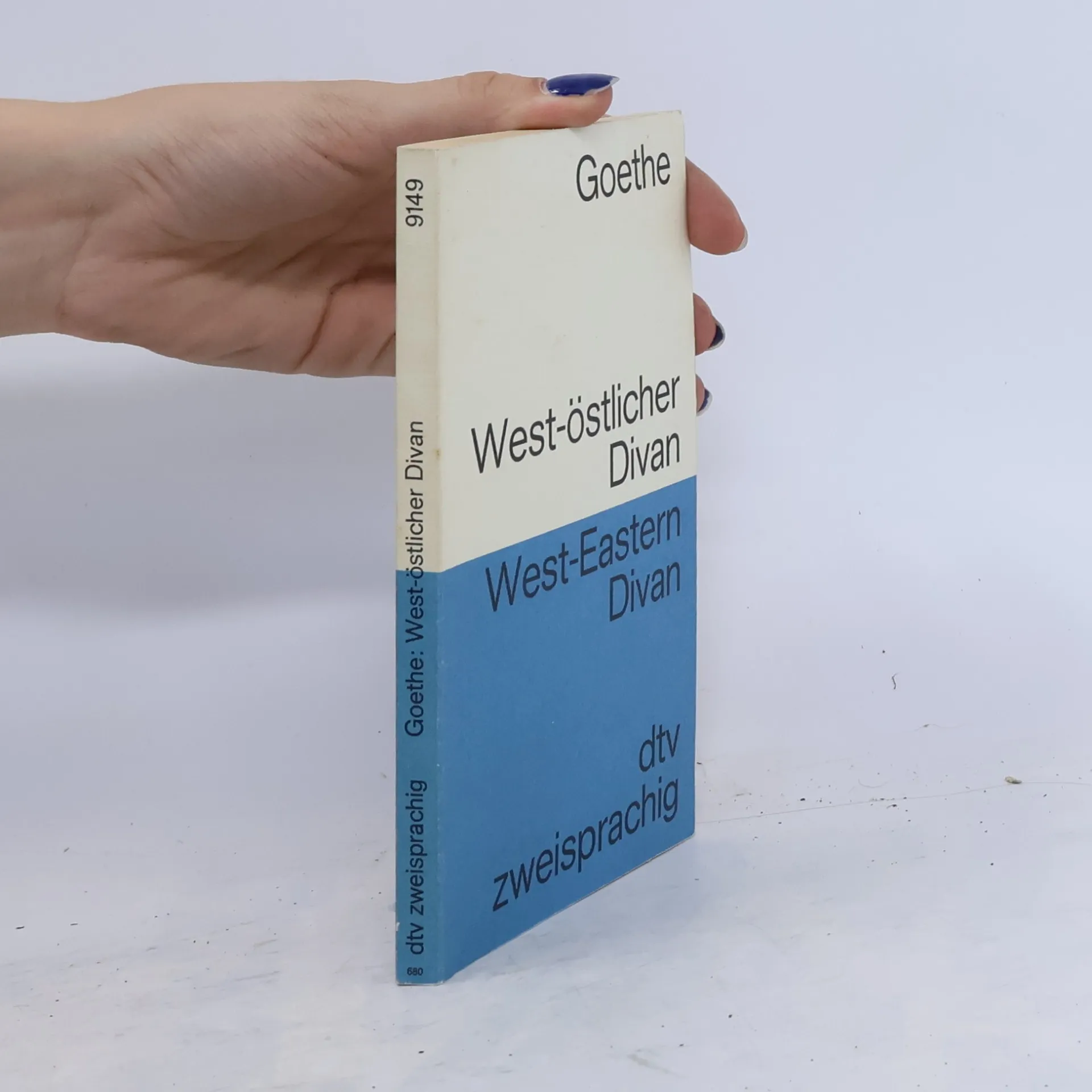
The Persian poet Hafiz, a lover of language, embodies in his 14th-century Diwan the "bride of words," mystically celebrating God, wine, and love. Johann Wolfgang von Goethe adopted this image in 1814, presenting it as a motto for his work in the West-Eastern Divan, highlighting his homage to Hafiz. In his engagement with Hafiz, Goethe creates a sensual piece of world literature that encompasses the entire spectrum of literary possibilities. He marries everyday and elevated speech, euphoric and ironic tones, seeking the "intoxication of love, song, and wine" within the harem of words. Particularly in the book Suleika, a masterpiece dedicated to the 30-year-old Marianne von Willemer, the connection between work and creator becomes evident: "Loving each other will be the bliss of paradise." Marianne contributed some of the most beautiful poems to Suleika, intensifying the dialogue between the young Suleika and the aged Hatem. Goethe's poetry is a rapturous declaration of love for poetry, uniting East and West, spirit and humor, youth and age.
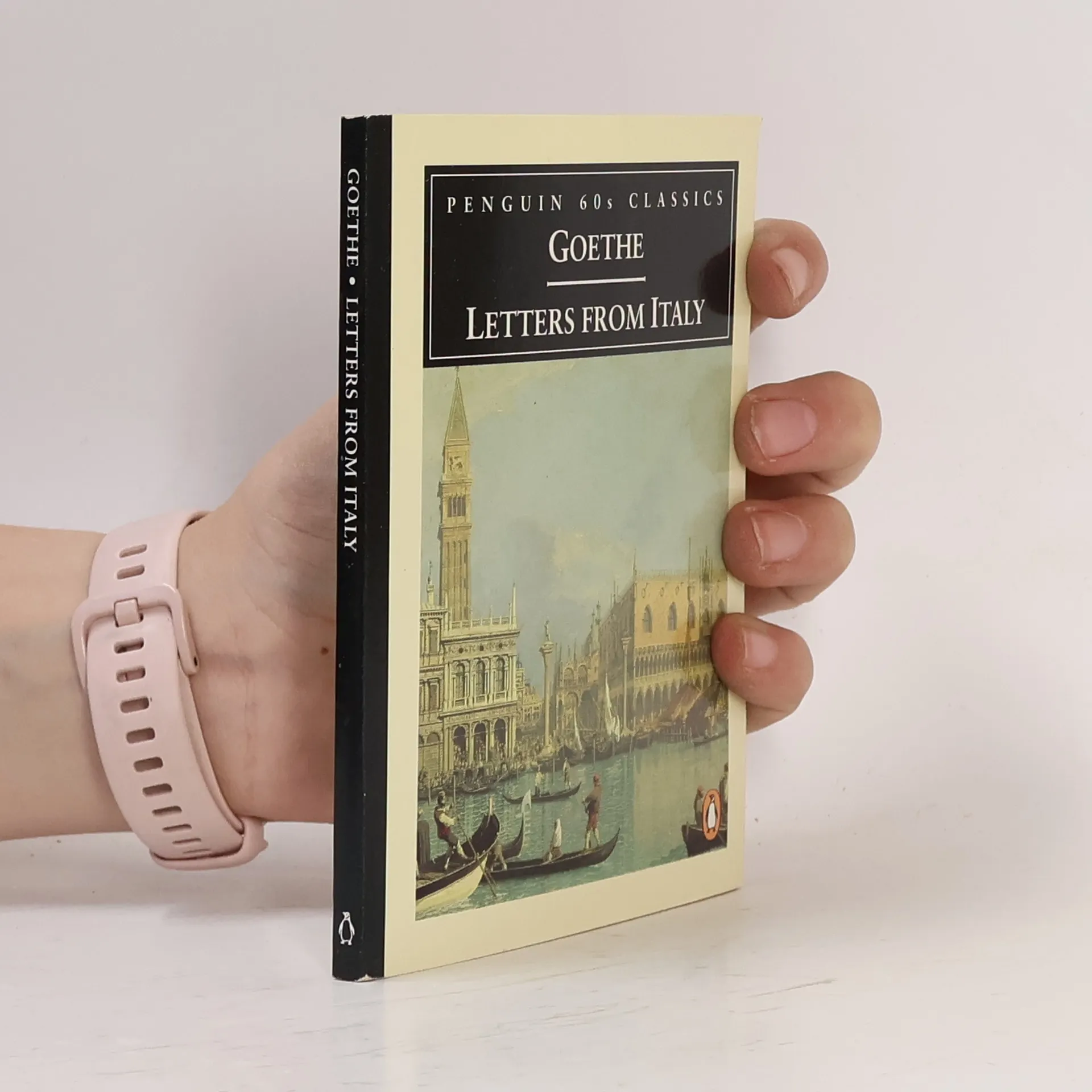
In 1786, when he was already the acknowledged leader of the Sturm und Drang literary movement, Goethe set out on a journey to Italy to fulfil a personal and artistic quest and to find relief from his responsibilities and the agonies of unrequited love. As he travelled to Venice, Rome, Naples and Sicily he wrote many letters, which he later used as the basis for the Italian Journey. A journal full of fascinating observations on art and history, and the plants, landscape and the character of the local people he encountered, this is also a moving account of the psychological crisis from which Goethe emerged newly inspired to write the great works of his mature years.
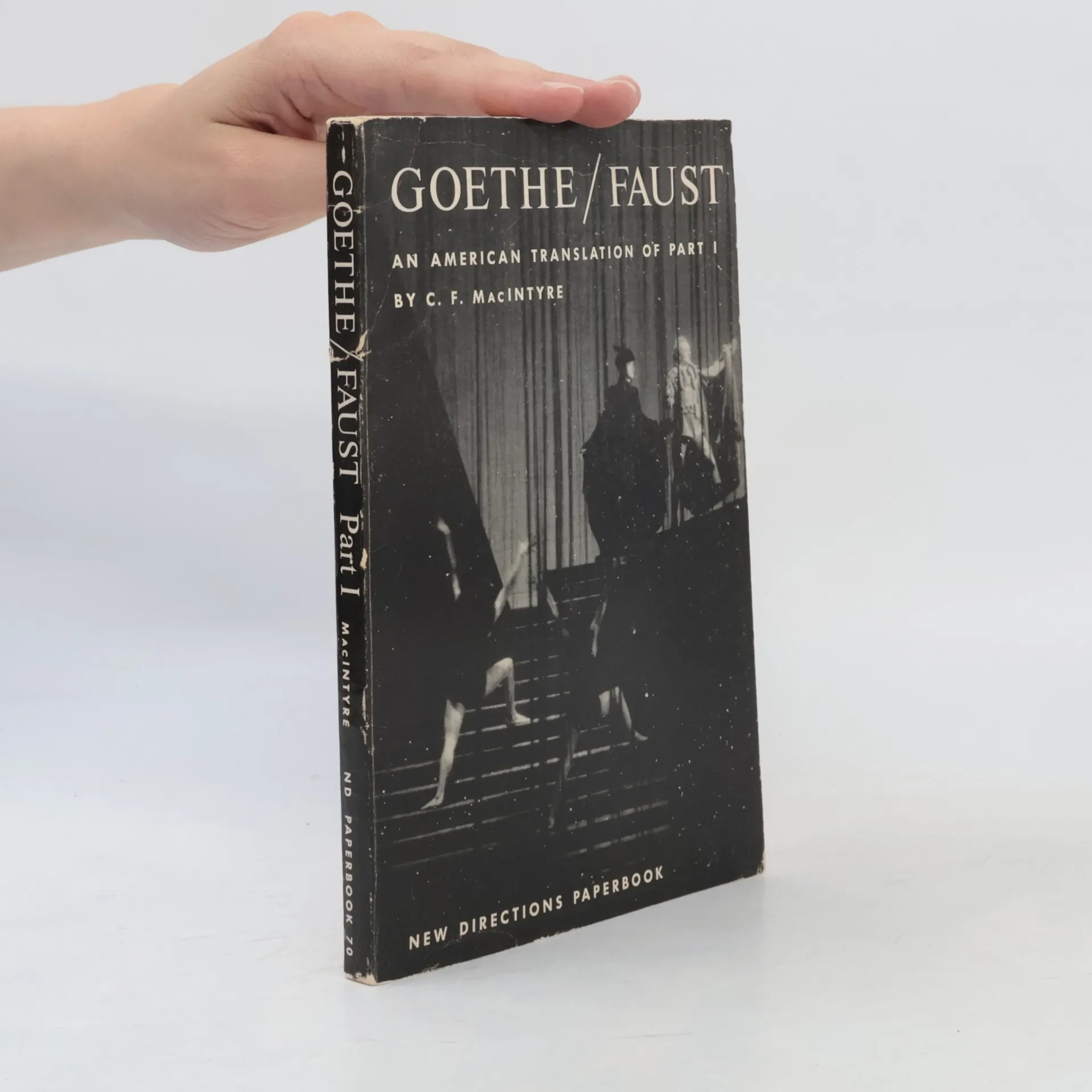
Walter Arndt's translation of Faust reproduces the sense of the German original and Goethe's enormously varied metrics and rhyme schemes.
The Fairy Tale of the Green Snake and the Beautiful Lily – Bilingual
Goethes Märchen ist eines der am wenigsten bekannten Werke Goethes und doch eines seiner geheimnisvollsten und bezauberndsten. Es erschien erstmals 1795 in der von Schiller herausgegebenen Zeitschrift »Die Horen«. Historischer Hintergrund ist die Französische Revolution, deren Wirkung auf Deutschland Schiller in einem Brief an Goethe als den “Schatten des Riesen” bezeichnete. Als reales Vorbild für den Schauplatz dieser rätselhaften Dichtung sehen einige Interpreten das antike Rom mit Fähre und Pantheon. Die englische Übersetzung von Thomas Carlyle erschien 1832. Goethe’s Fairy Tale is one of Goethe’s least known works and yet one of his most mysterious and enchanting. It first appeared in 1795 in the journal “Die Horen”, edited by Schiller. The historical background is the French Revolution, whose effect on Germany Schiller described in a letter to Goethe as the “shadow of the giant”. Some interpreters see ancient Rome with its ferry and Pantheon as the real-life model for the setting of this enigmatic poetry. The translation by Thomas Carlyle was first published in 1832.
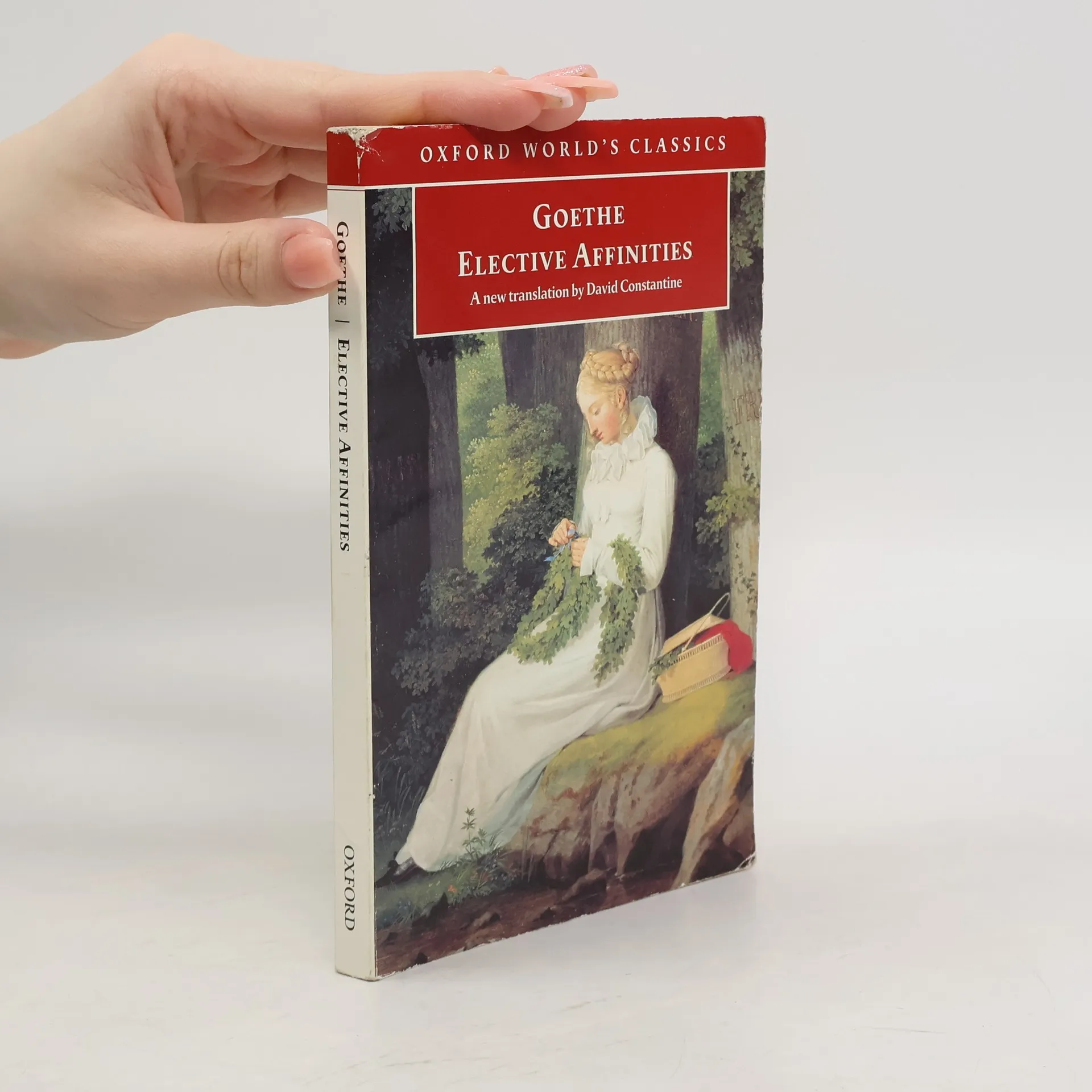
This is a new translation of a highly disturbing study of marriage and passion by Germany's greatest Romantic writer.
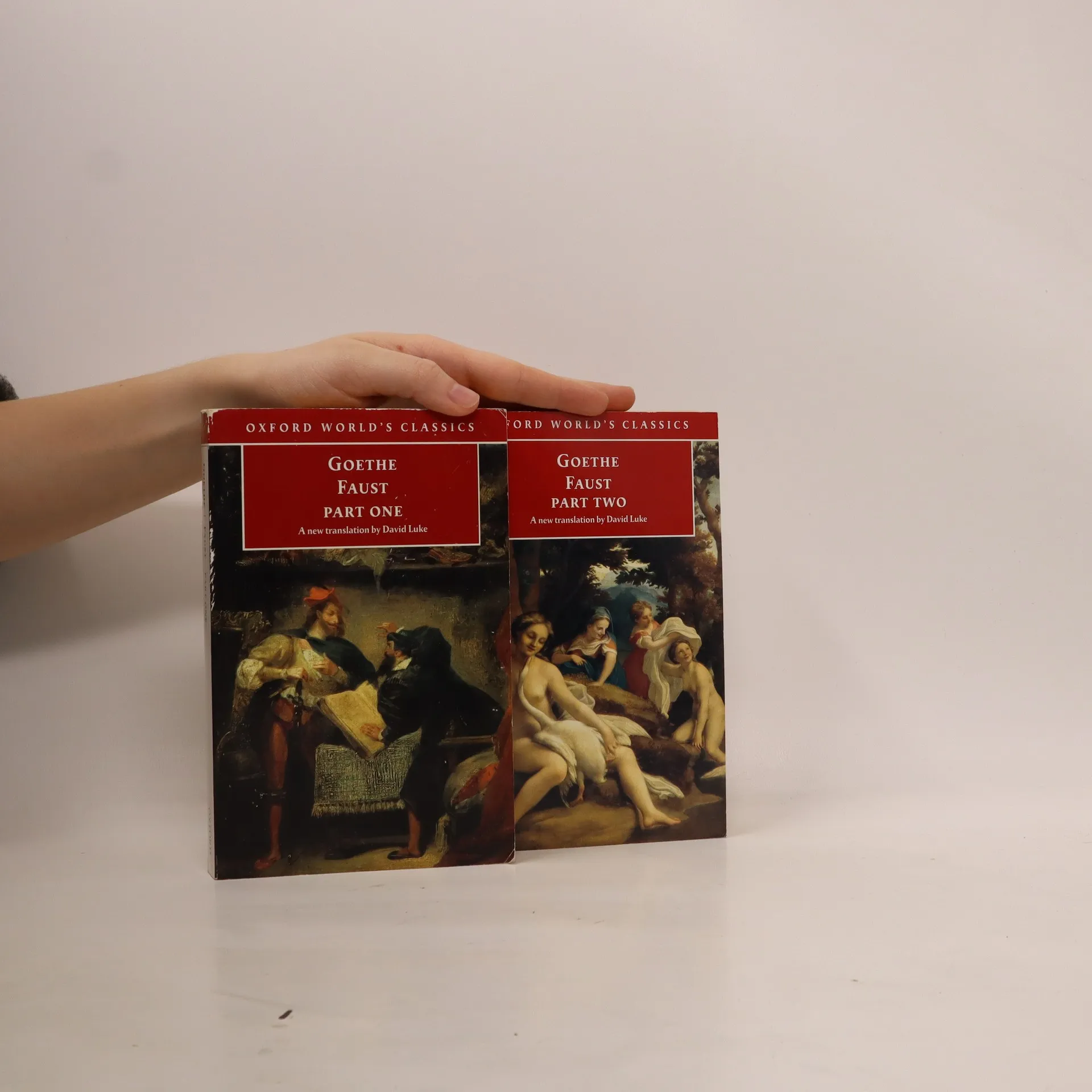
Mephistopheles takes Faust on a journey through ancient Greek mythology, conjuring for him the beautiful Helen of Troy, as well as the classical gods. Faust falls in love with and marries Helen, embodying for Goethe his 'imaginative longing to join poetically the Romantic Medievalism of the germanic West to the classical genius of the Greeks'.
The second part of Goethe's masterpiece opens with Faust struggling to recover from the death of his beloved Gretchen. The quick-witted demon Mephistopheles soon persuades him to look beyond his sorrow and enter the world of politics and power, but the great scholar is still eager for new sensations, and asks Mephistopheles to reveal Helen of Troy to him in a vision. Overwhelmed by her beauty, Faust demands she be brought back from the underworld - but even this fails to bring him contentment, and his appetite for knowledge remains unsated. Completed a few months before Goethe's death, this rich and allusive work weaves together a wealth of diverse philosophical ideas and influences, reworking the medieval myth of Dr Faustus and speculating upon the search for truth in the Age of Enlightenment.
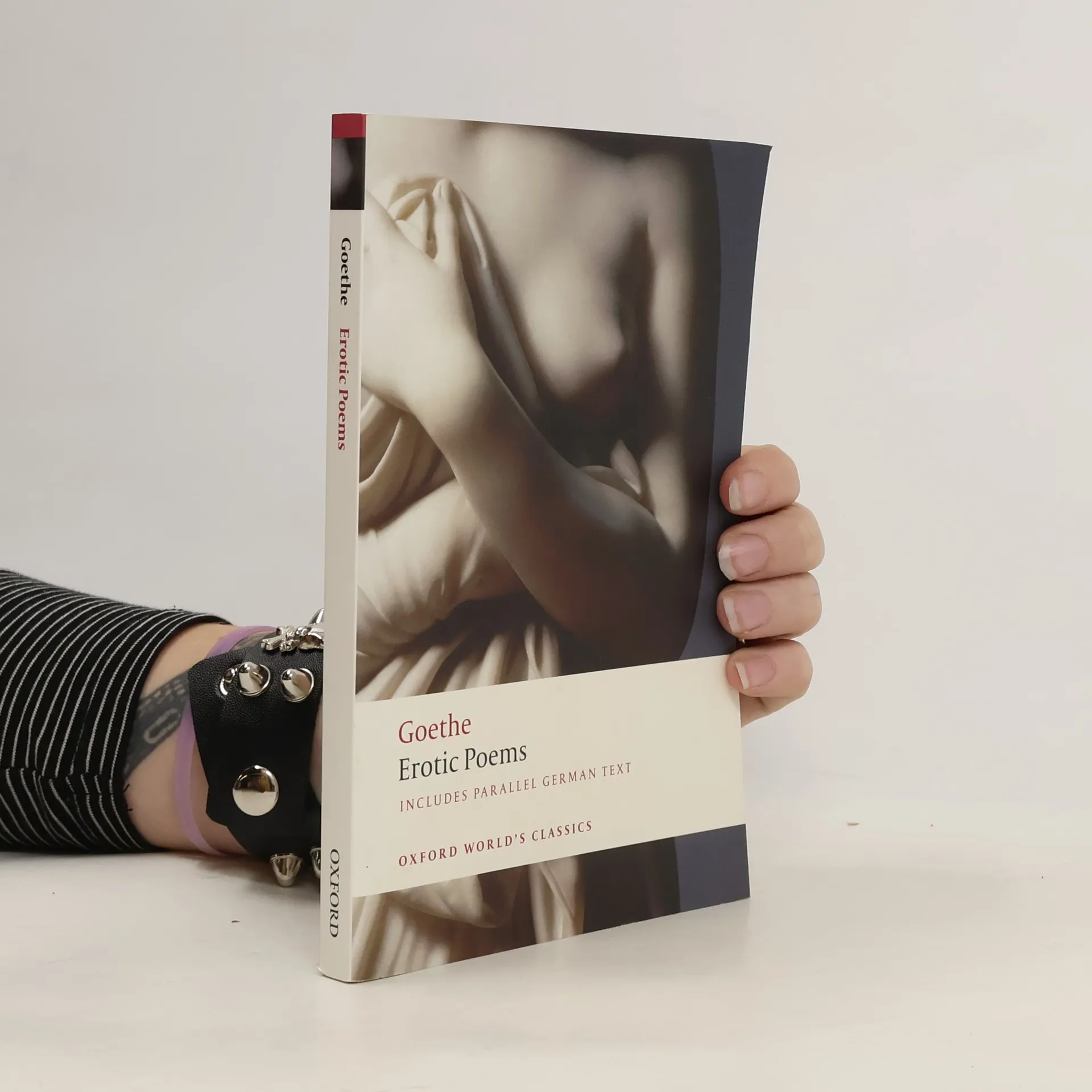
This unique bilingual edition of Goethe's erotic poems contains the Roman Elegies (1789), The Diary (1810), and a selection from the Venetian Epigrams of 1790. David Luke's translations do full justice to Goethe's aim of liberating German poetry and restoring sexual love to its central position in human life. Hans Vaget's fine introduction provides the background to these poems, as well as showing some of the profound and little-known connections between them.
Exploring themes of love, desire, and the beauty of nature, this collection features twenty-four poems that reflect Goethe's experiences and emotions. Originally published as Erotica Romana, the work captures the essence of Roman culture and its influence on personal relationships. Through rich imagery and lyrical language, Goethe delves into the complexities of passion, making this a significant contribution to the genre of romantic poetry.
"Egmont" by Johann Wolfgang von Goethe is a play inspired by Shakespeare's tragedies, depicting a Dutch warrior's struggle against invasion and imprisonment. Blending drama and manifesto, it explores themes of liberty, free will, and fate, offering both entertainment and depth for readers.
An authoritative English translation of one of the most important works in the history of the novel Wilhelm Meister’s Apprenticeship (1795–1796), Goethe’s second novel, is a foundational work in the history of the genre—perhaps the first Bildungsroman, a coming-of-age story focusing on the growth and self-realization of the main character. The story centers on Wilhelm, a young man living in the mid-1700s who strives to break free from the restrictive bourgeois world of his upbringing and seek fulfillment as an actor and playwright. Goethe’s novel had a huge impact on the Romantics. Hegel, Schelling, Novalis, and Schopenhauer considered it one of the most important novels yet written. Schlegel famously called it one of the “three tendencies of the age,” along with the French Revolution and the philosophy of Fichte. And Beethoven, Schubert, and Schumann set poems from the novel to music. It also had a major influence on nineteenth-century British writers, including Thomas Carlyle, who was its first English translator, and George Eliot. Drawn from Princeton’s authoritative collected works of Goethe, and featuring a new introduction by David Wellbery, this is the definitive English version of a landmark of world literature.
The great nineteenth-century German thinker's musings on self-deceit, superstition, art and ambition.
Presents Goethe's masterpiece about a troubled man who sells his soul to the devil
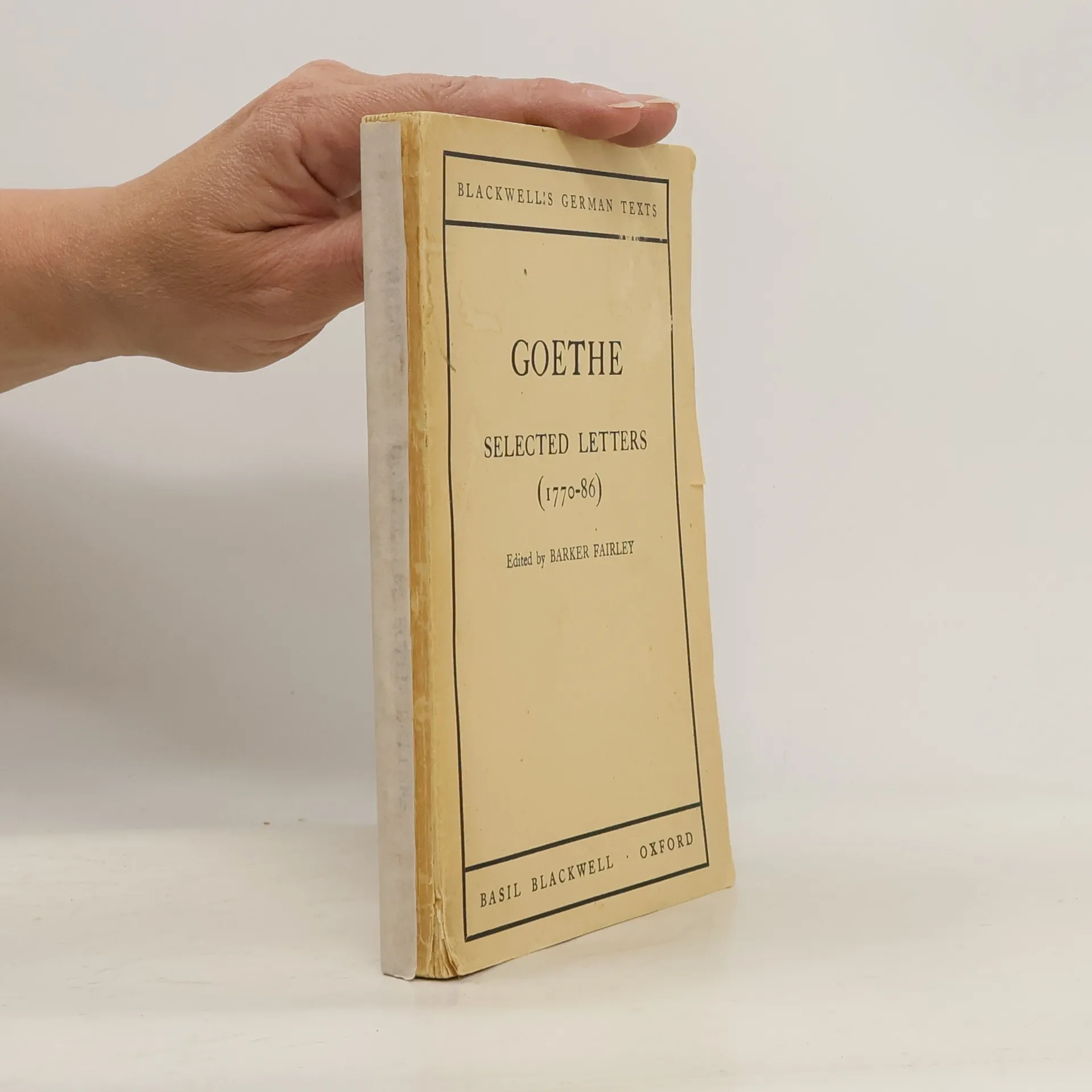
Selected letters. 1770-[17]86
Volume 1 - in large print
This book is a reproduction of a historical work, published by Megali, a company dedicated to making literature accessible for individuals with impaired vision through large print formats. The focus on readability ensures that important historical texts can be enjoyed by a wider audience, emphasizing inclusivity in literature.
This book is a reproduction of a historical work, published in large print to enhance accessibility for individuals with impaired vision. Megali, the publishing house behind this edition, focuses on making classic texts more readable, ensuring that important historical content is available to a wider audience.
This book is a reproduction of a historical work, presented in large print to enhance accessibility for readers with impaired vision. Published by Megali, a company dedicated to making historical texts more readable, it aims to preserve the original content while catering to those who benefit from larger text formats.
This work is a reproduction of an original text, emphasizing accessibility for readers with impaired vision through large print formatting. Published by Megali, a house dedicated to historical works, it aims to preserve and share important literature while ensuring readability for a wider audience.
Egmont, Iphigenia in Tauris, Torquato Tasso.
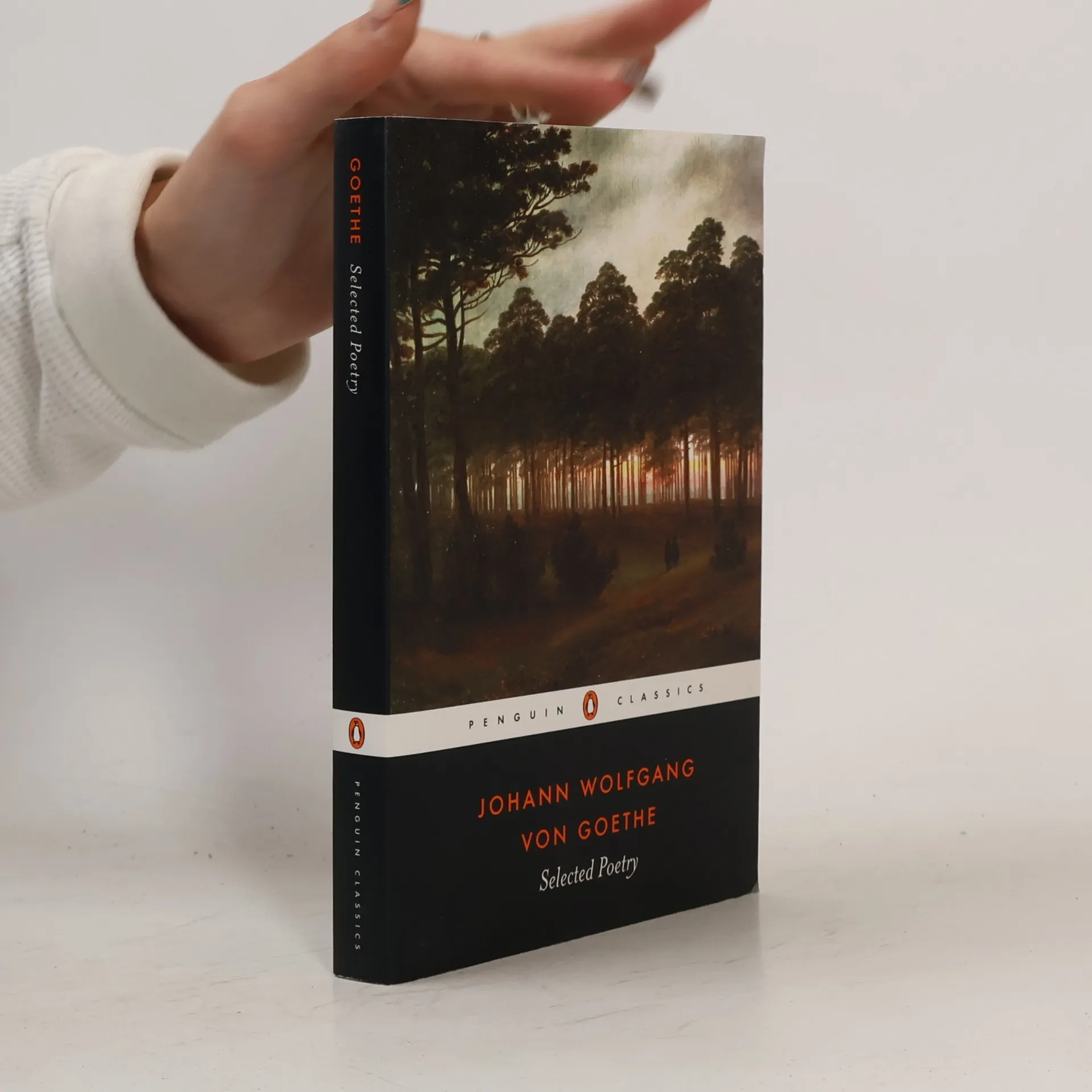
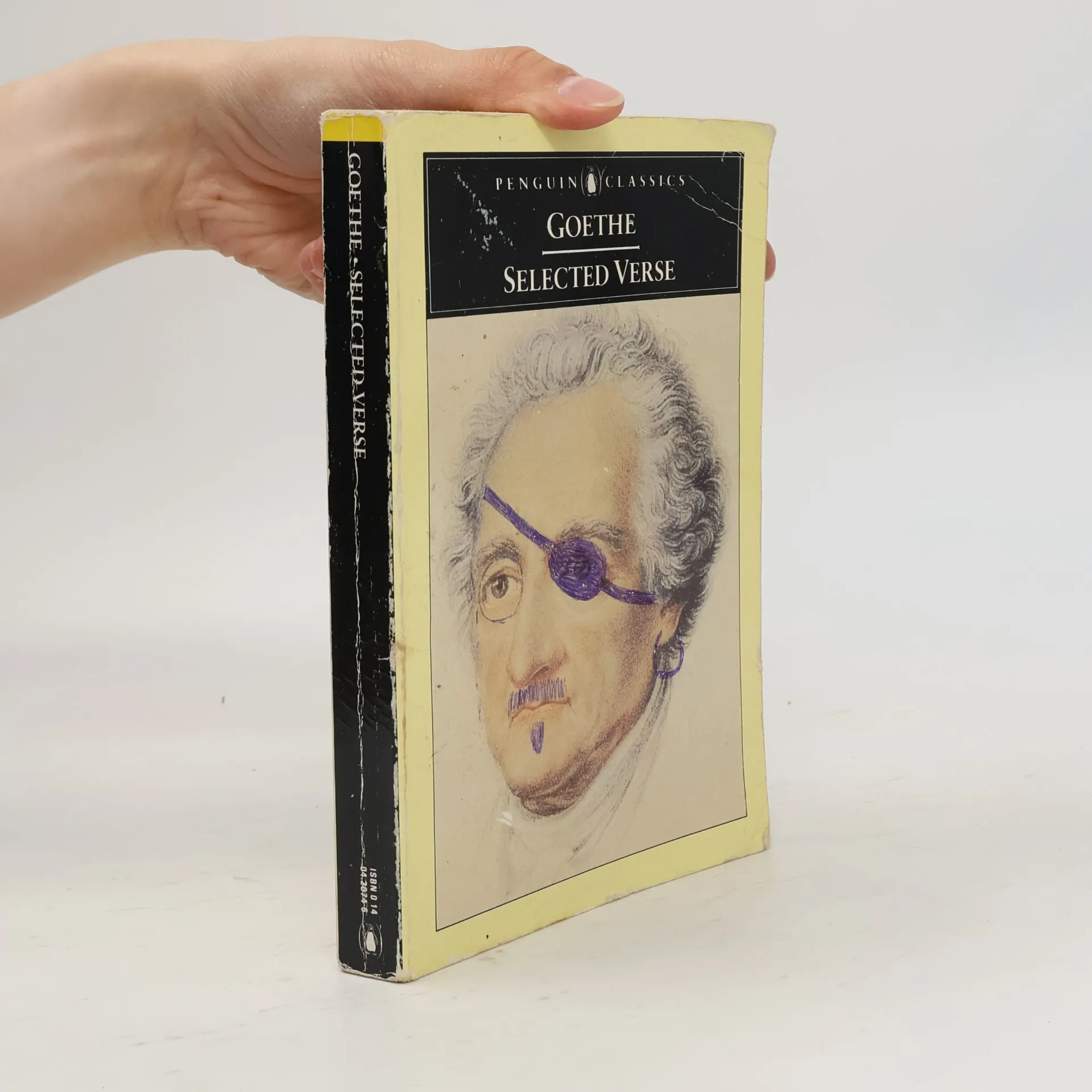
'Shall I embrace you, must I let you go? Again you haunt me: come then, hold me fast!' Goethe viewed the writing of poetry as essentially autobiographical and the works selected in this volume represent over sixty years in the life of the poet. In early poems such as 'Prometheus' he rails against religion in an almost ecstatic fervour, while 'To the Moon' is an enigmatic meditation on the end of a love affair. The Roman Elegies show Goethe's use of Classical metres in homage to abcient Rome and its poets, and 'The Diary' , supressed for more than a century, is a narrative poem whose eroticism is unusually combined with its morality. Arranged chronologically, David Luke's verse translations are set alonjgside the German orginals to give a picture of Goethe's poetic development. This edition also includes an introduction and notes placing the poems in the context of the poet's life and times.
In the wares before you spread, Types of all things may be read. ABOUT THE AUTHOR: Johann Wolfgang von Goethe was a German writer, pictorial artist, biologist, theoretical physicist, and polymath. He is considered the supreme genius of modern German literature. His works span the fields of poetry, drama, prose, philosophy, and science. His Faust has been called the greatest long poem of modern European literature. His other well-known literary works include his numerous poems, the Bildungsroman Wilhelm Meister's Apprenticeship, and the epistolary novel The Sorrows of Young Werther. Goethe was one of the key figures of German literature and the movement of Weimar Classicism in the late 18th and early 19th centuries; this movement coincides with Enlightenment, Sentimentalism (Empfindsamkeit), Sturm und Drang and Romanticism. The author of the scientific text Theory of Colours, his influential ideas on plant and animal morphology and homology were extended and developed by 19th century naturalists including Charles Darwin. He also served at length as the Privy Councilor of the duchy of Saxe-Weimar.
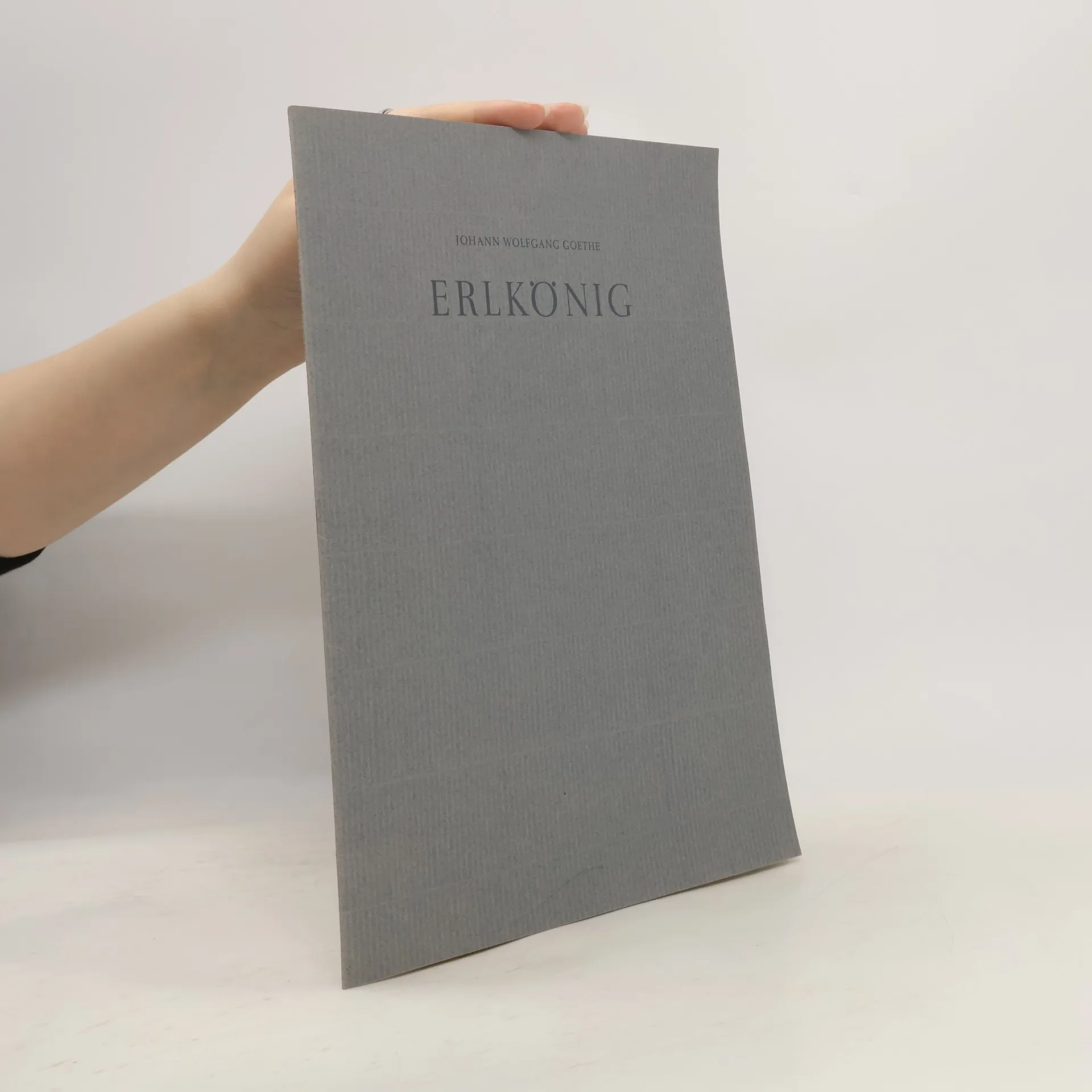
Balladen kann man sich besser durch Bilder merken. Hier finden Sie eine Ballade im Kamishibai. Auf der Vorderseite ist das Bild zu sehen und auf der Rückseite findet man den Text. Ballade im Kamishibai: Der Erlkönig von Johann Wolfgang von Goethe
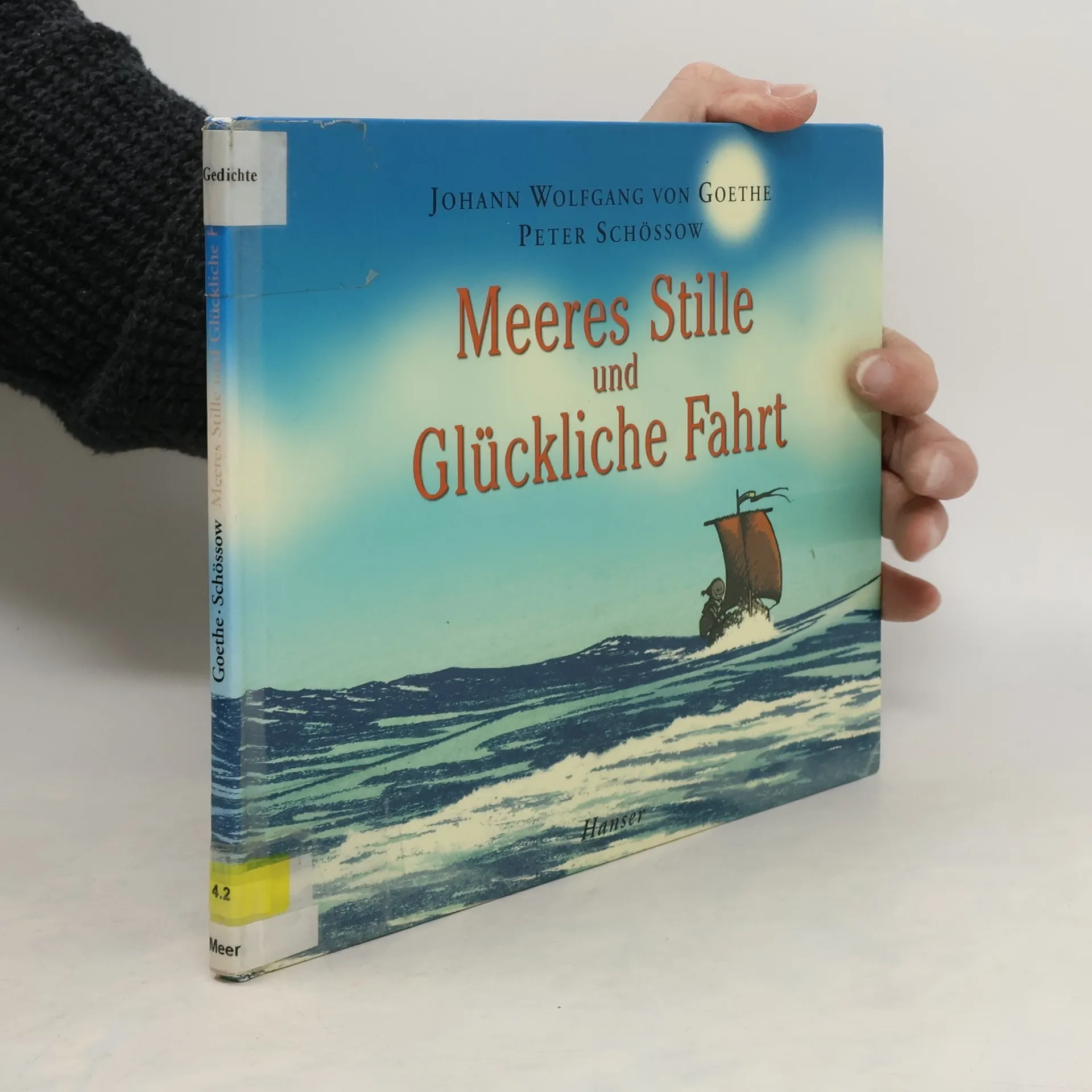
Illustrierte Gedichte: In diesem Buch sind die zwei kurzen Goethe-Gedichte "Meeres Stille" und "Glückliche Fahrt" in Bilder übersetzt worden, die durch ihre einfache aber sehr sinnliche und ruhige Art die Betrachtenden in Bann zu ziehen vermögen und man am Ende des Buches gleich nochmals von vorne beginnen will! Die comic-ähnlichen Zeichnungen mit stimmungsvollem Hintergrund passen wunderbar zu den Worten - mehr muss man nicht sagen! Sehr schön! Ab 6 Jahren, ausgezeichnet, Urs Geissbühler.
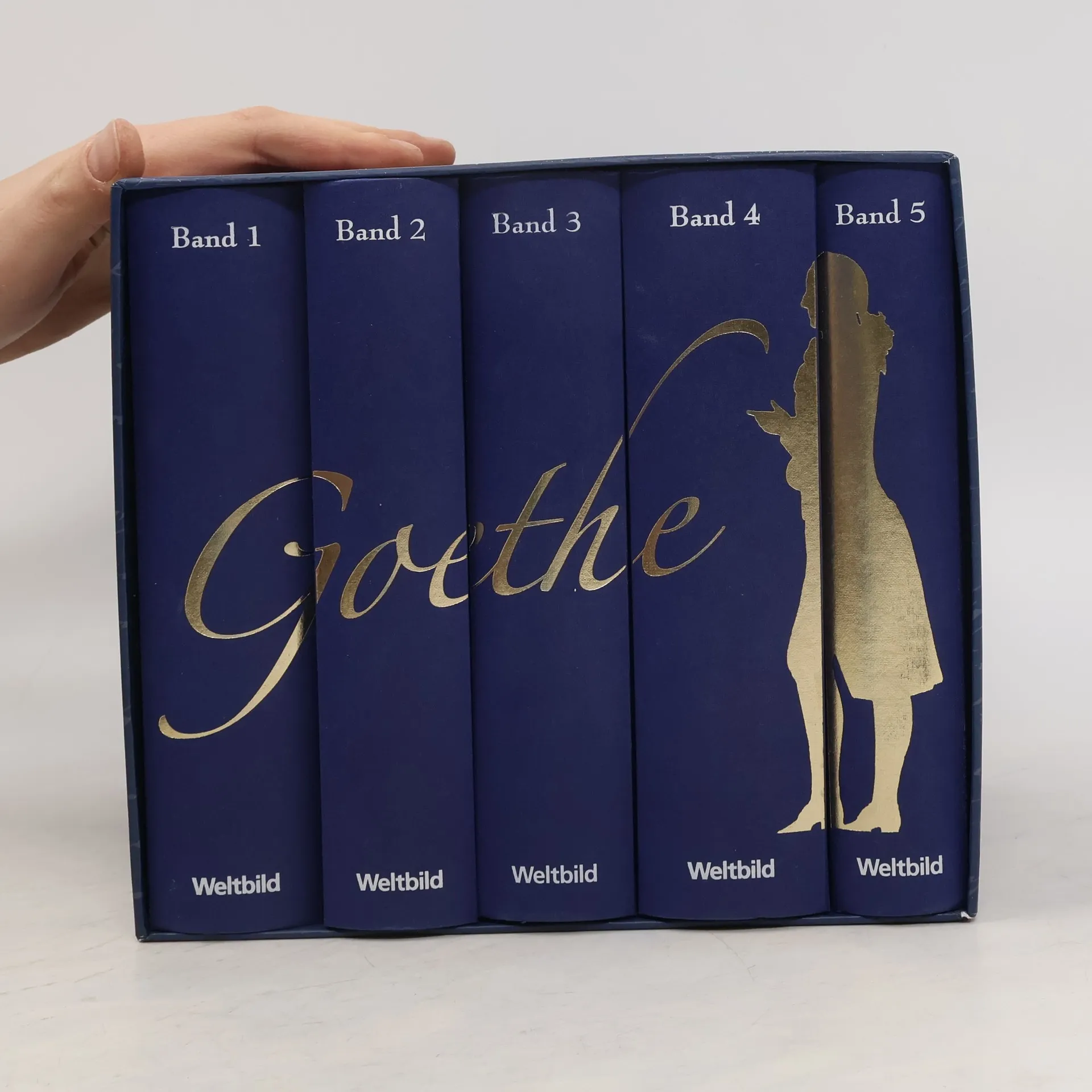
Goethes Werke und Schriften werden in einer umfassenden Auswahl präsentiert, die Gedichte, Dramen, Erzählungen und autobiografische Texte umfasst. Die Sammlung beinhaltet den West-östlichen Divan, Versepen, verschiedene Dramen und Erzählungen sowie Auszüge aus seinen ästhetischen und naturwissenschaftlichen Schriften.
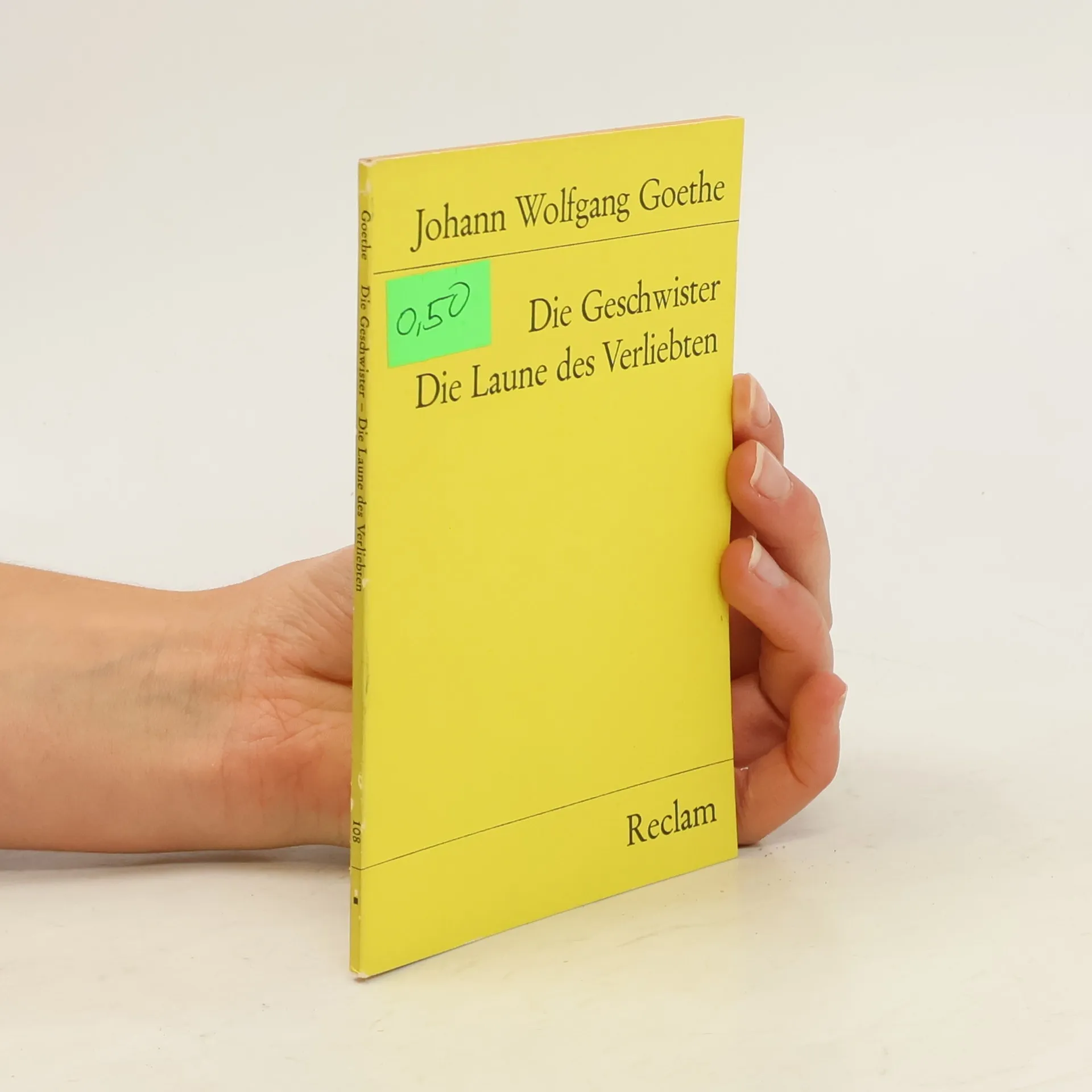
Goethes Einakter "Die Geschwister" gehört in die frühe Weimarer Zeit. Der Dichter hatte die Fähigkeit gewonnen, Tief-Persönliches in einem Symbol auszudrücken, und Geschwisterlichkeit hatte er früher in seinen Beziehungen zu seiner Schwester Cornelia empfunden, erlebte er jetzt auch im Verhältnis zu Frau von Stein. - Das Schäferspiel "Die Laune des Verliebten" ist Goethes dramatischer Erstling, ein Stück aus dem Rokoko, das Werk eines Achtzehnjährigen.
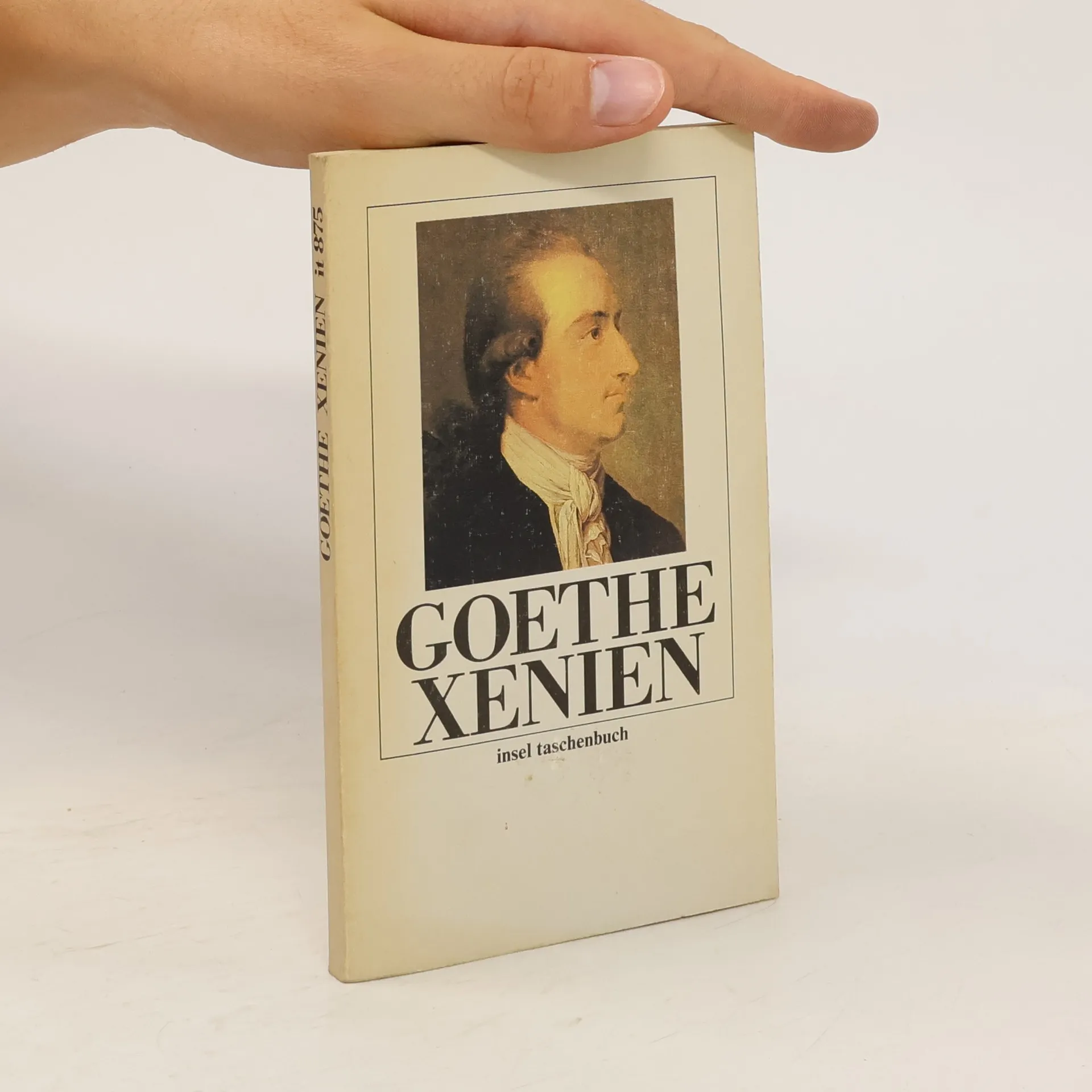
Johann Wolfgang von Goethes und Friedrich Schillers berühmtes Werk der Xenien ist ein polemischer Angriff auf den Literaturbetrieb und die spießbürgerlichen Zeitgenossen, bestehend aus Distichen, die Hexameter und Pentameter kombinieren. Angriffe auf Persönlichkeiten wie Friedrich Nicolai und Christoph Martin Wieland führten 1797 zu einem literarischen "Xenienkampf" mit Gegen-Xenien. Die Originalausgabe dieses Meisterwerks bietet durch ihre Authentizität einen besonderen Reiz. Leser können Handlung und Themen auf ihr eigenes Leben und die heutige Gesellschaft projizieren. Diese vollständige und ungekurzte Ausgabe richtet sich an Literaturbegeisterte, Theaterinteressierte, als Filmvorlage und für den Schulgebrauch mit Zeilennummerierung. Lassen Sie sich von einem Werk faszinieren, das auch heute noch relevant ist. Weitere Werke des Autors sind unter anderem: Faust. Eine Tragödie, Iphigenie auf Tauris, Torquato Tasso, Die Laune des Verliebten, Götz von Berlichingen, Claudine von Villa Bella, Egmont, Der Triumph der Empfindsamkeit, Hermann und Dorothea, Die Leiden des jungen Werther und viele andere. Entdecken Sie auch die Werke von Friedrich Schiller und Gotthold Ephraim Lessing.
Johann Wolfgang Goethe: Ausgewählte Werke. Der erste Band der Reihe enthält unveröffentlichte Übersetzungen der Gedichte des großen Schriftstellers, erstellt von George Guţu, Grete Tartler und Horaţiu Decuble.
Kniha Goetheho lyrických básní mnohdy s milostnou tématikou a přírodními motivy.
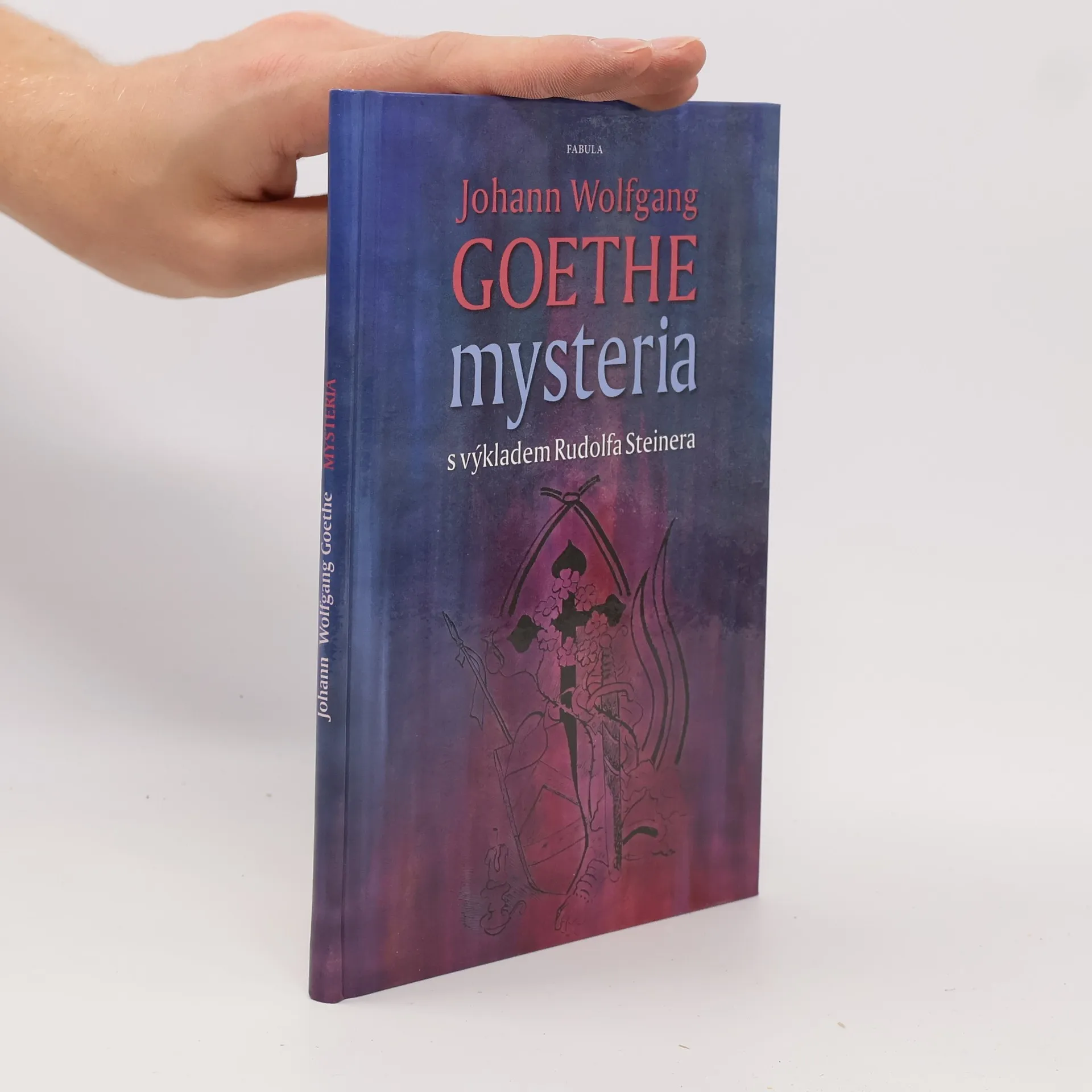
Poutník Marek přichází k tajuplnému klášteru v horách, v němž žije dvanáct mužů, představitelů dvanácti proudů lidstva. Pod vedením třináctého, zvaného Humanus, tady společně pracují pro duchovní vzestup lidstva. Jejich práce se nese ve znamení kříže ovinutého růžemi, ve znamení Krista. V něm se lidstvo může bratrsky sjednotit - takový je Goethův ideál, ideál esoterního křesťana
Slovenské vydanie autobiografického diela, ktorým Goethe dokumentoval osudy a pocity počas jednej z etáp jeho života prežitej v Taliansku, kam utiekol pred vtedajšou nemeckou spoločnosťou. Knižka je denníkom, obsahujúcim mnoho autorových subjektívnych pocitov z návštevy cudzej krajiny, zo vzťahovči z hľadania seba samého. Okrem samotných osudov autora nájdete v knižke aj opisy samotného Talianska, jeho prírody či umenia.
Ein Gedicht von Johann Wolfgang von Goethe und 9 weitere bekannte Gedichte...
Goethe für Kinder - eine Sammlung von Gedichten und Prosa, heiter und humorvoll, poetisch und faszinierend, ein neuer Blick auf vertraute Texte, zusammengestellt vom Schriftsteller Peter Härtling und illustriert vom Zeichner Hans Traxler. Kleine Lieder, eingängige Verse, geheimnisvolle Balladen und berührende Prosasequenzen, die jedem Kind unmittelbar verständlich sind, werden hier vorgestellt. Manche Gedichte Goethes lassen sich lesen, als habe er sie auch für Kinder geschrieben, denen die poetische Ahnung noch geläufig ist. Unmittelbar kann man sich hier einlassen auf eine Weltsicht, mit der insbesondere der junge Goethe die überkommenen Ansichten seiner Zeit in Frage stellte und mit der er seine Zeitgenossen in Erstaunen versetzte. Solch unverstellten Blick auf Wirklichkeit und Literatur, ja die Macht der Phantasie zeigt diese Sammlung, will sie freisetzen. Das vermeintlich Vertrackte verliert seine beengende Wirkung, und das Vertrauen in die eigenen schöpferischen Fähigkeiten wächst.
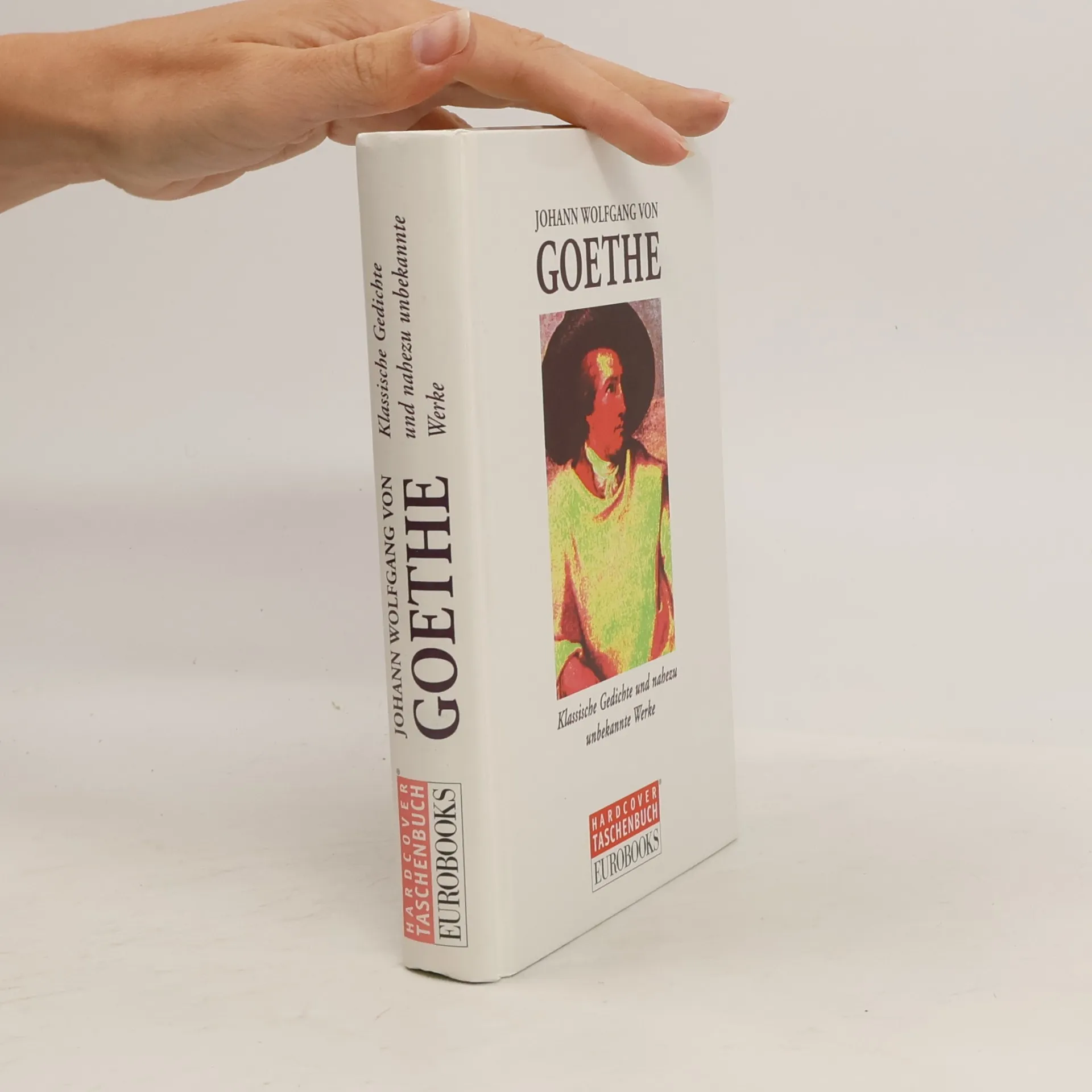
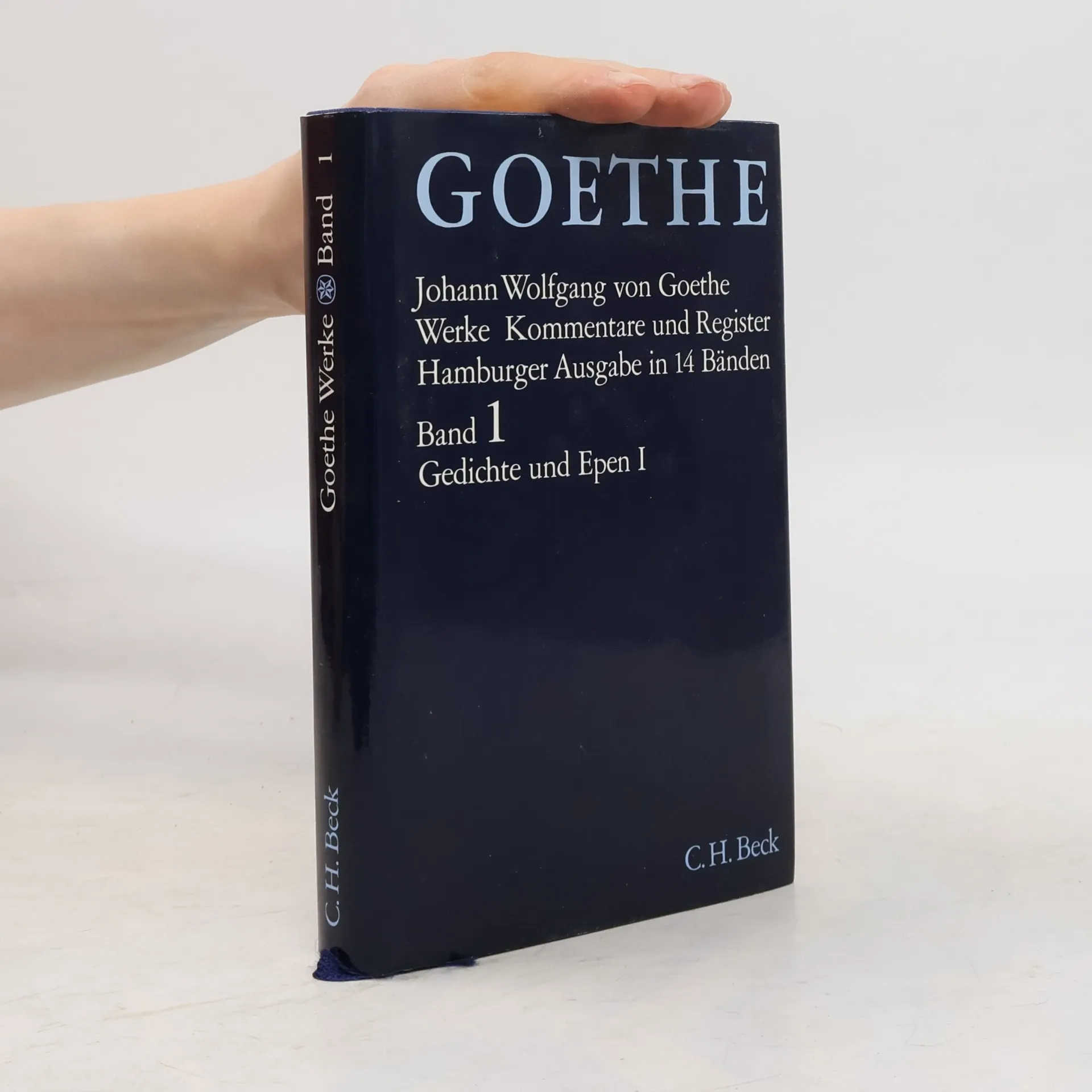
GEDICHTE IN ZEITLICHER ANORDNUNG. Goethes Gedichte erscheinen in Band 1 in einer Anordnung, welche die großen Epochen seines Schaffens deutlich werden läßt: Sturm und Drang, die ersten Weimarer Jahre, die Zeit der Klassik, die Alterswerke. Innerhalb dieser zeitlichen Gruppen bleibt das durch Inhalt und Form Zusammengehörige beieinander: die Balladen, die Elegien usw. Manche dieser Gruppen hat Goethe selbst zusammengestellt, z.B. die „Römischen Elegien“ und die „Sonette“. Der Band zeigt die ganze Weite von Goethes lyrischem Werk...