
Bookbot

Květa Smoláriková

    1 septembre 1961 – 21 mai 2024
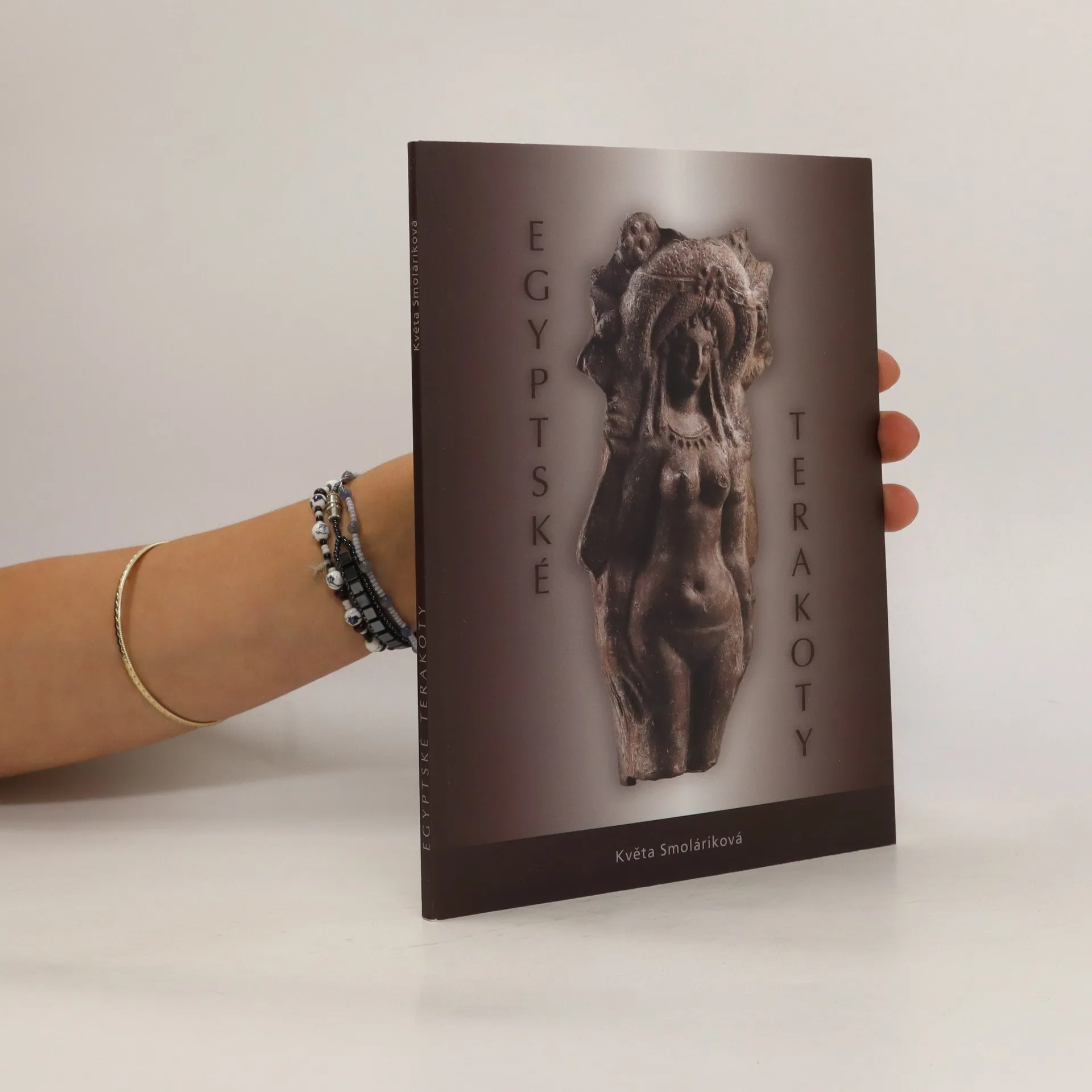
    Egyptské terakoty
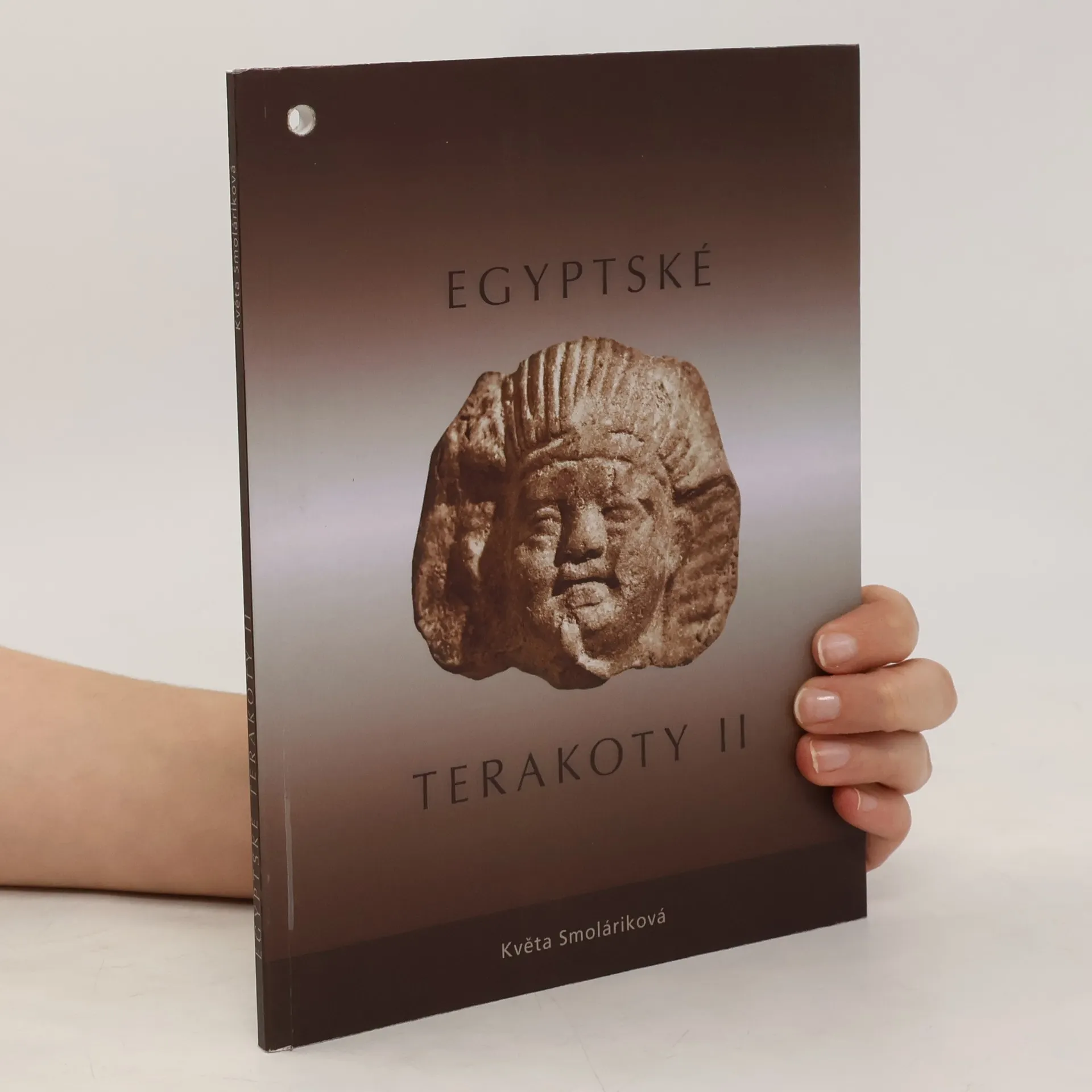
    Egyptské terakoty II
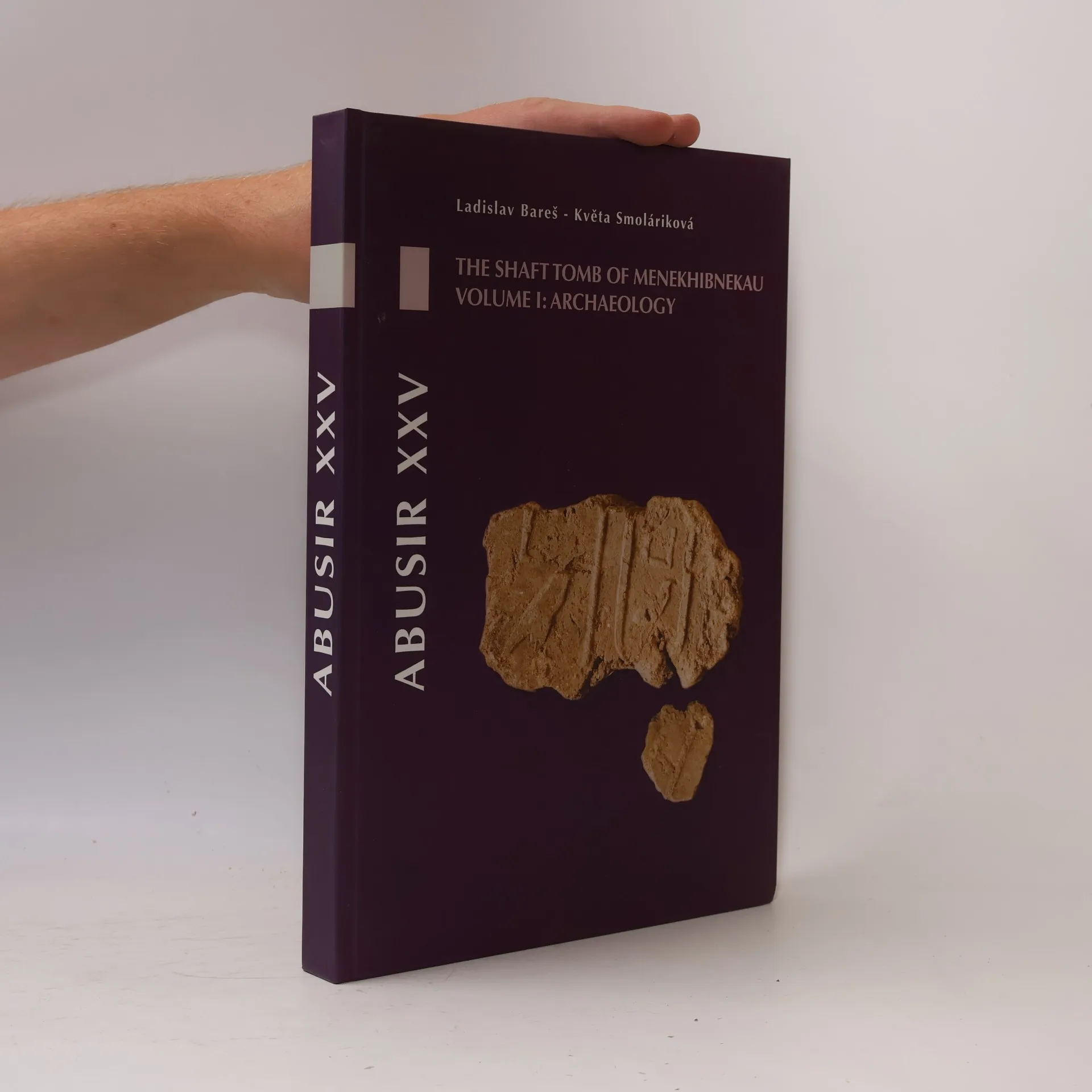
    Abusir XXV
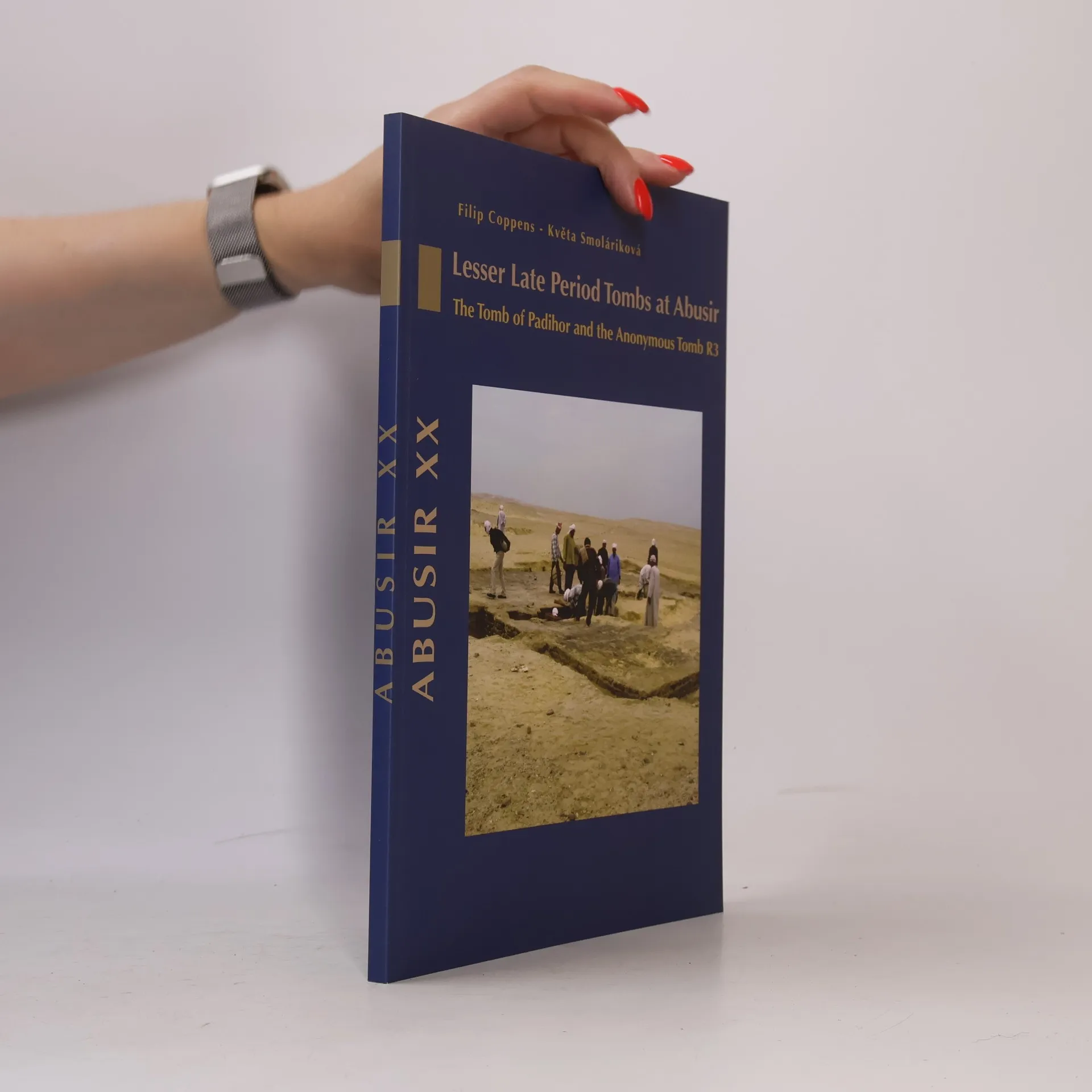
    Abusir XX
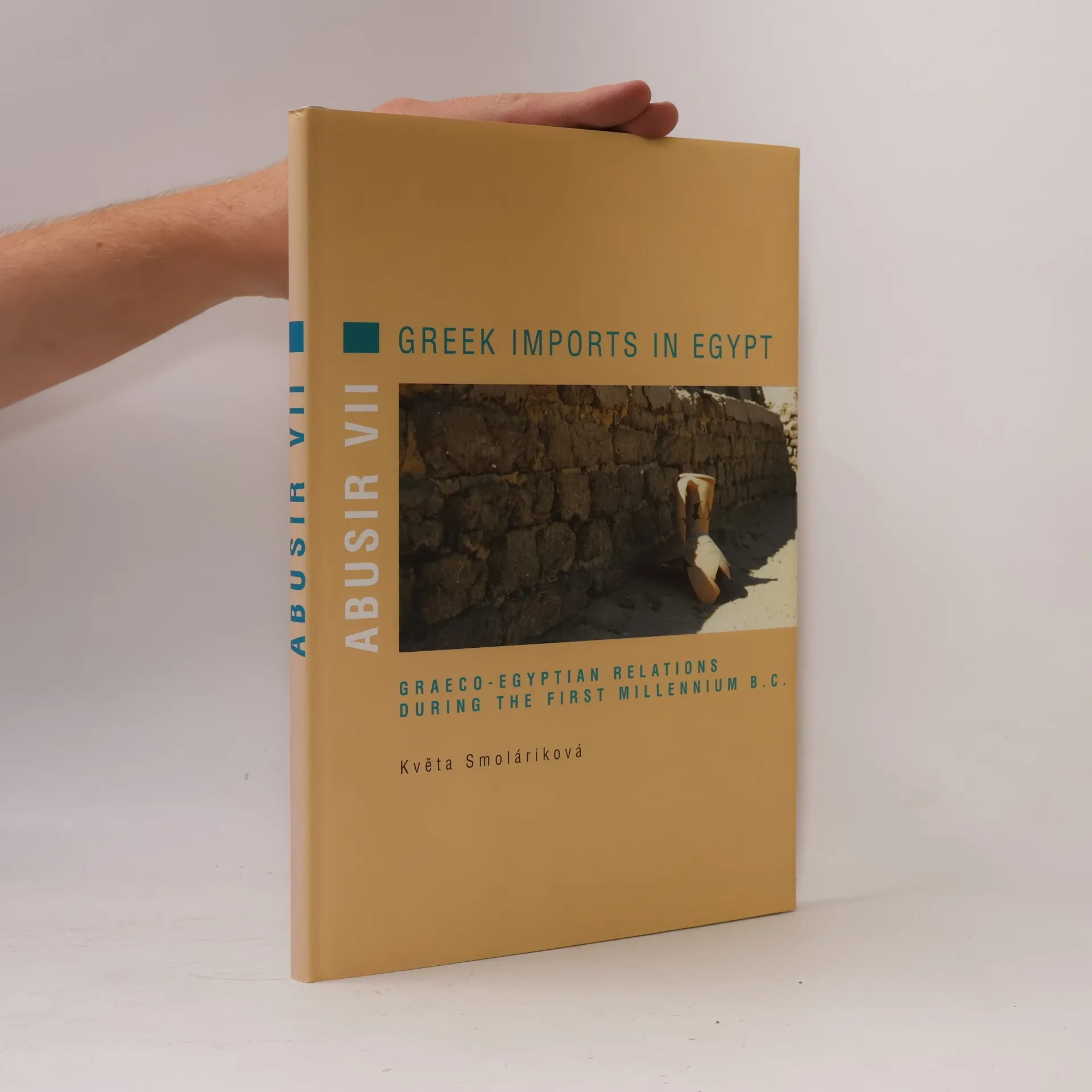
    Greek imports in Egypt: Graeco-Egyptian relations during the First Millennium B. C.
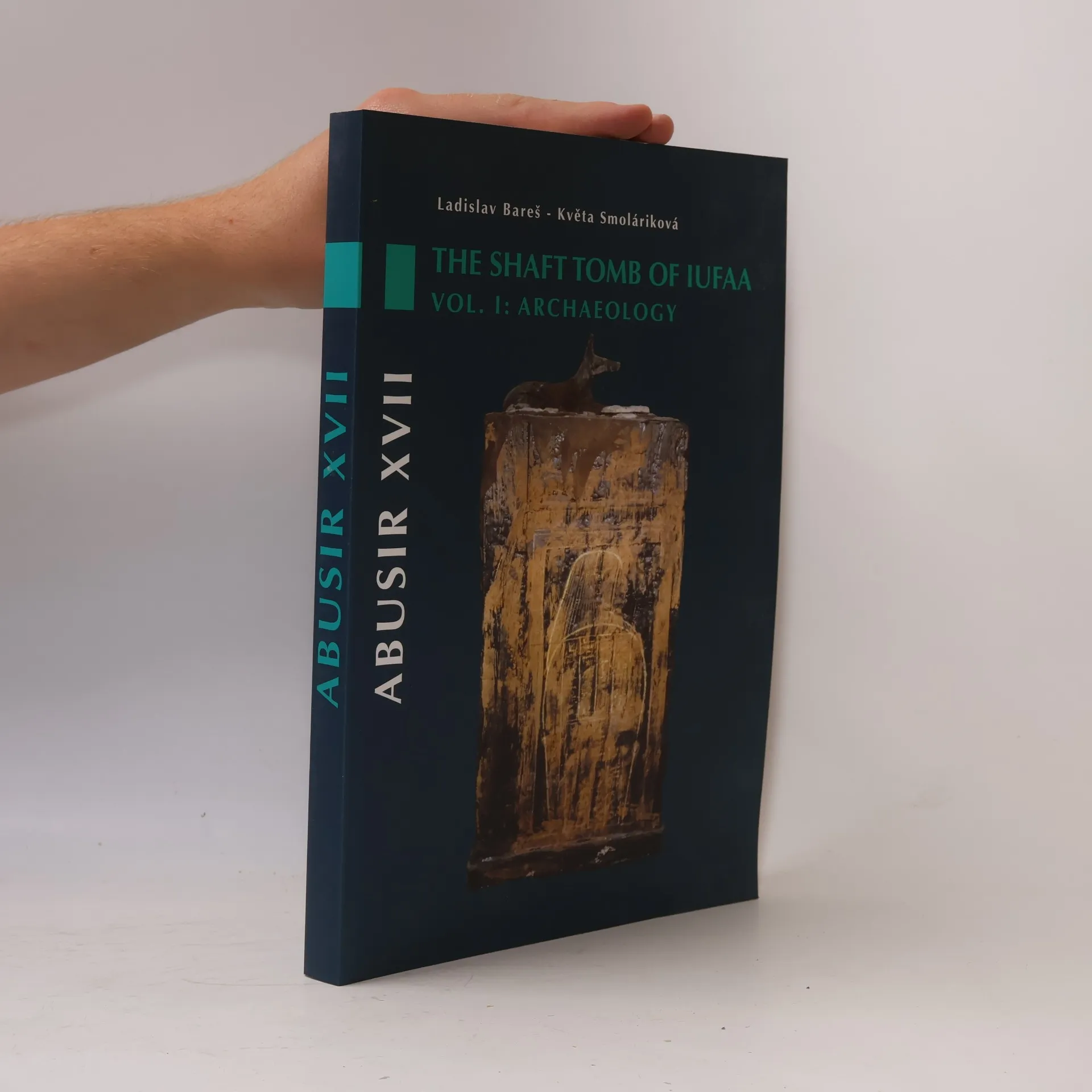
    Abusir XVII. The Shaft tomb of Iuafaa
    • Abusir XVII. The Shaft tomb of Iuafaa

      • 401pages
      • 15 heures de lecture

      The first volume includes the description of the archaeological situation and finds from the main burial chamber and the place of funerary cult in front of the eastern enclosure wall of the tomb (L. Bare), including the subsidiary burial chambers (K. Smoláriková). Separate chapters deal, among others, with the pottery (K. Smoláriková), amulets (V. Gae Callender), analysis of anthropological finds (E. Strouhal), architectural reconstruction and restoration works (M. Balík, M. Dvor(ák) and the Book of the Dead from the subsidiary burial chamber of Neferibreseneb Nekau (J. Janák a R. Landgráfová). The second volume is currently in preparation and will be dedicated to the texts and decoration on the walls of the burial chamber and sarcophagi of Iufaa.
      Abusir XVII. The Shaft tomb of Iuafaa
    • The early Greek residents to arrive in Egypt were very much regarded as foreginers and were subject to all sort of restrictions, however, gradually the barriers were broken down as closer connections were established with the Greek mainland and new trading centres such as Naucratis were established. This volume studies the large amount of Greek imported pottery found in Egypt and assesses what the pottery can tell us about the nature of Egyptian-Greek relationships, Greek settlement in Egypt and the nature of trading patterns. The major part of Smoláriková's study examines the different types of Greek pottery and their distribution and context of use, placed alongside other archaeological and literary evidence. The situation at Abusir-Saqqara appears to stray from the norm, where Greek imports were directed at Greek residents in Egypt, with examples found in clearly defined Egyptian contexts.

      Greek imports in Egypt: Graeco-Egyptian relations during the First Millennium B. C.
    • Abusir XX

      Lesser Late Period Tombs at Abusir. The Tomb of Padihor and the Anonymous Tomb R3

      • 139pages
      • 5 heures de lecture

      The present volume offers the results of the excavations in two shaft tombs of small dimensions which have been unearthed in the Late Period (Saite-Persian) cemetery at Abusir: the tomb of Padihor and the anonymous tomb R3. The two tombs represent interesting and important counterparts to the much larger burial enclosures of Udjahorresnet, Iufaa and Menekhibnekau situated nearby. They contribute greatly to our knowledge of the development of the funeral architecture, burial habits and religious thought and help improve our understanding of historical developments during the troubled era of the transition between the Twenty-Sixth and Twenty-Seventh Dynasties.

      Abusir XX
    • Abusir XXV

      The Shaft Tomb of Menekhibnekau: Archaeology

      • 360pages
      • 13 heures de lecture

      The tomb published in this volume is the third large Late Period shaft tomb that has been excavated in the south-western part of the Abusir cemetery. It belongs to Menekhibnekau, who held a number of important titles (among the "General," "Overseer of Libyans," "Overseer of the kbnwt-vessels," etc) under Ahmose II and may have lived until the beginning of Dynasty 27. Although his tomb had been robbed, a number of important and interesting pieces from his burial equipment, including a seal of the necropolis and a faience menit with the name of Ahmose II, have been found in his burial chamber. In a separate shaft, large embalmer's cache has been found that contained more than three hundred large storage vessels and a number of smaller receptacles of different kind. On many of them, short inscriptions were preserved that often mention materials used during the mummification process including the presupposed dates of their use. In the excursi, texts from the embalmer's deposit, Phoenician and Aramaic inscriptions on a Phoenician storage jar and a xylotomic analysis of wooden objects from the embalmer's deposit are published. The religious texts and scenes that originally had decorated the burial chamber should appear in the second volume of this book (presently under preparation).

      Abusir XXV
    • Egyptské terakoty II

      • 72pages
      • 3 heures de lecture

      Publikace (katalog) dokumentuje soubor šestašedesáti kusů různě zachovaných malých hliněných reliktů z řecko-římského Egypta.

      Egyptské terakoty II
    • Egyptské terakoty

      • 83pages
      • 3 heures de lecture

      Katalog 84 egyptských terakot věnuje pozornost nejen samotným terakotám, jako jednomu z druhů "malého umění", ale i historickému pozadí, ve kterém tyto figurky z pálené hlíny vznikly a byly užívány.

      Egyptské terakoty
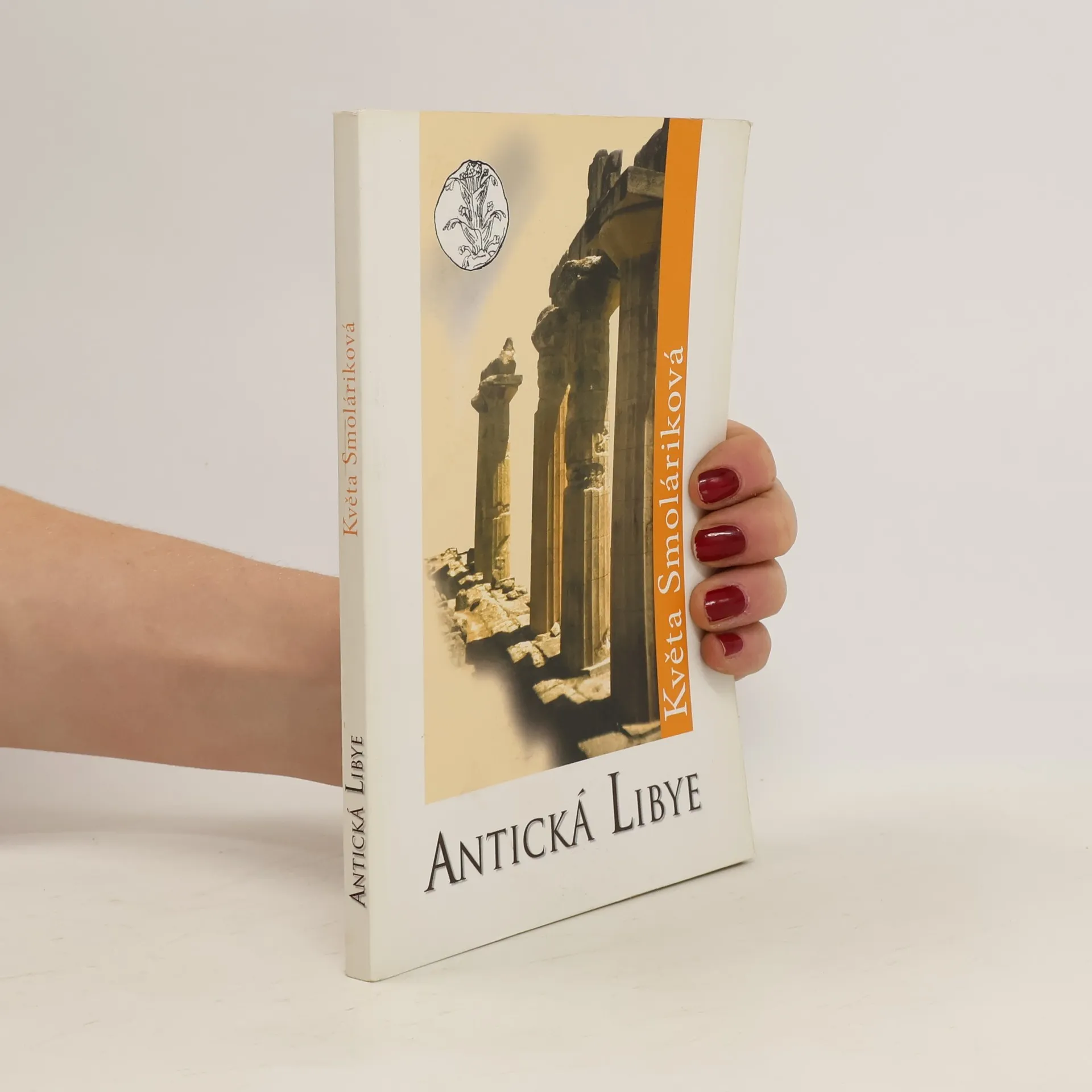
    • Kniha pojednává o zajímavém, leč ne příliš známém tématu, jakým je v českém prostředí antická Libye. Zastavíme se u významných antických měst ležících na libyjském pobřeží Středozemního moře od Kyréné přes Apollónii, Ptolemais, Taucheiru v Kyrenaice až po Leptis Magnu a Sabrathu v Tripolitáně. Text osvěžují úryvky z děl významných mužů starověku: Hérodota, Pindara nebo Kallimacha. Autorka svůj podrobny popis doprovodila množstvím fotografií a mapek, a tak lze knihu použít také jako průvodce při cestách po Libyi..

      Antická Libye
    • Egypt In Transition

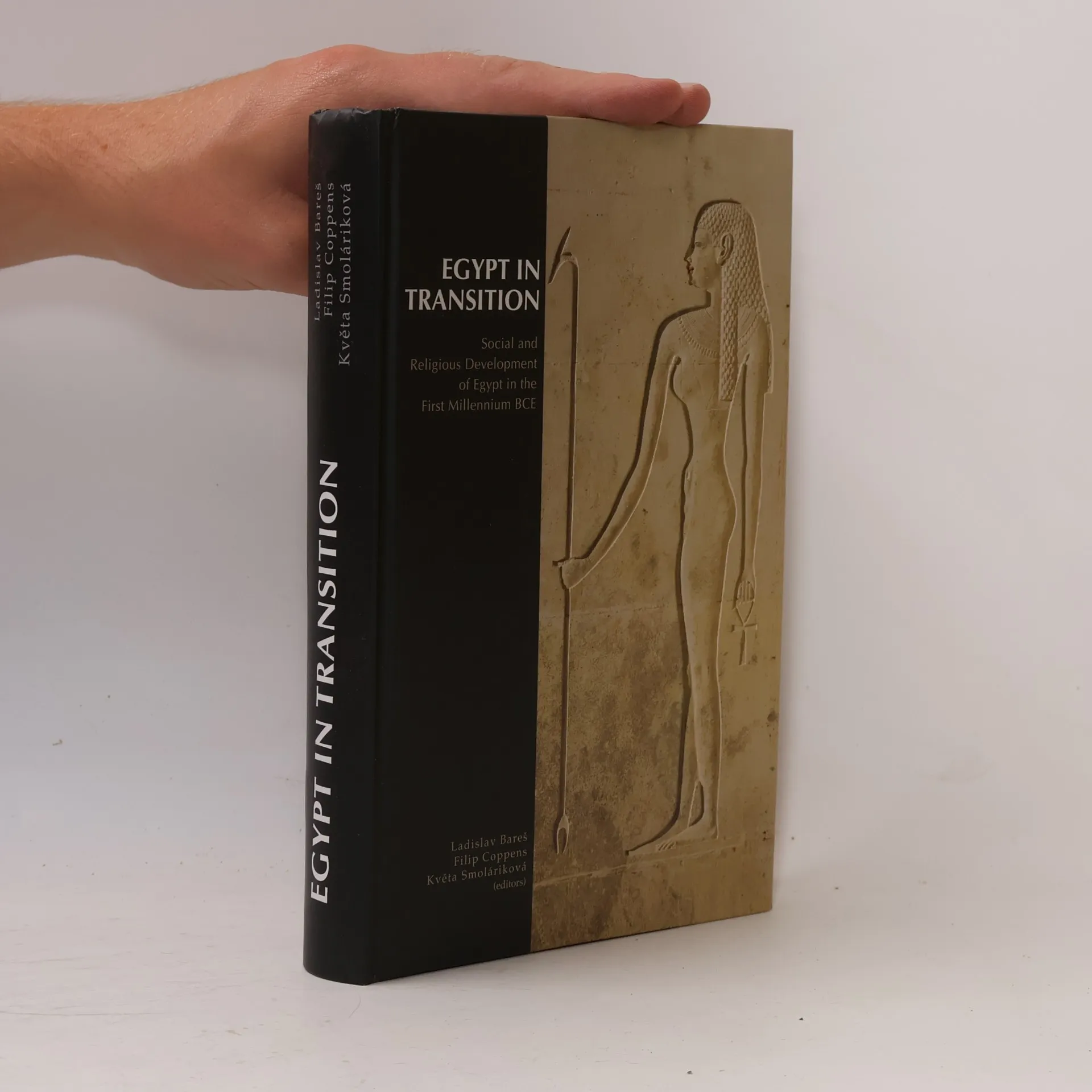
      Social And Religious Development Of Egypt In The First Millennium BCE: Proceedings Of An International Conference: Prague, September 1-4, 2009

      • 501pages
      • 18 heures de lecture

      The first millennium BCE represents for Egypt a period of tremendous changes and developments on the political, social, economic and religious level. The millennium was shaped and characterised by a continuous interaction between Egypt as an independent political entity, with its indigenously developed social and religious system, and various political, military and cultural forces and influences introduced into the country, both through occupation and trade. Throughout the millennium one observes a conscious retrieval and interpretation of the past based on the traditions of the third and second millennium BCE in an attempt to preserve the country's cultural identity in the face of foreign influences and occupation. As a result, new religious and social concepts developed, which were incorporated in the ideological and administrative spheres of the centralised state and manifested themselves in art, architecture, language and religion. In early September 2009, the Czech Institute of Egyptology of the Charles University in Prague hosted an international workshop dedicated specifically to social and religious developments in Egypt in the course of the first millennium BCE. The volume at hand contains 20 of the papers presented at the workshop.

      Egypt In Transition