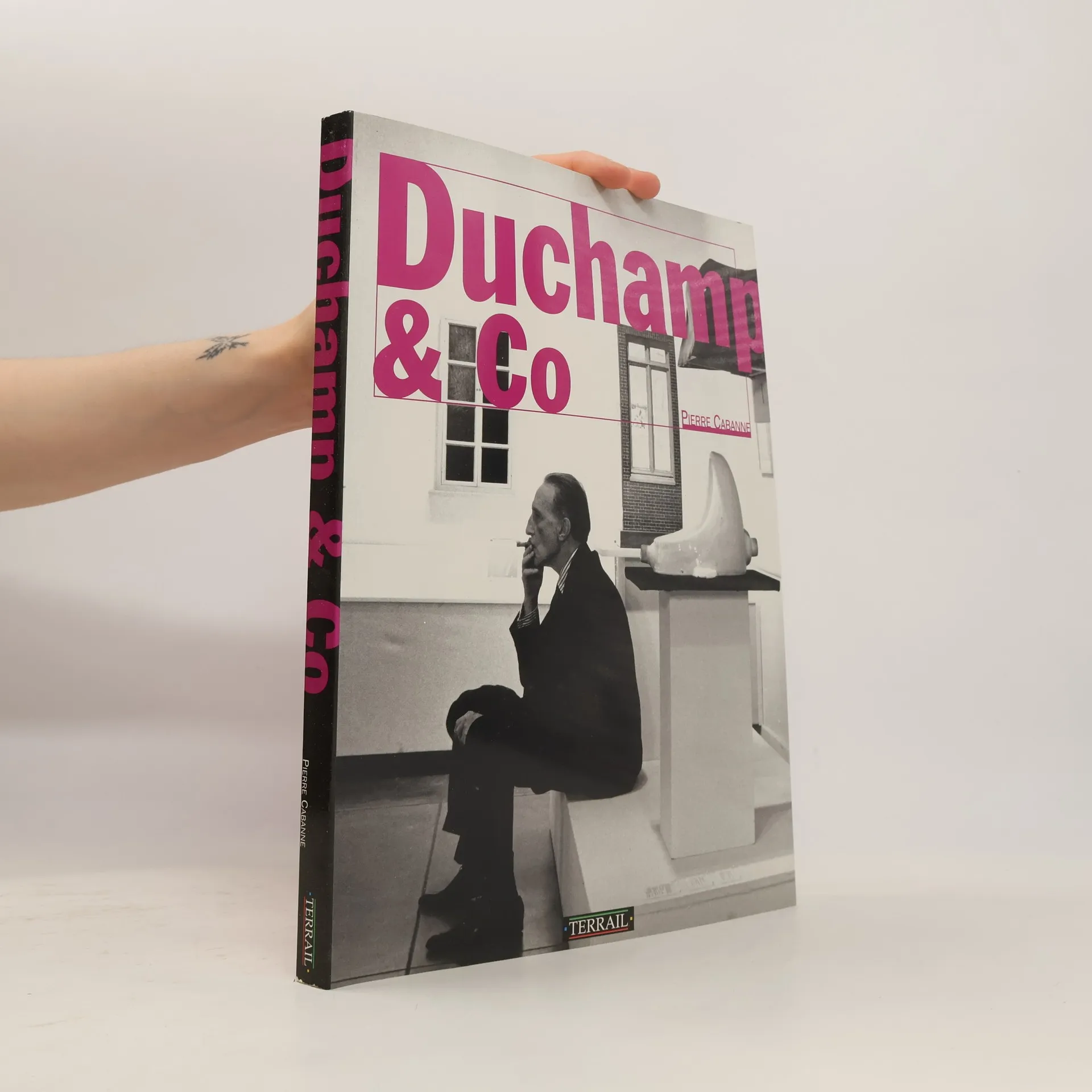
Duchamp & Co
- 206pages
- 8 heures de lecture


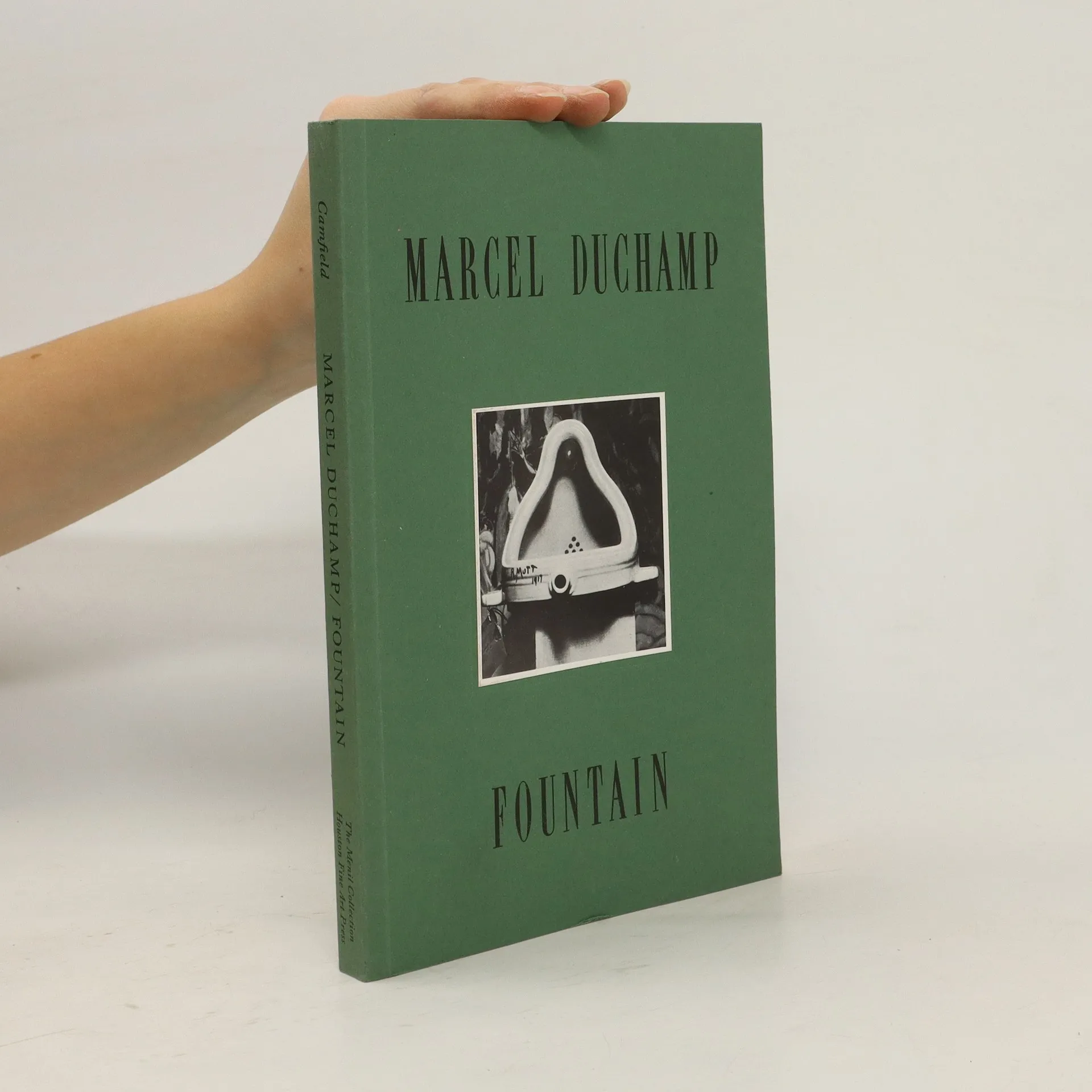
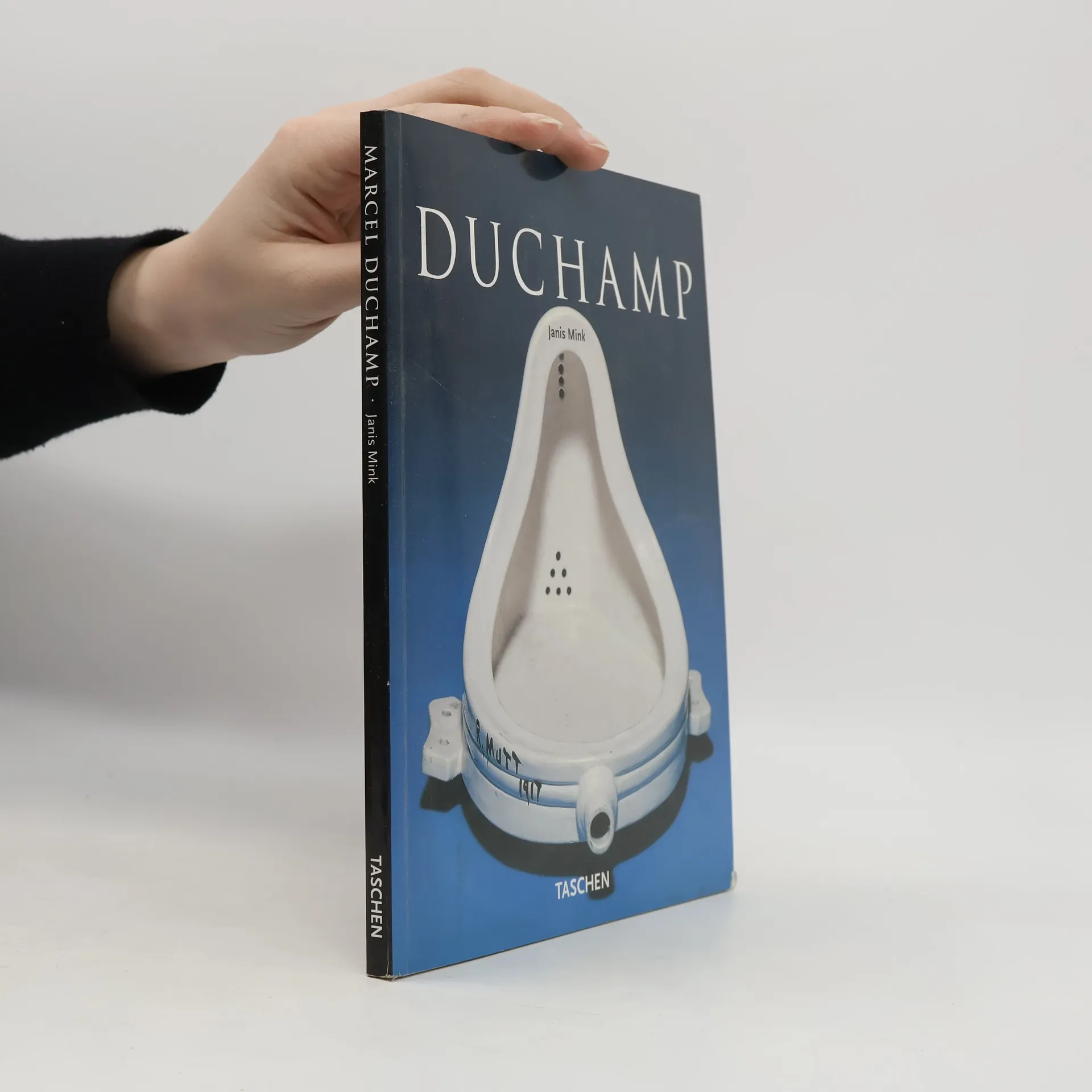
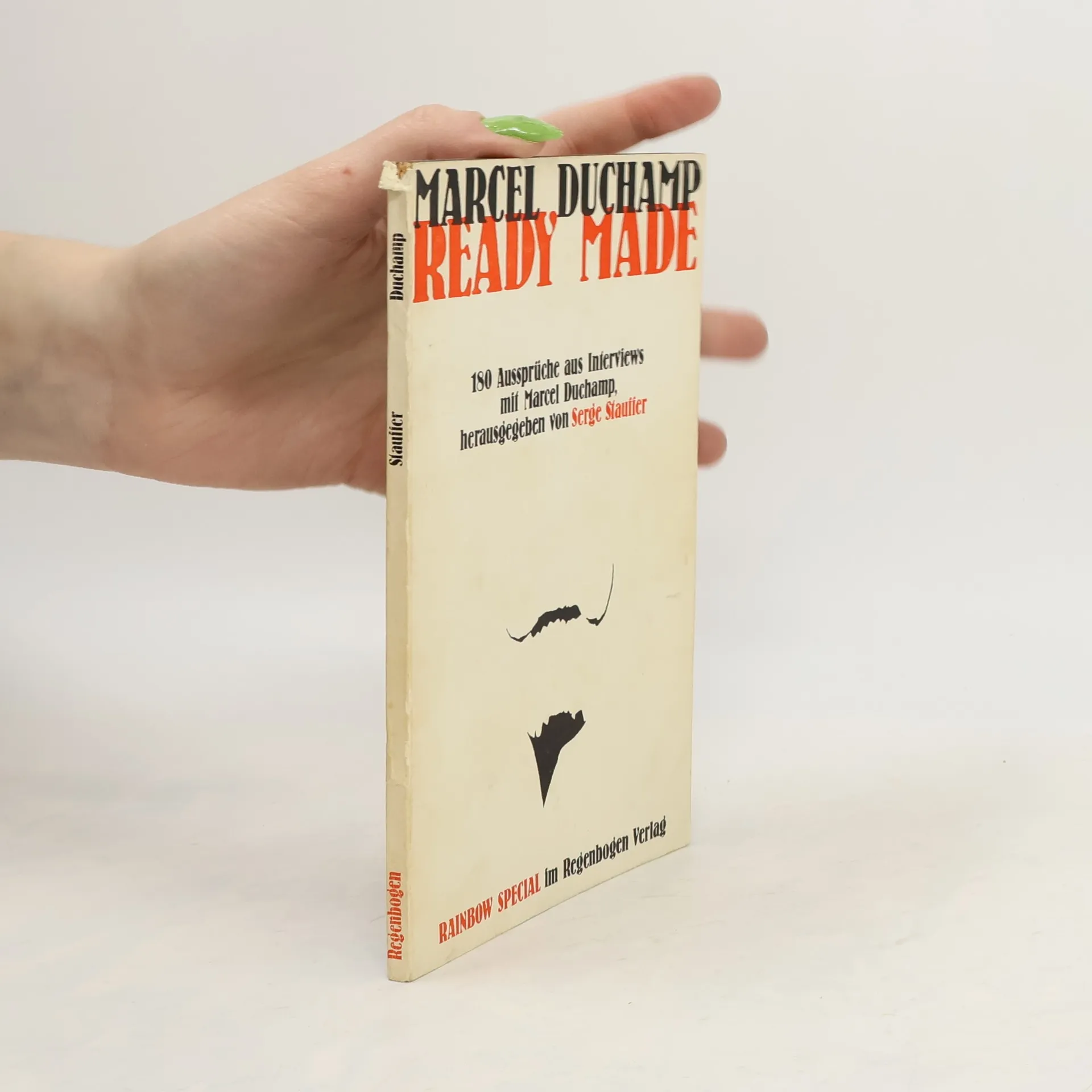
Marcel Duchamp était un artiste français dont l'œuvre et les idées ont profondément influencé le développement de l'art occidental après la Première Guerre mondiale. Ses conseils aux collectionneurs d'art moderne ont contribué à façonner les goûts du monde de l'art occidental. Connu pour sa nature ludique, Duchamp a suscité la réflexion sur les processus artistiques et le marketing de l'art par ses actions, comme la désignation d'un urinoir comme œuvre d'art intitulée Fountain. Bien qu'associé au Dadaïsme et au Surréalisme, son véritable message artistique et philosophique reste intentionnellement mystérieux, Duchamp lui-même trouvant un intérêt dans les interprétations en tant qu'actes créatifs.


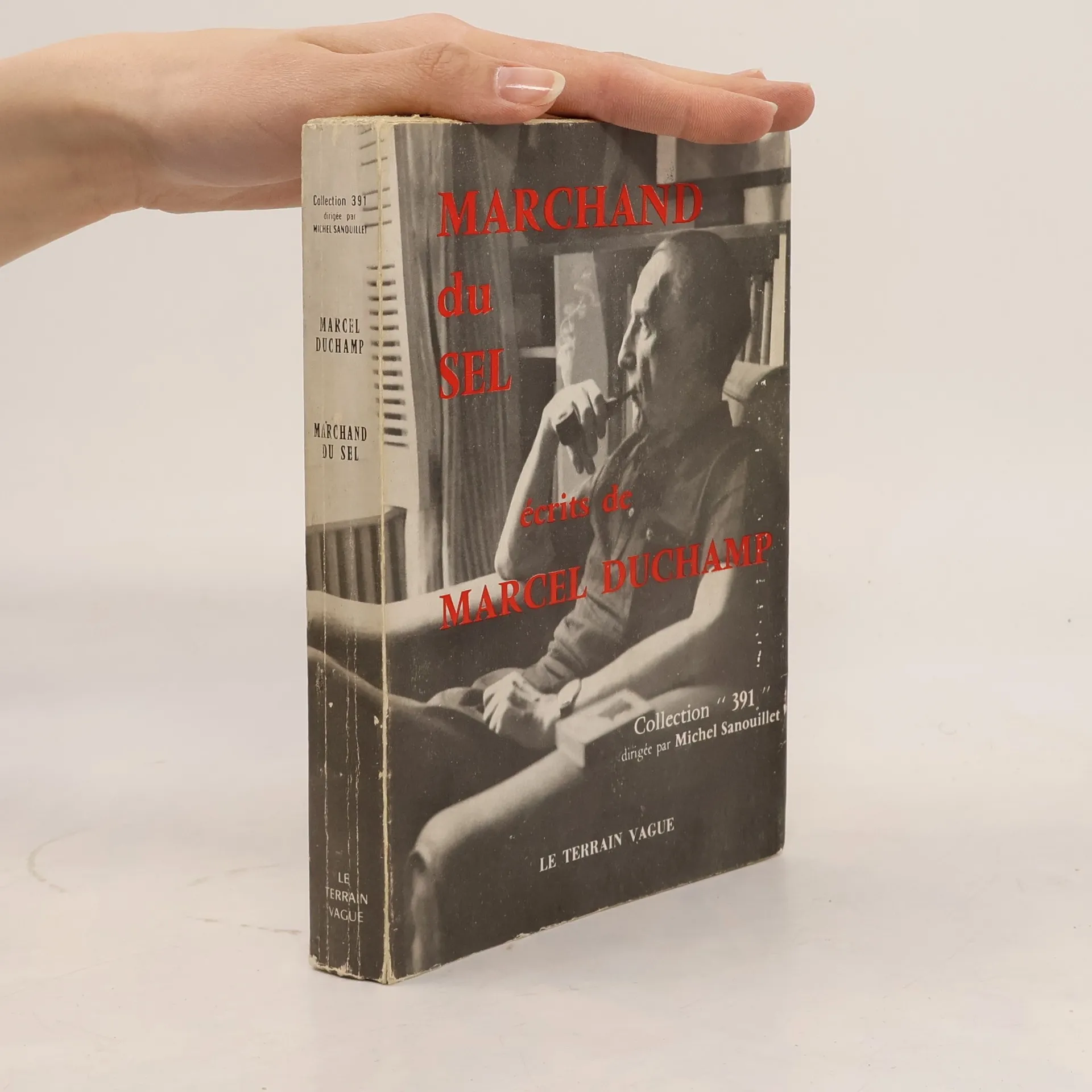
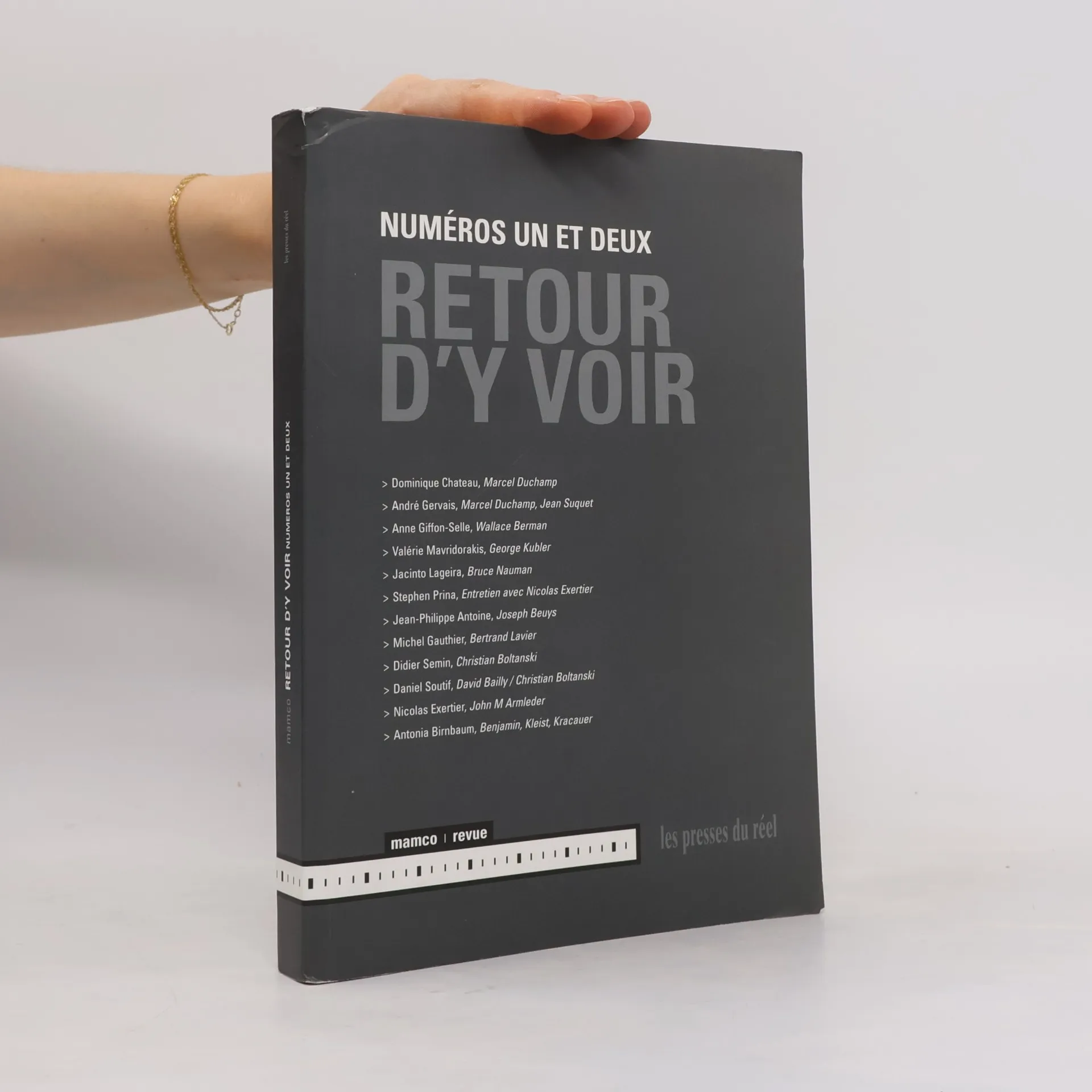
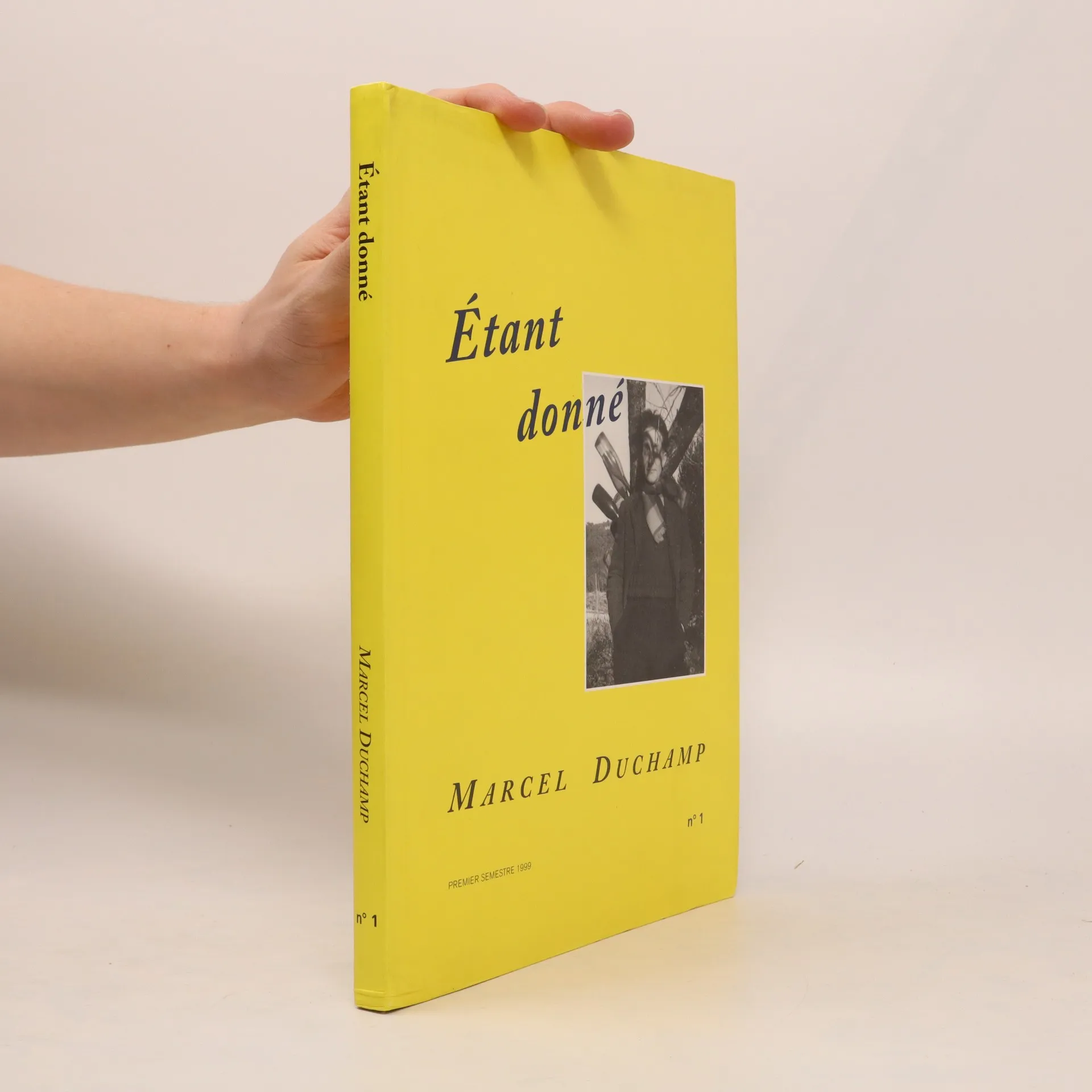
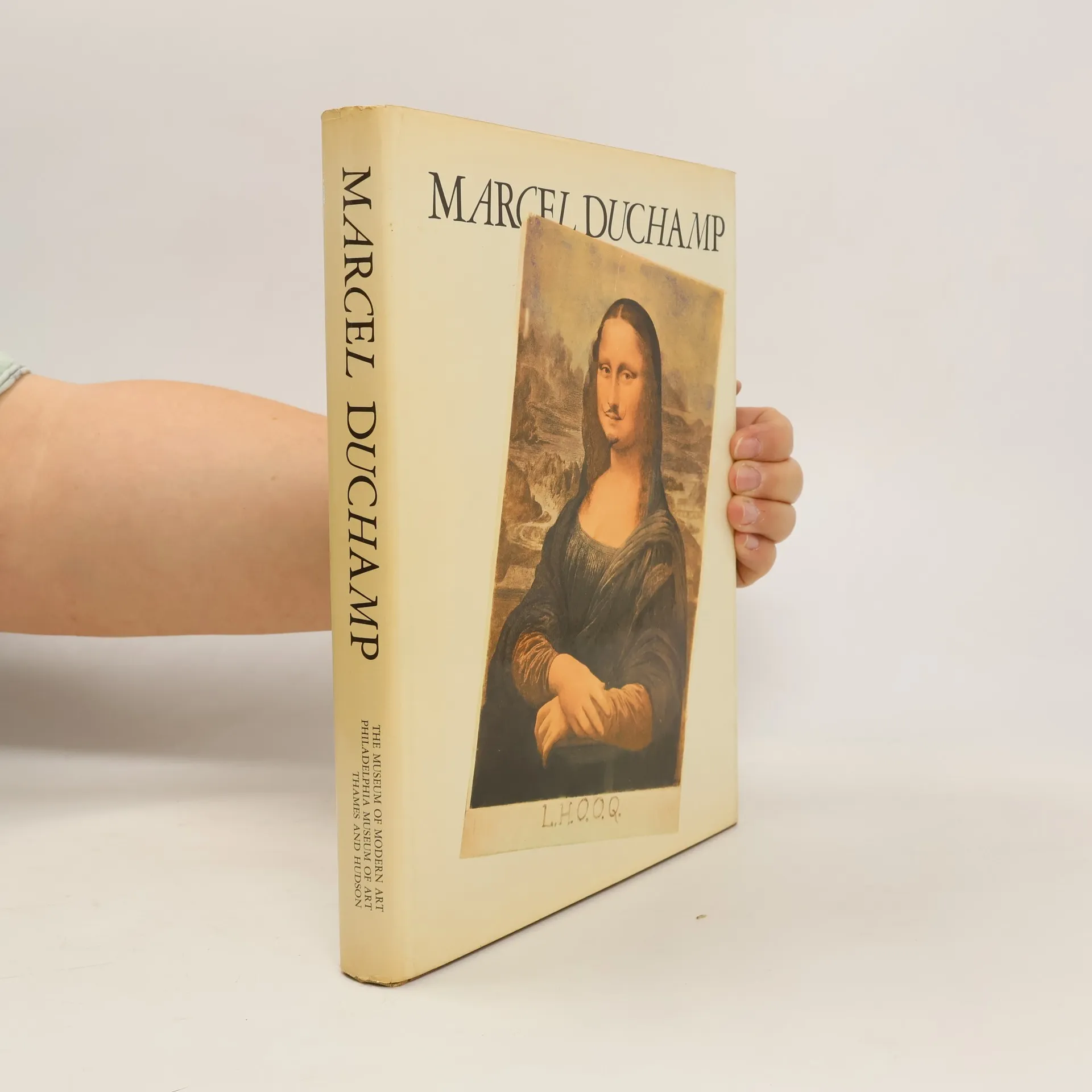
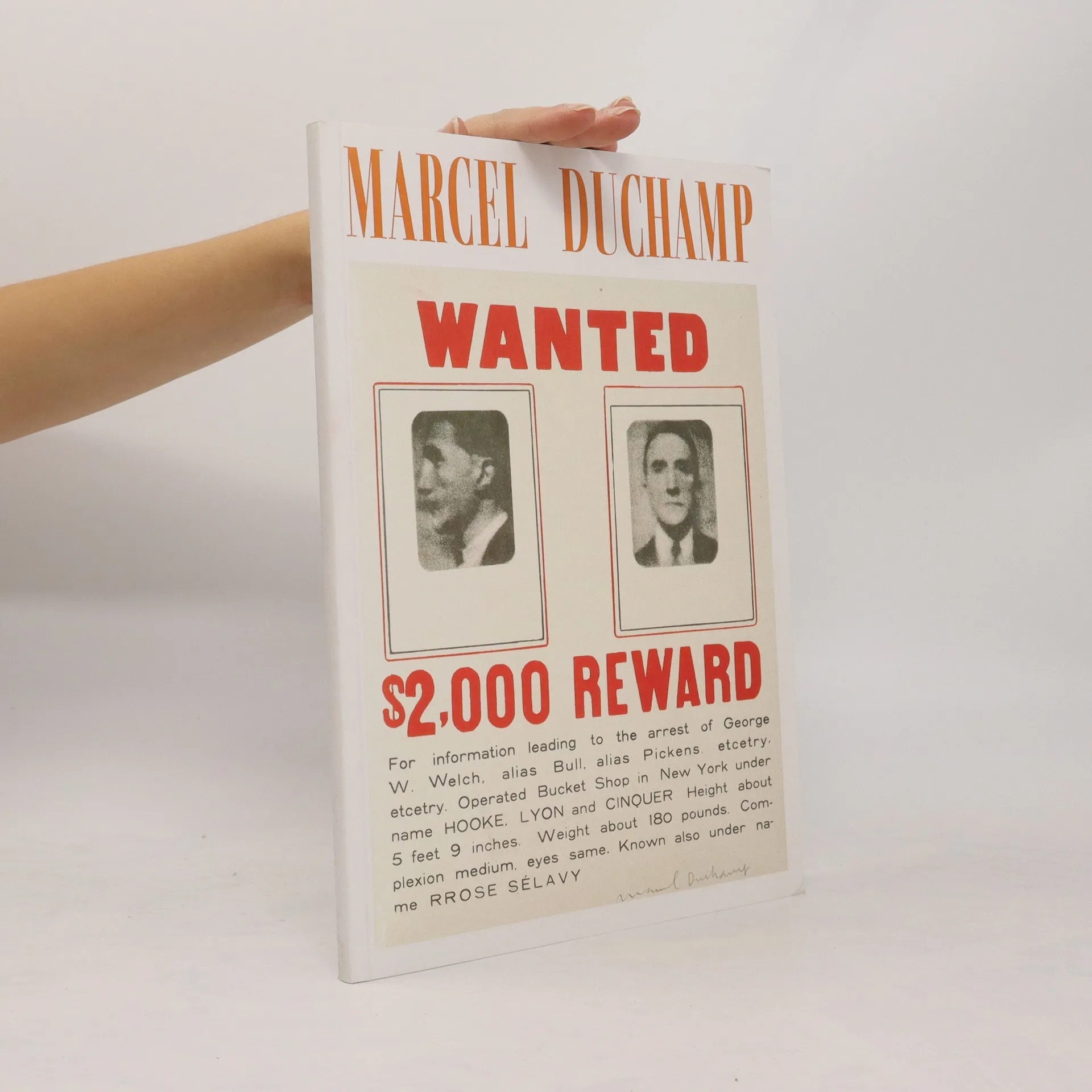
154 pages. Broché ou relié souple. Le premier numéro d'une série de publications qui a rassemblé des recherches sérieuses sur l'artiste éminent et influent. Bien illustré et annoté.
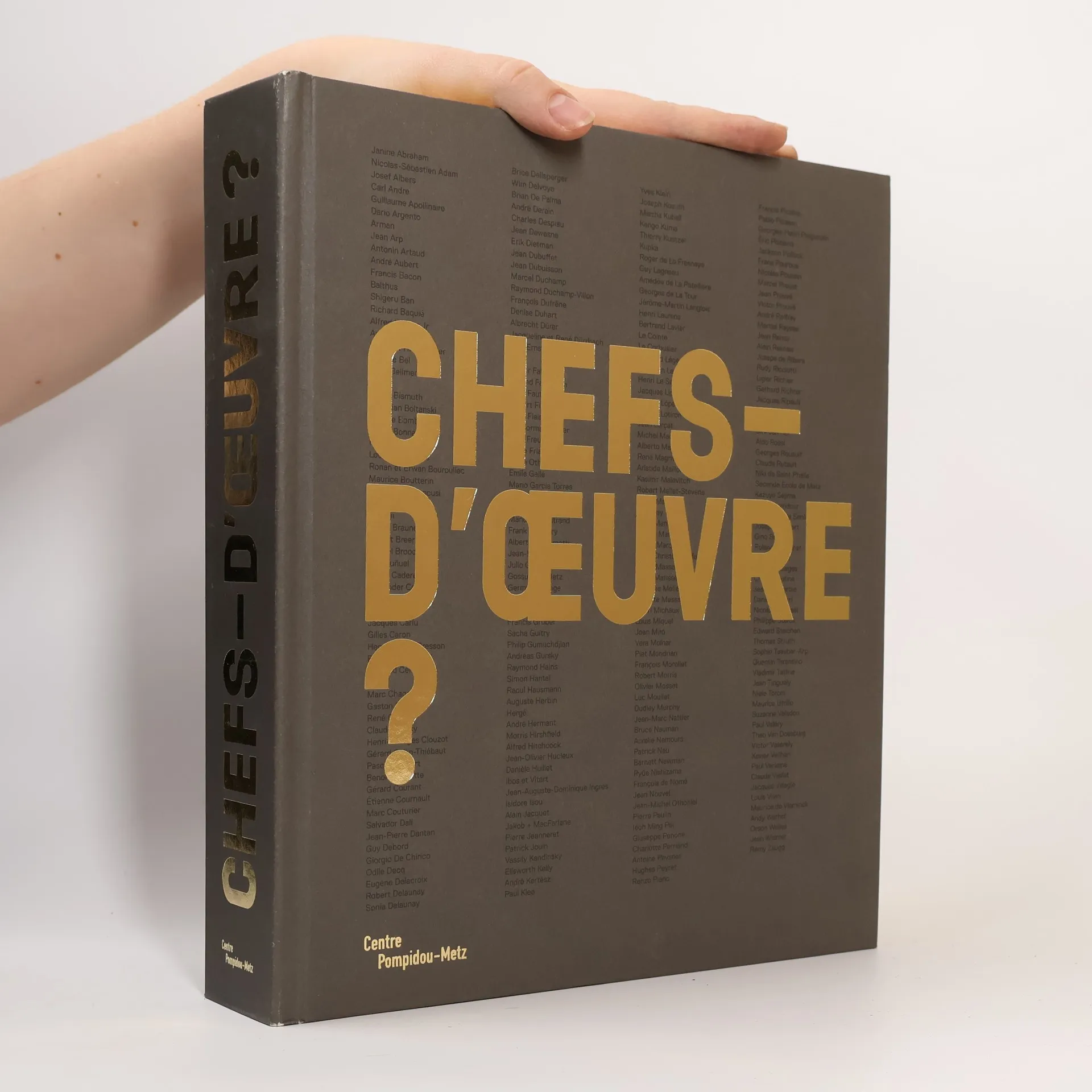
Chefs d'uvre L'exposition d'ouverture du centre Pompidou-Metz.
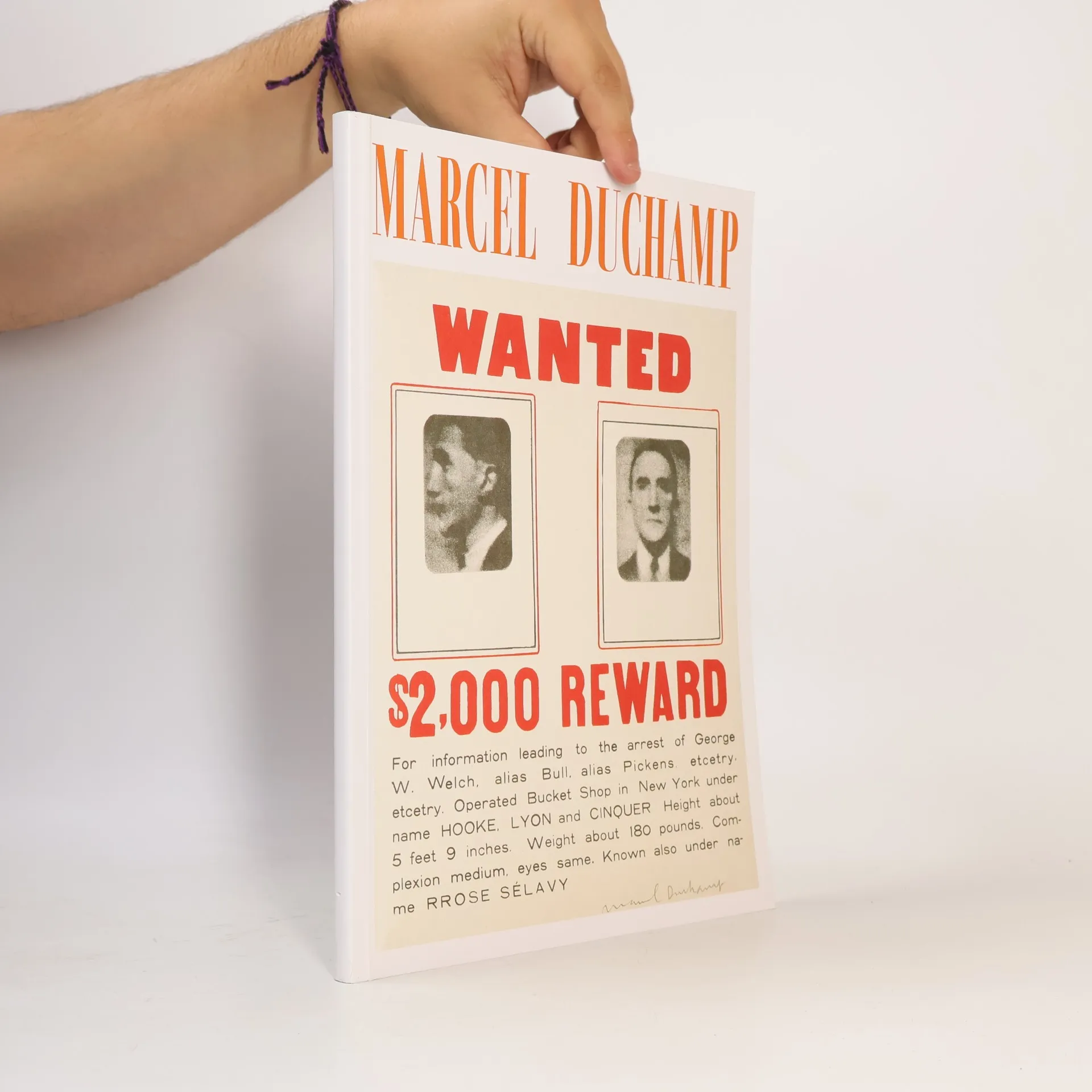
In the twenties, Surrealists proclaimed that words had stopped playing around and had begun to make love. Nowhere is this more apparent than in the writings of Marcel Duchamp, who fashioned some of the more joyous and ingenious couplings and uncouplings in modern art. This collection beings together two essential interviews and two statements about his art that underscore the serious side of Duchamp. But most of the book is made up of his experimental writings, which he called ”Texticles,” the long and extraordinary notes he wrote for The Bride Stripped Bare By Her Bachelors, Eben (also known as The Large Glass), and the outrageous puns and alter-ego he constructed for his female self, Rrose Sélavy (”Eros, c’est la vie” or arouser la vie”drink it up”; celebrate life”). Wacky, perverse, deliberately frustrating, these entertaining notes are basic for understanding one of the twentieth century’s most provocative artists, a figure whose influence on the contemporary scene has never been stronger.
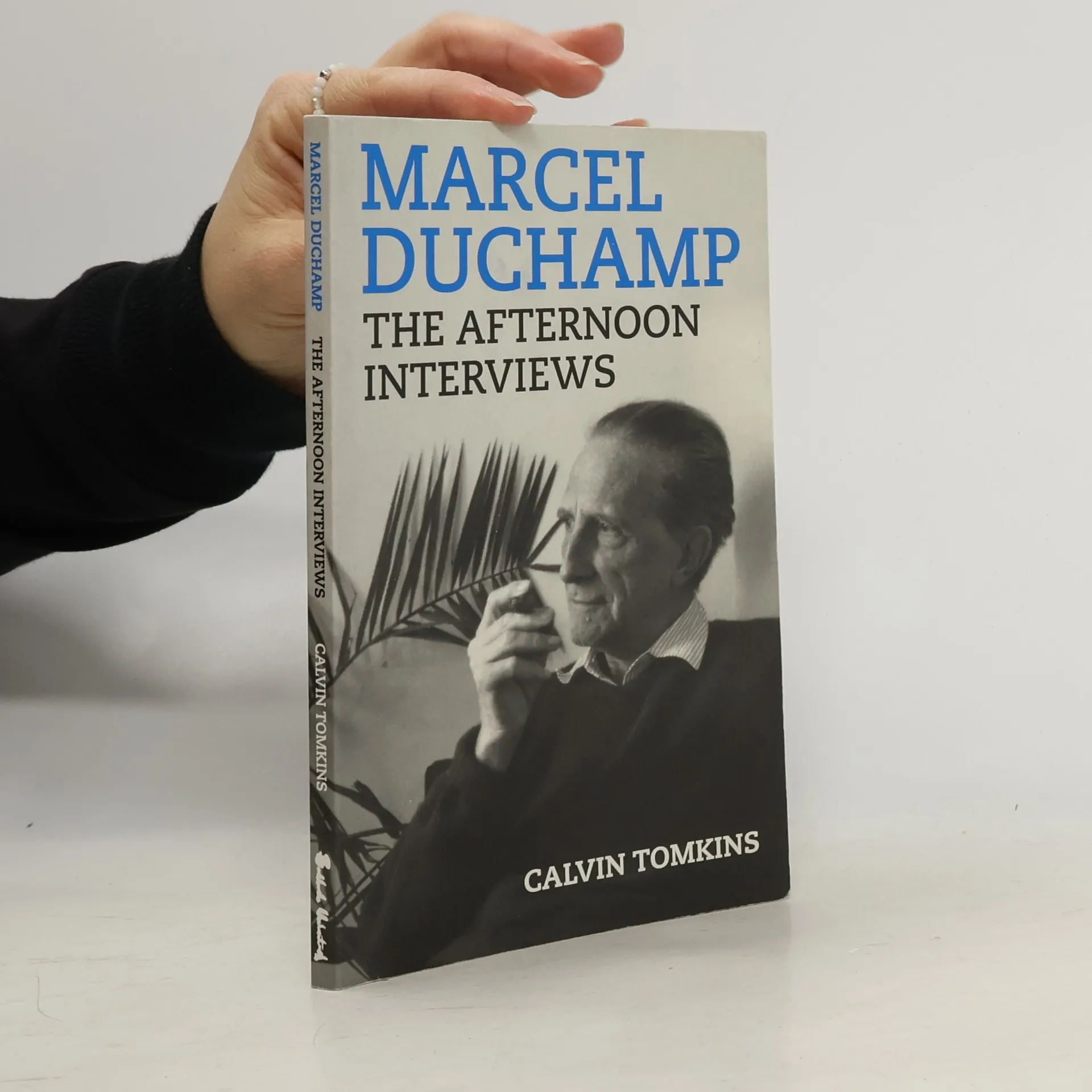
In 1964, Calvin Tomkins spent a number of afternoons interviewing Marcel Duchamp in his apartment on West 10th Street in New York. Casual yet insightful, Duchamp reveals himself as a man and an artist whose playful principles toward living freed him to make art that was as unpredictable, complex, and surprising as life itself. Those interviews have never been edited and made public, until now. "The Afternoon Interviews," which includes an introductory interview with Tomkins reflecting on Duchamp as an artist, guide and friend, reintroduces the reader to key ideas of his artistic world and renews Duchamp as a vital model for a new generation of artists. Calvin Tomkins was born in 1925 in Orange, New Jersey. He joined the New Yorker as a staff writer in 1960. His many profiles include John Cage, Robert Rauschenberg, Merce Cunningham, Leo Castelli, Damien Hirst, Richard Serra, Bruce Nauman, Cindy Sherman and Jasper Johns. Tomkins is the author of 12 books, including "The Bride and the Bachelors" (1965), "Living Well Is the Best Revenge" (1971), "Lives of the Artists" (2008) and "Duchamp: A Biography" (1996).
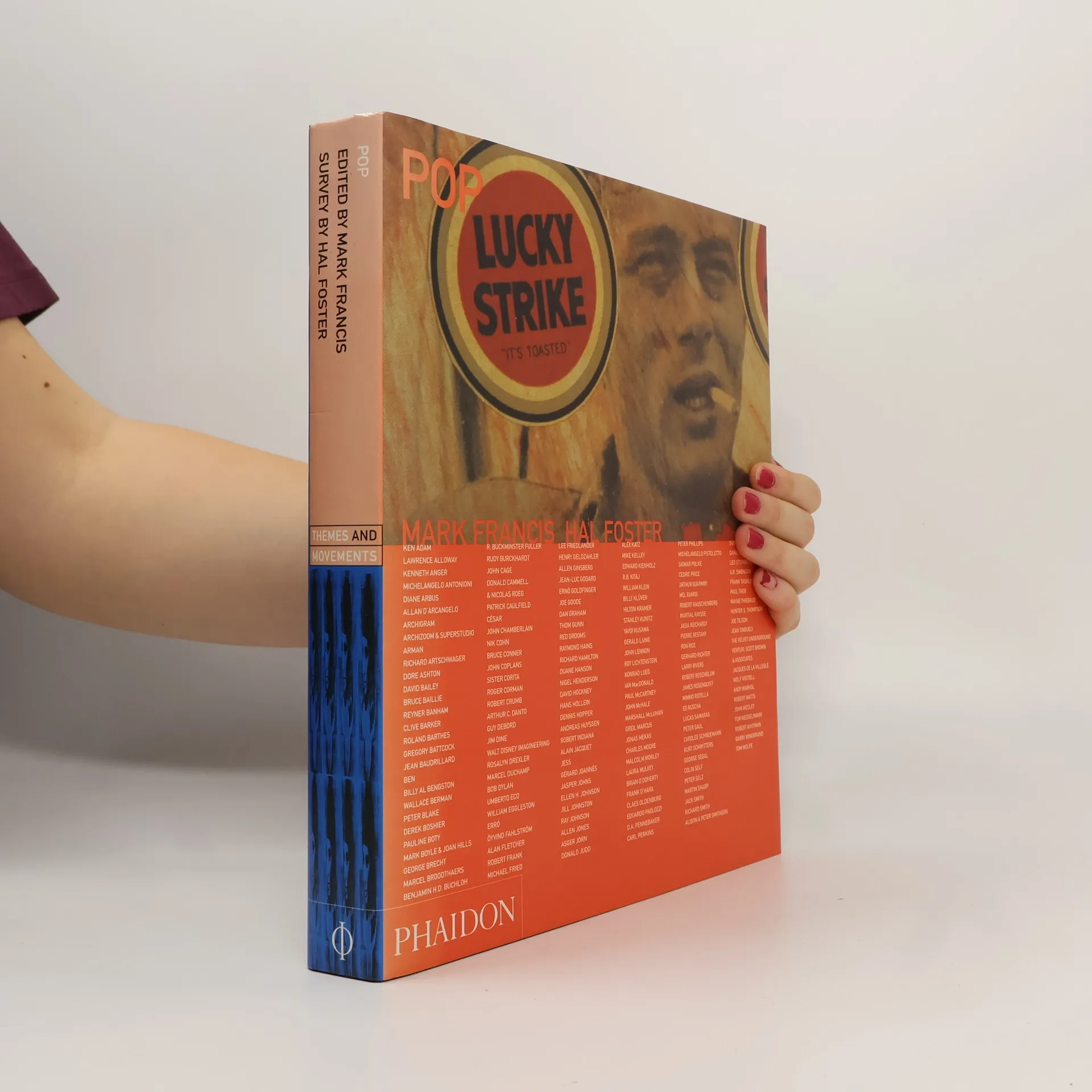
Exploring the evolution of Pop culture from the late 1950s to the late 1960s, this comprehensive survey examines its impact on art, film, photography, and architecture, highlighting the interplay between mass production and mass media. Unlike other works that focus solely on Pop art, it offers a holistic view of the movement's influence across America, Britain, and Europe, showcasing its diverse manifestations and cultural significance during this transformative era.
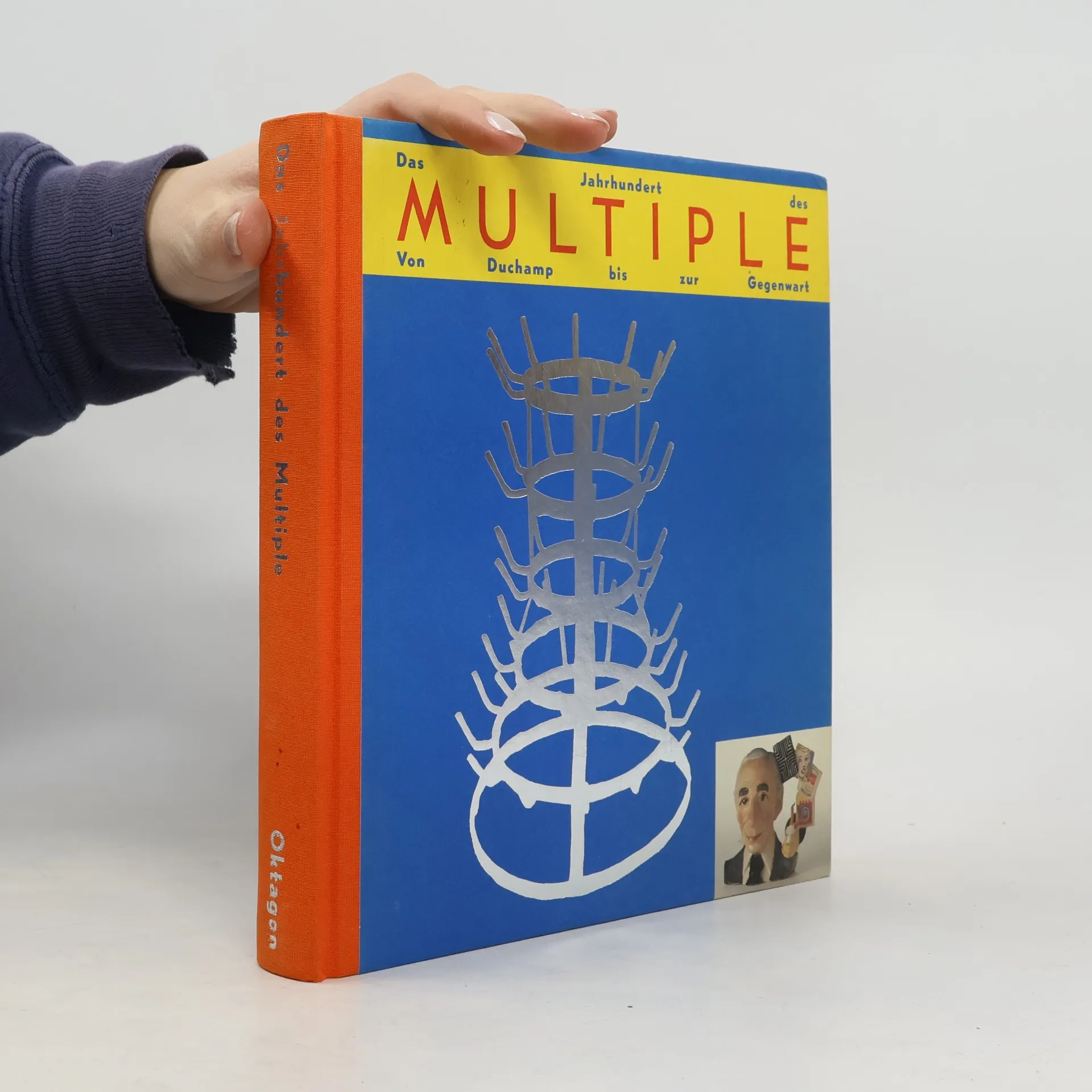
Marcel Duchamp (1887-1968) n'a peut-être pas inventé la roue, mais il a découvert le ready-made. Un porte-bouteilles n'est sans doute qu'un porte-bouteilles mais, signé Duchamp, c'est surtout l'une des oeuvres d'art les plus importantes du XXe siècle. Marcel Duchamp s'est à la fois révélé comme une énigme pour les historiens de l'art et une grande source d'inspiration pour les artistes. Cette étude s'attaque au mythe et révèle le charisme fascinant de Marcel Duchamp.ŒŒDepuis les années 1960, il est considéré par nombre d'historiens de l'art et de critiques comme l'artiste le plus important du XXe siècle. Déjà, André Breton le qualifiait d'" homme le plus intelligent du siècle ". Notamment grâce à son invention des ready-made, son travail et son attitude artistique continuent d'exercer une influence majeure sur les différents courants de l'art contemporain. Il est vu comme le précurseur et l'annonciateur de certains aspects les plus radicaux de l'évolution de l'art depuis 1945. Les protagonistes de l'art minimal, de l'art conceptuel et de l'art corporel (body art), dans leur inspiration, leur démarche artistique et idéologique, témoignent de l'influence déterminante de l'ouvre de Duchamp. Il aurait également été, d'après les nombreux essais qui lui sont consacrés, l'inspirateur d'autres courants artistiques dont le pop art, le néodadaïsme, l'op art et le cinétisme
Stieglitz, Duchamp, and the New York Avant-Garde
When Duchamp moved from Paris to New York in 1915, he was disappointed by the predominantly nature-based abstraction he observed, publicly proclaiming that American artists were too dependent on outmoded European traditions and had overlooked their greatest subjects--the skyscraper and the machine. Meanwhile, the artists associated with Alfred Stieglitz and his "291" gallery remained loyal to their belief in nature as a source of ongoing renewal for visual culture, and emphasized the crucial role that intuition and spirituality played in their creation of art. The crossfire between Duchamp and Stieglitz and their respective circles defined a critical moment in early twentieth-century American art. Debating Modernism includes reproductions of work by artists from both camps, from Charles Demuth, Georgia O'Keeffe, and Paul Strand to Man Ray, Francis Picabia, and Marsden Hartley. An essay by curator Debra Bricker Balken traces the threads of the debate through the 1910s and 20s, and also addresses the appearance of sexualized imagery in nearly all of these artists' works, a phenomenon that ironically unifies the two seemingly opposed camps. Jay Bochner's essay focuses on the artists' respective violations of American expectations about art.
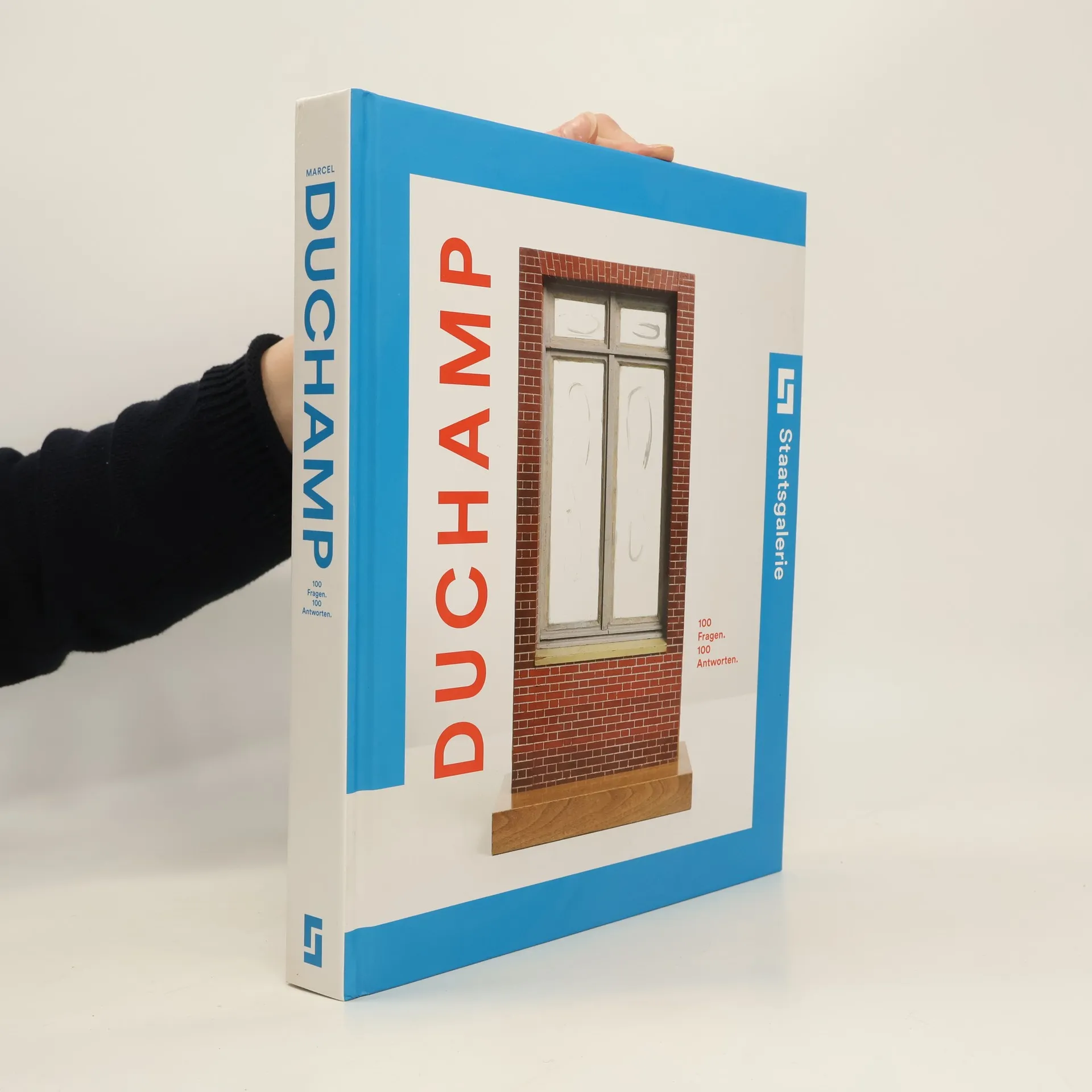
Thanks to Marcel Duchamp, we know that everything can become art and that there is no limit to thinking here. The first comprehensive exhibition in two decades shows Duchamp's works from all creative phases from 1902 to 1968. Through his early work of Post-Impressionist paintings, his caricatures and involvement with Cubism, to his iconic Readymakes, Duchamp's thinking is revealed. He created works with a persistent precision and stubborn anarchy peculiar to him, which only find their completion through us as viewers. In this way, the work changes with us and in time.
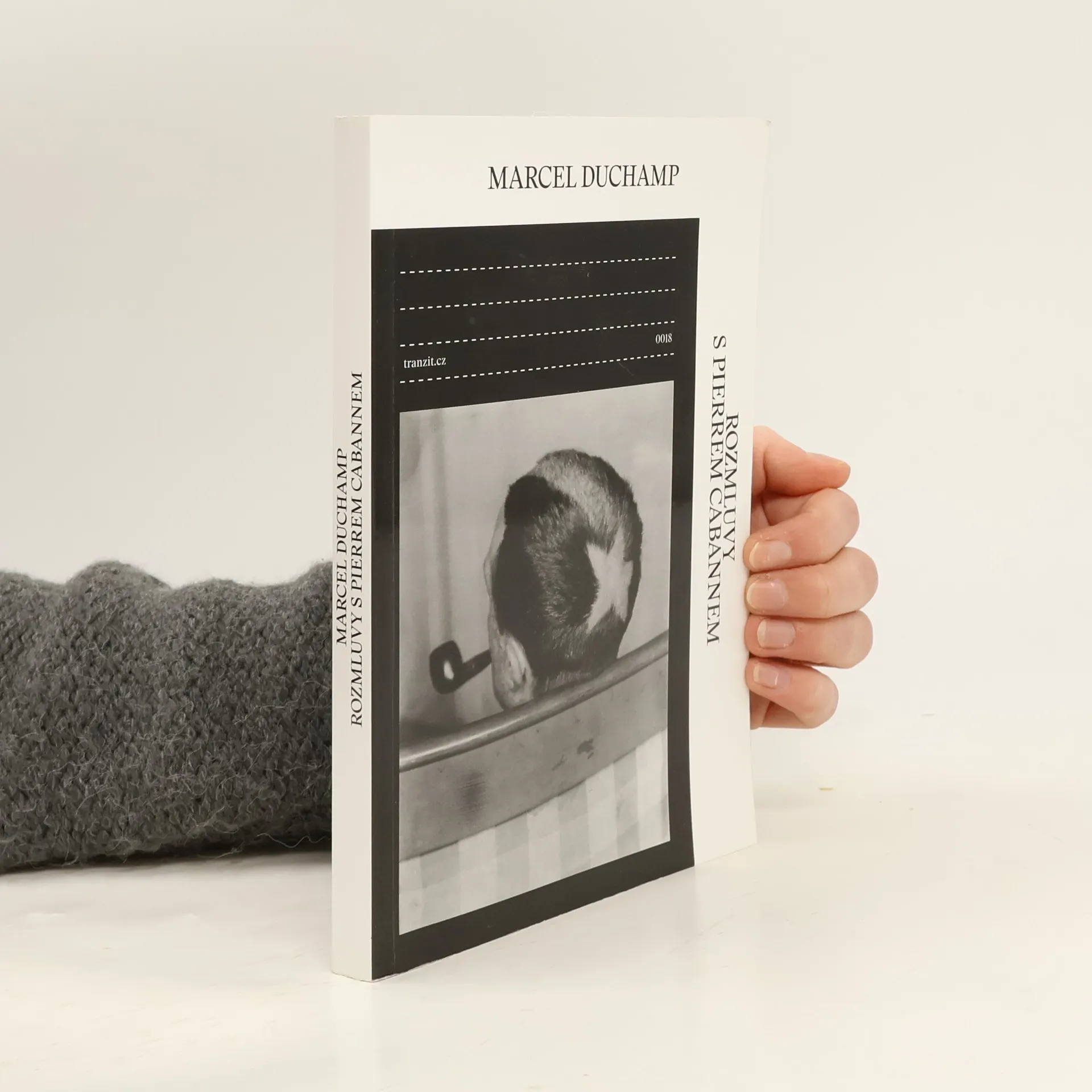
Kniha je nejrozsáhlejším Duchampovým mluvený komentářem, jehož kouzlo spočívá v jednoduchosti, s jakou svůj komplexní přístup k práci, životu a umění tlumočí. S citáty z této knihy se setkáme jak v učebnici pro základní školu, uvádějící děti do problematiky moderního umění, tak v komplikovaných textech o filozofii umění, estetice a dějinách umění dvacátého století. Duchampovy postoje nabízejí zcela nový pohled na dějiny zobrazování, funkci umění a jsou nutnou četbou pro ty, kdo si chtějí vytvořit názor na bouřlivý vývoj umění ve 20. a 21. století. Přelomový význam Duchampova díla zpochybňujícího vývoj umělecké reprezentace, začíná být v širším kontextu uznáván až díky umělcům a teoretikům konceptuálního umění, minimalistického umění a popartu na počátku šedesátých let. V nemalé míře k tomuto přesunu těžiště od sítnicového k mozkovému, jež bylo pro druhou polovinu 20. století příznačné, přispěla tato kniha. Kromě rozmluv kniha obsahuje předmluvy Pierra Cabanna ke třem historickým vydáním z let 1966, 1976 a 1995. Spíše než Duchampovy práce se tyto předmluvy relevantně dotýkají přijetí rozmluv a zprostředkovávají nám dobové reakce, jež vyvolaly.
Dank Marcel Duchamp wissen wir, dass alles zu Kunst werden kann und dem Denken hier keine Grenze gesetzt ist. Die erste umfassende Ausstellung seit zwei Jahrzehnten zeigt Duchamps Werke aus allen Schaffensphasen der Jahre 1902 bis 1968 zeigt. Über sein Frühwerk postimpressionistischer Gemälde, seine Karikaturen und Auseinandersetzung mit dem Kubismus bis zu seinen ikonischen Readymakes offenbart sich das Denken Duchamps. Er schuf mit einer ihm eigenen beharrlichen Genauigkeit und eigensinniger Anarchie Werke, die erst durch uns als Betrachtende ihre Vollendung finden. So verändert sich das Werk mit uns und in der Zeit.
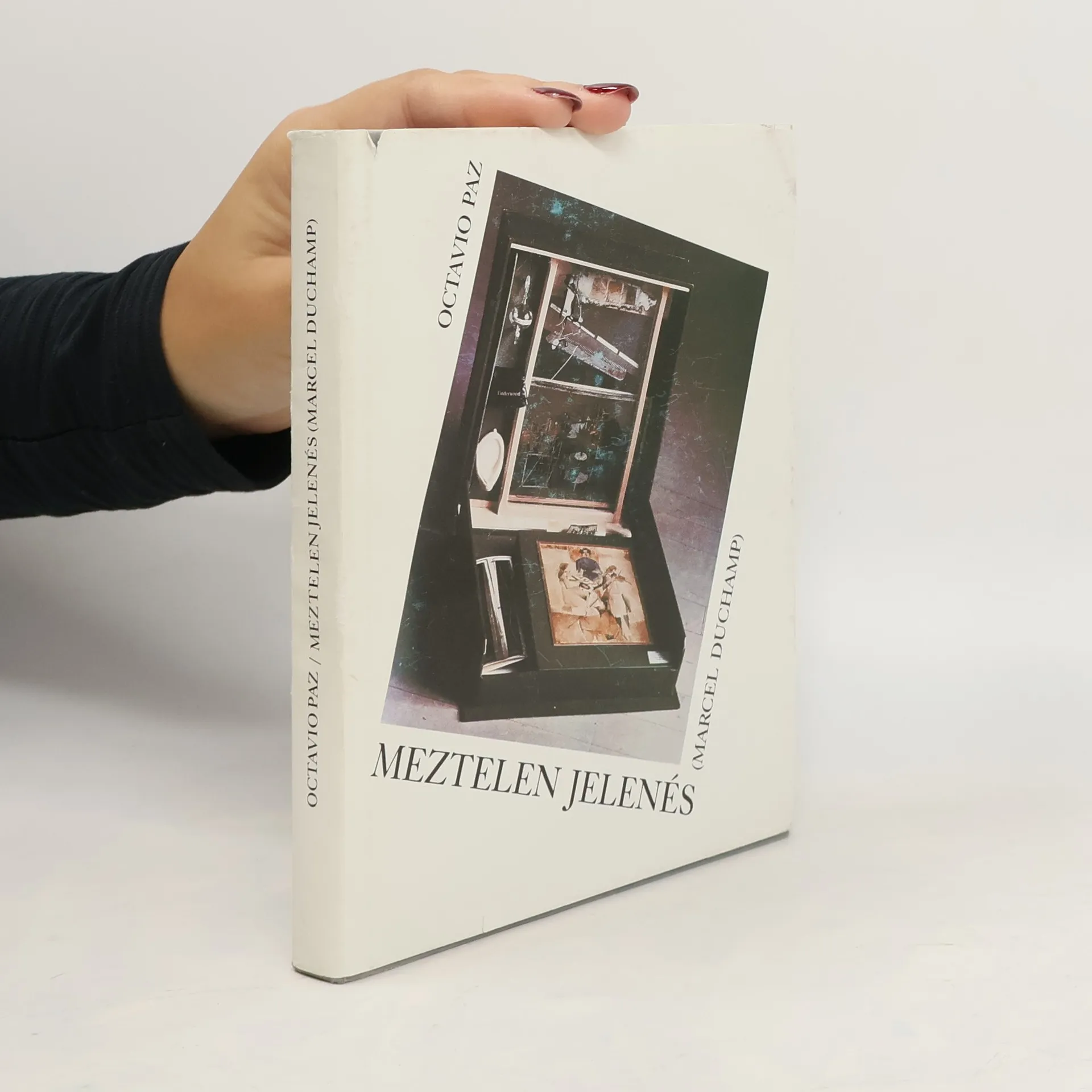
Ab 1935 arbeitete Marcel Duchamp (1887–1968) an der Realisierung eines „tragbaren Museums“, das im Kleinen seine wesentlichen Werke – Gemälde, Zeichnungen, Objekte und Ready-mades – enthalten sollte. 1941 präsentierte er den Prototyp in Paris: eine Pappschachtel, die in einen handlichen Koffer passte und neunundsechzig Miniaturrepliken seiner Werke beinhaltete. Bis zum Tod Duchamps folgten sechs weitere, durch neue Arbeiten ergänzte Auf lagen in unterschiedlicher Ausstattung. In jahrelanger akribischer Forschungsarbeit ist Ecke Bonk der Entstehungsgeschichte der Boîte-en-valise, der großen Schachtel, nachgegangen und hat dabei die ausgetüftelten handwerklichen und künstlerischen Strategien entschlüsselt, die Duchamp für die Herstellung der Schachtel und ihrer Einzelteile entwickelte. Neue Fundstücke – etwa drei wieder aufgetauchte Exemplare der „Deluxe-Koffer“ – und neue Forschungsergebnisse zu diesem geheimnisvollsten Kunstwerk des 20. Jahrhunderts sind in die zweite, auch im Bildlayout optimierte Auflage des 1989 erstmals erschienenen Buchs eingegangen. Ecke Bonk, geb. 1953, ist Konzeptkünstler und Typosoph. 1994 gründete er die typosophic society, die sich mit den Grundlagen der Zeichenbildung und der Ästhetik der Information befasst, 2001 die typosophes sans frontières. Er lebt und arbeitet in Österreich und Neuseeland.
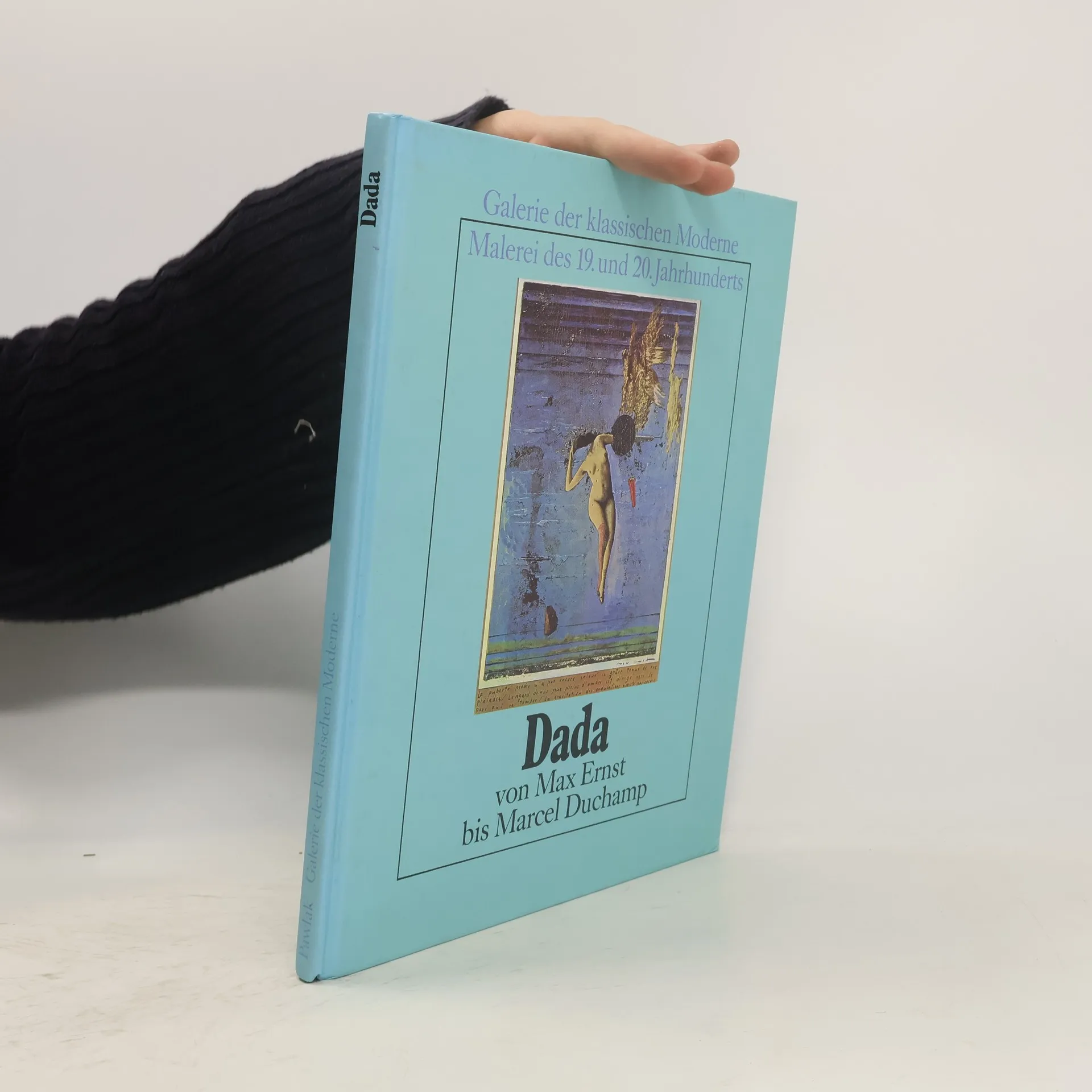
Dada - Von Max Ernst bis Marcel Duchamp - Aus der Galerie der klassischen Moderne - Malerei des 19. und 20. Jahrhunderts. 96 Seiten, 60 ganzseitige Farbabbildungen von Gemälden und Objekten, 15-seitige Einführung, 12-seitige illustrierte Künstlerbiografien.
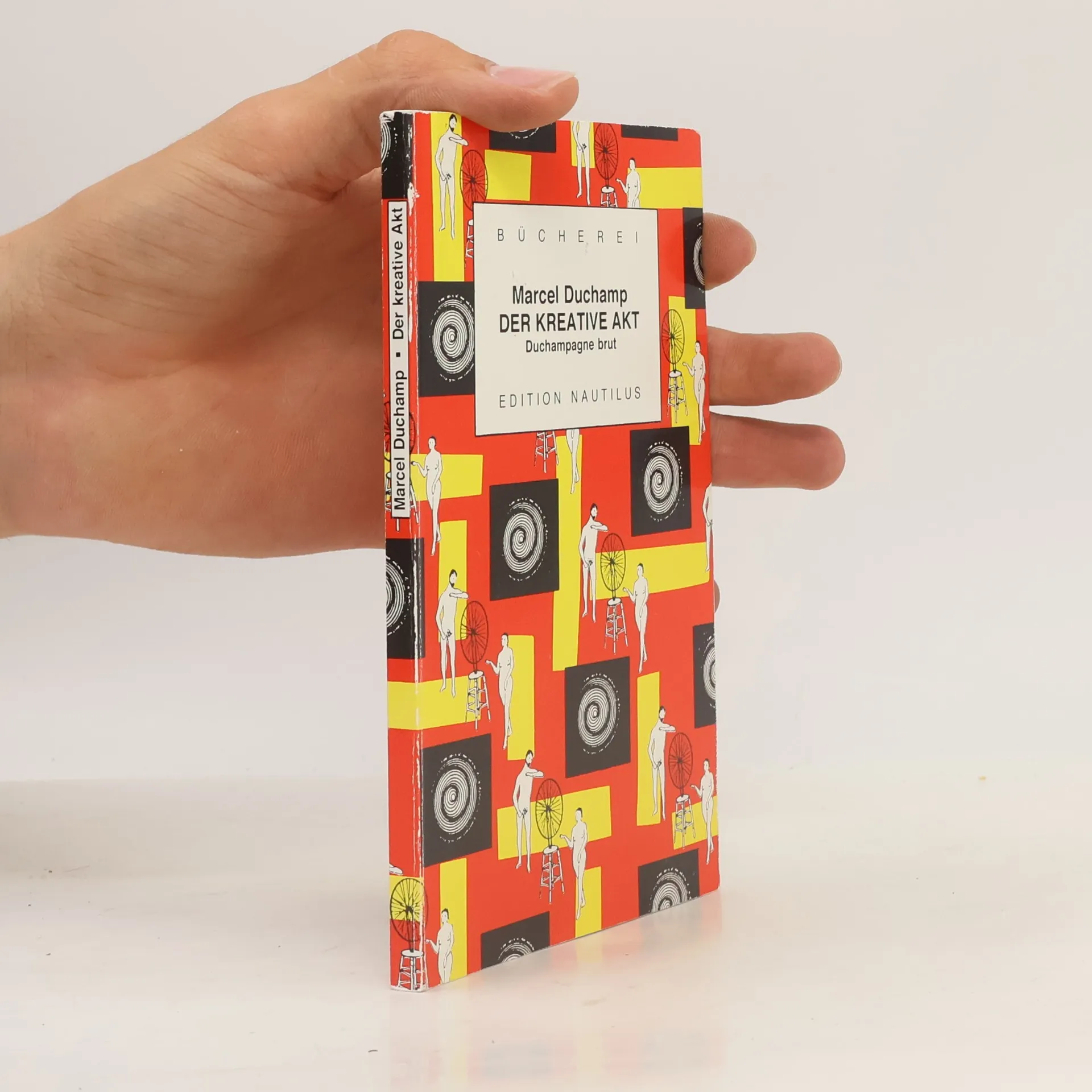
Duchampagne brut
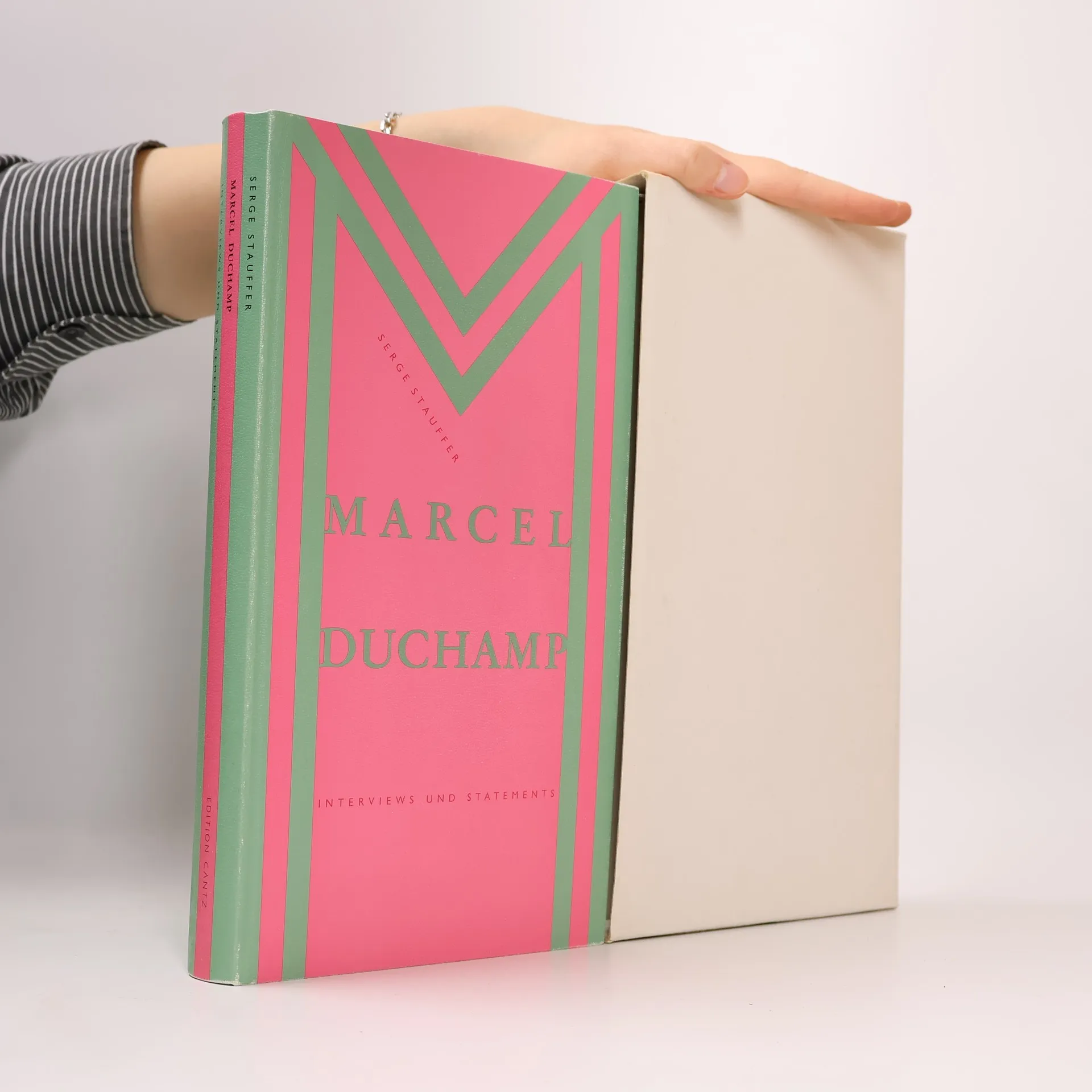
Ein, wenn nicht gar der wichtigste Aspekt einer Kunst im Sinne von Marcel Duchamp ist ihre "Trockenheit": Duchamp schuf nicht wie andere Künstler feuchte Leinwände und raumgreifende Objekte, oft ist die Skizze oder Notiz, ja der bloße Gedanke wichtiger als jede Materialisation. Serge Stauffer, der bedeutende Schweizer Künstler, Kunstvermittler und Pädagoge, hatte das weit vor vielen anderen erkannt und früh schon damit begonnen, die Schriften von Marcel Duchamp ins Deutsche zu übersetzen. Mit "Inframince", herausgegeben von Michael Hiltbrunner, veröffentlichen wir zum ersten Mal integral die letzte Übersetzung, die Serge Stauffer den Notizen von Marcel Duchamp gewidmet hat. In ihnen scheint die Flüchtigkeit des unendlich Kleinen in Duchamps Kunst noch einmal kurz vor dem Verblassen auf. "Wenn der Tabakrauch auch nach dem / Mund riecht, der ihn ausbläst, vermählen sich / die 2 Gerüche durch Infra mince"