
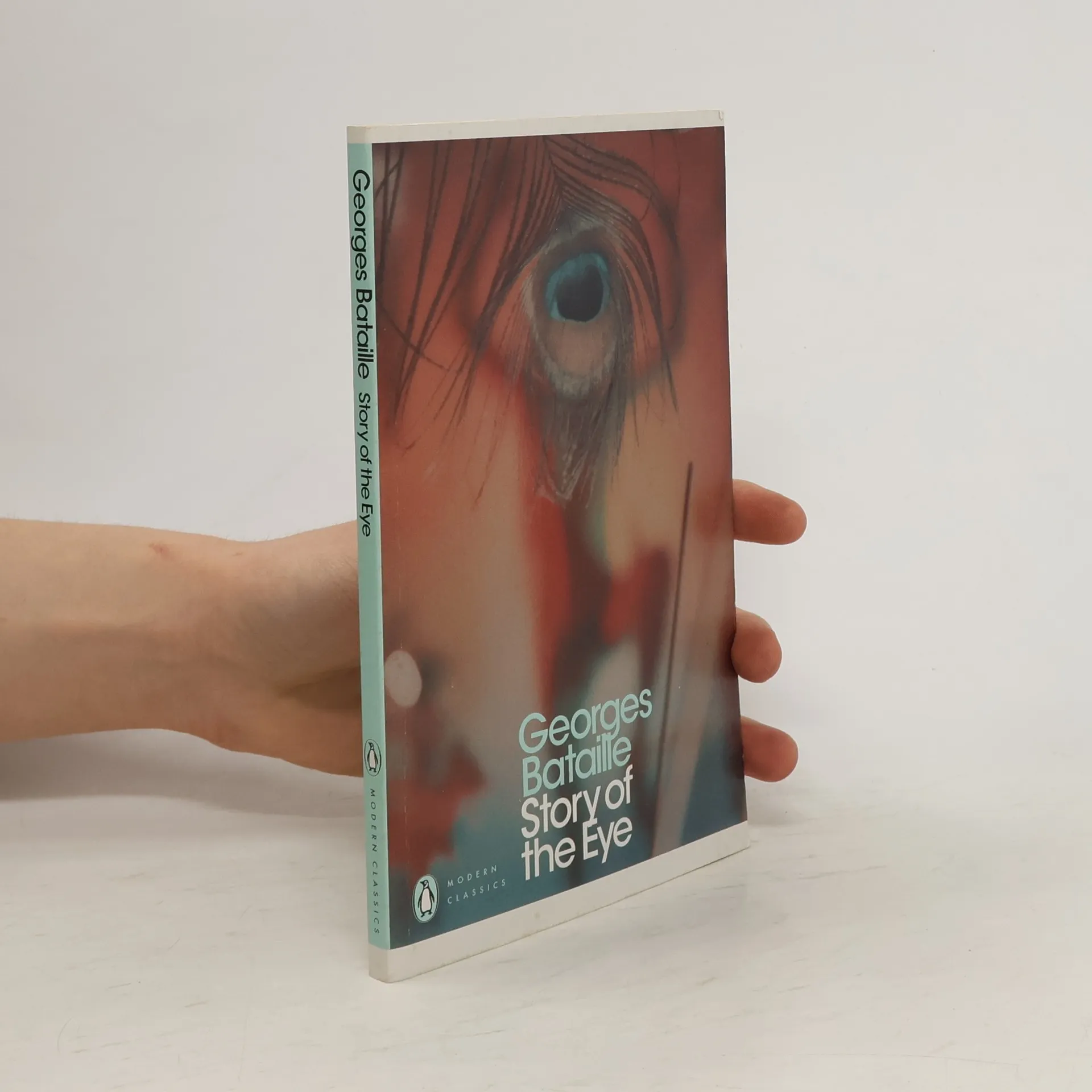
Penseur, essayiste et professeur universitaire espagnol dont les œuvres, bien que principalement axées sur le droit, la philosophie et la sociologie, ont abordé une grande variété de domaines. Il a acquis une notoriété publique pour ses recherches sur les drogues, et ses positions antiprohibitionnistes sont connues. Le leitmotiv de son œuvre est une affirmation de la liberté comme antidote à la peur ou aux coercitions qui poussent l'être humain vers toutes sortes de servitudes. Sur le plan professionnel, il a effectué un travail colossal en tant que traducteur, couvrant plus de quarante titres, et a particulièrement diffusé les œuvres de Thomas Szasz et d'Ernst Jünger.
Focusing on the period from the late Renaissance to the end of the nineteenth century, this volume delves into the historical evolution of drugs, exploring their cultural, medicinal, and societal impacts. It examines the changing perceptions and uses of various substances, highlighting significant developments and shifts in understanding during this transformative era. This comprehensive analysis offers insights into the complex relationship between society and drug use throughout history.
The first half of the twentieth century is explored through the lens of U.S. drug policy, highlighting the influence of manifest destiny and WASP ideals. Key events like the 1912 Hague Conference and the 1914 Harrison Act shape the landscape, while World War I prompts the introduction of the Volstead Act. The narrative examines responses to addiction, including Bishop's maintenance doses and England's Rolleston system, alongside Anslinger's leadership of the FBN. The book contrasts the relegalization of alcohol with the continued prohibition of heroin.
Focusing on the early Renaissance, this volume explores the cultural and societal responses to drug use, including the witch hunts and the experimentation with opium. It delves into the evolving perceptions of coffee, tea, chocolate, and tobacco, highlighting their medicinal applications and the journey from rejection to acceptance. This comprehensive examination reveals how various cultures navigated the complexities of drug use during a transformative period in history.
Este libro narra un año en Tailandia, con excursiones a Vietnam, Birmania y Singapur, en un momento crucial entre la segunda y la tercera edad. A través de un paisaje de gentes y lugares remotos, se desarrolla una búsqueda interior que alcanza su punto más profundo, impulsada por brebajes primitivos que fomentan la introspección y la telepatía. La narrativa ofrece exploraciones geográficas, intelectuales y morales, con una clara inclinación hacia el riesgo.
El protagonista emprende un viaje en avión, dejando atrás París y un corazón herido tras una separación dolorosa. Hace medio año, rompió con una mujer a quien había prometido no dejar nunca, huyendo de la culpa de haberle confesado que tuvo un hijo con otra. Este dolor, que le resulta insoportable, lo acompaña en su travesía. Aunque tiene razones para su decisión, la carga de no haberse sacrificado lo atormenta cada mañana, mientras siente que su vida ha cambiado drásticamente. Siempre ha navegado al borde de la navaja, sosteniéndose con una alegría estoica que le ha traído suerte en los peores momentos. Sin embargo, ahora enfrenta pasiones que lo controlan de manera mezquina, como un metabolismo que no puede dominar.
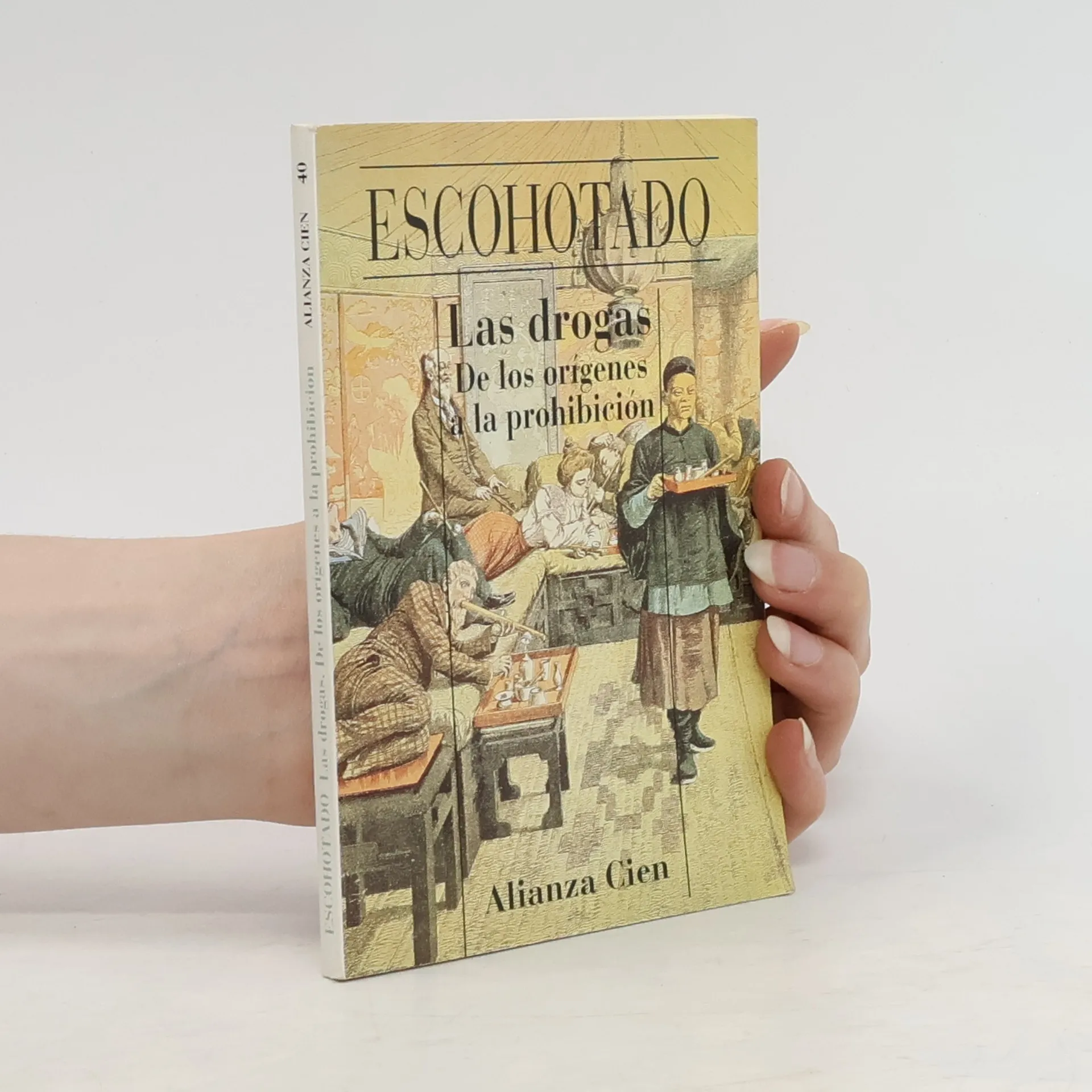
Por droga –psicoactiva o no– seguimos entendiendo lo que hace milenios pensaban Hipócrates y Galeno, padres de la medicina científica: una substancia que en vez de ser «vencisa» por el cuerpo es capaz de «vencerle», provocando grandes cambios orgánicos, anímicos o de ambos tipos. Antonio Escohotado, profesor de derecho, filosofía y sociología sucesivamente de la Universidad de Madrid, estudia Las drogas desde sus orígenes a la prohibición en 1920, destacando lo que tiene de relevante en el desarrollo de la mentalidad religiosa, de la medicina, la creación artística y los mecanismos de control social.
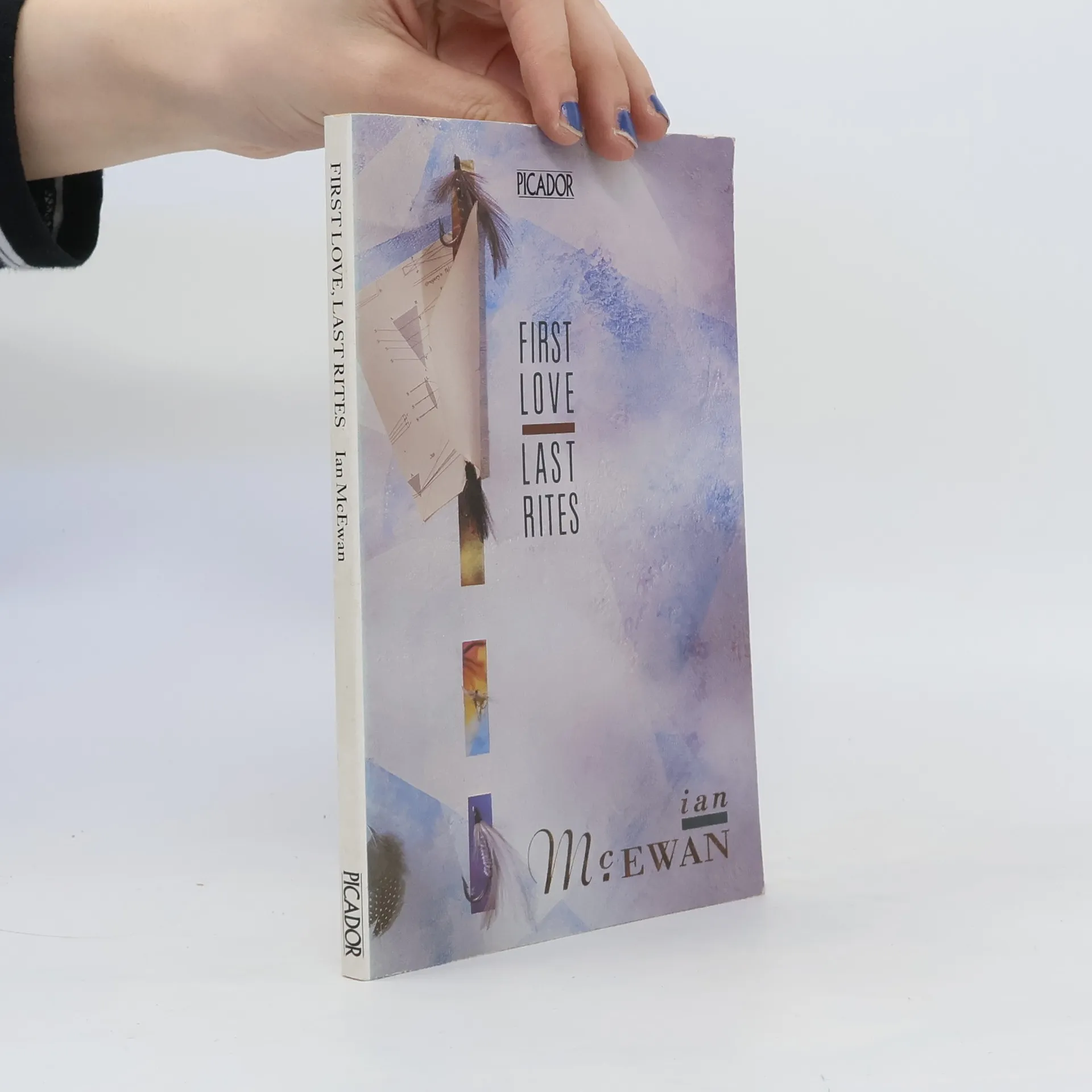
This is a collection of short stories which won the Somerset Maugham Award in 1976. The awakening sensations of first love and its ritual initiations are the main topics of the short stories contained in this book.