

Bookbot

David Brooks Livres

    11 août 1961
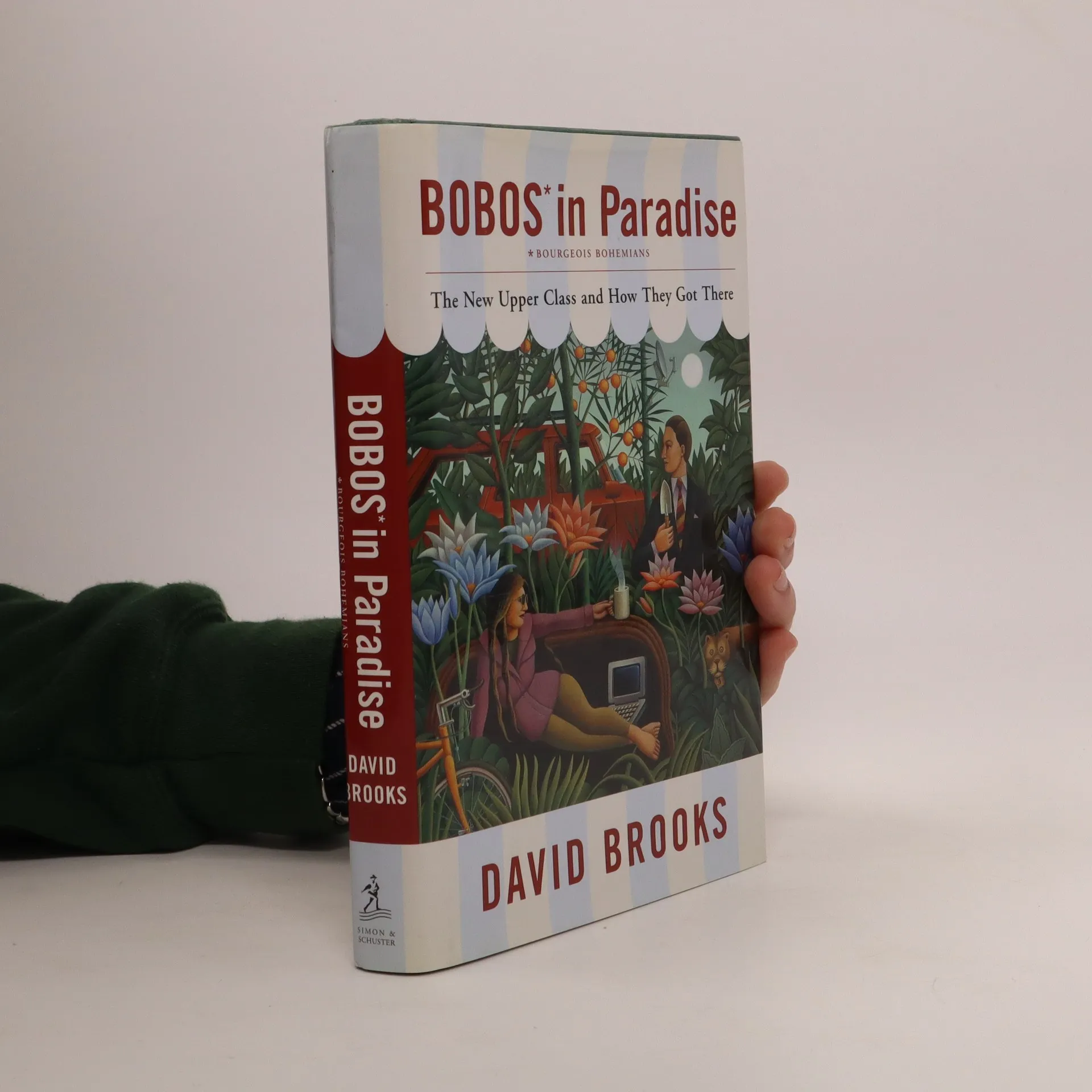
    Bobos in paradise: the new upper class and how they got there
    This will make you smarter
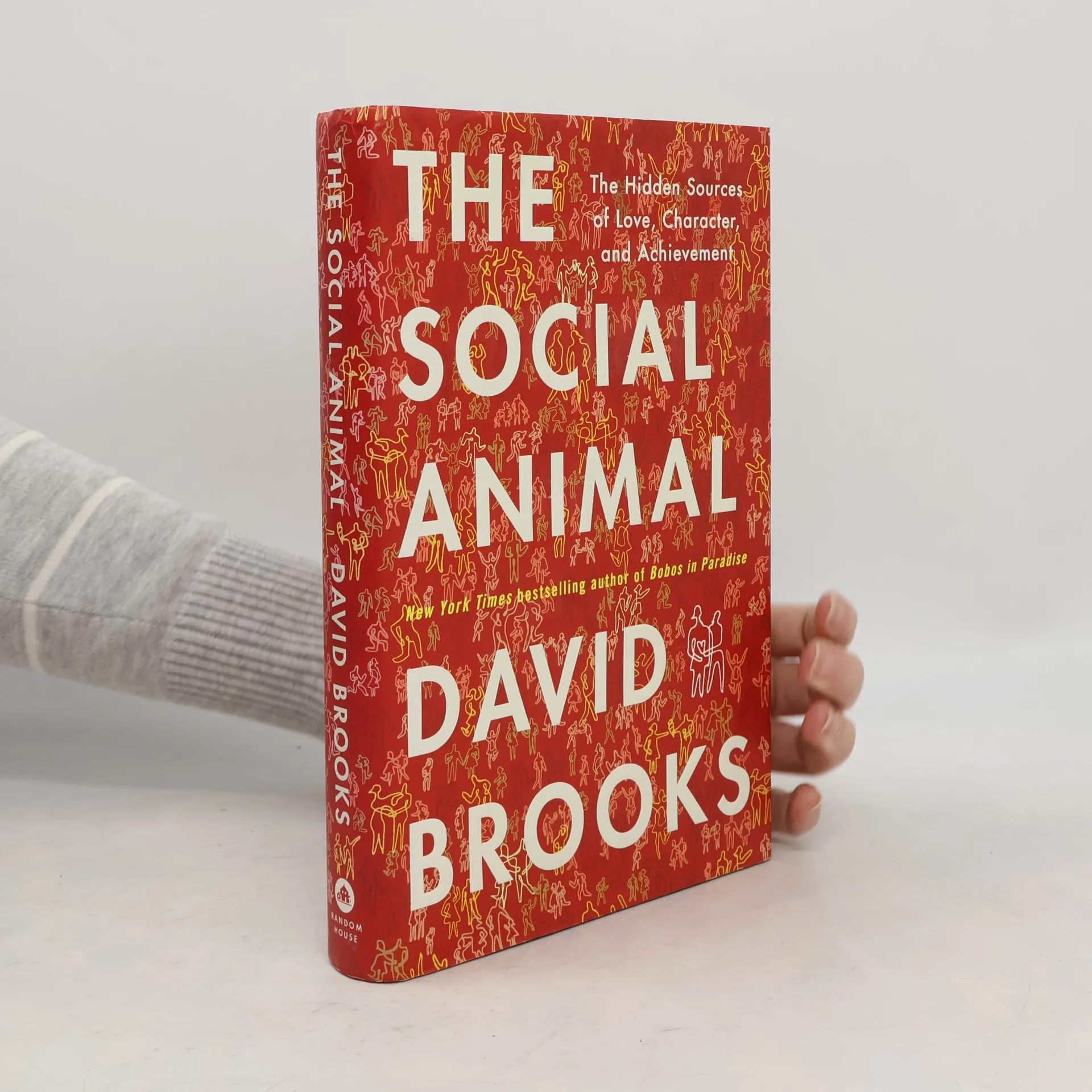
    The Social Animal
    Is Capitalism Broken?
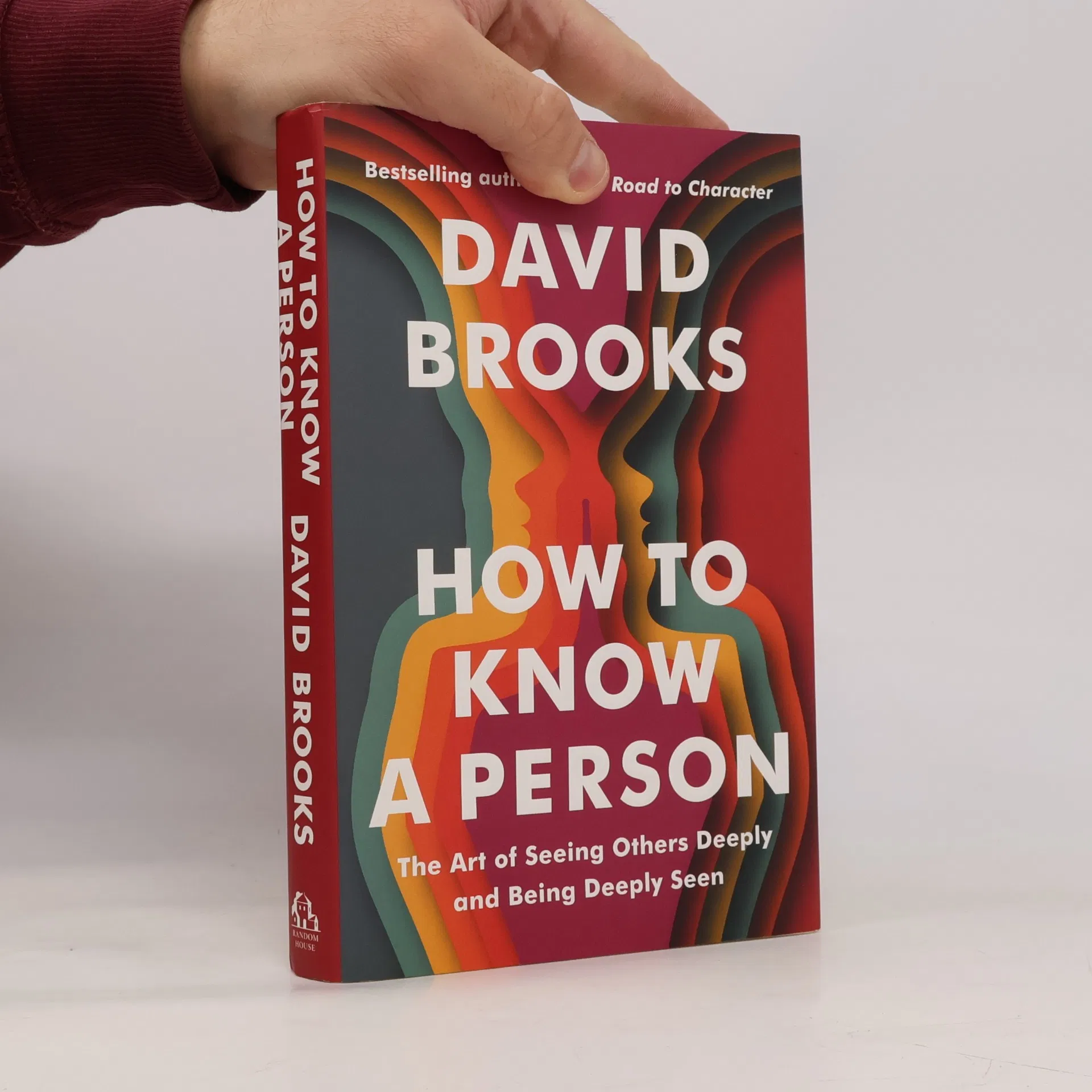
    How to Know a Person
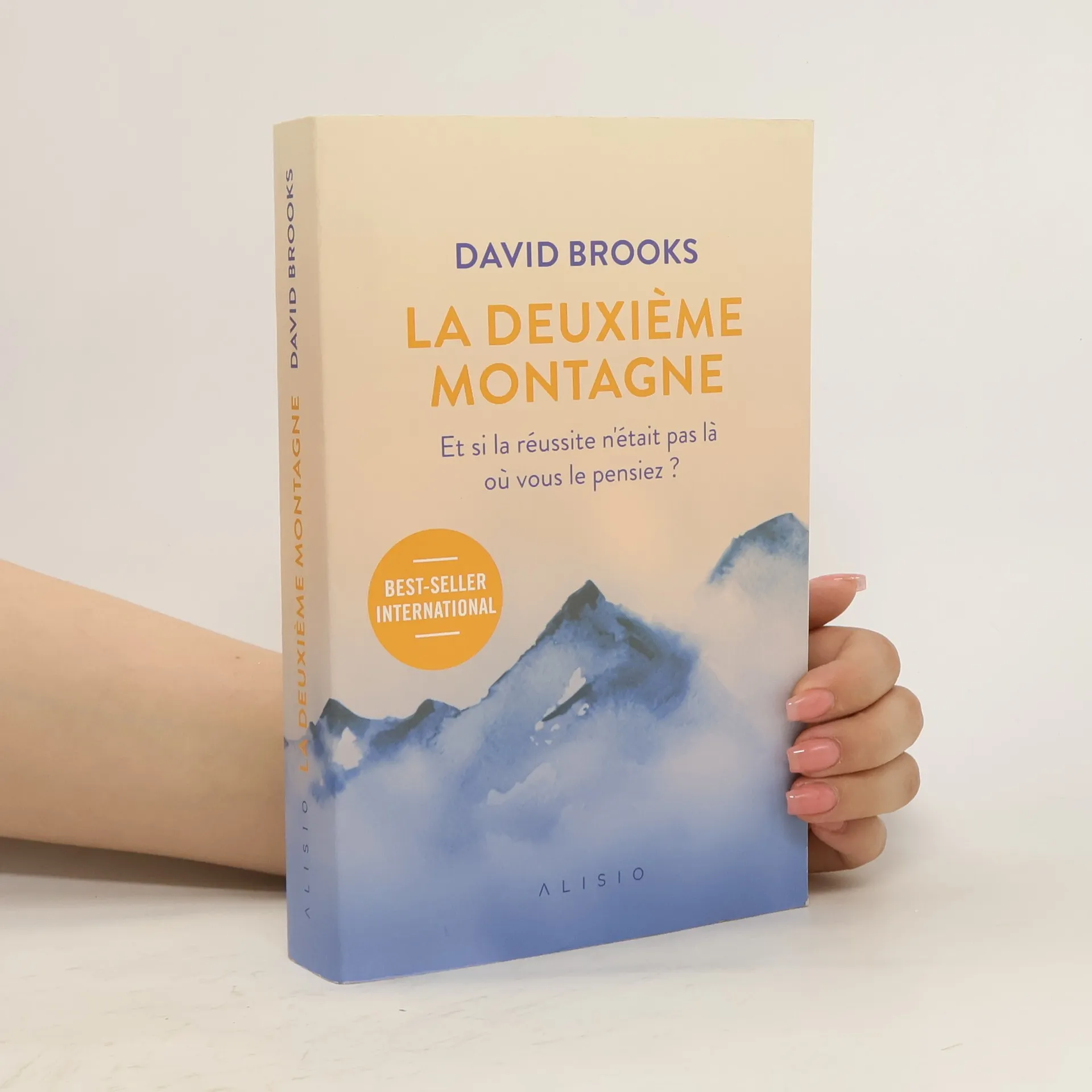
    La deuxième montagne
    • La deuxième montagne

      • 496pages
      • 18 heures de lecture

      Dans son livre, David Brooks explore l'idée que la première montagne est celle de la construction de l'ego et de la définition de soi, tandis que la deuxième montagne concerne l'abandon de cet ego. Sur la première montagne, il faut être ambitieux, stratégique et indépendant. En revanche, sur la deuxième montagne, on construit des relations profondes et on fait des engagements de confiance et de persévérance à long terme. Alors que la première montagne est axée sur l'acquisition, la deuxième se concentre sur la contribution. La deuxième montagne n'est pas l'opposée de la première ; gravir la deuxième montagne ne signifie pas renoncer à la première. C'est un nouveau chemin, une phase de vie plus significative. L'ascension de la deuxième montagne se fait différemment : alors que l'on conquiert la première montagne en identifiant le sommet et en grimpant, c'est la deuxième montagne qui vous conquiert, vous poussant à répondre à l'appel de quelque chose ou de quelqu'un d'autre.
      La deuxième montagne
      3,8
    • NEW YORK TIMES BESTSELLER • This heartfelt guide explores the essential skill of truly knowing another person to foster deeper connections in our lives. David Brooks emphasizes the importance of making others feel seen, valued, and understood, highlighting how many people today feel invisible and misunderstood. He poses critical questions about how to engage with others: What kind of attention should we give? What conversations should we initiate? Which aspects of a person's story deserve our focus? Brooks draws from psychology, neuroscience, theater, philosophy, history, and education to present a hopeful approach to human connection. The book encourages readers to cultivate understanding and consideration for others, revealing the joy that comes from being truly seen. It also offers a potential remedy for a fragmented society marked by hostility and misperception. The act of seeing another person is described as profoundly creative, prompting readers to consider how we can look someone in the eye and recognize something significant in them, which in turn helps us discover something larger within ourselves. This guide is for anyone seeking connection and yearning to be understood, making it a valuable resource for personal growth and deeper relationships.

      How to Know a Person
      4,2
    • Is Capitalism Broken?

      • 144pages
      • 6 heures de lecture

      "'We need to organise politically to defend the weak, empower the many and prepare the ground for reversing the absurdities of capitalism.' - Yanis Varoufakis. 'Capitalism over the past twenty-five years has been an incredible moral good.' - David Brooks. The Munk debate on capitalism: There is a growing belief that the capitalist system no longer works. Inequality is rampant. The environment is being destroyed for profits. In some western nations, life expectancy is even falling. Political power is wielded by wealthy elites and big business, not the people. But for proponents of capitalism, it is the engine of progress, not just making all of us materially better off, but helping to address everything from women's rights to political freedoms. We seem to stand at a crossroads: do we need to fix the system as a matter of urgency, or would it be better to hold our nerve?'"-- Provided by publisher

      Is Capitalism Broken?
      3,7
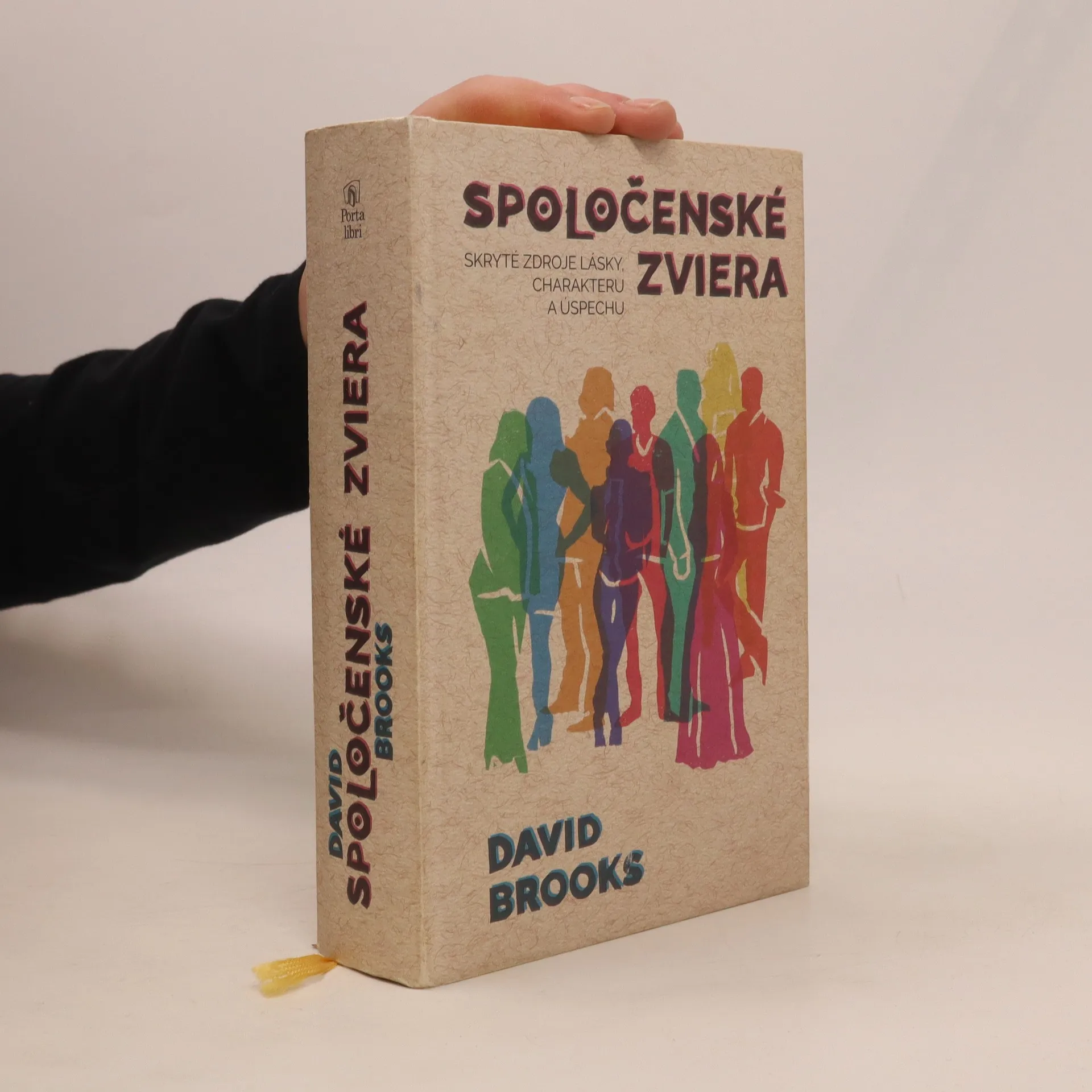
    • The Social Animal

      The Hidden Sources of Love, Character, and Achievement

      • 424pages
      • 15 heures de lecture

      With unmatched insight, David Brooks, a New York Times columnist and bestselling author, explores the foundations of human flourishing in a profoundly illuminating work grounded in everyday life. This narrative follows a composite American couple, Harold and Erica, illustrating their growth, setbacks, failures, and successes. Through these characters, Brooks distills a vast array of information, revealing a new understanding of human nature. A scientific revolution has transformed our knowledge of the brain in the last thirty years, showing that the unconscious mind is not a dark space but a vibrant realm where emotions, intuitions, biases, and social norms shape our character and life decisions. Brooks takes Harold and Erica through various life stages—from infancy to young adulthood, tackling issues like poverty, attachment, love, and leadership. He highlights the social aspect of our minds, critiquing modern culture's emphasis on rationalism and individualism. By dismantling conventional definitions of success, he advocates for a culture rooted in trust and humility. This work is a moving intellectual journey that defends progress and offers a fresh perspective on achievement. It promises to change how we perceive ourselves and the world, making it an essential read for our time.

      The Social Animal
      4,0
    • This will make you smarter

      • 448pages
      • 16 heures de lecture

      This title includes contributions from Richard Dawkins, Stephen Pinker, Daniel Dennett and Brian Eno among many others. It offers ideas, strategies and arguments that will help all of us understand our world and its future.

      This will make you smarter
      3,8
    • The Road to Character

      • 320pages
      • 12 heures de lecture

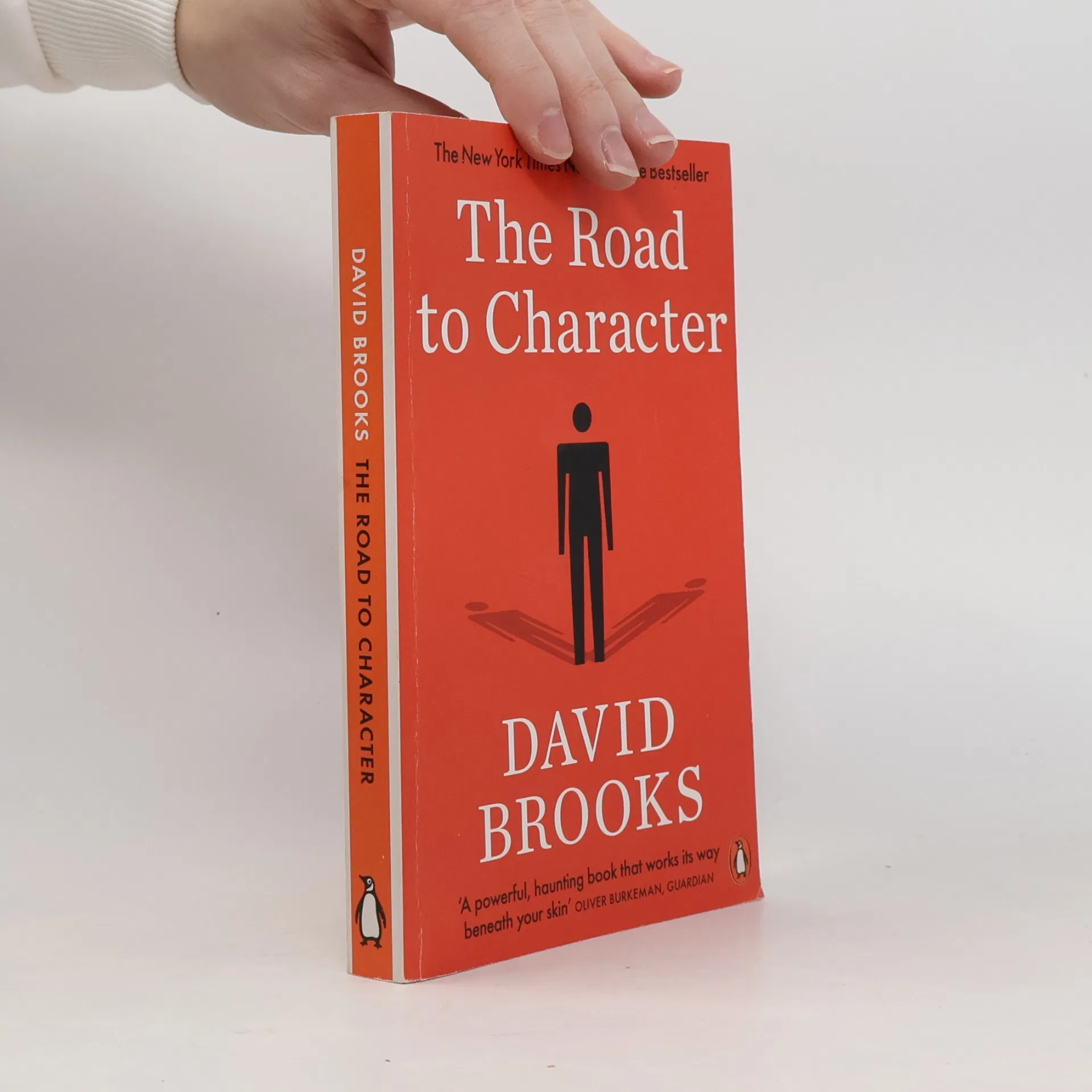
      The No. 1 New York Times bestseller on the secret to leading a good life We live in a Big Me culture: universities and businesses alike reward goal-oriented superstars and those who self-promote are most likely to thrive. But what does this say about us? David Brooks argues that our hunger for wealth and status is eroding our ability to create meaningful inner lives. To show us how to live better, he looks at people whose sense of humility was fundamental to their success. What they all understood was a simple but counterintuitive truth: in order to fulfil yourself, you must learn how to forget yourself.

      The Road to Character
      3,6
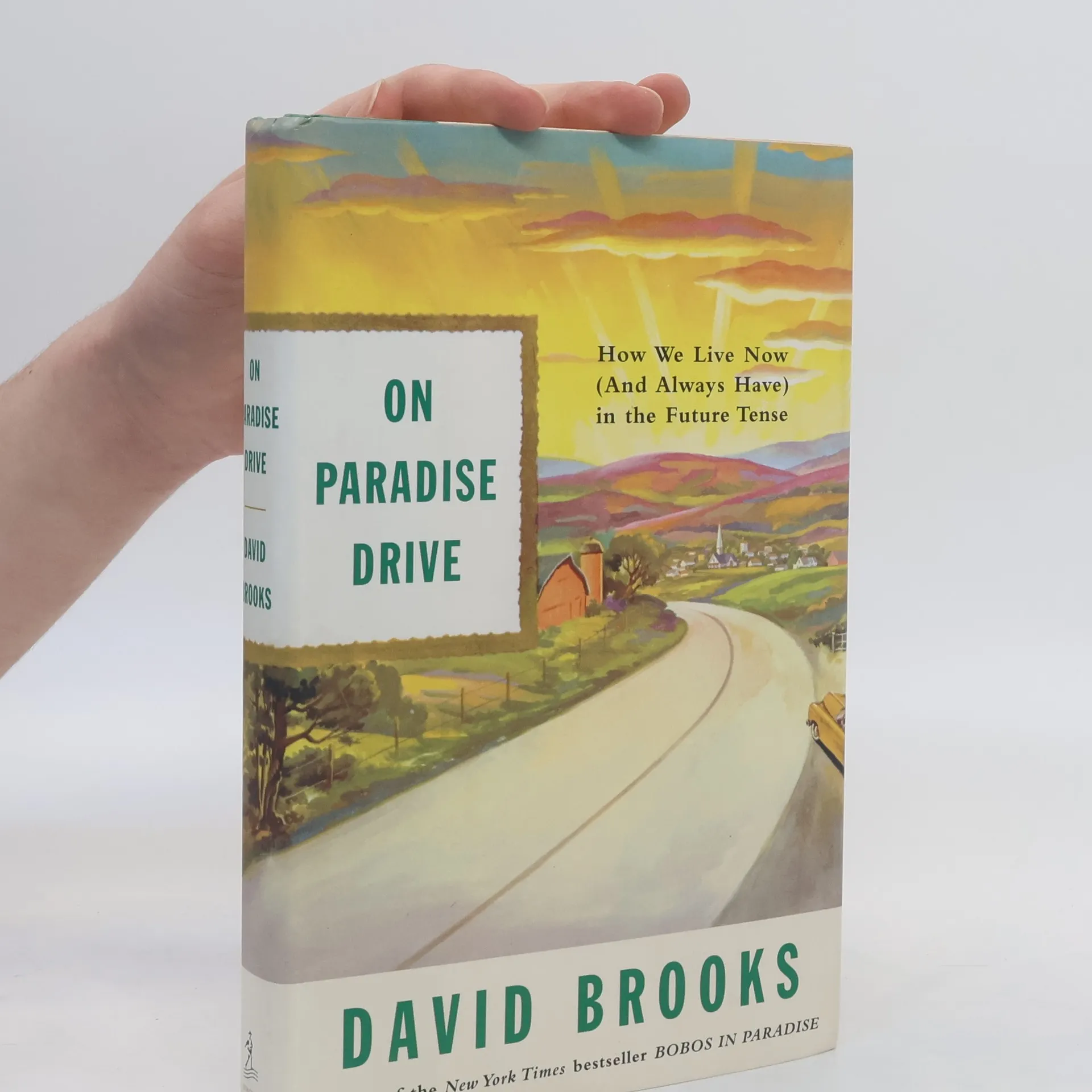
    • A social critique of middle-class America notes the pervasiveness of barbecue grills, supermoms, suburban restaurant chains, and other elements, identifying the motivations that prompt many people to strive for fantasy-based goals.

      On Paradise Drive
      3,4
    • The Grass Library: Essays

      • 218pages
      • 8 heures de lecture

      Originally published in Australia, The Grass Library is a philosophical and poetic journey by "one of Australia's most skilled, unusual and versatile writers" (Sydney Morning Herald). Both a memoir and an elegy for animal rights, The Grass Library portrays the author's relationship with his dog, four sheep, and myriad other animals in the home he shares with his partner in the Blue Mountains of New South Wales.This collection of essays--with its lyrical language, its honesty and vulnerability, its charm and wit--will delight and inspire all animal lovers, and especially those who rescue animals.

      The Grass Library: Essays
    • The Necessity of Atheism (Annotated)

      • 258pages
      • 10 heures de lecture

      The Necessity of Atheism is an essay on atheism Dr. D.M. Brooks. Plain speaking is necessary in any discussion of religion, for if the freethinker attacks the religious dogmas with hesitation, the orthodox...

      The Necessity of Atheism (Annotated)
    • Umění opravdového poznání druhého a budování hlubokých vztahů Každému z nás byly od dětství vštěpovány různé rady a pravidla chování – ale ohledně sounáležitosti a opravdového pochopení druhého člověka jsme se toho dozvěděli překvapivě málo. David Brooks spojil poznatky z psychologie, neurologie, divadla, filozofie a vzdělávání, aby vytvořil praktického a optimistického průvodce mezilidskými interakcemi. Poutavě vysvětluje, jak druhému věnovat plnou, laskavou pozornost, správně naslouchat a vést dobré rozhovory (i ty náročné), abychom mohli být dobrým přítelem a oporou v těžkých časech. Všude kolem nás jsou lidé, kteří se cítí neviditelní, nevidění, nepochopení. Kniha Jak porozumět člověku vás naučí, jak s pomocí těch správných otázek můžeme dosáhnout hlubšího poznání nitra druhého člověka a pomáhat si navzájem k budování empatie, moudrosti a sounáležitosti. Zjistíte: - jak se naučit dobře číst ostatní, - jestli jste osvětlovatel, nebo zmenšovatel, - jak dát druhým pocítit, že je vidíme, slyšíme a chápeme, - jaké vrozené sklony nám brání přesně vnímat druhé a jak je překonat, - jak se stát chápavějšími a ohleduplnějšími k druhým - a jak najít radost, která pramení z toho být opravdu viděn.

      Jak porozumět člověku
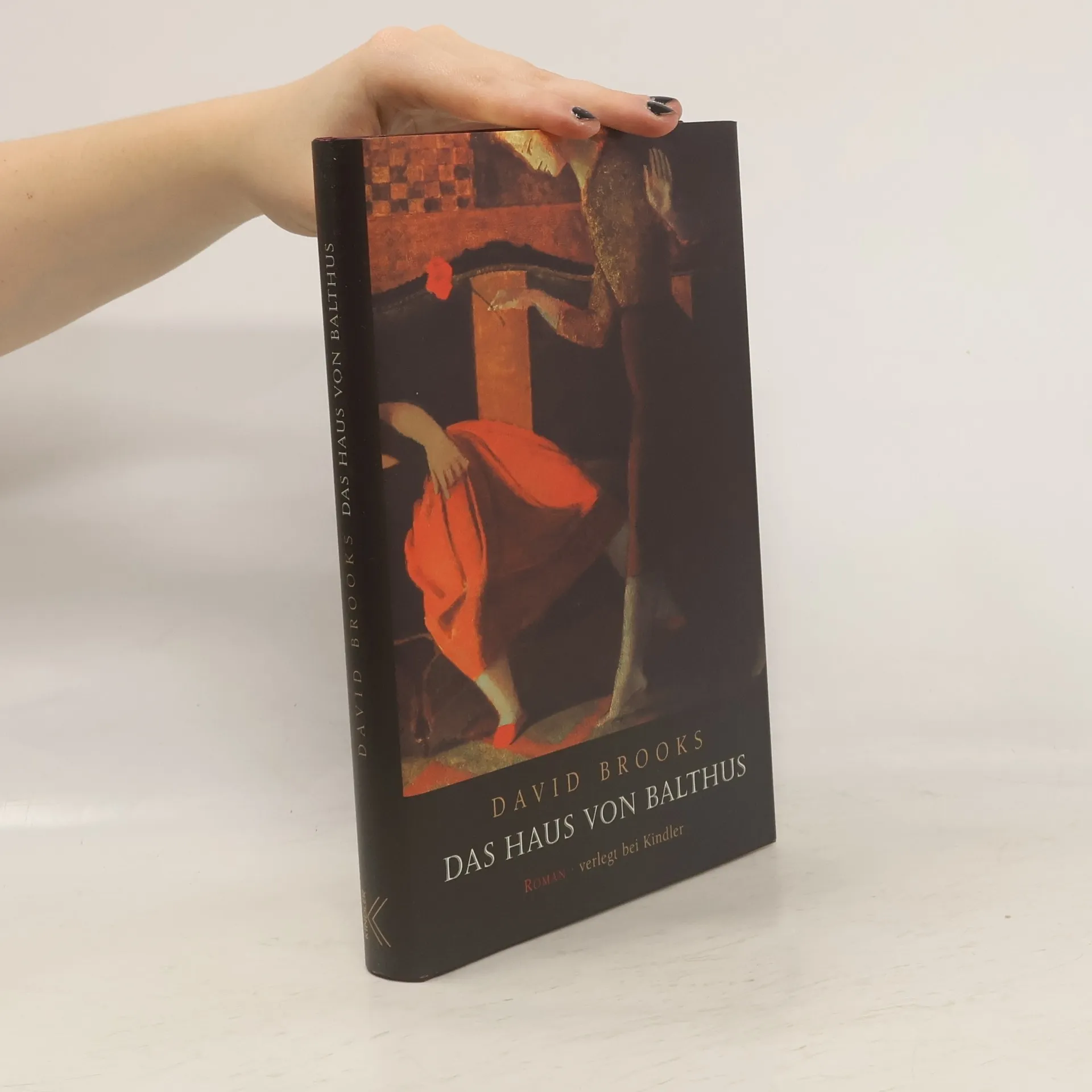
    • 'Das Haus von Balthus' ist ein magischer Roman, der die Intensität eines Traums hat. Figuren aus den Gemälden des Künstlers Balthus treten aus der Leinwand und nehmen ein eigenes Leben an, während sie die Räume eines alten Schlosses bewohnen, das nun zu einem Wohnblock in einer großen französischen Provinzstadt umgebaut wurde. Die Concierge, Mme Lecault, beobachtet genau ihre Mieter, darunter die Gräfin, den Professor, den Maler, Therese und ihren jungen Liebhaber Michael – doch kennt sie nur die Oberfläche ihrer Leben. Sie verbringt ihre schlaflosen Nächte mit Gesprächen mit Mme Berry, die anscheinend in einem anderen Jahrhundert lebt. Es gibt das Geräusch von Schluchzen, das zwischen den Räumen und über die Jahre hinweg hallt, es gibt ein Verlangen, das so angespannt ist, dass die Seite zu vibrieren scheint, und den Schmerz von

      Das Haus von Balthus. Roman. Aus d. austral. Engl. v. Melanie Walz