
Bookbot

Seamus Deane

    9 février 1940 – 12 mai 2021

    Cette auteure est une poétesse, critique, romancière et pédagogue renommée. Son œuvre explore fréquemment les thèmes de l'identité irlandaise et du patrimoine culturel. À travers sa prose et sa poésie distinctives, elle dissèque des relations humaines complexes et des questions sociétales. Son approche de l'écriture est profondément réfléchie et littérairement sophistiquée.

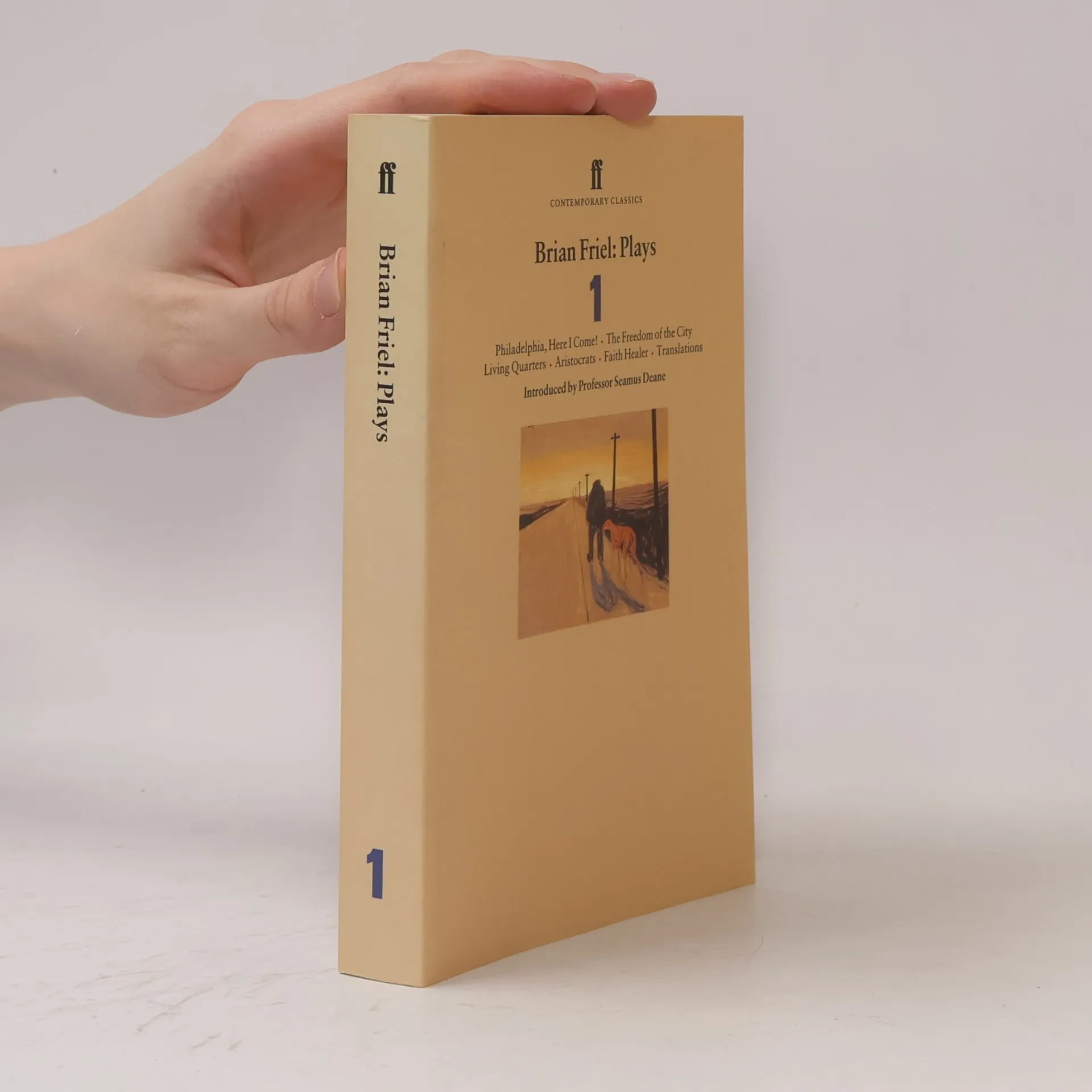
    Plays. Philadelphia, Here I Come!; The Freedom of the City; Living Quarters; Aristocrats; Faith Healer; Translations
    Strange Country
    A Short History of Irish Literature
    Small World
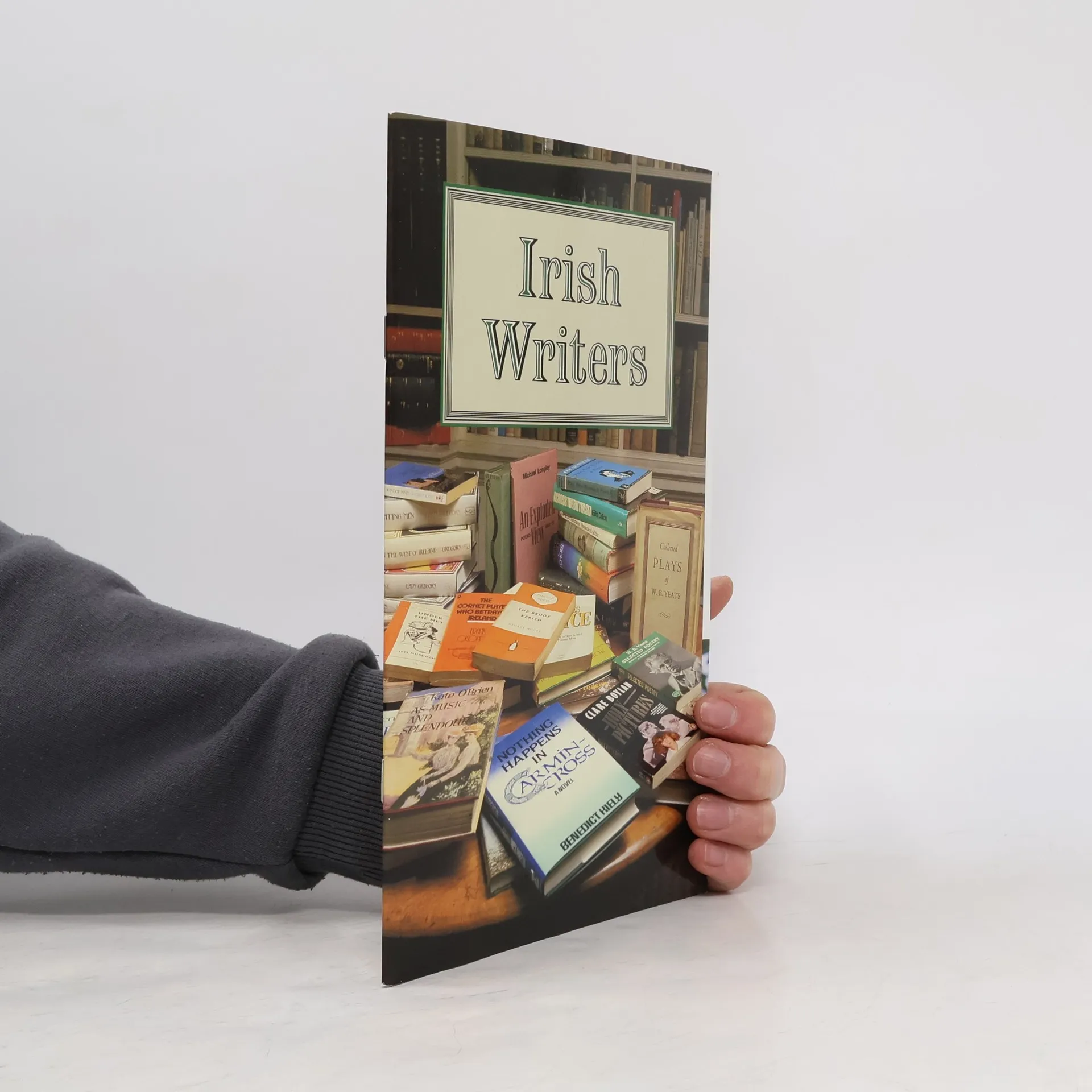
    Irish Writers 1886 - 1986
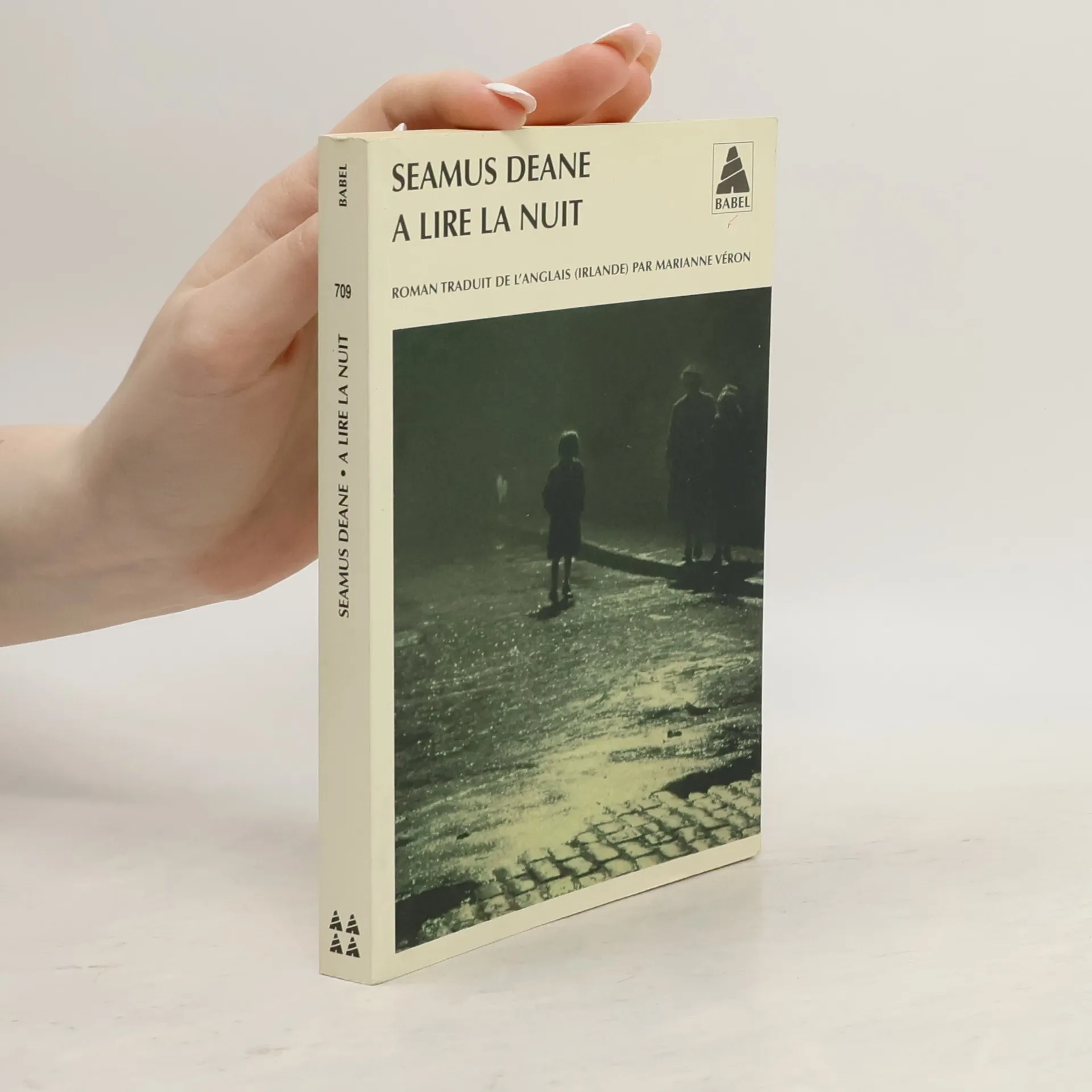
    Babel - 709: À lire la nuit
    • Babel - 709: À lire la nuit

      • 313pages
      • 11 heures de lecture

      Fut-il un héros ou un traître, cet oncle Eddie, volontaire de l'IRA, dont la légende familiale prétend qu'il disparut en 1922 dans l'explosion d'une distillerie ? A Londonderry, dans les années 1950, le jeune narrateur, troisième enfant d'une famille d'ouvriers qui en compte sept, vit sous le joug de ce secret de famille, entre une mère étroitement liée au mystère et un père tenu dans l'ignorance d'une vérité encore plus terrible que celle qu'il croit détenir. C'est par fragments que Seamus Deane restitue l'essence même d'une époque méfiante et troublée, dans une ville au tissu social déchiré par le conflit sanglant entre catholiques et protestants. Vibrant et pudique, son roman mêle magistralement peines familiales et violence politique et propose du "problème irlandais" une lecture lyrique et intime à la fois.
      Babel - 709: À lire la nuit
      3,8
    • Irish Writers 1886 - 1986

      • 24pages
      • 1 heure de lecture

      The Irish Heritage 57 Published to mark the Centenary of Eason and Son Limited

      Irish Writers 1886 - 1986
      4,5
    • A survey of 200 years of Irish writing, this book offers analytic accounts of key Irish works and authors.

      Small World
      4,3
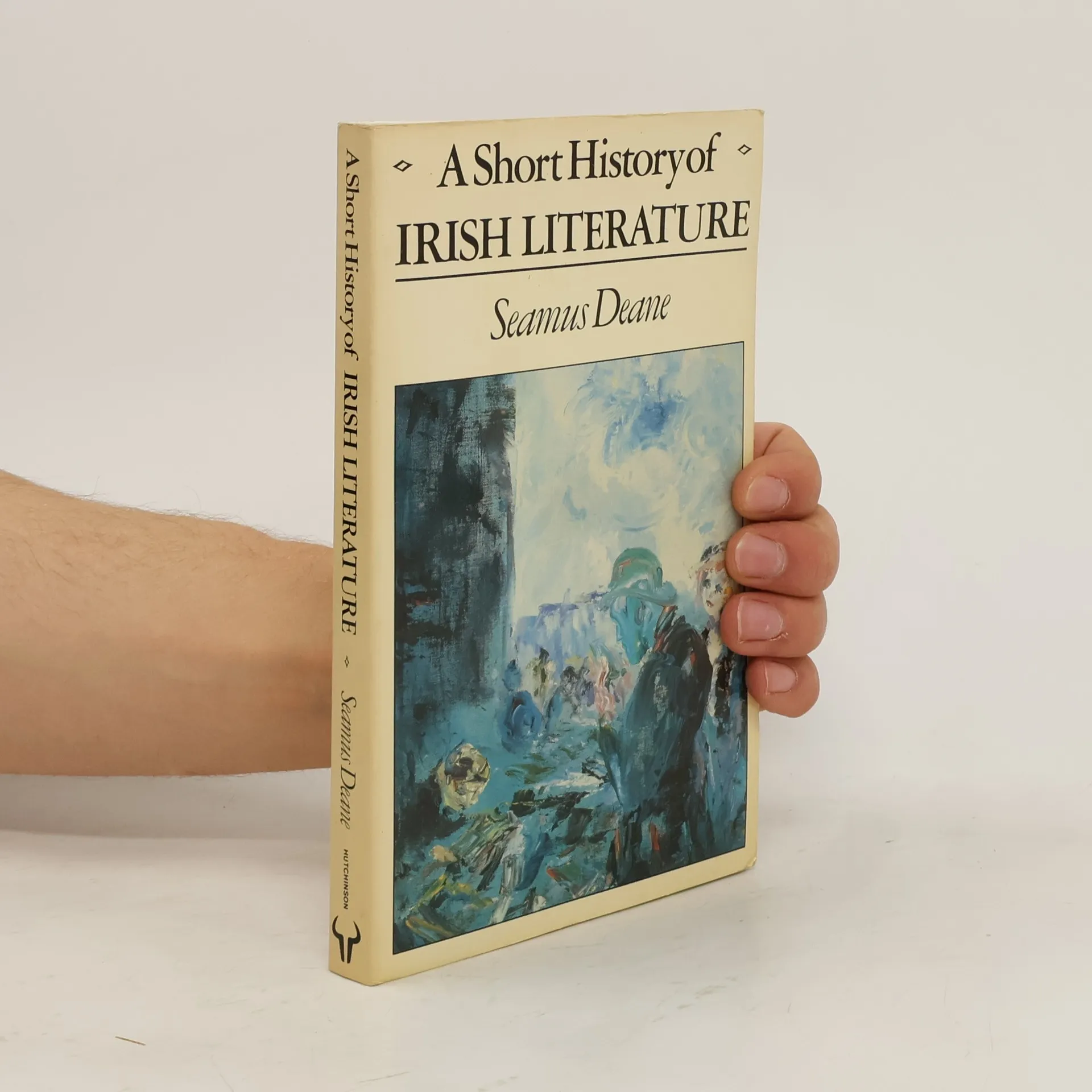
    • A Short History of Irish Literature

      • 282pages
      • 10 heures de lecture

      Seamus Deane, one of Ireland's most important critics, assesses here the place of literature in "a colonial or neo-colonial culture like ours, where the naming of the territory has always been ... a politically charged act." The force of Deane's A Short History of Irish Literature derives precisely from his naming of the territory. With insight, erudition, and a razor-keen style, he locates Irish writers within the island's traumatic history. His aim is to show how literature has been inescapably allied with historical interpretation and with political allegiance.

      A Short History of Irish Literature
      4,0
    • Strange Country

      Modernity and Nationhood in Irish Writing Since 1790

      • 280pages
      • 10 heures de lecture

      The book examines the development of a distinct national tradition in Irish literature, beginning with the impact of Edmund Burke's writings during the French Revolution. It explores key works from authors like Gerald Griffin, Bram Stoker, and James Joyce, highlighting themes of national identity, conflict, and the tension between modernity and tradition. The narrative reveals how Irish print culture, encompassing novels, songs, and poems, navigates the complexities of its colonial legacy, ultimately leading to a deeper understanding of Ireland’s literary achievements.

      Strange Country
      3,9
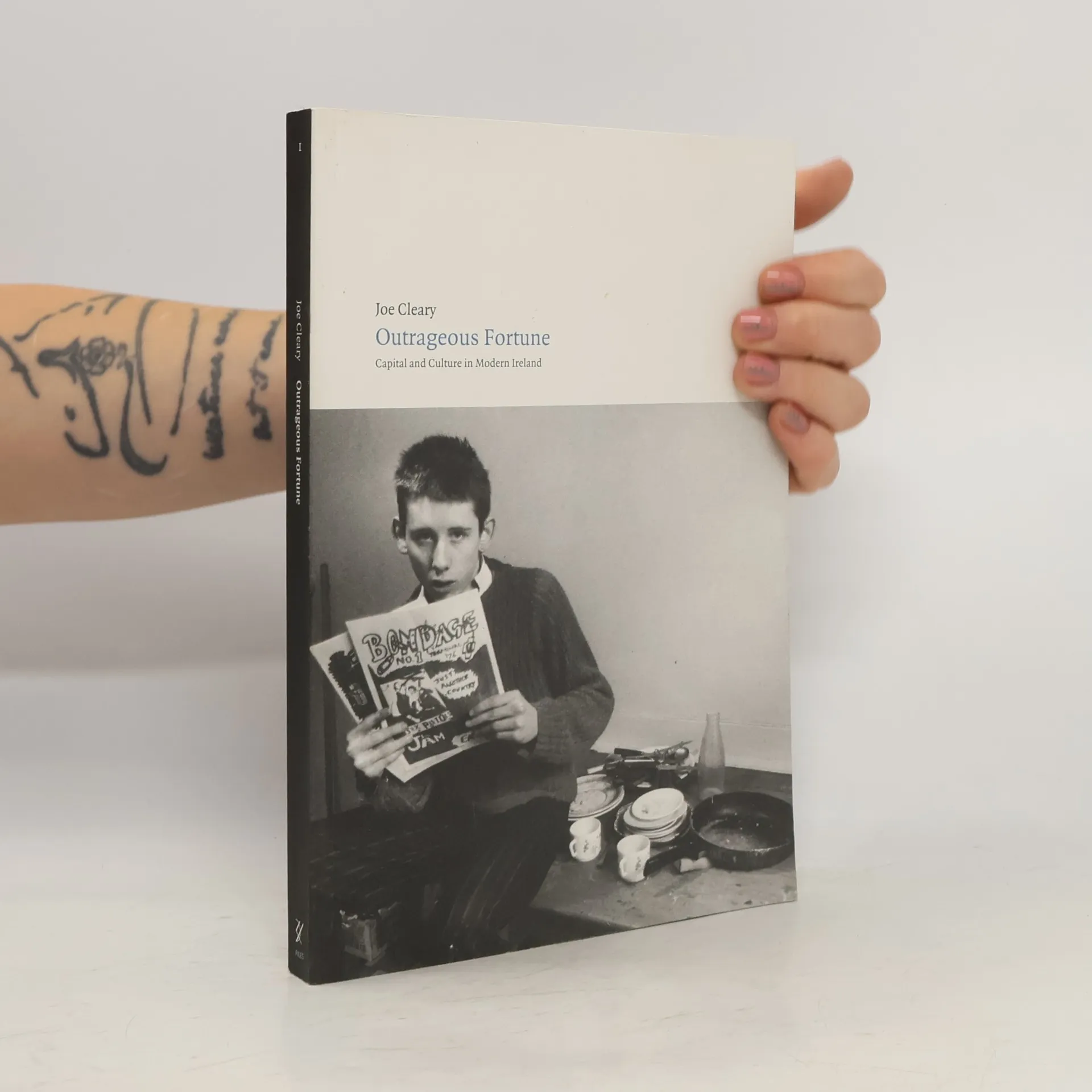
    • Field Day Files - 1: Outrageous Fortune

      Capital and Culture in Modern Ireland

      • 240pages
      • 9 heures de lecture

      Did Ireland produce a more radical and ambitious literature in the straitened circumstances of the first half of the twentieth century than it has managed to do since it began to modernize and become more affluent from the 1960s onwards? Has Irish modernism ceded place to a prevailing naturalism that seems gritty and tough-minded, but that is in reality aesthetically conservative and politically self-thwarted? Does the fixation with de Valera s Ireland in recent narrative represent a necessary settling of accounts with a dark, abusive history or is it indicative of a worrying inability on the part of Irish artists and intellectuals to respond to the very different predicaments of the post-Cold War world? These are some of the questions addressed in OUTRAGEOUS FORTUNE. Scanning literature, theatre, film and music, Joe Cleary probes the connections between capital, culture and criticism in modern Ireland. He includes readings of James Joyce and the Irish modernists, the naturalists Patrick Kavanagh, John McGahern and Edna O Brien, and comments too on what he terms the neo-naturalism of Marina Carr, Patrick McCabe and Martin McDonagh. He concludes with a provocative analysis of the cultural achievement of the Pogues.

      Field Day Files - 1: Outrageous Fortune
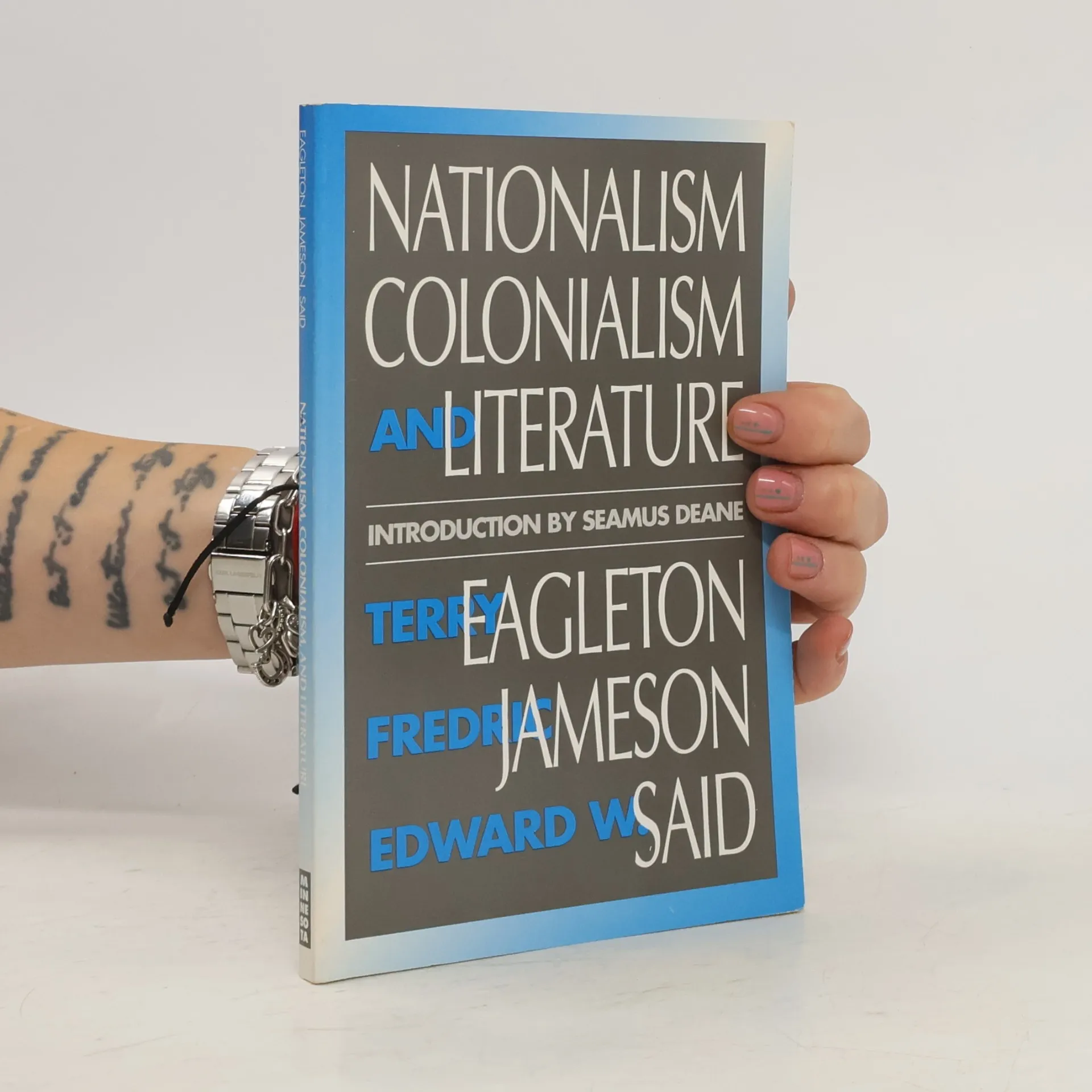
    • Nationalism, Colonialism, and Literature

      • 112pages
      • 4 heures de lecture

      The three essays constituting this volume were originally published as individual pamphlets by the Field Day Theatre Company, in Derry, Northern Ireland. Each deals with the question of nationalism and the role of cultural production as a force in understanding and analyzing the aftermath of colonization. The authors’ diverse perspectives are demonstrated by the essays’ respective titles: Eagleton, Nationalism: Irony and Commitment; Jameson, Modernism and Imperialism; and Said, Yeats and Decolonization. The essays have implication beyond their immediate topics, bearing upon questions of feminism, decolonization, and modernism to illuminate problems that belong to other groups and regions.

      Nationalism, Colonialism, and Literature