Willa Cather est reconnue pour ses romans évocateurs qui dépeignent la vie dans la région frontalière et l'esprit indomptable des individus en quête de sens dans un monde en mutation. Elle emploie avec maestria un style lyrique pour explorer les thèmes de l'identité, de l'appartenance et du lien profond entre les êtres humains et la terre. Cather excellait particulièrement dans la création de protagonistes féminines résilientes qui affrontent les difficultés avec une force tranquille et une introspection. Son œuvre demeure significative pour sa perspicacité psychologique aiguë et sa représentation intemporelle de l'expérience américaine.
Paul had just come in to dress for dinner; he sank into a chair, weak in the knees, and clasped his head in his hands. It was to be worse than jail, even; the tepid waters of Cordelia Street were to close over him finally and forever. The grey monotony stretched before him in hopeless, unrelieved years; Sabbath-school, Young People's Meeting, the yellow-papered room, the damp dish-towels; it all rushed back upon him with sickening vividness. Excerpt fr "Paul's Case," one of eight poetic stories in this memorable collection.
Willa Cather (1873-1947) a déjà solidement établi sa réputation de grand écrivain américain avec, entre autres romans, Mon Antonia et Pionniers ! lorsque, au cours de l’un de ses voyages en France, en 1930, elle rencontre, dans un hôtel d’Aix-les-Bains, une fascinante vieille dame qui n’est autre que Caroline Grout, la nièce de Gustave Flaubert. La petite Caroline, dont la mère est morte en couches, a été élevée par son fameux oncle dont elle est l’exécutrice testamentaire. La Nièce de Flaubert dresse le portrait d’une femme surprenante, lien vivant entre un vingtième siècle déjà éprouvé par la guerre et l’âge d’or de la littérature française, dont Flaubert est l’un des plus grands représentants. Ce texte est avant tout un éloge ardent de la littérature et de la lecture, non comme passe-temps mais comme raison de vivre.
The jacket of the first edition of Obscure Destinies announced “Three New Stories of the West,” heralding Willa Cather’s return to what many thought of as “her” territory—the Great Plains. These three stories, “Neighbour Rosicky,” “Old Mrs. Harris,” and “Two Friends,” reflected her return to the well of memory that had inspired the books that made her reputation.
After the death of his parents, Jim is sent to live with his grandparents on the Nebraska plains. By chance on that same train is a bright-eyed girl, Antonia, who will become his neighbor and lifelong friend. Her family has emigrated from Bohemia to start a new life farming but soon lose their money and must work hard just to survive. Through it all, Antonia retains her natural pride and free spirit.
In this haunting novel, the Pulitzer Prize-winning author of My Ántonia and Death Comes for the Archbishop performs a series of crystalline variations on the themes that preoccupy her greatest fiction: the impermanence of innocence, the opposition between prairie and city, provincial American values and world culture, and the grandeur, elation, and heartache that await a gifted young woman who leaves her small Nebraska town to pursue a life in art. At the age of eighteen, Lucy Gayheart heads for Chicago to study music. She is beautiful and impressionable and ardent, and these qualities attract the attention of Clement Sebastian, an aging but charismatic singer who exercises all the tragic, sinister fascination of a man who has renounced life only to turn back to seize it one last time. Out of their doomed love affair-and Lucy's fatal estrangement from her origins-Willa Cather creates a novel that is as achingly lovely as a Schubert sonata.
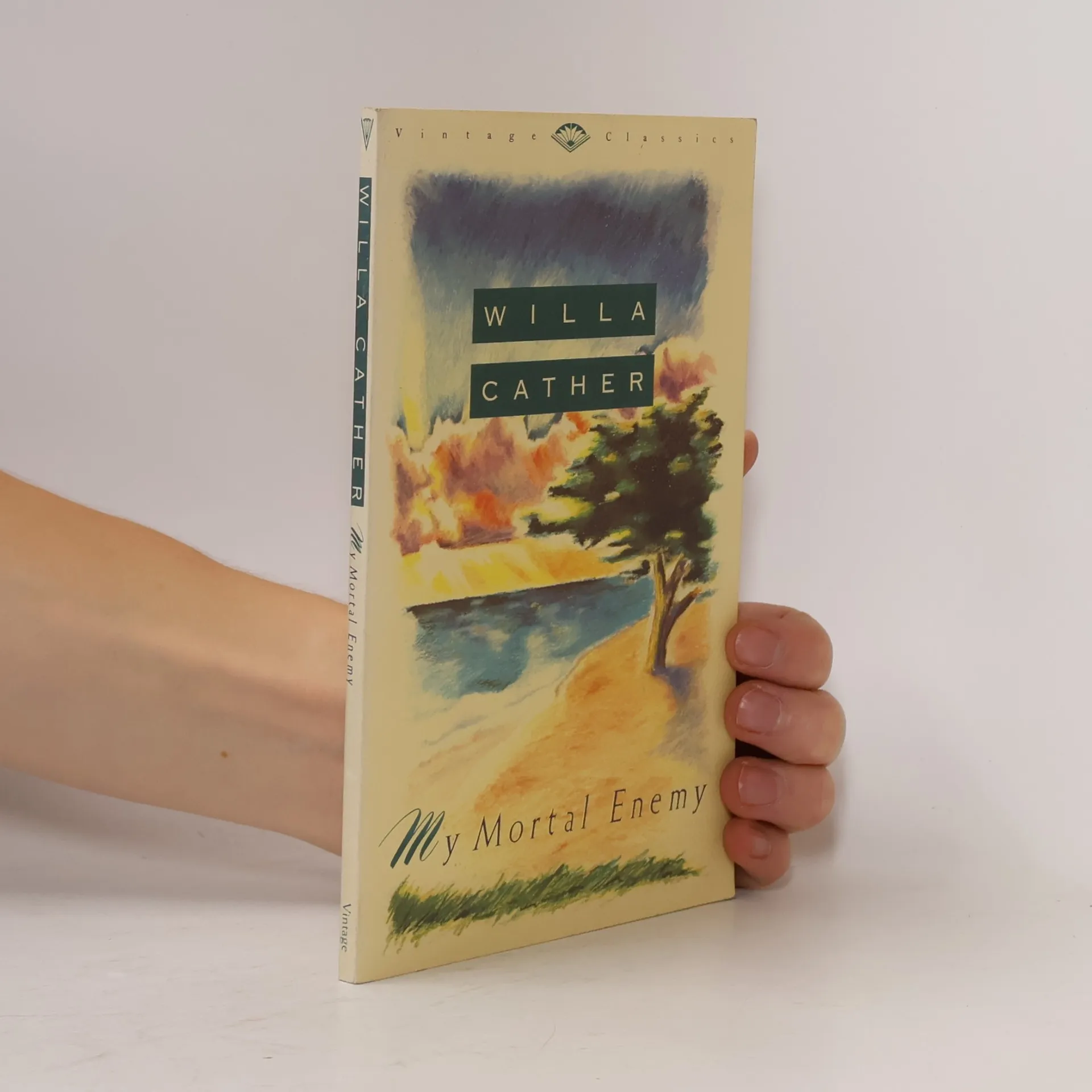
"Sometimes, when I have watched the bright beginning of a love story, when I have seen a common feeling exalted into beauty by imagination, generosity, and the flaming courage of youth, I have heard again that strange complaint breathed by a dying woman into the stillness of night, like a confession of the soul: 'Why must I die like this, alone with my mortal enemy.'"Willa Cather's protagonist in My Mortal Enemy is Myra Henshawe, who as a young woman gave up a fortune to marry for love—a boldly romantic gesture that became a legend in her family. But this worldly, sarcastic, and perhaps even wicked woman may have been made for something greater than love.In her portrait of Myra and in her exquisitely nuanced depiction of her marriage, Cather shows the evolution of a human spirit as it comes to bridle against the constraints of ordinary happiness and seek an otherworldly fulfillment. My Mortal Enemy is a work whose drama and intensely moral imagination make it unforgettable.
The novel follows a year in the lives of Cecile Auclair and her father Euclide, French colonists in Quebec, beginning in 1697. Euclide, a physician and apothecary, reflects on the last ship returning to France while managing the household after his wife's death, with Cecile taking on domestic duties. The story unfolds through character-driven narratives rather than a central plot.
As winter approaches, Euclide attends to Reverend Mother Juschereau, while Cecile shows kindness to Jacques, the son of a troubled woman, by seeking shoes for him from Governor Frontenac. The young Bishop Saint-Vallier visits the Auclair shop, and Euclide expresses his disapproval of the bishop's extravagant lifestyle and decisions.
In June, fur-trader Pierre Charron shares tales with the Auclairs and accompanies Cecile on a visit to friends. When five ships arrive from France, a celebration ensues, and Cecile receives gifts from her aunts. Although scheduled to return to France, she hesitates, worried about Jacques's well-being.
Meanwhile, the Count, realizing he won't be recalled to France, frees Euclide from service, but Euclide opts to stay. The Count, on his deathbed, gifts a bowl of glass fruit to Cecile, and after his passing, the two bishops reconcile their differences.
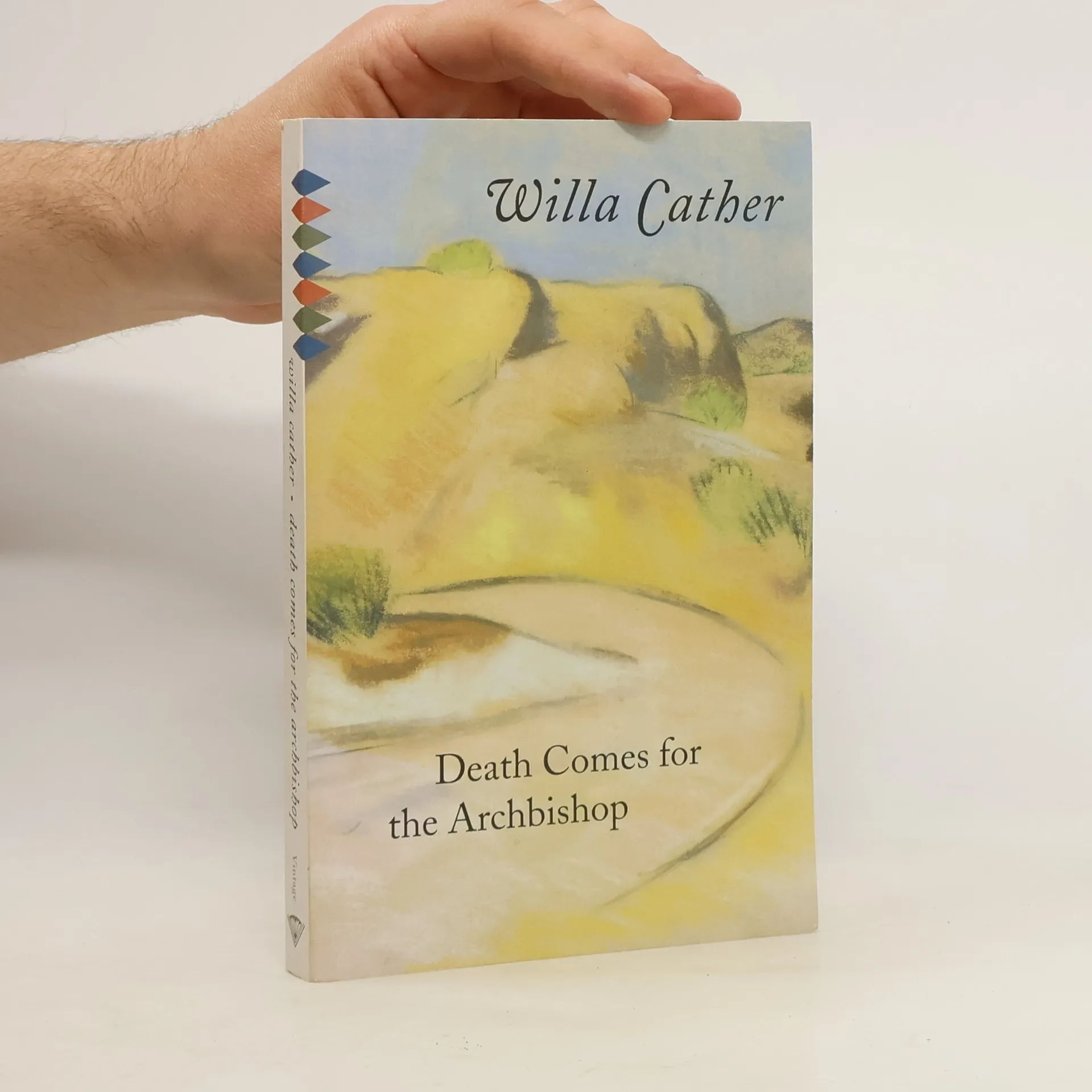
From one of the most highly acclaimed novelists of the twentieth century: a truly remarkable book" (The New York Times), an epic story of a life lived simply in the silence of the southwestern desert. With a new introduction by Claire Messud. In 1851 Father Jean Marie Latour comes to serve as the Apostolic Vicar to New Mexico. What he finds is a vast territory of red hills and tortuous arroyos, American by law but Mexican and Indian in custom and belief. In the almost forty years that follow, Latour spreads his faith in the only way he knows—gently, all the while contending with an unforgiving landscape, derelict and sometimes openly rebellious priests, and his own loneliness. Out of these events, Cather gives us an indelible vision of life unfolding in a place where time itself seems suspended.
This collection showcases Willa Cather's poetic experimentation across various styles and themes, reflecting her personal experiences. Spanning from 1892 to 1933, the poems reveal the depth of her literary talent, complementing her renowned work as a novelist.
To the people of Sweet Water, a fading railroad town on the Western plains, Mrs. Forrester is the resident aristocrat, at once gracious and comfortably remote. To her aging husband she is a treasure whose value increases as his powers fail. To Niel Herbert, who falls in love with her as a boy and becomes her confidant as a man, Mrs. Forrester is by turns steadfast and faithless, dazzling and pathetic: a woman whose charm is intertwined with a terrifying vulnerability.
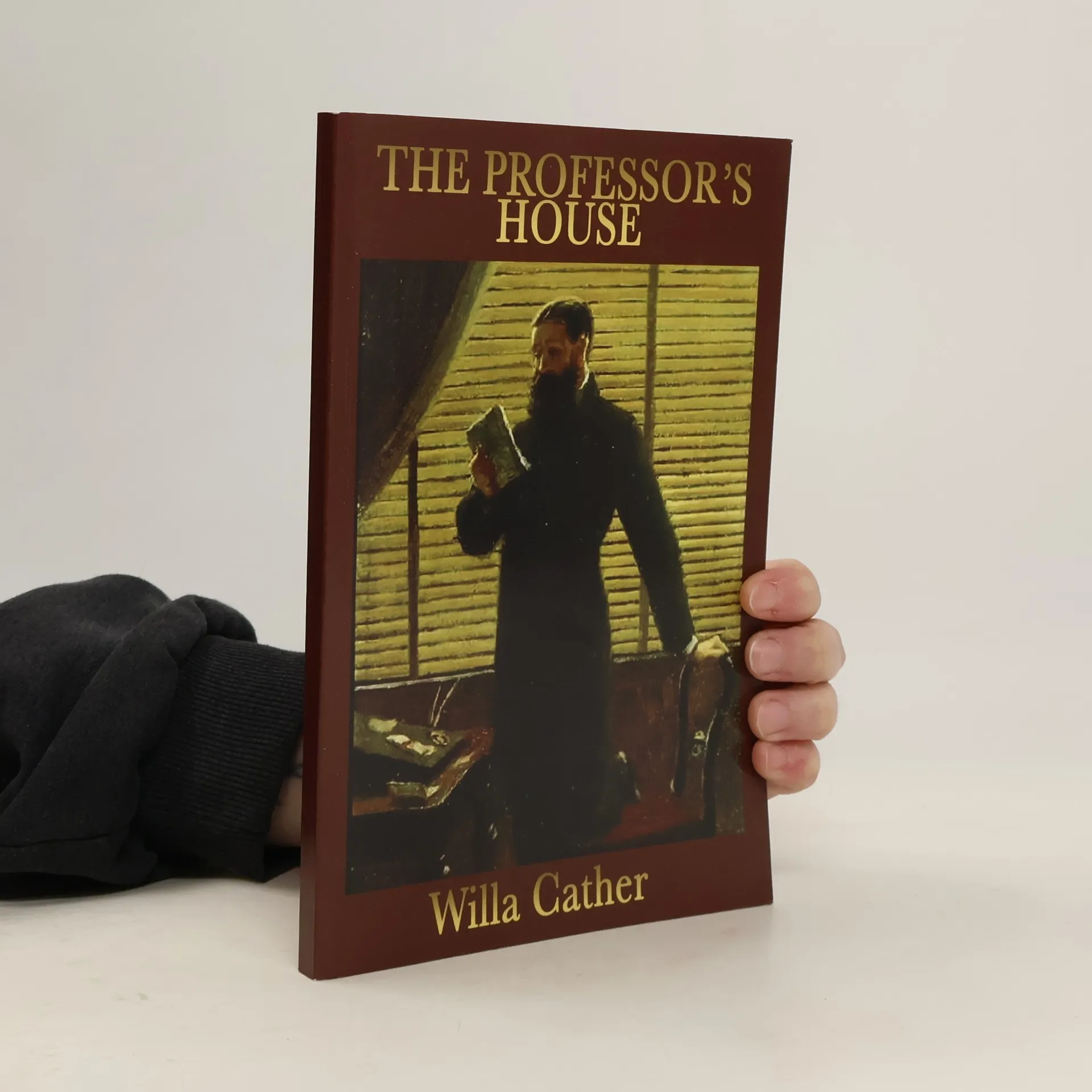
The story explores Professor Godfrey St. Peter's struggle with change and nostalgia as he grapples with his dissatisfaction in life. Reluctantly moving to a new house, he clings to his past by maintaining his old study. A near-death experience from a gas leak serves as a catalyst for self-reflection, prompting him to confront his fears and seek a healthier way to cope with his evolving reality. The narrative delves into themes of identity, loss, and the challenges of embracing change.
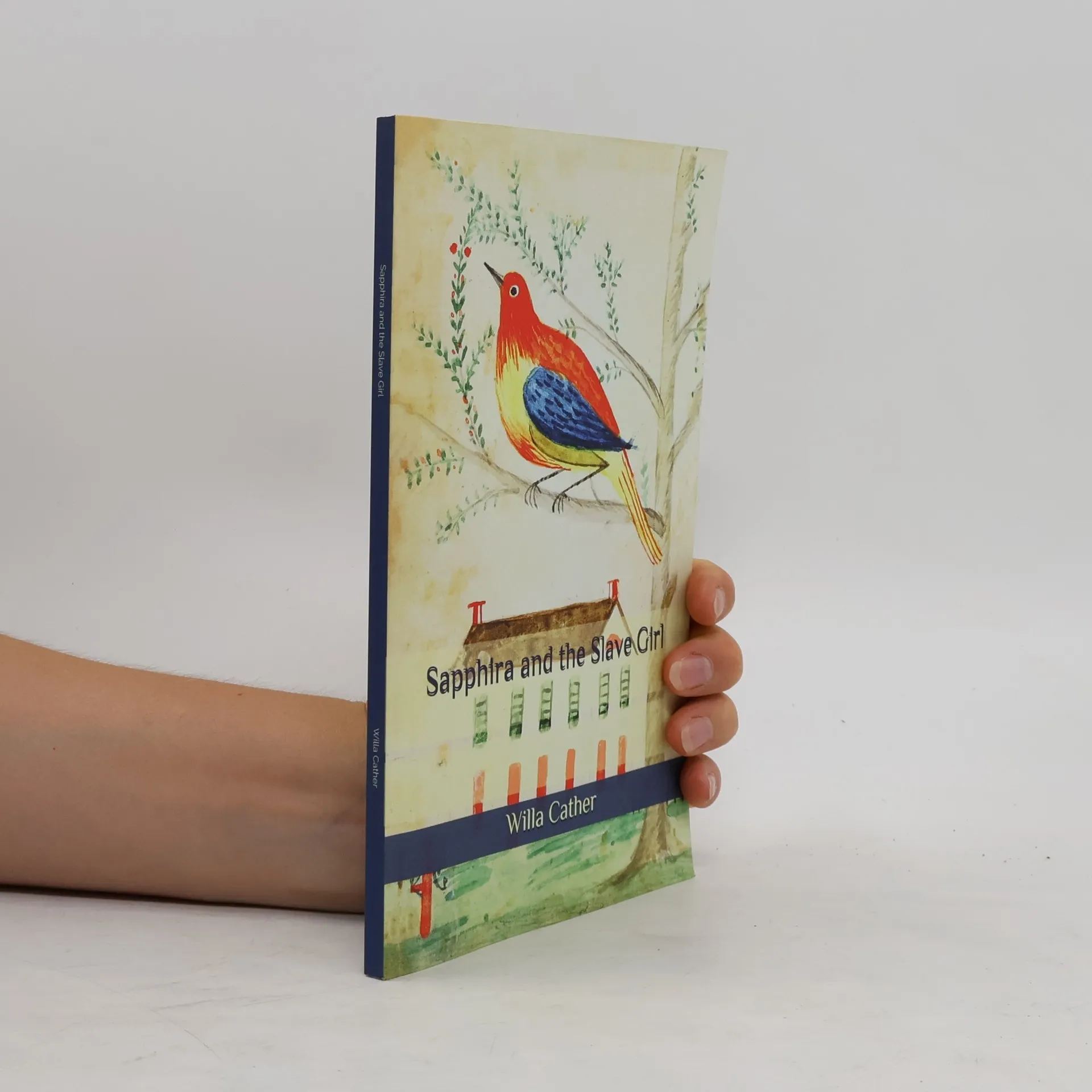
Sapphira Dodderidge, a Virginia lady of the 19th century, marries beneath her and becomes irrationally jealous of Nancy, a beautiful slave. One of Cather's later works.
The Burglar’s Christmas was originally published near the beginning of Willa Cather’s writing career in 1896 under the pseudonym of Elizabeth L. Seymour. The story follows William Crawford on the cold streets of Chicago as he contemplates the multiple failures plaguing his life, including his time at college and careers in journalism, real estate, and performing. Distraught, he tries one more role: thief. Attempting to burgle a residence and caught in the act by the lady of the house, William must come to terms with the choices that led him to that moment. Cather provides a heartwarming short story of redemption and love at Christmas, a timely reminder that kindness is in everyone, just waiting to be uncovered.
Alexander’s Bridge, Willa Cather’s first novel, is a taut psychological drama about the fragility of human connections. Published in 1912, just a year before O Pioneers! made Cather’s name, it features high society on an international stage rather than the immigrant prairie characters she later became known for. The successful and glamorous life of Bartley Alexander, a world-renowned engineer and bridge builder, begins to unravel when he encounters a former lover in London. As he shuttles among his wife in Boston, his old flame in London, and a massive bridge he is building in Canada, Alexander finds himself increasingly tormented. But the threatened collapse of his marriage presages a more fatal catastrophe, one he will risk his life to try to prevent.
Willa Cather is celebrated for her vivid depictions of settlers and frontier life in the American plains. Born in Virginia in 1873 and later residing in New York City, her works reflect a deep understanding of the challenges and triumphs faced by those who shaped the American landscape. Cather's storytelling captures the essence of resilience and the human spirit against the backdrop of the vast, often harsh, plains. Her literary contributions have solidified her status as a significant figure in American literature.
Willa Cather's collection presents a vivid portrayal of early 20th-century American life, exploring themes of identity, relationships, and the changing landscapes of the Midwest. Set against diverse backdrops, from vast plains to small towns, each narrative features ordinary characters facing extraordinary events. Cather's evocative prose captures the essence of love, loss, and the quest for meaning, reflecting the complexities of human emotions and the broader cultural context. This work showcases her literary skill and deep appreciation for the American experience.
The novel explores Claude Wheeler's internal struggle as he grapples with feelings of dissatisfaction and a sense of entrapment despite his comfortable upbringing in Nebraska. Set around the turn of the 20th century, it delves into themes of identity, societal expectations, and the search for meaning in life. Cather vividly portrays Wheeler's conflicts with his family's values and his quest for purpose, ultimately leading him to question the path laid out for him.
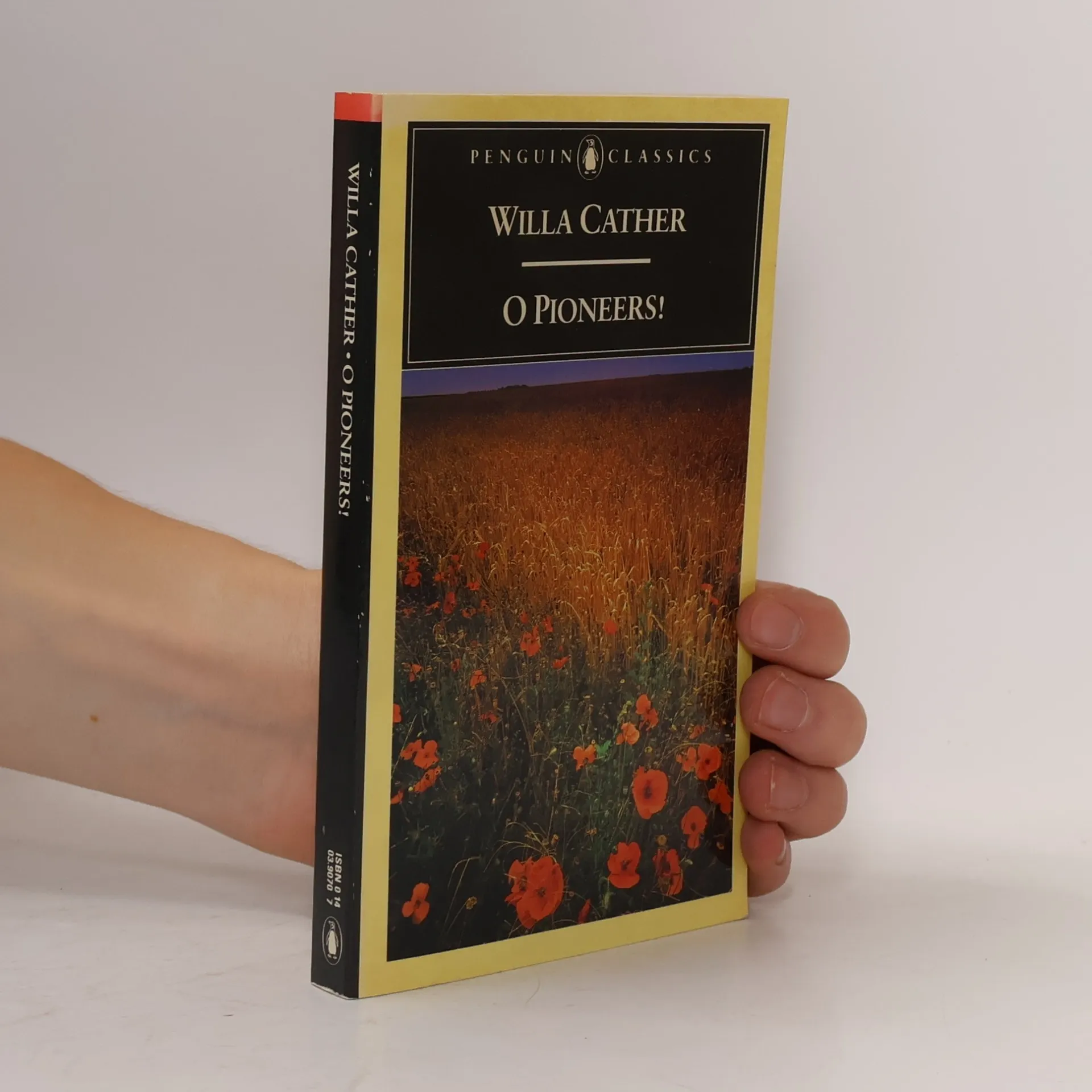
'She had felt as if her heart were hiding down there, somewhere, with the quail and the plover and all the little wild things that crooned or buzzed in the sun...' A rapturous work of savage beauty, Willa Cather's 1913 tale of a pioneer woman who tames the wild, hostile lands of the Nebraskan prairie is also the story of what it means to be American. A new series of twenty distinctive, unforgettable Penguin Classics in a beautiful new design and pocket-sized format, with coloured jackets echoing Penguin's original covers.
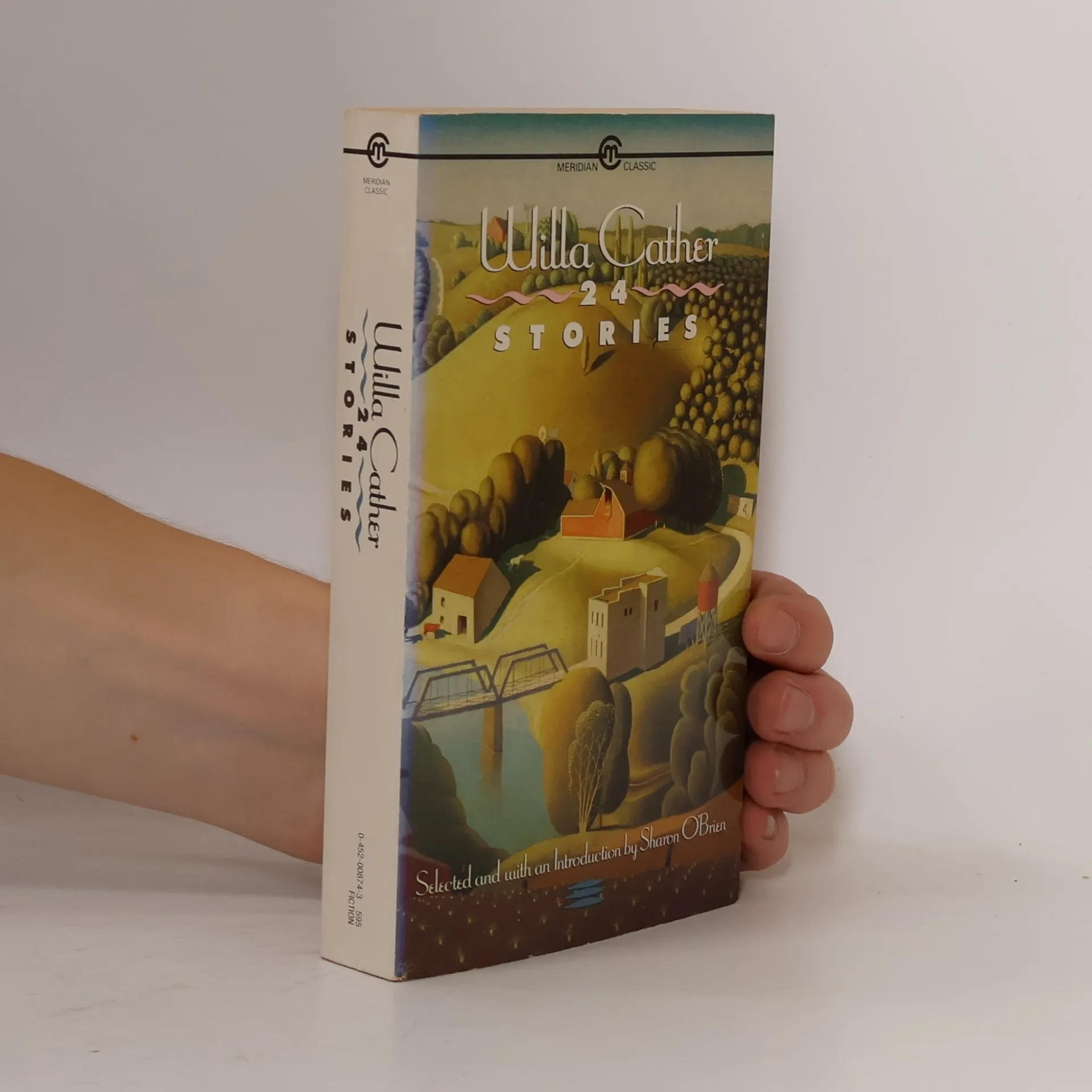
This superb collection of Willa Cather's early stories--including twelve never before available in paperback--is the first to show the full scope and richness of her developing craft in the important years from 1892 to 1912.
The Song of the Lark Willa Cather The Song of the Lark is the third novel by American author Willa Cather, written in 1915. It is generally considered to be the second novel in Cather's Prairie Trilogy, following O Pioneers! (1913) and preceding My Antonia (1918). Set in the 1890s in Moonstone, a fictional town in Colorado, The Song of the Lark is the self-portrait of an artist in the making. The ambitious young heroine, Thea Kronborg leaves her hometown to go to Chicago to fulfill her dream of becoming a well-trained pianist, a better piano teacher. When her instructor hears her voice, he realizes that this is her true artistic gift. He encourages her to pursue her vocal training instead of piano saying ... "your voice is worth all that you can put into it. I have not come to this decision rashly." In that pursuit she travels to Dresden, then to New York City, singing operas. Her reference for life is always her home town and the people she encountered there.
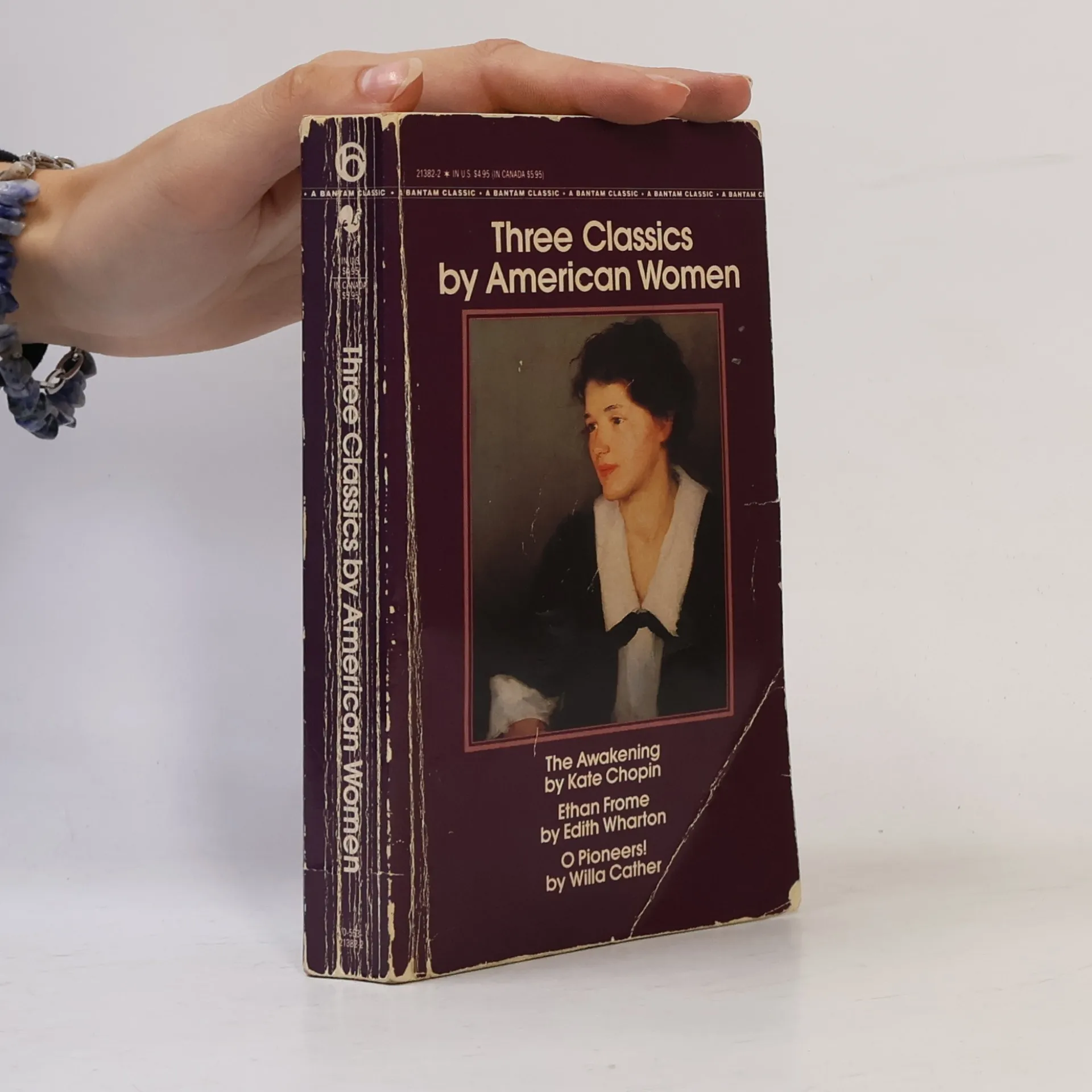
In one volume, readers now have access to three classic novels by outstanding American women authors.THE AWAKENING by Kate ChopinJean Stafford wrote, "Kate Chopin was long before her time in dealing with sexual passion...and the personal emotions of women." The Awakening, which shocked its contemporary critics in 1899, is now considered a masterpiece, a novel that traces a woman's growing sensuality, search for identity, and final self-destruction--in a drama played out against the sultry climate and insulated culture of Creole New Orleans.ETHAN FROME by Edith Wharton"There are only three or four American novelists who can be thought of as 'major' and Edith Wharton is one", wrote Gore Vidal. In Ethan Frome, her most popular novel, Wharton tells a tragic story of thwarted love with irony and bitterness that seems to reflect the author's own dissatisfaction with twentieth-century American values.O PIONEERS! by Willa CatherRebecca West called Willa Cather "the most sensuous of writers" because of her evocative descriptions of American life. Cather's magnificent tale of the Nebraska prairie, O Pioneers!, portrays a woman of strong will and even stronger desire to overcome adversity, bringing to life the prairie landscape in lush, provocative colors.
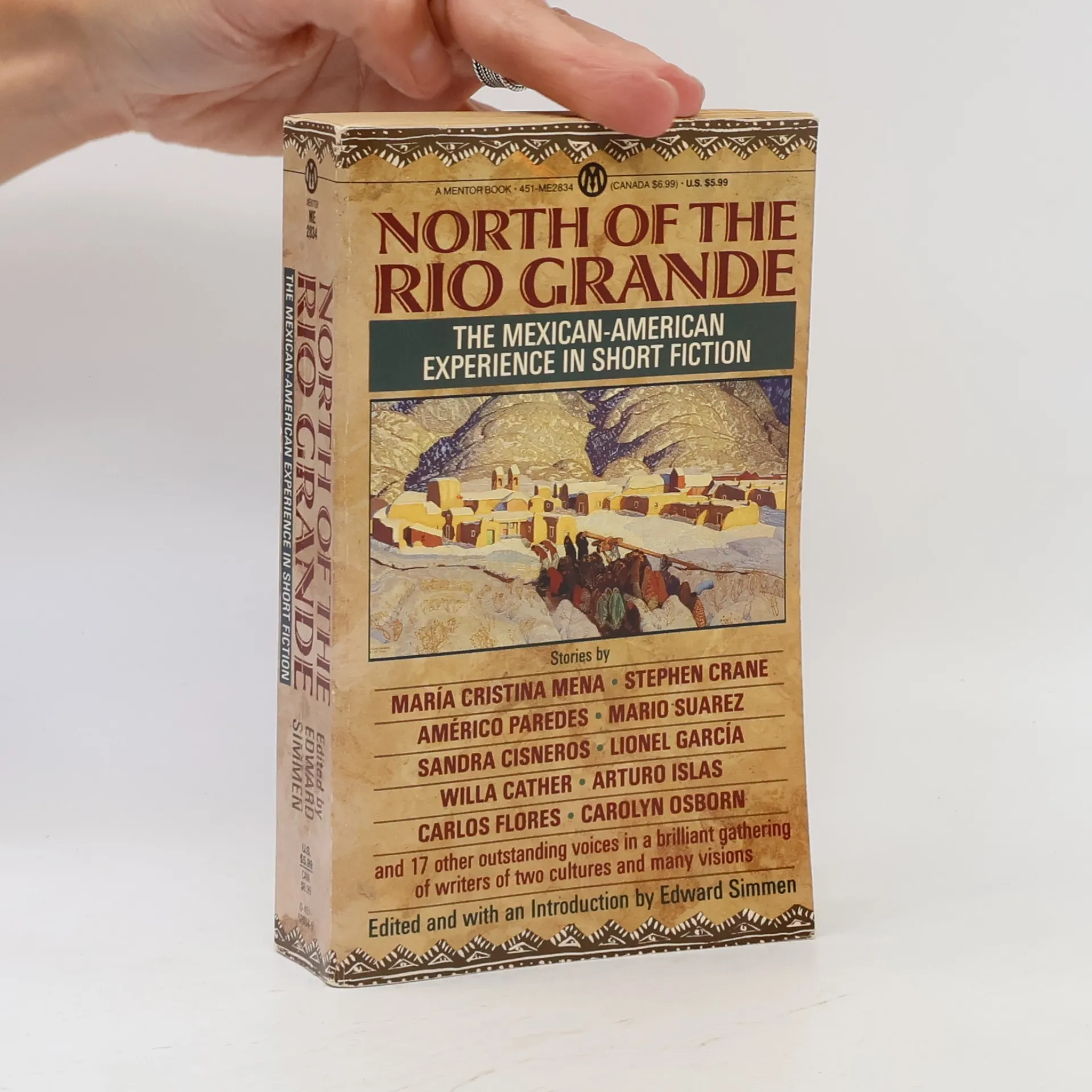
A collection of stories from both Mexican and Anglo writers evokes the tensions and joys of Mexican American life from the barrios of East L.A. to the bordertowns on both sides of the Rio Grande
Die neu entdeckten Erzählungen einer der großen Stilistinnen der amerikanischen Literatur Mit so einfach erscheinenden Worten und dem klaren Rhythmus ihrer Sätze leuchtet Willa Cather das Innenleben ihrer Figuren aus und erweckt deren Umfeld zum Leben: Ob sechs Schulfreunde in einer Sommernacht auf einer Sandbank im Fluss von bevorstehenden Abenteuern träumen, Nelly Deane mit ungestümer Lebenslust nach den Sternen greift, der Lehrling Paul mit erschlichenem Geld in einem New Yorker Hotel die weite Welt schnuppert oder die alte Mrs. Harris versucht, ihrer Enkelin einen großen Zukunftswunsch zu erfüllen – wie nebenbei scheinen bei Cather die großen Fragen unserer Existenz auf. Und sie führt uns bestechend klar vor Augen, wie Gesellschaft und Landschaft bestimmen, wer wir sind. Bis wir uns von den Fesseln befreien. Größtenteils zum ersten Mal übersetzt von Agnes Krup, die in ihrem Nachwort zeigt, wie Leben und Werk der Autorin zusammengehören.