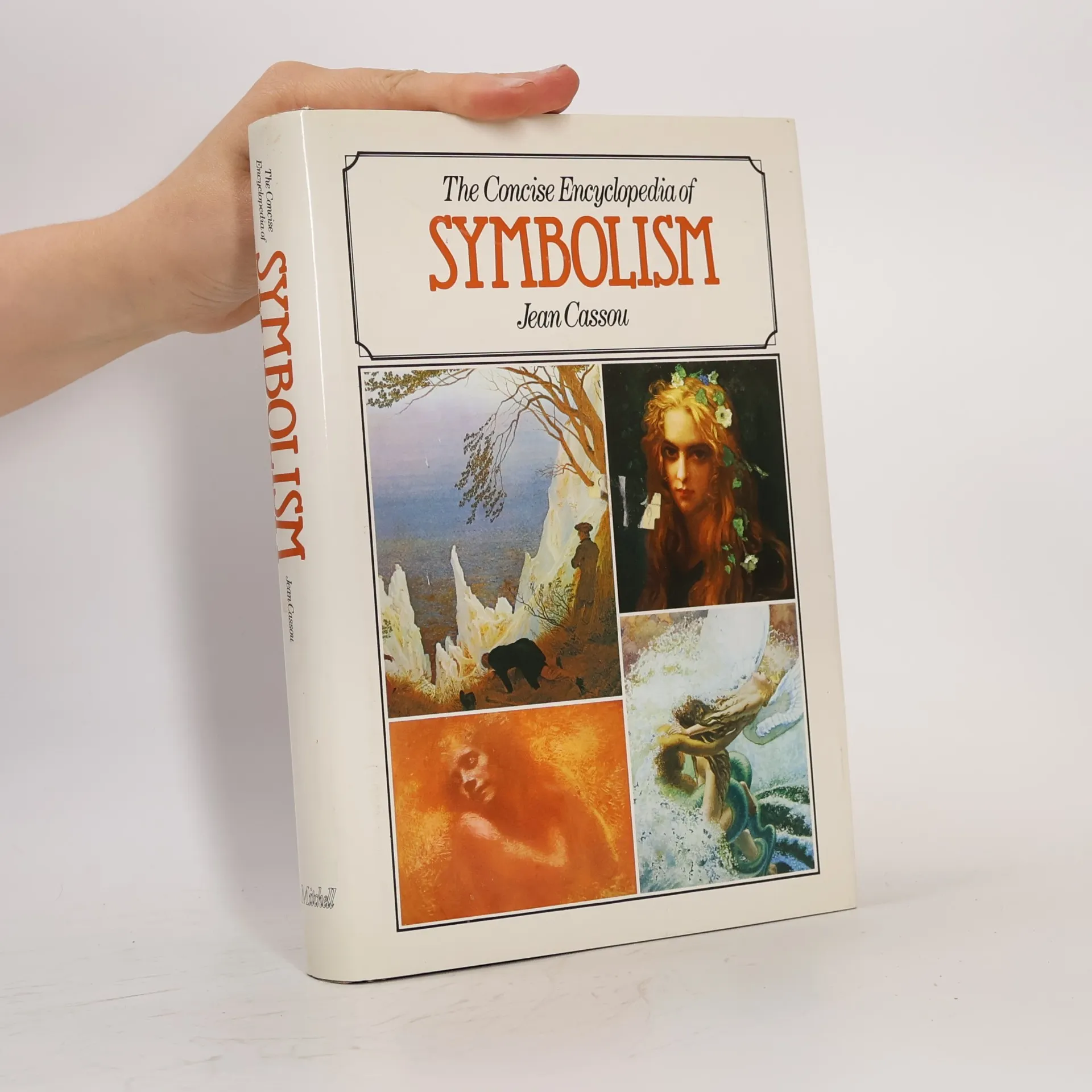
Encyklopedia symbolizmu
- 371pages
- 13 heures de lecture



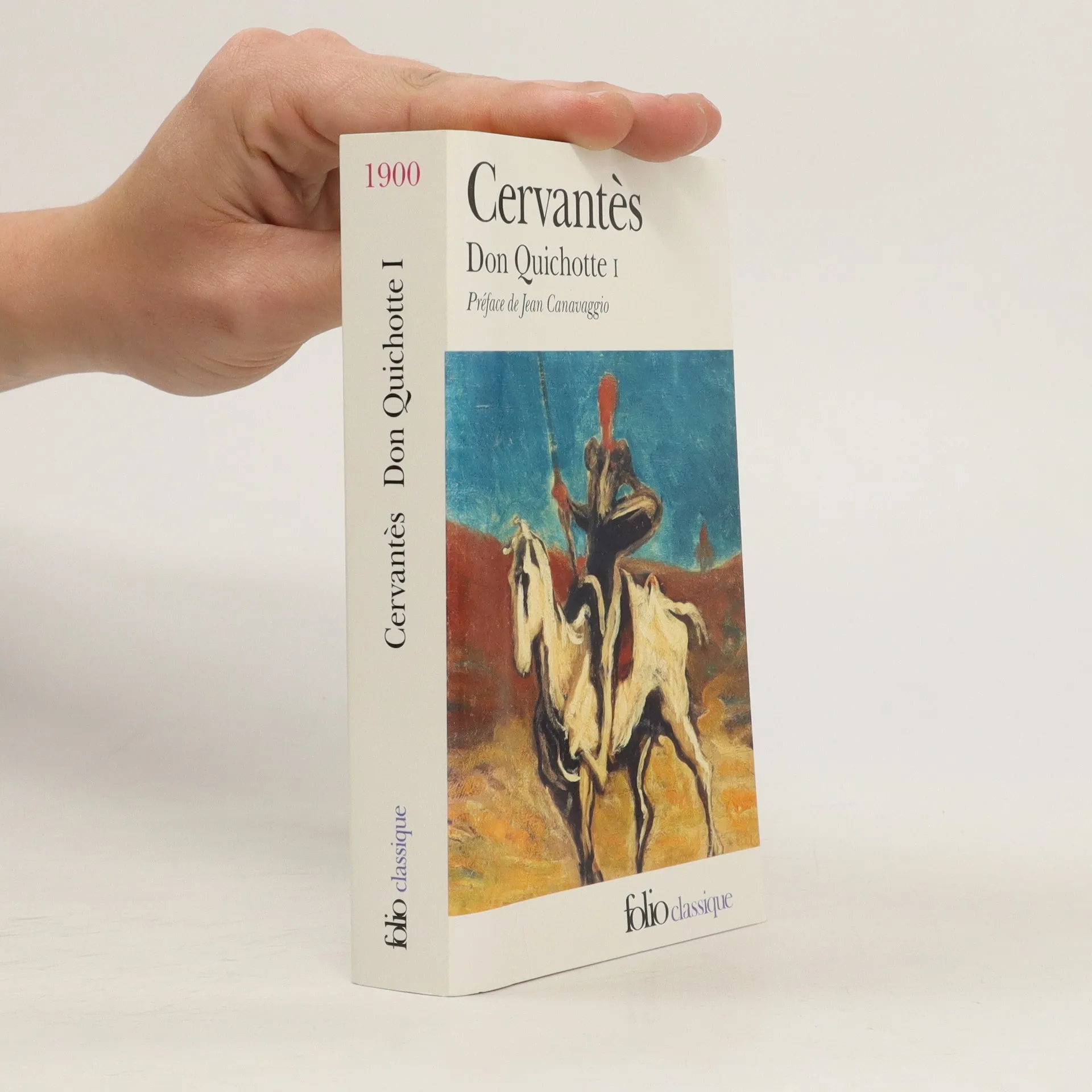
Là-dessus ils découvrirent trente ou quarante moulins à vent, et, dès que don Quichotte les vit, il dit à son écuyer : "La fortune conduit nos affaires mieux que nous n'eussions su désirer, car voilà, ami Sancho Pança, où se découvrent trente ou quelque peu plus de démesurés géants, avec lesquels je pense avoir combat et leur ôter la vie à tous. - Quels géants ? dit Sancho. - Ceux que tu vois là, répondit son maître, aux longs bras, et d'aucuns les ont quelquefois de deux lieues. - Regardez, monsieur, répondit Sancho, que ceux qui paraissent là ne sont pas des géants, mais des moulins à vent et ce qui semble des bras sont les ailes, lesquelles, tournées par le vent, font mouvoir la pierre du moulin. - Il paraît bien, répondit don Quichotte, que tu n'es pas fort versé en ce qui est des aventures : ce sont des géants, et, si tu as peur, ôte-toi de là et te mets en oraison, tandis que je vais entrer avec eux en une furieuse et inégale bataille." Et, disant cela, il donna des éperons à son cheval Rossinante. [Source : 4e de couv.]
"In the last decade of the nineteenth century, the term Symbolism came to represent a literary, artistic and intellectual movement of great influence. Orginating in France around 1880, then spreading throughout Europe and America, it was above all a movement of protest against positivism, scientism and philistinism, and embraced all the idealist aspirations of the age, having in some respects strong links with other movements of the time such as Decadence and Art Nouveau. Symbolism turned towards the shadows of our inner nature, and explored man's fascination for the strange, the unusual, the dark, the mysterious. Closely connected with the Romantic spirit, and inseperable from Naturalism and Impressionism through its violent reaction against them, it in many ways heralded Expressionism and Surrealism-and is thus a movement found at the very heart of our contemporary culture."--BOOK JACKET.
Román z doby Pařížské komuny. Pařížský masakr je skutečný román souputníka komunardů, syna pařížského řemeslníka, který zkrachoval a zanechal ženu s chlapcem v bídě. Není to však suchý či pietní popis jedné revoluce, je to román mladého člověka, který vyrazil do života, vložildo svého boje vše a o vše přišel. Autor mu dal duši i vědomí moderního člověka, udělal z něj našeho druha a oslavil tím Pařížskou komunu, utopenou v krvi za pomoci cizích bodáků, způsobem vskutku velkolepým. Vydáno k 100. výročí Pařížské komuny.
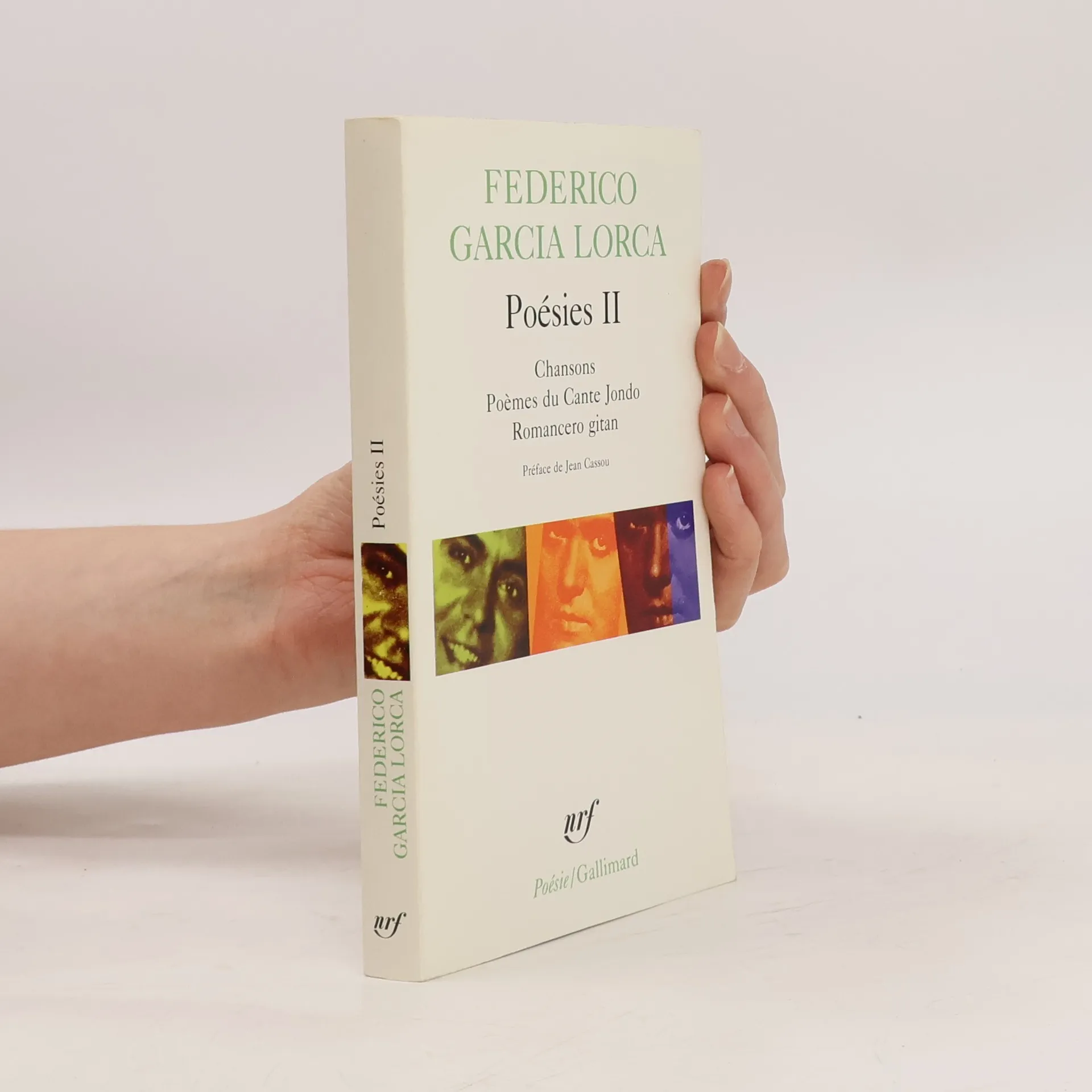
Trad. de l'espagnol par André Belamich , Pierre Darmangeat , Jean Prévost et Jules Supervielle . Préface de Jean Cassou Ce volume contient : Poème du Cante Jondo - Chansons - Romancero gitan
Book by New Line Books, Confidential, Concepts
Kunst und Kultur der Jahrhundertwende