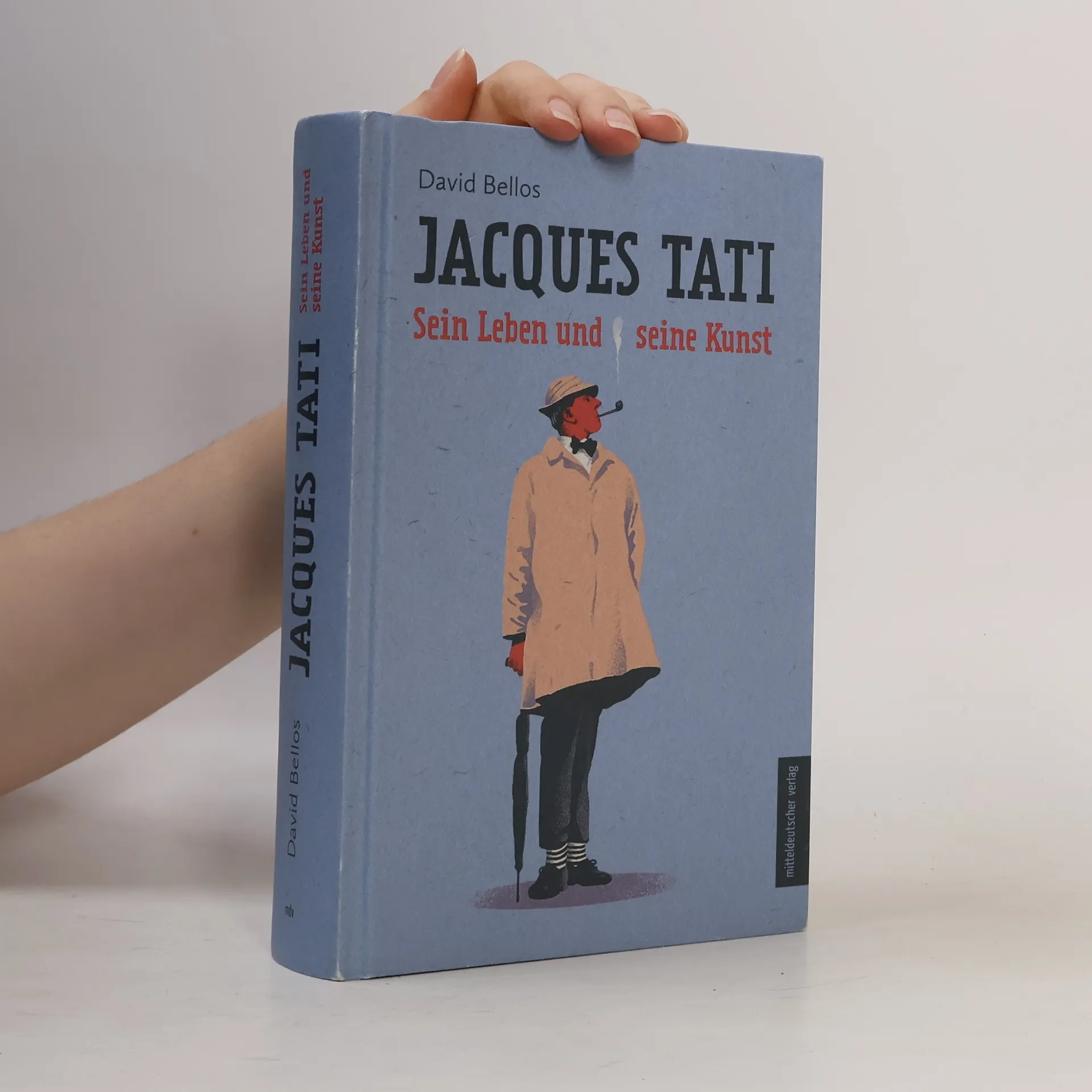
Jacques Tatis Monsieur Hulot, unverkennbar mit seiner Pfeife, seinem Regenschirm und seinen gestreiften Socken, war eine geniale Slapstick-Kreation, die das Publikum auf der ganzen Welt über die Absurdität des Lebens lachen ließ. David Bello’s Biografie zeichnet Tatis Aufstieg und Fall nach, von seinen Anfängen als Varieté-Mime während der Depression über den Erfolg von „Jour de Fête“ und „Mon Oncle“ bis hin zu „Playtime“, dem grandiosen Meisterwerk, das den gefeierten Regisseur und Oscar-Preisträger in den Bankrott trieb und ihn um finanzielle Unterstützung für die Fertigstellung seiner letzten Filme betteln ließ. Bei der Analyse von Tatis einzigartiger Vision, eines Clowns, dessen filmische Innovation darin bestand, das alltägliche Leben in eine Kunstform zu verwandeln, enthüllt Bellos die komplizierte Inszenierung seiner berühmtesten Gags und stützt sich auf bisher unzugängliche Archive, darunter Filmmaterial, Videos, aufgezeichnete Interviews und frühe Entwürfe von Drehbüchern, sowie die Mithilfe von Tatis Tochter. Herausgekommen ist das Bild eines Mannes, der gleichzeitig engagiert, leidenschaftlich und schüchtern war, mehr Künstler als Geschäftsmann. In der genau recherchierten Darstellung wird Tati sehr lebendig und bleibt, wie auf der Leinwand, seltsam liebenswert.
David Bellos Ordre des livres (chronologique)
David Bellos est un traducteur et professeur de renom, profondément ancré dans la littérature française et comparée. Son travail se concentre sur la traduction et la communication interculturelle, ayant acquis une reconnaissance pour avoir rendu accessibles au grand public des œuvres centrales de la littérature française. L'approche de Bellos en matière de traduction se caractérise par une sensibilité aiguë aux nuances et au contexte culturel, rapprochant ainsi la richesse des traditions littéraires mondiales des lecteurs. Grâce à ses perspicaces analyses critiques et à ses efforts de traduction dévoués, il jette des ponts significatifs pour la compréhension et l'appréciation internationales des œuvres littéraires.
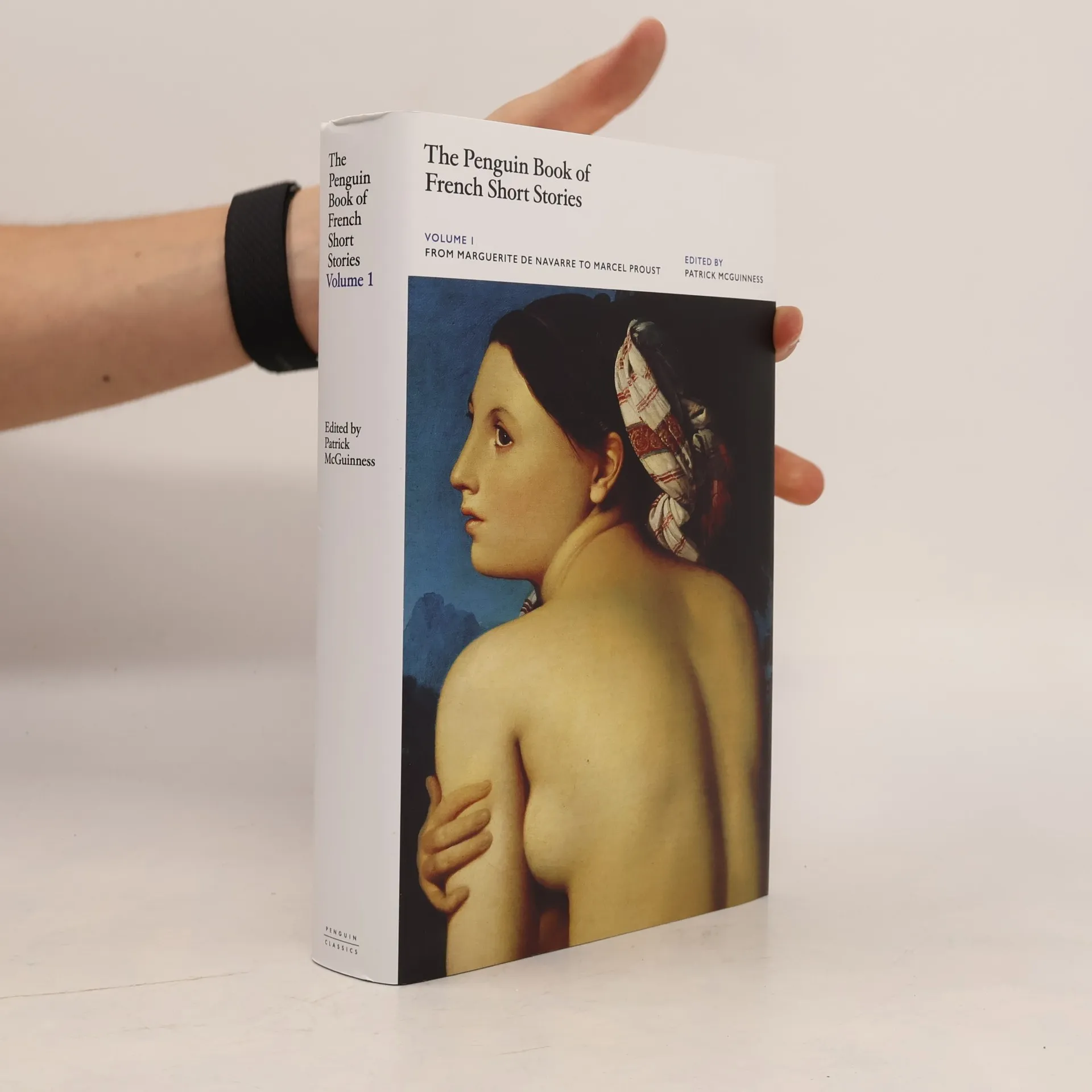
The Penguin Book of French Short Stories
- 512pages
- 18 heures de lecture
A major new celebration of the French short story 'Nowhere have I witnessed real happiness, but surely it is to be found here...' The short story has a rich tradition in French literature. This feast of an anthology celebrates its most famous practitioners, as well as newly translated writers ready for rediscovery. Here are decadent tales, 'bloody tales', fairy tales, detective stories and war stories. They are stories about the self and the other, husbands, wives and lovers, country and city, rich and poor. The first volume spans four hundred years, taking the reader from the sixteenth century to the 'golden age' of the fin de siècle. Its pages are populated by lovers, phantoms, cardinals, labourers, enchanted statues, gentleman burglars, retired bureaucrats, panthers and parrots, in a cacophony of styles and voices. From the affairs of Madame de Lafayette to the polemic realism of Victor Hugo, the supernatural mystery of Guy de Maupassant to the dark sensuality of Rachilde, this is the place to start for lovers of French literature, new and old. Edited and with an introduction by Patrick McGuinness, academic, writer and translator.
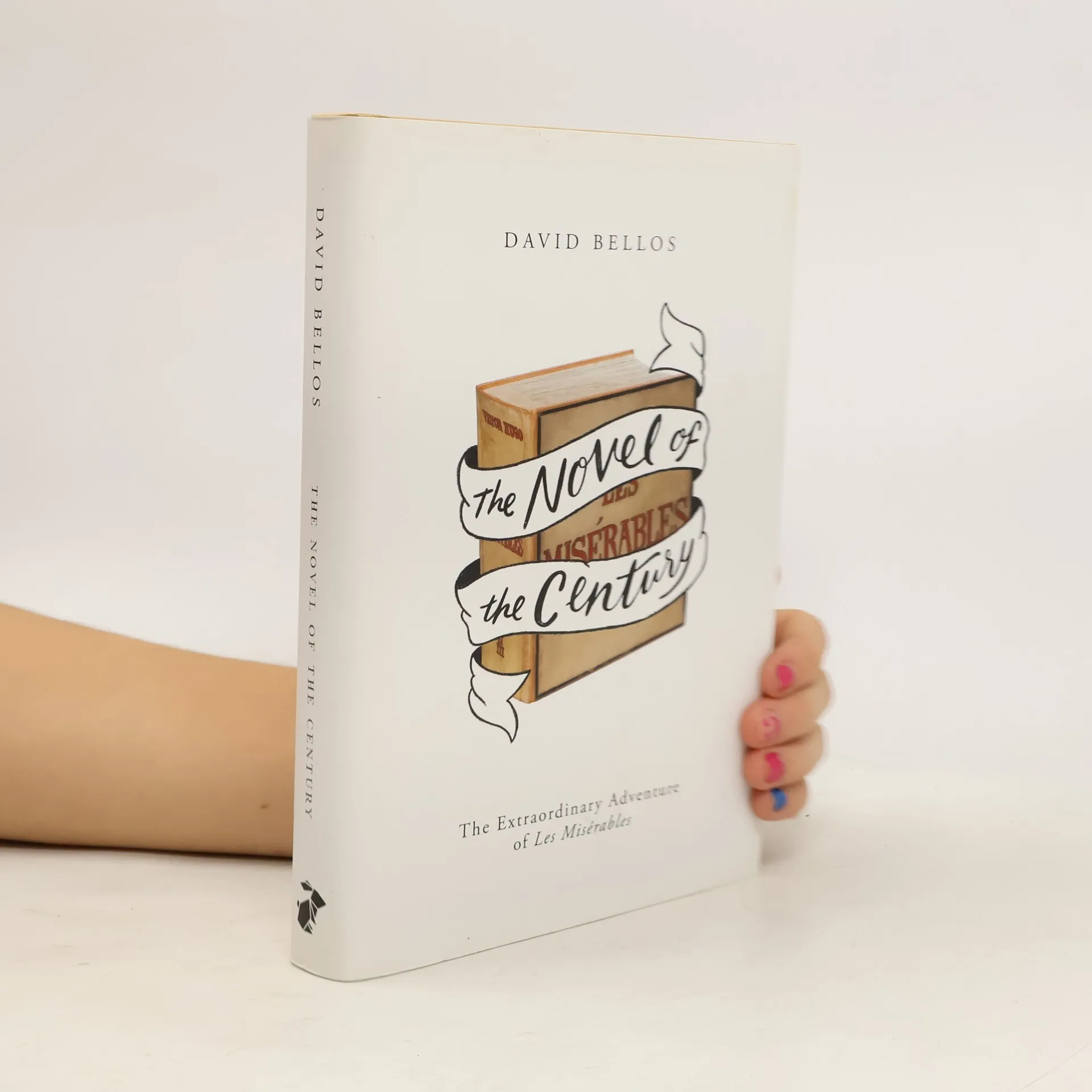
The Novel of the Century
- 336pages
- 12 heures de lecture
"The definitive biography of the world's most popular novel. Putting a century of scholarship on one of the world's most enduring popular novels into accessible, narrative form, this new approach to a classic of world literature is written for a wide general readership. Packed full of information about the book's origins and later career on stage and screen, The Novel of the Century brings to life the extraordinary story of how Victor Hugo managed to write his novel of the downtrodden despite a revolution, a coup d'âetat, and political exile; how he pulled off the deal of the century to get it published; and how he set it on course to become the novel that epitomizes the grand sweep of history in the nineteenth century. This biography of a masterpiece also shows how and why the moral and social messages of Les Misâerables are full of meaning for our time."-- Provided by publisher
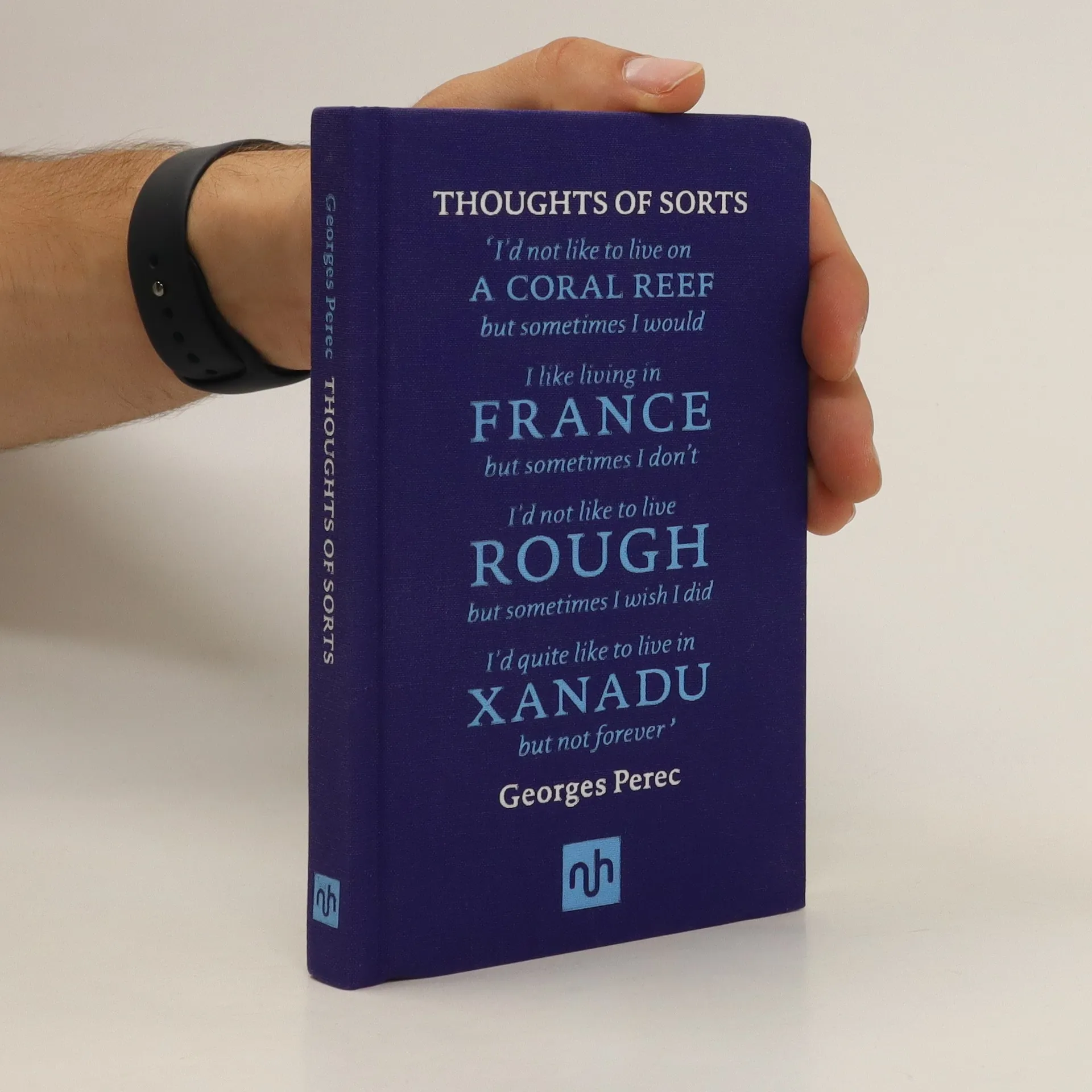
Thoughts of Sorts
- 216pages
- 8 heures de lecture
Perec was a leading exponent of French literary surrealism who found humour - and pathos - in the human need for classification. Thoughts of Sorts is itself unclassifiable, a unique collection of philosophical riffs on his obsession with lists, puzzles, catalogues, and taxonomies. Introduced by Margaret Drabble.
Is That a Fish in Your Ear?
- 400pages
- 14 heures de lecture
Without translation there would be no world news, not much of a reading list in any subject at college, and no repair manuals for cars or planes. This book ranges across the whole of human experience, from foreign films to philosophy, to show why translation is at the heart of what we do and who we are.
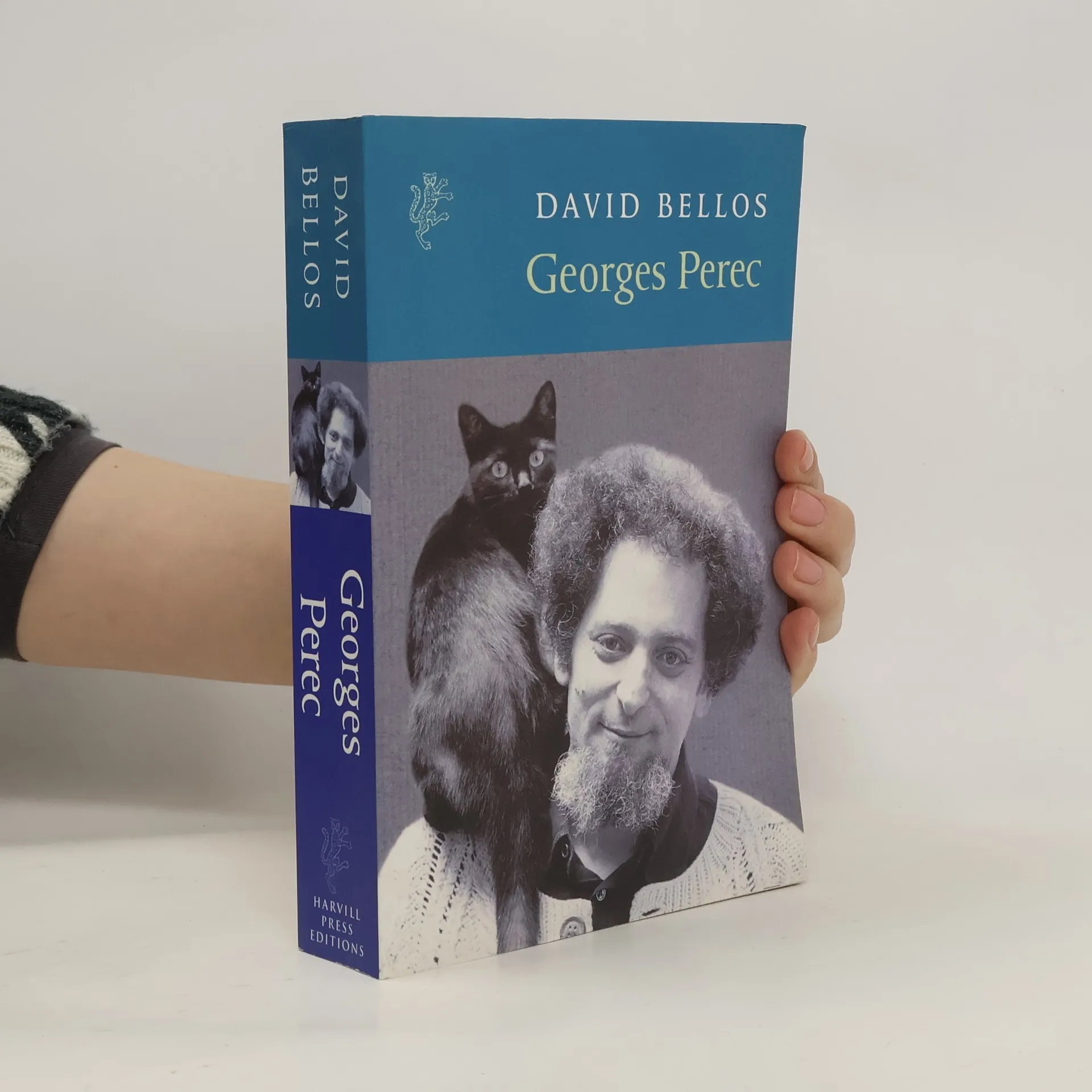
Georges Perec: A Life in Words
- 832pages
- 30 heures de lecture
It's hard to see how anyone is ever going to better this User's Manual to the life of Georges Perec - Gilbert Adair, Sunday TimesWinner of the Prix Goncourt for Biography, 1994George Perec (1936-82) was one of the most significant European writers of the twentieth century and undoubtedly the most versatile and innovative writer of his generation.
The Siege
- 336pages
- 12 heures de lecture
Compelling historical fiction from one of the world's greatest living writers
W ou le souvenir d'enfance
- 219pages
- 8 heures de lecture
Il a dans ce livre deux textes simplement alternés : il pourrait presque sembler qu'ils n'ont rien en commun, mais ils sont pourtant inextricablement enchevêtrés, comme si aucun des deux ne pouvait exister seul, comme si de leur rencontre seule, de cette lumière lointains qu'ils jettent l'un sur l'autre, pouvait se révéler ce qui n'est jamais tout à fait dit dans l'un, jamais tout à fait dit dans l'autre, mais seulement dans leur fragile intersection. L'un de ces textes appartient tout entier à l'imaginaire : c'est un roman d'aventures, la reconstitution, arbitraire mais minutieuse, d'un fantasme enfantin évoquant une cité régie par l'idéal olympique. L'autre texte est une autobiographie : le récit fragmentaire d'une vie d'enfant pensant la guerre, une récit pauvre d'exploits et de souvenirs, fait de bribes éparses, d'absences, d'oublis, de doutes, d'hypothèses, d'anecdotes maigres. Le récit d'aventures, à côté, a quelque chose de grandiose, ou peut-être de suspect. Car il commence par raconter une histoire et, d'un seul coup, se lance dans une autre : dans cette rupture, cette cassure qui suspend le récit autour d'on ne sait quelle attente, se trouve le lieu initial d'où est sorti ce livre, ces points de suspension auxquels se sont accrochés les fils rompus de l'enfance et la trame de l'écriture.