Cet auteur explore les aspects les plus sombres de l'histoire, examinant des sujets complexes à travers des recherches historiques méticuleuses. Son travail se concentre sur les atrocités nazies et leurs répercussions, avec un intérêt particulier pour l'exploitation industrielle des prisonniers et l'histoire des camps annexes. À travers ses écrits, il révèle des récits souvent négligés, garantissant que le passé demeure une force vivante et instructive pour la compréhension future. Son approche se caractérise par un engagement profond envers les documents d'archives et une volonté de saisir pleinement les événements historiques.
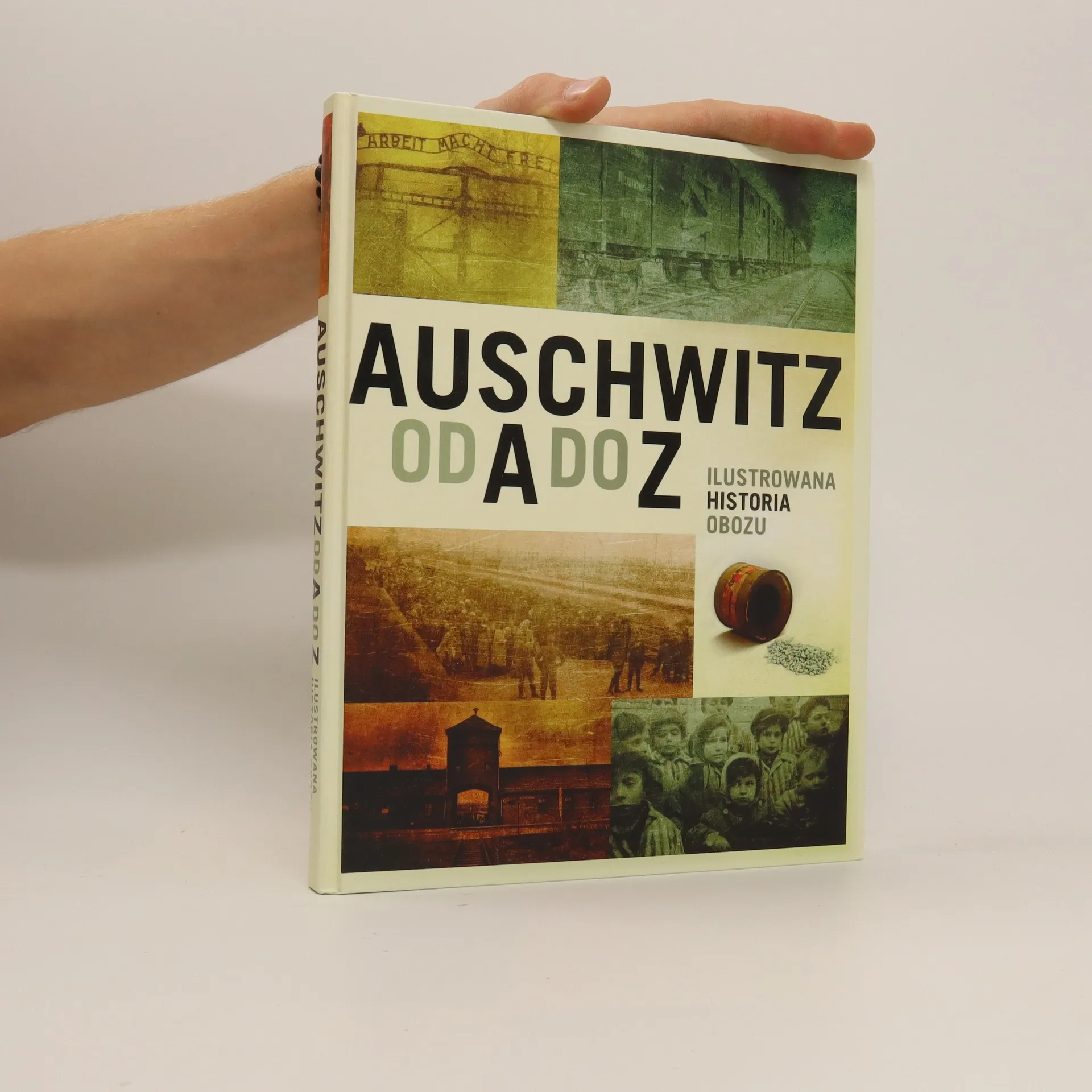
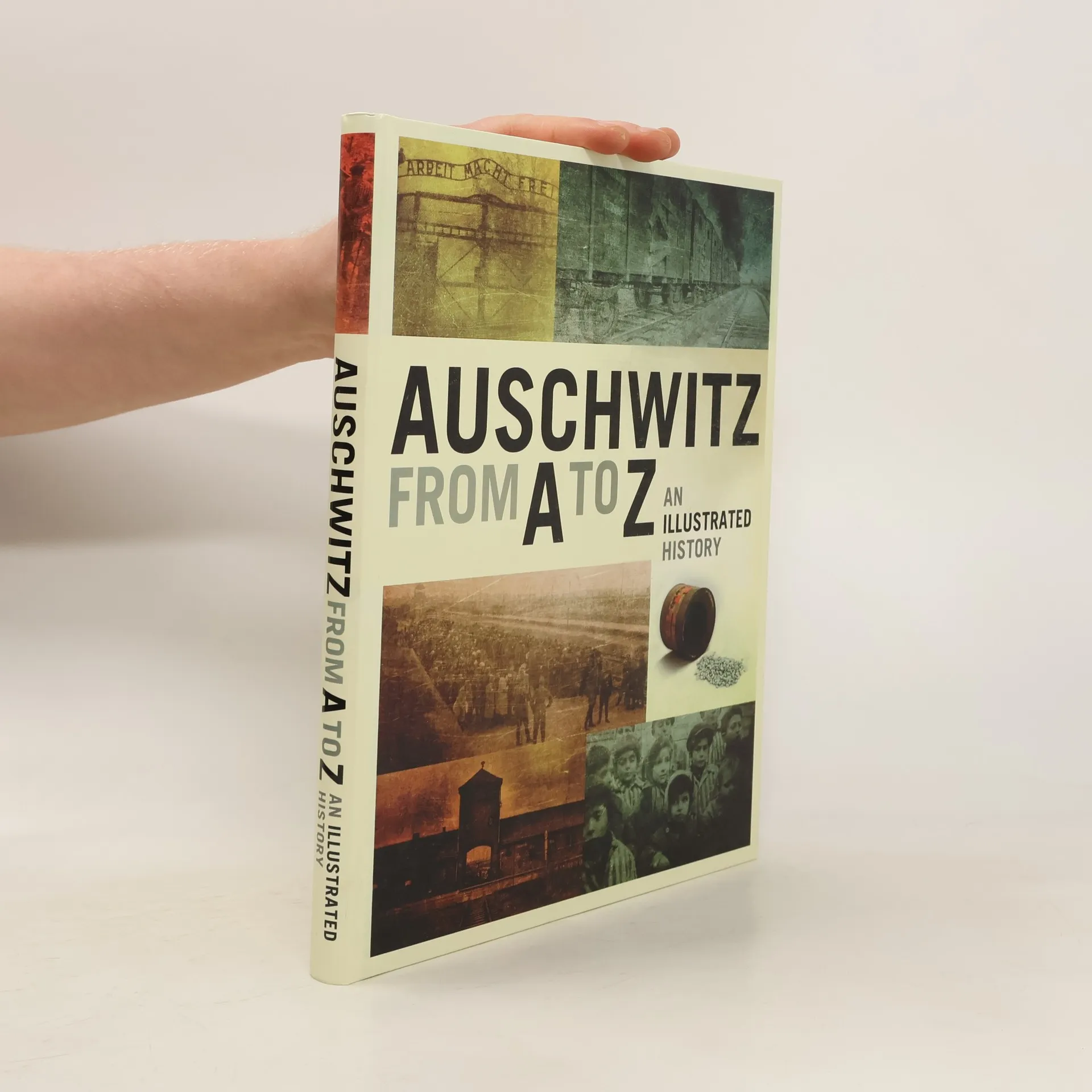
More than 300 concise articles, in alphabetical order, covering topics in the history of the largest Nazi German concentration camp and extermination center, Auschwitz--written for a general readership in a concise, accessible style. Photographs, archival documents, and reproductions of art works by prisoner eyewitnesses supplement and enrich the text
"More than 300 concise articles, in alphabetical order, covering topics in the history of the largest Nazi German concentration camp and extermination center, Auschwitz--written for a general readership in a concise, accessible style. Photographs, archival documents, and reproductions of art works by prisoner eyewitnesses supplement and enrich the text."--Page 4 of cover.
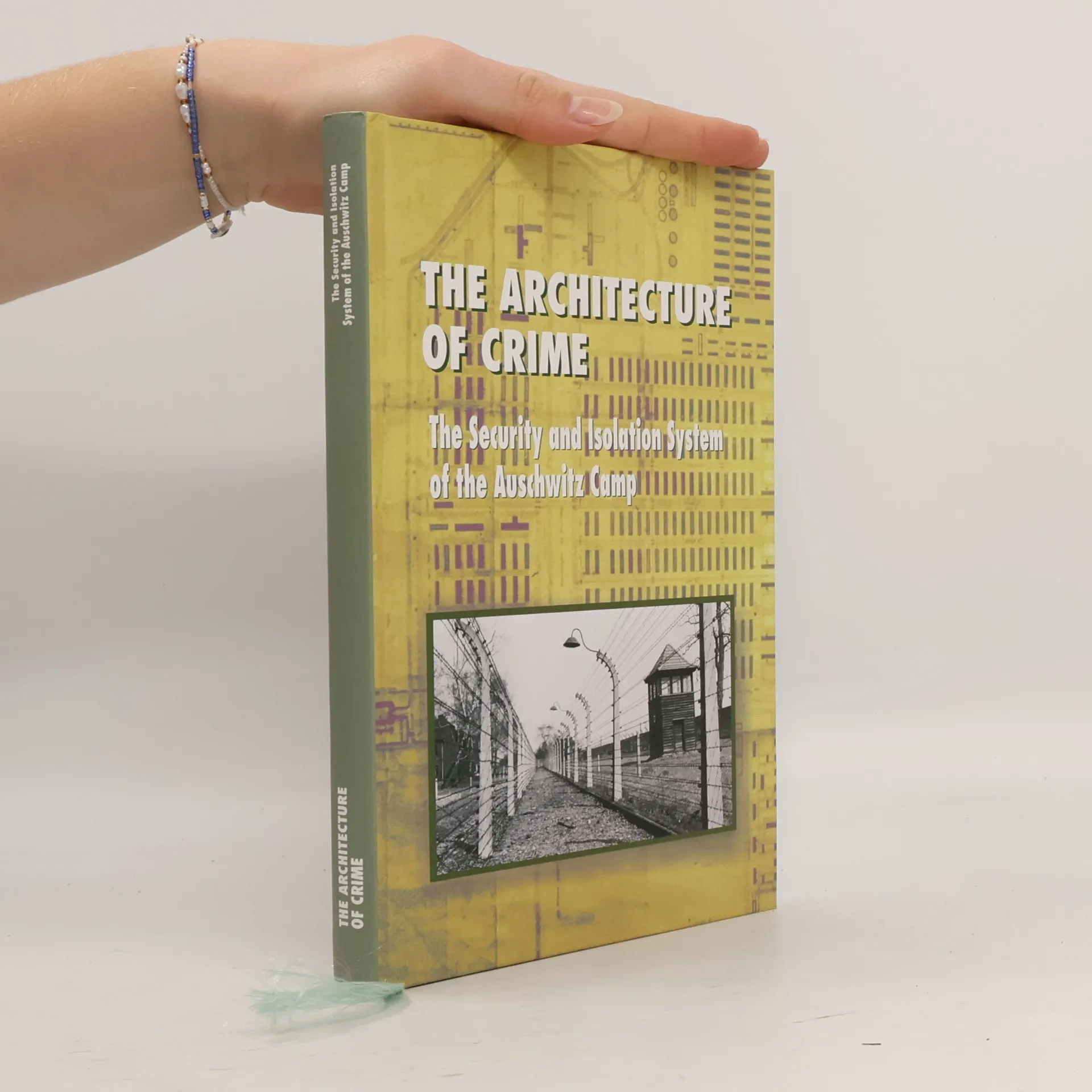
The Auschwitz fence stands as a haunting symbol of Nazi inhumanity, representing the terror of concentration and death camps in the twentieth century. After fifty years as a memorial, the fence began to deteriorate, prompting conservation efforts by the Museum's management and German Länder. This meticulous seven-year project aimed to restore each segment to a higher quality, culminating in 2004. The book published in 2008 explores various aspects of this significant site, including the fencing system designed to prevent prisoner escapes, personal accounts from former prisoners and civilian employees, and detailed studies on the conservation policy and techniques used to preserve the concrete fence posts. Contributions from experts cover topics such as the preservation of gates at Auschwitz I and II-Birkenau, the technical aspects of conserving reinforced-concrete fencing, and the role of guard towers within the fencing system. Each section provides insights into the historical context and the ongoing efforts to maintain the integrity of this somber site, ensuring that the memory of its past remains preserved for future generations.
Ponad 300 zwięzłych artykułów, w porządku alfabetycznym, dotyczących historii największego nazistowskiego obozu koncentracyjnego i ośrodka zagłady, Auschwitz - napisanych w przystępnym stylu dla ogólnego czytelnika. Fotografie, dokumenty archiwalne i reprodukcje dzieł sztuki autorstwa świadków-prisonierów uzupełniają i wzbogacają tekst.