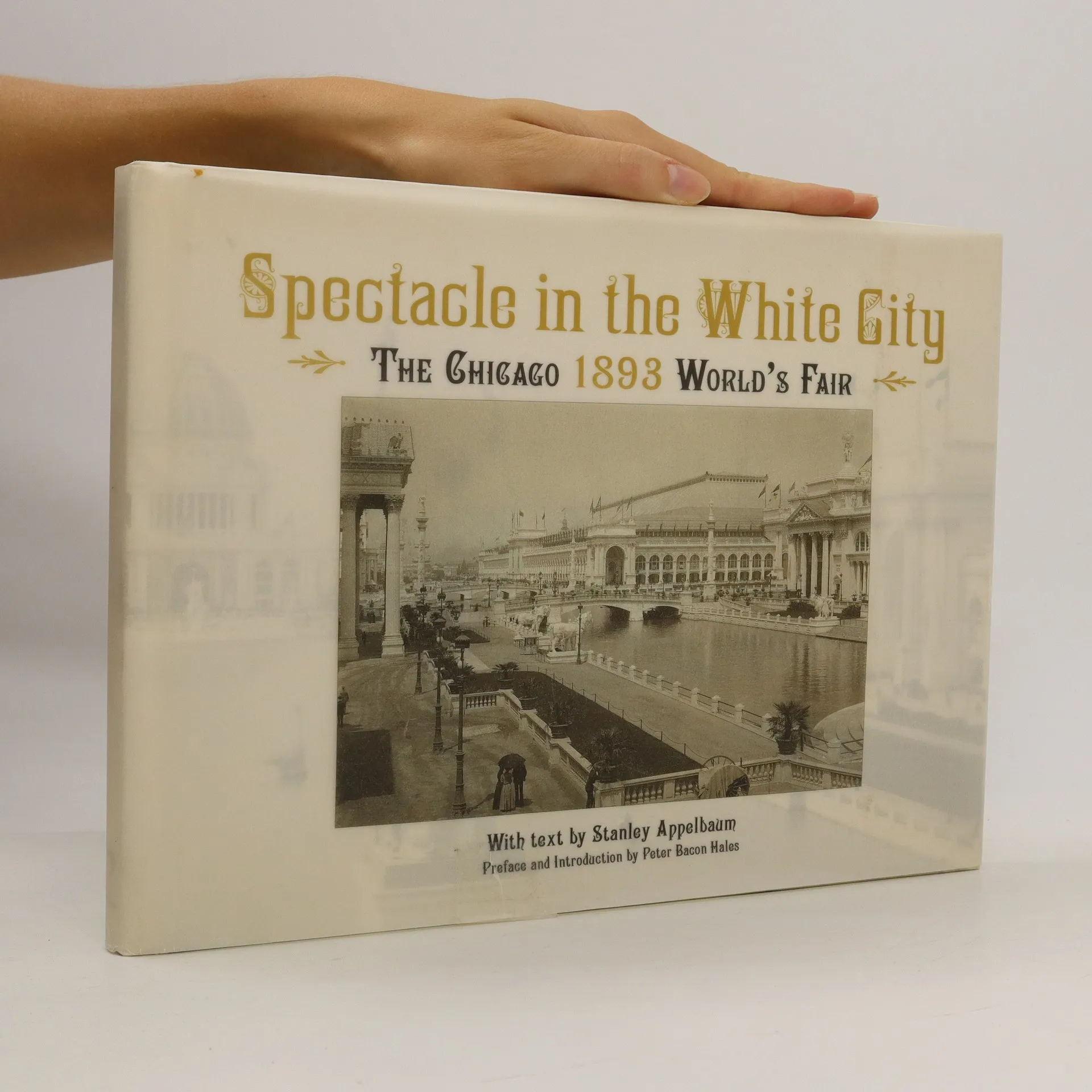
Over 27 million people visited the World's Columbian Exposition of 1893 in Chicago. Countless more experienced the fair through the wondrous images of C. D. Arnold, the era's foremost architectural photographer. Through his luminous pictures, Arnold became the event's leading historian, publicist, and visual philosopher. This gallery of Arnold's photographs, painstakingly retouched to achieve a new radiance, presents a magnificent tribute to the "White City" of shining Beaux-Arts buildings.In addition to its visual tour of the Exposition's extensive buildings and grounds, this lavish book also celebrates a city that treasures its architecture. The classical Greek and Roman design expressed by the Chicago World's Fair defined the course of American monumental building for decades to come, and the text accompanying these historic photographs provides fascinating interpretations of the Exposition's influence on American building styles and tastes. From conception to closing day and beyond, Spectacle in the White City offers glimpses of past splendor that will be treasured by Chicagoans, history buffs, and lovers of fine art and photography.
Stanley Appelbaum Livres
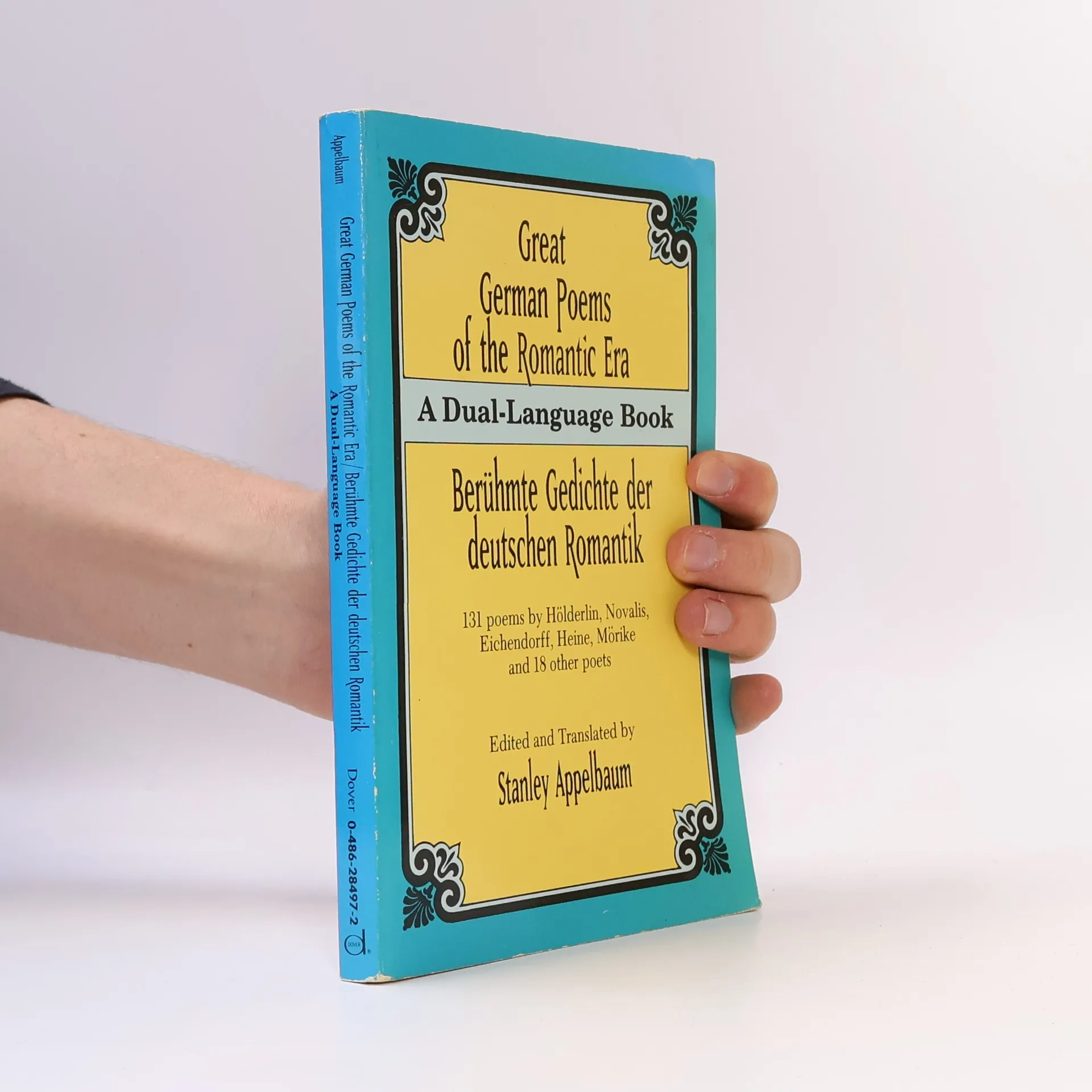
Great German Poems of the Romantic Era
- 238pages
- 9 heures de lecture
Lyric poetry blossomed in 19th-century Germany under the fertilizing influence of Romanticism with its focus on the primacy of the imagination, worship of nature and childhood, dreaminess and nostalgia and preoccupation with thoughts of night and death. Although strictly defined as flourishing from 1798 to 1835, Romanticism is not timebound and German Romantic poetry was written both before and after these dates. Indeed, the 131 poems in this volume range in date from 1770 to 1903.Collected here are great romantic poems by 23 Goethe, Schiller, Hiilderlin, Novalis, Tieck, Brentano, Ruckert, Heine, Miirike, Storm, Nietzsche, and 12 more. Stanley Appelbaum has provided excellent new literal English translations of the poems on facing pages, along with an informative introduction and concise evaluations of each poet. This is a wonderful opportunity for any student of German or lover of poetry to enjoy a rich sampling from one of the world’s great poetic traditions.
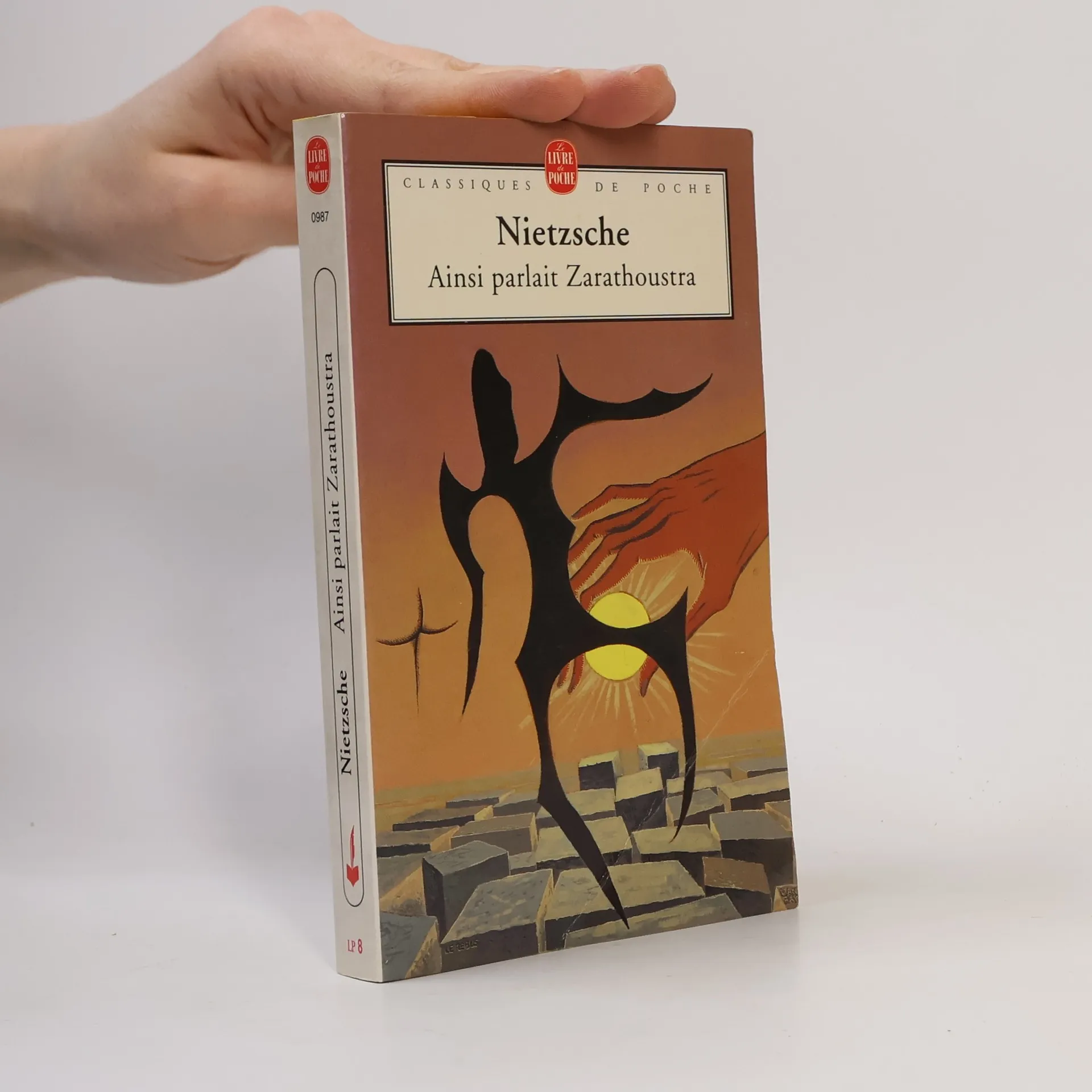
Ainsi parlait Zarathoustra est une œuvre philosophique magistrale. Elle a bouleversé la pensée de l'Occident. " Nietzsche démolit, il sape ", disait Gide. Il remet définitivement l'homme en question. Poète-prophète, Zarathoustra se retire dans la montagne et revient parmi les hommes pour leur parler. Sa leçon essentielle : " Vouloir libère " Son leitmotiv : rejeter ce qui n'est pas voulu, conquis comme tel, tout ce qui est subi. C'est le sens du fameux : " Deviens celui que tu es. " La vertu est souvent le droit du plus faible, elle paralyse tout, désir, création et joie. Le surhomme nietzschéen est celui qui a la plus grande diversité d'instincts qui s'opposent puissamment mais qu'il maîtrise. La pensée de Nietzsche est un défi permanent. Elle échappe à tout système politique. La ferveur de sa poésie, sa vigoureuse drôlerie ont donné à Nietzsche une célébrité universelle. Nos contemporains n'ont le choix qu'entre lui et Marx.
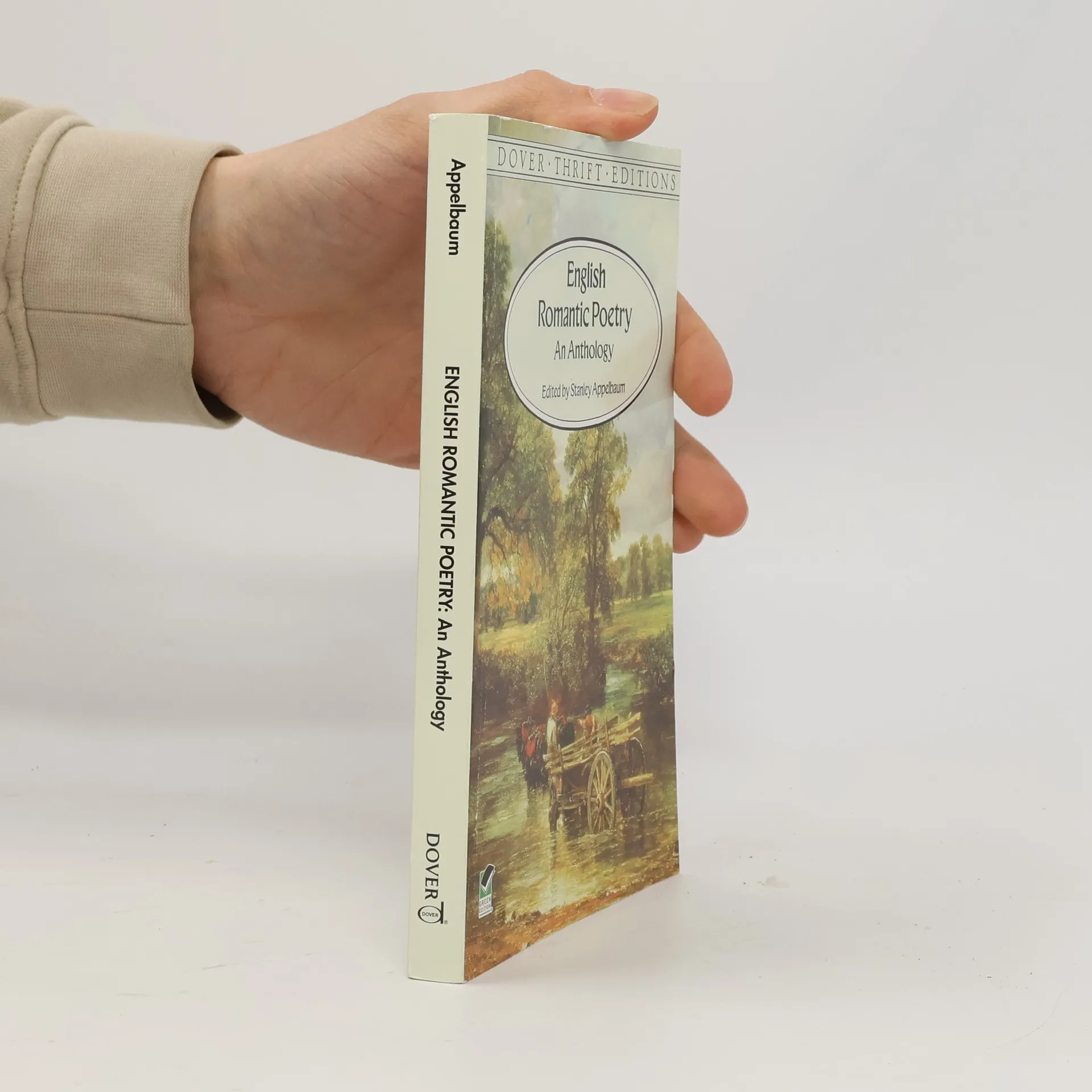
English romantic poetry : an anthology
- 240pages
- 9 heures de lecture
Encompassing a broad range of subjects, styles and moods, English poetry of the late 18th and early 19th centuries is generally classified under the term "Romantic," suggesting an emphasis on imagination and individual experiance, as well as a preoccupation with such themes as nature, death and the supernatural.This volume contains a rich selection of poems by England's six greatest Romantic poets: William Blake (24 poems, including "The Tyger" and "Auguries of Innocence"), William Wordsworth (27 poems, including "Ode: Intimations of Immortality" and "I wandered lonely as a cloud"), Samuel Taylor Coleridge (10 poems, including "The Rime of the Ancient Mariner" and "Kubla Khan"), Lord Byron (16 poems, including "The Prisoner of Chillon" and selections from Don Juan and Childe Harold's Pilgrimage), Percy Bysshe Shelley (24 poems, including "Ode to the West Wind" and "Adonais") and John Keats (22 poems, including all the great odes, "Isabelle" and "The Eve of St. Agnes"). For this edition, Stanley Appelbaum has provided a concise Introduction to the Romantic period and brief commentaries on the poets represented. The result is a carefully selected anthology that will be welcomed by lovers of poetry, students and teachers alike.
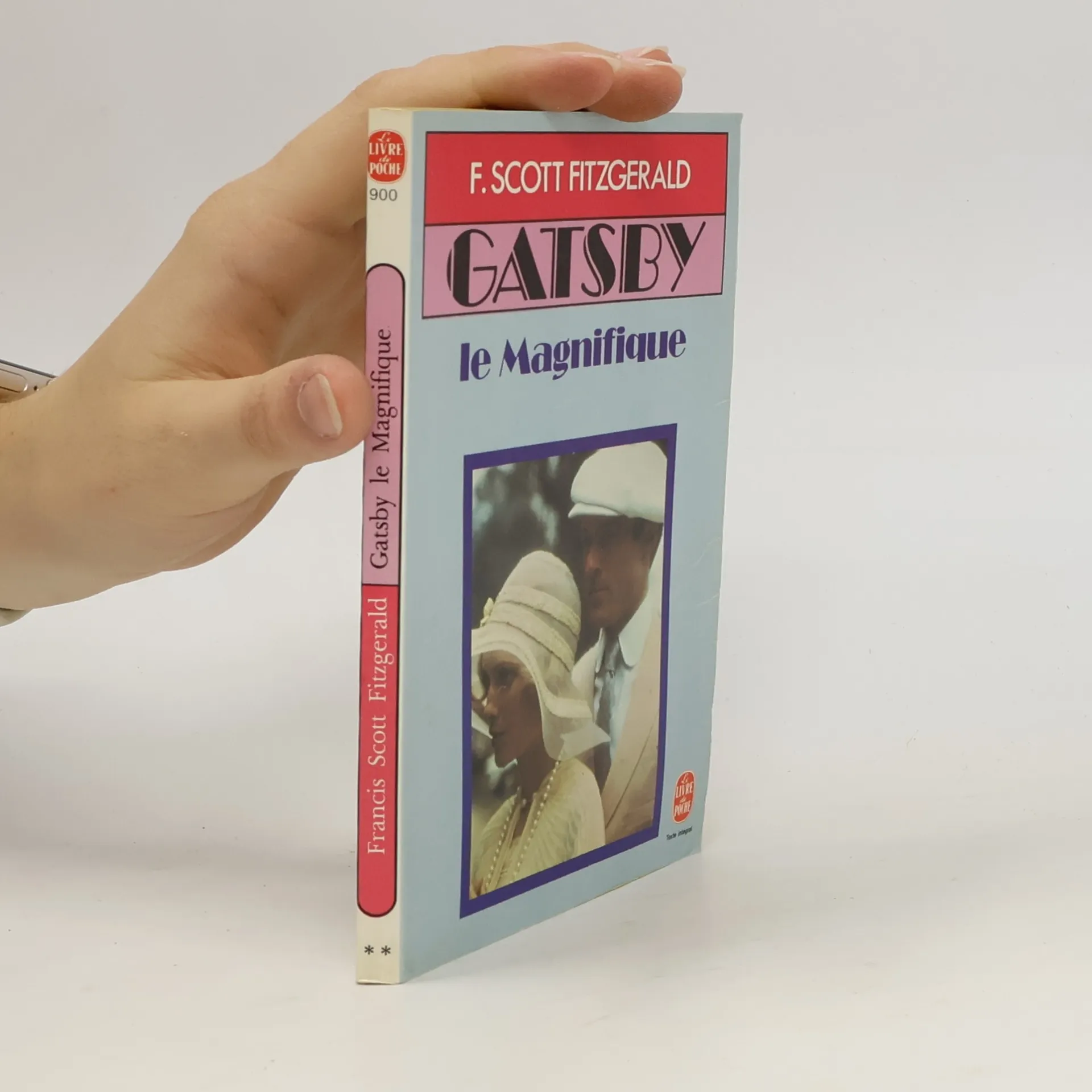
New York, années folles… Dans sa somptueuse demeure de Long Island, Jay Gatsby organise de fastueuses réceptions où les invités se pressent en foule. Mais leur hôte ne cherche à éblouir qu’une seule personne : Daisy Buchanan. Elle est élégante, riche, séduisante, mais elle est la femme d’un héritier millionnaire… Avec ce texte devenu un classique, Fitzgerald, sur un air de jazz et une coupe de champagne à la main, met à nu le Rêve américain et écrit l’un des plus beaux romans du XXe siècle, ici présenté dans la traduction de référence, par Jacques Tournier.
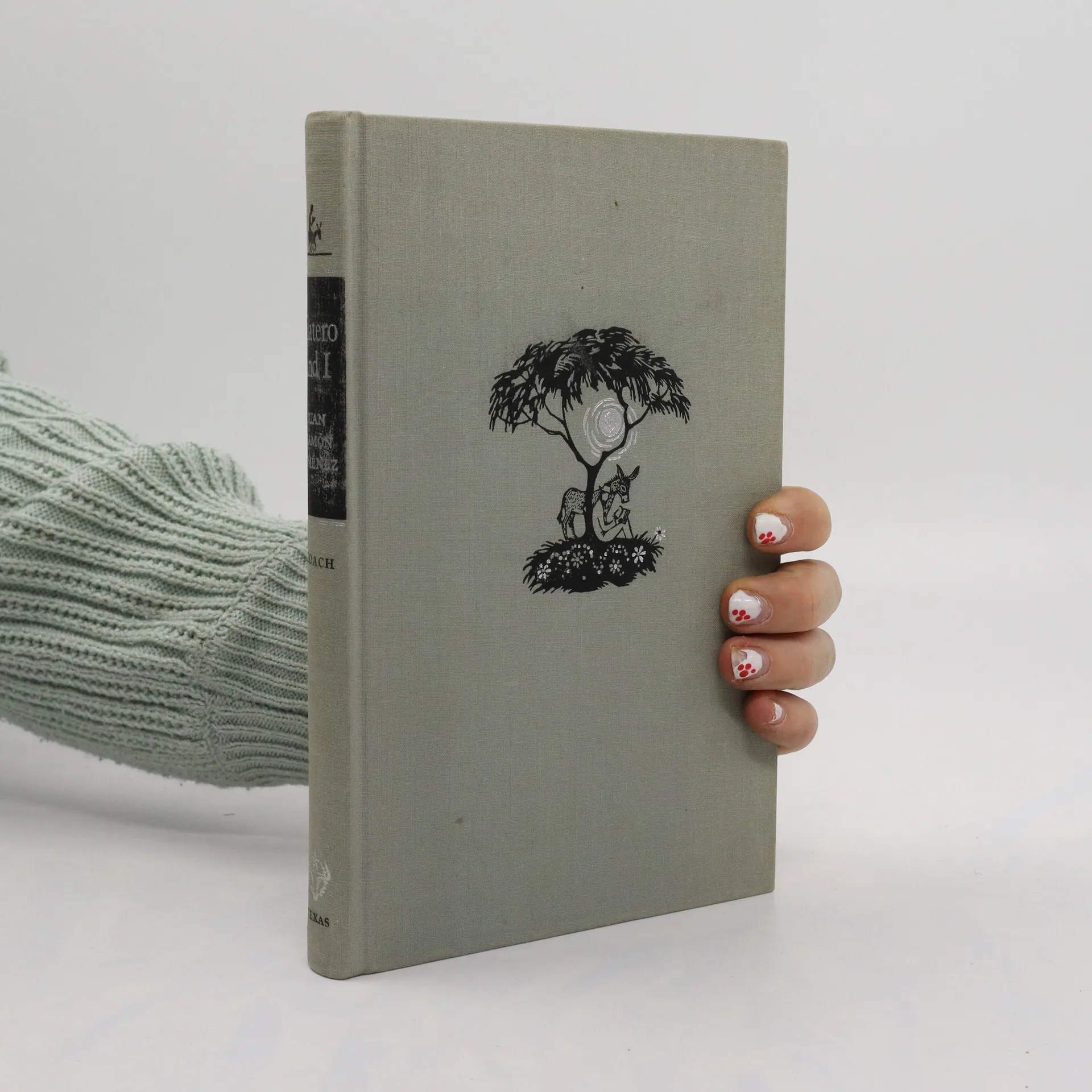
“An exquisite book, rich, shimmering, and truly incomparable.” —The New Yorker This lyric portrait of a boy’s companionship with his little donkey, Platero, is the masterpiece of Juan Ramón Jiménez, the Spanish poet awarded the 1956 Nobel Prize for Literature. Poetic, elegiac, it reveals the simple pleasures of life in a in a remote Andalusian village and is a classic work of literature, beloved by adults and children alike.
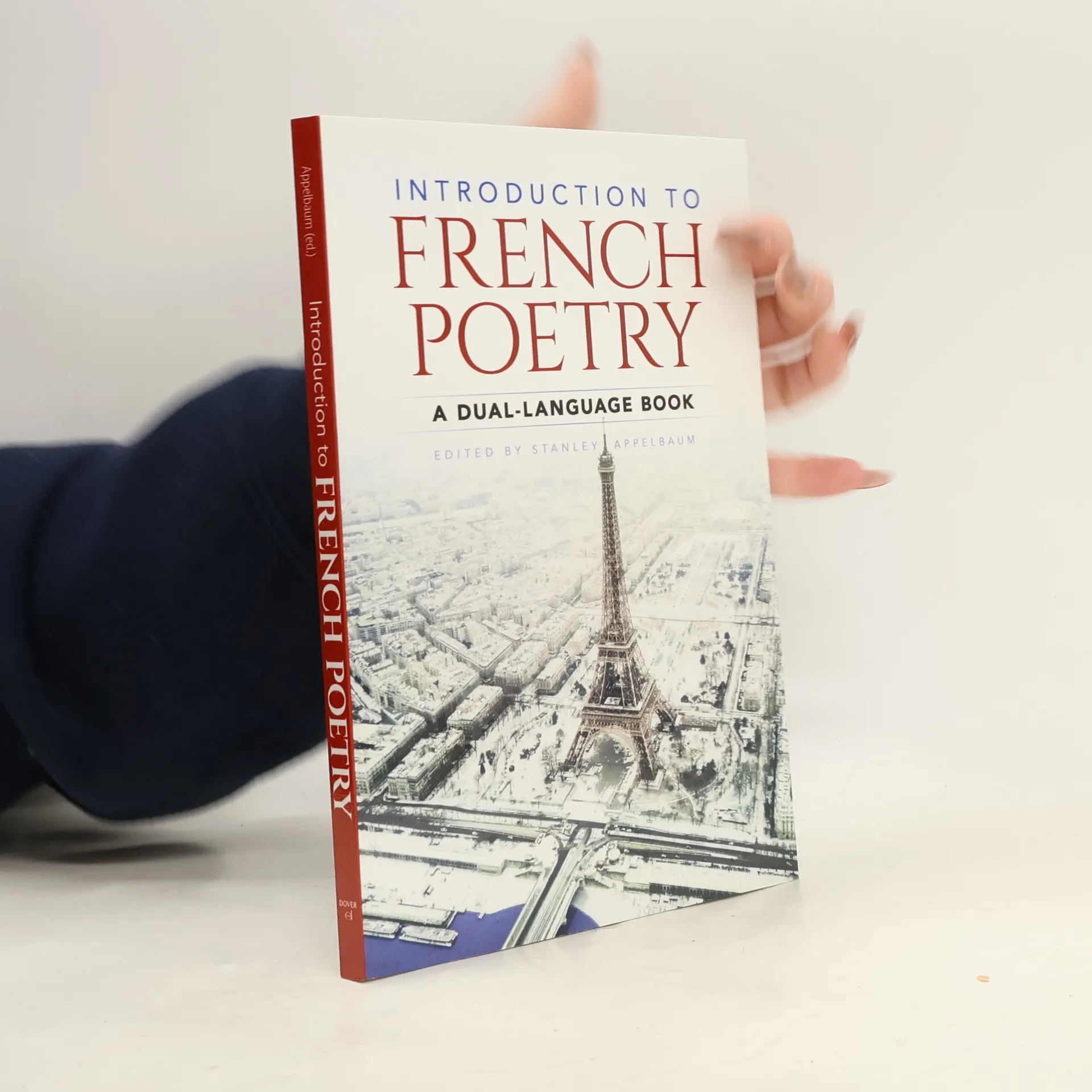
This book offers a comprehensive survey of French poetry, featuring works by 30 of the country's most significant poets from the mid-15th century to the present. Notable figures include Charles d'Orléans, François Villon, Ronsard, Voltaire, Baudelaire, and Rimbaud, alongside lesser-known yet influential poets like Scève and Malherbe. The anthology presents French texts from reputable critical editions, with clear prose translations by Stanley Applebaum on facing pages, allowing readers to appreciate the original poems without the translator imposing a poetic style. An introductory essay succinctly summarizes the formal aspects of versification, detailing the evolution of rhyme, meter, enjambement, and innovations introduced by Apollinaire and his contemporaries. Each poet is accompanied by a biographical and critical essay that highlights their individual contributions and the broader progression of French poetry. Illustrations, typically portraits of the poets, enhance the selections. This anthology's clarity, comprehensiveness, and affordability make it an excellent resource for those new to French poetry, providing an engaging way to learn vocabulary and grammar while exploring the rich poetic tradition.
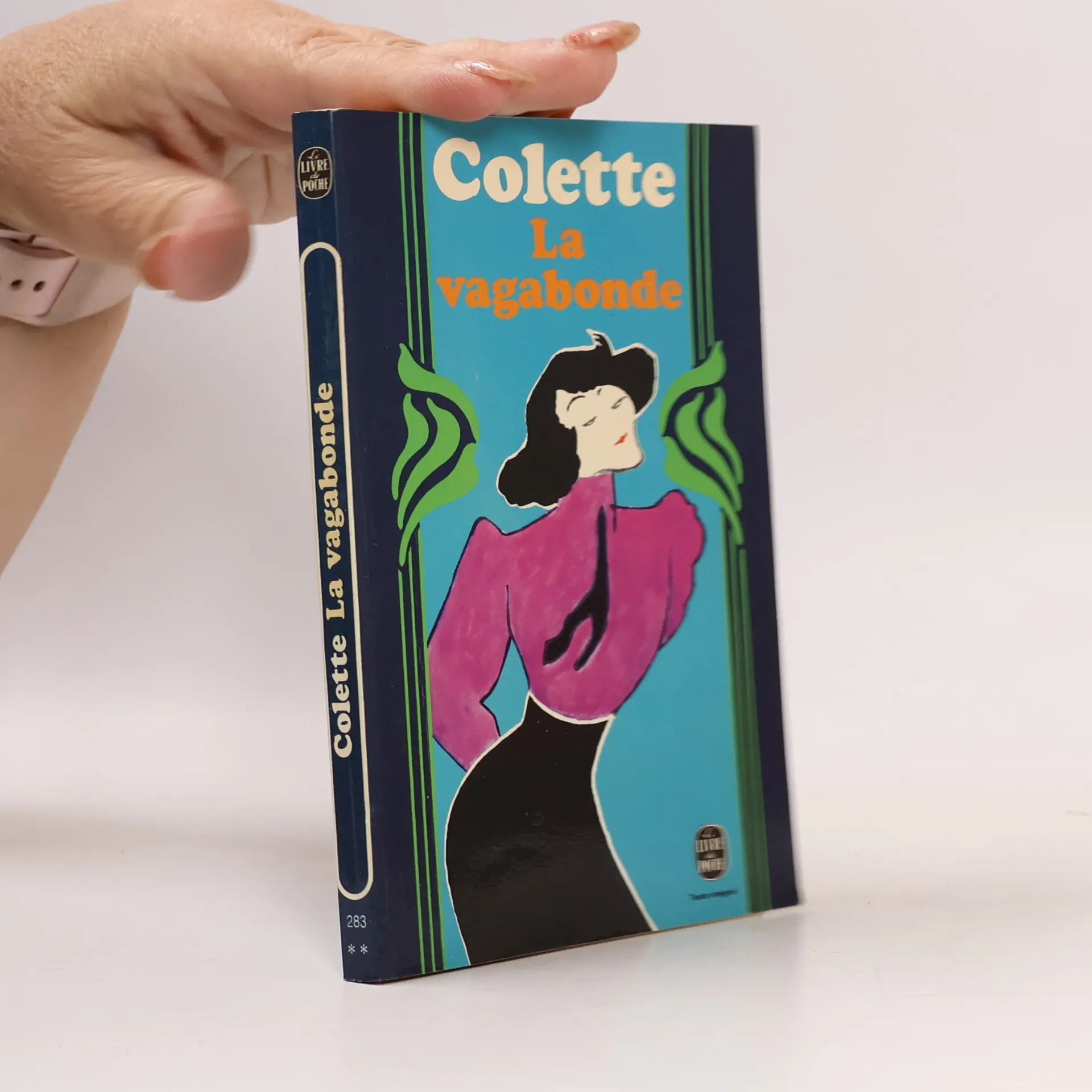
Comme Colette après sa séparation d'avec Willy, Renée Néré doit subvenir à ses besoins en se produisant sur des scènes de music halls ; marginale et déclassée, elle devient aussi une vagabonde sentimentale qui, après quelque temps d'une liaison pourtant heureuse, retrouve sa peur d'être un jour de nouveau prisonnière. Itinéraire parfois douloureux d'une femme indépendante au début du siècle, qui préfère renoncer à l'amour avant l'heure des regrets, évocation de la vie brillante et misérable des troupes de cafés concerts et des coulisses des petits théâtres, La Vagabonde est un des romans les plus personnels de Colette, où elle approfondit avec une sensibilité pudique et frémissante son investigation psychologique. (Babelio)
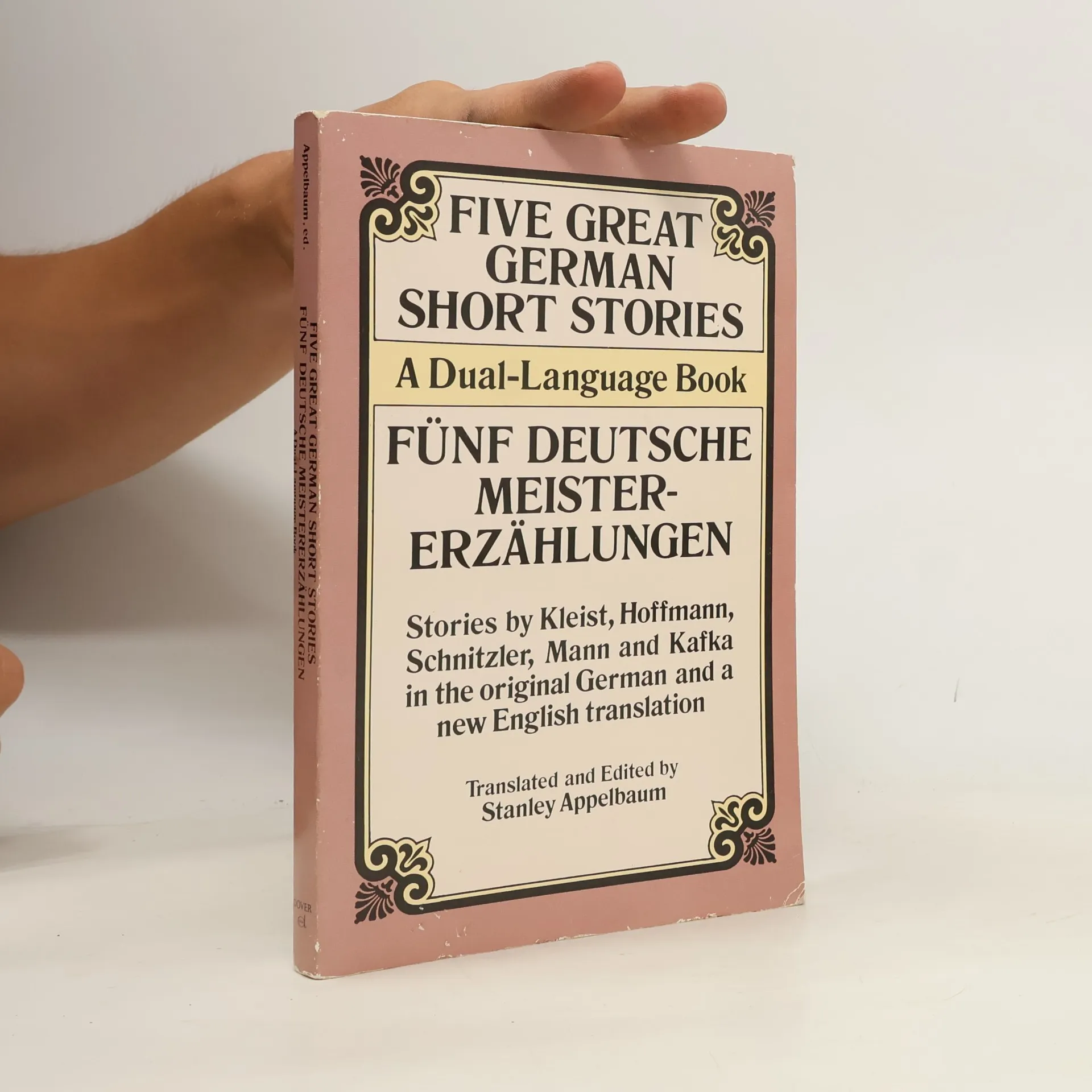
Five outstanding selections from noble tradition: Heinrich von Kleist's "The Earthquake in Chile," E. T. A. Hoffmann's "The Sandman," Arthur Schnitzler's "Lieutenant Gustl," Thomas Mann's "Tristan," and Franz Kafka's "The Judgment." For each selection the editor has supplied complete literal English translations on facing pages. Foreword. Introduction to each story.
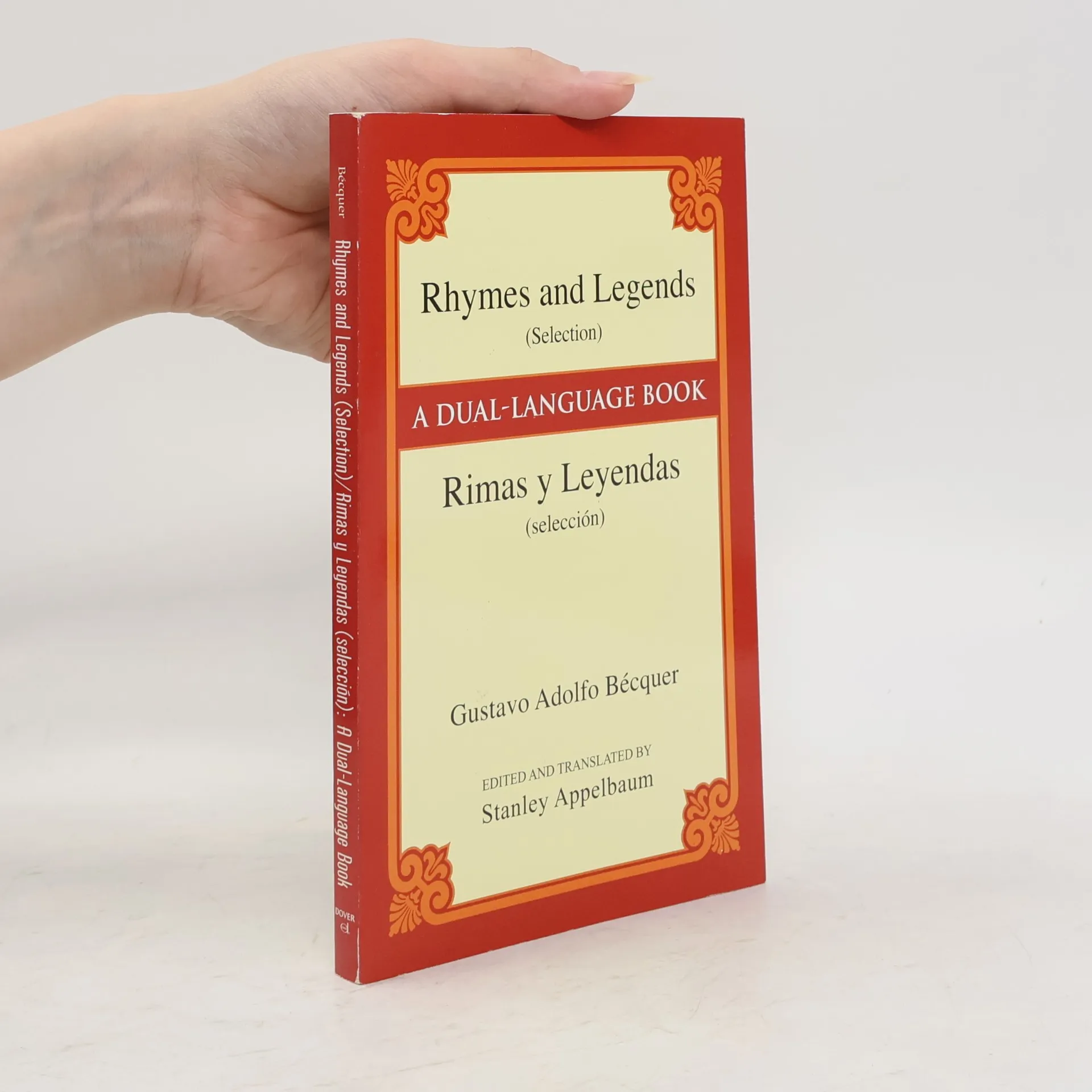
Rhymes and Legends (Selection) / Rimas y Leyendas (selección)
- 224pages
- 8 heures de lecture
The famed nineteenth-century lyric poet Gustavo Adolfo Becquer (1836-1870) is best known for the two works in this collection. Usually published together, they include his celebrated "Rhymes--a suite of poems characterized by melancholy and bitterness. The romantic tales comprising "Legends have varied themes: some depict supernatural and semi-religious events; others describe common occurrences from a romantic point of view
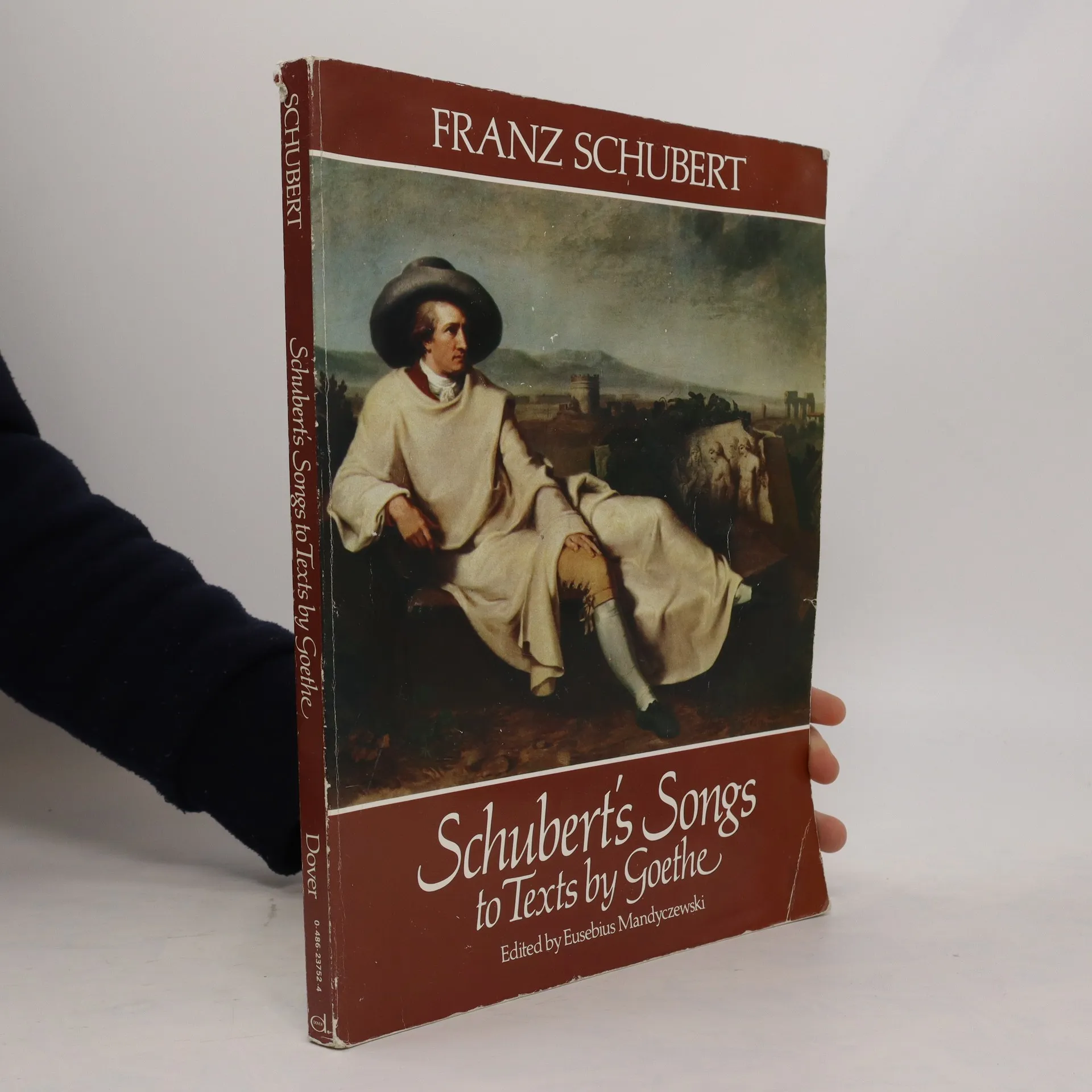
Schubert's songs to texts by Goethe
- 256pages
- 9 heures de lecture
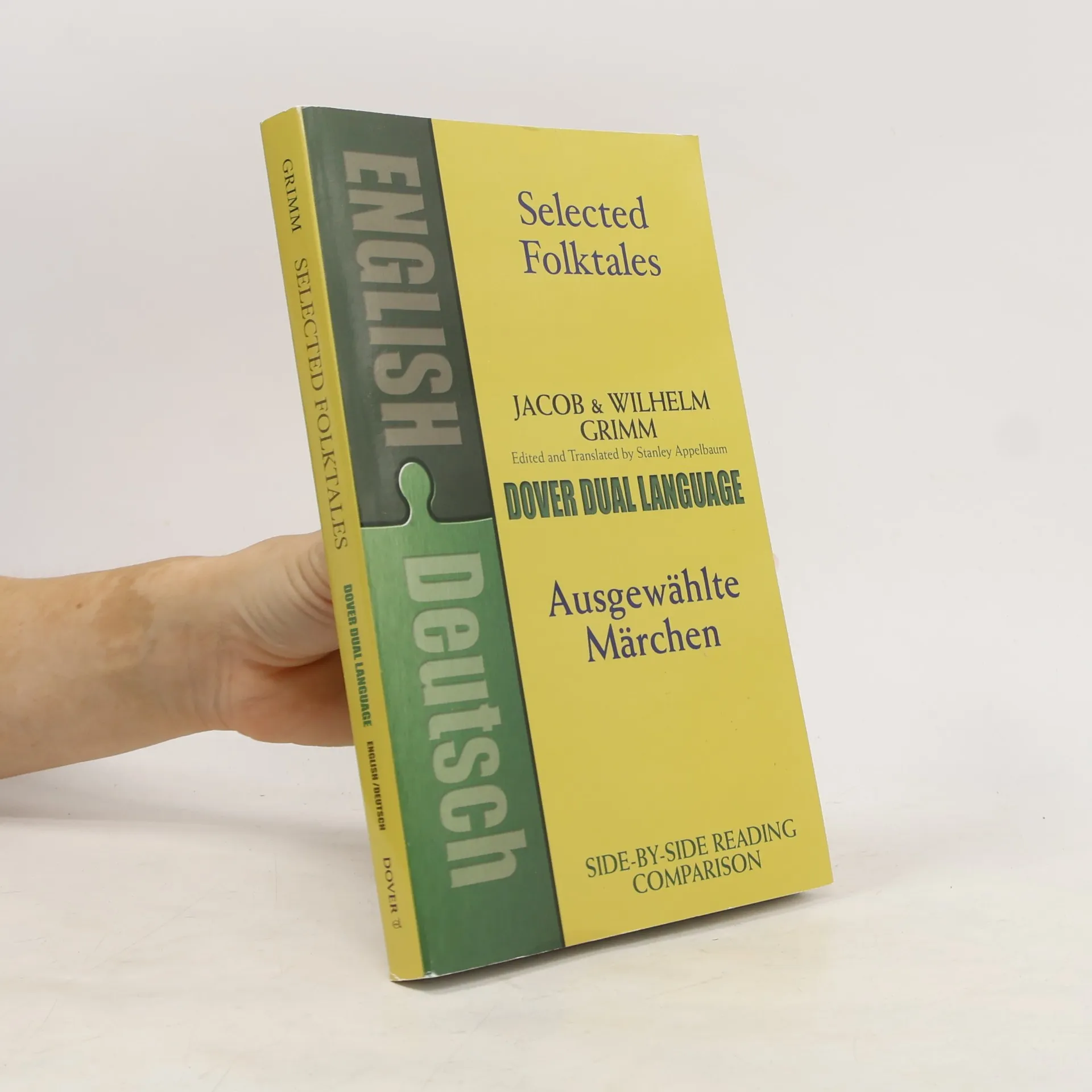
Selected Folktales / Ausgewählte Märchen
- 256pages
- 9 heures de lecture
These 27 world-famous fairy tales have inspired countless adaptations in many languages and all public media and have, for millions of people, become an integral part of childhood. Included are such favorites as "Hansel and Gretel," "The Brave Little Tailor," "Cinderella," "Little Red Riding Hood," "Sleeping Beauty," and "Snow White" as well as less familiar ones: "The Danced-Out Shoes," "The Golden Bird," "The Six Swans," "Mother Holle," and "Straw, Coal and Bean." Stanley Appelbaum provides excellent English translations on pages facing the original German, allowing students to read some of the finest stories of the Brothers Grimm in the original while simultaneously improving their German language skills.