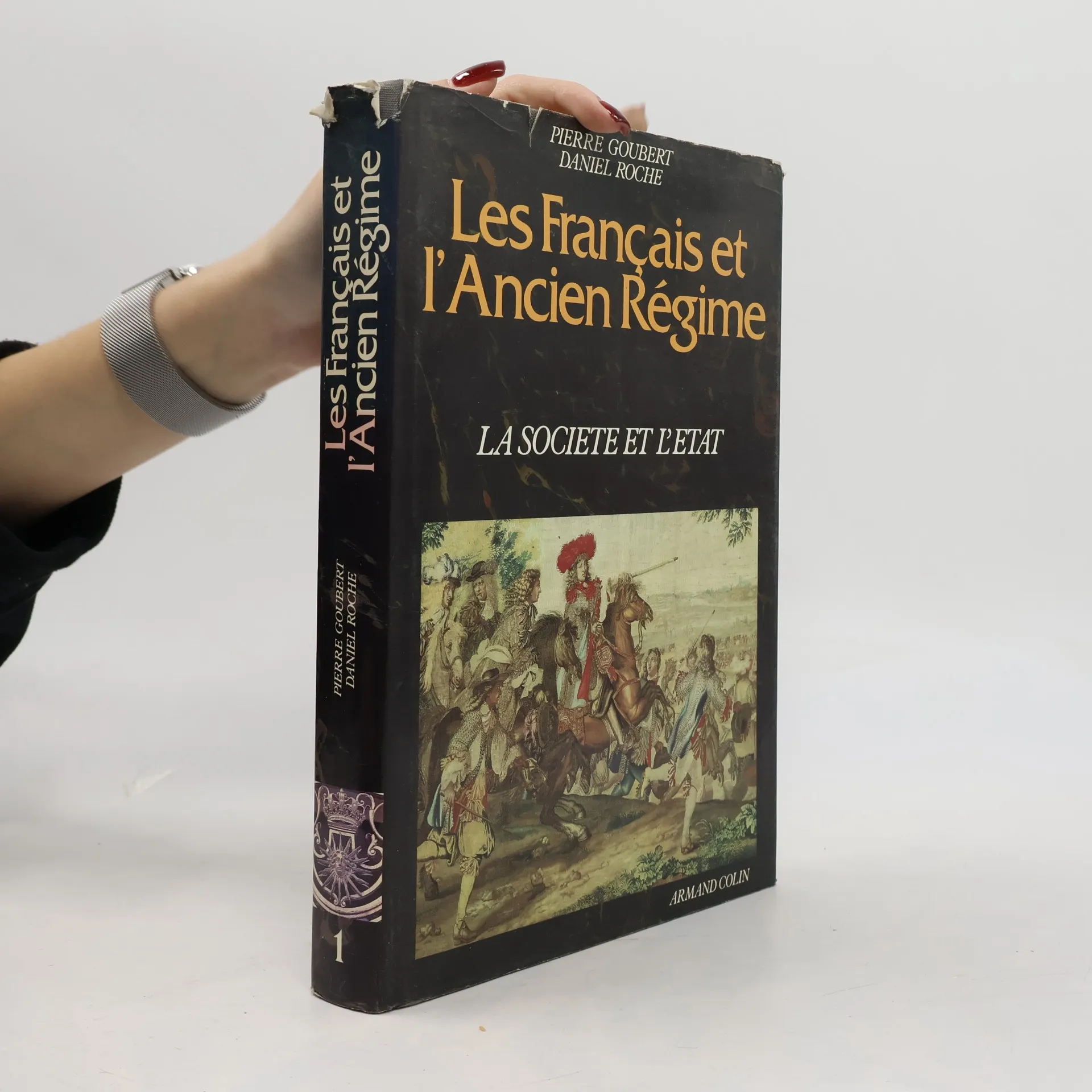
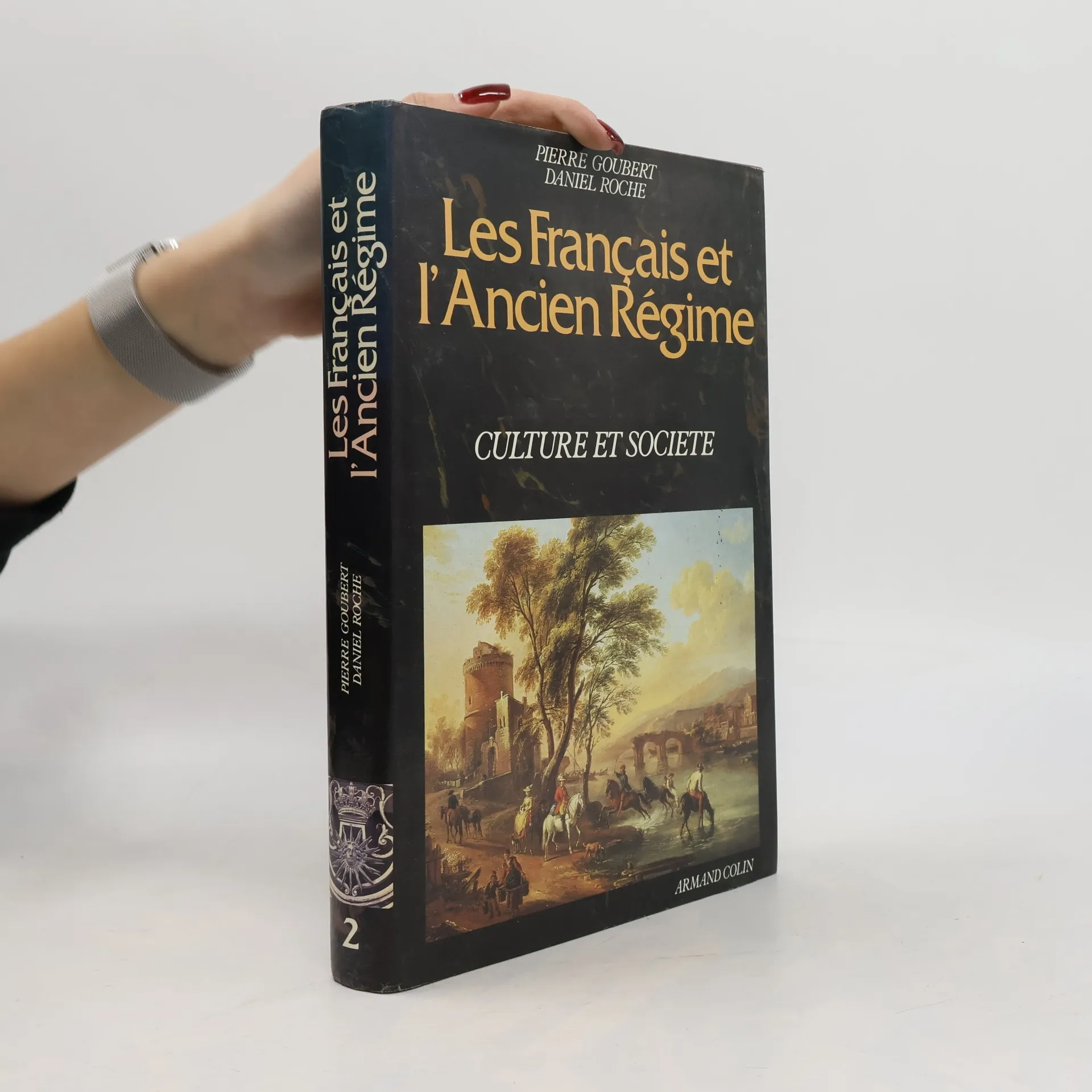
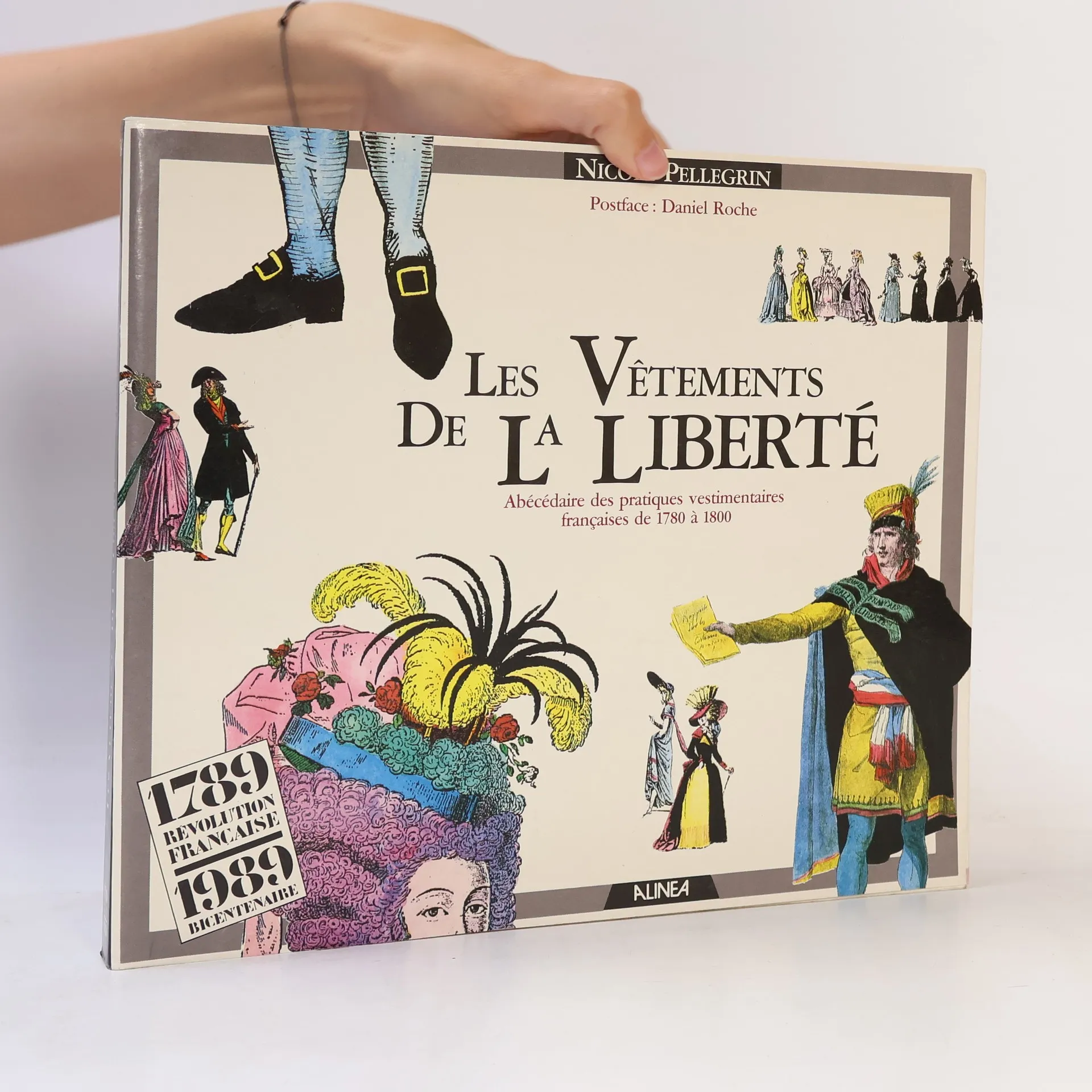
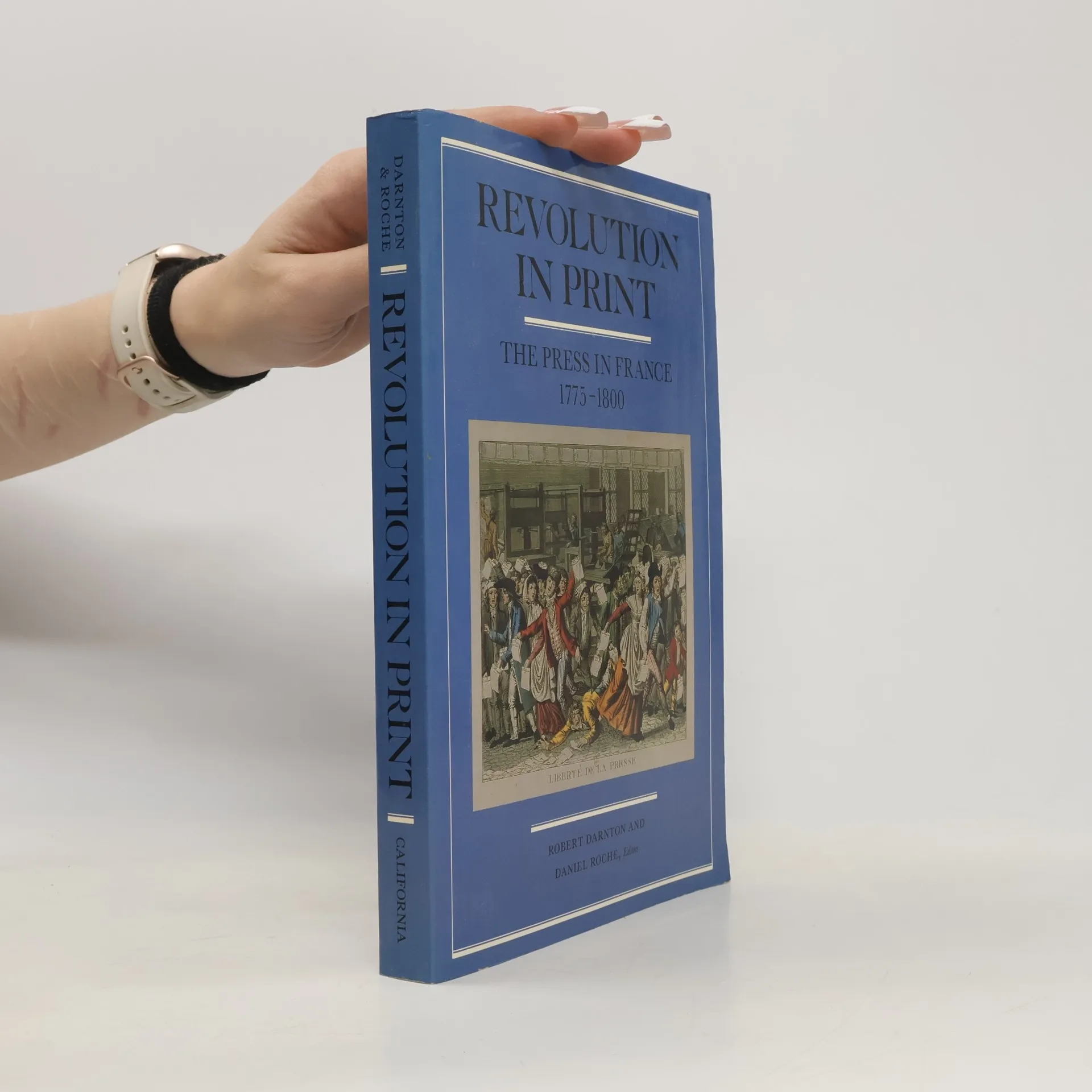
Daniel Roche est un historien social et culturel français dont les recherches se concentrent principalement sur l'histoire culturelle de la France durant les dernières années de l'Ancien Régime. Il explore la vie quotidienne, les mentalités et les transformations sociales qui ont façonné la société française à l'approche de la Révolution. Son travail met en lumière les nuances subtiles et les processus complexes qui ont guidé l'évolution de la culture et de la société françaises. Les analyses de Roche offrent un aperçu profond de la mentalité et des coutumes des habitants de l'époque.
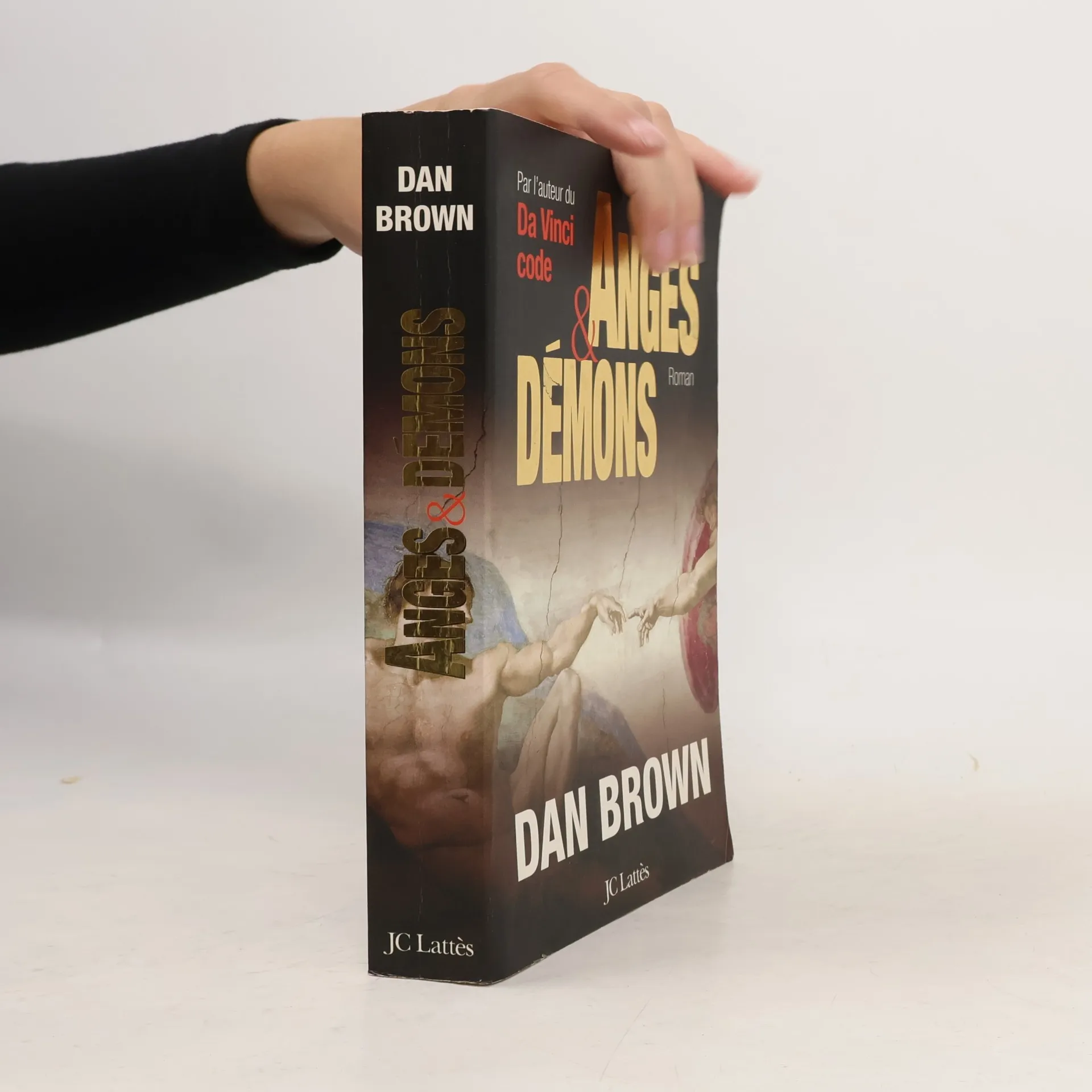
Robert Langdon, professeur d'histoire de l'art et de symbologie religieuse, est appelé pour déchiffrer un symbole gravé au fer rouge sur la poitrine d'un scientifique qui vient d'être assassiné. Ce symbole est celui des Illuminati, une antique confrérie secrète qui a juré d'anéantir l'Eglise catholique et qui vient justement de dérober une substance très dangereuse
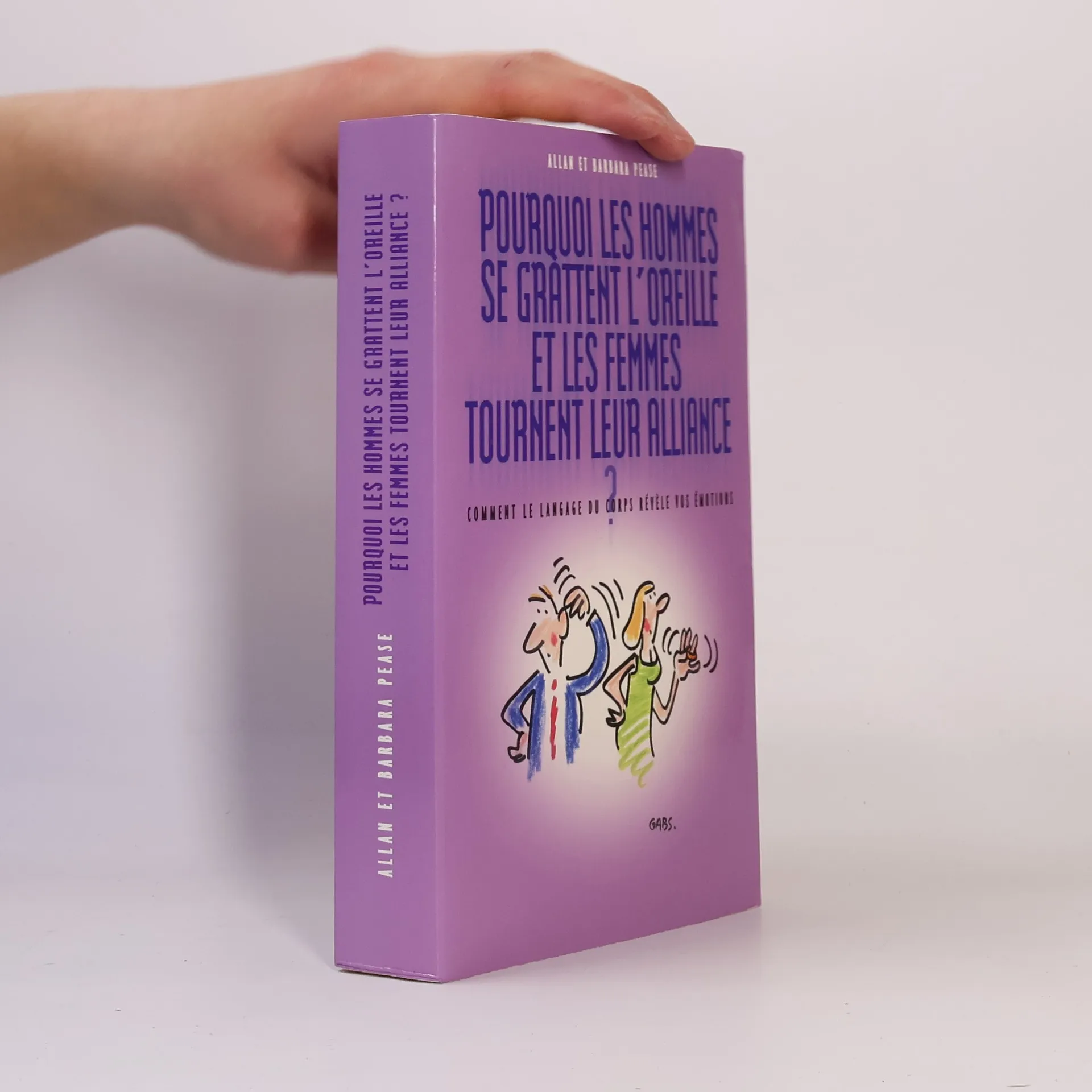
We all know that what people say is often very different from what they think or feel. Now with Body Language, you can learn to read others' thoughts by their gestures. You can use it to tell if someone is lying. Find out how to make yourself likeable, and how to encourage co-operation from other people. You can use it in countless work situations, including how to interview and negotiate successfully. You can even use it to find a compatible friend or partner. Over half a million people have learned the secrets of body language with Allan Pease, and you can too.
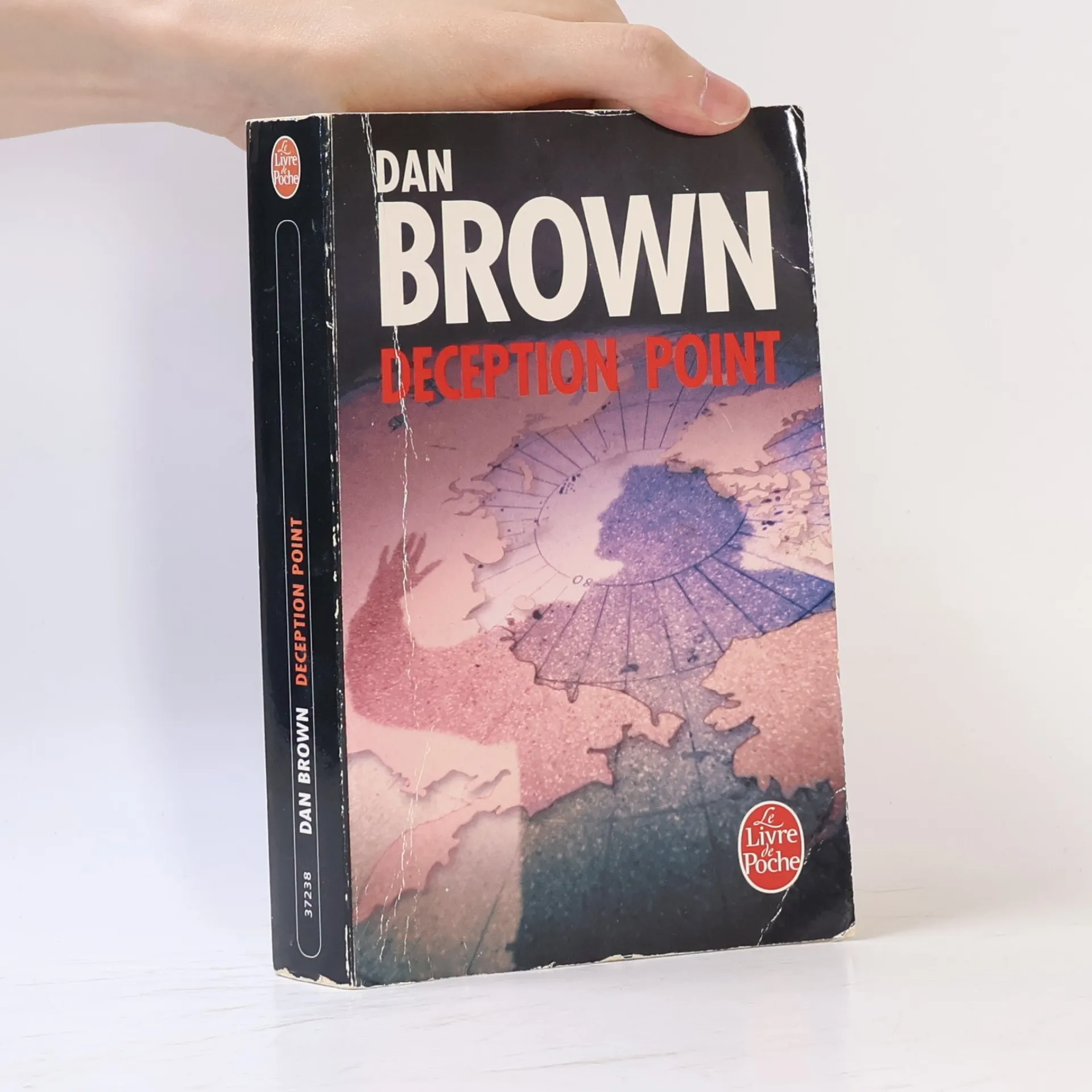
Stupéfiante découverte scientifique ou manipulation diabolique ? Du Grand Nord aux grands fonds, un thriller mené à un train d’enfer. Quand un satellite de la NASA détecte une météorite d’une exceptionnelle rareté enfouie sous les glaces du cercle polaire, cela tombe à pic pour l’agence spatiale, impatiente de faire oublier une série d’opérations ratées. À la veille de l’élection présidentielle, alors que son avenir politique est en jeu, le président des États-Unis envoie dans l’Arctique Rachel Sexton, analyste des services secrets, vérifier l’authenticité de cette découverte. Elle y rejoint une équipe d’experts, dont le charismatique océanologue Michael Tolland. Ce que Rachel va découvrir est presque inconcevable : une mystification audacieuse qui risque de déclencher un scandale mondial.
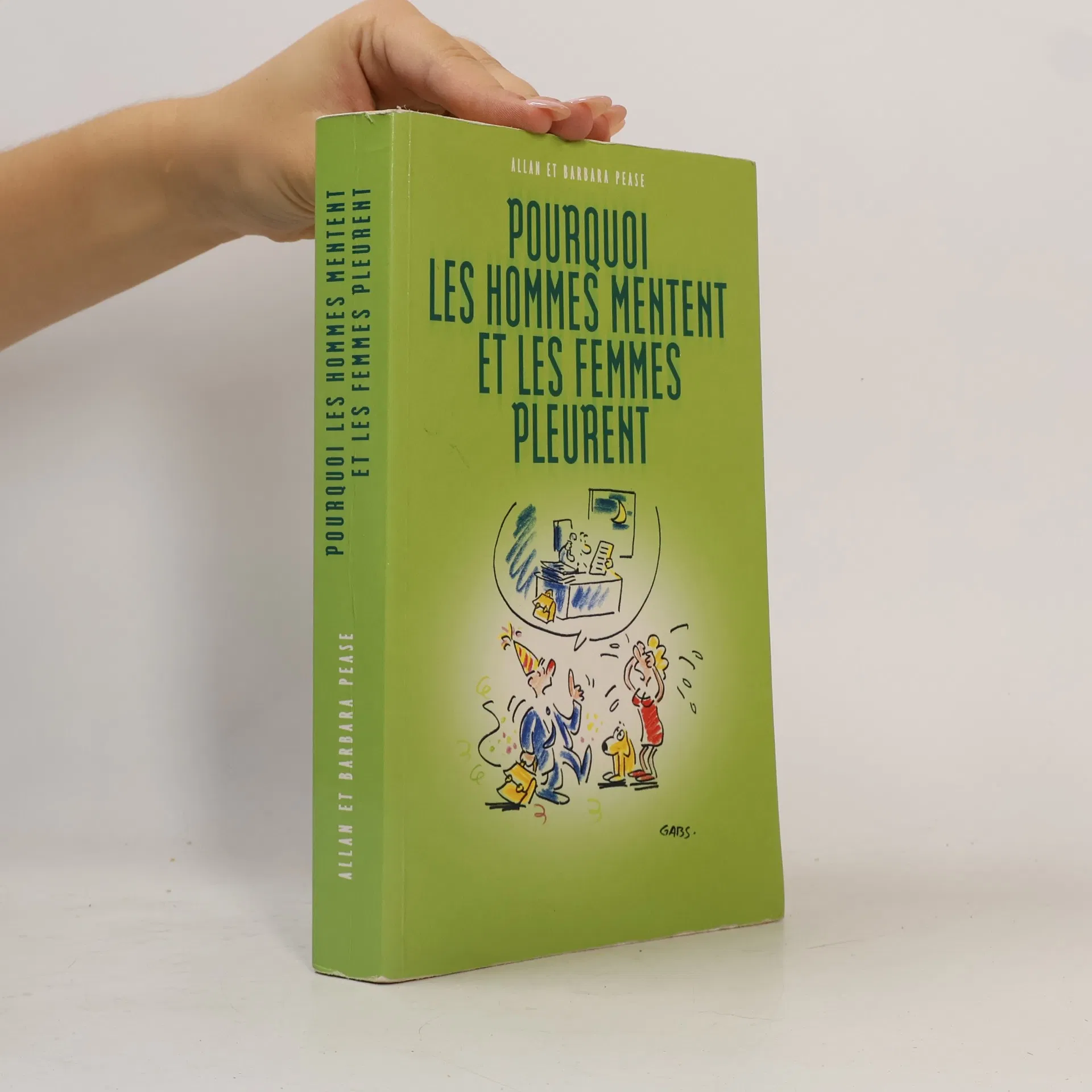
Kniha Prečo muži klamú a ženy plačú je pokračovaním úspešného bestselleru Prečo muži nepočúvajú a ženy sa nevyznajú v mape. Autori Barbara a Allan Peasovci opäť nenapodobiteľne skombinovali vedecké poznatky, pozorovanie medziľudskej komunikácie a neodolateľný humor. Nájdete v nej praktické a ľahko stráviteľné rady, ktoré vám pomôžu skvalitniť osobné i pracovné vzťahy. Kniha vám okrem iného prezradí, prečo sa muži vyhýbajú záväzkom, prečo ženy plačú a citovo vydierajú mužov, prečo muži klamú a majú pocit, že im ženy neustále niečo vyčítajú! ALLAN PEASE je autorom bestselleru Reč tela, z ktorého sa predalo viac ako štyri milióny výtlačkov. Napísal aj ďalšie štyri bestsellery. BARBARA PEASOVÁ je výkonnou riaditeľkou inštitúcie Pease International, ktorá vydáva videonahrávky a organizuje kurzy a semináre pre obchodné a vládne kruhy po celom svete. Sú medzinárodne uznávanými odborníkmi v oblasti ľudských vzťahov a komunikácie. Spolu napísali ďalšie dva bestsellery: Prečo muži nepočúvajú a ženy sa nevyznajú v mape a Prečo muži nemôžu robiť viac vecí súčasne a ženy rady rozprávajú.
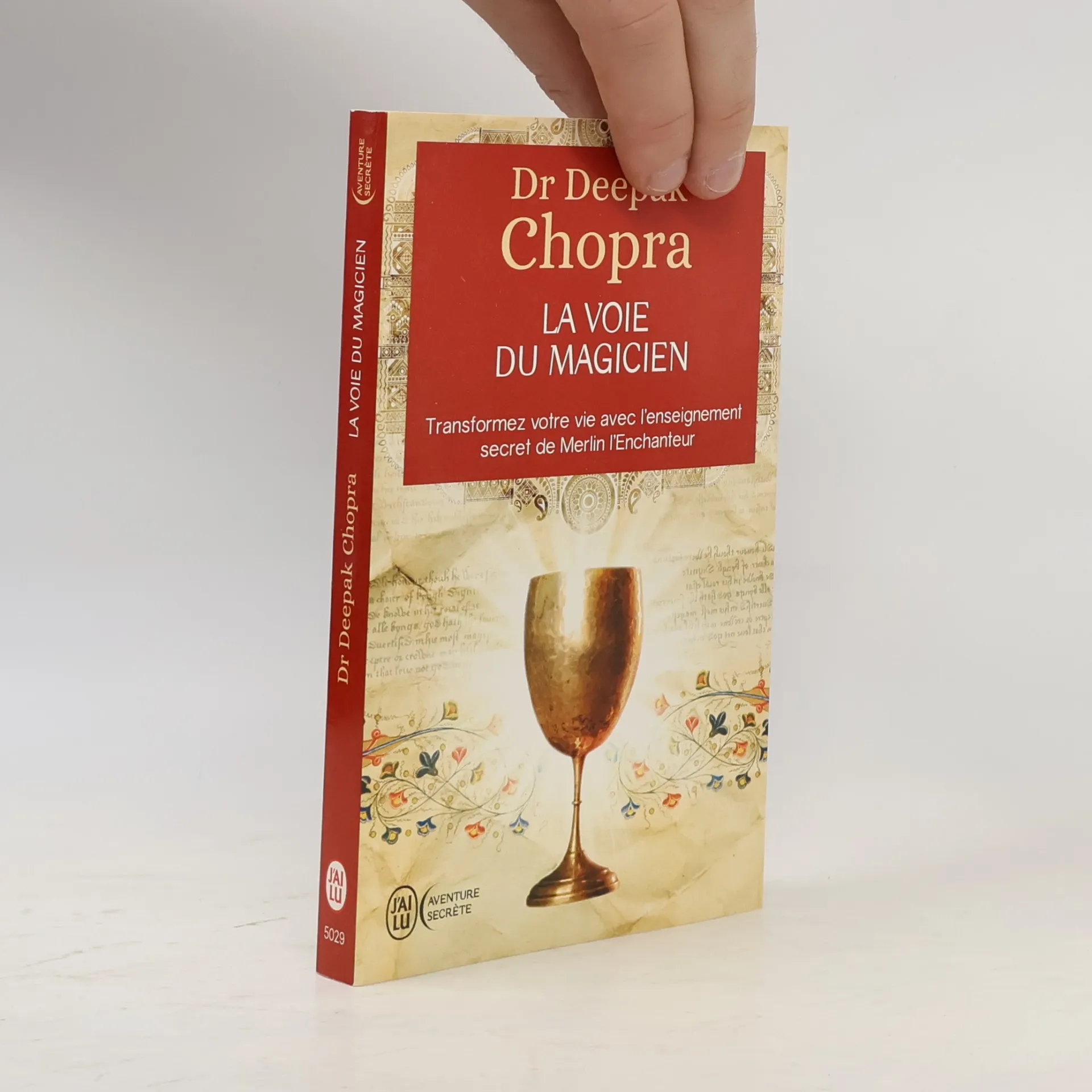
Transformez votre vie avec l'enseignement secret de Merlin l'enchanteur
249pages
9 heures de lecture
The author of the acclaimed New York Times bestsellers The Seven Spiritual Laws of Success and Ageless Body, Timeless Mind now presents a guide to using spiritual alchemy for awakening the magic in everyday life.
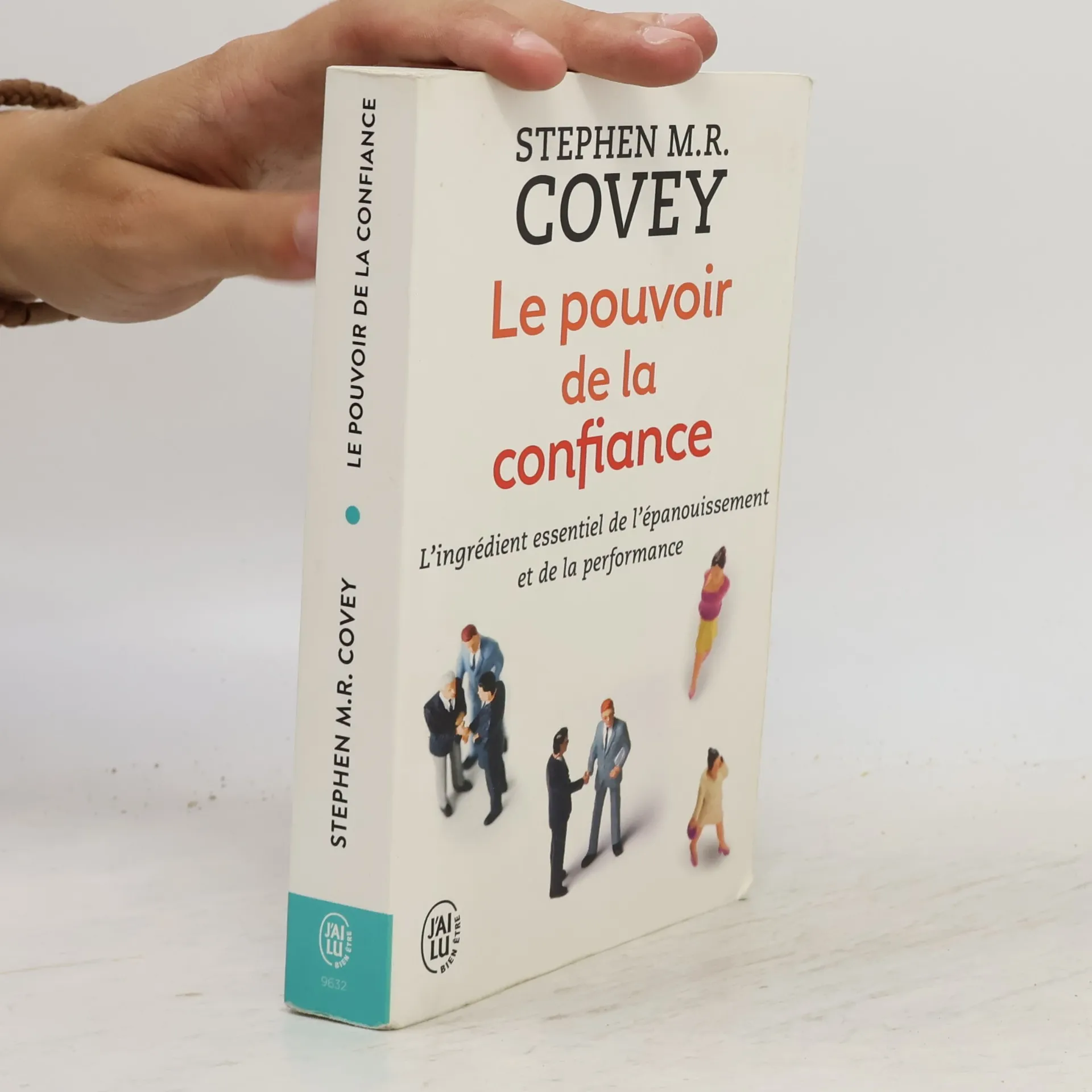
This is a special live and impromptu recording between Dr. Stephen R. Covey, best-selling author of The 7 Habits of Highly Effective People, and his son, best-selling author of The Speed of Trust, Stephen M.R. Covey: A Conversation on Trust. Just like the ripples caused by throwing a pebble in a pond, trust begins within each of us personally, continues into all of our relationships, expands into our organization, extends into our marketplace relationships, and ultimately encompasses our global society at large.
Les mémoires d'un guerrier de l'ombre sur les fronts de l'islamisme
400pages
14 heures de lecture
Liban, Libye, Soudan, Asie centrale, Irak... pendant vingt ans, Robert Baer, de la division des opérations clandestines, a combattu sur tous les fronts de l'islamisme. Pendant vingt ans, surtout, il a lutté contre les hésitations de la Maison Blanche, les errances des politiques, les rivalités des technocrates, les manipulations du lobby du pétrole et le règne du politiquement correct. Aujourd'hui, racontant son engagement, c'est l'essor du terrorisme planétaire et l'échec des premiers services secrets du monde qu'il décrit, de l'intérieur, mission après mission. Des otages occidentaux de Beyrouth aux révoltes kurdes après la guerre du Golfe, des mafias ex-soviétiques au scandale de l'Irangate, des réseaux islamistes en Europe à l'internationale des pétrodollars, Baer dévoile la part secrète des relations entre l'Occident et l'Orient dont Al Qaïda n'est que la face émergée. Son livre, tout à la fois témoignage vécu, chronique de l'histoire immédiate et leçon de géopolitique, se lit comme un vrai thriller.
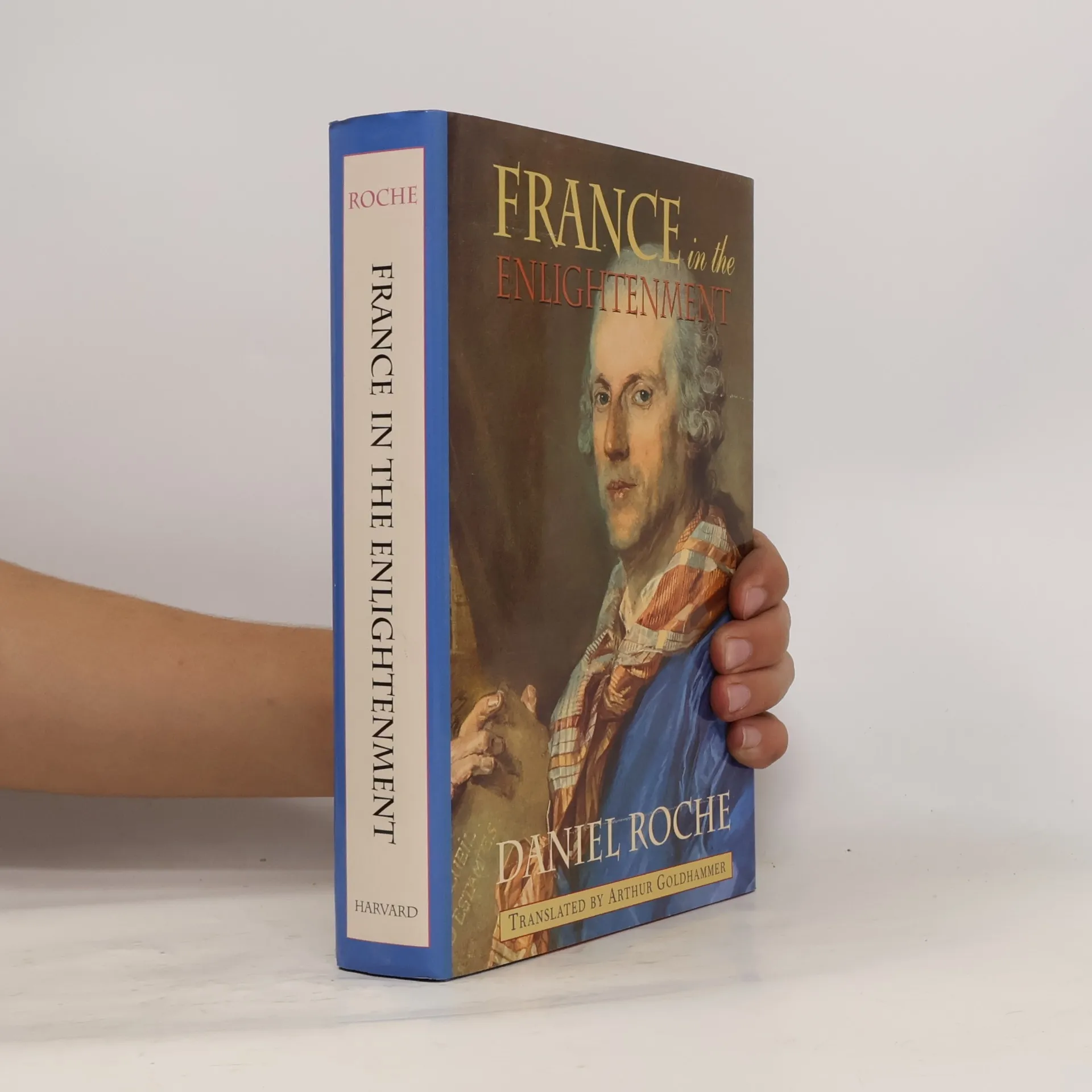
"France in the Enlightenment" brings the Old Regime to life by showing how its institutions operated and how they were understood by the people who worked within them. Daniel Roche begins with a map of space and time, depicting France as a mosaic of overlapping geographical units, with people and goods traversing it to the rhythms of everyday life. He fills this frame with the patterns of rural life, urban culture, and government institutions. Here as never before we see the 18th-century French "culture of appearances": the organization of social life, the diffusion of ideas, the accoutrements of ordinary people in the folkways of ordinary living - their food and clothing, living quarters, reading material. Roche shows us the 18th-century France of the peasant, the merchant, the noble, the King, from Paris to the provinces, from the public space to the private home.
Now with a fantastic redesigned cover to tie in with the new Just William BBC television series! "I din' take it," William said. "Ethel took it. She - she sort of can't help herself. I always," he added virtuously, "try'n put back the things she's took." It all started with a rare event: William Brown read a book. And now he feels inspired to save his sister from a life of crime. The road to disaster is paved with William's good intentions. Ethel's behavior has been rather odd—more so than is usual in a girl. But William, the Brown family's moral guardian, is determined to "reform" her—whatever the consequences . . .