

Is conventional money simply a discourse? Is it merely a socially constructed unit of exchange? If money is not an actual thing, are people then free to make collective agreements to use other forms of currency that might work more effectively for them? Proponents of “better money” argue that they have created currencies that value people more than profitability, ensuring that human needs are met with reasonable costs and decent wages—and supporting local economies that emphasize local sustainability. How did proponents develop these new economies? Are their claims valid?Grappling with these questions and more, Money and Liberation examines the experiences of groups who have tried to build a more equitable world by inventing new forms of money. Presenting in-depth profiles of the trading networks that have been constructed both historically and more recently, including Local Exchange Trading Schemes (England), Green Dollars (New Zealand), Talente (Hungary), and the barter system in Argentina, Peter North shows how the use of currency has been redefined as part of political action, revealing surprising political ambiguity and a nuanced understanding of the potential and limits on alternative currencies as a resistance practice.Peter North is lecturer in geography at the University of Liverpool.
Peter North Livres
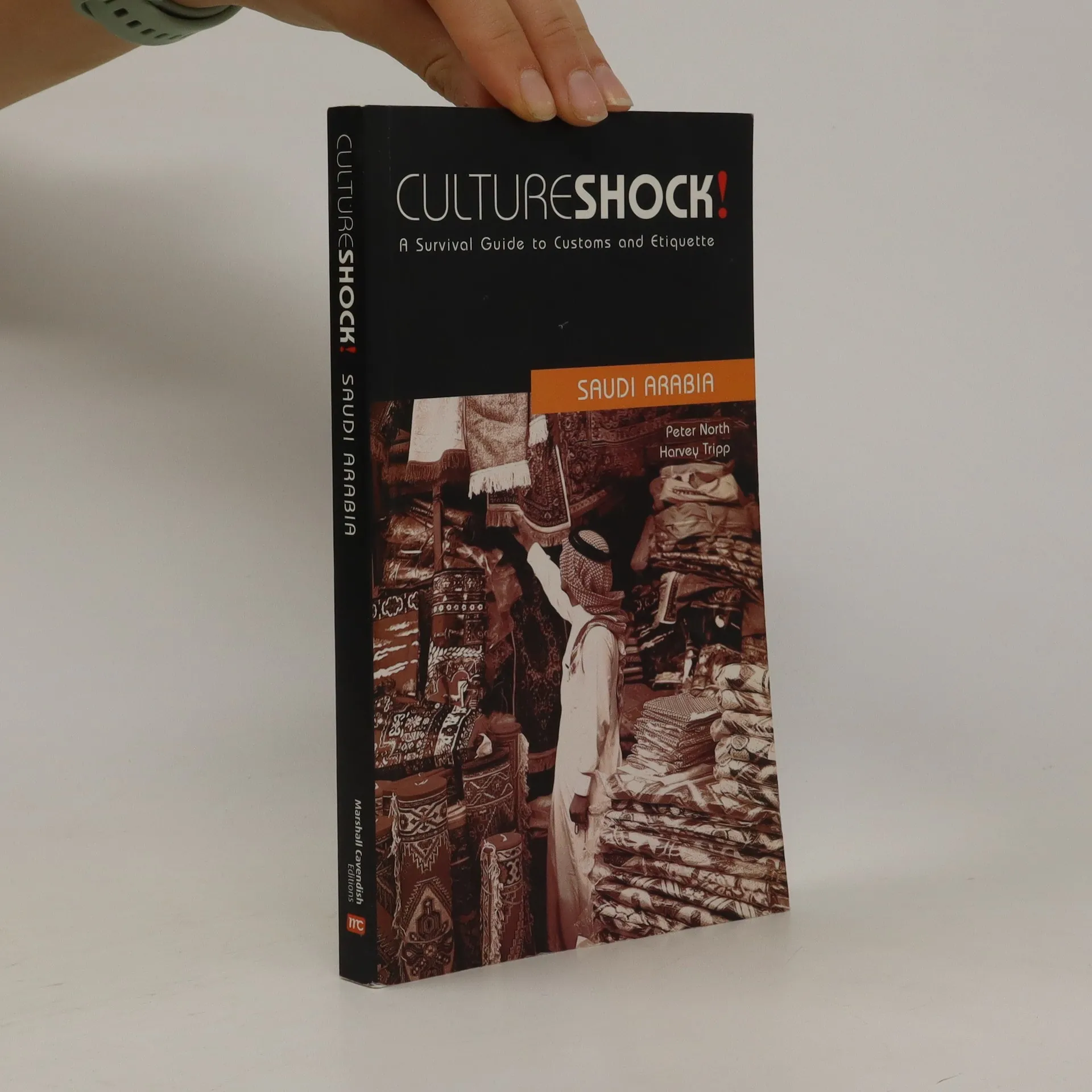

Cultureshock! A Survival Guide to Customs and Etiquette. Saudi Arabia.
- 270pages
- 10 heures de lecture
This series gives invaluable advice on adapting seamlessly into the local environment, insights into culture, etiquette and traditions, and essential survival tips and tricks. It also gives concise insights into history, language, cuisine and business practices.
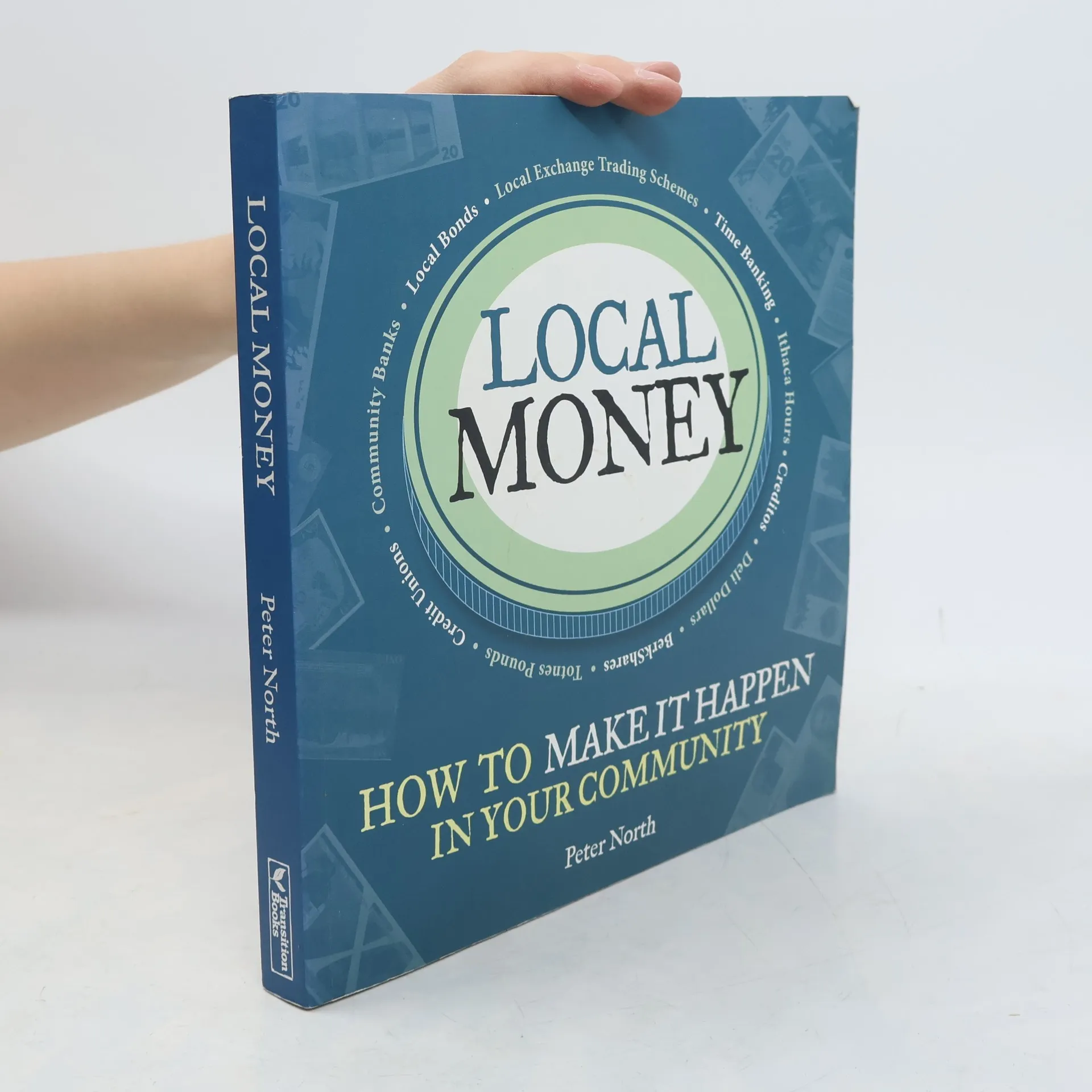
An inspiring yet practical new book, Local Money helps you understand what money is and what makes good and bad money. It draws on the considerable track record of experimentation with local money around the world and gives ideas to those in the Transition movement and beyond about what has been tried, what works, and what to avoid.
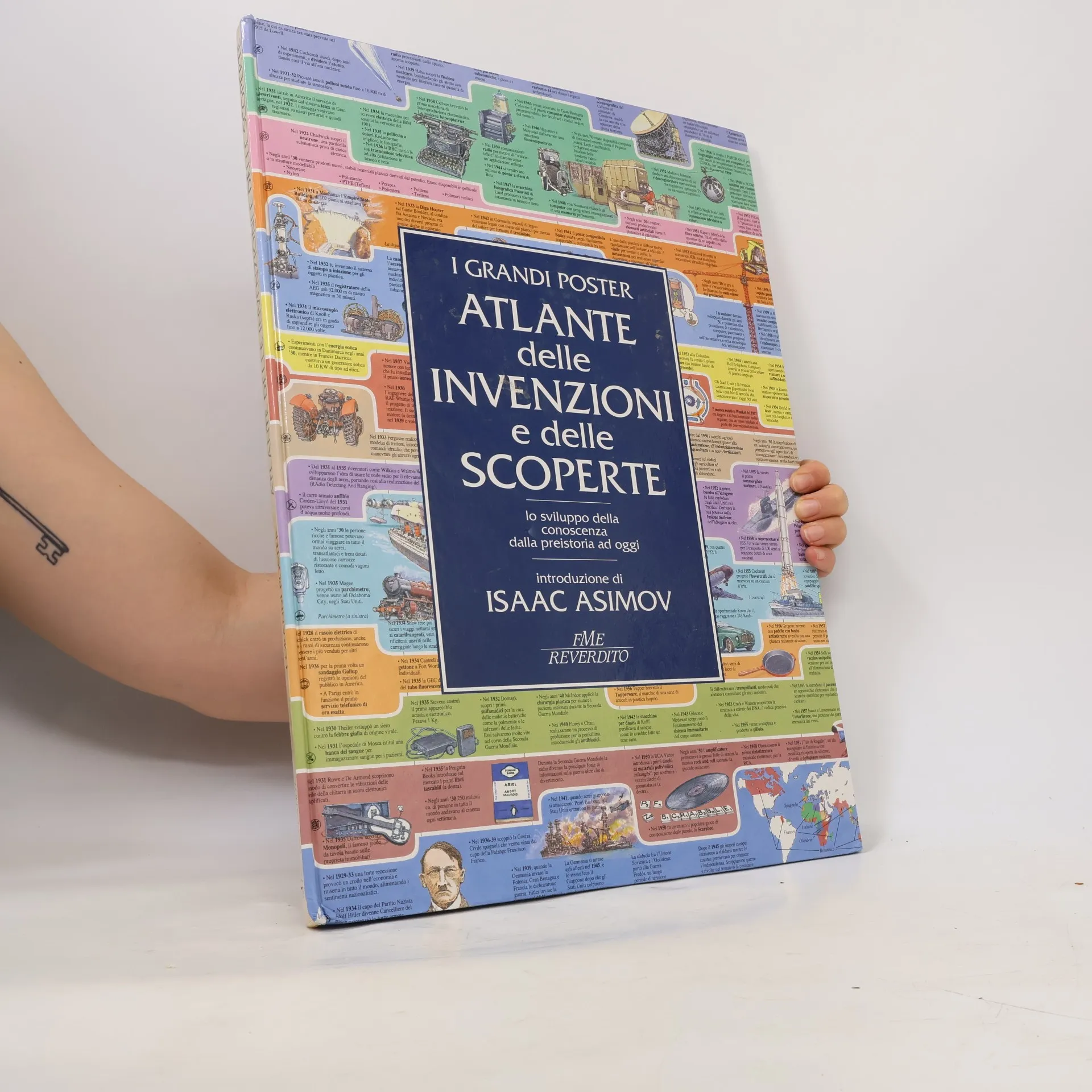
Atlante delle Invenzioni e delle Scoperte
Lo sviluppo della conoscenza dalla preistoria ad oggi
Atlante delle Invenzioni e delle Scoperte. Una panoramica cronologica delle conquiste della scienza dalla preistoria ad oggi. Le forme di vita sono comparse per la prima volta sulla superficie della terra 2.625 milioni di anni fa. Invece la specie homo sapiens, cioè gli esseri umani più vicini a noi, è presente solo da 50.000 anni circa. Se fosse possibile ridurre l'intera durata della vita della Terra in 24 ore, l'umanità sarebbe presente solo nell'ultimo secondo. Ma l'homo sapiens era in grado di fare anche altre cose che gli altri animali non sapevano fare: poteva pensare ed era curioso. L'Atlante delle invenzioni e delle scoperte descrive i tentativi umani per migliorare le condizioni di vita. Ora l'umanità possiede le conoscenze per distruggere o salvare il pianeta. Noi tutti speriamo che gli scienziati si adoperino per un futuro migliore, e che pertanto non si debba giungere alla fine di questa meravigliosa avventura durata quattro miliardi e mezzo di anni.