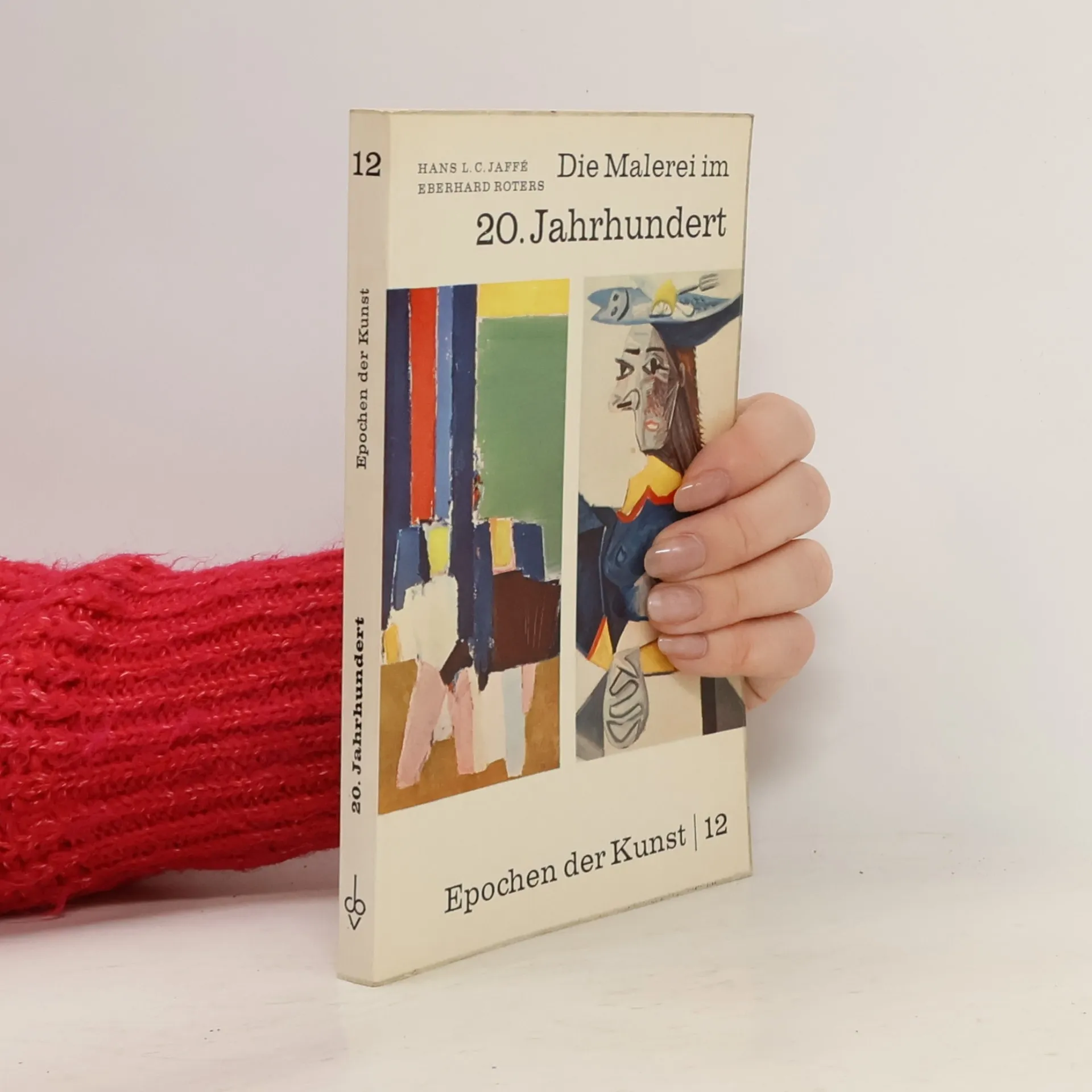
Mondrian
- 126pages
- 5 heures de lecture


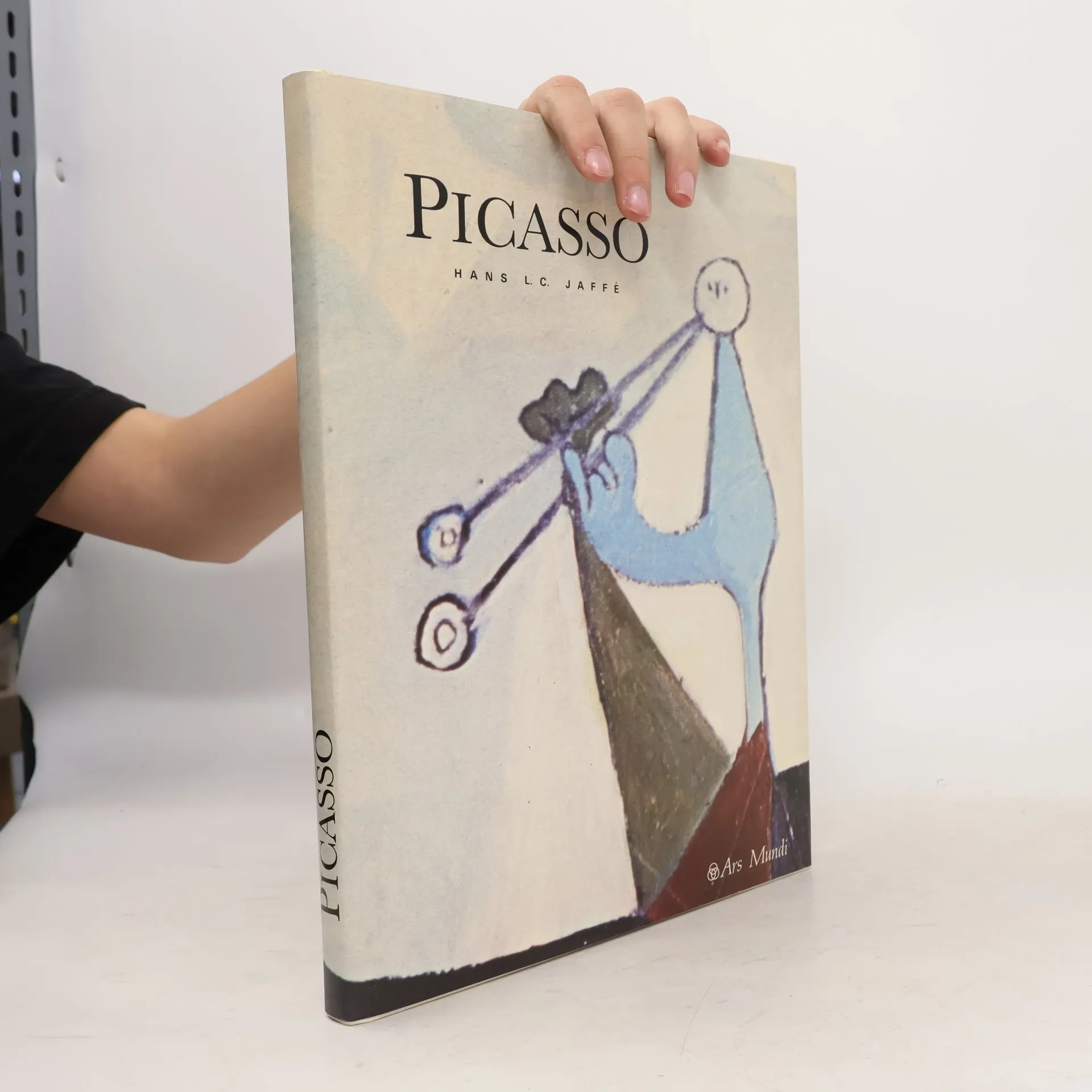
Hans Jaffe fut un historien de l'art respecté qui s'est concentré sur l'art néerlandais, en particulier le mouvement De Stijl. Son travail se caractérisait par une profonde compréhension des mouvements artistiques et de leurs contextes historiques. Tout au long de sa carrière, il a occupé des postes importants au sein d'institutions artistiques néerlandaises de premier plan. Jaffe a contribué à enrichir l'étude et la présentation de l'art néerlandais pour les générations futures.


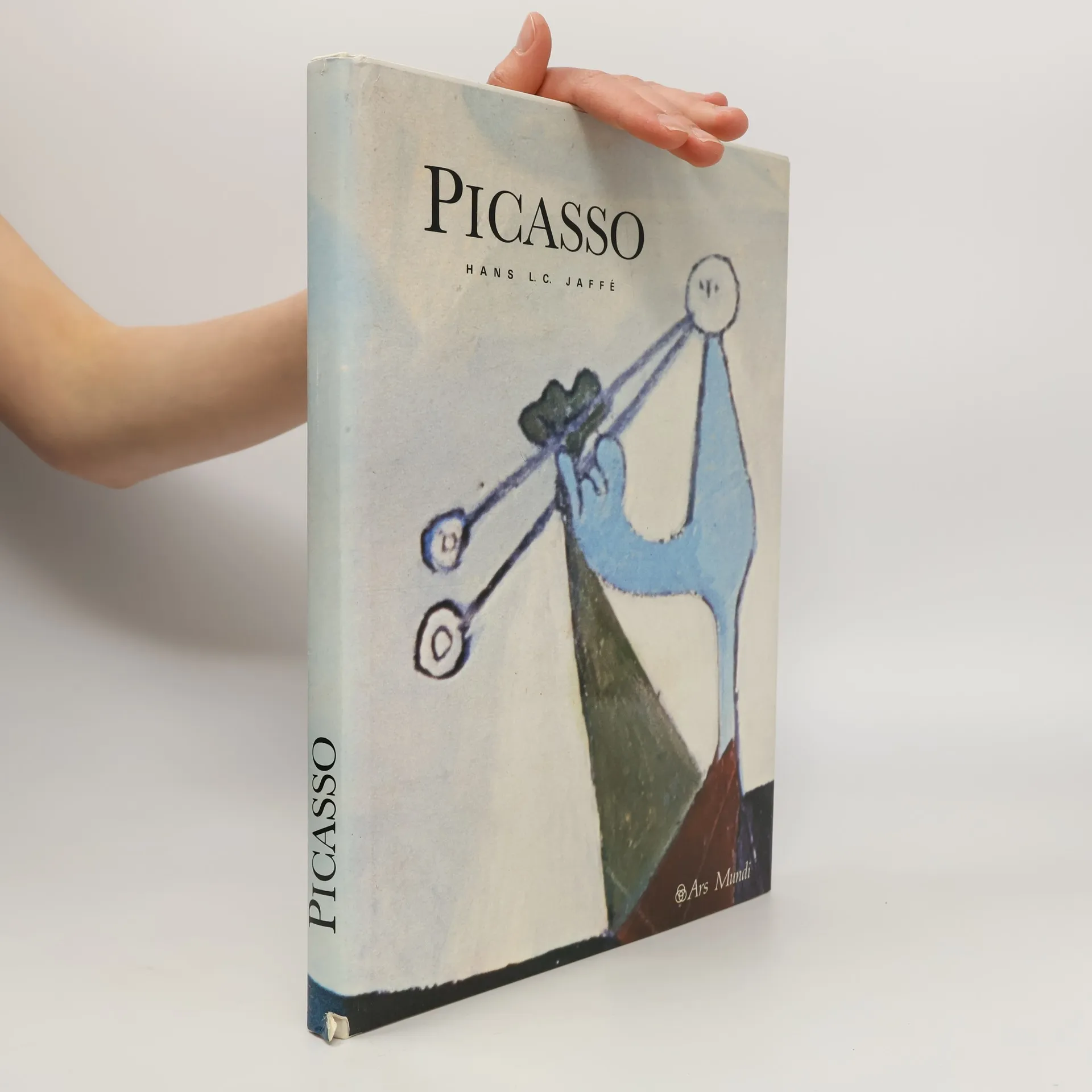


Briefly recounts the life and career of the Dutch painter, and shows and discusses a selection of his major works
The Dutch Contribution to Modern Art (Paperbacks in Art History)
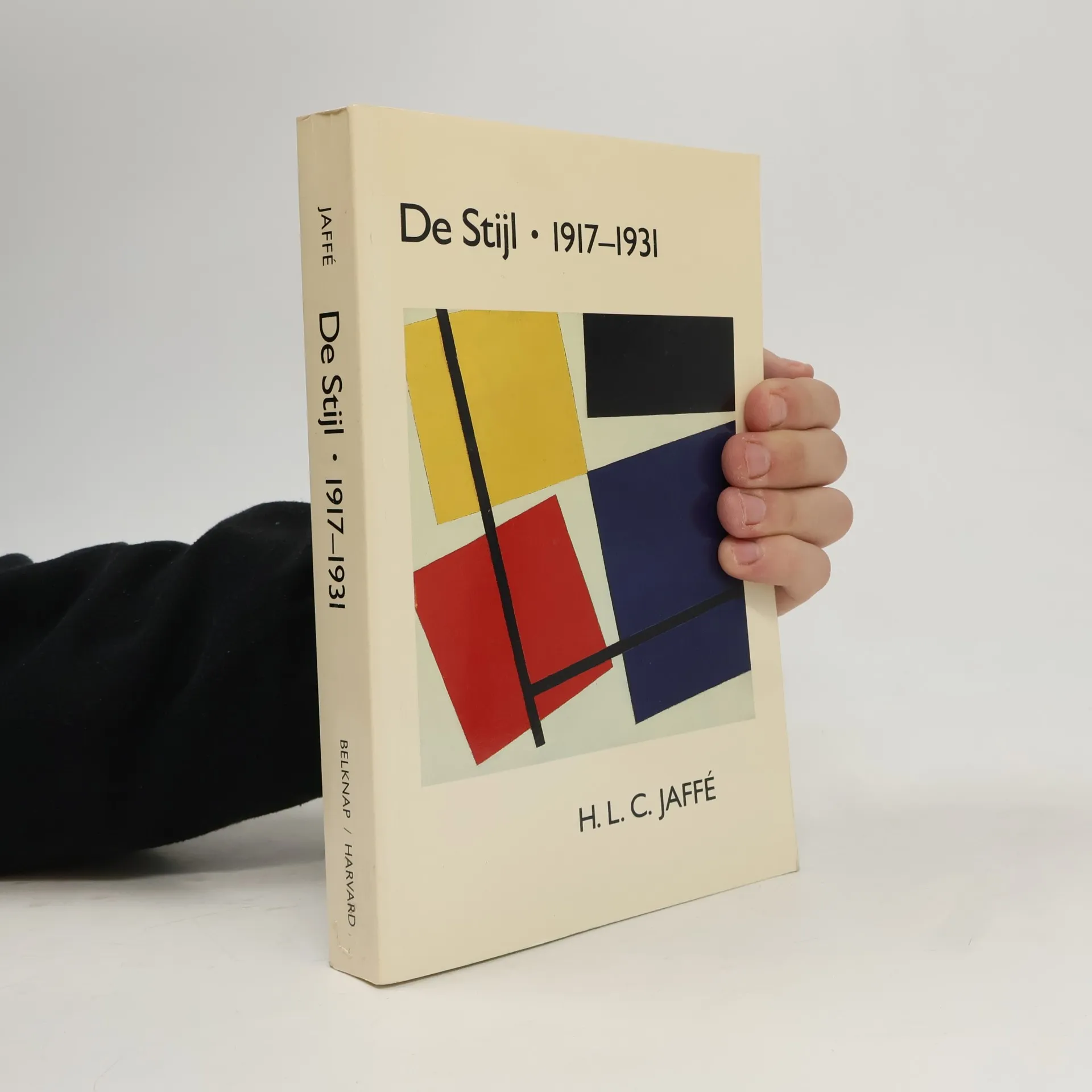
Here is the essential book on "De Stijl," one of the longest lived and most influential of modern art movements. H. L. C. Jaffe recounts the history of this abstract movement; explains its artistic goals and practice; delineates its utopian ideology; and describes the special qualities of De Stijl painting, sculpture, architecture, and design. Jaffe charts the evolution of the movement from its beginning in 1917 with the founding of the journal "De Stijl." He locates the philosophical origins of the artistic program, which put aside representation of nature and confined itself to "pure" forms of expression: vertical and horizontal lines and the primary colors--yellow, blue, red--against white, black, and gray. He describes the roles of Ban Doesburg, De Stijl's driving force, and Mondrian, its leading exponent; the application of its principles to design and architecture; and the involvement of sculptors Arp and Brancusi. He places De Stijl in relation to other abstract arts and demonstrates its wide range of influence. Throughout Jaffe quotes extensively from the writings of the De Stijl group, allowing the artists themselves to describe their aims and methods; a complete forty-page pamphlet by Mondrian, "Art and Life" (1931) is appended.